
Entertainment
Shannon Beador EXPLODES at Housewives on RHOC 17 Midseason Trailer: This is My LIFE!! on August 2, 2023 at 11:09 pm The Hollywood Gossip

Remember how messy last week’s The Real Housewives of Orange County was?
Right at the end, Shannon Beador confronted producers, insisting that no one breathe a word about her life-ruining secret.
Well, that mess isn’t going away. It’s going to blow up in her face later this season.
And before that, more castmates are going to flip out. Take a look at the RHOC 17 midseason trailer and brace yourself for what’s coming.
Interesting choice! The Midseason trailer for RHOC 17 highlighted Vicki Gunvalson’s return to the show (in a “Friend”) role. And to the Tres Amigas, arguably also in a friend role. (Bravo)
As is almost always (there are some notable exceptions) the case with reality TV trailers, it all starts off with fun and partying.
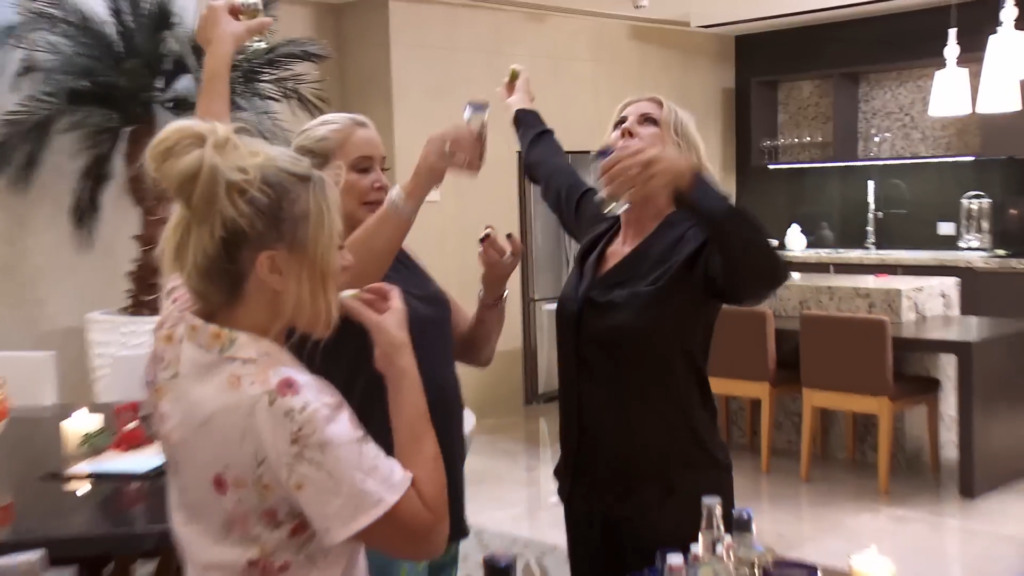
Well, if by “fun” you mean Tamra Judge, Shannon Beador, and Vicki Gunvalson back together again.
And if by “partying,” you mean what sounds like a whole lot of screaming. The Tres Amigas know how to make some noise.
What do you get when you mix Tamra Judge, Shannon Beador, and Vicki Gunvalson? The Tres Amigas … sometimes. When they’re in the right mood. (Bravo)
Vicki is back in a “Friend of” capacity. Whether that’s a good idea remains to be seen.
At first, most fans simply assumed that Vicki would stop by for a lunch or two with Tamra and Shannon and call it a day.
But the OG of the OC actually appears in a few different settings. One of them will be Shannon’s huge explosion … but let’s not get ahead of ourselves.
The RHOC 17 midseason teaser trailer highlighted that Shannon Beador and John Janssen were still together. For the time being. (Bravo)
See, Shannon is still with her boyfriend during this footage.
John Janssen is, of course, the subject of some sort of rumor or secret.
Shannon knows. Heather Dubrow knows. According to Tamra, Heather isn’t keeping it to herself … and word is spreading.
Emily Simpson may not be a natural born unicyclist, but who is? (Bravo)
Shannon freaked out on July’s final episode, fearing that this could destroy her relationship. She tried to demand that producers not use this.
(Hey, at least she wasn’t shouting “Bravo! Bravo! Bravo!” like Denise Richards)
We all know that she and John broke up a while back. And we cannot rule out that it may have been related to this … whatever it is.
Tamra Judge makes a video call to dish on a major real estate move that one of her castmates has made. (Bravo)
Anyway, we are once again getting ahead of ourselves.
On a video call in the trailer, Tamra chats with Shannon about some real estate gossip.
Who sold their home for $55 million? Heather and Terry Dubrow, that’s who.
Shannon Beador wonders why a certain castmate would make a major sale — of her own home — without mentioning it to anyone. (Bravo)
That is a tender slice of gossip.
Shannon openly wonders why Heather didn’t breathe a word of this.
(Especially since she’s seemingly so open about the actual secrets of other people)
Heather Dubrow and husband Terry Dubrow celebrate the $55 million sale of their home. (Bravo)
Obviously, we see Heather and Terry celebrating.
Though there’s no actual indication that they’re just dancing on camera to celebrate a home sale.
Maybe they would. Or maybe editors just made it look that way, and now Heather’s fretting over looking gauche. (Though we do remember what her podcasting room looked like)
Emily Simpson confronts her castmate about body-shaming. There’s no excuse for it. (Bravo)
It’s not all fun and games for Heather, however.
With Jennifer Pedranti sitting beside her, Emily lays into Heather.
She’s confronting her about body-shaming. We won’t know the full context until it airs … but body-shaming is simply never okay.
Shannon Beador is just looking all kinds of over it in this screenshot from the RHOC 17 midseason trailer. (Bravo)
Meanwhile, Shannon doesn’t seem to be in a happy mood.
We know that she has some sort of issue with Heather allegedly spilling her secrets.
Maybe it’s that. Or maybe she’s just not feeling the vibe tonight.
Wig! As in, Heather Dubrow is wearing one, and it’s not good, but that’s sort of the point of this RHOC 17 party. But she’s not in a party mood — and tired of feeling like the “whipping boy” of the group. (Bravo)
Wearing a bad wig (but far from the worst of the night), Heather expresses how she feels tired of being the group’s “whipping boy.”
While it may sound like an esteemed BDSM title, the term actually refers to a legendary (as in, possibly fictitious) practice of tutors abusing non-royal children in order to “punish” a prince or child-king.
Child-abuse is a horrific evil, but the term has come to refer to a social scapegoat — someone who bears the brunt of wrath even if they do not deserve it.
(You can view the trailer for yourself right here)
Of course, that’s not the end of things.
As Gina and Emily remind each other (and the rest of us) while wearing their own atrocious wigs, there’s the matter of Shannon’s secret.
Gina Kirschenheiter and Emily Simpson, wearing some silly party wigs, discuss their castmate’s relationship drama. (Bravo)
It looks like it does come up in a big way. And it might impact John directly.
We see Shannon flip the heck out, admonishing her castmates that they all owe John a massive apology.
It will be interesting to learn the context of this. Also? Notice that Vicki is there for this.
Gina Kirschenheiter, Jennifer Pedranti, Tamra Judge, Emily Simpson, Taylor Armstrong, and Vicki Gunvalson watch as they get a tongue-lashing from a furious RHOC 17 castmate. Those wigs! (Bravo)
There’s more, of course.
Is Emily going to fight Taylor Armstrong? Is Gina going to get to finish her chicken wings? Do I want chicken wings right now?
We can only answer that last question definitively. For now.
Shannon Beador EXPLODES at Housewives on RHOC 17 Midseason Trailer: This is My LIFE!! was originally published on The Hollywood Gossip.
Remember how messy last week’s The Real Housewives of Orange County was? Right at the end, Shannon Beador confronted producers, …
Shannon Beador EXPLODES at Housewives on RHOC 17 Midseason Trailer: This is My LIFE!! was originally published on The Hollywood Gossip.
The Hollywood Gossip Read More




AfriqueFest: Pan-African Musical Experience — World Cup Edition is set to take over Noto Houston on Sunday, June 28, bringing together East, South, and West African sounds in one immersive celebration of music, culture, and connection. Presented by Experience Noir and Bolanle Media, the event is designed as a cinematic night for the culture, blending global energy with Houston nightlife in a way that feels elevated, intentional, and deeply rooted in African creativity.
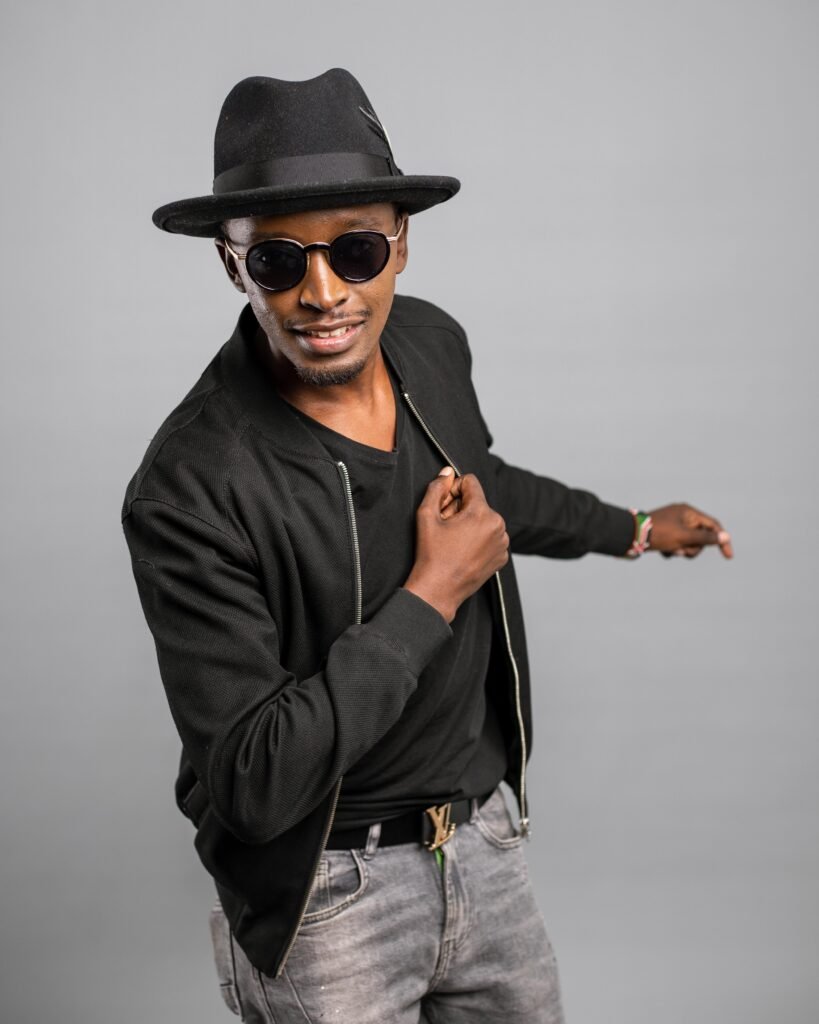
Spotlight on DJ Shinski
At the heart of this year’s experience is DJ Shinski. Born and raised in Nairobi, Kenya and now based in Houston, DJ Shinski has built an international name off high-energy sets that move effortlessly across Afrobeats, Amapiano, hip‑hop, dancehall, reggae, and electronic sounds.
He has also become Africa’s most‑subscribed DJ on YouTube, crossing the 2‑million‑subscriber mark and turning his mixes into a global destination for music lovers.

DJ Shinski’s style is precise but unpredictable: one moment it’s classic Afrobeats, the next it’s East African anthems, then a run of throwback hip‑hop or R&B that still feels fresh. That ability to read a room and connect multiple worlds in a single set is exactly why AfriqueFest is building so much of the night’s energy around him.
At AfriqueFest, DJ Shinski helps drive the Safari Grooves segment, representing East and Central Africa from 4 PM to 6 PM. Expect a journey that moves from Nairobi to Dar es Salaam, Kampala, Addis, and beyond, all filtered through his signature “vibes on vibes” approach behind the decks.
DJ Tunez and the rest of the night
Supporting that energy, DJ Tunez leads the Gold Coast Beats chapter from 8 PM to 10 PM, bringing his own Nigerian‑American Afrobeats pedigree to the stage. Together with the Diamond Rhythms segment (South) and a curated roster of DJs, the night stretches across the continent in three distinct musical chapters, all connected by a single dance floor.
Hosted by @chris_gone_crazy, @kingdrewwskyy, @roselynomaka, and @samsnewleaf, AfriqueFest is positioned as more than a party—it’s a celebration of sound, style, and Pan‑African identity in Houston, with DJ Shinski anchoring the experience from the moment doors open.
Brought to you by Bolanle Media & Experience Noir
Brought to you by Bolanle Media and Experience Noir, this World Cup edition of AfriqueFest is crafted as a night where global DJs, storytellers, and music lovers collide and create a shared cultural memory. With DJ Shinski front and center—and DJ Tunez helping close the night—guests can expect a show that reflects both the future of African nightlife and the power of the diaspora to create unforgettable live moments.
If you want to experience DJ Shinski live at AfriqueFest, now is the time to lock in your spot. Purchase your tickets now at AfriqueFest.com and get ready for a night of music, movement, and culture at Noto Houston.
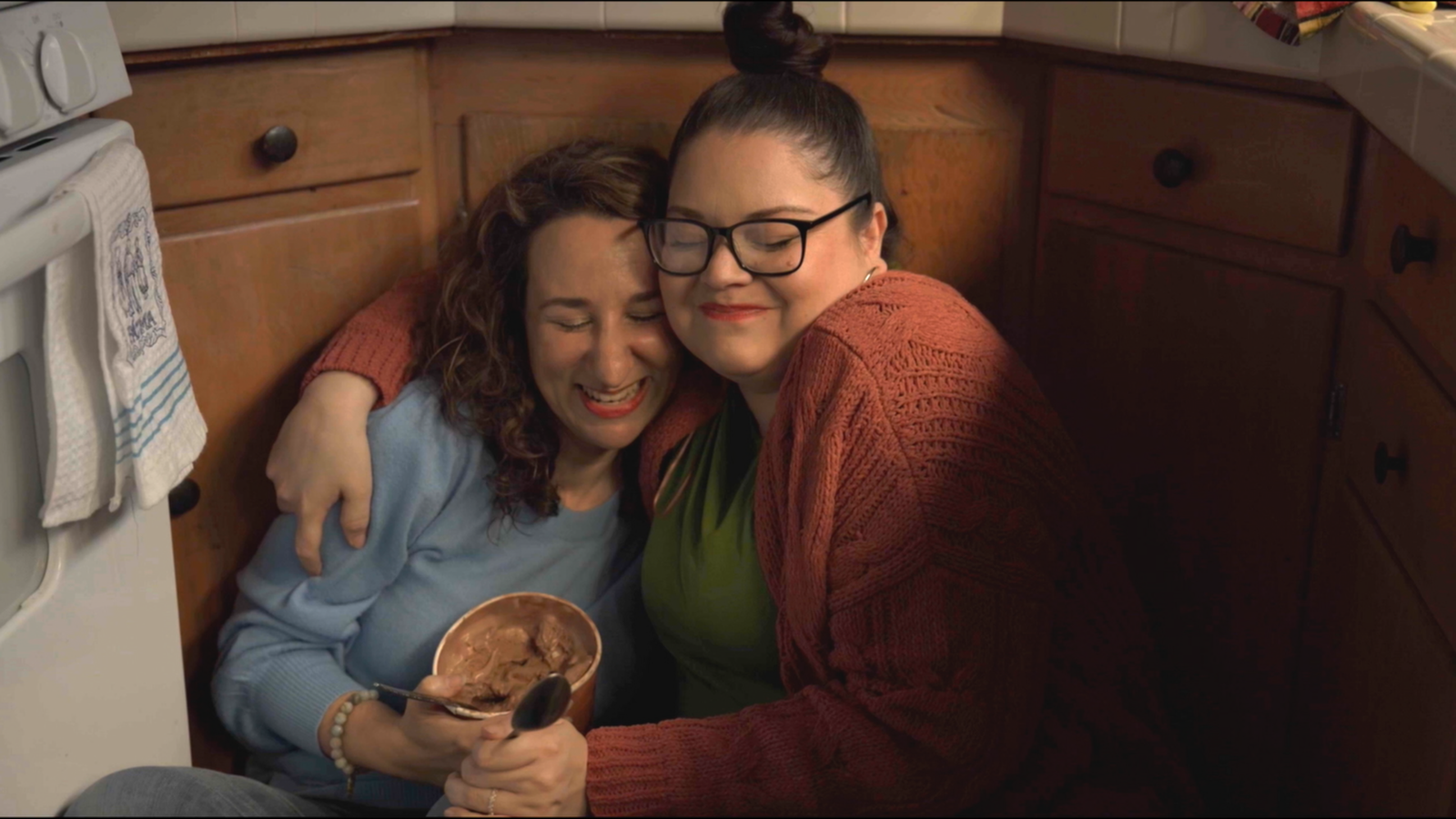
Laughter Meets Inspiration: Our Ladies Show Lands on The Roku Channel
A bold new sketch comedy series for women premieres June 13 across the U.S., U.K., and Canada — arriving on the back of a festival-winning run that has critics and audiences already paying attention.
It isn’t every day a brand-new comedy arrives already wearing a row of trophies. Our Ladies Show does. The seven-episode inspirational sketch comedy series — created, written by, and starring Christin Jezak — begins streaming on The Roku Channel on Friday, June 13, 2026, available free to viewers in the United States, United Kingdom, and Canada.
Produced in partnership with global media services leader Encompass Digital Media, the series sets out to do something rare in today’s streaming landscape: make women laugh out loud and leave them lifted. In a media moment crowded with noise and cynicism, Our Ladies Show is a deliberate counterweight — comedy with a conscience, built for women of every age and background.
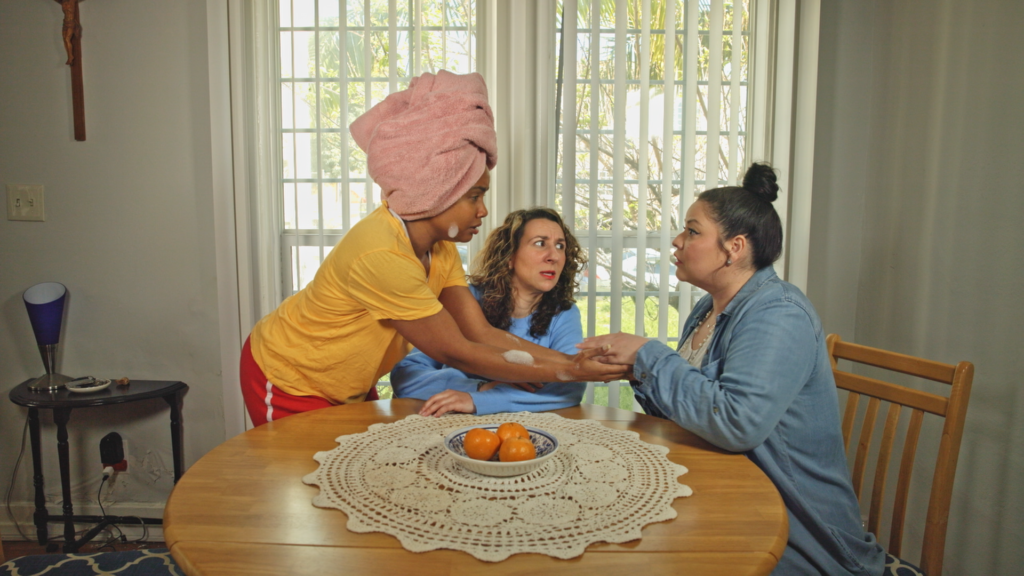
A Show Built Around Real Life — and Real Laughs
Each of the seven episodes opens with a monologue from one of the cast members introducing the theme, then rolls into three or more sketches that hit the subject from every comedic angle. The series tackles the things women actually carry: holding grudges, comparison, beauty, patience, gift giving, the importance of community, and dealing with anxiety.
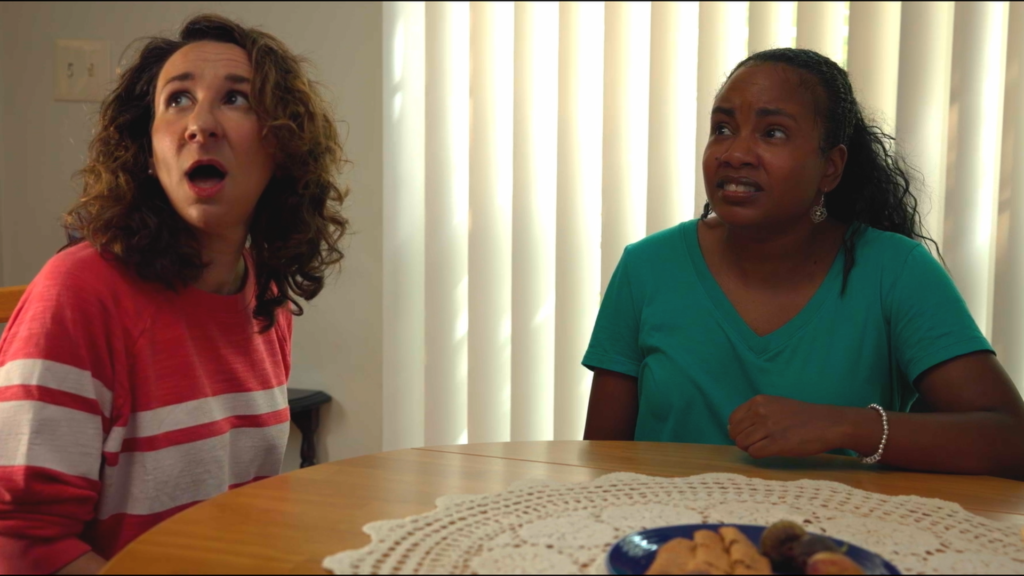
The comedy comes from a place of warmth rather than mockery — a “laugh at ourselves” spirit that runs through a gallery of unforgettable characters: a nosey neighbor, an overwhelmed mom, relentlessly optimistic flight attendants, beauty pageant winners past their prime, and a crew of unruly campers with a counselor who simply cannot hold it together.
Then the show does something most sketch series don’t. In the final segment of every episode, the cast gathers in a living-room setting and invites the audience in — sharing real inspiration drawn from the theme, the sketches, and their own personal stories. It’s the moment the laughter turns into something that stays with you.
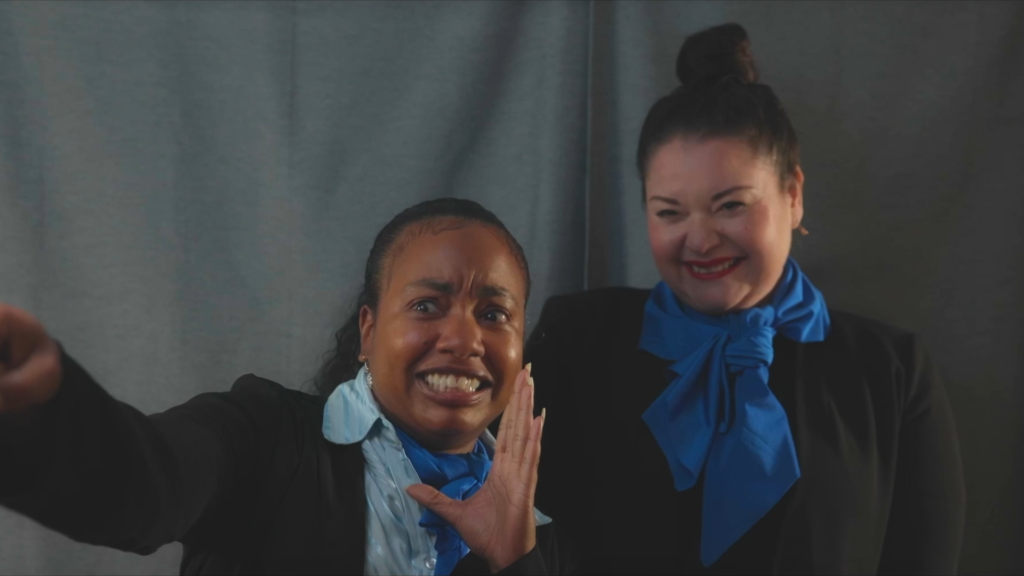
The Women Behind the Show
Our Ladies Show brings together three performers with serious range:
- Christin Jezak — creator, writer, and star (Miracle at Manchester, Raising Hope, Jimmy Kimmel Live!)
- Hillary Hawkins — (Primal, Nick Jr.’s Play Along, Gullah Gullah Island)
- Sarah Hernandez — (Nefarious, Unplanned, House of Payne)
“In a world with so much division and depression, I hope women of all ages and backgrounds will watch this show, laugh, be reminded of how beautiful, unique, and loved they are, and remember how much we need each other.”— Christin Jezak, Creator & Star
Already a Festival Favorite
The series’ recurring long-form sketch, Neighborhood Watch, didn’t arrive quietly. Originally released as a web series and revamped for Our Ladies Show with new footage, sound, and music, it has been sweeping the festival circuit:
- 🏆 Best Webseries — 2026 New Media Film Festival (Los Angeles)
- 🏆 Best Web/TV Series — Paris Film Awards
- 🏆 Best Web Series — Dallas Movie Awards
- 🏅 Additional wins at the London Movie Awards, Florence Film Awards, and Hollywood Gold Awards
- 🎬 Official Selection — 2026 Harvard Divinity School Film Fest
- ⭐ Finalist — Houston Comedy Film Festival
- 📣 Three nominations — 2025 Content Christian Media Conference, including Best Actress in a TV and Web Series nods for both Christin Jezak and Sarah Hernandez
Where and When to Watch
Our Ladies Show premieres Friday, June 13, 2026, streaming on The Roku Channel — the home of premium and free entertainment — in the U.S., U.K., and Canada. All seven episodes deliver the series’ signature blend of sharp sketch comedy and genuine encouragement.
Watch the trailer now on your platform of choice:
For more information, visit www.ourladiesshow.com and follow @ourladiesshow on Facebook, Instagram, and TikTok.
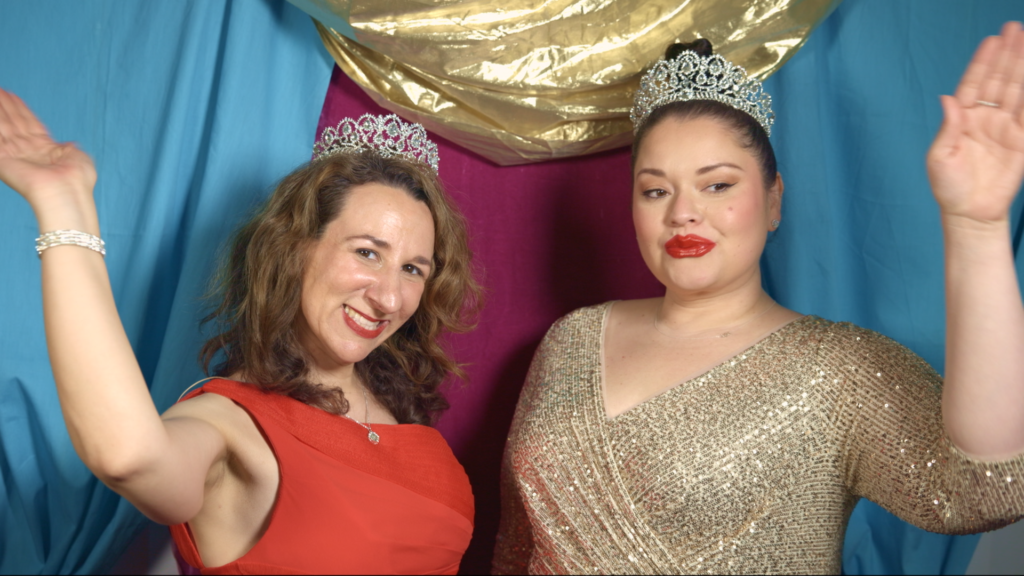
About Christin Jezak
Christin Jezak has worked for over 15 years in the entertainment industry. She created and stars in Our Ladies Show and the award-winning web series Neighborhood Watch. She produced the EWTN TV program For the Sake of the Gospel and the all-women web series Ladies Keepin’ It Real, played Dr. Sam in Miracle at Manchester (starring Dean Cain, Daniel Roebuck, and Eddie McClintock), and voices Agnes in the podcast Confessions of a Catholic Single. She held a lead role in a short film for NTT Data directed by Academy Award–winning cinematographer Janusz Kamiński, has co-starred on Raising Hope, and appeared in Jimmy Kimmel sketches and a Grubhub Super Bowl commercial.
About The Roku Channel
Roku pioneered streaming on TV and is the #1 TV streaming platform in the U.S., Canada, and Mexico by hours streamed (Hypothesis Group, Dec. 2025). The Roku Channel is the home of premium and free entertainment, alongside Roku’s Howdy and Frndly TV services. Roku is headquartered in San Jose, California.
About Encompass Digital Media
Encompass Digital Media is a global managed services company — technology-driven, software-defined, and people-powered. Trusted by world-leading broadcasters, networks, sports rights-holders, and OTT platforms, it processes over 25,000 hours of content daily, serves 850 channels to 84 countries, distributes over 243,000 live events annually, and reaches 400 million radio listeners weekly worldwide. Learn more at www.encompass.tv.
Media & Interview Requests: To interview creator Christin Jezak or the cast, contact Christin at cjezak@p2ptheatre.com.
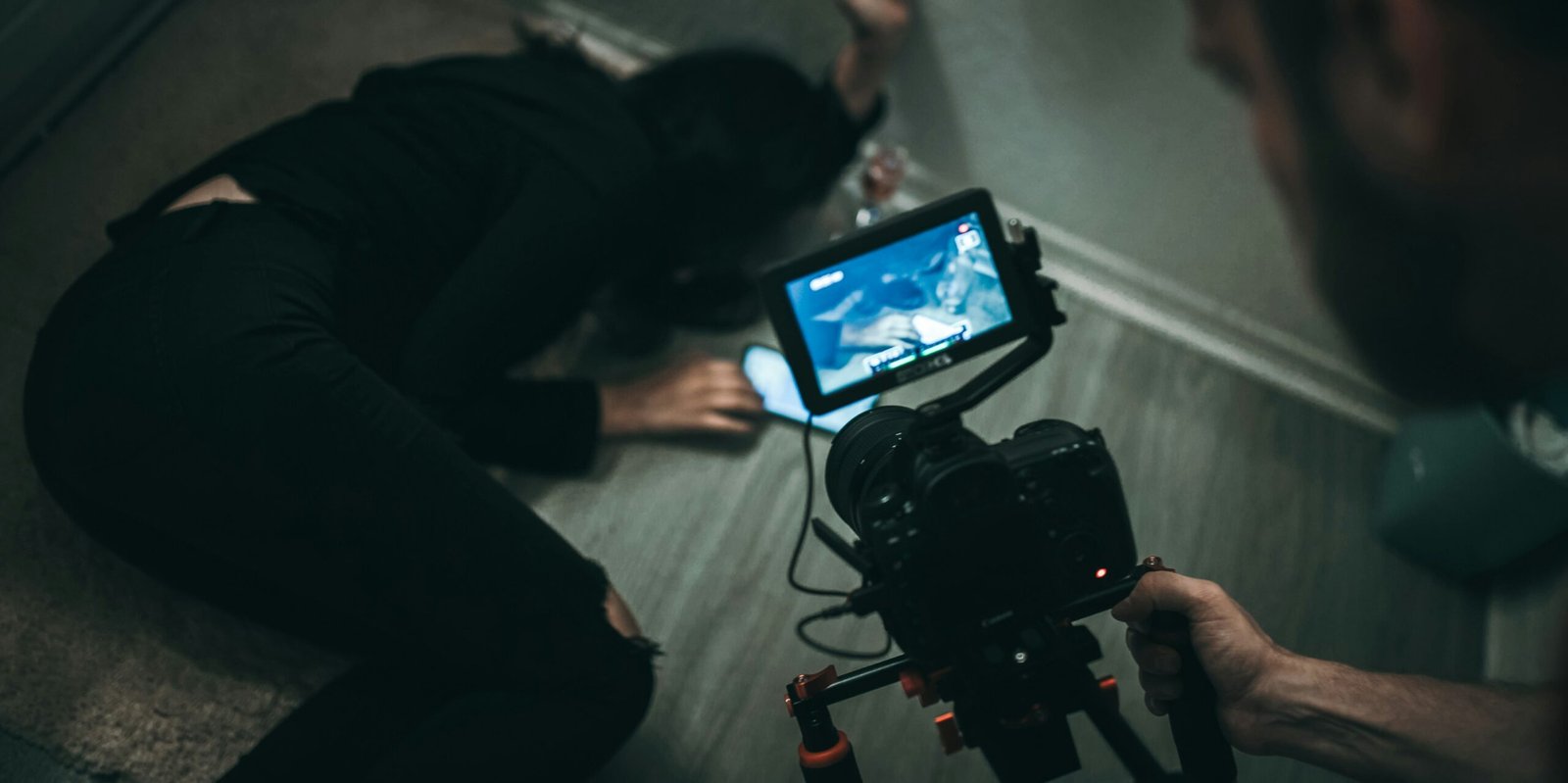
Most of the talk about Euphoria asks one question: was it realistic? That’s the wrong question if you make films. The better one is simpler. How did Sam Levinson get an audience to feel addiction from the inside? And what did it cost him to end the show the way he did?
Strip away the noise and Euphoria is a clinic in three choices: point of view, style, and the ending. Here’s what’s worth taking — and what isn’t.
1. Put the Camera Inside the Character
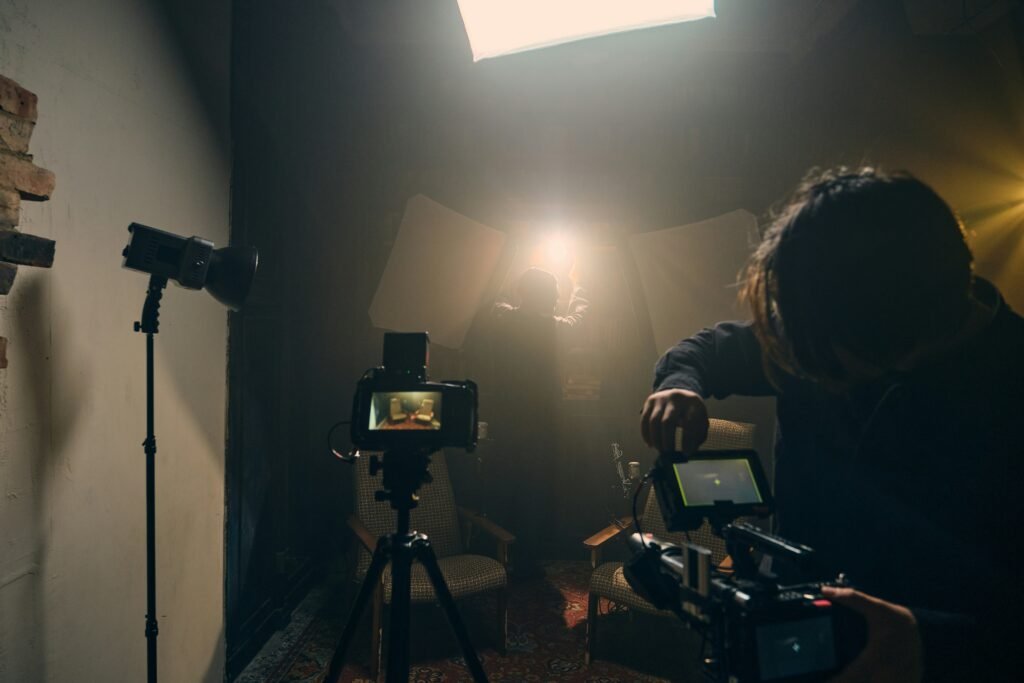
Most shows about drugs watch from across the room. Euphoria doesn’t. When Rue is high, the camera is high too. Walls breathe. Floors tilt. Time skips. You’re not watching her — you’re stuck inside her head.
That’s the lesson: point of view is a decision you make with the camera and the cut, not a mood you add later in color. Levinson builds it into the lens, the blocking, and the edit.
So before you shoot a scene through a character’s eyes, ask one thing on set: whose eyes is this lens standing in for? Then make every cut respect that.
2. Your Style Has to Mean Something
The glitter. The slow push-ins. The impossible club lighting. Euphoria‘s look got copied everywhere. That’s the trap.
The style worked because it carried weight. The beauty wasn’t decoration — it was the lie addiction tells you, the reason the next high looks worth it. The camera made self-destruction gorgeous on purpose.
The copies missed that. A thousand music videos took the look and left the meaning behind, and you can feel how hollow they are. So here’s the test: if your signature style could be swapped onto any other project and still “work,” it’s not a style. It’s a filter. Every choice should have a reason behind it.

3. The Ending Tells the Audience What It All Meant
When Euphoria ended for good in Season 3, Levinson killed Rue — an accidental, fentanyl-laced overdose. He called it “the honest ending,” saying he wanted to tell a true story about addiction and grief in a time when one mistake can be the last one. Reportedly, that wasn’t the original plan; the death of Angus Cloud, who played Fezco, changed the script.
Forget whether you agree with the choice. Study how it works. An ending is the last instruction you give your audience about how to read everything before it.
By ending on consequence instead of recovery, Levinson reframed seven years of beautiful chaos as a story about cost — not a celebration of it.
It’s also the show’s most debatable move, and that’s worth noticing too. A show that spent years making pain look beautiful had to fight to make that pain land as loss. Did it earn the ending, or enjoy the wreckage too long to stick it? Smart filmmakers will disagree — and that argument is exactly what a good ending is supposed to start.
What Not to Take
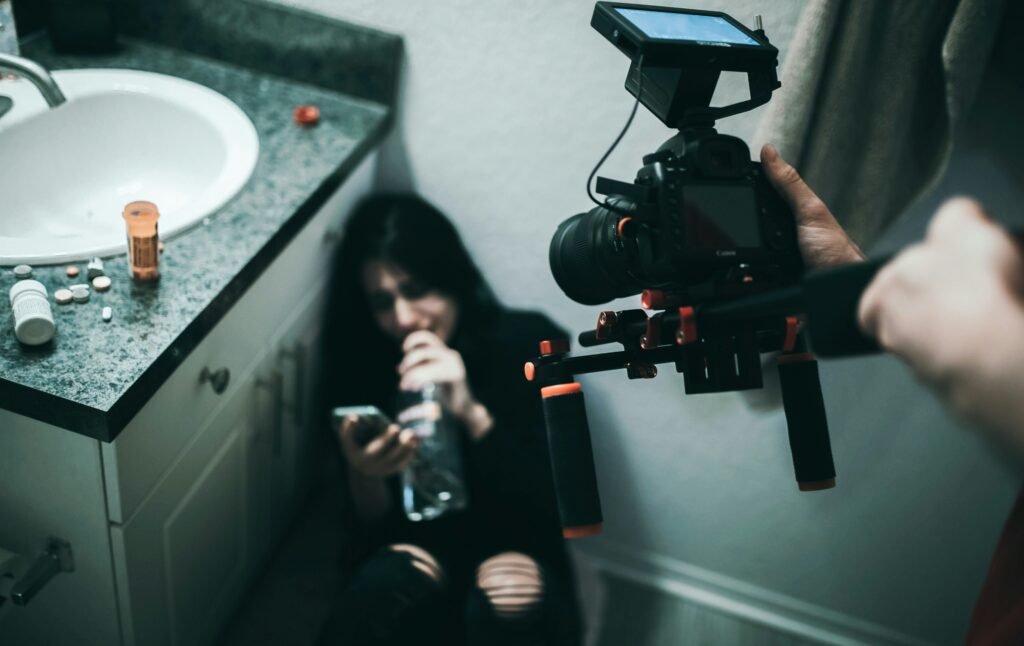
The neon grief is the most copied part. It’s also the least useful. Take the surface — the colors, the slow-mo, the trauma-as-texture — and you get the costume without the body.
The real craft is underneath. Commit your camera to a real point of view. Make every stylistic choice earn its place. Treat your ending as the point of the whole thing. Do that, and your work won’t look like Euphoria. It’ll do what Euphoria did.
This piece touches on addiction and substance use. If you or someone you know is struggling, support is available through the SAMHSA National Helpline at 1-800-662-4357.

How the New York Knicks Turned a Basketball Team into a Cultural Movement

DJ Shinski Brings AfriqueFest To Life

STREAMING PREMIERE · JUNE 13, 2026


 Advice4 weeks ago
How to Make Your Indie Film Pay Off Without Losing Half to Distributors
- Advice4 weeks ago
How to Find Your Voice as a Filmmaker
- Entertainment4 weeks ago
Ozempic Era: Beauty, Lizard Venom, Big Pharma
- Film Industry3 weeks ago
67% Of Film Roles Are Now White Again — And Hollywood Knows Exactly What It’s Doing
- News4 weeks ago
Can AI Really Steal Your Fingerprints From a Selfie?
- Film Industry4 weeks ago
Actors Win AI Deal – But Your Face Is Still Training the Machine
- Business4 weeks ago
Building a 10 Million Army: One Leader’s Mission to Save Tomorrow
- Entertainment5 days ago
STREAMING PREMIERE · JUNE 13, 2026