


Film Industry
When The Script Sucks, But You Already Started Shooting

The Nightmare Scenario
Every filmmaker dreads it: cameras are rolling, the crew is assembled, actors are in costume—and it becomes painfully clear that the script just isn’t working. Maybe the story feels lifeless, the dialogue is clunky, or the characters lack direction. Yet, the production machine is already in motion, and stopping now isn’t an option. What do you do when the script sucks, but you’ve already started shooting?

Why This Happens
There are many reasons productions find themselves in this predicament:
- Rushed Development: Sometimes, excitement or external pressures push a project into production before the script is truly ready. The result is a “we’ll fix it on set” mentality, which rarely works out2.
- Constant Rewrites: Directors or producers may keep rewriting the script during shooting, leading to confusion and inconsistency for cast and crew.
- Unforeseen Changes: Actors drop out, locations fall through, or budget constraints force last-minute alterations, all of which can compromise the script.
- Lack of Preparation: Skipping the crucial step of thoroughly workshopping and locking the script before production begins often leads to problems that are hard to fix on the fly.

The Cost of a Bad Script in Production
- Morale Drops: Cast and crew quickly sense when a project is on shaky ground, leading to diminished enthusiasm and commitment.
- Increased Expenses: Last-minute changes mean delays, overtime, and sometimes reshoots. This can balloon the budget and exhaust the team.
- Creative Chaos: Actors struggle to understand their characters, and the story can become incoherent as new pages arrive daily.
- Technical Confusion: Crew members rely on the script for planning shots, lighting, and logistics. Constant changes disrupt this process, increasing the risk of mistakes.

Strategies for Survival
1. Embrace Controlled Flexibility
While some rewriting is inevitable, especially on indie productions, it’s vital to maintain a clear vision. If changes must be made, communicate them clearly and ensure everyone understands how they fit into the overall story.
2. Prioritize Core Story Elements
Identify the essential beats and character arcs that must remain intact. Focus on shooting those well, even if other scenes are in flux. This ensures you have a coherent backbone to build around in post-production.
3. Collaborate and Communicate
Actors and crew should feel empowered to ask questions when changes arise. Open communication helps maintain professionalism and keeps performances consistent, even as the script evolves.
4. Troubleshoot Ruthlessly
If scenes feel flat or boring, analyze why. Are stakes clear? Are character motivations strong? Even on set, it’s possible to punch up dialogue, clarify objectives, and inject urgency into scenes.
5. Lean on Structure
A well-structured script is your safety net. If you’re forced to rewrite, use established storytelling frameworks (like the three-act structure) to maintain pacing and narrative momentum4.

6. Don’t Rely on “Fixing It in Post”
The myth that editing can save a bad script is dangerous. While editors can work wonders, they can’t invent story or character where none exists. Focus on getting the best material possible during production.
Lessons for Next Time
The best way to avoid this situation is to invest heavily in script development before cameras roll. Workshop the script, get feedback, and don’t start shooting until the screenplay is truly ready. A locked, well-crafted script saves time, money, and morale—and gives your cast and crew the foundation they need to deliver their best work.
“A bad script will only lead to a bad movie, no matter how talented the cast and crew may be… By taking the time to fix any issues with the script before production begins, you can ensure that your project is on the path to success.”
Conclusion
When you find yourself shooting with a script that isn’t working, the key is to stay calm, communicate, and focus on the story’s essentials. While it’s a tough spot, creativity and collaboration can sometimes salvage a troubled production. But the ultimate lesson is clear: fix it on the page, not on the set.


Bolanle Media covers a wide range of topics, including film, technology, and culture. Our team creates easy-to-understand articles and news pieces that keep readers informed about the latest trends and events. If you’re looking for press coverage or want to share your story with a wider audience, we’d love to hear from you! Contact us today to discuss how we can help bring your news to life











A practical guide for independent artists who want their music heard on the big screen.
Every memorable film has one thing in common: music.
Think about your favorite movie scenes. Chances are, the music made the moment unforgettable. A powerful song can transform an emotional conversation, make an action sequence more exciting, or leave audiences thinking long after the credits roll.
Behind every one of those moments is a decision. Someone chose that song because it helped tell the story.
For independent artists, that raises an important question:
How does your music become one of those songs?
The answer isn’t simply writing better music. It’s understanding how filmmakers search for, evaluate, and license music in the first place.
Filmmakers Aren’t Always Looking for Famous Artists
One of the biggest misconceptions in the music industry is that only chart-topping artists land songs in films.
In reality, independent filmmakers often have limited music budgets and are searching for songs that fit the emotion of a scene—not necessarily the artist with the biggest following.
Sometimes an unknown artist with the perfect song is a better choice than a global superstar whose music is too expensive or unavailable to license.
The question filmmakers ask isn’t:
“Who has the most streams?”
It’s:
“Which song tells this story best?”
Think Like a Director, Not Just a Musician
Many artists write songs for listeners.
Successful sync artists often write songs that listeners can also see.
As you’re creating music, imagine where it could live on screen.
Could it play during:
- A couple falling in love?
- A championship victory?
- A heartbreaking goodbye?
- A suspenseful chase?
- A coming-of-age montage?
- The emotional final credits?
If a director can instantly picture your music inside a scene, you’ve already increased its value.
Ownership Matters More Than Most Artists Realize
A filmmaker may fall in love with your song, but if it’s difficult to determine who owns the rights, the opportunity can disappear quickly.
Every artist should know:
- Who owns the songwriting.
- Who owns the master recording.
- Whether all collaborators have agreed to licensing.
- Who should be contacted for permission.
The simpler the licensing process, the easier it becomes for filmmakers to move forward.
Organization Creates Opportunity
Professional artists don’t just organize their music—they organize their business.
Before pitching music for film or television, make sure you have:
- High-quality WAV files.
- Instrumental versions.
- Clean edits (when appropriate).
- Song lyrics.
- Accurate metadata.
- Genre and mood descriptions.
- Tempo (BPM).
- Contact information.
- A simple licensing contact or email.
These details may seem small, but they save filmmakers time—and in production, time matters.
Relationships Open Doors
Many music placements begin long before a contract is signed.
They start with conversations.
Independent film festivals, networking events, filmmaker meetups, creative conferences, podcast interviews, and industry mixers all bring musicians and filmmakers into the same room.
A director who hears your music today may remember it months later when editing their next project.
Creative careers are often built one relationship at a time.
Think Beyond Hollywood
When artists imagine film placements, they often picture major Hollywood productions.
But opportunities exist far beyond traditional studios.
Music is licensed every day for:
- Independent feature films.
- Short films.
- Documentaries.
- Streaming series.
- Commercials.
- Brand campaigns.
- Podcasts.
- Video games.
- YouTube productions.
- Film festival trailers.
Many successful careers begin with smaller projects that lead to larger opportunities over time.
Your Music Is Part of Someone Else’s Story
Filmmakers aren’t simply searching for background music.
They’re searching for songs that make audiences laugh, cry, celebrate, hope, remember, or feel something they didn’t expect.
The best music doesn’t compete with a story.
It becomes part of it.
As an independent artist, your goal isn’t just to release another song.
It’s to create music that someone can imagine bringing a story to life.
Because somewhere, a filmmaker is editing the final scene of their next project.
The only question is:
When they reach that moment… will your music be the song they hear?
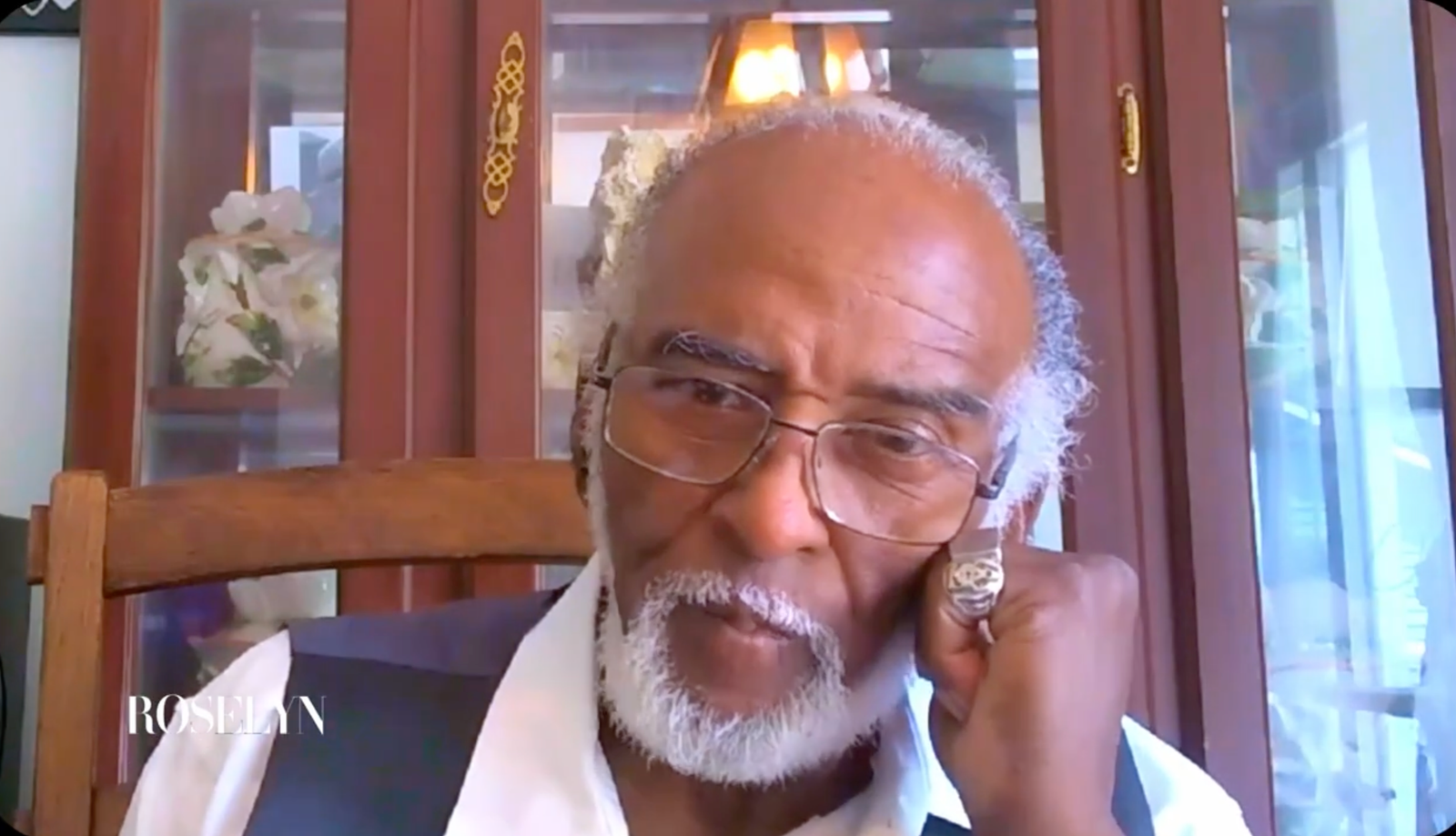
Every generation has a story that gets buried until someone brave enough decides to tell it. For Dr. John Robinson, that story starts with a lie told about him by a powerful employer, and it’s now becoming an upcoming film that promises to bring his 12-year fight for justice to the screen.
The Insult That Started It All
Robinson says he was on track for a $72,000-a-year promotion, complete with a company vehicle and credit card, when it was suddenly stripped away without warning.
The reason, according to Robinson, was chilling: his employer allegedly said a Black man was incapable of learning unless he was taught by a white man.
That single sentence became the fuse that lit a 12-year legal war, and it’s the emotional core the upcoming film is built around.
From the Farm to Federal Court
Robinson’s story starts long before the lawsuit. At six years old, he says local children beat him and packed his mouth and head with clay on the orders of adults in his rural Florida community. He grew up sharecropping, later became a trained expert who trained every employee who got promoted ahead of him, yet was passed over himself time after time. These are the formative scenes the film is expected to explore in depth.
The Real Case Behind the Story: Robinson v. Caulkins Indiantown Citrus Co.
This isn’t just a personal account — it’s backed by real federal court filings. Public records confirm John H. Robinson filed Robinson v. Caulkins Indiantown Citrus Co., a race discrimination lawsuit in the U.S. District Court for the Southern District of Florida, brought under both Title VII of the Civil Rights Act of 1964 and Section 1981 of the Civil Rights Act of 1866. Court documents show Robinson sought back pay, promotion, benefits, and both compensatory and punitive damages. The case, which began as an individual complaint in 1983, moved toward class-action status, and Robinson has said he refused a $980,000 settlement offer rather than let the case collapse back into an individual claim.

The litigation dragged through the 1980s, with a federal judge ruling on discovery and dismissal motions as late as January 1988, and the case was set for trial that spring in West Palm Beach. Robinson has said the fight put him under FBI protection for five years amid threats to his family, including an alleged pipe-bomb incident tied to a shop he leased. This is the tension the upcoming film is expected to dramatize as its central rising action.
Surviving Cancer to Tell His Story
While building a second career in waste management after the case, Robinson was diagnosed with stage-four esophageal cancer in 2008 and given two to six months to live. He survived, crediting his wife and family, though he lost his wife to illness in recent years. Now, nearly two decades later, he’s still here to see his own story reach the screen.
What’s Coming Next
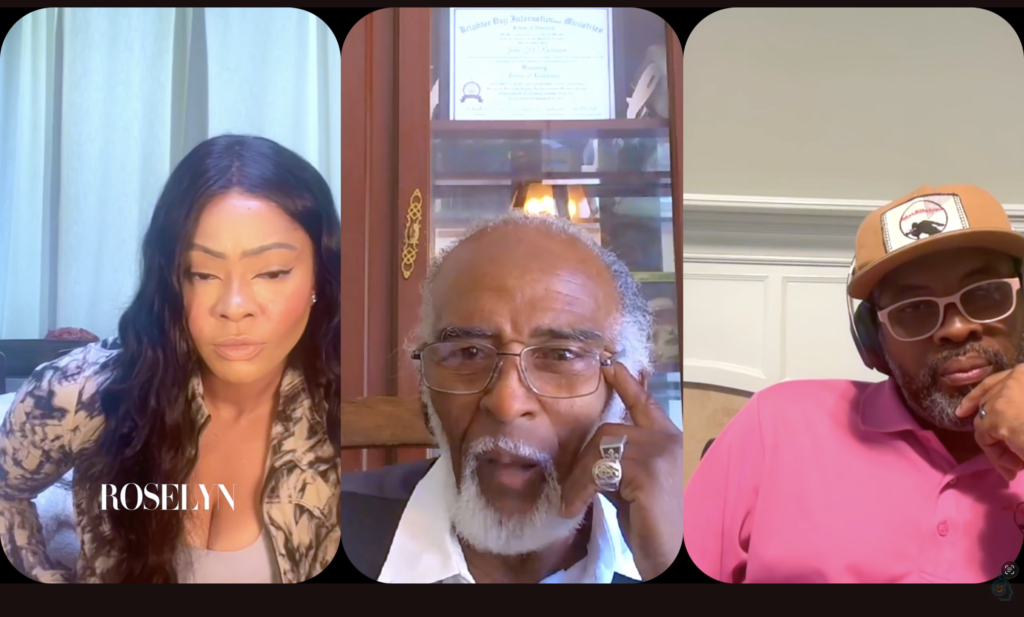
Director Marcus Head, whose Reynaldo Rey documentary featuring Katt Williams earned a 46th Annual Telly Award, is now adapting Robinson’s memoir “Chicken Scratch” into this upcoming film, describing it as a blend of “Hidden Figures,” “The Pursuit of Happyness,” and “The Color Purple“. Roselyn Omaka of The Roselyn Omaka Show is serving as a consulting producer on the project. Casting remains under wraps until Head gives the green light, but he has been clear about why now is the right time: he calls Robinson’s fight “another story of justice to be told”.
Stay tuned to Bolanle Media for exclusive updates as “Chicken Scratch” moves from interview to production.
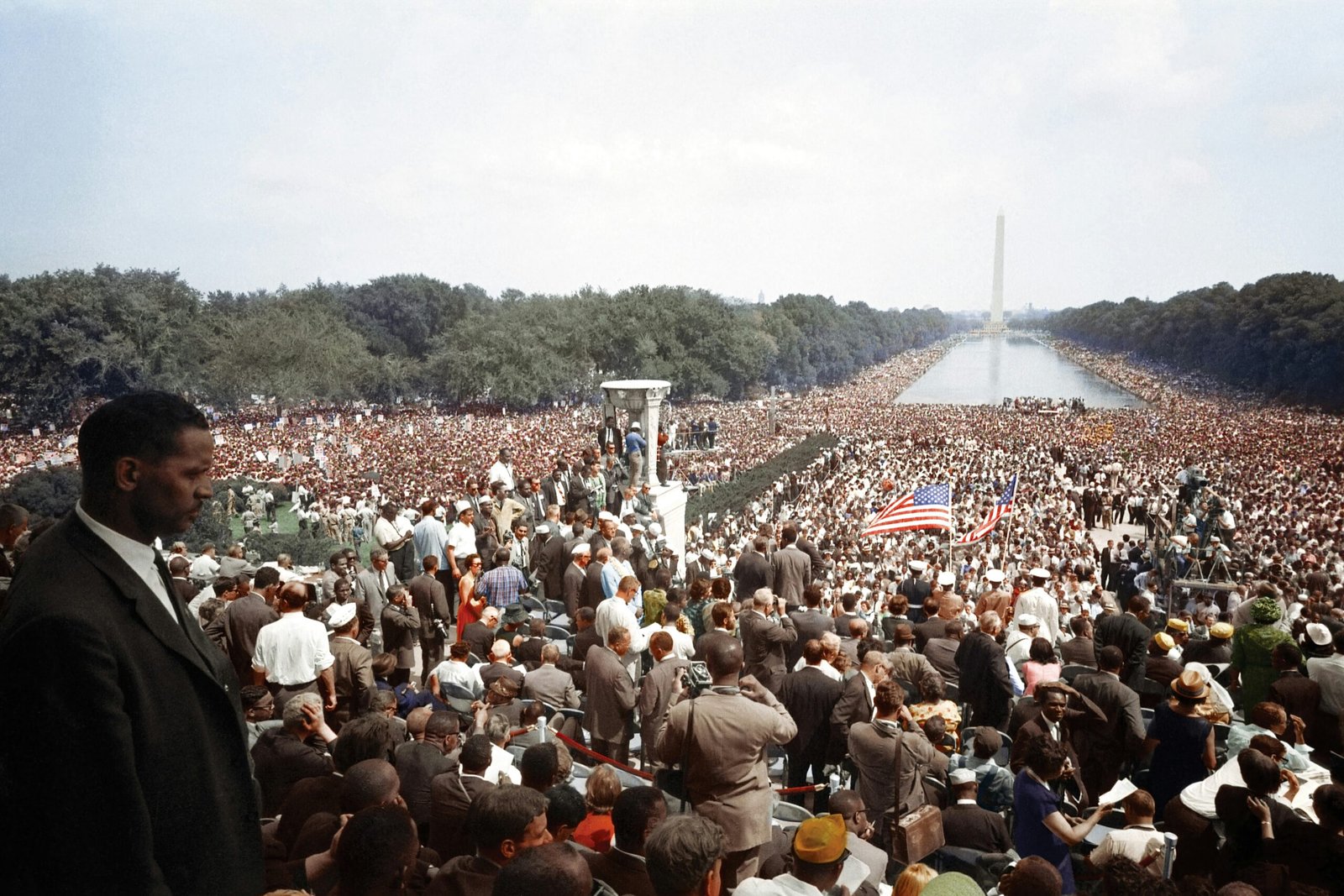
Conversations about racism haven’t gone away—they’ve just gone quieter in headlines and louder in the stories we tell on screen.
In 2026, films about race are doing more than “raising awareness”; they’re showing how power, history, and everyday choices collide in ways that still shape people’s lives.
For filmmakers and audiences, the question isn’t just “Is this movie about racism?”
It’s “What kind of racism is this film exposing—and what does it want us to do with that knowledge?”

From Overt Hate To Everyday Systems
Older films often focused on obvious villains: the open bigot, the hate group, the slur shouted in public.
Today’s projects still acknowledge overt racism, but many go a layer deeper, looking at how institutions, policies, and “normal” behavior keep unequal systems in place even when nobody says the quiet part out loud.
This shift matters.
It helps viewers understand that racism isn’t only about extreme moments; it’s also about who gets believed, protected, resourced, hired, housed, or forgiven—and who doesn’t.
Films As History Lessons In Real Time
Some recent films work almost like living history classes.
They connect a specific story—a family, a teacher, a court case, a protest—to decades of policy and social attitudes that made that story possible.
When these projects are done well, they do three things at once:
they honor individual experience, they situate that experience in a larger system, and they force the audience to ask, “What around me still looks like this today?”
That framing is what makes certain films feel “current” even if they’re set in the past.
They aren’t just saying “look what happened”; they’re saying “this is still happening, just with better branding.”
The New Racism On Screen: Code, Silence, And “Neutrality”
One of the most important shifts in modern stories about race is how they handle subtlety.
Instead of only showing explicit violence or slurs, more films are highlighting:
- Coded language that sounds polite but dehumanizes whole groups.
- Institutions that claim to be “neutral” while repeatedly producing unequal outcomes.
- Characters who say they are “not racist” but never challenge racist decisions, policies, or jokes.
This matters for representation.
It helps audiences recognize that racism often hides inside HR policies, school funding formulas, algorithms, casting choices, news framing, and everyday “professionalism,” not just in obvious hate.
What This Means For Filmmakers
If you’re a filmmaker exploring racism in 2026, you’re carrying real responsibility.
Audiences are more media‑literate now; they’ve seen trauma porn, one‑note villains, and “very special episode” storytelling, and they’re asking for more honesty and depth.
A few questions to check your work against:
- Are you centering people who live with racism, or using their pain just to shock the audience?
- Does your story connect individual prejudice to larger systems, or pretend everything would be fine if one bad person changed?
- Are you leaving viewers with context and agency—showing both harm and possibilities for action—or only with despair?
When you get this balance right, your film can do more than win applause.
It can become a tool for classrooms, communities, organizers, and viewers who are trying to name what they already feel but can’t always explain.
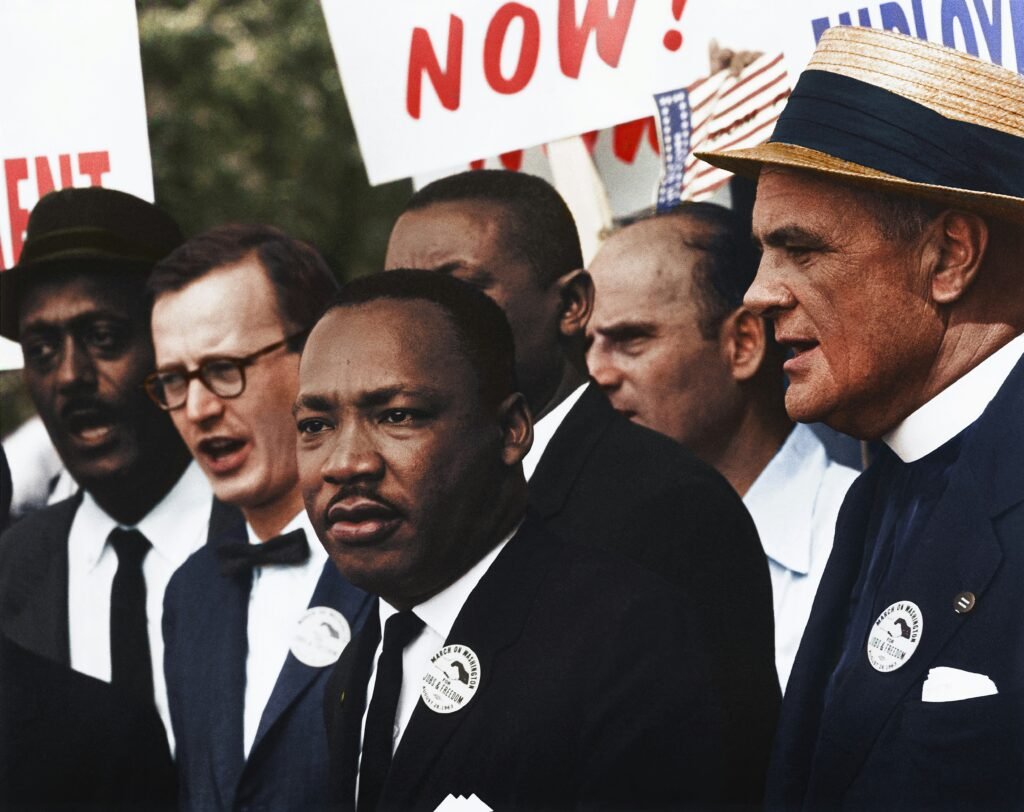
Watching With Intent, Not Just Emotion
For viewers, the next step is to watch these films as mirrors and maps, not just as emotional rollercoasters.
Ask yourself: Who gets to be complex? Who gets to be safe? Whose perspective is treated as “normal,” and whose is treated as “other” or “exceptional”?
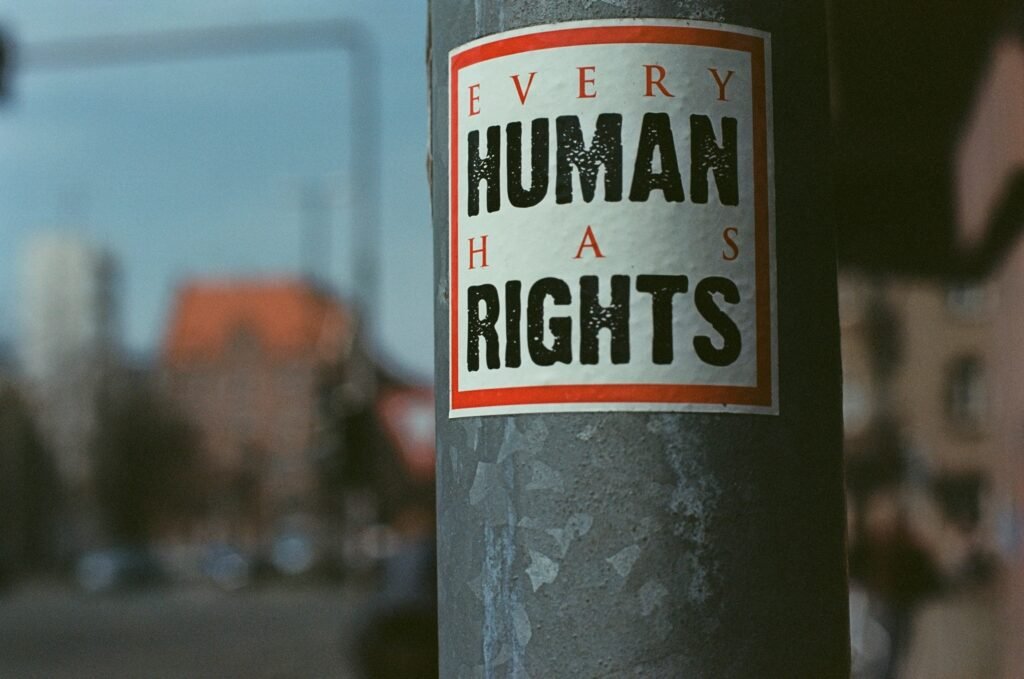
Movies alone won’t end racism, but they can sharpen our language, expand our empathy, and expose how power really moves.
In a time when many people insist “things are better now,” films that honestly show the gap between that claim and lived reality are not just entertainment—they’re evidence.

Why Some Songs End Up in Movies—While Others Never Do

They Told Him a Black Man Can’t Learn. He Sued Them and Won.


