


Career Growth
Rejection: Nature’s Way of Telling You to Try Harder (Or Give Up Entirely)

In our relentless pursuit of success, rejection can feel like a brutal gut punch, leaving us winded and questioning our self-worth. But what if we told you that those stinging rejections could actually be the rocket fuel propelling you towards greater heights? By reframing rejection through a more positive lens, you can transform life’s nos into invaluable learning experiences and catalysts for personal growth.
The first step in this transformative process is to recognize rejection as a sign of growth, not failure. When you step out of your comfort zone and put yourself out there, rejection is an inevitable part of the journey. Instead of viewing it as a personal indictment, see it as a badge of honor – a sign that you’re challenging yourself, taking risks, and actively pursuing your dreams. After all, growth cannot happen without some rejection along the way.
Next, embrace the gift of feedback. When faced with rejection, don’t shy away from asking for constructive criticism on areas you can improve. This feedback is a valuable treasure trove of insights, offering you a roadmap to develop your skills and increase your chances of success in the future. Treat this feedback not as a criticism, but as a gift – a rare opportunity to learn and grow from those who have walked the path before you.

Cultivating resilience is also key to reframing rejection. Remind yourself that even the most successful individuals in any field have faced countless rejections before achieving their goals. Each “no” is not a defeat, but a chance to build the mental toughness and perseverance required to ultimately triumph. Let each rejection motivate you to keep pushing forward, fueled by the knowledge that greatness is forged in the fires of adversity.
As you navigate the rejection landscape, make it a practice to reflect on the lessons each experience offers. Perhaps a particular rejection exposed a weakness you can work on, revealed your true priorities, or showed you a different path to explore. By looking for the hidden lessons, you can extract valuable insights to apply to future endeavors, continuously refining your approach and increasing your chances of success.
And don’t forget to celebrate the small wins along the way. While rejection can feel all-consuming, it’s important not to let it overshadow your other accomplishments. Celebrate the courage it took to put yourself out there, the skills you’ve developed, and the personal growth you’ve achieved. This positive reinforcement will help maintain your motivation and self-confidence, even in the face of setbacks.
Ultimately, the key to reframing rejection is to see it not as a failure, but as a redirection towards something better suited for you. Have faith that the universe is steering you in the right direction, even if the path isn’t immediately clear. Embrace the idea that each rejection is simply a course correction, guiding you towards your true purpose and the opportunities that align with your authentic self.

Registration Code: BOLANLEVIP
By gaining perspective and looking at the bigger picture, you can recognize that rejection is often not a reflection of your self-worth, but rather a matter of fit, timing, or circumstances beyond your control. Don’t take it personally or catastrophize the situation – instead, use it as an opportunity to step back, reassess, and refocus your efforts with renewed clarity and determination.
In the end, reframing rejection as a learning opportunity is a powerful mindset shift that can transform your relationship with failure. By embracing rejection as a catalyst for growth, resilience, and self-discovery, you can turn life’s nos into the rocket fuel propelling you towards greater heights of personal and professional success. Each rejection gets you one step closer to your ultimate triumph, forging you into a stronger, wiser, and more resilient version of yourself. So, the next time you face rejection, don’t despair – instead, strap in and prepare for liftoff.

Stay Connected
Unlock impactful advertising opportunities with Bolanle Media. Our expert team crafts immersive experiences that captivate audiences, driving brand engagement and memorability. Let’s elevate your brand’s marketing strategy together.













Business
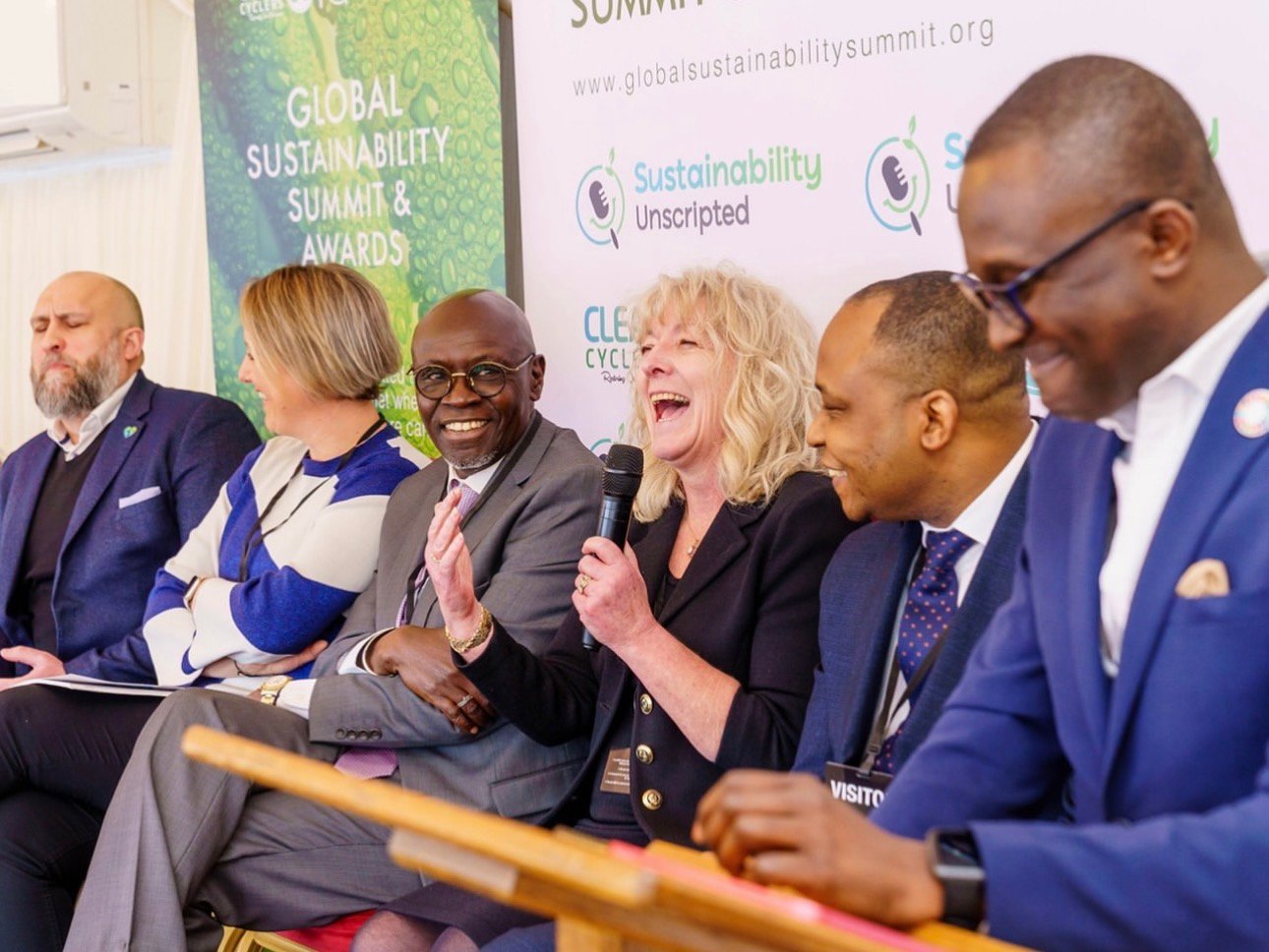
GLOBAL SUSTAINABILITY SUMMIT RETURNS FOR ITS 5TH EDITION AT THE BRITISH PARLIAMENT – HOUSE OF LORDS, PALACE OF WESTMINSTER
FOR IMMEDIATE RELEASE
Theme: “People, Planet, and Profit in the Age of AI and Innovation”
London, United Kingdom — The Global Sustainability Summit (GSS) is officially back for its landmark 5th Edition, continuing its legacy as one of the leading international platforms driving sustainable development, climate action, ethical investment, innovation, and global collaboration.
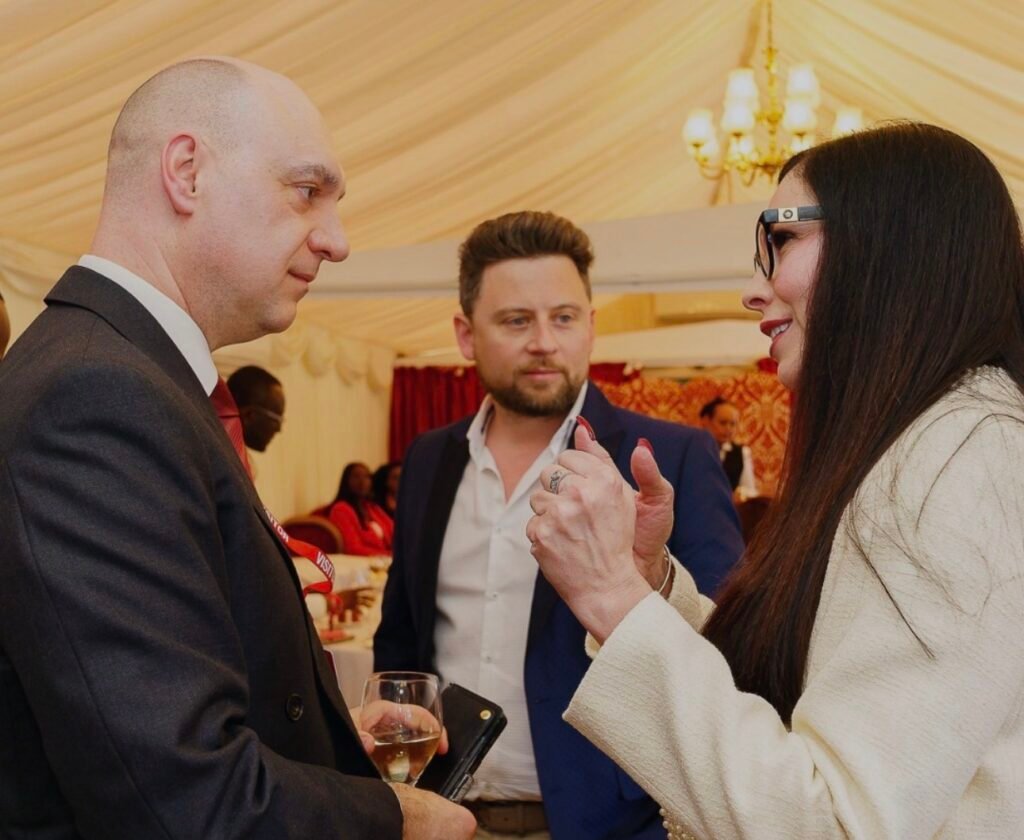
Convened annually at the prestigious British Parliament, House of Lords, Palace of Westminster, by Ambassador Canon Chinenem Otto, the Summit has, over the last four years, successfully fostered international dialogue and partnerships that have contributed to the advancement of global sustainability goals, the establishment of sustainability-focused ministries, departments and policy structures across national and subnational governments, and the attraction of major investors into sustainable development projects, corporations and emerging economies.
This year’s summit, themed “People, Planet, and Profit in the Age of AI and Innovation,” will explore how emerging technologies, responsible leadership, sustainable finance, innovation, and global partnerships can shape a more inclusive, resilient and environmentally conscious future.
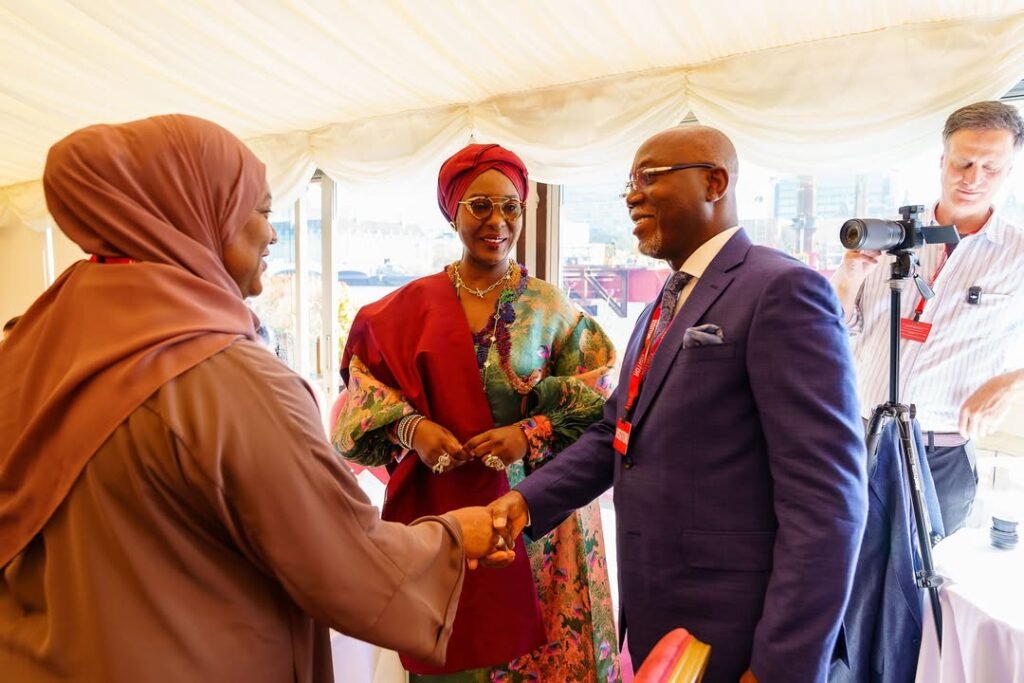
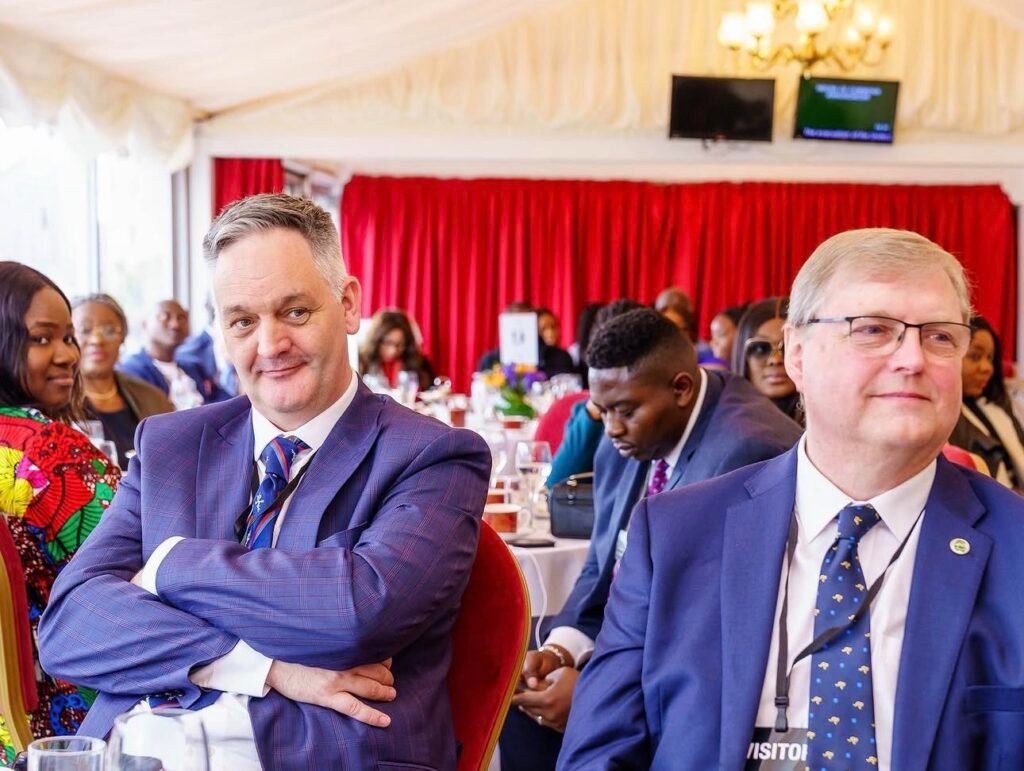
The 5th Edition promises to be the most impactful yet, bringing together world leaders, policymakers, diplomats, investors, academics, innovators, climate experts and youth leaders from across the globe to discuss actionable solutions toward achieving a sustainable and equitable future.
Among the distinguished speakers, delegates and honorees already lined up for the Summit are:
• His Excellency Mallam AbdulRahman AbdulRazaq — Executive Governor of Kwara State, Nigeria and Chairman of the Nigeria Governors’ Forum
• His Excellency Senator Prince Bassey Otu — Executive Governor of Cross River State, Nigeria
• Ambassador Patricia Espinosa Cantellano — Former Executive Secretary of UN Climate Change (UNFCCC) and Former Foreign Minister of Mexico

• Lord Marvin Rees, Baron Rees of Easton OBE — Member of the House of Lords, United Kingdom
• Hon. Neema K. Lugangira — Secretary-General of Women Political Leaders (WPL), Brussels and Former Member of Parliament
• Her Excellency Dr. Netumbo Nandi-Ndaitwah — President of the Republic of Namibia
• His Excellency Nangolo Mbumba — Former President of Namibia
• Former President of Tanzania
• Her Excellency Ambassador Professor Olufolake AbdulRazaq — First Lady of Kwara State, Nigeria and Chairperson of Nigeria Governors’ Spouses Forum
• Your Excellency Dr. Dikko Umar Radda, PhD, CON — Executive Governor of Katsina State and Chairman of the Northwest Governors Forum, Nigeria
• Hon. Sam Shafiishuna Nujoma — Governor of Khomas Region, Namibia
• H.E. Mr. Veiccoh Nghiwete — High Commissioner of the Republic of Namibia to the United Kingdom
• Her Excellency Ms. Macenje “Che Che” Mazoka — High Commissioner of Zambia to the United Kingdom
• Ms. Danielle Newman — Partner Lead, ICT, World Economic Forum
• Leanne Elliott Young — Co-founder, Institute of Digital Fashion & CommuneEast
• Ms. Chloe Russell — Producer & Presenter, Art, Science and Nature
• Professor Marie-Claire Cordonier Segger — University of Cambridge & University of Waterloo
• Dr. Alexandra R. Harrington — IUCN World Commission on Environmental Law (WCEL)
• Professor Payam Akhavan — Massey College, University of Toronto
• Mr. Mallai C. E. Sathya — President, Dravida Vetri Kazhagam and International Movement for Tamil Culture Asia
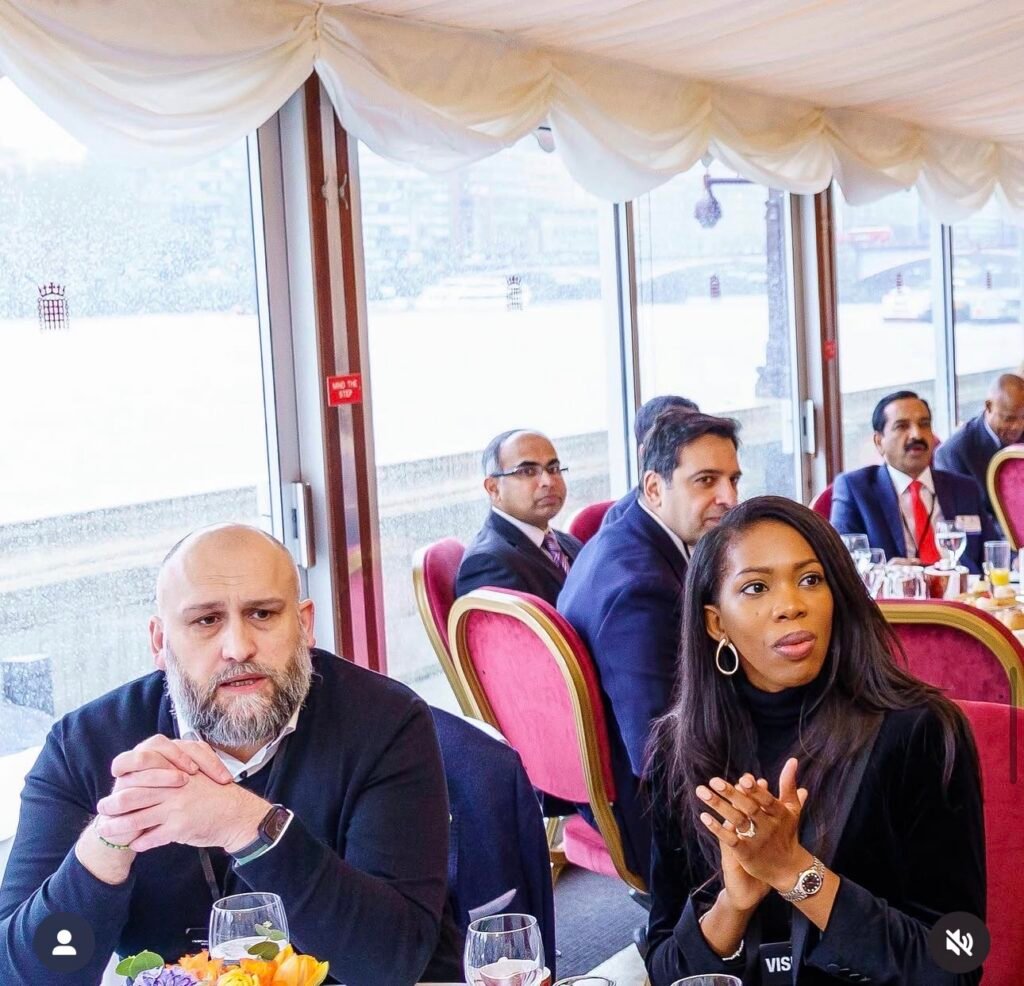
The Summit will feature high-level panel discussions, strategic investment conversations, sustainability awards, policy dialogues, innovation showcases, youth engagement sessions and international networking opportunities focused on climate resilience, ethical financing, food-water-energy sustainability, circular economy, artificial intelligence, diplomacy and sustainable development.
Speaking ahead of the Summit, Convener Ambassador Canon Chinenem Otto noted:
“As the world rapidly evolves through artificial intelligence and technological innovation, we must ensure that sustainability remains people-centered, environmentally responsible and economically inclusive. The Global Sustainability Summit continues to serve as a bridge connecting governments, institutions, innovators and investors to accelerate practical sustainability solutions globally. Our fifth edition is not only a celebration of progress made over the years, but also a renewed call for global collaboration and actionable impact toward achieving the Sustainable Development Goals and Net Zero ambitions.”
The Global Sustainability Summit continues to position itself as a catalyst for transformative partnerships and sustainable global progress, reinforcing the urgent need for collective action toward a more resilient and sustainable future.
More announcements regarding additional speakers, partners and summit activities will be unveiled in the coming weeks.

America’s job market is facing an unprecedented crisis—and nowhere is this more painfully obvious than at Harvard, the world’s gold standard for elite education. A stunning 25% of Harvard’s MBA class of 2025 remains unemployed months after graduation, the highest rate recorded in university history. The Ivy League dream has become a harsh wakeup call, and it’s sending shockwaves across the professional landscape.

Jobless at the Top: Why Graduates Can’t Find Work
For decades, a Harvard diploma was considered a golden ticket. Now, graduates send out hundreds of résumés, often from their parents’ homes, only to get ghosted or auto-rejected by machines. Only 30% of all 2025 graduates nationally have found full-time work in their field, and nearly half feel unprepared for the workforce. “Go to college, get a good job“—that promise is slipping away, even for the smartest and most driven.
Tech’s Iron Grip: ATS and AI Gatekeepers
Applicant tracking systems (ATS) and AI algorithms have become ruthless gatekeepers. If a résumé doesn’t perfectly match the keywords or formatting demanded by the bots, it never reaches human eyes. The age of human connection is gone—now, you’re just a data point to be sorted and discarded.
AI screening has gone beyond basic qualifications. New tools “read” for inferred personality and tone, rejecting candidates for reasons they never see. Worse, up to half of online job listings may be fake—created simply to collect résumés, pad company metrics, or fulfill compliance without ever intending to fill the role.

The Experience Trap: Entry-Level Jobs Require Years
It’s not just Harvard grads who are hurting. Entry-level roles demand years of experience, unpaid internships, and portfolios that resemble a seasoned professional, not a fresh graduate. A bachelor’s degree, once the key to entry, is now just the price of admission. Overqualified candidates compete for underpaid jobs, often just to survive.
One Harvard MBA described applying to 1,000 jobs with no results. Companies, inundated by applications, are now so selective that only those who precisely “game the system” have a shot. This has fundamentally flipped the hiring pyramid: enormous demand for experience, shrinking chances for new entrants, and a brutal gauntlet for anyone not perfectly groomed by internships and coaching.
Burnout Before Day One
The cost is more than financial—mental health and optimism are collapsing among the newest generation of workers. Many come out of elite programs and immediately end up in jobs that don’t require degrees, or take positions far below their qualifications just to pay the bills. There’s a sense of burnout before careers even begin, trapping talent in a cycle of exhaustion, frustration, and disillusionment.
Cultural Collapse: From Relationships to Algorithms
What’s really broken? The culture of hiring itself. Companies have traded trust, mentorship, and relationships for metrics, optimizations, and cost-cutting. Managers no longer hire on potential—they rely on machines, rankings, and personality tests that filter out individuality and reward those who play the algorithmic game best.

AI has automated the very entry-level work that used to build careers—research, drafting, and analysis—and erased the first rung of the professional ladder for thousands of new graduates. The result is a workforce filled with people who know how to pass tests, not necessarily solve problems or drive innovation.
The Ghost Job Phenomenon
Up to half of all listings for entry-level jobs may be “ghost jobs”—positions posted online for optics, compliance, or future needs, but never intended for real hiring. This means millions of job seekers spend hours on applications destined for digital purgatory, further fueling exhaustion and cynicism.
Not Lazy—Just Locked Out
Despite the headlines, the new class of unemployed graduates is not lazy or entitled—they are overqualified, underleveraged, and battered by a broken process. Harvard’s brand means less to AI and ATS systems than the right keyword or résumé format. Human judgment has been sidelined; individuality is filtered out.

What’s Next? Back to Human Connection
Unless companies rediscover the value of human potential, mentorship, and relationships, the job search will remain a brutal numbers game—one that even the “best and brightest” struggle to win. The current system doesn’t just hurt workers—it holds companies back from hiring bold, creative talent who don’t fit perfect digital boxes.
Key Facts:
- 25% of Harvard MBAs unemployed, highest on record
- Only 30% of 2025 grads nationwide have jobs in their field
- Nearly half of grads feel unprepared for real work
- Up to 50% of entry-level listings are “ghost jobs”
- AI and ATS have replaced human judgment at most companies
If you’ve felt this struggle—or see it happening around you—share your story in the comments. And make sure to subscribe for more deep dives on the reality of today’s economy and job market.
This is not just a Harvard problem. It’s a sign that America’s job engine is running on empty, and it’s time to reboot—before another generation is locked out.

The phrase “Overqualified? Great, Now Prove You’ll Work for Free and Love It!” sums up the snake-eating-its-tail absurdity of the modern job search. In 2025, the most experienced, credentialed candidates are told they’re not quite the right fit—because they’re too capable, too seasoned, and might actually threaten the status quo by knowing what they’re worth.

The Experience Dilemma
Picture this: half the workforce has too much education or experience for the entry-level roles on offer, and yet, employers still claim they can’t find “qualified” people. The result? An absurd interview dance where applicants with years of achievement must convince employers they’re perfectly fine being underpaid and unappreciated. Many are even asked to perform hours of free “sample work”—projects that benefit the company but are never compensated.

Nearly half of job seekers have applied for jobs for which they were overqualified this year, and about a quarter feel “overqualification” is a major obstacle to actually getting hired. Employers call it “hiring for culture fit” or “salary alignment.” Candidates call it gaslighting: “We love your credentials, but wouldn’t someone like you get bored… or want a living wage?”.
Free Labor: The New Normal
The job hunt is now a marathon of unpaid labor. Applicants often rewrite resumes dozens of times (to game robotic filters), complete personality tests, and spend weeks in multi-stage interviews, only to be ghosted. In a perverse twist, talented workers jump through hoops for jobs explicitly beneath their skill level, all because employers believe an overqualified hire will “leave at the first better opportunity.” In reality, people just want to pay the bills—and would gladly contribute their value if someone gave them a chance.

Even as companies bemoan a “labor shortage,” they turn away the best and brightest, fearing they’ll disrupt the hierarchy, demand raises, or burn out from boredom. What’s left? The less skilled get trained on the job, and even they are told not to expect too much—after all, wouldn’t you do it for the “experience” alone?.
The Absurdity of the Market
Workers at every level—laid off, mid-career, executives—are hunting desperately for positions once reserved for recent graduates. Administrative jobs that previously required a high school diploma now routinely demand a college degree and relevant work history. Degree inflation means the bar keeps rising, but the pay and job security aren’t budging; 2025’s job search feels more like a dystopian obstacle course than a professional meritocracy.

Employers wield the “overqualified” label to maintain the illusion that they could hire anyone, while making sure they never have to pay what a role is really worth. Ironically, most companies spend more time filtering out talent than developing it—and everyone loses in the end.

What’s the Solution?
Job seekers are increasingly advised to do the following:
- Tailor resumes and cover letters to each application, emphasizing culture fit and signaling “no threat to the boss”.
- Network with insiders for referrals, since faceless applications are now nearly pointless.
- Accept that unpaid proof-of-skills work is now part of the game.
- Keep learning, but remember: adding skills may just make you even more overqualified for the next round.
The paradox of 2025? “Show us your value—just don’t expect to be treated like you have any.” The only thing more overqualified than today’s job seeker is the job market itself: packed with hurdles, full of empty promises, and rigged to keep the most talented quietly waiting for a call that may never come.

Why Some Songs End Up in Movies—While Others Never Do

They Told Him a Black Man Can’t Learn. He Sued Them and Won.


