Filmmaking
Why Hollywood’s Biggest Blockbusters Keep Failing at the Box Office

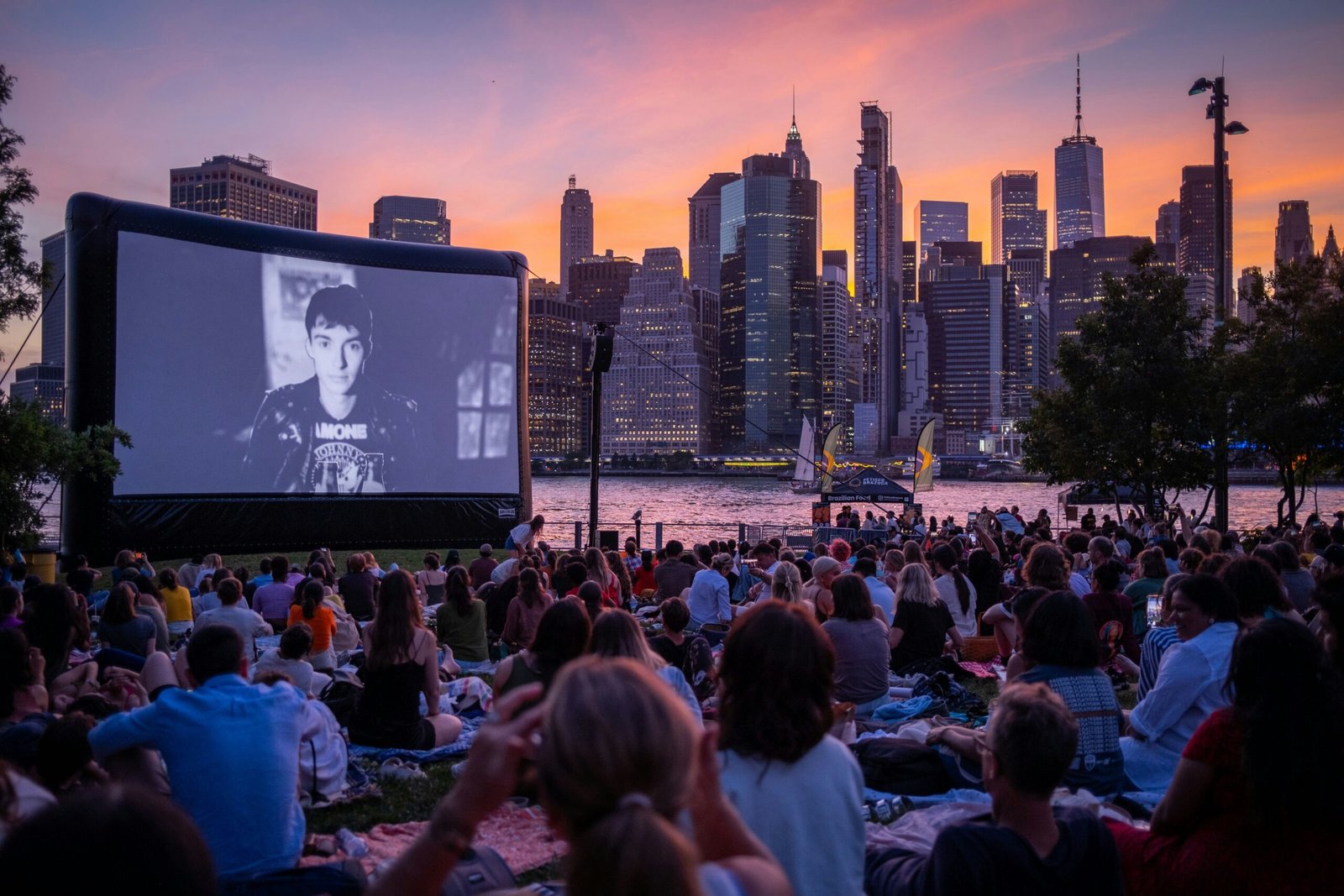
In 2024, Hollywood saw something it never expected: six films with budgets north of $200 million each, yet only half managed to break even—let alone turn a real profit. For studios betting on massive tentpoles, this isn’t just unlucky—it’s part of a growing pattern that’s reshaping the movie business.

So why are so many so-called “can’t-miss” blockbusters losing money? The answer lies in how the industry has changed—and how audiences have changed with it.
The Old Hollywood Playbook
Back in the mid-90s, movies had a clear financial path:
- Theatrical run: Films owned the box office exclusively for three months.
- Home video sales: VHS (and later DVD) acted like a second theatrical release, often doubling profits.
- Merchandising: Toys, soundtracks, and collectibles turned popular films into billion-dollar franchises.
In 1995, only three of the year’s top 25 films failed to triple their budgets, which meant most of Hollywood’s bets paid off. Compare that to today — where breaking even is celebrated as an accomplishment — and you see how much has shifted.
The Streaming Disruption
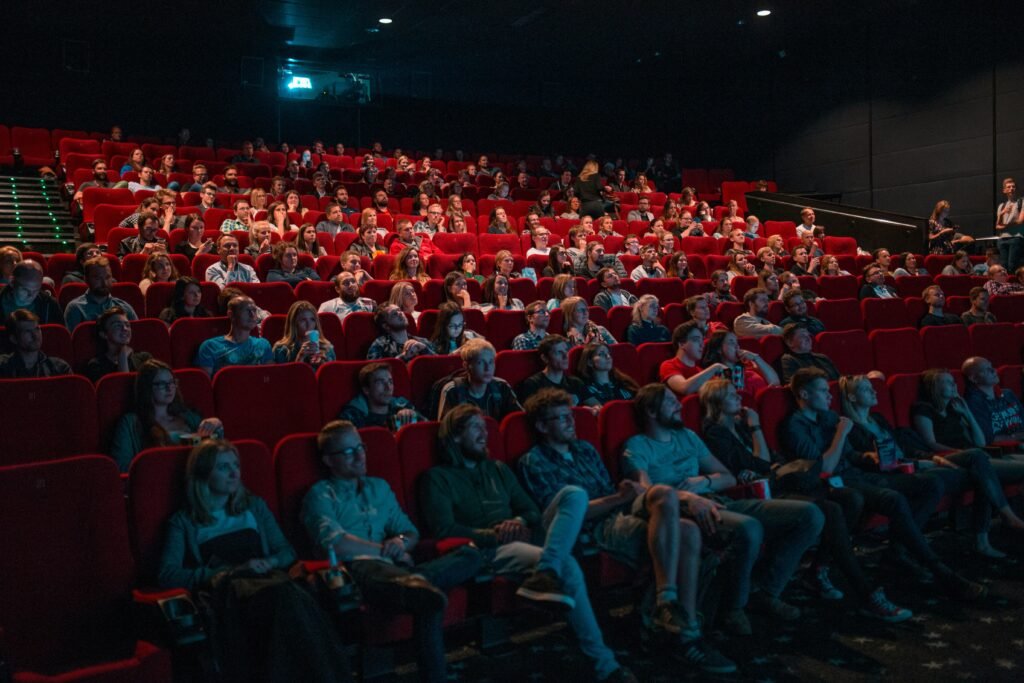
The biggest blow to the blockbuster model came not from competition between studios, but from streaming. With most movies hitting platforms within 30–45 days of release (or debuting there directly), audiences suddenly had little incentive to rush to theaters. Why spend $60-plus for tickets and snacks when, within weeks, you can watch at home for the cost of a monthly subscription?
And here’s the kicker—streaming revenues don’t come close to replacing the money Hollywood once made from DVD sales. As actor Matt Damon once explained, DVDs were a safety net: if a film underperformed theatrically, physical sales often bailed it out. That revenue stream is gone—and studios are still scrambling to replace it.
Why Sequels Dominate (and Originals Struggle)
Looking at the spreadsheets from 2023 and 2024, one thing is clear: the safest bets are sequels, remakes, and franchise films. Built-in fan bases, nostalgia, and existing marketing machinery give them a cushion that original stories just don’t have.
In fact, high-budget original movies fail roughly 9 out of 10 times. It’s no wonder studios lean heavily into superhero universes, live-action Disney remakes, or multi-part adaptations like Wicked. These aren’t just creative choices—they’re financial insurance policies.
Meanwhile, smaller independent studios like A24 or Neon are thriving. Their secret? Lower budgets, creative risks, and niche audiences. These “smaller” movies often make back 10x their cost, while blockbusters struggle to break even.

The Event Movie Still Works
But not all hope is lost for the blockbuster. When a film becomes more than just a movie—when it becomes a moment—audiences still show up in droves.
Barbie and Oppenheimer (a.k.a. “Barbenheimer”) proved this in 2023. Different as they were, both benefitted from a cultural wave: fans dressing up, meme-sharing, and making double-feature plans. The result? Two record-breaking successes released on the very same day.
The lesson: for theaters, the movie itself isn’t enough. It has to feel like an event.

The Three Paths Forward
Hollywood is at a turning point, and future success seems to hinge on three strategies:
- Franchise giants – Remakes, sequels, and superhero sagas that provide financial reliability.
- Event-driven films – Culturally viral movies that become must-watch theater experiences.
- Indie innovation – Lower-budget productions that can experiment, surprise audiences, and deliver massive returns on modest investment.
What This Means for Moviegoers
Ultimately, your movie ticket is your vote. If audiences want more risks, more originality, and more variety, theaters are the place to show it—not just streaming.
Yes, home viewing is cheaper, cozier, and more convenient. But theaters still offer something you can’t entirely replicate: a distraction-free, immersive, collective experience. And when a film earns that buzz, it still has the power to fill auditoriums and create lasting cultural moments.
For Hollywood, the message is clear: bigger budgets don’t guarantee success anymore. Creativity, strategy, and timing do.











The gatekeepers didn’t just open the door. They left the building.
For decades, filmmakers were told the same story: get the right agent, land the right festival, sign with the right distributor. But in 2026, that story is officially over — and the filmmakers who haven’t gotten the memo are the ones still struggling.

The Old Playbook Is Dead
Streamer acquisitions at Sundance, TIFF, and Cannes have slowed dramatically. The era of premiering your indie film and getting scooped up by Netflix or A24 is no longer a reliable strategy. Buyers are still at festivals — but they’re fewer, more selective, and harder to reach. What that means for you: a festival is now a marketing machine and a career pipeline, not a sales event.
The filmmakers who are winning right now have accepted one uncomfortable truth: the burden of keeping your film alive falls on you. That’s not a threat — it’s the greatest creative freedom this industry has ever offered.
You Already Have Everything You Need
Here’s what Netflix didn’t want you to know: you have more production power in your pocket than Scorsese had in his first decade. A phone. Editing software. AI tools that cost less than your monthly coffee budget. Runway, Higgsfield, ElevenLabs, and Sora are no longer “experimental toys” — they’re production tools being used on actual sets right now.
AI won’t replace your voice. But it will replace the filmmaker who refuses to evolve. Use it for script breakdowns, VFX, dubbing for global distribution, and post-production workflows. The filmmakers leveraging these tools are cutting costs and moving faster than anyone expected.
Your Audience Is Your Distribution Deal
The new model is simple: build your audience before you need them. Document your process. Post weekly. Your personal brand is now your most important asset — more valuable than any distribution agreement you could sign. Platforms like Filmhub, Vimeo On Demand, and Gumroad let you sell directly to fans and keep your rights intact.
Direct-to-audience events — roadshow screenings, pop-up premieres, immersive experiences — are becoming a core release strategy in 2026. You don’t need a theater chain. You need fifty cities and a ticket link.
The One Rule That Changes Everything
Make one complete film every week. Twenty-four hours to think. Twenty-four hours to shoot. The rest of the week to edit and post. Not because every film will be great — but because the filmmaker who ships beats the filmmaker who perfects every single time.
In 2026, a filmmaker with deep trust in a niche audience has a more reliable platform than a studio trying to win the general market. Stop chasing scale. Build something real. The rules didn’t just change — they changed for you.
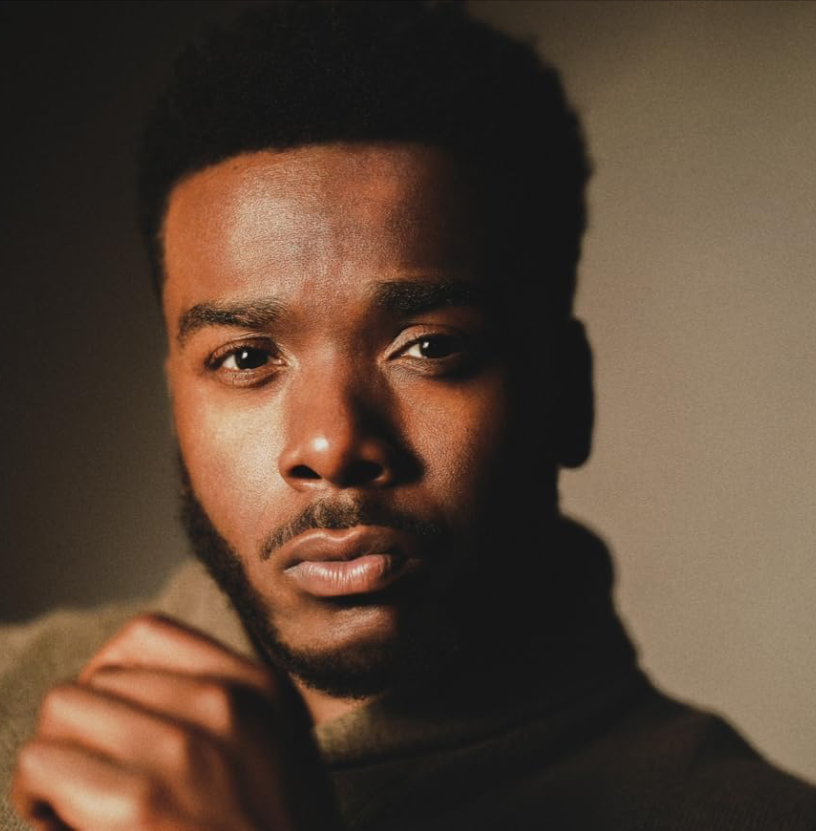
As Sinners surges into the cultural conversation, it’s impossible to ignore the force of Christian Robinson’s performance. His “let me in” door scene has become one of the film’s defining moments—raw, desperate, and unforgettable. But the power of that scene makes the most sense when you understand the journey that brought him there.
From church play to breakout roles
Christian’s path didn’t begin on a Hollywood set. It started in a Brooklyn church, when a woman named Miss Val kept asking him to be in a play.
“I told her no countless times,” he remembers. “Every time she saw me, she asked me and she wouldn’t stop asking me.”
He finally said yes—and everything changed.
“I did it once and I fell in love,” he says. That one performance pushed him into deep research on the craft, a move to Atlanta, and years of unglamorous work: training, auditioning, stacking small wins until he booked his first roles and then Netflix’s Burning Sands, where many met him as Big Country.
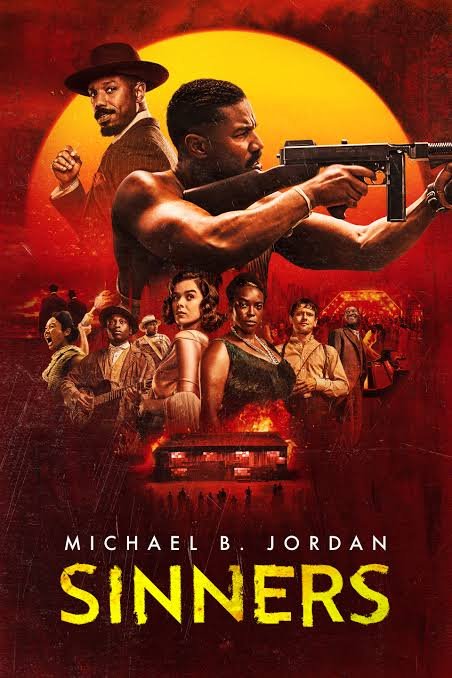
By the time Sinners came along, he wasn’t a newcomer hoping to get lucky. He was an actor who had quietly built the muscles to carry something bigger.
The door scene: life or death
On The Roselyn Omaka Show, Christian shared the directing note Ryan Coogler gave him before filming the door scene:
“He explained to me, ‘I need you to bang on this door as if your life depended on it. Like it’s a matter of life and death.’”
Christian didn’t just turn up the volume; he reached deeper.
“This film speaks a lot about our ancestors,” he told Roselyn Omaka. “So I tried to give a glimpse of what our ancestors would’ve experienced if someone or something that could bring ultimate destruction was after them. How hard would they bang? How loud would they scream to try to get into a place safely? That’s what I intended to convey in that moment.”
That inner picture—life or death, ancestors, ultimate destruction—is why the scene hits like more than a plot beat. It feels like generational memory breaking through a single frame.
Living through a “history” moment in real time
When Roselyn asks what he’s processing as Sinners takes off, Christian admits he’s still inside the wave.
“I’ve never experienced a project with this level of reception and energy and momentum,” he says. “People having their theories and breaking it down and doing reenactments… it’s never been a time like this in my career.”
He’s careful not to over‑define something that’s still unfolding: “There’s no way to give an accurate description of what I’m experiencing while I’m still experiencing it.” He knows he’ll need distance to name it fully.
But he can name one thing: “If I could gather any adjective to describe it, it would be gratefulness. I’m grateful.”
He also feels the weight of what this film might mean long-term:
“To know that I was there for a large amount of the time it was being brought to life, and a part of what the internet is saying will be history… this is something that I’m inspired by—to shoot for the stars in whatever passion rooted in creativity that you possess.”
Music, joy, and the man behind the moment
Christian talks about the music of Sinners as another force that shaped him. The score wasn’t playing nonstop; it showed up in key moments.
“The music was played when it was necessary to be played. But when it was played, it resonated,” he says. Hearing Miles Caton’s songs early, before the world did, he remembers thinking, “This is going to be magical… This is one of the ones right here.”
For all the heaviness of the story, he also brought levity. He laughs about being the jokester on set—singing Juvenile and Lil Wayne in the New Orleans hair and makeup trailer, trying to make everyone smile during Essence Fest weekend. “I’m a fun guy,” he says. “I love to see people laugh and have a good time.”
PATHS for us and opening doors
What might be most revealing is how seriously Christian takes his responsibility off screen. In 2015, sitting in his apartment outside Atlanta, he felt God tell him to start a nonprofit called PATHS.
“I heard from God and he told me to start a nonprofit called PATHS,” he recalls. At first, he and his peers went into schools and inner‑city communities to teach young people “the many different paths to entering the entertainment industry”—not just the craft, but “the practical steps and establishing yourself, like the business of an actor… a stunt person, hair and makeup, etc.”
When the pandemic hit and school visits stopped, he pivoted to a podcast and digital platform: “Fine, I’ll do it,” he laughs. Now PATHS for us lets “anyone anywhere that desires to be in entertainment hear from credible entertainment industry professionals on how they got to where they are and how you can do the same.”
Working on Sinners confirmed that he should go all in: “It just gave me exactly what I needed to know that I should pour my all into it.”
Honoring a history-making moment
As Sinners takes off, Christian keeps coming back to one word: gratefulness—for the film, for the collaborators, for the chance to be part of something people are calling historic.
At Bolanle Media, we see more than a viral scene. We see an artist whose craft is rooted in faith, ancestors, and hard-earned discipline; whose joy lifts the rooms he works in; and whose platform is opening real paths for others.
This scene almost broke him. And changed his career.
Now, as the world catches up, Christian Robinson is using that breakthrough not just to walk through new doors—but to help the next generation find theirs.
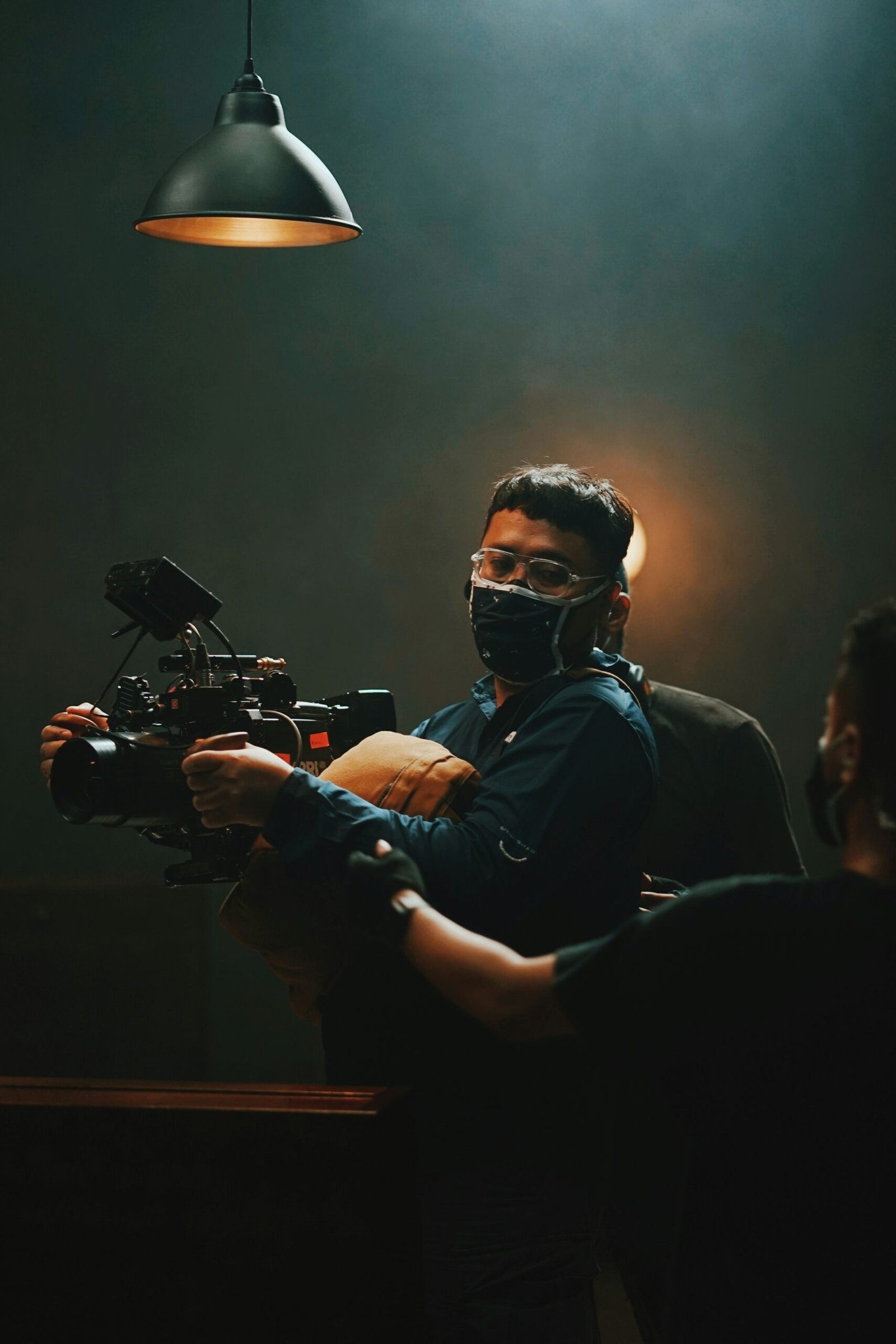
Making an independent film is often a labor of love that can take years, countless hours, energy, and a significant financial investment. Yet, for many indie filmmakers, the hardest part is recouping that investment and making money once the film is finished. A common pitfall is losing a large portion of revenue—often half or more—to sales agents, distributors, and marketing expenses. However, with the right knowledge, strategy, and effort, indie filmmakers can maximize their film’s earnings without giving away so much control or profit.
Here is a comprehensive guide to keeping more of your film’s revenue and ensuring your film gets the audience and financial return it deserves.
Understanding the Distribution Landscape
Most indie filmmakers traditionally rely on sales agents and distributors to get their films to audiences. Sales agents typically take 15-20%, and distributors can take another 20-35%, easily cutting your revenue share by half right from the start. Additionally, marketing costs that may be deducted can range from a few thousand to upwards of $15,000, further eating into profits. The accounting is often opaque, making it difficult to know how much you truly earned.
Distributors nowadays tend to focus on worldwide rights deals and use aggregators to place films on streaming platforms like Amazon, Apple TV, and Tubi. These deals often do not fetch the best revenue for most indie filmmakers. Many distributors also do limited outreach, reaching only a small number of potential buyers, which can limit the sales opportunities for your film.
Becoming Your Own Sales Agent
One of the most important shifts indie filmmakers must make today is to become their own sales agents. Instead of relying entirely on intermediaries, you should learn the art and business of distribution:
- Research and build an extensive list of distributors worldwide. Top filmmakers have compiled lists of hundreds of distributors by country and genre. Going wide increases your chances of multiple revenue deals.
- Send personalized pitches to hundreds of distributors, showcasing your finished film, cast details (including social media following), genre, logline, and trailer. Ask if they want to see the full feature.
- Don’t settle for a single distributor or a big-name company that may not prioritize your film. Instead, aim for multiple minimum guarantees (MGs) from niche distributors in individual territories like Germany, Japan, and the UK.
- Maintain transparent communication and track every outreach effort carefully.
Pitching and Marketing Tips
When pitching your film:
- Highlight key genre elements and target audience since distributors are often risk-averse and look for specific film types.
- Include social media metrics or fanbase counts, which can make your film more attractive.
- Provide a strong one-minute trailer and a concise logline.
- Be prepared for rejections; even a 5% positive response rate is success.
Marketing is also crucial and can’t be left solely to distributors. Understanding and managing your marketing efforts—or at least closely overseeing budgets and strategies—ensures your film stands out and reaches viewers directly.
Self-Distribution and Hybrid Models
If traditional distribution offers no appealing deals, self-distribution can be a viable option:
- Platforms like Vimeo On Demand, Amazon Prime Direct, and YouTube allow you to upload, price, and market your film directly to audiences while retaining full creative and revenue control.
- Aggregators like Filmhub and Quiver help place self-distributed films on multiple streaming services, often for a reasonable fee or revenue share.
- The hybrid distribution model combines some traditional distribution deals with self-distribution, maximizing revenue streams, audience reach, and control over your film’s destiny.
Takeaway: Be Proactive and Entrepreneurial
The indie filmmaking world is now as much about entrepreneurship as artistry. Knowing distribution essentials, taking ownership of your sales process, and actively marketing your film are no longer optional—they are key for financial success.
By investing time in outreach, exploring multiple territories, securing minimum guarantees, and considering hybrid or self-distribution approaches, indie filmmakers can keep more of their earnings, increase their film’s audience, and avoid being sidelined by opaque deals and slim returns.
The days of handing your film over to a distributor and hoping for the best are gone. The winning formula today is to be your own sales agent, marketer, and advocate—empowered to make your indie film pay off.

A Civilization Will Die Tonight — And We’re All Just Watching

Why Most Indie Films Fail (And How to Avoid It)

The Franchise Is Over. Here’s Who’s Winning Now.


 Advice4 weeks ago
How to Find Your Voice as a Filmmaker
- News4 weeks ago
How Misinformation Overload Breaks Creative Focus
- News2 weeks ago
The Timothée Chalamet Guide to Ruining Your Image
- Entertainment3 weeks ago
This scene almost broke him. And changed his career.
- Entertainment3 weeks ago
7 Filmmaking Lessons From Michael B. Jordan’s Oscar Moment
- Advice3 weeks ago
Stop Waiting for Permission — The Film Industry Just Rewrote the Rules
- Entertainment2 weeks ago
The machine isn’t coming. It’s aleady the room.
- News3 weeks ago
How ‘Sinners’ Won The Oscars: Filmmaker Notes