

World News
Vinfast takes a wild ride, a robotaxi fallout brews and the IRA one year later on August 20, 2023 at 9:17 pm


The Station is a weekly newsletter dedicated to all things transportation. Sign up here — just click The Station — to receive the newsletter every weekend in your inbox. Subscribe for free.
Welcome back to The Station, your central hub for all past, present and future means of moving people and packages from Point A to Point B.
A year ago, President Biden signed the Inflation Reduction Act, a law loaded with incentives for climate tech and designed to encourage companies like automakers to bring manufacturing back to the United States. We looked into what the effect of the law has had on the automotive industry, relations with Europe and whether startups — a world we pay attention to — have benefited.
The upshot? The battery factory trend might have started before the IRA was signed, but the law has helped accelerate the ramp. And while most funds are headed to infrastructure projects, startups are starting to see more deal flow. Check out our coverage!
For climate tech startups, the IRA is starting to pay off
Tracking the EV battery factory construction boom across North America
The White House’s effort to combat climate change have sparked a tech arms race with the EU
Want to reach out with a tip, comment or complaint? Email Kirsten at kirsten.korosec@techcrunch.com.
Reminder that you can drop us a note at tips@techcrunch.com. If you prefer to remain anonymous, click here to contact us, which includes SecureDrop (instructions here) and various encrypted messaging apps.
Micromobbin’
ElectraMeccanica, previously the maker of the three-wheeled Solo EV, is merging with an electric truck startup Tevva, and the whole deal makes me wonder if there’s a place for such tiny autocycles in the U.S.
The Solo could have been a neat way to get around cities, for both commuters and delivery drivers. But ElectraMeccanica struggled to produce its vehicles in a way that was cost-effective. The company faced adoption issues since three-wheelers were excluded from government rebates and it was too difficult to insure the vehicles. Back in March, ElectraMeccanica dropped the three-wheeled pursuit in favor of a more mainstream form of transport.
I understand why ElectraMeccanica went with electric trucks. Incentives abound, and going for commercial customers is always a good idea. But it’s sad to see such a green and interesting form of transport fail to make it off the ground. Especially when Arcimoto, probably the only other maker of tiny three-wheeled EVs, is also struggling to stay afloat.
Perhaps it’s only the three-wheeled aspect that makes such vehicles difficult for America to love. Electric golf cars appear to be on the rise, with some American families (particularly ones in warm climates like Florida) viewing the vehicles as a “second car.”
— Rebecca Bellan
Deal of the week
Talk about a wild ride!
Vietnamese EV maker Vinfast made its debut on the Nasdaq exchange with a bang. The company, which went public via a merger with special purpose acquisition company Black Spade Acquisition, saw shares shoot up 68% to close at $37.06 and a valuation of $86 billion. To put that into perspective, GM, Ford and Stellantis have market caps that are in the $45 billion to $50 billion range.
The celebrations didn’t last long. VinFast’s stock has plummeted in the days since. VinFast shares closed Friday at $15.40, which perhaps isn’t suprising considering the young EV upstart delivered just 11,300 vehicles in the first half of 2023 — not to mention its fundamentals show a company with costly ambitions that far outweigh revenue.
Other deals that got my attention …
Assembly Ventures, an early-stage venture capital firm that invests in mobility technologies, closed its inaugural $76 million Assembly Ventures Fund I. Some of investors in the fund include strategic corporates such as Arbor Bancorp Inc. and Stellantis Ventures. A number of automotive, AV tech and VC veterans also invested in the fund, including Wolfgang Bernhart, Matt Cullen, Calvin Ford, Dan Gilbert (DVP), Philipp von Hagen, Joe Hinrichs, Karl Iagnemma, Jody Kelman, Tim Lalonde, Kathleen Ligocki, John Moavenzadeh, Stephen Polk, Tony Posawatz and Dug Song .
General Motors led a $60 million Series B round into battery materials startup Mitra Chem.
Helm.ai, startup that developed software for autonomous driving and automation of robotics, raised $55 million in its Series C round led by Freeman Group. Venture capital firms ACVC Partners and Amplo as well as strategic investors Honda Motor, Goodyear Ventures and Sungwoo Hitech also participated. Helm.ai has now raised $102 million to date.
JetZero, a commercial aerospace startup, was awarded a $235 million contract from the U.S. Air Force to build a jet with a blended wing body.
Pono Capital Three, a special purpose acquisition company, agreed to merge with Robinson Aircraft Ltd., Canadian company doing business as Horizon Aircraft that is developing an electric hybrid eVTOL (electric vertical take-off and landing aircraft).
Notable reads and other tidbits
Autonomous vehicles
When the California Public Utilities Commission voted to approve final permits allowing Cruise and Waymo to expand robotaxi operations and charge for driverless rides, I made a comment that not all newsletter readers appreciated. I wrote: “Cruise and Waymo may have won this battle, but the war to win over the public is hardly over.”
The past week has proven my point. Cruise experienced several embarrassing snafus in the few days following the vote, including videos showing vehicles blocking traffic and one driving into wet cement. It was enough to prompt the San Francisco City Attorney’s office to file motions with the CPUC to rollback that approval.
And that was before Thursday night, when Cruise collided with a fire truck that was responding to an emergency. A day after that crash, the California Department of Motor Vehicles, the agency that regulates the testing and deployment of autonomous vehicles in the state, asked Cruise to immediately reduce its robotaxi fleet in San Francisco by 50% while it investigates the incident.
Cruise has complied with the request.
Electric vehicles, charging & batteries
A 75MW solar farm backed by Electrify America is up and running.
Ford partnered with South Korean battery manufacturers SK On and EcoPro BM to build a cathode manufacturing facility in Quebec, Canada. The CAD $1.2 billion (USD $890 million) joint investment will provide battery materials to supply future Ford electric vehicles.
Tesla launched cheaper Model X and Model S options with less range.
Software and in-car tech
Ford will make its hands-free driving hardware — BlueCruise — standard in many of its future vehicles and charge owners a subscription, which can be activated any time, to access the tech.
Monterey Car Week typically centers on giving homage to the past. But a number of companies at the events scattered around the area had their sights very much set on the future of high-end motoring, including speed, tech and electrification. Check out our roundup from contributor Tim Stevens.
People
Ford hired former Apple executive Peter Stern to lead its newly formed Ford Integrated Services unit. The unit will create and market software-enabled customer experiences across the automaker’s three business units: Ford Blue, for gas and hybrid vehicles, Model e for connected EVs, and Ford Pro for commercial products.
Disrupt!
Vroom vroom! TechCrunch Disrupt 2023, taking place in San Francisco on September 19–21, is where you’ll get the inside scoop on the future of mobility. Come and hear from today’s leading mobility entrepreneurs on what it takes to build and innovate for a more sustainable future. Save up to $400 when you buy your pass now through September 18, and save 15% on top of that with promo code STATION. Learn more.
The Station is a weekly newsletter dedicated to all things transportation. Sign up here — just click The Station — to receive the newsletter every weekend in your inbox. Subscribe for free. Welcome back to The Station, your central hub for all past, present and future means of moving people and packages from Point A to Point B.


Business
GLOBAL SUSTAINABILITY SUMMIT RETURNS FOR ITS 5TH EDITION AT THE BRITISH PARLIAMENT – HOUSE OF LORDS, PALACE OF WESTMINSTER

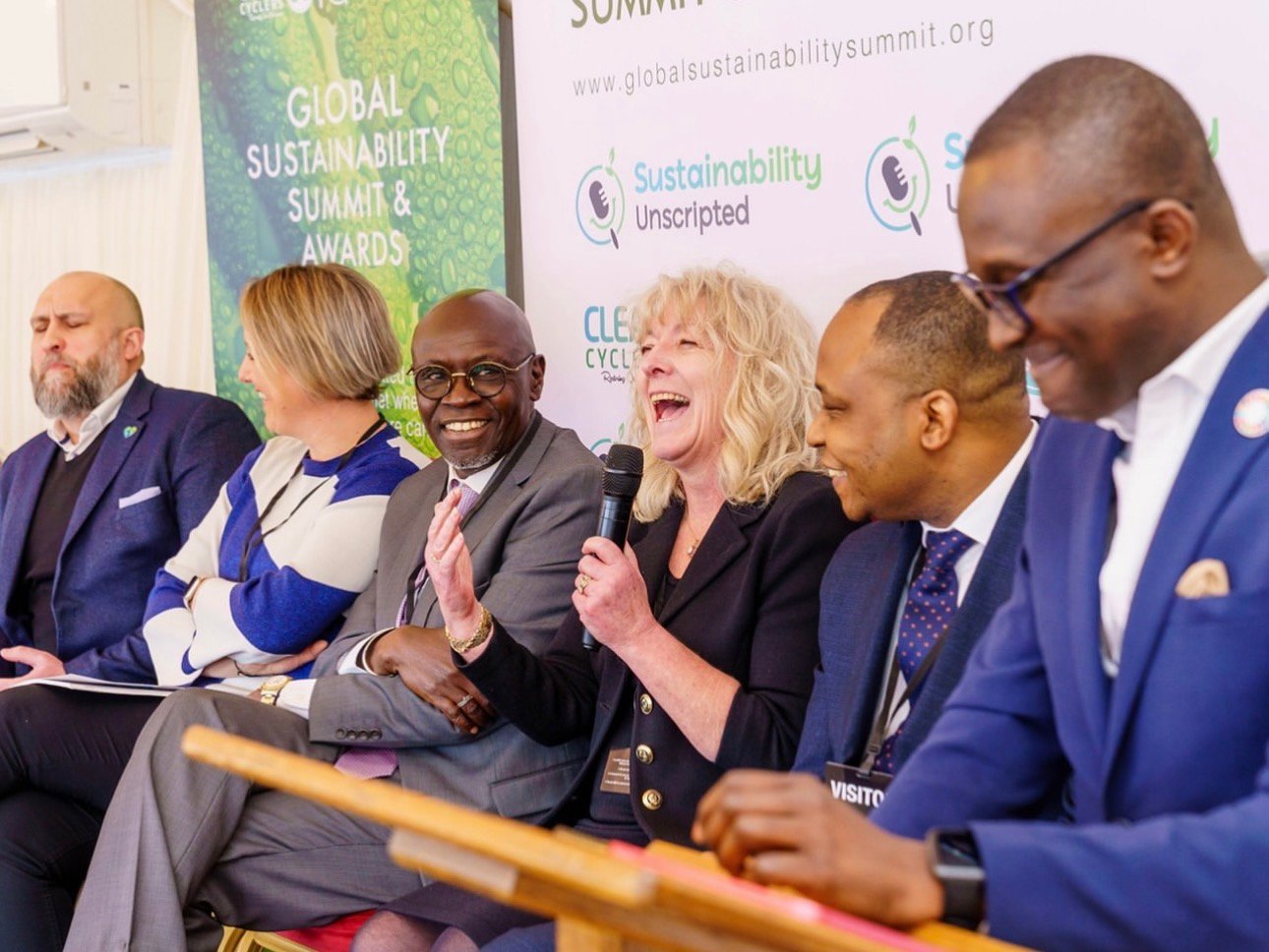
FOR IMMEDIATE RELEASE
Theme: “People, Planet, and Profit in the Age of AI and Innovation”
London, United Kingdom — The Global Sustainability Summit (GSS) is officially back for its landmark 5th Edition, continuing its legacy as one of the leading international platforms driving sustainable development, climate action, ethical investment, innovation, and global collaboration.

Convened annually at the prestigious British Parliament, House of Lords, Palace of Westminster, by Ambassador Canon Chinenem Otto, the Summit has, over the last four years, successfully fostered international dialogue and partnerships that have contributed to the advancement of global sustainability goals, the establishment of sustainability-focused ministries, departments and policy structures across national and subnational governments, and the attraction of major investors into sustainable development projects, corporations and emerging economies.
This year’s summit, themed “People, Planet, and Profit in the Age of AI and Innovation,” will explore how emerging technologies, responsible leadership, sustainable finance, innovation, and global partnerships can shape a more inclusive, resilient and environmentally conscious future.
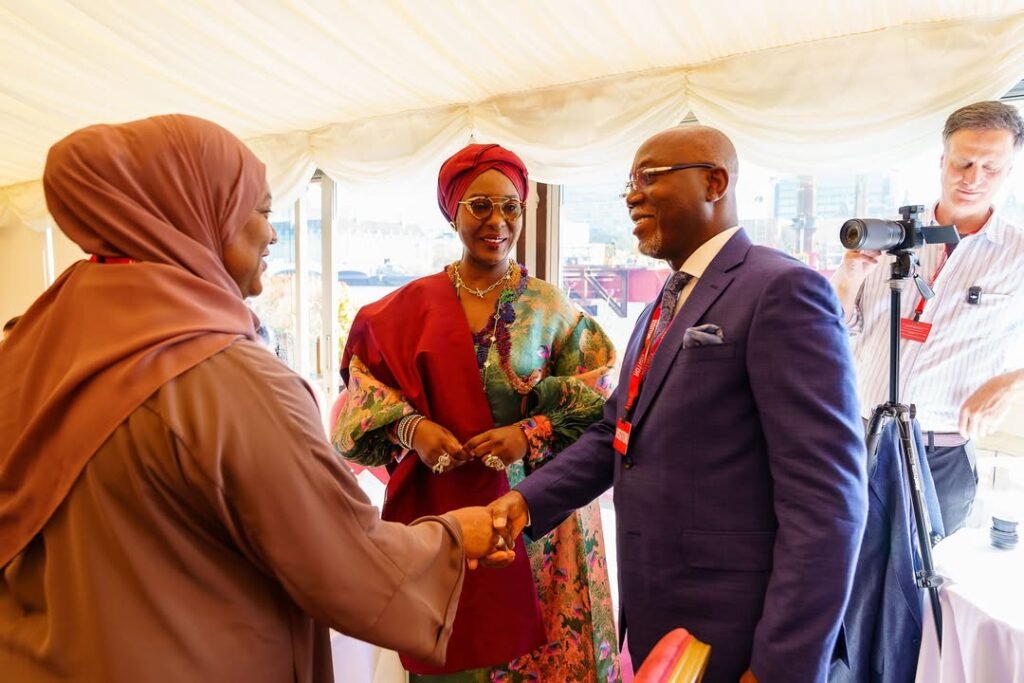
The 5th Edition promises to be the most impactful yet, bringing together world leaders, policymakers, diplomats, investors, academics, innovators, climate experts and youth leaders from across the globe to discuss actionable solutions toward achieving a sustainable and equitable future.
Among the distinguished speakers, delegates and honorees already lined up for the Summit are:
• His Excellency Mallam AbdulRahman AbdulRazaq — Executive Governor of Kwara State, Nigeria and Chairman of the Nigeria Governors’ Forum
• His Excellency Senator Prince Bassey Otu — Executive Governor of Cross River State, Nigeria
• Ambassador Patricia Espinosa Cantellano — Former Executive Secretary of UN Climate Change (UNFCCC) and Former Foreign Minister of Mexico

• Lord Marvin Rees, Baron Rees of Easton OBE — Member of the House of Lords, United Kingdom
• Hon. Neema K. Lugangira — Secretary-General of Women Political Leaders (WPL), Brussels and Former Member of Parliament
• Her Excellency Dr. Netumbo Nandi-Ndaitwah — President of the Republic of Namibia
• His Excellency Nangolo Mbumba — Former President of Namibia
• Former President of Tanzania
• Her Excellency Ambassador Professor Olufolake AbdulRazaq — First Lady of Kwara State, Nigeria and Chairperson of Nigeria Governors’ Spouses Forum
• Your Excellency Dr. Dikko Umar Radda, PhD, CON — Executive Governor of Katsina State and Chairman of the Northwest Governors Forum, Nigeria
• Hon. Sam Shafiishuna Nujoma — Governor of Khomas Region, Namibia
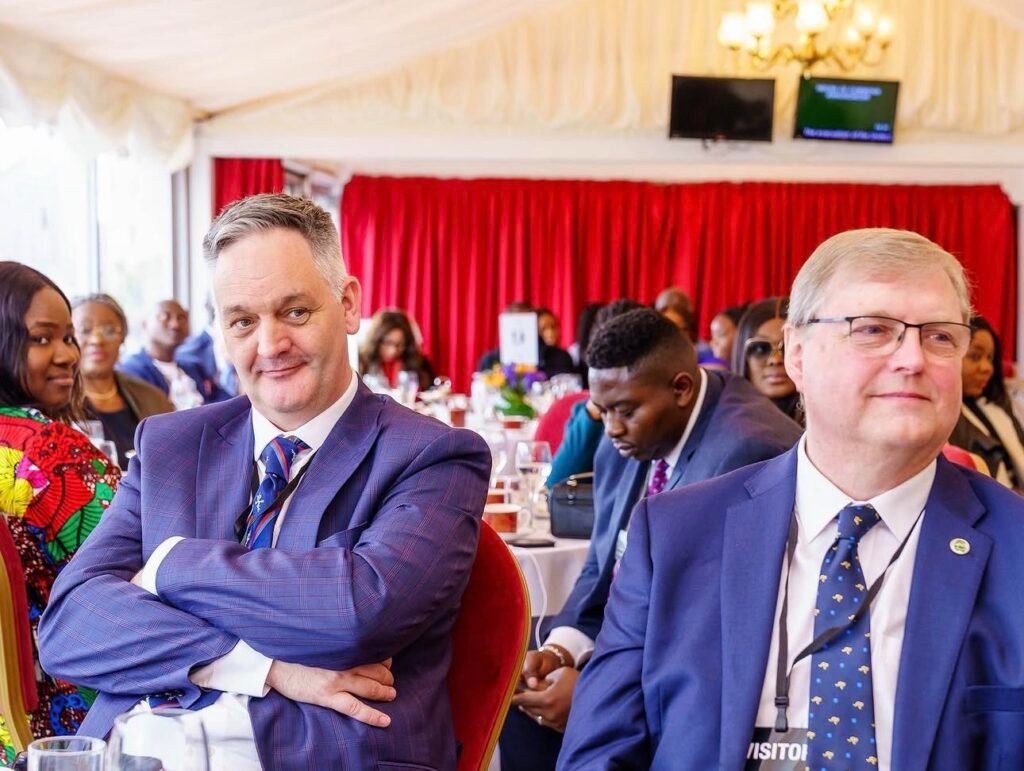
• H.E. Mr. Veiccoh Nghiwete — High Commissioner of the Republic of Namibia to the United Kingdom
• Her Excellency Ms. Macenje “Che Che” Mazoka — High Commissioner of Zambia to the United Kingdom
• Ms. Danielle Newman — Partner Lead, ICT, World Economic Forum
• Leanne Elliott Young — Co-founder, Institute of Digital Fashion & CommuneEast
• Ms. Chloe Russell — Producer & Presenter, Art, Science and Nature
• Professor Marie-Claire Cordonier Segger — University of Cambridge & University of Waterloo
• Dr. Alexandra R. Harrington — IUCN World Commission on Environmental Law (WCEL)
• Professor Payam Akhavan — Massey College, University of Toronto
• Mr. Mallai C. E. Sathya — President, Dravida Vetri Kazhagam and International Movement for Tamil Culture Asia
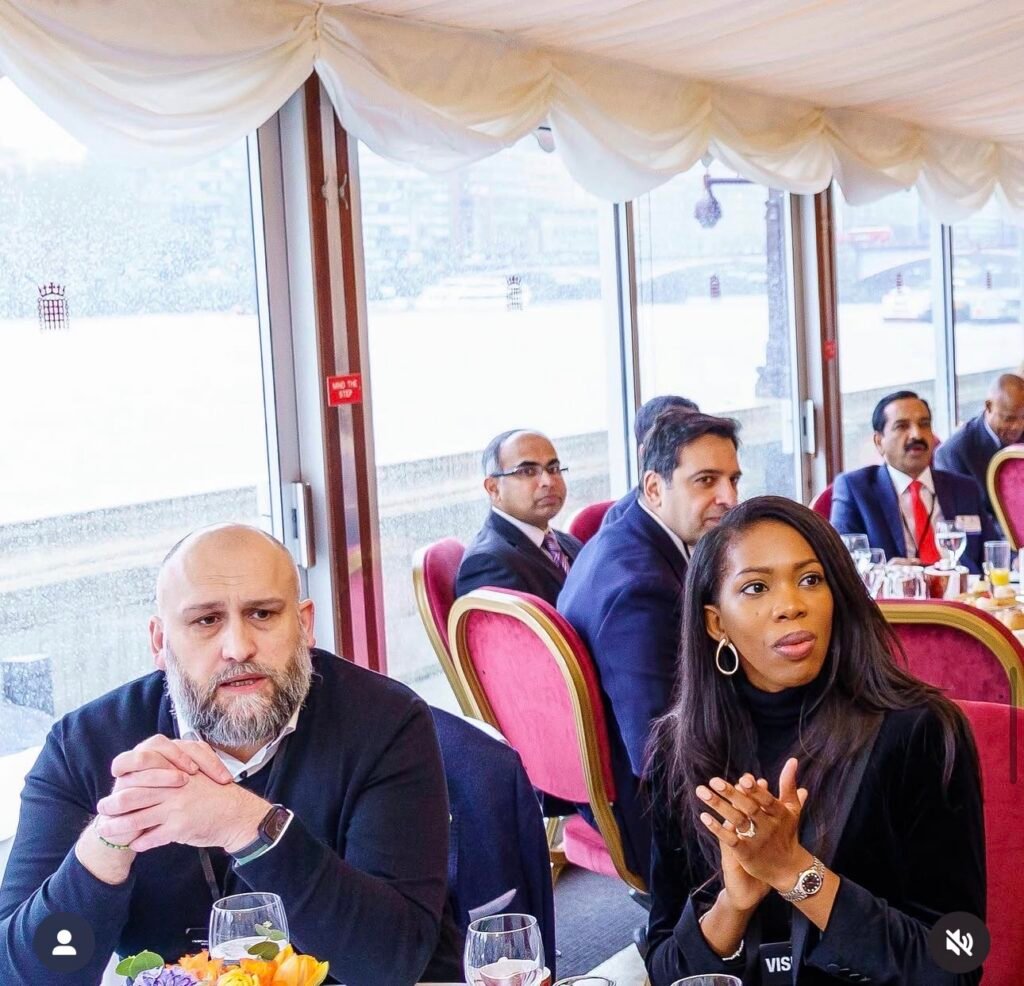
The Summit will feature high-level panel discussions, strategic investment conversations, sustainability awards, policy dialogues, innovation showcases, youth engagement sessions and international networking opportunities focused on climate resilience, ethical financing, food-water-energy sustainability, circular economy, artificial intelligence, diplomacy and sustainable development.
Speaking ahead of the Summit, Convener Ambassador Canon Chinenem Otto noted:
“As the world rapidly evolves through artificial intelligence and technological innovation, we must ensure that sustainability remains people-centered, environmentally responsible and economically inclusive. The Global Sustainability Summit continues to serve as a bridge connecting governments, institutions, innovators and investors to accelerate practical sustainability solutions globally. Our fifth edition is not only a celebration of progress made over the years, but also a renewed call for global collaboration and actionable impact toward achieving the Sustainable Development Goals and Net Zero ambitions.”
The Global Sustainability Summit continues to position itself as a catalyst for transformative partnerships and sustainable global progress, reinforcing the urgent need for collective action toward a more resilient and sustainable future.
More announcements regarding additional speakers, partners and summit activities will be unveiled in the coming weeks.

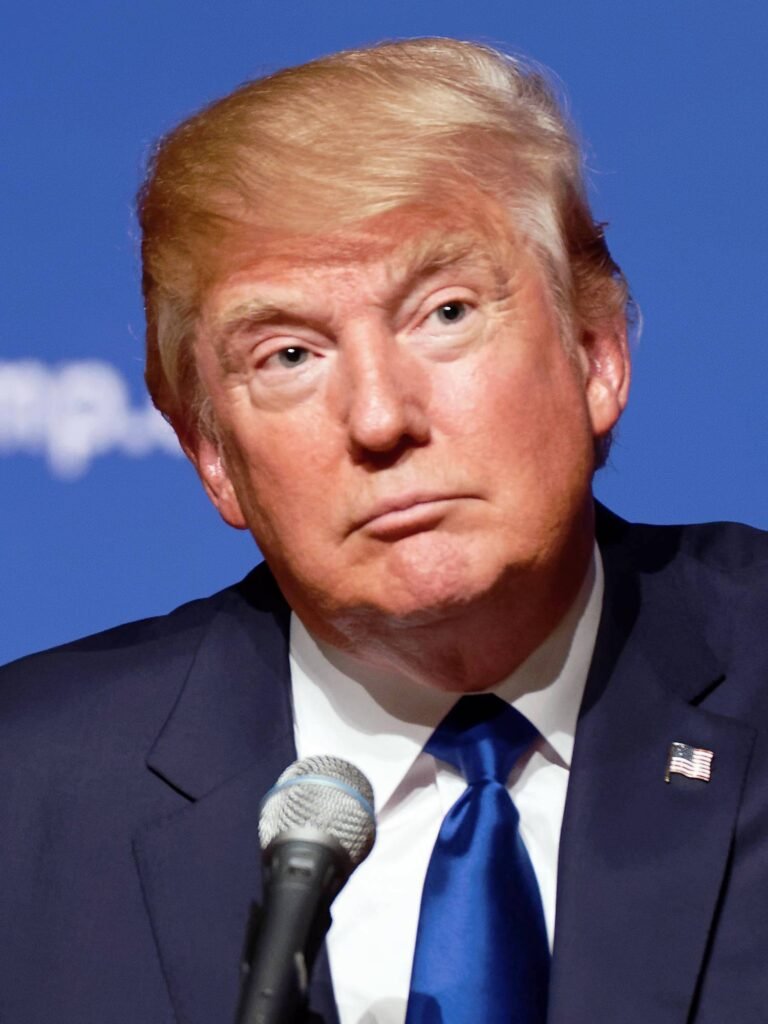
President Donald Trump says the United States might one day get rid of federal income tax because of money the government collects from tariffs on imported goods. Tariffs are extra taxes the U.S. puts on products that come from other countries.
What Trump Is Saying
Trump has said that tariff money could become so large that it might allow the government to cut income taxes “almost completely.” He has also talked about possibly phasing out income tax over the next few years if tariff money keeps going up.
How Taxes Work Now
Right now, the federal government gets much more money from income taxes than from tariffs. Income taxes bring in trillions of dollars each year, while tariffs bring in only a small part of that total. Because of this gap, experts say tariffs would need to grow by many times to replace income tax money.

Questions From Experts
Many economists and tax experts doubt that tariffs alone could pay for the whole federal budget. They warn that very high tariffs could make many imported goods more expensive for shoppers in the United States. This could hit lower- and middle‑income families hardest, because they spend a big share of their money on everyday items.
What Congress Must Do
The president can change some tariffs, but only Congress can change or end the federal income tax. That means any real plan to remove income tax would need new laws passed by both the House of Representatives and the Senate. So far, there is no detailed law or full budget plan on this idea.
What It Means Right Now
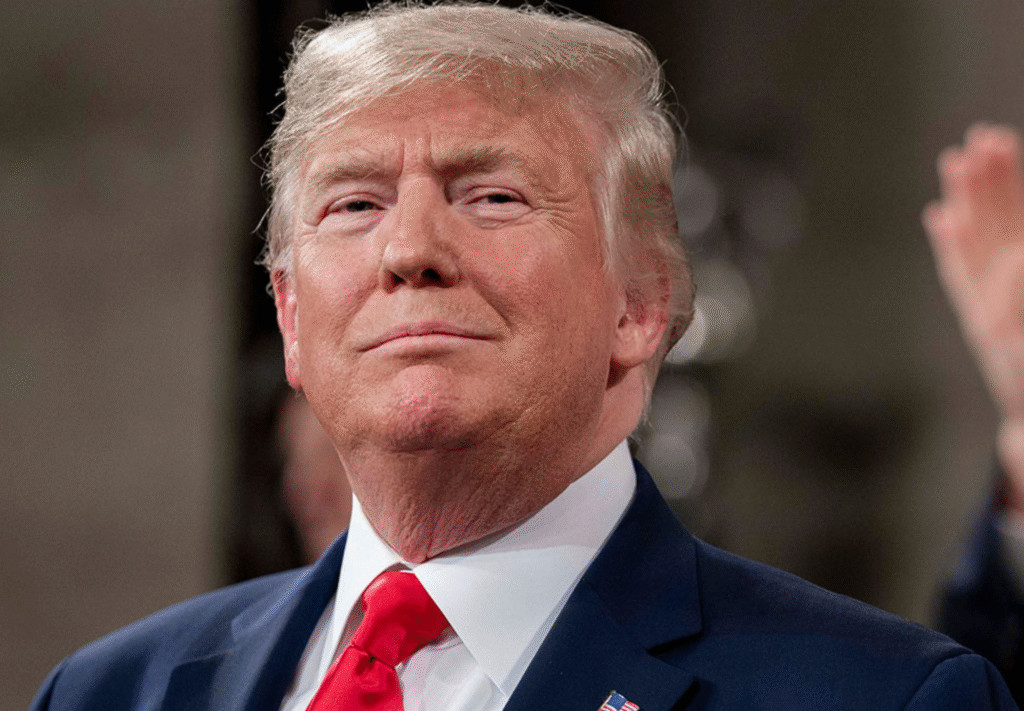
For now, Trump’s comments are a proposal, not a change in the law. People and businesses still have to pay federal income tax under the current rules. The debate over using tariffs instead of income taxes is likely to continue among lawmakers, experts, and voters.
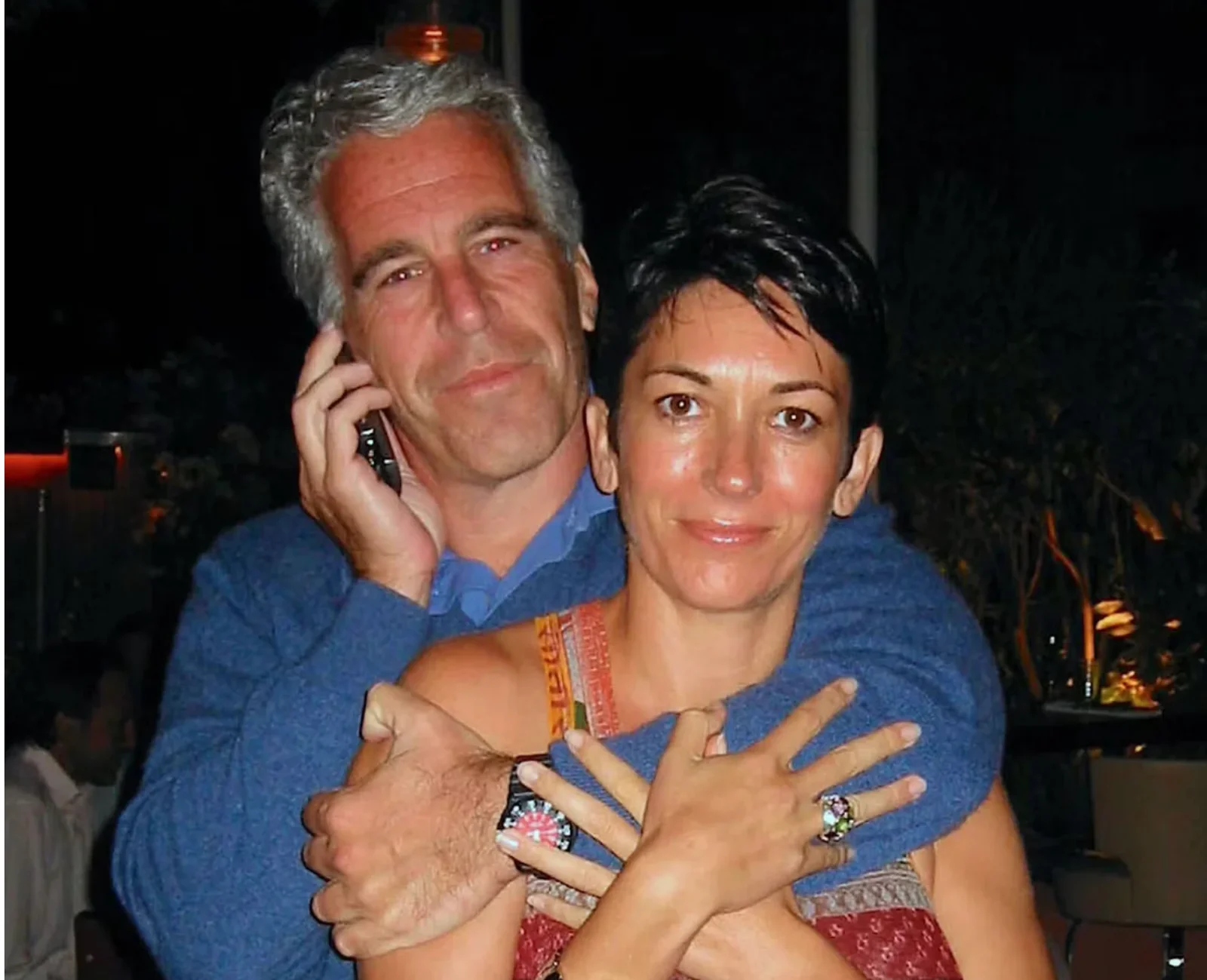
Former President Donald Trump has signed an executive order directing federal agencies to declassify all government files related to Jeffrey Epstein, the disgraced financier whose death in 2019 continues to fuel controversy and speculation.
The order, signed Wednesday at Trump’s Mar-a-Lago estate, instructs the FBI, Department of Justice, and intelligence agencies to release documents detailing Epstein’s network, finances, and alleged connections to high-profile figures. Trump described the move as “a step toward transparency and public trust,” promising that no names would be shielded from scrutiny.
“This information belongs to the American people,” Trump said in a televised statement. “For too long, powerful interests have tried to bury the truth. That ends now.”
U.S. intelligence officials confirmed that preparations for the release are already underway. According to sources familiar with the process, the first batch of documents is expected to be made public within the next 30 days, with additional releases scheduled over several months.

Reactions poured in across the political spectrum. Supporters praised the decision as a bold act of accountability, while critics alleged it was politically motivated, timed to draw attention during a volatile election season. Civil rights advocates, meanwhile, emphasized caution, warning that some records could expose private victims or ongoing legal matters.
The Epstein case, which implicated figures in politics, business, and entertainment, remains one of the most talked-about scandals of the past decade. Epstein’s connections to influential individuals—including politicians, royals, and executives—have long sparked speculation about the extent of his operations and who may have been involved.
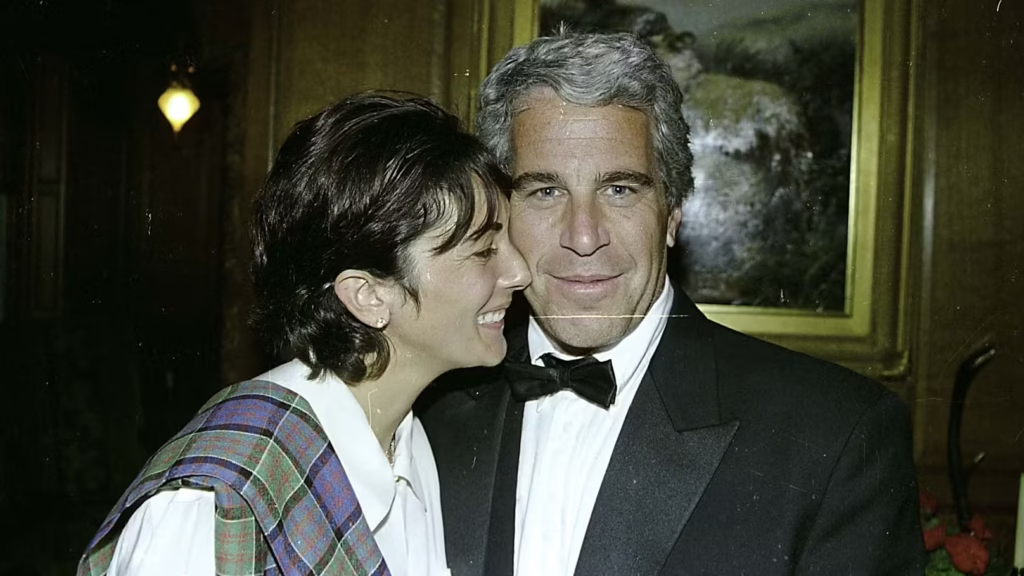
Former federal prosecutor Lauren Fields said the release could mark a turning point in public discourse surrounding government transparency. “Regardless of political stance, this declassification has the potential to reshape how Americans view power and accountability,” Fields noted.
Officials say redactions may still occur to protect sensitive intelligence or personal information, but the intent is a near-complete disclosure. For years, critics of the government’s handling of Epstein’s case have accused agencies of concealing evidence or shielding elites from exposure. Trump’s order promises to change that narrative.
As anticipation builds, journalists, legal analysts, and online commentators are preparing for what could be one of the most consequential information releases in recent history.

Why Some Songs End Up in Movies—While Others Never Do

They Told Him a Black Man Can’t Learn. He Sued Them and Won.