
Entertainment
Shaquille O’Neal’s Abs Look Insane After He Rips Off His Shirt Mid-Workout on August 3, 2023 at 6:19 pm Us Weekly

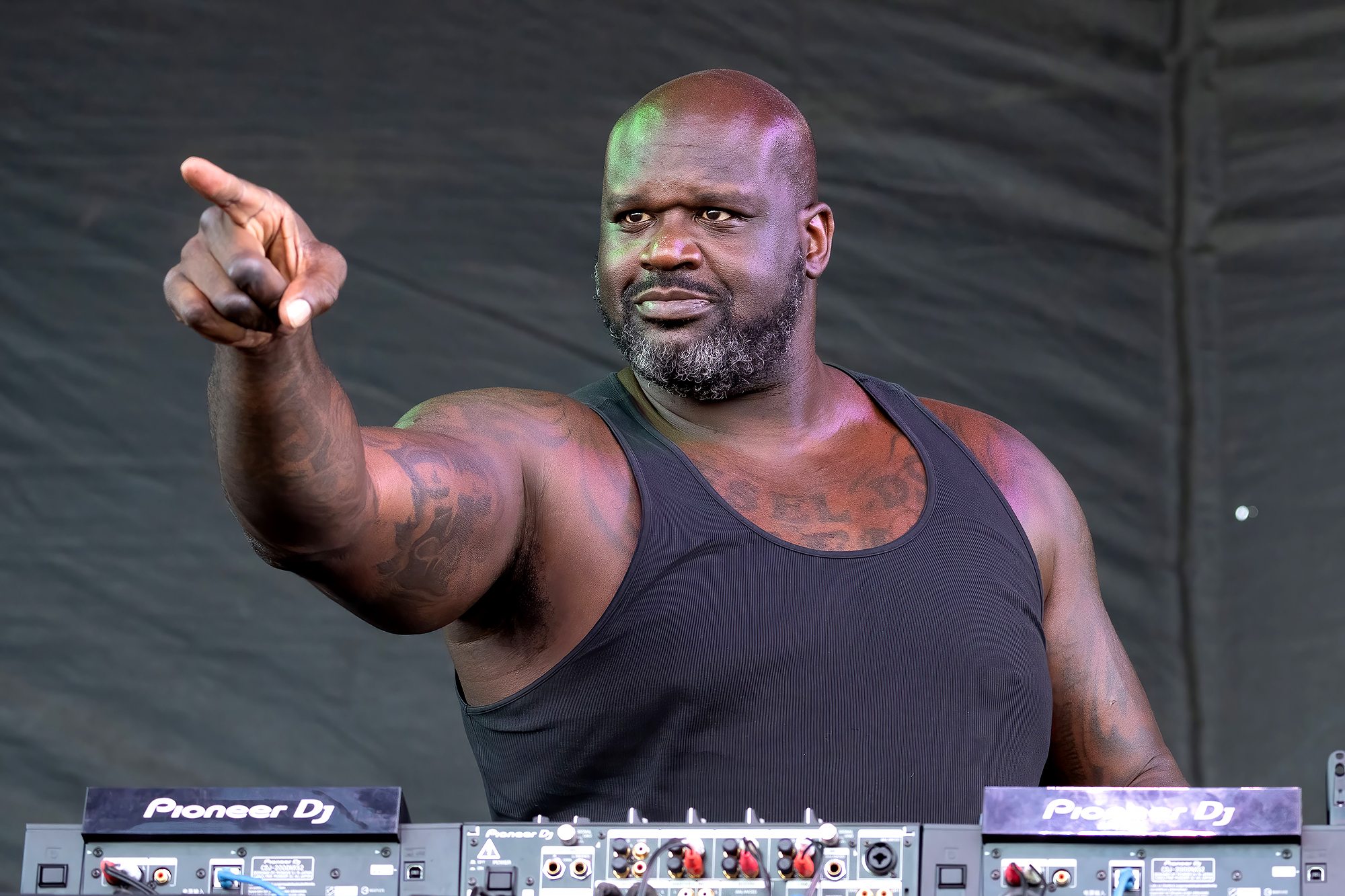
Shaquille O’Neal FRCphoto/Shutterstock
Shaquille O’Neal may have retired from the NBA in 2011, but he’s not slowing down yet as evidenced by his latest gym workout.
“In my former life I was @philheath we almost there @rocshabazz that @novexbiotech #gf9 baby,” O’Neal, 51, captioned a Thursday, August 3, Instagram video as he prepared to lift weights.
As the basketball icon stepped into the room, he tore off his gray tank top — right down the middle. Once he removed his shirt, O’Neal headed over to his weight bench to start a rep.
He pumped himself up even further by adding a monologue from the anime Tokyo Ghoul to the background of the video.
“I was born with something inside me that refused to settle for average and I’m grateful for it,” the voiceover quipped. “I am a warrior, a destroyer, a force of pure violence and all that I desire is the sheer glory of victory. Mercy is for the weak, surrender for those who have no conviction. I am coming for this world and all it has to offer. Nothing will stop me.”
O’Neal — who previously played basketball for the Orlando Magic, the Los Angeles Lakers, the Miami Heat, the Phoenix Suns, the Cleveland Cavaliers and the Boston Celtics — has recently been candid about his wellness journey stemming from his desire to lose weight.
“I lost 40 pounds. I need to lose about 20 more, but [it’s] impressive,” he told Entertainment Tonight in December 2022. “Imma get real chiseled up and do an underwear ad with my sons.”
O’Neal — who shares four kids with ex-wife Shaunie O’Neal and daughter Taahirah with ex-girlfriend Arnetta Yardbourgh — told the outlet that his progress was “all about eating right.”
“[Because] I was the athlete — I wasn’t a salad eater. I won’t pay attention to any of that. I don’t care about none of that,” O’Neal recalled to the outlet of learning to get in shape and change his habits. “I didn’t know the difference between a carb and a protein at 50 years old, I never knew. So, [my doctor] was saying you can’t do this, you can’t do that, more vegetables, my iron’s low. And once I just started changing those certain things, it dropped.”
He added at the time: “Plus the supplements I’m taking, and the shakes I’m drinking, the weight just fell off. I’m not at 100 percent ninja mode yet. I’m still 75 percent.”
Shaquille O’Neal may have retired from the NBA in 2011, but he’s not slowing down yet as evidenced by his latest gym workout. “In my former life I was @philheath we almost there @rocshabazz that @novexbiotech #gf9 baby,” O’Neal, 51, captioned a Thursday, August 3, Instagram video as he prepared to lift weights. As the
Us Weekly Read More


Continue Reading

A Major Shift for the Hit Series
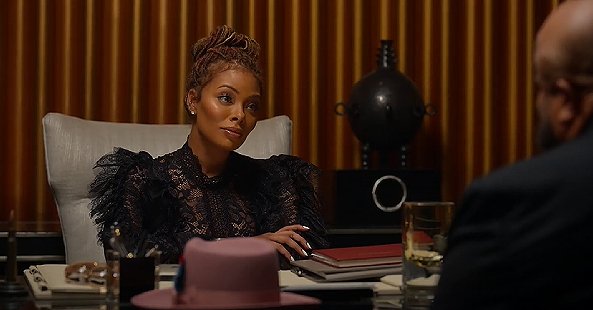
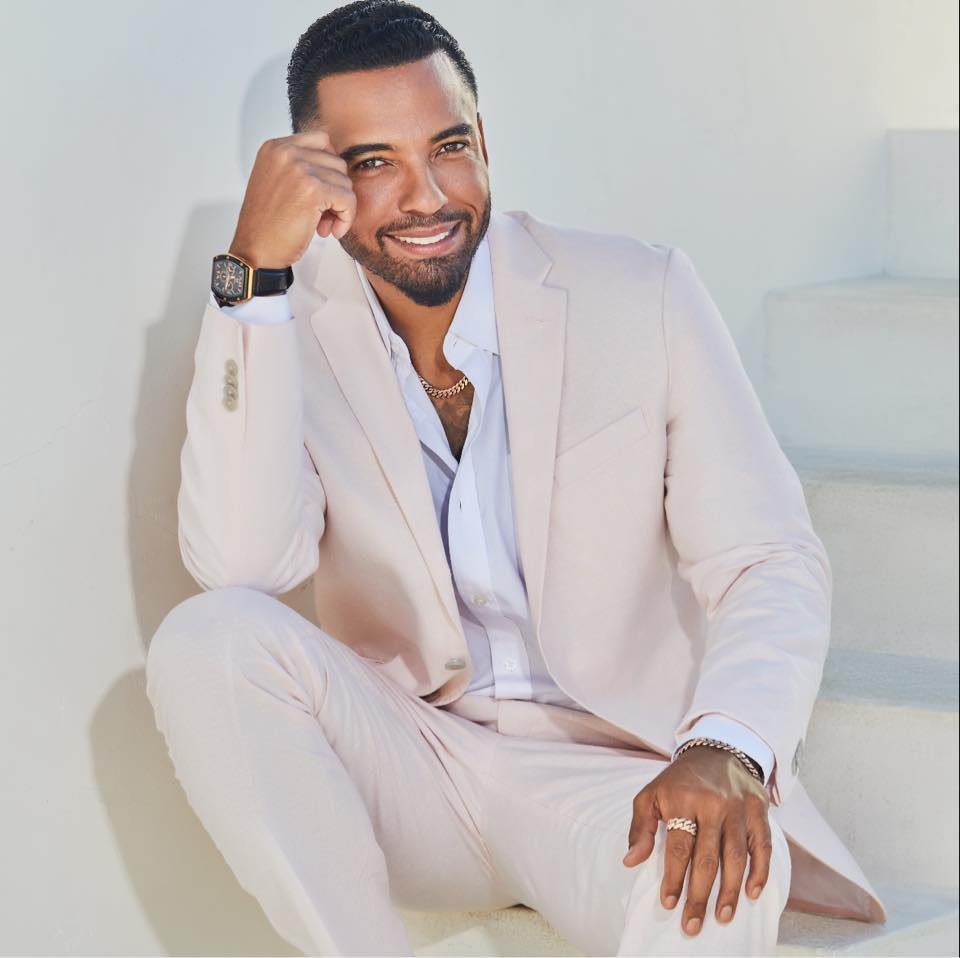
Christian Keyes, the creator and star of the popular drama series “All the Queen’s Men,“ has officially announced that the show will be leaving BET and BET+. This decision marks a significant turning point for the series, which has garnered a dedicated fanbase since its debut.
Keyes’ Frustrations with BET+
Keyes took to social media to share his reasons for the departure, citing ongoing frustrations with the network. He revealed that he often learned about major show updates, such as premiere dates and trailers, through the internet rather than directly from BET+. This lack of communication left him feeling sidelined from the very project he created.
“It is continuously disappointing to find out that your show is coming back on the internet instead of finding out from the network,” Keyes stated, describing the treatment as “dismissive and disrespectful.”
He also disclosed that his “Created By” credit was removed in the show’s second season, forcing him to involve the Writers Guild of America to have his credit restored. Keyes emphasized that he conceived the series 15 years ago and remains deeply protective of its legacy.
No More BET+ Projects
Keyes confirmed that he will not be developing any prequels, spinoffs, or future projects related to “All the Queen’s Men” for BET or BET+. He is currently in negotiations with other streaming platforms to find a new home for the series, though no official announcement has been made regarding its next destination.

What’s Next for the Franchise?
- Season 4, Part 2 of “All the Queen’s Men” will still premiere on BET+ on July 24, coinciding with Keyes’ 50th birthday.
- Keyes is planning a stage play adaptation of the series, set to debut in Las Vegas with a potential tour to follow.
- The creator hinted at “personnel changes” within the TV production, referencing unprofessional behavior on set, though he did not name specific individuals.

Table: Key Developments
| Development | Details |
|---|---|
| Leaving BET/BET+ | Confirmed by Christian Keyes |
| Reason for Departure | Lack of communication, loss of creator credit, unprofessional conduct |
| New Platform | Negotiations ongoing, not yet announced |
| Prequels/Spinoffs | Will not be produced for BET/BET+ |
| Stage Play | Planned for Las Vegas and touring |
| Season 4B Premiere | July 24 (still on BET+) |
The Future of “All the Queen’s Men”
While the next chapter for “All the Queen’s Men” remains uncertain, Christian Keyes’ commitment to the series and its fans is unwavering. As he seeks a new platform, viewers can expect the universe he created to continue evolving—just not under the BET+ banner.
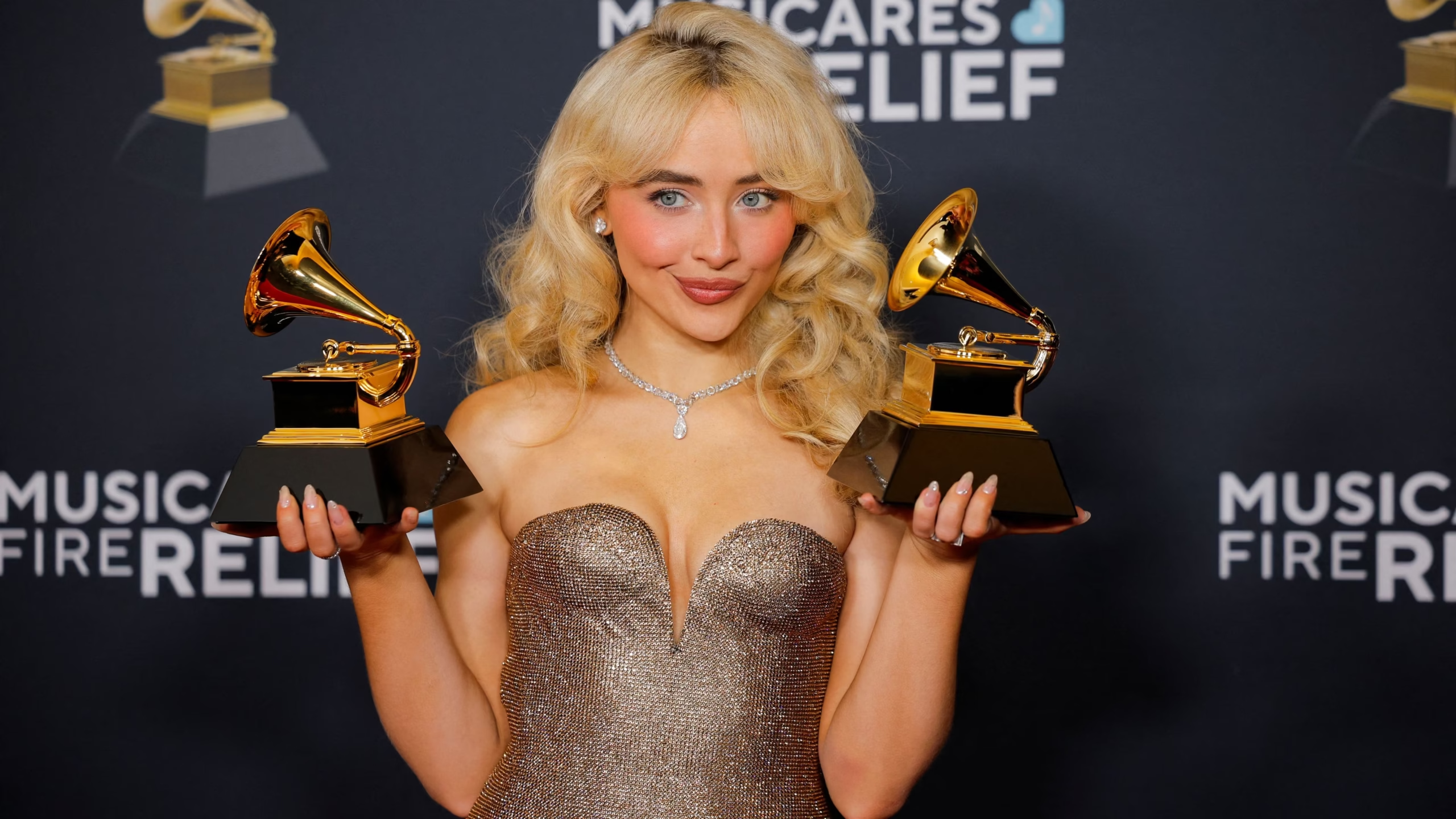
Sabrina Carpenter’s rise to stardom was no overnight sensation. It was a meticulously crafted journey, marked by strategic reinvention, artistic growth, and a relentless pursuit of her identity as a performer. The Sabrina Carpenter we see today is the result of years of evolution—musically, visually, and personally.

Early Beginnings: A Star in the MakingBorn on May 11, 1999, in Quakertown, Pennsylvania, Sabrina Annlane Carpenter showed an early passion for music. So much so that her father built a soundproof booth in their basement to keep her singing from disturbing the neighbors. By age 10, she was already uploading cover songs to YouTube, signaling the start of her public journey.
Her early exposure to the industry came through an online talent contest linked to Miley Cyrus’s fan club, where she placed third. This modest win caught the attention of casting directors, leading to small acting roles, including a guest spot on Law & Order: SVU. Her big break came in 2014 when she landed the role of Maya Hart, the wisecracking best friend on Disney Channel’s Girl Meets World.The Disney Era: Building a FoundationThough not the lead, Sabrina’s role on Girl Meets World gave her a platform. Disney also recognized her singing talent, releasing her debut single, Can’t Blame a Girl for Trying. Between 2015 and 2019, she released four albums—Eyes Wide Open, Evolution, Singular: Act I, and Singular: Act II. These projects earned respectable chart positions and built a loyal fan base, but she had yet to break into mainstream pop stardom.
By the end of the decade, Sabrina was a familiar face with a solid resume but still seen by many as a Disney alum rather than a major pop artist. It was clear that a transformation was necessary.
The Turning Point: Reinvention and Industry Realities.
Sabrina’s journey reflects a common narrative for child stars transitioning to adult artists. She has spoken candidly about signing her first contract at 12, not fully understanding the implications, and navigating the pressures of the music industry. She faced the challenge of maintaining her identity while meeting industry expectations, including the unspoken rule to “sexify” her image to reach the next level.
Her transition was not just about image but also about artistic growth. The industry’s artist development process, sometimes involving vocal and dance training, stylistic changes, and even physical alterations, played a role in reshaping her brand.
New Beginnings with Island Records
In early 2021, Sabrina’s Disney contract ended, and she signed with Island Records. Her first single under the new label, Skin, sparked controversy and media attention, rumored to be a diss track aimed at Olivia Rodrigo. Whether intentional or not, it marked a new chapter, accompanied by noticeable changes in her appearance and style.

Her album Emails I Can’t Send (2022) showcased a more mature sound and personal songwriting, earning critical praise and fan admiration. The album’s success was bolstered by collaborations with top producers and songwriters, including Jack Antonoff, Ian Kirkpatrick, and Amy Allen, who helped craft a fresh, ‘80s-inspired pop sound with emotional depth.
Breaking Through: The Short and Sweet Era
Sabrina’s momentum continued with the release of Short and Sweet in 2024. The album debuted at number one on the Billboard charts and went platinum, signaling her arrival as a bona fide pop star. Her single Espresso reached number seven on the Hot 100 and topped the UK charts, cementing her global appeal.
Her live performances evolved into carefully choreographed shows blending soft ‘80s synth-pop with old Hollywood glam aesthetics. Brand partnerships with Rihanna’s Savage Fenty and Kim Kardashian’s Skims further elevated her profile, aligning her with powerful, fashion-forward female brands.
Controversy and Cultural Conversations
With fame came scrutiny. Sabrina’s increasingly provocative performances and imagery sparked debate, especially given her Disney roots and young fanbase. Videos of sexually suggestive stage acts and album cover art depicting submissive poses ignited discussions about feminism, sexual freedom, and the boundaries of artistic expression.
Critics accused her of glamorizing regressive gender roles, while supporters defended her right to explore sexuality on her terms. Sabrina herself acknowledged the complexity, emphasizing her normalcy and playful approach to performance.
The Artist Behind the Brand
Despite accusations of being an “industry plant,” Sabrina’s decade-long career and artistic involvement tell a different story. She is deeply involved in songwriting and creative decisions, dispelling myths that she is merely a manufactured product.
Her candid reflections reveal the toll of constant touring and the pressures of maintaining a public persona. Yet, she remains committed to her craft and evolving identity.What’s Next for Sabrina Carpenter?
Sabrina Carpenter’s story is far from over. Her latest album, Man’s Best Friend, has already sparked intense cultural debates, highlighting her ability to provoke thought and conversation. Whether loved or criticized, she commands attention and continues to push boundaries.
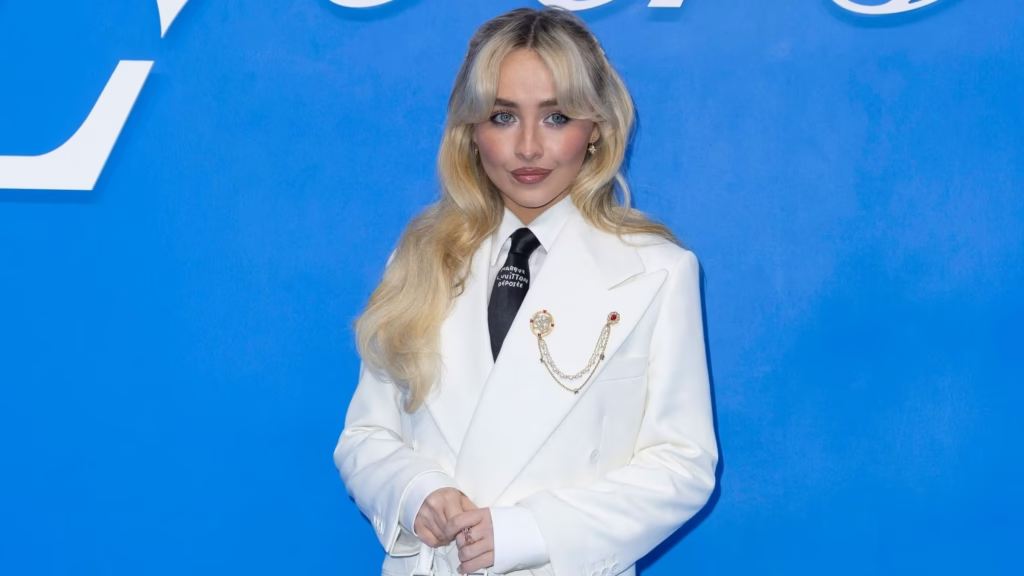
Her journey from a singing child in Pennsylvania to a global pop icon is a testament to perseverance, reinvention, and the complex machinery behind modern stardom. Sabrina Carpenter wasn’t just made overnight—she was made over years of hard work, strategic evolution, and fearless self-expression. The world is watching, and she’s just getting started.

As the federal trial of Sean “Diddy” Combs unfolds under intense national scrutiny, an unexpected figure has taken center stage—not a witness or attorney, but Juror 25. His conduct in the jury room has ignited a heated debate over the integrity and fairness of the proceedings in one of the year’s most closely watched cases.
Juror 25: The Unlikely Focal Point
Juror 25, a 51-year-old Manhattan scientist with a Ph.D. in molecular biology and neuroscience, lives with his partner and is known for his love of opera and nature documentaries. During jury selection, he disclosed having seen video evidence related to the case, a detail that already set him apart from his peers.
Tensions in the Jury Room
Shortly after deliberations began, the jury sent a note to Judge Arun Subramanian expressing concern: Juror 25 “cannot follow your honor’s instructions.” This rare move immediately raised questions about whether the juror was struggling to grasp legal concepts or was simply challenging the group’s consensus. The judge, after careful consideration, instructed the panel to continue and report any further issues.

A Divided Jury—and Public
The situation has sparked a broader debate:
- Robust Deliberation or Disruption? Some argue that Juror 25’s insistence on thorough discussion is vital for justice, ensuring no detail is overlooked. Others worry that his approach could derail the process and threaten a fair verdict.
- Judicial Dilemma: The judge’s decision not to remove Juror 25 reflects the delicate balance between respecting juror independence and maintaining order.
- Media Spotlight: With every development dissected in real time, public opinion is sharply divided—some see Juror 25 as a conscientious holdout, others as an obstacle to justice.

What’s at Stake
This controversy highlights the challenges of jury selection in high-profile cases and the pressures jurors face under the national spotlight. It also raises fundamental questions about what fairness means in the American justice system: Is it about consensus, or about ensuring every voice is heard—even if it complicates the path to a verdict?

Business1 day ago
Pros and Cons of the Big Beautiful Bill

Entertainment2 days ago
Christian Keyes Announces ‘All the Queen’s Men’ Departure from BET+

Entertainment2 days ago
How to Be an Industry Puppet (The Sabrina Carpenter Way)


 Advice2 weeks ago
What SXSW 2025 Filmmakers Want Every New Director to Know
- Film Industry2 weeks ago
Filming Yourself and Look Cinematic
- Politics3 weeks ago
Bolanle Newsroom Brief: Israel Strikes Iran’s Nuclear Sites — What It Means for the World
- News6 days ago
Father Leaps Overboard to Save Daughter on Disney Dream Cruise
- Advice1 week ago
Why 20% of Us Are Always Late
- Health5 days ago
McCullough Alleges Government Hid COVID Vaccine Side Effects
- Entertainment3 weeks ago
The Hidden Reality Behind Victoria’s Secret
- Advice1 week ago
How to Find Your Voice as a Filmmaker