

Entertainment
Pump Rules’ Scheana Shares Emmys-Related Theory on Raquel Breaking Silence on September 1, 2023 at 6:49 pm Us Weekly

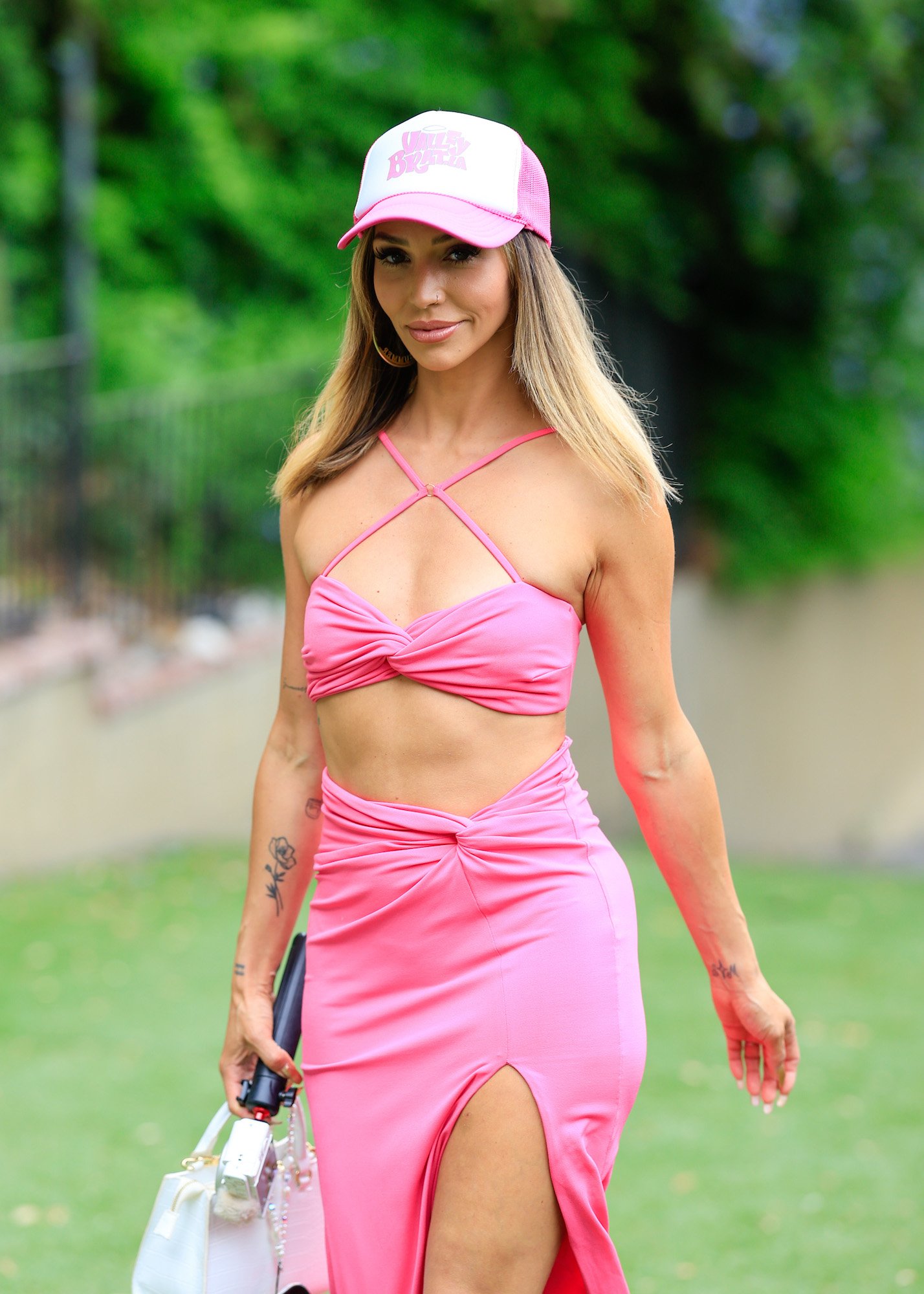
Scheana Shay has one question about Raquel Leviss‘ tell-all interview with Bethenny Frankel — and it has to do with timing.
During the Friday, September 1, episode of her “Scheananigans” podcast, Shay, 37, claimed that Leviss, 28, had no obvious reason to finally address the aftermath of her affair with Tom Sandoval.
“That is what is so weird. Because you’re not coming back to the show, you want to change your name, you don’t want to be in the spotlight, you don’t want to come back to L.A., you don’t want to be a part of this friend group and you don’t want to speak to Tom Sandoval anymore,” Shay noted.
Shay went on to theorize that perhaps there was something more to it than that, adding, “But what is also interesting that I notice — and this could be a total weird coincidence — but the day the interview came out [there was] Emmy voting the next day. I don’t know that they were trying to hurt something with Vanderpump Rules but that was just a weird coincidence as well.”
Vanderpump Rules received two Emmy nominations — Outstanding Unstructured Reality Program and Outstanding Picture Editing for an Unstructured Reality Program — in July. The award nods came four months after the hit Bravo series made headlines due to Leviss and Sandoval’s affair.
Us Weekly confirmed in March that Sandoval’s nearly decade-long relationship with Ariana Madix came to an end after she learned about his infidelity. The trio hashed out their issues during the season 10 reunion, which aired three months later. Leviss subsequently checked herself into a mental health facility and confirmed last month that she would not be filming season 11 of Vanderpump Rules.
“My nature is very kind and forgiving and understanding of other people. So, the concept of me being the ultimate reality TV villain just blows my mind. The way that [Ariana] spoke to me at the reunion, I feel like it was uncalled for,” Leviss said on the “ReWives” podcast in August before commenting on how she “almost went back” but ultimately decided to move on.
During the candid conversation, Leviss also downplayed her individual friendships with Shay and Madix, 38.
“That is the narrative that is being written for me,” she explained. “It is more salacious that way. Ariana and I were not best friends. We were acquaintances who became friends through the show. She’s always been somebody who’s been very sweet to me. She would stand up for me and encourage me to pursue whatever I was, I don’t know … pursuing. And that was all great — but we never had, like, a deep conversation that I would have with a best friend.”
Scheana Shay. Getty Images
Leviss referred to Shay as one of her best friends but then questioned the podcast host’s intentions.
(Leviss
“[Scheana] offered her apartment to me to stay in while I was figuring out my next moves. After [I broke up] with James [Kennedy], she kept this apartment in L.A. but wasn’t living in it ’cause she was living down in San Diego, but she started creating this narrative that she was the sister I never had and like a mother to me,” Leviss continued. “And that she gave me a place to live when nobody else would …put me up anywhere. [She said] that I didn’t pay rent, which is not true. I did pay rent and I also cat sat for her cat who was pumped with mercury for treatment. She couldn’t be near the cat because she was breast-feeding her daughter. And I also did her podcasts, and she said the one podcast that I did with her talking about my breakup with James was the No. 1 most listened- to podcast.”
Leviss concluded: “It’s just unfortunate that she’s trying to create this narrative that I’ve taken advantage of her when I feel like I did contribute in a way.”
Shay, for her part, laughed off Leviss’ comments during Friday’s podcast episode, saying, “Up until [Raquel’s podcast appearance], I still haven’t blocked her or anything like that. I had been waiting to hear from her because I felt like it would have been a much different conversation now after her getting out of this facility. I absolutely would have heard her out. But now that podcast was the nail in the coffin.”
Scheana Shay has one question about Raquel Leviss‘ tell-all interview with Bethenny Frankel — and it has to do with timing. During the Friday, September 1, episode of her “Scheananigans” podcast, Shay, 37, claimed that Leviss, 28, had no obvious reason to finally address the aftermath of her affair with Tom Sandoval. “That is what
Us Weekly Read More


Continue Reading

By Bolanle Media | July 2, 2026
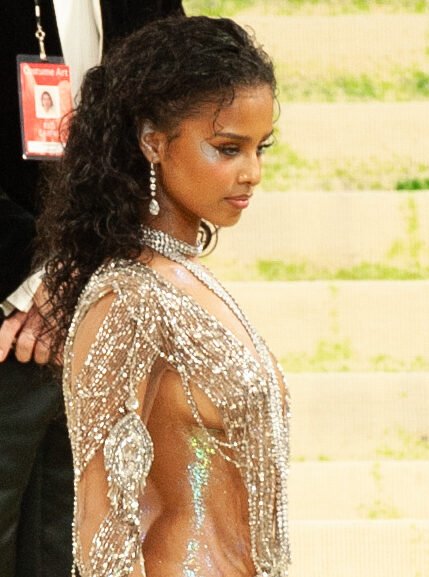
Photo: Tyla at the 2026 Met Gala in custom Valentino — days before making the biggest business move of her career.
There are career moves, and then there are statements. Tyla just made a statement that will be studied in music business classrooms for years.
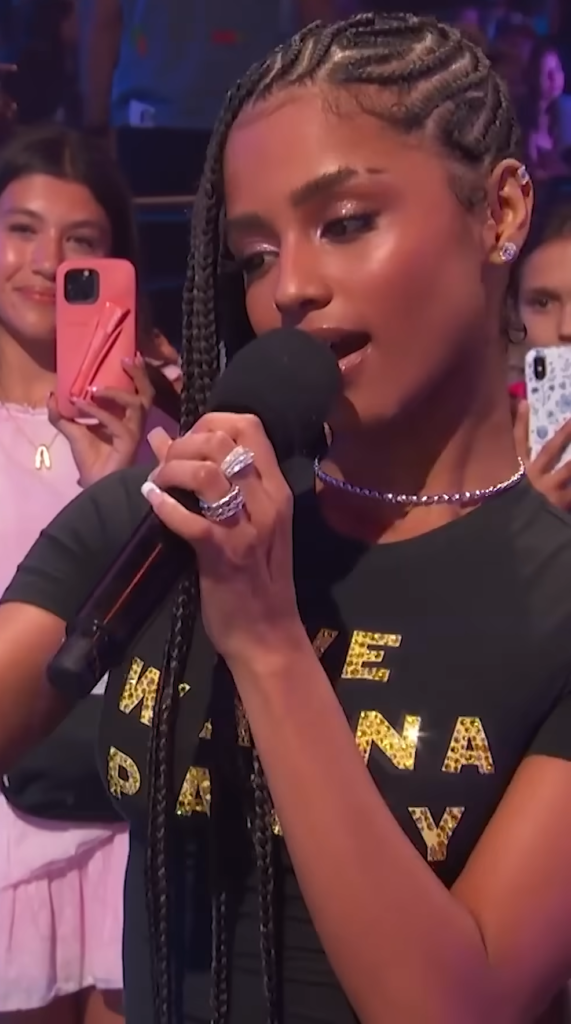
The South African superstar — born Tyla Laura Seethal, 24 years old, and already the proud owner of two Grammy Awards — has officially signed a multi-million dollar global deal with Roc Nation, Jay-Z’s powerhouse entertainment company, walking away from Epic Records to align herself with the most influential roster in the music business. The signing was confirmed across social media with a major digital announcement this week, and the reaction from industry insiders was immediate — shock, admiration, and the quiet acknowledgment that someone just changed the trajectory of African music forever.
From “Water” to a Global Phenomenon
Let’s not forget where this all started. In 2023, a 21-year-old from Johannesburg released a song called “Water” that nobody could quite categorize and everybody needed to hear. Within weeks, it had sparked one of the most viral TikTok dance challenges of the decade, charted simultaneously across the United States, the United Kingdom, and Africa, and earned Tyla a Grammy Award for Best African Music Performance — the first year that category even existed.

That win wasn’t just personal. It was a signal. African music — Afrobeats, Amapiano, and now what Tyla herself calls A*Pop — was no longer knocking at the door of the global mainstream. It had walked through it. And Tyla had handed it the key.
What followed was a whirlwind two years of sold-out shows, magazine covers, red carpet domination, and a growing reputation as one of the most stylistically fearless artists on the planet. She attended the 2026 Met Gala — her third consecutive appearance — wearing a custom Valentino gown dripping in diamond chains with a sweeping teal skirt, styled by the legendary Law Roach, with beauty by Pat McGrath. The look was breathtaking. But it was also strategic. Every Met Gala appearance, every fashion moment, every carefully placed interview has been building toward exactly this: the infrastructure to match the vision.
What Roc Nation Actually Means
To understand why this deal matters, you have to understand what Roc Nation actually is — because it is not simply a record label.
Founded by Jay-Z in 2008, Roc Nation is a full-service entertainment company with divisions spanning artist management, touring, brand partnerships, film and television, sports management, and philanthropy. Its roster has included Rihanna, Alicia Keys, J. Cole, Big Sean, Lil Uzi Vert, and Megan Thee Stallion — artists who didn’t just sell records, but built multi-decade cultural empires that extended into fashion, film, business, and beyond. The through-line isn’t genre. It’s scale.
For Tyla specifically, the Roc Nation deal unlocks a completely different level of access. We’re talking about premium budgets for music videos and live production, top-tier brand partnership pipelines with luxury and lifestyle companies, film and television placement relationships that most artists spend a decade trying to build, and the kind of media weight that gets you on the cover of Vogue, Time, and Billboard in the same calendar year. Roc Nation doesn’t just manage artists — it engineers icons.
On the African music side, Tyla joins fellow Roc Nation signee Ayra Starr, the Nigerian pop star who inked her deal in 2025, deepening the label’s clear and deliberate strategic investment in African pop as the next dominant global genre. Jay-Z is not betting on a trend. He is betting on a generation.
The Album That Could Rewrite the Playbook
The timing of this signing is not accidental — it is surgical.
Tyla’s highly anticipated sophomore album, A*POP, is officially set to drop July 24, 2026, just three weeks away — a 14-track project that she has described as unapologetic, globally ambitious, and deeply rooted in her South African identity while simultaneously reaching for something universal. The lead single “She Did It Again” features Swedish pop titan Zara Larsson, a collaboration that announces in no uncertain terms that Tyla is not staying in any lane she didn’t build herself.
With Roc Nation’s full machine now behind the album rollout — promotional infrastructure, media relationships, tour routing, brand activations — A*POP arrives with a runway that Epic Records simply could not have provided at this scale. The industry is already paying attention. For music supervisors, film and TV executives, brand marketers, and entertainment investors reading this right now — put A*POP on your radar immediately. This is the kind of release that shapes culture, not just charts.
The Bigger Picture Nobody Is Talking About
Here is what gets lost in the excitement of a big announcement: the systemic significance of what Tyla just did.
The music industry’s historical relationship with African artists has been, at best, transactional — major labels slow to invest, quick to cash in on a viral moment, and consistently reluctant to build the kind of long-term infrastructure that turns an artist into a brand. Tyla has navigated that system with remarkable intelligence, refusing to be reduced to a trend, building her artistic identity on her own terms, and now — at 24 — arriving at the negotiating table with enough leverage to choose Roc Nation on her terms.
That matters. Not just for Tyla, but for every African artist watching this unfold from Lagos, Accra, Nairobi, Cape Town, and Houston. It is proof that the path from regional phenomenon to global superstar is not only possible — it is being paved right now, in real time, by a young woman from Johannesburg who refused to shrink.
For media companies, content platforms, entertainment executives, and brand strategists operating in the African diaspora space — this is your data point. African pop is not a niche. It is not a trend. It is not a moment. It is a movement, and Tyla just secured the most powerful co-sign available in the global music business to lead it.
Watch this space. Very closely.
Follow @bolanlemedia on Instagram for real-time music, film, and entertainment industry news. Read more at bolanlemedia.com

AfriqueFest: Pan-African Musical Experience — World Cup Edition is set to take over Noto Houston on Sunday, June 28, bringing together East, South, and West African sounds in one immersive celebration of music, culture, and connection. Presented by Experience Noir and Bolanle Media, the event is designed as a cinematic night for the culture, blending global energy with Houston nightlife in a way that feels elevated, intentional, and deeply rooted in African creativity.
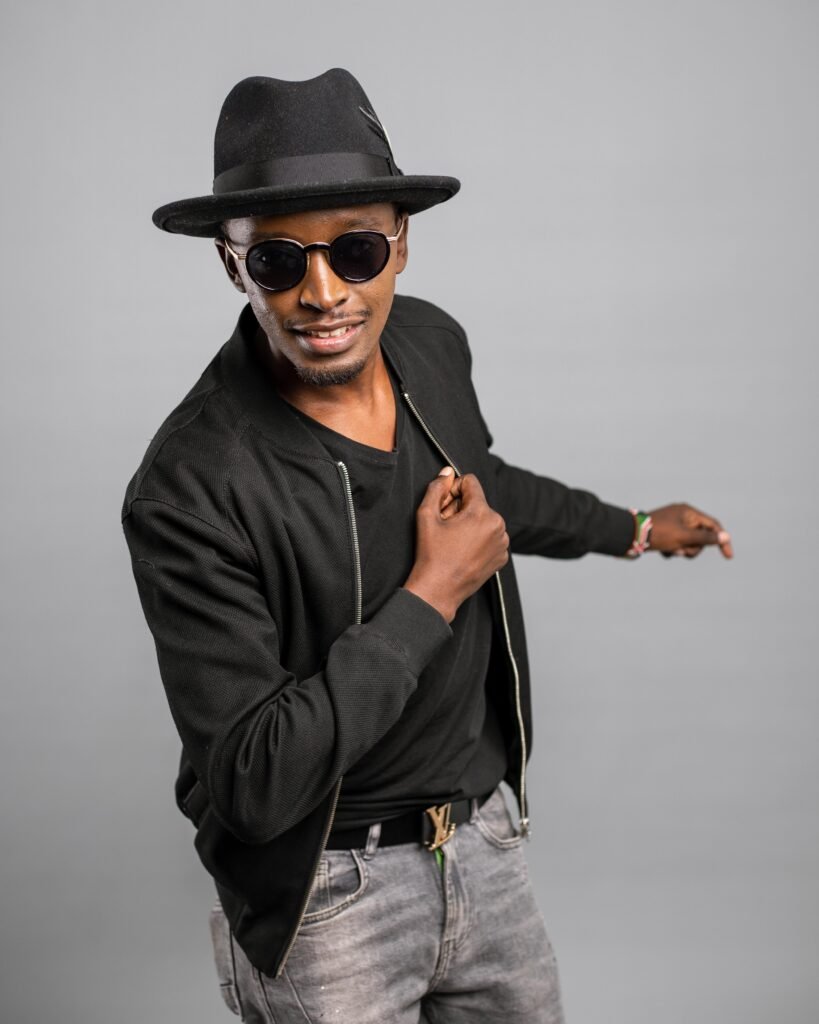
Spotlight on DJ Shinski
At the heart of this year’s experience is DJ Shinski. Born and raised in Nairobi, Kenya and now based in Houston, DJ Shinski has built an international name off high-energy sets that move effortlessly across Afrobeats, Amapiano, hip‑hop, dancehall, reggae, and electronic sounds.
He has also become Africa’s most‑subscribed DJ on YouTube, crossing the 2‑million‑subscriber mark and turning his mixes into a global destination for music lovers.

DJ Shinski’s style is precise but unpredictable: one moment it’s classic Afrobeats, the next it’s East African anthems, then a run of throwback hip‑hop or R&B that still feels fresh. That ability to read a room and connect multiple worlds in a single set is exactly why AfriqueFest is building so much of the night’s energy around him.
At AfriqueFest, DJ Shinski helps drive the Safari Grooves segment, representing East and Central Africa from 4 PM to 6 PM. Expect a journey that moves from Nairobi to Dar es Salaam, Kampala, Addis, and beyond, all filtered through his signature “vibes on vibes” approach behind the decks.
DJ Tunez and the rest of the night
Supporting that energy, DJ Tunez leads the Gold Coast Beats chapter from 8 PM to 10 PM, bringing his own Nigerian‑American Afrobeats pedigree to the stage. Together with the Diamond Rhythms segment (South) and a curated roster of DJs, the night stretches across the continent in three distinct musical chapters, all connected by a single dance floor.
Hosted by @chris_gone_crazy, @kingdrewwskyy, @roselynomaka, and @samsnewleaf, AfriqueFest is positioned as more than a party—it’s a celebration of sound, style, and Pan‑African identity in Houston, with DJ Shinski anchoring the experience from the moment doors open.
Brought to you by Bolanle Media & Experience Noir
Brought to you by Bolanle Media and Experience Noir, this World Cup edition of AfriqueFest is crafted as a night where global DJs, storytellers, and music lovers collide and create a shared cultural memory. With DJ Shinski front and center—and DJ Tunez helping close the night—guests can expect a show that reflects both the future of African nightlife and the power of the diaspora to create unforgettable live moments.
If you want to experience DJ Shinski live at AfriqueFest, now is the time to lock in your spot. Purchase your tickets now at AfriqueFest.com and get ready for a night of music, movement, and culture at Noto Houston.
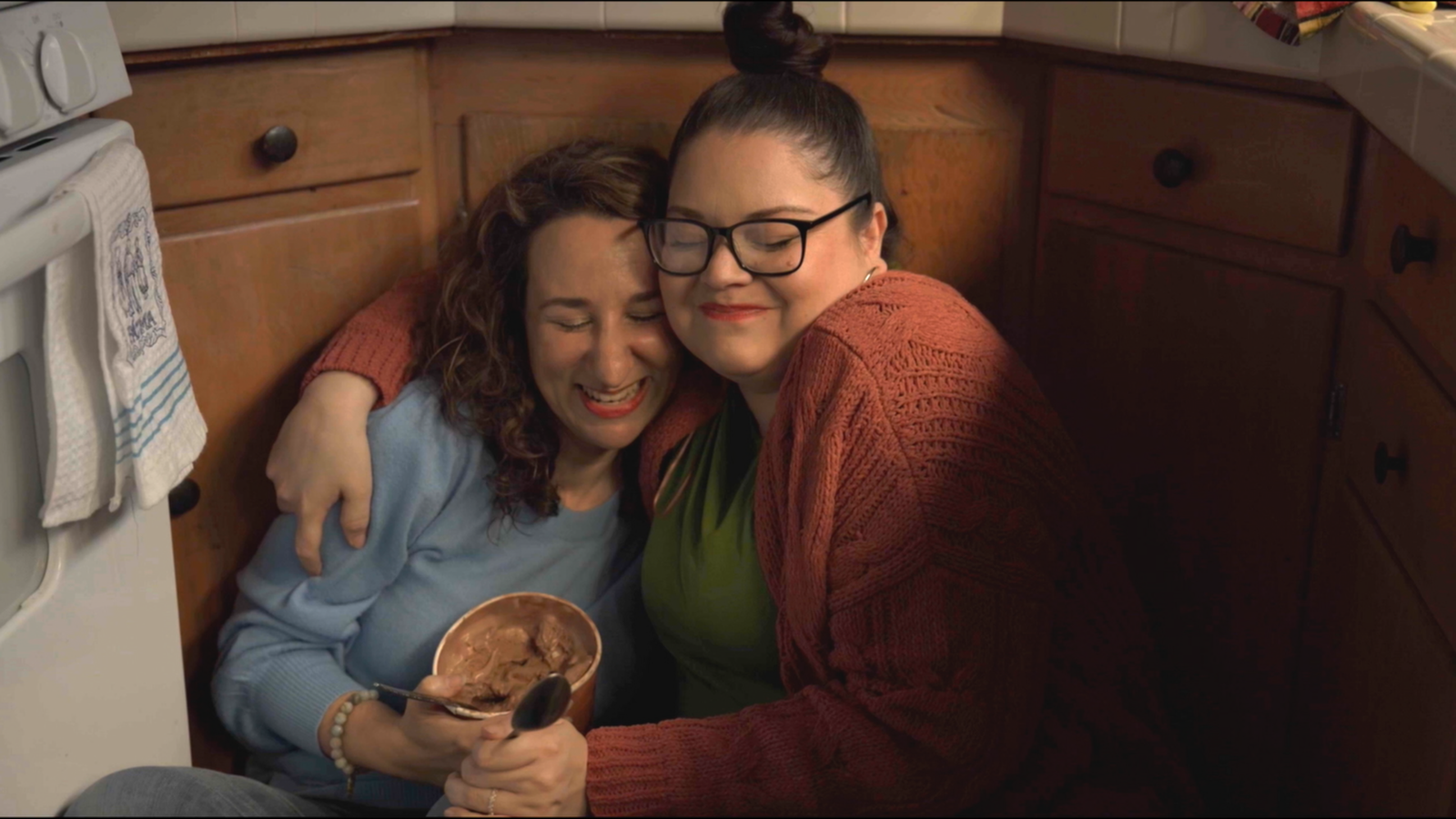
Laughter Meets Inspiration: Our Ladies Show Lands on The Roku Channel
A bold new sketch comedy series for women premieres June 13 across the U.S., U.K., and Canada — arriving on the back of a festival-winning run that has critics and audiences already paying attention.
It isn’t every day a brand-new comedy arrives already wearing a row of trophies. Our Ladies Show does. The seven-episode inspirational sketch comedy series — created, written by, and starring Christin Jezak — begins streaming on The Roku Channel on Friday, June 13, 2026, available free to viewers in the United States, United Kingdom, and Canada.
Produced in partnership with global media services leader Encompass Digital Media, the series sets out to do something rare in today’s streaming landscape: make women laugh out loud and leave them lifted. In a media moment crowded with noise and cynicism, Our Ladies Show is a deliberate counterweight — comedy with a conscience, built for women of every age and background.
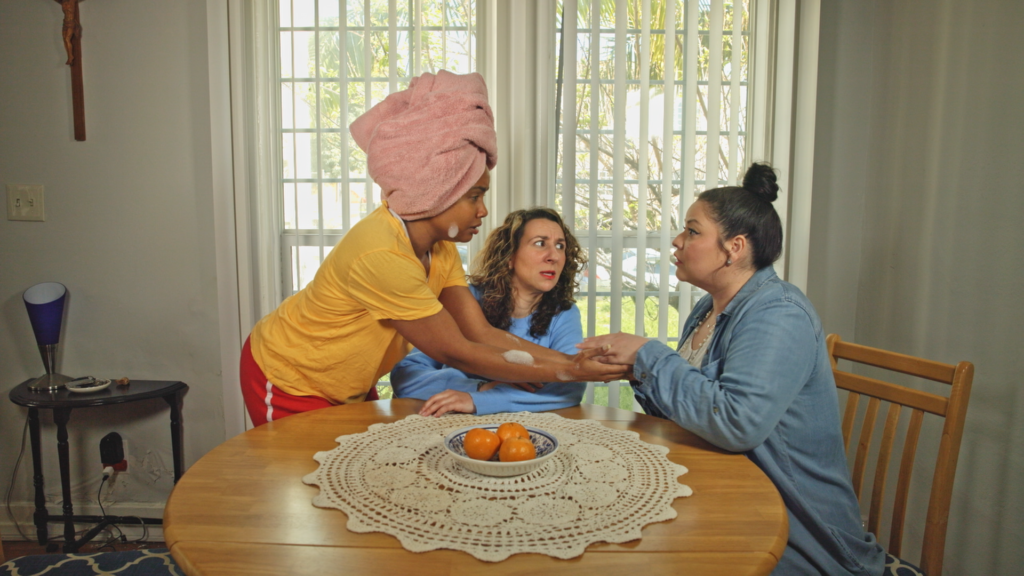
A Show Built Around Real Life — and Real Laughs
Each of the seven episodes opens with a monologue from one of the cast members introducing the theme, then rolls into three or more sketches that hit the subject from every comedic angle. The series tackles the things women actually carry: holding grudges, comparison, beauty, patience, gift giving, the importance of community, and dealing with anxiety.
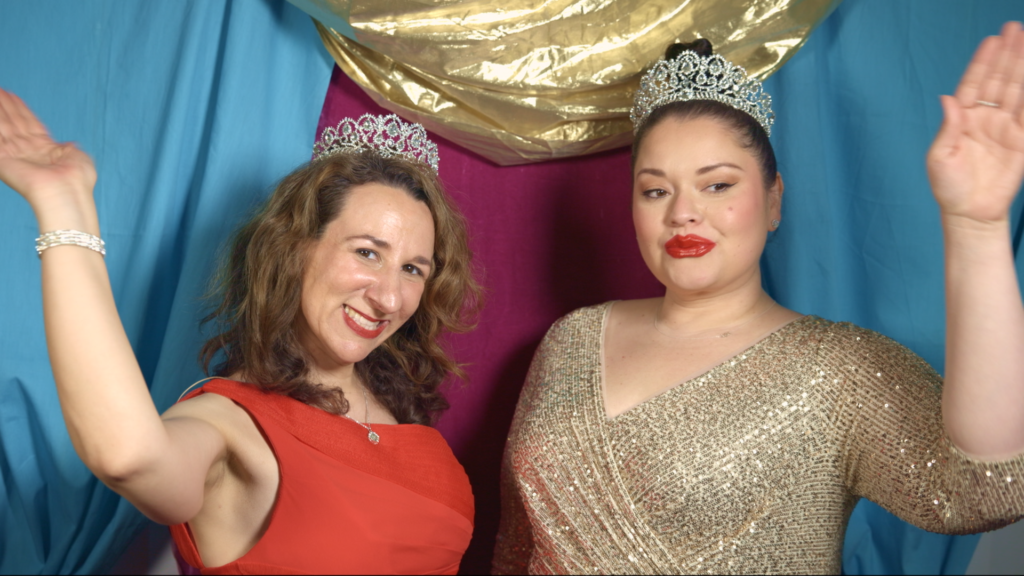
The comedy comes from a place of warmth rather than mockery — a “laugh at ourselves” spirit that runs through a gallery of unforgettable characters: a nosey neighbor, an overwhelmed mom, relentlessly optimistic flight attendants, beauty pageant winners past their prime, and a crew of unruly campers with a counselor who simply cannot hold it together.
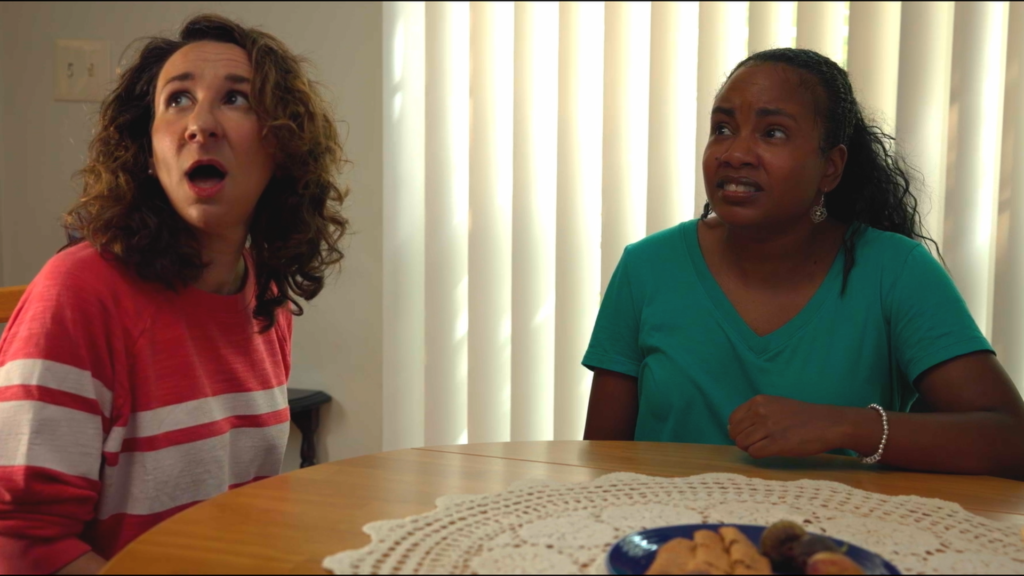
Then the show does something most sketch series don’t. In the final segment of every episode, the cast gathers in a living-room setting and invites the audience in — sharing real inspiration drawn from the theme, the sketches, and their own personal stories. It’s the moment the laughter turns into something that stays with you.
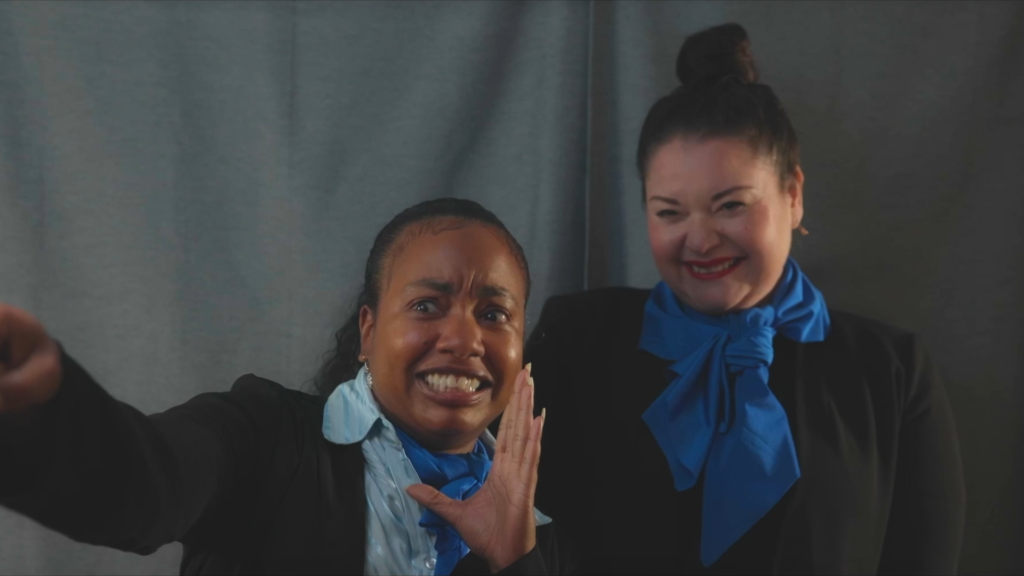
The Women Behind the Show
Our Ladies Show brings together three performers with serious range:
- Christin Jezak — creator, writer, and star (Miracle at Manchester, Raising Hope, Jimmy Kimmel Live!)
- Hillary Hawkins — (Primal, Nick Jr.’s Play Along, Gullah Gullah Island)
- Sarah Hernandez — (Nefarious, Unplanned, House of Payne)
“In a world with so much division and depression, I hope women of all ages and backgrounds will watch this show, laugh, be reminded of how beautiful, unique, and loved they are, and remember how much we need each other.”— Christin Jezak, Creator & Star
Already a Festival Favorite
The series’ recurring long-form sketch, Neighborhood Watch, didn’t arrive quietly. Originally released as a web series and revamped for Our Ladies Show with new footage, sound, and music, it has been sweeping the festival circuit:
- 🏆 Best Webseries — 2026 New Media Film Festival (Los Angeles)
- 🏆 Best Web/TV Series — Paris Film Awards
- 🏆 Best Web Series — Dallas Movie Awards
- 🏅 Additional wins at the London Movie Awards, Florence Film Awards, and Hollywood Gold Awards
- 🎬 Official Selection — 2026 Harvard Divinity School Film Fest
- ⭐ Finalist — Houston Comedy Film Festival
- 📣 Three nominations — 2025 Content Christian Media Conference, including Best Actress in a TV and Web Series nods for both Christin Jezak and Sarah Hernandez
Where and When to Watch
Our Ladies Show premieres Friday, June 13, 2026, streaming on The Roku Channel — the home of premium and free entertainment — in the U.S., U.K., and Canada. All seven episodes deliver the series’ signature blend of sharp sketch comedy and genuine encouragement.
Watch the trailer now on your platform of choice:
For more information, visit www.ourladiesshow.com and follow @ourladiesshow on Facebook, Instagram, and TikTok.
About Christin Jezak
Christin Jezak has worked for over 15 years in the entertainment industry. She created and stars in Our Ladies Show and the award-winning web series Neighborhood Watch. She produced the EWTN TV program For the Sake of the Gospel and the all-women web series Ladies Keepin’ It Real, played Dr. Sam in Miracle at Manchester (starring Dean Cain, Daniel Roebuck, and Eddie McClintock), and voices Agnes in the podcast Confessions of a Catholic Single. She held a lead role in a short film for NTT Data directed by Academy Award–winning cinematographer Janusz Kamiński, has co-starred on Raising Hope, and appeared in Jimmy Kimmel sketches and a Grubhub Super Bowl commercial.
About The Roku Channel
Roku pioneered streaming on TV and is the #1 TV streaming platform in the U.S., Canada, and Mexico by hours streamed (Hypothesis Group, Dec. 2025). The Roku Channel is the home of premium and free entertainment, alongside Roku’s Howdy and Frndly TV services. Roku is headquartered in San Jose, California.
About Encompass Digital Media
Encompass Digital Media is a global managed services company — technology-driven, software-defined, and people-powered. Trusted by world-leading broadcasters, networks, sports rights-holders, and OTT platforms, it processes over 25,000 hours of content daily, serves 850 channels to 84 countries, distributes over 243,000 live events annually, and reaches 400 million radio listeners weekly worldwide. Learn more at www.encompass.tv.
Media & Interview Requests: To interview creator Christin Jezak or the cast, contact Christin at cjezak@p2ptheatre.com.

Advice3 months ago
Why Some Songs End Up in Movies—While Others Never Do

Film Industry3 months ago
They Told Him a Black Man Can’t Learn. He Sued Them and Won.

Entertainment3 months ago


