News
How Misinformation Overload Breaks Creative Focus

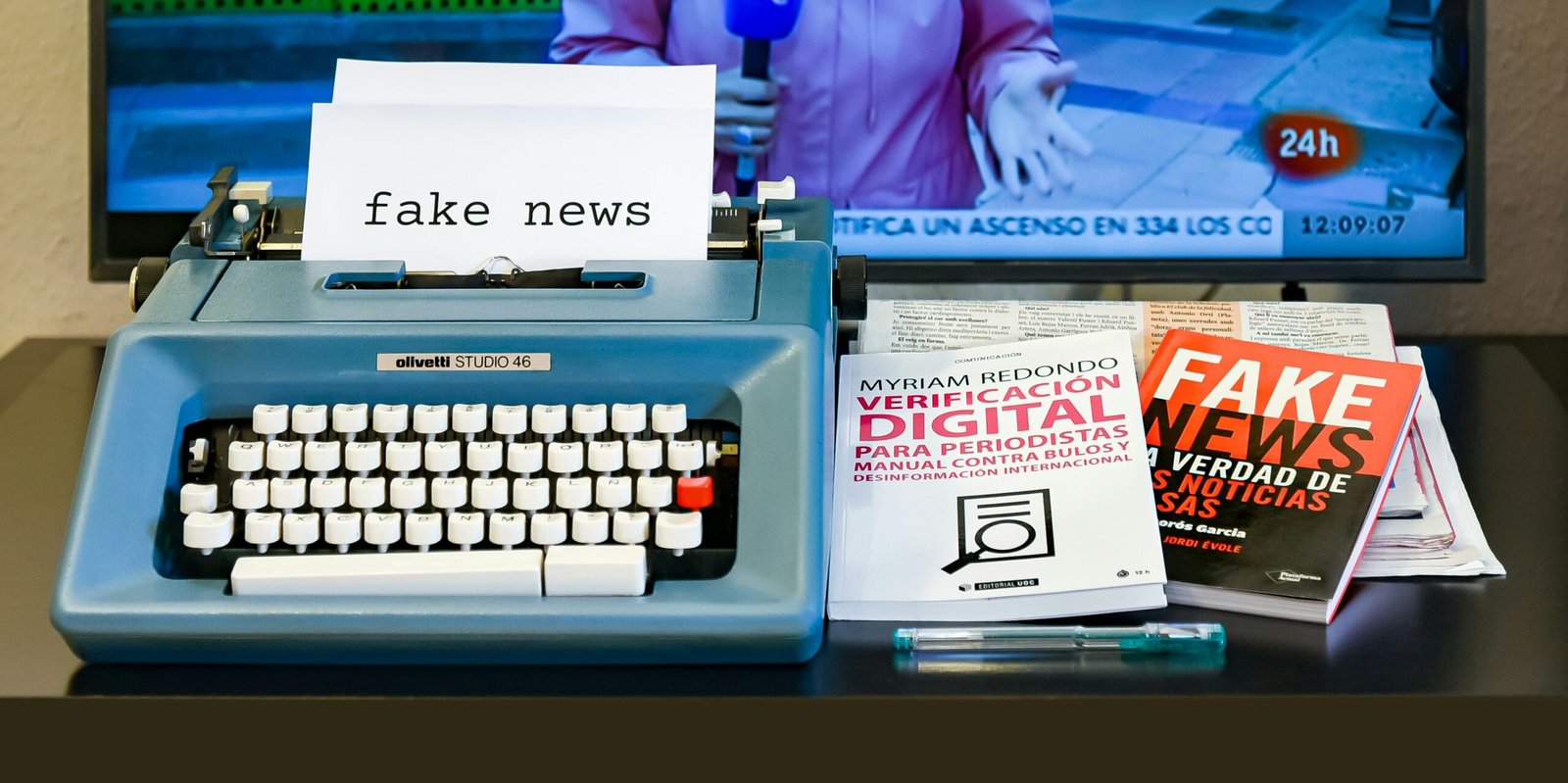
Misinformation overload doesn’t just confuse you—it fractures your attention, hijacks your nervous system, and makes it nearly impossible to create with clarity. When your brain is stuck sorting “what’s real” from “what’s rumored,” your creative work doesn’t just slow down; it starts to feel unsafe to even begin.
In the newsroom, we see this pattern constantly: when a story becomes a nonstop stream of claims, counterclaims, screenshots, “leaks,” and reaction content, the audience doesn’t end up informed—they end up flooded. And for filmmakers, writers, editors, and entrepreneurs, that flood hits the part of you that’s responsible for focus, judgment, and decisive action.
The modern trap: infinite updates, zero certainty
There’s a particular kind of exhaustion that comes from trying to track a high-temperature story online. You’re not simply consuming information—you’re doing mental triage every minute:
- Is this confirmed or speculation?
- Is this a primary source or someone’s interpretation?
- Is the clip edited?
- Is the account credible?
- Why are ten people saying ten different things?
This is what breaks people. Not one article. Not one update. It’s the endless requirement to verify reality while the feed keeps moving.
Why creators are extra vulnerable
Creators are pattern-seekers by design. You’re trained to read subtext, connect dots, and search for meaning—skills that make great storytelling possible. But in a misinformation-heavy environment, those strengths can be exploited.
Instead of using your brain to build a story, you’re using it to defend yourself against confusion. Your mind becomes a courtroom, a detective board, and a crisis team all at once. That’s not “research.” That’s cognitive overload.
What misinformation overload does to your creative brain
When your system is overloaded, you’ll notice changes like:
- You can’t start, even though you care.
- You jump between tasks and finish none.
- You feel compelled to “check updates” mid-work session.
- You lose confidence in your instincts.
- Your creativity becomes reactive (responding to the feed) instead of generative (creating from vision).
This is the quiet damage: your attention span shortens, your risk tolerance drops, and your work becomes harder to trust—because you don’t feel internally steady.
The “who can I trust?” spiral
One of the most corrosive effects of misinformation overload is relational paranoia. When the feed is full of allegations, lists, rumors, and “everyone is compromised” language, your mind starts scanning your own life the same way.
You begin asking:
- Who should I work with?
- Who should I avoid?
- If I collaborate with the wrong person, will it hurt my career?
- If I say the wrong thing, will I get dragged?
Some caution is wise. But when your career is being steered by fear and uncertainty, you stop moving. And a creative career that stops moving starts shrinking.
A newsroom perspective: being informed vs being consumed
Here’s the line we want you to remember:
Being informed is intentional.
Being consumed is automatic.
Being informed means you check a limited number of reliable sources, you notice what’s verified vs unverified, and you step away. Being consumed means you keep refreshing, keep scrolling, keep absorbing emotional pressure—until you feel like you can’t breathe without an “update.”
If you’re consumed, your next best move is not another deep dive. It’s distance.
The 72-hour clarity reset (built for creators)
If your focus is broken, don’t try to “power through.” Do this instead:
- Create a 72-hour boundary: No threads, no reaction videos, no screenshot “proof” without sourcing, no doomscrolling.
- Choose two check-in windows: For example, 12:00pm and 6:00pm only.
- Cut the loop at the source: Remove the apps that trigger spirals from your home screen (or delete them temporarily).
- Protect one daily creation block: 60–90 minutes, phone in another room, one deliverable (one page, one scene pass, one rough cut, one outline).
- Do one grounding activity per day: Walk, stretch, cook, clean, journal—low-stimulation inputs that calm your body so your mind can work again.
What to do when you come back online
After your reset, return with rules—not vibes:
- Don’t confuse volume with truth.
- Don’t confuse confidence with credibility.
- Don’t outsource your nervous system to strangers.
- If you can’t verify it, don’t build your day around it.
And most importantly: don’t let the feed decide what you create next.
Your next move needs you clear
If you’re trying to figure out your next step—your next film, your next pitch, your next collaborator, your next chapter—you need clarity more than you need more content.
Disconnect long enough to hear your own signal again. That’s where the work lives.
If you tell me your ideal word count (600, 900, 1200, or 1400) and whether you want this framed strictly for filmmakers or for “creatives + entrepreneurs,” I’ll tighten the structure and tailor the examples to match your audience on Bolanle Media.










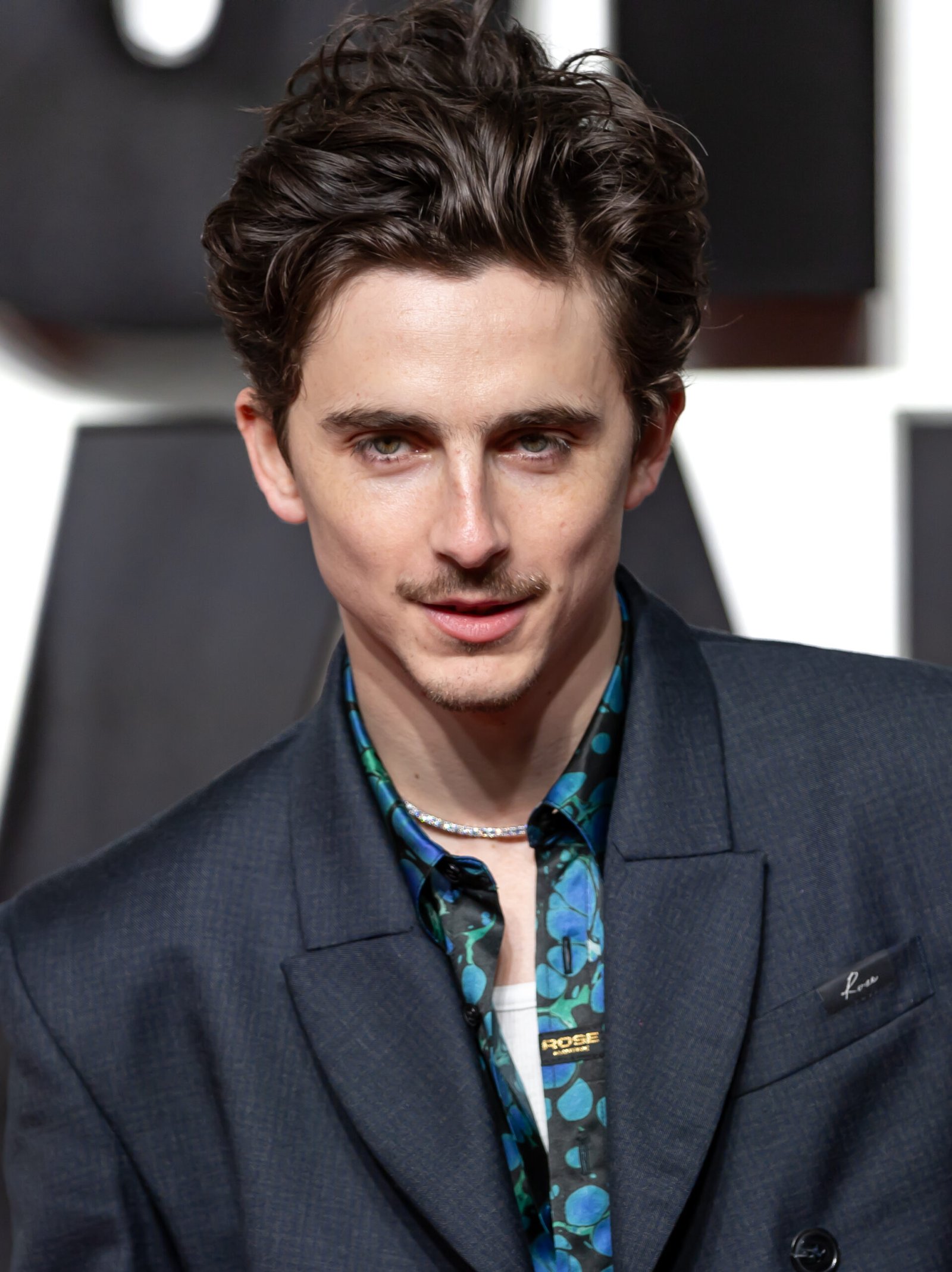
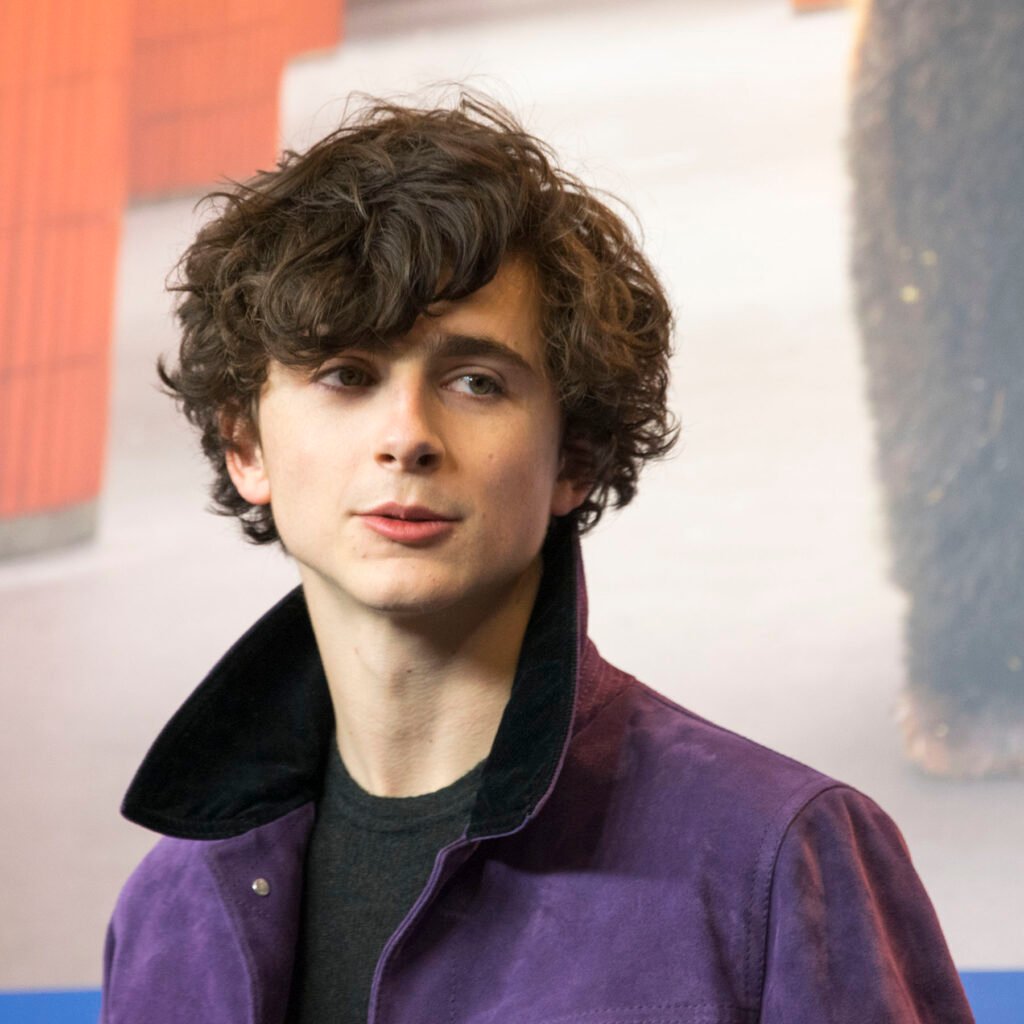
For years, Timothée Chalamet was the soft‑spoken indie prince of his generation—the guy who quoted literature, slipped into French, and seemed more interested in cinema history than Hollywood clout. Now, clip by clip and quote by quote, that image is eroding. He hasn’t done anything unforgivable, but he has created a near‑perfect playbook for how to quietly sabotage your own persona in public.
Step 1: Turn Ambition Into a Brand
At the 2025 SAG Awards, after winning for A Complete Unknown, Timothée didn’t just thank his colleagues. He looked out at the room and said:
“The truth is, I’m really in pursuit of greatness. I know people don’t usually talk like that, but I want to be one of the greats.”
He doubled down:
“I’m as inspired by Daniel Day‑Lewis and Marlon Brando and Viola Davis as I am by Michael Jordan and Michael Phelps, and I want to be up there.”
Some viewers loved the honesty in a business that pretends awards don’t matter. Others heard a 20‑something actor announcing himself as the heir to a pantheon he hasn’t actually joined yet. When you start making “pursuit of greatness” your spoken identity, people stop hearing gratitude and start hearing self‑mythology.
Step 2: Undercut Your Own Origin Story
Timothée’s brand was built on the idea that he chose indies out of pure artistic conviction. Then older interviews resurfaced where he described being repeatedly rejected from YA franchises because of his body type, saying he “kept getting the same feedback” and that his agent finally said they’d stop submitting him for those “bigger projects” because he “wasn’t putting on weight.”
He framed his shift into smaller films as going through a “more humble door” after the blockbuster door wouldn’t open—one that “ended up being explosive” for him. It’s honest, but it quietly rewrites the mythology from “I rejected the mainstream” to “the mainstream rejected me first.” When your appeal rests on a romanticized path, that kind of reframing lands harder than you think.
Step 3: Let Tiny Stories Do Big Damage
“Yeah… I’m Timothée Chalamet. I’m gonna eat whatever the [expletive] I want.”
On its own, it’s a throwaway anecdote. But stacked next to the “pursuit of greatness” speech and his growing self‑seriousness, it played like a mask‑off moment: the indie boy wonder who now knows exactly how big he is—and is comfortable acting like it. Online, people seized on that one sentence as shorthand for entitlement.
Step 4: Rebrand in Fast‑Forward
Enter Sarah Paulson’s cookie story. On a podcast, she recalled Timothée coming up to her at Sunset Tower, reminding her they went to high school, then casually eating cookies off her plate. When she confronted him—“Are you just gonna eat the cookie?”—she says he answered:
The Marty Supreme press tour marked a visible pivot. The clothes got louder, the interviews more chaotic, the bits more transparently engineered for virality. In one widely shared clip, he hyped up his own recent run by saying:
“This is probably my best performance, and it’s been like seven, eight years that I feel like I’ve been handing in really, really committed, top‑of‑the‑line performances. And it’s important to say it out loud… I don’t want people to take [it] for granted.”
Later, he defended calling his work “really some top‑level s—,” insisting he’s “leaving it on the field.” Confidence is one thing; repeatedly telling the public your performances are “top‑of‑the‑line” and “top‑level” is another. It’s the difference between being crowned and trying to crown yourself.
Step 5: Step on a Landmine About Life Choices
In his Vogue‑era coverage, Timothée also waded into the kids/no‑kids debate. He recalled watching an interview where someone bragged about not having children and how much time it freed up, then said he and a friend turned to each other like:
He added that he believes “procreation is the reason we’re here,” while briefly conceding that some people can’t have children. Even if you assume good intent, reducing child‑free life to “bleak” and implying reproduction is the core purpose of existence landed as tone‑deaf with a young, online fan base that doesn’t all aspire to traditional family structures. It sounded less like thoughtful reflection and more like a guy confidently pronouncing the One Correct Life Path.
Step 6: Insult the Arts That Built You
All of this tension exploded with one now‑infamous comparison. In a conversation with Matthew McConaughey about moviegoing and keeping theaters alive, Timothée contrasted film with more “niche” art forms and said:
“I don’t want to be working in ballet or opera or, you know, things where it’s like, ‘Hey, keep this thing alive,’ even though like no one cares about this anymore.”
He tacked on a quick hedge—
“All respect to the ballet and opera people out there… I just lost 14 cents in viewership.”

—but the message was clear. Opera houses, ballet companies, and artists fired back, pointing out that their shows still attract thousands, that performers train for decades, and that these supposedly irrelevant forms helped shape the very cinematic tradition he benefits from. For people already side‑eyeing his ego, it felt like the final straw: a self‑styled serious artist casually dismissing whole disciplines as culturally dead.
None of this, individually, is career‑ending. But stacked together, it tells a consistent story: a former indie darling so determined to lock in his status as a capital‑S Star that he keeps saying the quiet part out loud—about his greatness, his work, other people’s choices, and which arts “still matter.”
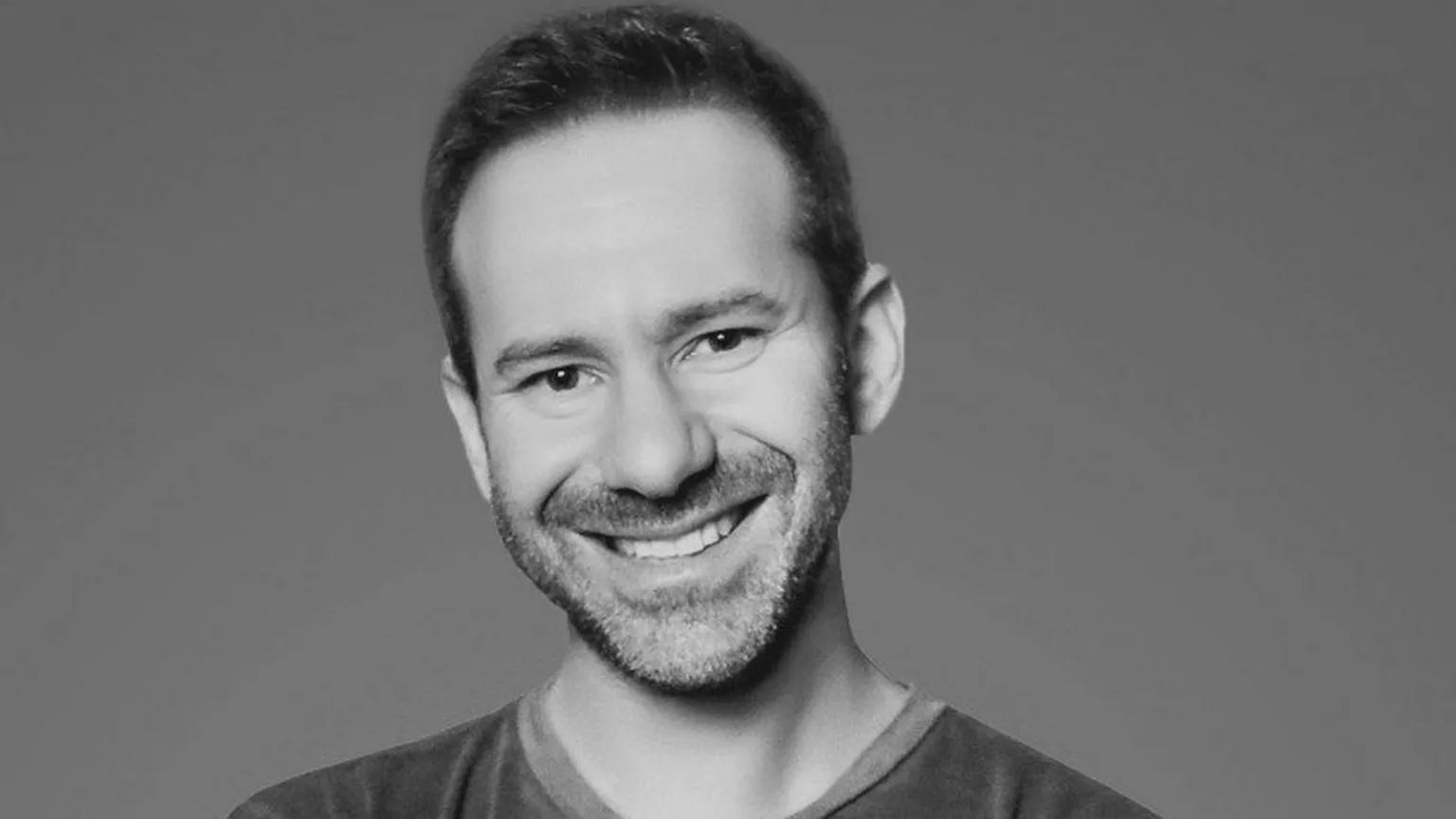
When news broke that OnlyFans owner Leonid Radvinsky had died at 43, a lot of creators didn’t just think about a billionaire—they thought about the app that had become their rent, their debt plan, and sometimes their last option. For some, OnlyFans genuinely saved them: sex workers and marginalized creators describe using the platform to leave violent in‑person work, control their own boundaries, and finally pick their clients and hours. In the pandemic, when bars, clubs, and service jobs disappeared, the site became a lifeline that helped people pay bills, support kids, and move out of unsafe homes.

But the same platform that offered freedom has also trapped others in a new kind of dependency. Creators talk about burnout from constant posting, parasocial pressure from fans, and feeling forced to escalate the kind of content they make just to keep subscribers from canceling. Young people, especially women and queer creators, describe how “easy money” slowly turned into a situation where their main earning skill is their body online, making it harder to pivot back into mainstream jobs without stigma or digital footprints following them forever.

The power imbalance became painfully clear in 2021, when OnlyFans briefly announced a ban on sexually explicit content after pressure from banks and payment processors. Overnight, many sex workers felt like the platform they built had “turned its back” on them, proving that a single corporate decision could erase their income—even though their content and labor made the site valuable. The ban was reversed after backlash, but the message was clear: creators carried the risk, while owners and financial institutions still held the real control.

Radvinsky’s death doesn’t erase what OnlyFans has meant: it sits in a grey zone between empowerment and exploitation, wealth and vulnerability. For some, it was the first time they set their own prices and refused unsafe work; for others, it was a digital trap that monetized loneliness, fed addiction, and made their bodies into content that never really disappears. As the platform decides what comes after its reclusive owner, the ethical question isn’t just what happens to the company—it’s whether creators will ever have true power over the platforms that define their livelihoods, or if they’ll always be one policy change away from losing everything.
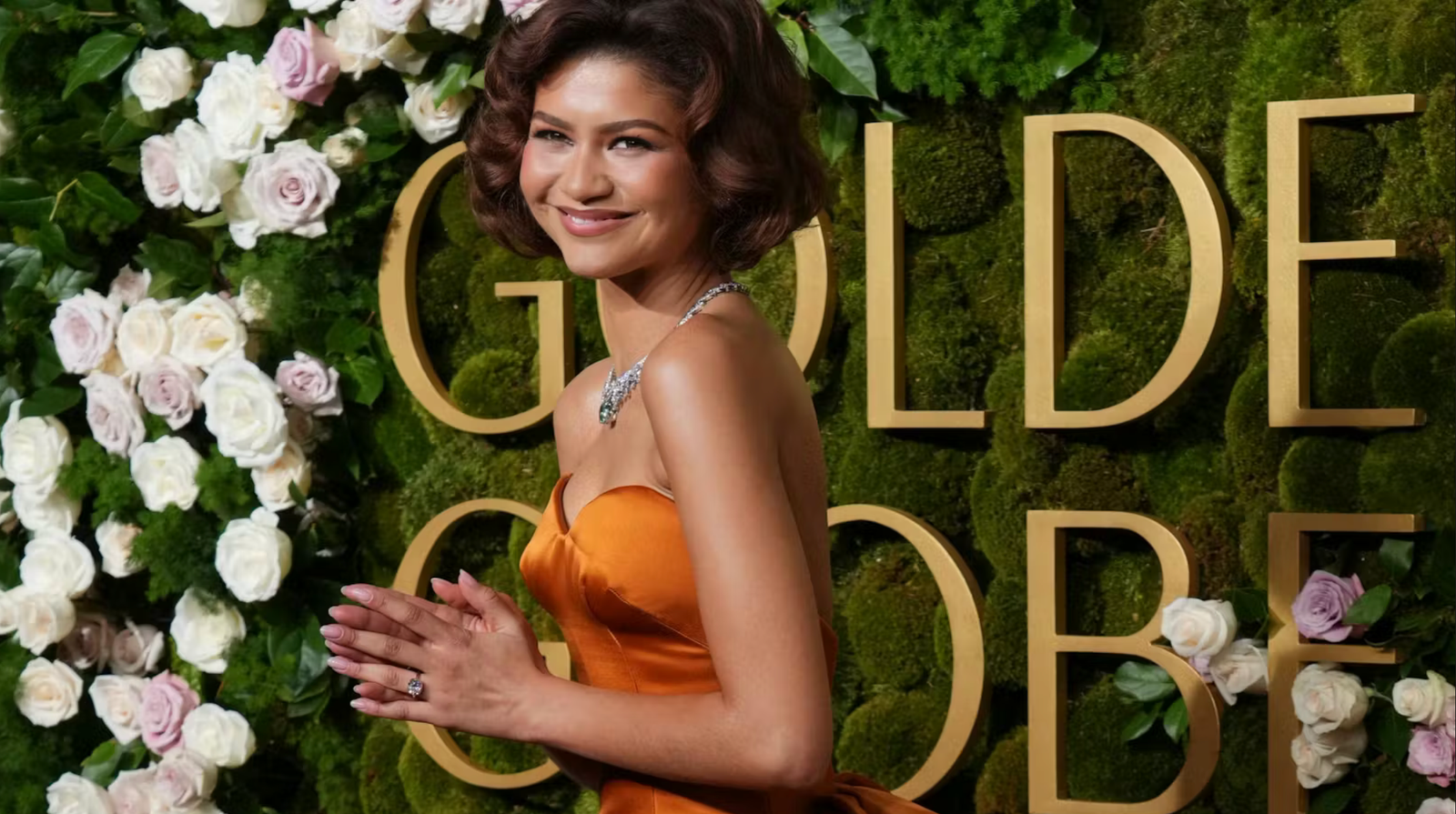
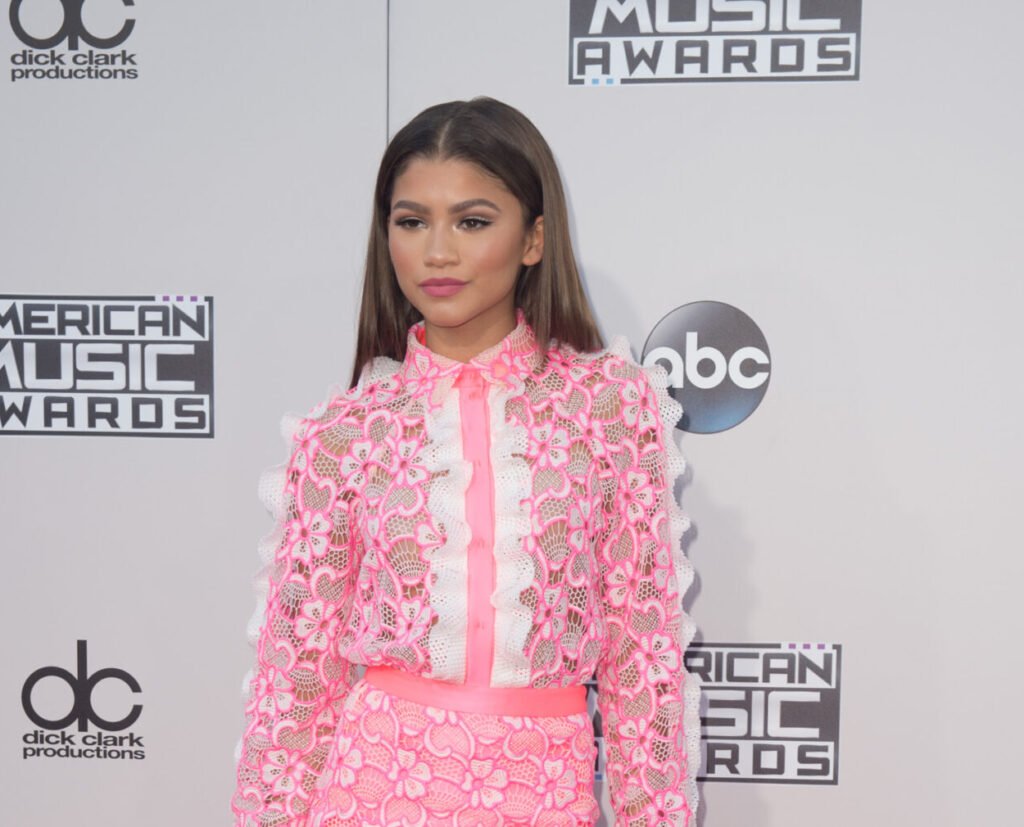
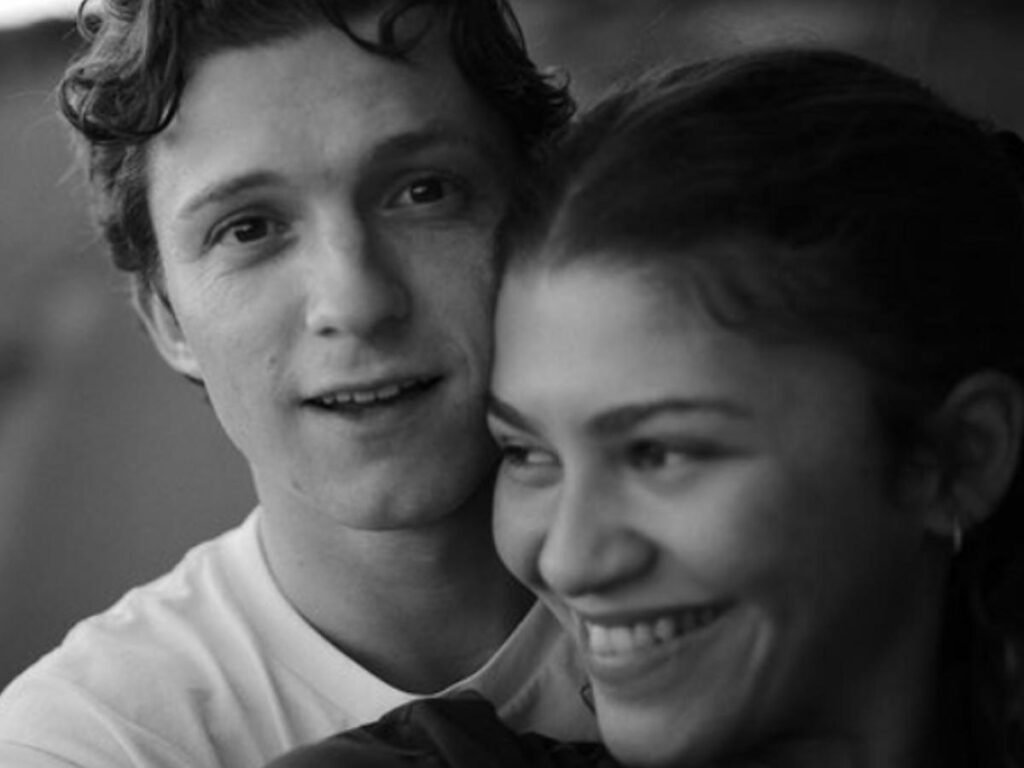
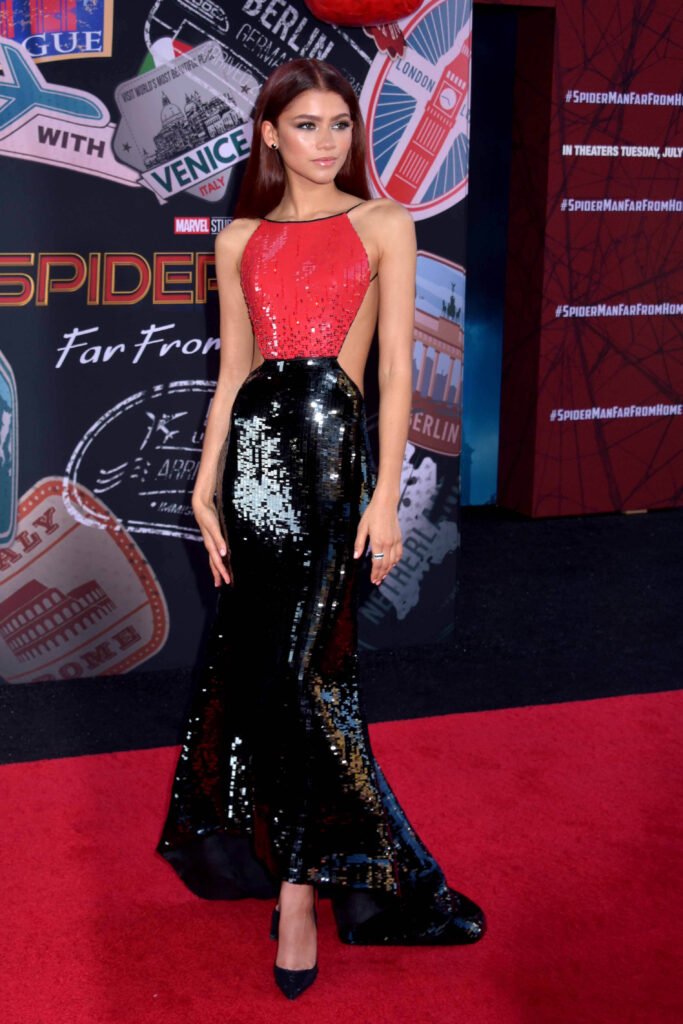
Zendaya is on track to make at least $40 million in 2026, with some reports putting her acting income alone near $43 million—a record for a Black actress in a single year. That kind of payday doesn’t come from one project; it comes from a stacked lineup of blockbusters, TV hits, and a sharply curated portfolio of luxury brand deals.
Blockbuster movie salaries
Zendaya’s 2026 film slate includes Spider‑Man: Brand New Day and Dune: Part Three, two of the most profitable franchises in Hollywood. Industry estimates suggest she will earn single‑digit to low‑double‑digit millions per film, with added backend participation if those movies hit big at the box office. Throw in mid‑seven‑figure paychecks for other heavily anticipated movies like The Odyssey and her A‑list 2026 drama, and you already have a $20M+ acting stack before TV even counts.
ZENDAYA
Euphoria: $1 million per episode
On the TV side, Zendaya’s Euphoria deal is one of the most eye‑popping in the industry. After renegotiating her contract, she reportedly earns about $1 million per episode for Season 3 and beyond, making her one of the highest‑paid actresses in cable and streaming. With a full season totaling several episodes, that single show contributes tens of millions over time, and her 2026 seasons alone are pegged around $8 million in income.
Brand deals and fashion ventures
Beyond acting, Zendaya’s income is turbocharged by luxury ambassadorships and her own fashion‑adjacent businesses. She front‑runs campaigns for houses like Bulgari, Valentino, Lancôme, and Louis Vuitton, and those multi‑year deals can add several million dollars annually even when she’s not filming. She also has her own fashion line and shoe brand (Daya by Zendaya), which, while still building, add another revenue stream and long‑term equity value.
Why this matters for creators like you
Zendaya’s $40M+ year is less about one “lucky” paycheck and more about stacking multiple streams: tent‑pole films, premium TV, and high‑margin brand deals. For creators, the lesson is clear: build a portfolio (content, IP, brand collabs) instead of relying on a single platform or project.

The machine isn’t coming. It’s aleady the room.

The Timothée Chalamet Guide to Ruining Your Image

Did OnlyFans Save Creators—or Trap Them?


 Advice2 weeks ago
How to Find Your Voice as a Filmmaker
- News4 weeks ago
From Seen to Secured: How Filmmakers Are Owning Their Value
- News4 weeks ago
Idris Elba’s Multimillion-Dollar Film Studio Is Coming to Ghana
- News4 weeks ago
March 1 in NYC: Love Notes From Harlem at Don’t Tell Mama
- Entertainment2 weeks ago
7 Filmmaking Lessons From Michael B. Jordan’s Oscar Moment
- Entertainment2 weeks ago
This scene almost broke him. And changed his career.
- Advice1 week ago
Stop Waiting for Permission — The Film Industry Just Rewrote the Rules
- News2 weeks ago
How ‘Sinners’ Won The Oscars: Filmmaker Notes