News
Forget the Box Office: The New Blockbuster Lives in the “Swipe Up”

The silver screen is no longer the gold standard. For decades, the industry defined a “blockbuster” by the number of people sitting in a dark room for two hours. But in 2026, the real action has moved to the device in your palm. The “swipe up” has replaced the ticket stub as the ultimate indicator of success, turning vertical filmmaking from a social media niche into a multi-billion-dollar economic engine.
The Mobile Hostage: Why Vertical Wins
Traditional cinema asks for your time; vertical cinema demands your focus. Because vertical video fills 100% of a mobile screen—eliminating the “dead space” of black bars—it creates an immersive environment that is hard to escape.
- Completion Rates: Vertical videos see a 90% higher completion rate compared to horizontal formats on mobile.
- Viewer Preference: 71% of users now prefer vertical video for general consumption, and 90% of smartphone users report a better experience with 9:16 content.
- The Gen Z Shift: Approximately 78% of Gen Z’s video consumption is now in vertical orientation, with 43% of this demographic preferring TikTok and YouTube over traditional TV or paid streaming services.
The Investor’s Dream: Retention and Revenue
Investors are pivoting to vertical not just because of the “cool factor,” but because the math is undeniable. Vertical dramas achieve 40% higher completion rates than traditional formats, and the industry is finding ways to monetize every second of that attention.
The Vertical vs. Horizontal Economy (2025-2026)
| Metric | Vertical (Mobile-First) | Horizontal (Legacy) |
|---|---|---|
| Completion Rate | 90% | ~24% (avg) |
| Market Valuation | $4.16B (Micro-dramas) | Maturing/Slowing |
| Purchase Intent | 2x Higher | Baseline |
| Content Strategy | 1-3 min high-hook | 90+ min slow-burn |
The “Micro-Drama” Explosion
The rise of apps like ReelShort and DramaBox has proven that audiences are willing to pay for premium vertical stories. In 2025 alone, global video streaming app downloads increased by nearly 39%, fueled largely by the boom in micro-dramas. These platforms leverage viral hooks and in-app purchases, with some generating over $700 million in annual revenue by focusing on “snackable” vertical episodes.
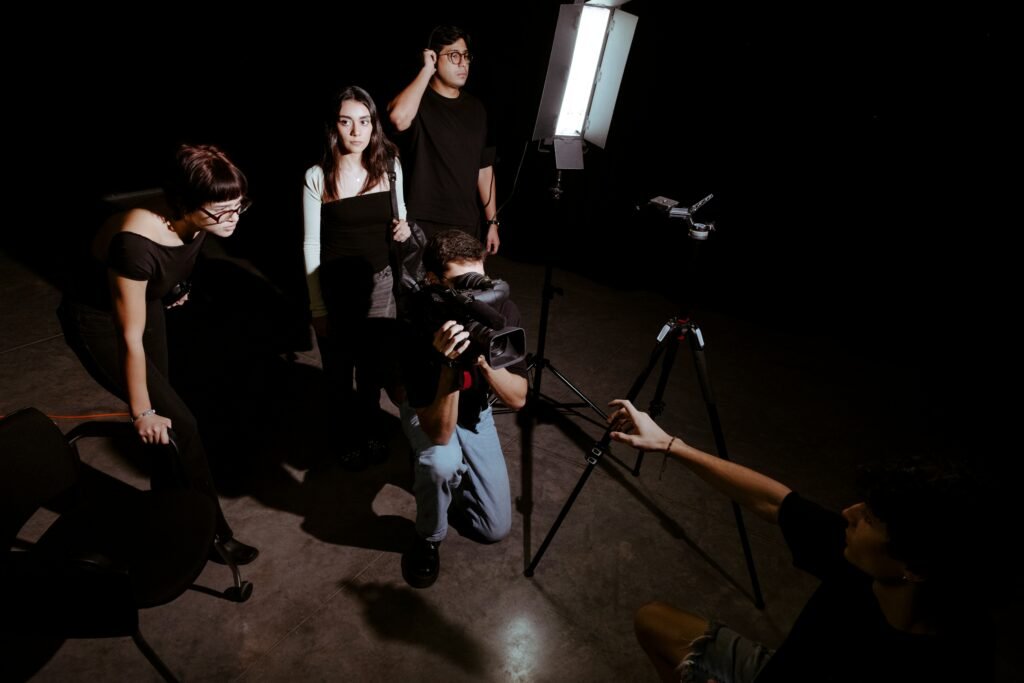
A New Visual Language
Filmmaking in 9:16 is not just “cropping the sides.” It is a new art form that prioritizes the close-up and the vertical stack. For creators, this means lower production overhead—AI tools can now reduce adaptation costs by 60%—and the ability to test concepts with a global audience instantly. In 2026, the smartest filmmakers aren’t waiting for a distribution deal; they are building their own box office, one swipe at a time.










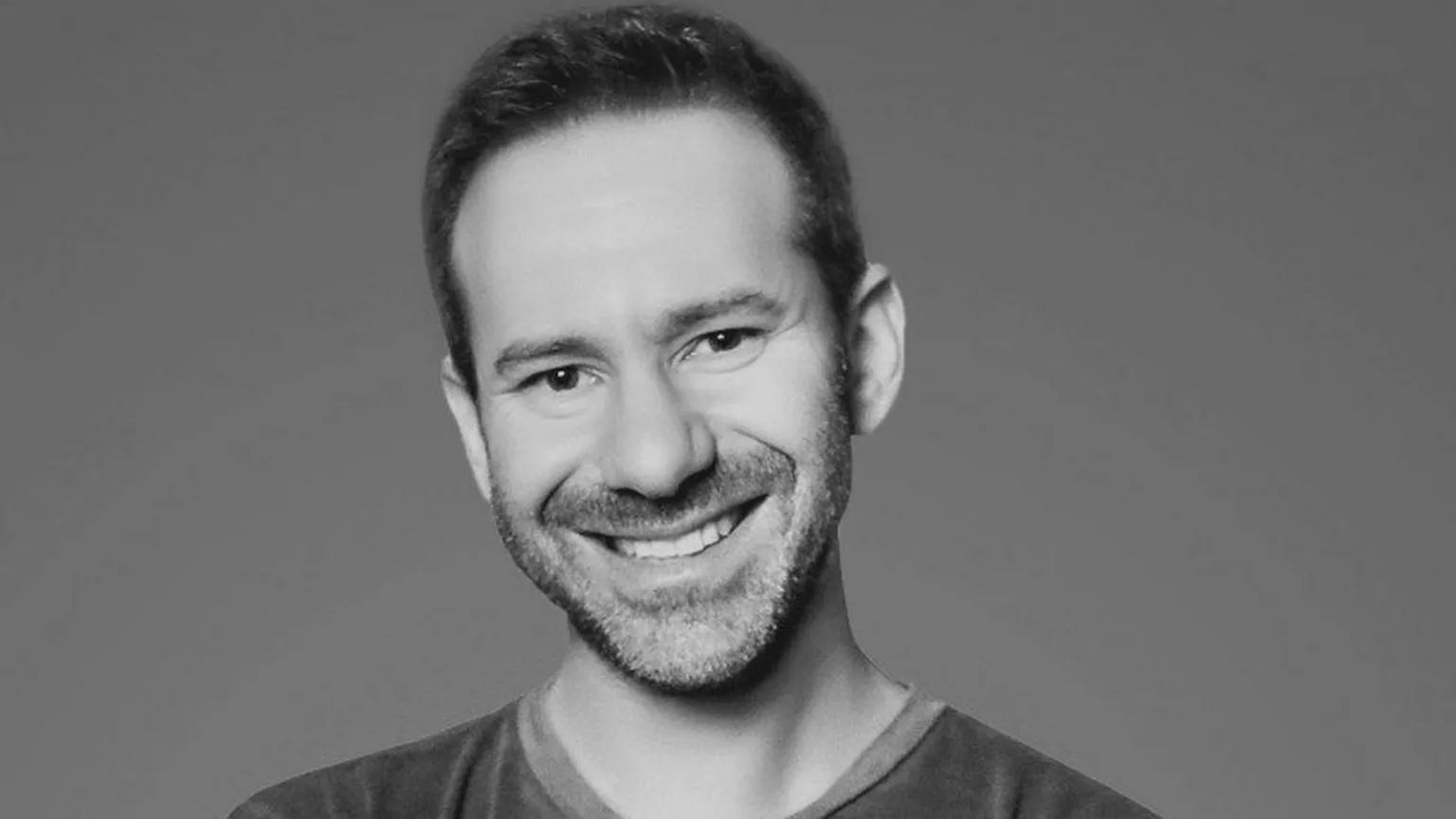
When news broke that OnlyFans owner Leonid Radvinsky had died at 43, a lot of creators didn’t just think about a billionaire—they thought about the app that had become their rent, their debt plan, and sometimes their last option. For some, OnlyFans genuinely saved them: sex workers and marginalized creators describe using the platform to leave violent in‑person work, control their own boundaries, and finally pick their clients and hours. In the pandemic, when bars, clubs, and service jobs disappeared, the site became a lifeline that helped people pay bills, support kids, and move out of unsafe homes.

But the same platform that offered freedom has also trapped others in a new kind of dependency. Creators talk about burnout from constant posting, parasocial pressure from fans, and feeling forced to escalate the kind of content they make just to keep subscribers from canceling. Young people, especially women and queer creators, describe how “easy money” slowly turned into a situation where their main earning skill is their body online, making it harder to pivot back into mainstream jobs without stigma or digital footprints following them forever.

The power imbalance became painfully clear in 2021, when OnlyFans briefly announced a ban on sexually explicit content after pressure from banks and payment processors. Overnight, many sex workers felt like the platform they built had “turned its back” on them, proving that a single corporate decision could erase their income—even though their content and labor made the site valuable. The ban was reversed after backlash, but the message was clear: creators carried the risk, while owners and financial institutions still held the real control.

Radvinsky’s death doesn’t erase what OnlyFans has meant: it sits in a grey zone between empowerment and exploitation, wealth and vulnerability. For some, it was the first time they set their own prices and refused unsafe work; for others, it was a digital trap that monetized loneliness, fed addiction, and made their bodies into content that never really disappears. As the platform decides what comes after its reclusive owner, the ethical question isn’t just what happens to the company—it’s whether creators will ever have true power over the platforms that define their livelihoods, or if they’ll always be one policy change away from losing everything.
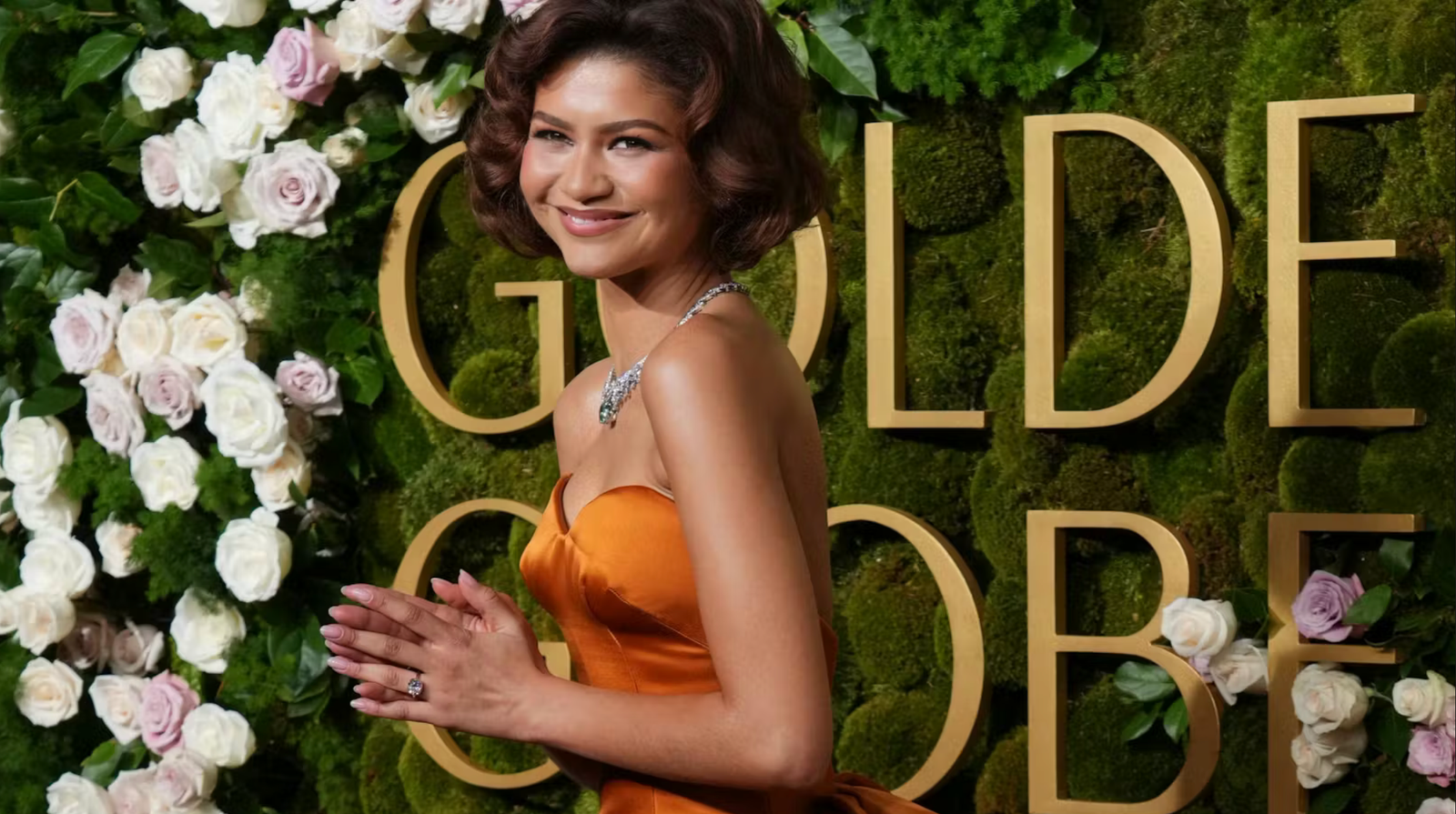
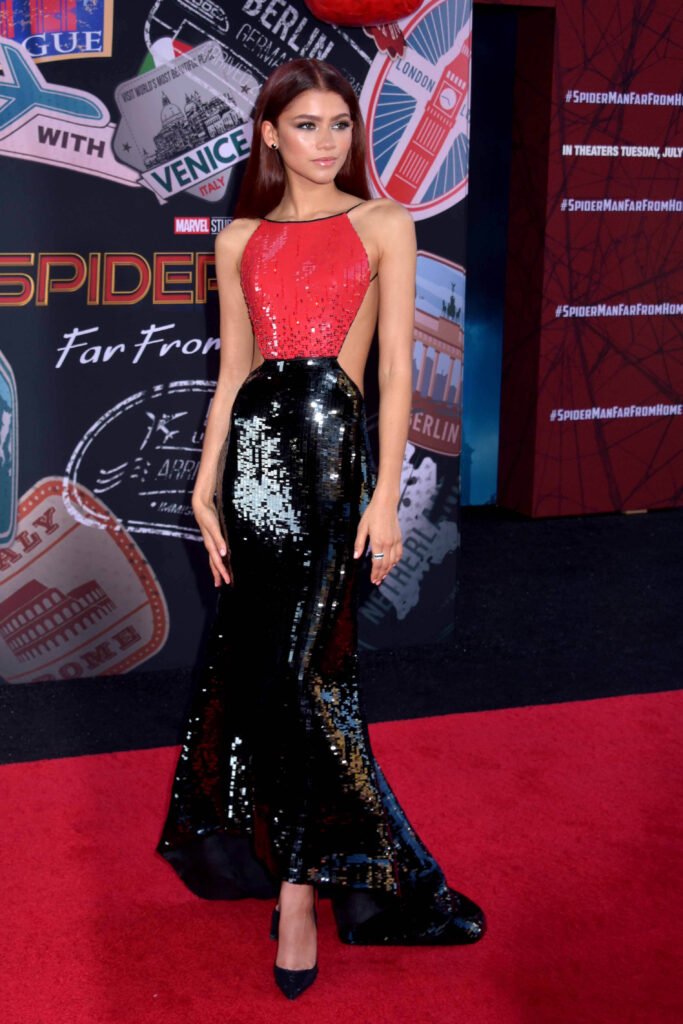
Zendaya is on track to make at least $40 million in 2026, with some reports putting her acting income alone near $43 million—a record for a Black actress in a single year. That kind of payday doesn’t come from one project; it comes from a stacked lineup of blockbusters, TV hits, and a sharply curated portfolio of luxury brand deals.
Blockbuster movie salaries
Zendaya’s 2026 film slate includes Spider‑Man: Brand New Day and Dune: Part Three, two of the most profitable franchises in Hollywood. Industry estimates suggest she will earn single‑digit to low‑double‑digit millions per film, with added backend participation if those movies hit big at the box office. Throw in mid‑seven‑figure paychecks for other heavily anticipated movies like The Odyssey and her A‑list 2026 drama, and you already have a $20M+ acting stack before TV even counts.
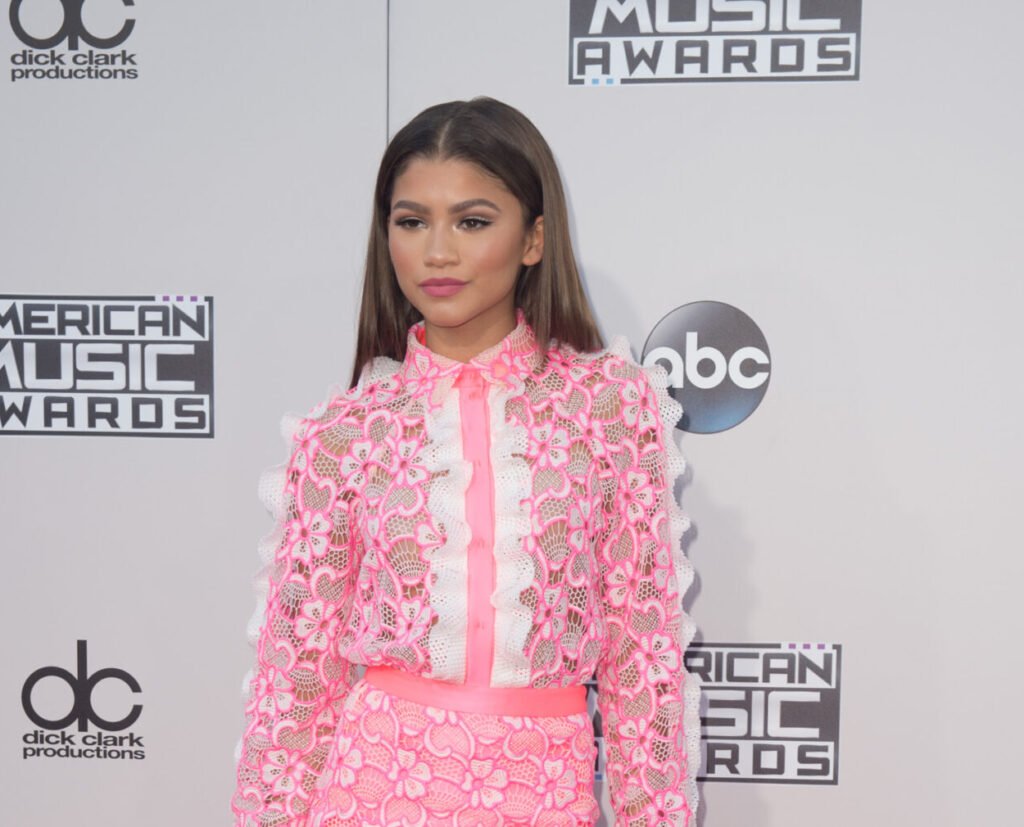
ZENDAYA
Euphoria: $1 million per episode
On the TV side, Zendaya’s Euphoria deal is one of the most eye‑popping in the industry. After renegotiating her contract, she reportedly earns about $1 million per episode for Season 3 and beyond, making her one of the highest‑paid actresses in cable and streaming. With a full season totaling several episodes, that single show contributes tens of millions over time, and her 2026 seasons alone are pegged around $8 million in income.
Brand deals and fashion ventures
Beyond acting, Zendaya’s income is turbocharged by luxury ambassadorships and her own fashion‑adjacent businesses. She front‑runs campaigns for houses like Bulgari, Valentino, Lancôme, and Louis Vuitton, and those multi‑year deals can add several million dollars annually even when she’s not filming. She also has her own fashion line and shoe brand (Daya by Zendaya), which, while still building, add another revenue stream and long‑term equity value.
Why this matters for creators like you
Zendaya’s $40M+ year is less about one “lucky” paycheck and more about stacking multiple streams: tent‑pole films, premium TV, and high‑margin brand deals. For creators, the lesson is clear: build a portfolio (content, IP, brand collabs) instead of relying on a single platform or project.
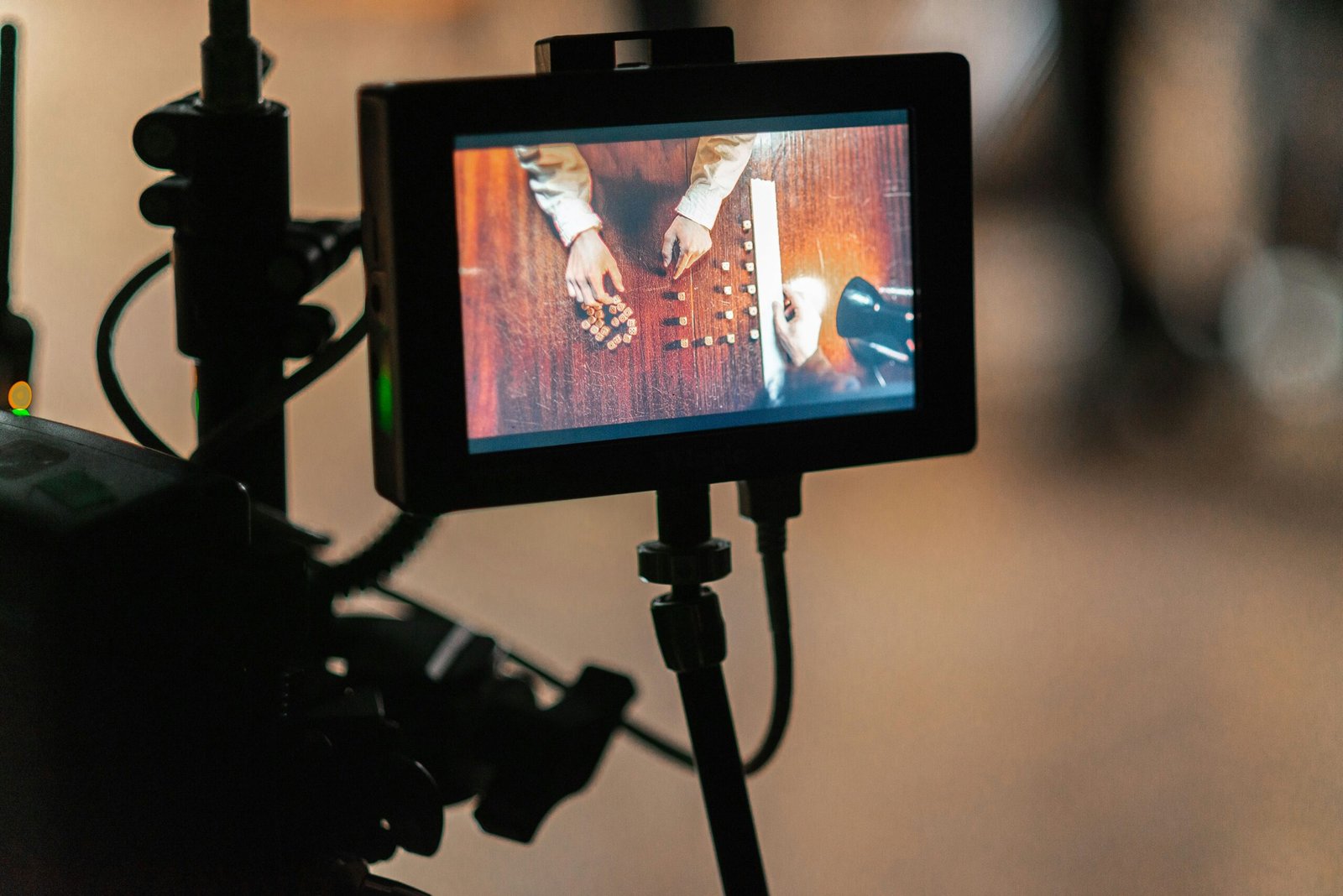
The gatekeepers didn’t just open the door. They left the building.
For decades, filmmakers were told the same story: get the right agent, land the right festival, sign with the right distributor. But in 2026, that story is officially over — and the filmmakers who haven’t gotten the memo are the ones still struggling.
The Old Playbook Is Dead
Streamer acquisitions at Sundance, TIFF, and Cannes have slowed dramatically. The era of premiering your indie film and getting scooped up by Netflix or A24 is no longer a reliable strategy. Buyers are still at festivals — but they’re fewer, more selective, and harder to reach. What that means for you: a festival is now a marketing machine and a career pipeline, not a sales event.
The filmmakers who are winning right now have accepted one uncomfortable truth: the burden of keeping your film alive falls on you. That’s not a threat — it’s the greatest creative freedom this industry has ever offered.
You Already Have Everything You Need
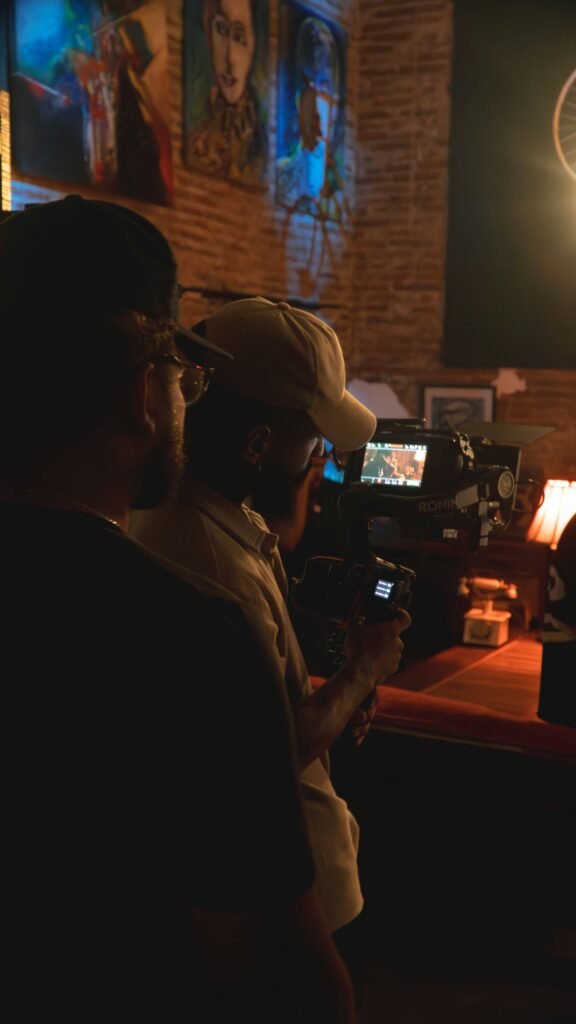
Here’s what Netflix didn’t want you to know: you have more production power in your pocket than Scorsese had in his first decade. A phone. Editing software. AI tools that cost less than your monthly coffee budget. Runway, Higgsfield, ElevenLabs, and Sora are no longer “experimental toys” — they’re production tools being used on actual sets right now.
AI won’t replace your voice. But it will replace the filmmaker who refuses to evolve. Use it for script breakdowns, VFX, dubbing for global distribution, and post-production workflows. The filmmakers leveraging these tools are cutting costs and moving faster than anyone expected.
Your Audience Is Your Distribution Deal
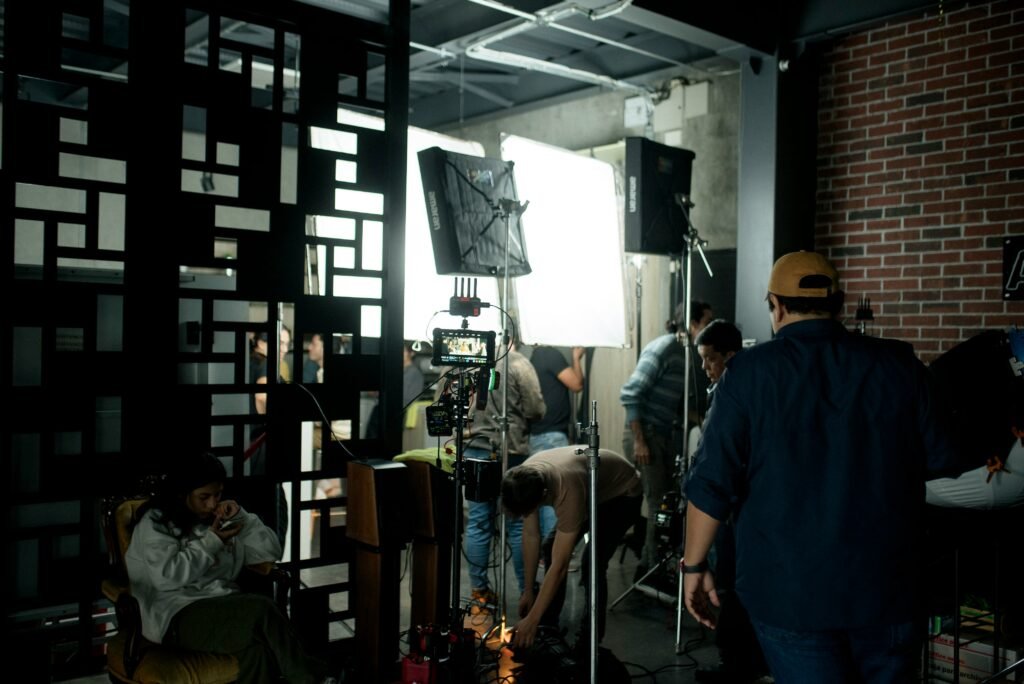
The new model is simple: build your audience before you need them. Document your process. Post weekly. Your personal brand is now your most important asset — more valuable than any distribution agreement you could sign. Platforms like Filmhub, Vimeo On Demand, and Gumroad let you sell directly to fans and keep your rights intact.
Direct-to-audience events — roadshow screenings, pop-up premieres, immersive experiences — are becoming a core release strategy in 2026. You don’t need a theater chain. You need fifty cities and a ticket link.
The One Rule That Changes Everything
Make one complete film every week. Twenty-four hours to think. Twenty-four hours to shoot. The rest of the week to edit and post. Not because every film will be great — but because the filmmaker who ships beats the filmmaker who perfects every single time.
In 2026, a filmmaker with deep trust in a niche audience has a more reliable platform than a studio trying to win the general market. Stop chasing scale. Build something real. The rules didn’t just change — they changed for you.

Did OnlyFans Save Creators—or Trap Them?

How She Earns $40M+ In 2026

Stop Waiting for Permission — The Film Industry Just Rewrote the Rules


 Advice2 weeks ago
How to Find Your Voice as a Filmmaker
- News2 weeks ago
How Misinformation Overload Breaks Creative Focus
- Entertainment4 weeks ago
When “Professional” Means Silent
- Film Industry4 weeks ago
Dr. Ric Mathis Turns a Film Screening Into a Lifesaving Movement With Heartbeat
- News3 weeks ago
From Seen to Secured: How Filmmakers Are Owning Their Value
- News4 weeks ago
THE MACHINE VS. THE ARTIST
- News4 weeks ago
Idris Elba’s Multimillion-Dollar Film Studio Is Coming to Ghana
- News3 weeks ago
March 1 in NYC: Love Notes From Harlem at Don’t Tell Mama