


World News
Biden to make prime-time case to skeptical public on Ukraine, Israel on October 19, 2023 at 9:37 pm


President Biden is set to deploy the bully pulpit in his push to maintain America’s support for Ukraine and lay out a vision for the U.S.’s role in the unfolding war between Israel and Hamas.
Recent polls have shown that voters are steadily souring on U.S. support for Ukraine’s war against Russia, while about half of Americans trust Biden to handle the Middle East conflict.
Biden had initially planned on a major speech aimed at convincing the public on his pledge to stand by Ukraine. But the Israel-Hamas conflict has turned it into a two-pronged address, as he seeks to rally support in Congress for a robust security package.
Experts said Biden will need to choose his words carefully on Thursday evening.
“One of the challenges of this speech is that he needs to link the conflicts in some meaningful way,” said Matthew Waxman, a former senior official at the State Department, the Defense Department and the National Security Council.
“He wants to avoid the appearance that these are kind of unrelated things and they both just happen to be coming up at the same time. He needs to, in a compelling way, link the two.”
Russia’s brutal war against Ukraine has been raging since February 2021, when Moscow’s forces flooded over the border in an attempted incursion that U.S. officials had predicted for months.
But the conflict between Israel and Hamas took the world by surprise when on Oct. 7 Hamas, the militant group that controls the Gaza Strip, launched terrorist attacks that left more than 1,000 Israelis dead.
Thousands more Palestinians have since been killed in ensuing retaliatory airstrikes from Israel into Gaza, and Israel is threatening a ground invasion.
Biden previously condemned Hamas’s attack on Israel in an Oct. 10 address, but polls since have shown little change to his overall approval rating. Four different national polls conducted since the speech showed his approval rating between 31 percent and 44 percent.
And despite his foreign policy credentials as a vice president and senator, he’s only faring slightly better in that realm.
A majority of respondents to an Economist poll taken ahead of his trip to Israel were uneasy about Biden’s ability to handle an international crisis. And 54 percent of people in a CNN poll said they have not much or no trust in his ability to make the right decisions on Israel — similar to his numbers on Ukraine.
Biden visited Israel Wednesday to show support and broker a deal to deliver humanitarian aid to Gaza. He posted on X, formerly Twitter, Thursday about the gravity of his address.
“Hamas’s terrorist attacks against Israel. The need for humanitarian assistance in Gaza. Russia’s ongoing brutal war against Ukraine,” he wrote.
“We are at a global inflection point that is bigger than party or politics. Tonight, I’ll address the nation at 8:00 PM ET from the Oval Office.”
The timing of the president’s speech shows the consequential nature of both conflicts to U.S. interests, said Waxman, who is now with Columbia Law School.
“This comes at a time when there are political factions in the public, in Congress, on both the right and the left, who are really advocating for a significant pulling back of United States leadership in the world and security commitments abroad,” he said.
“I would expect that he would talk about both of these conflicts as demonstrating the continuing need for strong American leadership, including a strong role as a security guarantor around the world.”
Other former officials say the speech presents an opportunity for Biden “to make the case for America’s vital interest in the security” of the two countries.
“Simply announcing U.S. financial support does not do the job,” Jim Gilmore, the former governor of Virginia and ambassador for the Organization for Security and Cooperation in Europe, said in a statement.
“Americans deserve to know why money is being spent to oppose aggression by those who seek to undermine our safety and the safety of our allies. ‘America first’ does not mean ‘America alone.’”
And former U.S. Ambassador to Ukraine John Herbst told The Hill that the clear national security interests the U.S. has in Russia’s defeat “has not been explained to the American people,” nor has the reason “why we are committing the resources we are committing.”
If Biden “lays out our interests, how Americans security, American prosperity are safeguarded by this policy, [that] we had to contain an aggressive Russia — which will take a long time — American support for this policy will go up substantially. So far, he and his administration have not done that,” added Herbst, who is now a senior director of the Atlantic Council’s Eurasia Center.
Also shown in recent surveys was the slow crumble of the once high level of public support for arming Ukraine. A poll conducted earlier this month found that just 41 percent of respondents agreed that the United States should provide weapons to Ukraine, down from 65 percent of respondents who said the same in June.
Even lower than that was support for sending financial aid to Ukraine, with only 37 percent of respondents agreeing that Washington should give financial assistance, the survey showed.
Another poll, released the same week, showed a growing partisan split over the issue with Republicans less likely to support either kind of assistance to Ukraine. The divide is expected given that the issue has become central in the 2024 GOP presidential primary, with a more isolationist view of foreign policy dominating the hard-right side of the party.
Ukraine funding was also a major reason for the House standoff that almost caused a government shutdown at the end of September, with far-right GOP lawmakers refusing to budge on the issue.
While some Republicans have come out in opposition to Biden’s effort to link Ukraine and Israel aid — along with funds for Taiwan and U.S. border security — the proposal has the backing of key GOP figures including Senate Minority Leader Mitch McConnell (R-Ky.) and House Foreign Affairs Chairman Michael McCaul (R-Texas).
Waxman said a major challenge for Biden will be explaining persuasively that the United States is not overstretched and has the will, the capacity and the resources to support both conflicts.
Some Republicans have already demanded a more concrete strategy from the administration on Ukraine before they can loosen their purse strings.
In a letter sent to Biden Oct. 6, McCaul and Senate Foreign Relations Committee ranking member James Risch (R-Idaho) called for the White House to engage transparently with Congress on its strategy for helping Kyiv win the war.
“A pledge to support Ukraine ‘for as long as it takes’ is not a strategy,” they wrote.
Fred Kagan, the head of the American Enterprise Institute’s Critical Threats Project, said mounting questions about America’s role in Ukraine were justified 19 months into the war, with no clear end in sight.
“All of the leaders in the United States who understand why this is America’s vital interest [should] get up now and loudly answer the question because it’s easily answerable,” he said.
Questions are also being raised over Israel’s strategy as it seeks to “eliminate” Hamas and is threatening to launch a ground invasion into the Gaza Strip. Biden himself warned Israel’s government not to make the “mistakes” of the U.S. in responding to the 9/11 attacks.
At the fore of global concerns over the Israel-Hamas war is an expansion of the conflict that brings American troops in direct conflict with Iran and its proxies.
However, deputy national security adviser Jon Finer, during an interview with ABC Thursday morning, said avoiding war with Iran would not be part of Biden’s prime-time message.
“What the president is going to be doing is laying out for the American people a description of the moment we are in — a crisis in Ukraine that has been going on now more than a year and a half, an emergent crisis with our close friend an ally in Israel — and connect that national moment to American lives back here,” he said.
“And why this is a moment in which the administration needs to respond and we believe congress as well needs to act to make sure that we have the resources to be able to continue our leadership.”
President Biden is set to deploy the bully pulpit in his push to maintain America’s support for Ukraine and lay out a vision for the U.S.’s role in the unfolding war between Israel and Hamas. Recent polls have shown that voters are steadily souring on U.S. support for Ukraine’s war against Russia, while about half…


Business
GLOBAL SUSTAINABILITY SUMMIT RETURNS FOR ITS 5TH EDITION AT THE BRITISH PARLIAMENT – HOUSE OF LORDS, PALACE OF WESTMINSTER


FOR IMMEDIATE RELEASE
Theme: “People, Planet, and Profit in the Age of AI and Innovation”
London, United Kingdom — The Global Sustainability Summit (GSS) is officially back for its landmark 5th Edition, continuing its legacy as one of the leading international platforms driving sustainable development, climate action, ethical investment, innovation, and global collaboration.

Convened annually at the prestigious British Parliament, House of Lords, Palace of Westminster, by Ambassador Canon Chinenem Otto, the Summit has, over the last four years, successfully fostered international dialogue and partnerships that have contributed to the advancement of global sustainability goals, the establishment of sustainability-focused ministries, departments and policy structures across national and subnational governments, and the attraction of major investors into sustainable development projects, corporations and emerging economies.
This year’s summit, themed “People, Planet, and Profit in the Age of AI and Innovation,” will explore how emerging technologies, responsible leadership, sustainable finance, innovation, and global partnerships can shape a more inclusive, resilient and environmentally conscious future.

The 5th Edition promises to be the most impactful yet, bringing together world leaders, policymakers, diplomats, investors, academics, innovators, climate experts and youth leaders from across the globe to discuss actionable solutions toward achieving a sustainable and equitable future.
Among the distinguished speakers, delegates and honorees already lined up for the Summit are:
• His Excellency Mallam AbdulRahman AbdulRazaq — Executive Governor of Kwara State, Nigeria and Chairman of the Nigeria Governors’ Forum
• His Excellency Senator Prince Bassey Otu — Executive Governor of Cross River State, Nigeria
• Ambassador Patricia Espinosa Cantellano — Former Executive Secretary of UN Climate Change (UNFCCC) and Former Foreign Minister of Mexico

• Lord Marvin Rees, Baron Rees of Easton OBE — Member of the House of Lords, United Kingdom
• Hon. Neema K. Lugangira — Secretary-General of Women Political Leaders (WPL), Brussels and Former Member of Parliament
• Her Excellency Dr. Netumbo Nandi-Ndaitwah — President of the Republic of Namibia
• His Excellency Nangolo Mbumba — Former President of Namibia
• Former President of Tanzania
• Her Excellency Ambassador Professor Olufolake AbdulRazaq — First Lady of Kwara State, Nigeria and Chairperson of Nigeria Governors’ Spouses Forum
• Your Excellency Dr. Dikko Umar Radda, PhD, CON — Executive Governor of Katsina State and Chairman of the Northwest Governors Forum, Nigeria
• Hon. Sam Shafiishuna Nujoma — Governor of Khomas Region, Namibia

• H.E. Mr. Veiccoh Nghiwete — High Commissioner of the Republic of Namibia to the United Kingdom
• Her Excellency Ms. Macenje “Che Che” Mazoka — High Commissioner of Zambia to the United Kingdom
• Ms. Danielle Newman — Partner Lead, ICT, World Economic Forum
• Leanne Elliott Young — Co-founder, Institute of Digital Fashion & CommuneEast
• Ms. Chloe Russell — Producer & Presenter, Art, Science and Nature
• Professor Marie-Claire Cordonier Segger — University of Cambridge & University of Waterloo
• Dr. Alexandra R. Harrington — IUCN World Commission on Environmental Law (WCEL)
• Professor Payam Akhavan — Massey College, University of Toronto
• Mr. Mallai C. E. Sathya — President, Dravida Vetri Kazhagam and International Movement for Tamil Culture Asia

The Summit will feature high-level panel discussions, strategic investment conversations, sustainability awards, policy dialogues, innovation showcases, youth engagement sessions and international networking opportunities focused on climate resilience, ethical financing, food-water-energy sustainability, circular economy, artificial intelligence, diplomacy and sustainable development.
Speaking ahead of the Summit, Convener Ambassador Canon Chinenem Otto noted:
“As the world rapidly evolves through artificial intelligence and technological innovation, we must ensure that sustainability remains people-centered, environmentally responsible and economically inclusive. The Global Sustainability Summit continues to serve as a bridge connecting governments, institutions, innovators and investors to accelerate practical sustainability solutions globally. Our fifth edition is not only a celebration of progress made over the years, but also a renewed call for global collaboration and actionable impact toward achieving the Sustainable Development Goals and Net Zero ambitions.”
The Global Sustainability Summit continues to position itself as a catalyst for transformative partnerships and sustainable global progress, reinforcing the urgent need for collective action toward a more resilient and sustainable future.
More announcements regarding additional speakers, partners and summit activities will be unveiled in the coming weeks.

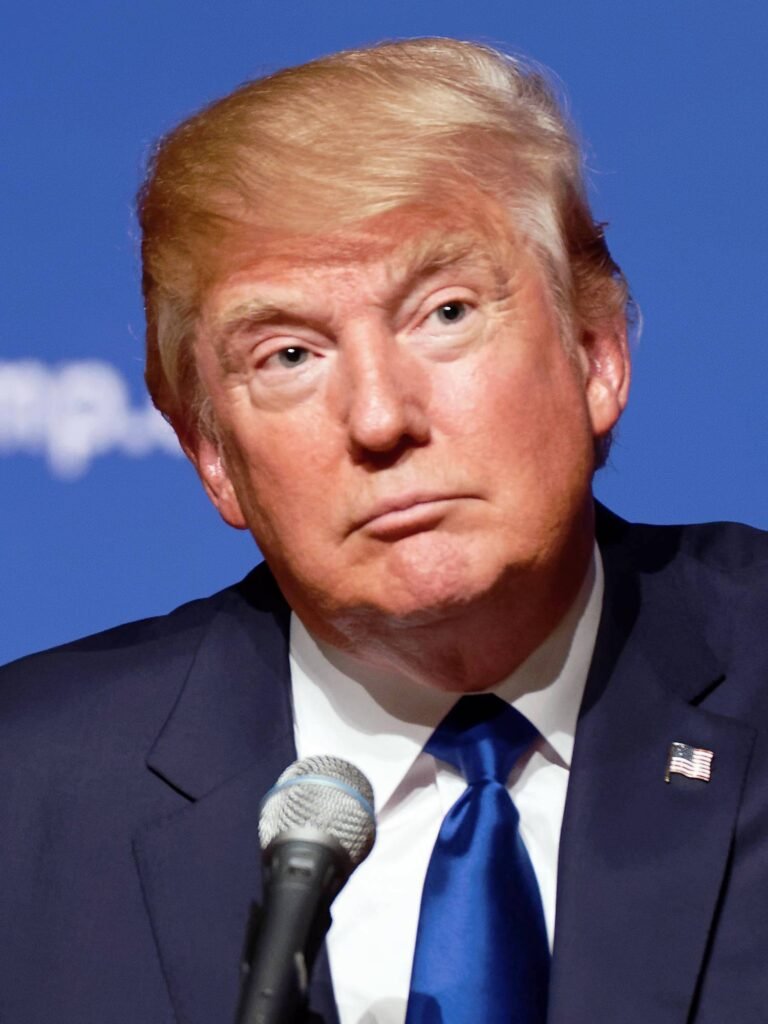
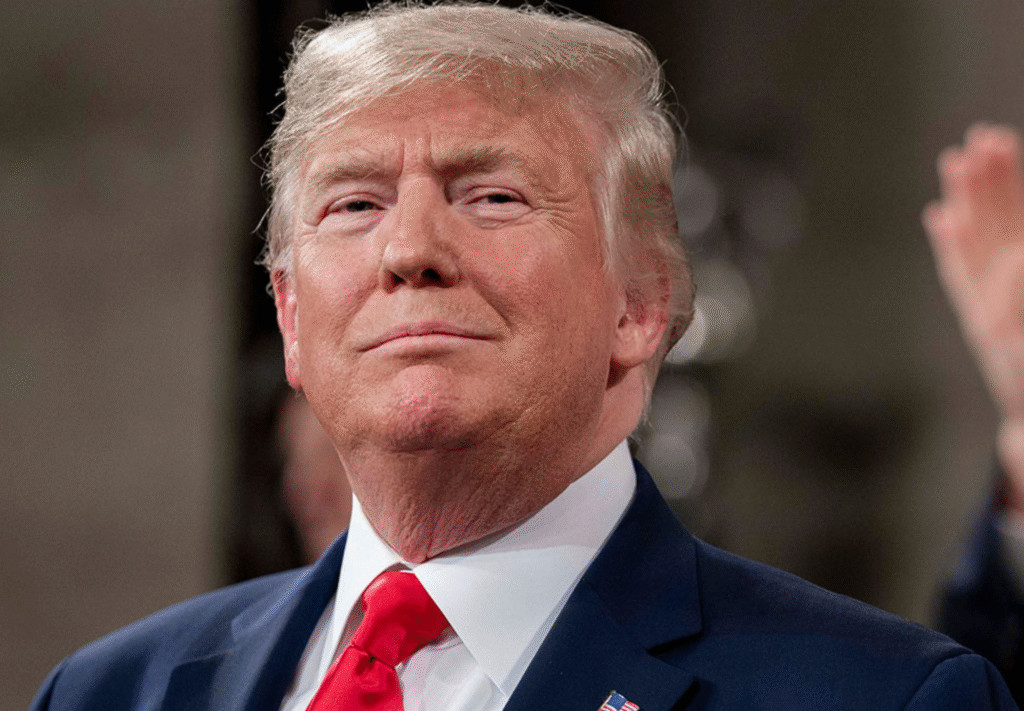
President Donald Trump says the United States might one day get rid of federal income tax because of money the government collects from tariffs on imported goods. Tariffs are extra taxes the U.S. puts on products that come from other countries.
What Trump Is Saying
Trump has said that tariff money could become so large that it might allow the government to cut income taxes “almost completely.” He has also talked about possibly phasing out income tax over the next few years if tariff money keeps going up.
How Taxes Work Now
Right now, the federal government gets much more money from income taxes than from tariffs. Income taxes bring in trillions of dollars each year, while tariffs bring in only a small part of that total. Because of this gap, experts say tariffs would need to grow by many times to replace income tax money.

Questions From Experts
Many economists and tax experts doubt that tariffs alone could pay for the whole federal budget. They warn that very high tariffs could make many imported goods more expensive for shoppers in the United States. This could hit lower- and middle‑income families hardest, because they spend a big share of their money on everyday items.
What Congress Must Do
The president can change some tariffs, but only Congress can change or end the federal income tax. That means any real plan to remove income tax would need new laws passed by both the House of Representatives and the Senate. So far, there is no detailed law or full budget plan on this idea.
What It Means Right Now
For now, Trump’s comments are a proposal, not a change in the law. People and businesses still have to pay federal income tax under the current rules. The debate over using tariffs instead of income taxes is likely to continue among lawmakers, experts, and voters.
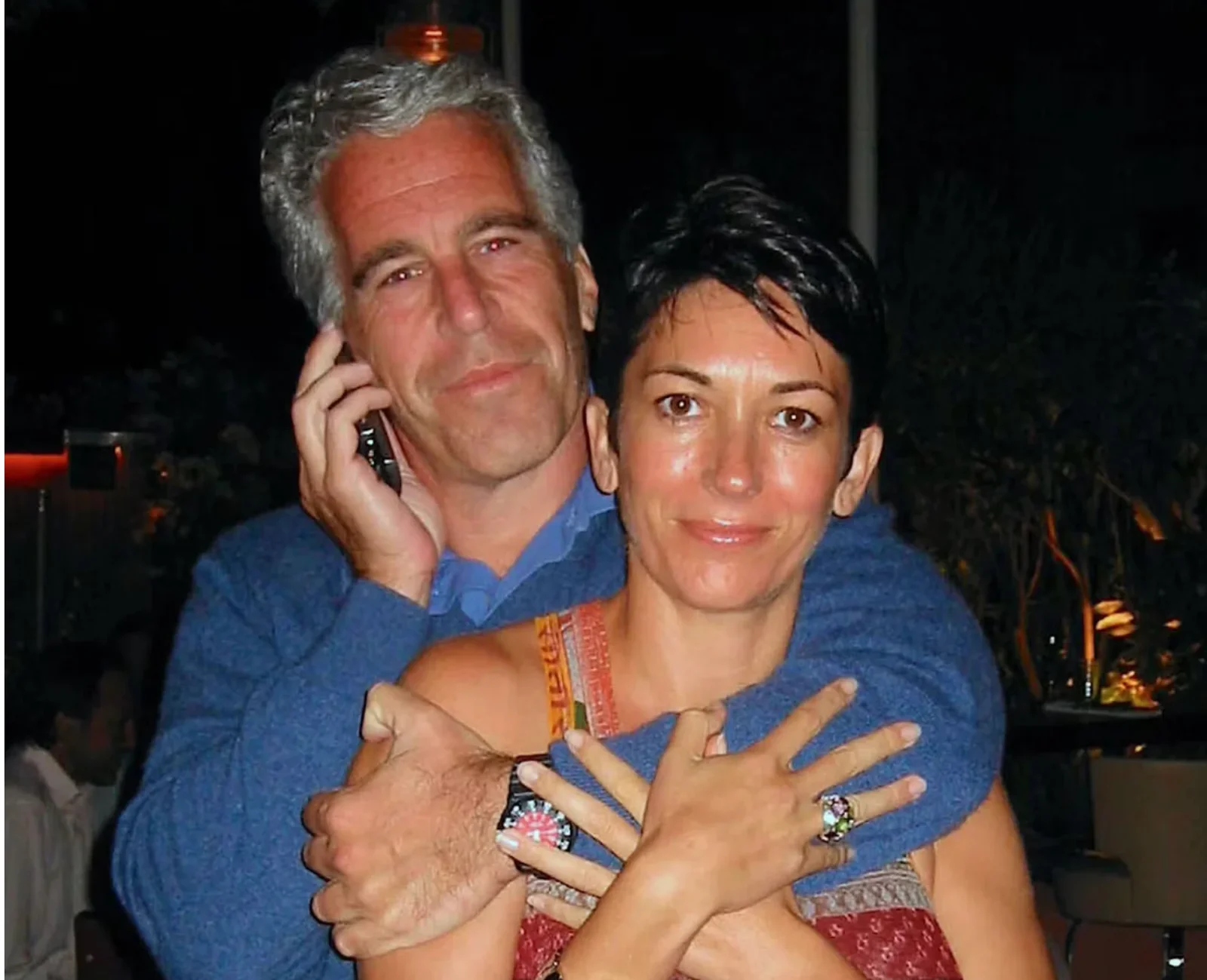
Former President Donald Trump has signed an executive order directing federal agencies to declassify all government files related to Jeffrey Epstein, the disgraced financier whose death in 2019 continues to fuel controversy and speculation.
The order, signed Wednesday at Trump’s Mar-a-Lago estate, instructs the FBI, Department of Justice, and intelligence agencies to release documents detailing Epstein’s network, finances, and alleged connections to high-profile figures. Trump described the move as “a step toward transparency and public trust,” promising that no names would be shielded from scrutiny.
“This information belongs to the American people,” Trump said in a televised statement. “For too long, powerful interests have tried to bury the truth. That ends now.”
U.S. intelligence officials confirmed that preparations for the release are already underway. According to sources familiar with the process, the first batch of documents is expected to be made public within the next 30 days, with additional releases scheduled over several months.

Reactions poured in across the political spectrum. Supporters praised the decision as a bold act of accountability, while critics alleged it was politically motivated, timed to draw attention during a volatile election season. Civil rights advocates, meanwhile, emphasized caution, warning that some records could expose private victims or ongoing legal matters.
The Epstein case, which implicated figures in politics, business, and entertainment, remains one of the most talked-about scandals of the past decade. Epstein’s connections to influential individuals—including politicians, royals, and executives—have long sparked speculation about the extent of his operations and who may have been involved.

Former federal prosecutor Lauren Fields said the release could mark a turning point in public discourse surrounding government transparency. “Regardless of political stance, this declassification has the potential to reshape how Americans view power and accountability,” Fields noted.
Officials say redactions may still occur to protect sensitive intelligence or personal information, but the intent is a near-complete disclosure. For years, critics of the government’s handling of Epstein’s case have accused agencies of concealing evidence or shielding elites from exposure. Trump’s order promises to change that narrative.
As anticipation builds, journalists, legal analysts, and online commentators are preparing for what could be one of the most consequential information releases in recent history.

Why Some Songs End Up in Movies—While Others Never Do

They Told Him a Black Man Can’t Learn. He Sued Them and Won.


