


Entertainment
24 Movies We Can’t Wait to See in 2024: From ‘Mean Girls’ to ‘Dune’ on December 27, 2023 at 11:57 pm Us Weekly

Thanks for a memorable summer, Barbenheimer. You deserved a better and more coherent movie, Captain Marvel and Ant-Man. That title alone was a win, Cocaine Bear.
But the turn of the calendar means it’s time to get excited about a fresh slate of movies. And despite all those stop-and-start productions and delayed releases due to the respective writers and actors strikes — Quentin Tarantino’s final theatrical project got pushed to 2025 — Hollywood is still primed to churn out a slew of would-be blockbusters in 2024.
Is there a surefire let’s-go-now winner in the bunch? Not really, unless Ryan Gosling’s popularity from Barbie spills into an adaptation of a 1981-86 TV action series.
But there’s beauty in variety.
As usual, say hello again to characters you know and love. Deadpool, Furiosa, Beetlejuice, Mufasa, Joker, the Ghostbusters and Timothée Chalamet’s young Dune hero who fights in the sand all return for new adventures. (FWIW, we’ve been promised an Elle Woods revival since, like, 2018, but that may be asking for too much.)
Our big-screen year will be bookended by new versions of two popular Broadway musicals, thanks to Mean Girls and Wicked. Just remember that Regina George is also wicked and Elphaba can totally be a mean girl.
Those are just the familiar titles. Ryan Reynolds, Zendaya, Emily Blunt, Kirsten Dunst, Pedro Pascal and Millie Bobby Brown star in original fare. These movies could all flail and fail, but give the actors credit for at least trying something new — not to mention its no-longer-striking screenwriters.
There’s more! The Sundance Film Festival in January is poised to deliver its 40th round of indie favorites featuring the likes of Kristen Stewart, Sebastian Stan, Aubrey Plaza and Jesse Eisenberg. Meanwhile, the festivals in the fall will unveil all those provocative and polarizing Oscar frontrunners determined to test your bladder strength.
So let’s get the festivities started. Here are 24 movies to unwrap in 2024. Please pull a Nicole Kidman and get to the cineplex to check ’em out.
‘Mean Girls’
The story: You know it by now! Cady Heron (Angourie Rice) has just arrived at a new high school. After scheming with the school’s misfits, she gives it her all to fit in with Regina George (Reneé Rapp) and her clique known as The Plastics. Disastrous results ensue.
Be excited because … In this version, much of the dialogue and plot occur through catchy songs from the Tony-nominated 2018 Broadway musical, like “It Roars” and “Meet the Plastics.” The cast is a host of stage and screen Gen Z favorites, while Jon Hamm, Jenna Fischer and Busy Philipps take the adult roles. And Tina Fey, who once again wrote the screenplay, reprises her role as Ms. Norbury. She still doesn’t push drugs. (In theaters, January 12)
Christopher Briney plays Aaron in ‘Mean Girls.’ Jojo Whilden/Paramount
‘Argylle’
The story: Elly (Bryce Dallas Howard) is a happily reclusive best-selling author of novels centering around a secret agent named Argylle (Henry Cavill). But after Elly and her beloved cat, Alfie — snug in an argyle backpack — meet actual spy Aiden (Sam Rockwell) on a train, they get embroiled in a dangerous mission.
Be excited because … It’s part-spy comedy, part-nail-biting espionage thriller and all frenetic fun. The film is also directed by Matthew Vaughn of the kooky Kingsman franchise and features A-list scene-stealers Catherine O’Hara, Samuel L. Jackson, John Cena and Ariana DeBose. Plus, the cat is cute! (In theaters, February 2)
Henry Cavill, Dua Lipa and John Cena in ‘Argylle.’ Peter Mountain/Universal Pictures; Apple Original Films; and Marv
‘It Ends with Us’
The story: Following college graduation, Lily (Blake Lively) moves to a new city and falls in love with a neurosurgeon named Ryle (Justin Baldoni). That’s Act I. Then an ex (Brandon Sklenar) returns and turns her world upside down.
Be excited because … Colleen Hoover’s novel was the top-selling print book of 2022 and loitered on The New York Times Best Seller List for more than 90 weeks. She’s wisely aged up her main character to make the love triangle more palatable. Let’s see it and weep. (In theaters, February 9)
‘Lisa Frankenstein’
The story: Like most of her high-school peers, Lisa (Kathryn Newton) feels deeply understood. If only she could find someone who could relate to her! Enter a cute guy (Cole Sprouse) who happens to be a seemingly long-dead corpse. She resurrects him, and the two embark on a journey of killing and joy.
Be excited because … This edgy coming-of-rage love story thriller — that pun is admittedly cribbed from the studio’s press release — is the work of Oscar-winning writer Diablo Cody (Juno, Young Adult, Jennifer’s Body). That clever title alone, a play off the neon and unicorn-drenched Lisa Frank artwork, is impressive. (In theaters, February 9)
‘Bob Marley: One Love’
The story: This biopic explores the life and times of reggae king Bob Marley (Kingsley Ben-Adir). Memorable moments include an assassination attempt against him in 1976 and his historic performance at the One Love Peace Concert in Jamaica in 1978. (Marley died in 1981 from cancer at just 36.)
Be excited because … We’re long overdue for a real glimpse at the man who provided so much wonderful music and made us feel alright. (Aside from the title, he also sang the classics “Jamming,” “No Woman No Cry” and “Redemption Song.”) The British Ben-Adir, one of the Kens in Barbie, has also seamlessly portrayed Malcolm X and Barack Obama. (In theaters, February 14)
‘Drive-Away Dolls’
The story: To recover from a breakup with her girlfriend, free-spirited Jamie (Margaret Qualley) convinces her tightly wound bestie Marian (Geraldine Viswanathan) to get out of town and head to Tallahassee, Florida. Their odyssey of self-discovery goes awry when they inadvertently cross paths with a group of inept criminals. (Pedro Pascal plays one of them.)
Be excited because … This is sooo not your typical road-trip comedy. Directed and co-written by Fargo and No Country for Old Men Oscar winner Joel Coen (who scripted the pic with his wife, Tricia Cooke), it’s actually a quirky little queer caper infused with both slapstick and raunchy NSFW humor. Coen has said he envisions it as a trilogy. (In theaters, February 23)
‘Dune: Part Two’
The story: Ready for war? Chosen One Paul Atreides (Timothée Chalamet) and his mother (Rebecca Ferguson) were last seen as refugees in the desert of Arrakis after their family was massacred. Now he unites with Chani (Zendaya) and the Fremen, hell-bent on revenge against the conspirators responsible for the murderers.
Be excited because … In 2021, Dune checked all the boxes in that it was well-reviewed, grossed $402 million and earned 10 Oscar nominations (including best picture). With the dense exposition making way for action, the second half — which includes newbies Florence Pugh as a princess daughter and Austin Butler as a sinister Harkonnen prince — has the potential for even bigger windfall. (In theaters, March 1)
Timothee Chalamet in ‘Dune.’ Courtesy of Warner Bros. Pictures
‘Damsel’
The story: A dutiful damsel (Millie Bobby Brown) agrees to marry a handsome prince, only to learn it’s a trap. Her future in-laws only recruited her as a sacrifice to repay an ancient debt. She soon gets thrown into a cave with a fire-breathing dragon.
Be excited because … With Stranger Things about to end, here’s a change to see Brown expand her horizons in a fantasy adventure. Angela Bassett and Robin Wright add some gravitas in supporting roles. (Netflix, March 8)
‘Arthur the King’
The story: Just before the start of the Adventure Racing World Championship in Central America, an endurance athlete (Mark Wahlberg) gives one of his carb-fueling meatballs to a stray dog. The scrappy little pooch then dutifully follows the team for six days and hundreds of miles to earn the name “Arthur the King.”
Be excited … It’s a heartwarming true story involving a cute dog! Yes, please. Just forget the fact that IRL, the athlete was Swedish. (In theaters, March 22)
‘Ghostbusters: Frozen Empire’
The story: Picking up after the events of 2021’s Ghostbusters: Afterlife, this sequel drops Egon Spengler’s grandkids, Phoebe (Mckenna Grace) and Trevor (Finn Wolfhard), in a familiar haunt: New York City. That’s where two generations of Ghostbusters join forces to fight you-know-whats to save the world from an ice age.
Be excited because … Forty years (!!!) after the original Ghostbusters, there’s still life in this fun and freaky franchise. Don’t pretend you’re not excited to see old-schoolers Bill Murray, Dan Aykroyd, Ernie Hudson and Annie Potts mix it up in the famous downtown NYC firehouse with the new kids. (In theaters, March 29)
‘Mickey 17’
The story: An eponymous “expendable” employee is sent on a human expedition to colonize an ice world. When one iteration of the expendable dies, a new body is regenerated with most of the previous employee’s memories intact. Robert Pattinson plays Mickey, the potentially doomed expendable in the film, which is adapted from Edward Ashton‘s 2022 novel of the same name.
Be excited because … Pattinson takes on his (potentially) most demanding acting challenge yet in a high-concept sci-fi thriller from masterful Parasite and Snowpiercer writer-director Bong Joon-ho. (He’s tasked with playing at least two versions of Mickey.) One note: This may get pushed to later in the year because of release schedule domino effects from the WGA and SAG-AFTRA strikes. (In theaters, March 29)
‘Civil War’
The story: A journalist (Kirsten Dunst) tries to survive a future in which 19 states have seceded from the Union. Meanwhile, the three-term president of the United States (Nick Offerman) has ordered domestic air strikes.
Be excited because … So, did you ever see Ex Machina? Annihilation? Both thought-provoking thrillers were written and directed by Alex Garland. He goes for the ultimate hat trick. Hopefully it just won’t hit too close to home. (In theaters, April 26)
‘Challengers’
The story: As teens, hotheaded prodigy Tashi Duncan (Zendaya) gets caught up in a flirtation with fellow tennis stars Art (Mike Faist) and Patrick (Josh O’Connor). As adults, their complex dynamic becomes a racket when the two guys and rivals face off in a pro “challenger” match and find themselves once again butting heads over Tashi.
Be excited because … Um, pardon the excessive amount of tennis puns, but what’s not to love here? We’re talking about three ace actors in a romance from the director of Call Me by Your Name. Originally slated to open the 2023 Venice International Film Festival but pushed because of the strikes, this could very well be a grand slam. (In theaters, April 26)
‘The Fall Guy’
The story: Ryan Gosling is Colt Seavers, a battle-scarred stuntman who left the business for mental and physical reasons. He’s drawn back into the mayhem when the star of a studio movie directed by his ex Jody (Emily Blunt) goes missing. She asks for his help, and away they go.
Be excited because … As The Equalizer franchise already proved, an ’80s TV relic can still offer ’00s intrigue and good times. And after an award-worthy comic turn in Barbie, Gosling now gets to play a working-class action hero who can dropkick both the villains and the proper punchline. Let’s do this. (In theaters, May 3)
Ryan Gosling and Emily Blunt in ‘The Fall Guy.’ Universal Pictures
‘Back to Black’
The story: Amy Winehouse (Industry’s Marisa Abela) goes from demure British jazz singer-songwriter to Grammy-winning superstar. But despite extraordinary talent, she can’t conquer her demons.
Be excited because … Alas, we know how this biopic will end. But the superstar had an extraordinary ride en route to her tragic demise at age 27. Certainly much time will be devoted to her groundbreaking Grammy-winning album that gives the film its title. (In theaters, May 10)
‘IF’
The story: I.F. stands for Imaginary Friends. A young girl (Cailey Fleming) develops the ability to see them all, most of which were created by children when they were young and then mentally discarded. Some of these creatures end up turning to the dark side. A character played by Ryan Reynolds tries to restore order.
Be excited because … This hybrid of live-action and CGI was written and directed by one John Krasinski, who presented a first look at the film back in March and said he attempted to make an original film that would stand among timeless greats like E.T. the Extra-Terrestrial and Willy Wonka & the Chocolate Factory. That’s a high bar, but an original film also featuring the talents of Steve Carell, Matt Damon, Emily Blunt, Phoebe Waller-Bridge, Sam Rockwell, Maya Rudolph and Jon Stewart could lead to magic. (In theaters, May 17)
Ryan Reynolds and Cailey Fleming star in ‘IF.’ Jonny Cournoyer/Paramount Pictures’
‘Furiosa: A Mad Max Saga’
The story: Who was Furiosa before she became a bald bad girl? Someone who looks just like Anya Taylor-Joy. Picking up 45 years after the world collapsed, young Furiosa is taken from her family and falls into the hands of a group of villainous bikers. She must persevere as tyrant Immortan Joe (Chris Hemsworth) fights for dominance.
Be excited because … Mad Max: Fury Road not only revived the dated post-apocalyptic saga in 2015, but it’s generally regarded as one of the best action films ever. This prequel, also directed by the legendary George Miller, promises to deliver even more extended exhilarating sequences. (In theaters, May 24)
Chris Hemsworth in Furiosa. JASIN BOLAND/Warner Bros. Pictures
‘The Garfield Movie’
The story: Everyone’s favorite Monday-hating, lasagna-loving indoor cat Garfield (voiced by Chris Pratt) goes on an outdoor adventure.
Be excited because … This has got to be better than the 2004 iteration, right? Plus, the cast of the goofy comedy — which includes the voices of Samuel L. Jackson, Hannah Waddingham and Bowen Yang — will keep the kids entertained during Memorial Day weekend. (In theaters, May 24)
‘Ballerina’
The story: An assassin trained as a member of the Ruska Roman organization uses her killer skills to get blood-soaked revenge on the hitmen who murdered her family. If that sentence sounds familiar, it’s because this is a John Wick spinoff featuring the same criminal underworld.
Be excited because … Again, this is a John Wick spinoff. That means stylish, wall-to-wall butt-kicking akin to the four installments in the original franchise. And though a new protagonist is in action hero mode, regulars Keanu Reeves, Ian McShane and the late, great Lance Reddick all appear — presumably for assistance. And maybe even to shed light on Wick’s past? (In theaters, June 7)
‘Deadpool 3’
The story: Go back to a universe before Wolverine (Hugh Jackman) died in Logan. He encounters loudmouth superhero Deadpool (Ryan Reynolds), and the two try to defeat a common enemy. Various social media geeks (said with love) have speculated about the details, but the official M.O. is still a secret.
Be excited because … Who even goes to a Deadpool flick for a nuanced plot? The appeal lies in the scrappy titular character’s quippy — and often NSFW — sense of humor. (And the random cameos, of course.) His reluctant team-up with frenemy Wolverine should make for a fun-filled X-travaganza. (In theaters, July 26)
‘Beetlejuice 2’
The story: It’s showtime! Director Tim Burton hasn’t divulged much about his ridiculously long-awaited follow-up. How about some casting news? Michael Keaton (obviously) returns as the ghostly zebra-suit-wearing troublemaker; Winona Ryder and Catherine O’Hara reprise their roles as well. Wednesday’s Jenna Ortega plays Ryder’s daughter and Willem Dafoe is a B-list action star who became a cop in the hereafter.
Be excited because … A sequel in the works since 1988 is finally seeing the light of day-o. Even if it’s just 20 percent as amusing and quirky as the cult-classic original — and with that cool cast, how could it not?! — everyone will be in good spirits. (In theaters, September 6)
‘Joker: Folie à Deux’
The story: The Joker (Joaquin Phoenix) gets caught up in a bad romance with his equally unhinged counterpart Harley Quinn (Lady Gaga). FYI, “folie à deux” refers to an identical or similar mental disorder affecting two or more individuals.
Be excited because … Honestly? Forget the general anticipation surrounding a smash, Oscar-winning film with deep comic-book roots and an impressive cast. This entry automatically falls into the “must-see ASAP” category because it’s a musical. A musical! With Lady Gaga and the actor who did his own vocals as Johnny Cash in Walk the Line! How inspired. (In theaters, October 4)
‘Wicked: Part One’
The story: Years before Dorothy Gale landed in Oz, green-skinned Elphaba (Cynthia Erivo) befriended popular girl Galinda (Ariana Grande) at school. The musical follows their evolution from mutually unhappy roommates to unlikely pals to political enemies as The Wizard promotes Galinda to a Good Witch. The two also fall for the same party boy (Jonathan Bailey).
Be excited because … Fans of the Broadway musical have been ready to watch these witches defy gravity on the big screen for 20 years. Judging from the drip-drip-drip of leaked information — Michelle Yeoh plays The Wizard’s manipulative advisor Madam Morrible! — director Jon Chu (Crazy Rich Asians) will make this one sparkle like ruby slippers. (In theaters, November 27)
‘Mufasa’
The story: Unclear. Some outlets have defined this live-action movie-musical as a prequel about Simba’s dad; a 2023 industry-only teaser depicted Rafiki (John Kani) relaying The Lion King’s backstory to “Hakuna Matata” duo Timon (Billy Eichner) and Pumbaa (Seth Rogen). So perhaps it shifts between past and present?
Be excited because … Admittedly, the 2019 CGI recreation of the 1994 Disney classic was middling at best. But these are still beloved characters, and Barry Jenkins (Moonlight) directs. Thanks to an original screenplay, there’s no source material to use as a comparison. Just note that Aaron Pierre now voices the noble prince of the African Pride Lands — not James Earl Jones. (In theaters, December 20)
Thanks for a memorable summer, Barbenheimer. You deserved a better and more coherent movie, Captain Marvel and Ant-Man. That title alone was a win, Cocaine Bear. But the turn of the calendar means it’s time to get excited about a fresh slate of movies. And despite all those stop-and-start productions and delayed releases due to
Us Weekly Read More


Continue Reading

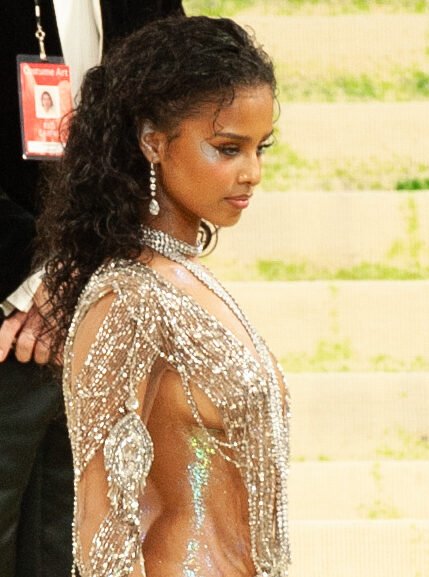
By Bolanle Media | July 2, 2026
Photo: Tyla at the 2026 Met Gala in custom Valentino — days before making the biggest business move of her career.
There are career moves, and then there are statements. Tyla just made a statement that will be studied in music business classrooms for years.
The South African superstar — born Tyla Laura Seethal, 24 years old, and already the proud owner of two Grammy Awards — has officially signed a multi-million dollar global deal with Roc Nation, Jay-Z’s powerhouse entertainment company, walking away from Epic Records to align herself with the most influential roster in the music business. The signing was confirmed across social media with a major digital announcement this week, and the reaction from industry insiders was immediate — shock, admiration, and the quiet acknowledgment that someone just changed the trajectory of African music forever.
From “Water” to a Global Phenomenon
Let’s not forget where this all started. In 2023, a 21-year-old from Johannesburg released a song called “Water” that nobody could quite categorize and everybody needed to hear. Within weeks, it had sparked one of the most viral TikTok dance challenges of the decade, charted simultaneously across the United States, the United Kingdom, and Africa, and earned Tyla a Grammy Award for Best African Music Performance — the first year that category even existed.

That win wasn’t just personal. It was a signal. African music — Afrobeats, Amapiano, and now what Tyla herself calls A*Pop — was no longer knocking at the door of the global mainstream. It had walked through it. And Tyla had handed it the key.
What followed was a whirlwind two years of sold-out shows, magazine covers, red carpet domination, and a growing reputation as one of the most stylistically fearless artists on the planet. She attended the 2026 Met Gala — her third consecutive appearance — wearing a custom Valentino gown dripping in diamond chains with a sweeping teal skirt, styled by the legendary Law Roach, with beauty by Pat McGrath. The look was breathtaking. But it was also strategic. Every Met Gala appearance, every fashion moment, every carefully placed interview has been building toward exactly this: the infrastructure to match the vision.
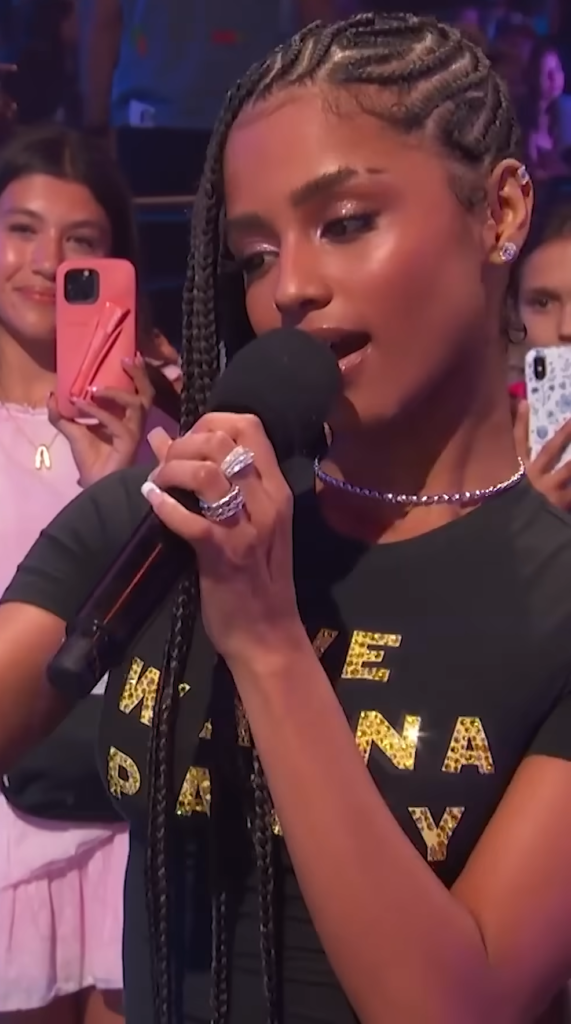
What Roc Nation Actually Means
To understand why this deal matters, you have to understand what Roc Nation actually is — because it is not simply a record label.
Founded by Jay-Z in 2008, Roc Nation is a full-service entertainment company with divisions spanning artist management, touring, brand partnerships, film and television, sports management, and philanthropy. Its roster has included Rihanna, Alicia Keys, J. Cole, Big Sean, Lil Uzi Vert, and Megan Thee Stallion — artists who didn’t just sell records, but built multi-decade cultural empires that extended into fashion, film, business, and beyond. The through-line isn’t genre. It’s scale.
For Tyla specifically, the Roc Nation deal unlocks a completely different level of access. We’re talking about premium budgets for music videos and live production, top-tier brand partnership pipelines with luxury and lifestyle companies, film and television placement relationships that most artists spend a decade trying to build, and the kind of media weight that gets you on the cover of Vogue, Time, and Billboard in the same calendar year. Roc Nation doesn’t just manage artists — it engineers icons.
On the African music side, Tyla joins fellow Roc Nation signee Ayra Starr, the Nigerian pop star who inked her deal in 2025, deepening the label’s clear and deliberate strategic investment in African pop as the next dominant global genre. Jay-Z is not betting on a trend. He is betting on a generation.
The Album That Could Rewrite the Playbook
The timing of this signing is not accidental — it is surgical.
Tyla’s highly anticipated sophomore album, A*POP, is officially set to drop July 24, 2026, just three weeks away — a 14-track project that she has described as unapologetic, globally ambitious, and deeply rooted in her South African identity while simultaneously reaching for something universal. The lead single “She Did It Again” features Swedish pop titan Zara Larsson, a collaboration that announces in no uncertain terms that Tyla is not staying in any lane she didn’t build herself.
With Roc Nation’s full machine now behind the album rollout — promotional infrastructure, media relationships, tour routing, brand activations — A*POP arrives with a runway that Epic Records simply could not have provided at this scale. The industry is already paying attention. For music supervisors, film and TV executives, brand marketers, and entertainment investors reading this right now — put A*POP on your radar immediately. This is the kind of release that shapes culture, not just charts.
The Bigger Picture Nobody Is Talking About
Here is what gets lost in the excitement of a big announcement: the systemic significance of what Tyla just did.
The music industry’s historical relationship with African artists has been, at best, transactional — major labels slow to invest, quick to cash in on a viral moment, and consistently reluctant to build the kind of long-term infrastructure that turns an artist into a brand. Tyla has navigated that system with remarkable intelligence, refusing to be reduced to a trend, building her artistic identity on her own terms, and now — at 24 — arriving at the negotiating table with enough leverage to choose Roc Nation on her terms.
That matters. Not just for Tyla, but for every African artist watching this unfold from Lagos, Accra, Nairobi, Cape Town, and Houston. It is proof that the path from regional phenomenon to global superstar is not only possible — it is being paved right now, in real time, by a young woman from Johannesburg who refused to shrink.
For media companies, content platforms, entertainment executives, and brand strategists operating in the African diaspora space — this is your data point. African pop is not a niche. It is not a trend. It is not a moment. It is a movement, and Tyla just secured the most powerful co-sign available in the global music business to lead it.
Watch this space. Very closely.
Follow @bolanlemedia on Instagram for real-time music, film, and entertainment industry news. Read more at bolanlemedia.com

AfriqueFest: Pan-African Musical Experience — World Cup Edition is set to take over Noto Houston on Sunday, June 28, bringing together East, South, and West African sounds in one immersive celebration of music, culture, and connection. Presented by Experience Noir and Bolanle Media, the event is designed as a cinematic night for the culture, blending global energy with Houston nightlife in a way that feels elevated, intentional, and deeply rooted in African creativity.
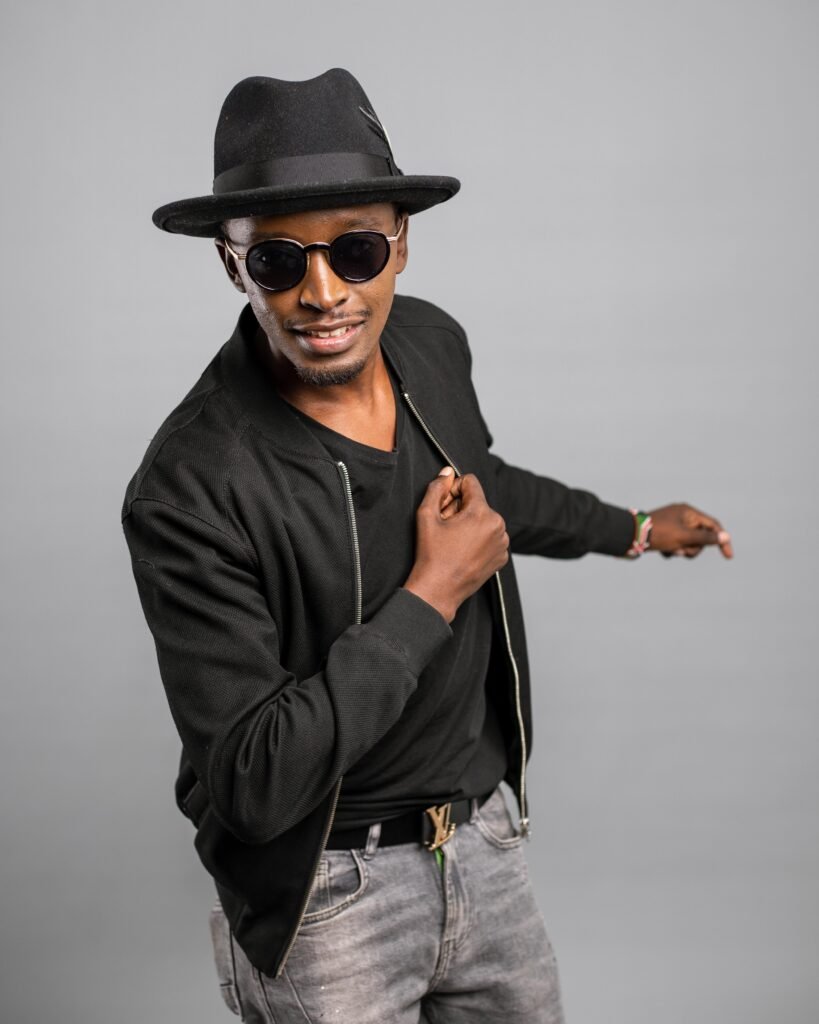
Spotlight on DJ Shinski
At the heart of this year’s experience is DJ Shinski. Born and raised in Nairobi, Kenya and now based in Houston, DJ Shinski has built an international name off high-energy sets that move effortlessly across Afrobeats, Amapiano, hip‑hop, dancehall, reggae, and electronic sounds.
He has also become Africa’s most‑subscribed DJ on YouTube, crossing the 2‑million‑subscriber mark and turning his mixes into a global destination for music lovers.

DJ Shinski’s style is precise but unpredictable: one moment it’s classic Afrobeats, the next it’s East African anthems, then a run of throwback hip‑hop or R&B that still feels fresh. That ability to read a room and connect multiple worlds in a single set is exactly why AfriqueFest is building so much of the night’s energy around him.
At AfriqueFest, DJ Shinski helps drive the Safari Grooves segment, representing East and Central Africa from 4 PM to 6 PM. Expect a journey that moves from Nairobi to Dar es Salaam, Kampala, Addis, and beyond, all filtered through his signature “vibes on vibes” approach behind the decks.
DJ Tunez and the rest of the night
Supporting that energy, DJ Tunez leads the Gold Coast Beats chapter from 8 PM to 10 PM, bringing his own Nigerian‑American Afrobeats pedigree to the stage. Together with the Diamond Rhythms segment (South) and a curated roster of DJs, the night stretches across the continent in three distinct musical chapters, all connected by a single dance floor.
Hosted by @chris_gone_crazy, @kingdrewwskyy, @roselynomaka, and @samsnewleaf, AfriqueFest is positioned as more than a party—it’s a celebration of sound, style, and Pan‑African identity in Houston, with DJ Shinski anchoring the experience from the moment doors open.
Brought to you by Bolanle Media & Experience Noir
Brought to you by Bolanle Media and Experience Noir, this World Cup edition of AfriqueFest is crafted as a night where global DJs, storytellers, and music lovers collide and create a shared cultural memory. With DJ Shinski front and center—and DJ Tunez helping close the night—guests can expect a show that reflects both the future of African nightlife and the power of the diaspora to create unforgettable live moments.
If you want to experience DJ Shinski live at AfriqueFest, now is the time to lock in your spot. Purchase your tickets now at AfriqueFest.com and get ready for a night of music, movement, and culture at Noto Houston.
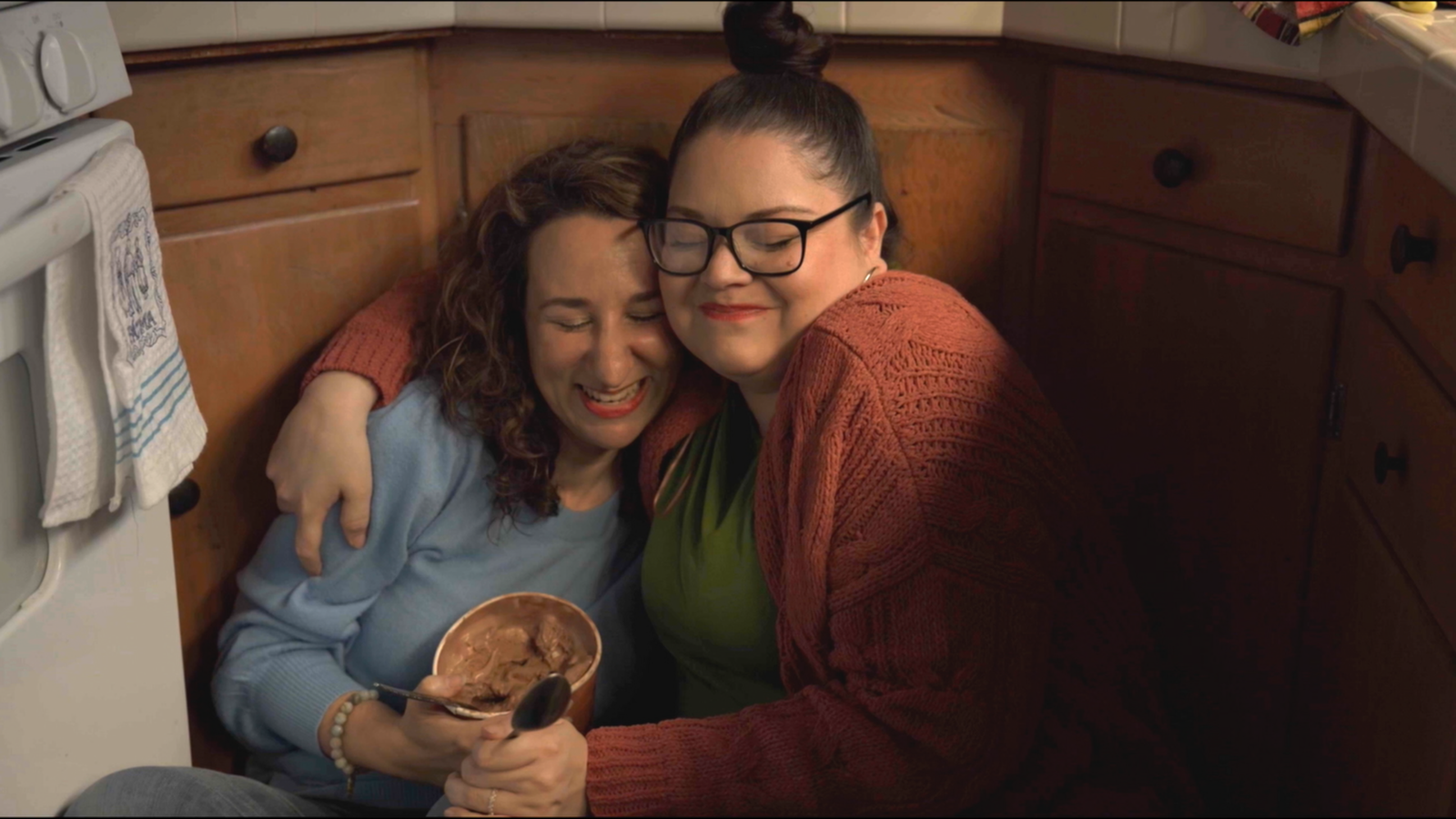
Laughter Meets Inspiration: Our Ladies Show Lands on The Roku Channel
A bold new sketch comedy series for women premieres June 13 across the U.S., U.K., and Canada — arriving on the back of a festival-winning run that has critics and audiences already paying attention.
It isn’t every day a brand-new comedy arrives already wearing a row of trophies. Our Ladies Show does. The seven-episode inspirational sketch comedy series — created, written by, and starring Christin Jezak — begins streaming on The Roku Channel on Friday, June 13, 2026, available free to viewers in the United States, United Kingdom, and Canada.
Produced in partnership with global media services leader Encompass Digital Media, the series sets out to do something rare in today’s streaming landscape: make women laugh out loud and leave them lifted. In a media moment crowded with noise and cynicism, Our Ladies Show is a deliberate counterweight — comedy with a conscience, built for women of every age and background.
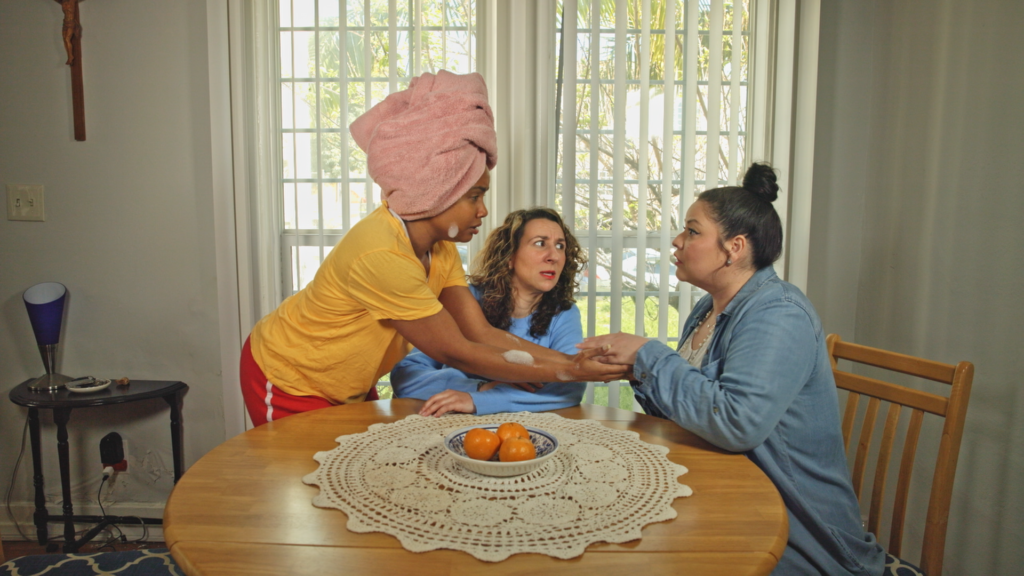
A Show Built Around Real Life — and Real Laughs
Each of the seven episodes opens with a monologue from one of the cast members introducing the theme, then rolls into three or more sketches that hit the subject from every comedic angle. The series tackles the things women actually carry: holding grudges, comparison, beauty, patience, gift giving, the importance of community, and dealing with anxiety.
The comedy comes from a place of warmth rather than mockery — a “laugh at ourselves” spirit that runs through a gallery of unforgettable characters: a nosey neighbor, an overwhelmed mom, relentlessly optimistic flight attendants, beauty pageant winners past their prime, and a crew of unruly campers with a counselor who simply cannot hold it together.
Then the show does something most sketch series don’t. In the final segment of every episode, the cast gathers in a living-room setting and invites the audience in — sharing real inspiration drawn from the theme, the sketches, and their own personal stories. It’s the moment the laughter turns into something that stays with you.
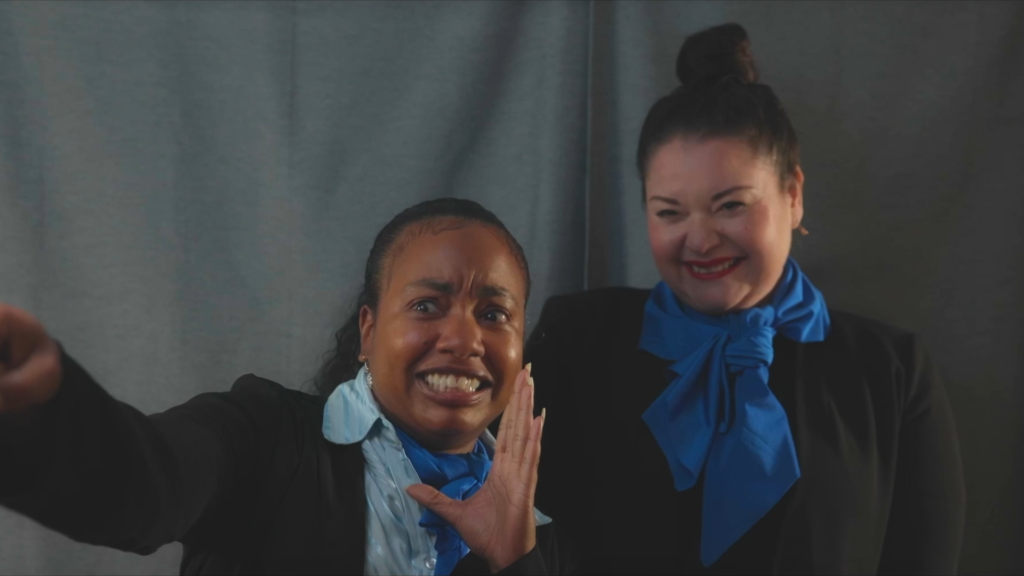
The Women Behind the Show
Our Ladies Show brings together three performers with serious range:
- Christin Jezak — creator, writer, and star (Miracle at Manchester, Raising Hope, Jimmy Kimmel Live!)
- Hillary Hawkins — (Primal, Nick Jr.’s Play Along, Gullah Gullah Island)
- Sarah Hernandez — (Nefarious, Unplanned, House of Payne)
“In a world with so much division and depression, I hope women of all ages and backgrounds will watch this show, laugh, be reminded of how beautiful, unique, and loved they are, and remember how much we need each other.”— Christin Jezak, Creator & Star
Already a Festival Favorite
The series’ recurring long-form sketch, Neighborhood Watch, didn’t arrive quietly. Originally released as a web series and revamped for Our Ladies Show with new footage, sound, and music, it has been sweeping the festival circuit:
- 🏆 Best Webseries — 2026 New Media Film Festival (Los Angeles)
- 🏆 Best Web/TV Series — Paris Film Awards
- 🏆 Best Web Series — Dallas Movie Awards
- 🏅 Additional wins at the London Movie Awards, Florence Film Awards, and Hollywood Gold Awards
- 🎬 Official Selection — 2026 Harvard Divinity School Film Fest
- ⭐ Finalist — Houston Comedy Film Festival
- 📣 Three nominations — 2025 Content Christian Media Conference, including Best Actress in a TV and Web Series nods for both Christin Jezak and Sarah Hernandez
Where and When to Watch
Our Ladies Show premieres Friday, June 13, 2026, streaming on The Roku Channel — the home of premium and free entertainment — in the U.S., U.K., and Canada. All seven episodes deliver the series’ signature blend of sharp sketch comedy and genuine encouragement.
Watch the trailer now on your platform of choice:
For more information, visit www.ourladiesshow.com and follow @ourladiesshow on Facebook, Instagram, and TikTok.
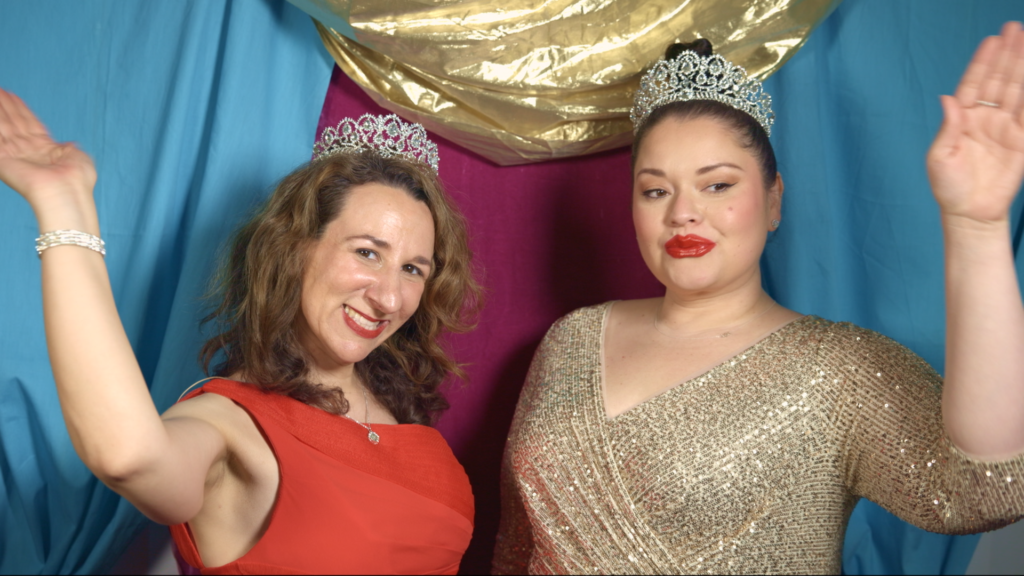
About Christin Jezak
Christin Jezak has worked for over 15 years in the entertainment industry. She created and stars in Our Ladies Show and the award-winning web series Neighborhood Watch. She produced the EWTN TV program For the Sake of the Gospel and the all-women web series Ladies Keepin’ It Real, played Dr. Sam in Miracle at Manchester (starring Dean Cain, Daniel Roebuck, and Eddie McClintock), and voices Agnes in the podcast Confessions of a Catholic Single. She held a lead role in a short film for NTT Data directed by Academy Award–winning cinematographer Janusz Kamiński, has co-starred on Raising Hope, and appeared in Jimmy Kimmel sketches and a Grubhub Super Bowl commercial.
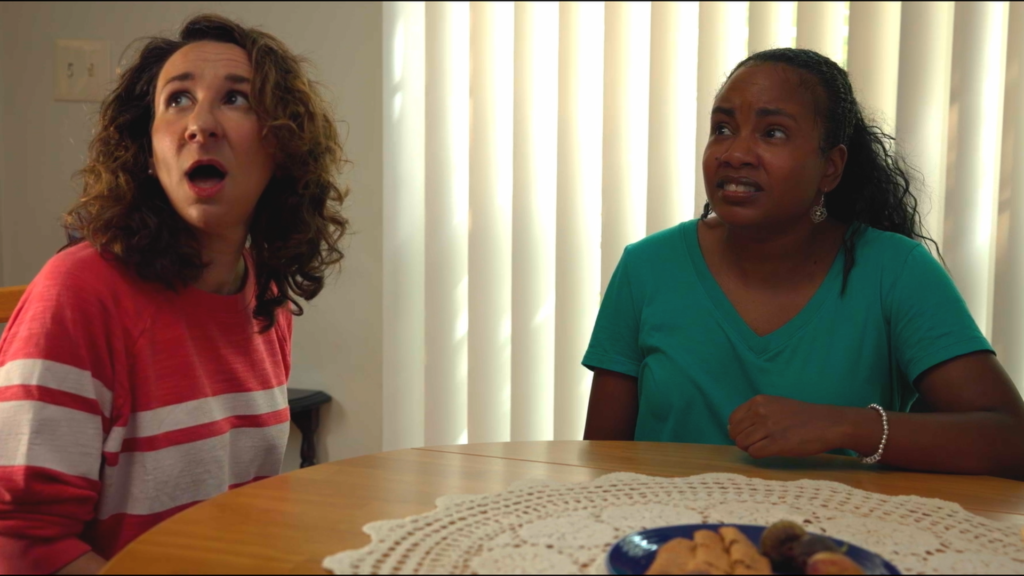
About The Roku Channel
Roku pioneered streaming on TV and is the #1 TV streaming platform in the U.S., Canada, and Mexico by hours streamed (Hypothesis Group, Dec. 2025). The Roku Channel is the home of premium and free entertainment, alongside Roku’s Howdy and Frndly TV services. Roku is headquartered in San Jose, California.
About Encompass Digital Media
Encompass Digital Media is a global managed services company — technology-driven, software-defined, and people-powered. Trusted by world-leading broadcasters, networks, sports rights-holders, and OTT platforms, it processes over 25,000 hours of content daily, serves 850 channels to 84 countries, distributes over 243,000 live events annually, and reaches 400 million radio listeners weekly worldwide. Learn more at www.encompass.tv.
Media & Interview Requests: To interview creator Christin Jezak or the cast, contact Christin at cjezak@p2ptheatre.com.

Advice3 months ago
Why Some Songs End Up in Movies—While Others Never Do

Film Industry3 months ago
They Told Him a Black Man Can’t Learn. He Sued Them and Won.

Entertainment4 months ago


