
Advice
12 Essential Camera Angles for Cinematic Storytelling


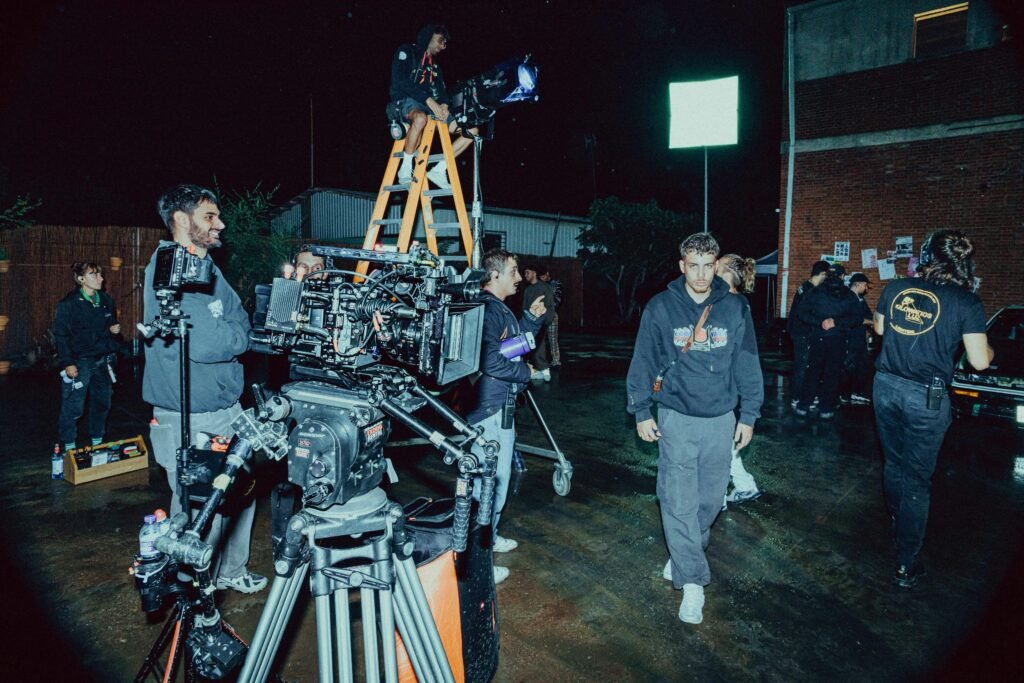
Capturing a compelling story on film isn’t just about pointing your camera and pressing record—it’s about choosing the right angles to express meaning, evoke feeling, and fully immerse your audience. Understanding and utilizing a broad palette of camera angles can elevate your films, transforming ordinary moments into cinematic experiences.
Why Camera Angles Matter
Camera angles are a filmmaker’s secret weapon for three major reasons:
- Perspective: By altering camera angles, you grant your audience varied viewpoints, helping them better understand and connect with the story’s world.
- Emotion: Different angles evoke different emotions—making viewers feel powerful, vulnerable, uneasy, or intimate.
- Editing Flexibility: A variety of angles in your footage provides editors with more options, enhancing your film’s pacing, continuity, and impact.
The 12 Most Popular Camera Angles
Here’s a rundown of the twelve key angles you’ll see in film and video production, alongside when—and why—you’d want to use them.Camera Angle Description Best Use Wide Shot Captures a broad view, showing more of the environment Establishing location, isolation Long Shot Shows the subject’s full body, often from a distance Subject focus, context Medium Shot Frames subject from the waist up Dialogue, connection Cowboy Shot From mid-thigh up; classic in westerns Show action around waist Tight/Close-Up Shot Head and shoulders; emphasizes expressions Intense, intimate dialogue Detail/Extreme Close-Up Focuses closely on a single detail (eyes, watch, etc.) Emphasize clues, mystery Low Angle Camera looks up at subject, making them appear powerful Power, dominance, awe High Angle Camera looks down on subject, making them look vulnerable Weakness, danger, exposure Dutch Angle Tilted horizon line Unease, tension, disorientation Over-the-Shoulder Camera behind a character’s shoulder Perspective in conversations POV (Point of View) Depicts what the character sees Subjectivity, immersion Cutaway Briefly shows something outside the main action Transitions, parallel stories

Applying Camera Angles: When, Why, and How
Adding Emotion and Variety
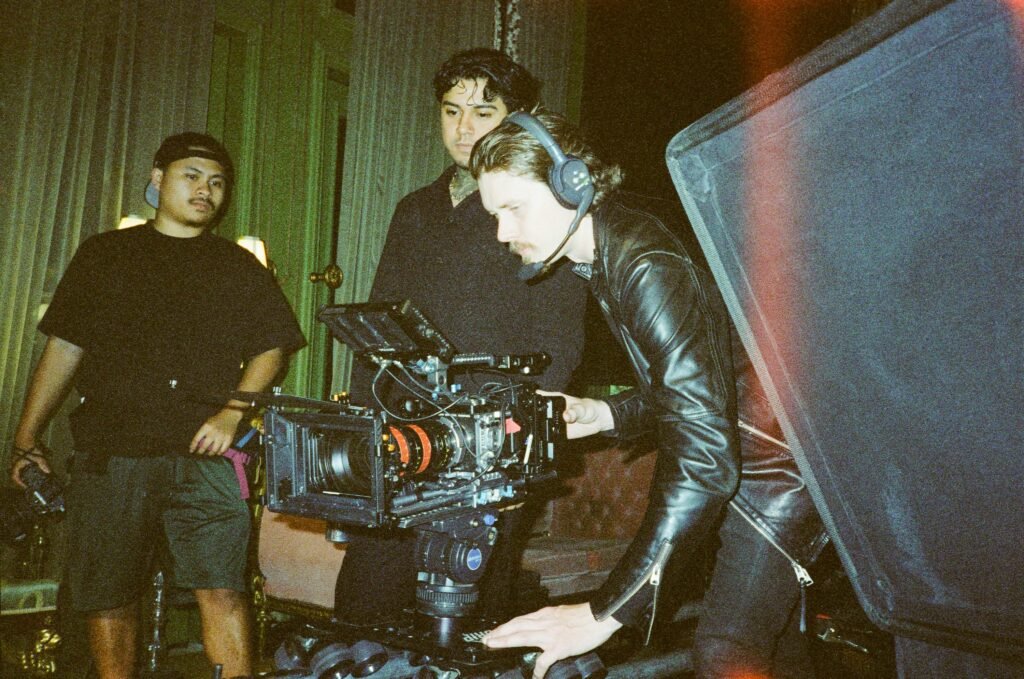
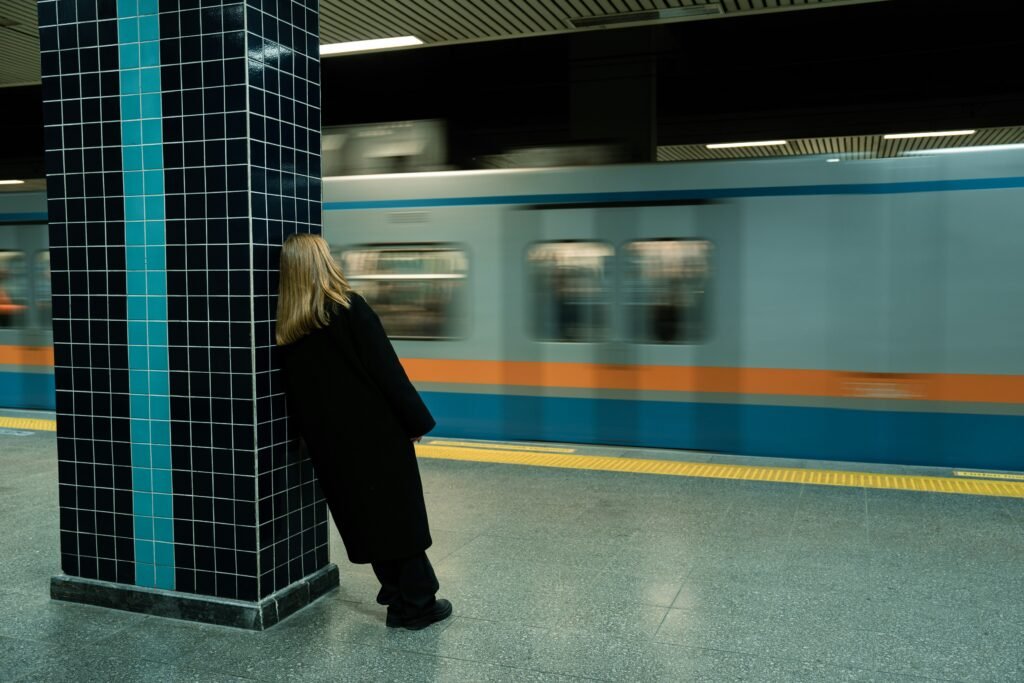
A well-shot scene incorporates multiple angles to create visual interest, intensify emotion, and offer editorial options. For example, an action sequence combining wide shots, low angles, and POV footage immerses viewers in the chaos and excitement. Conversely, using just one wide static shot can convey loneliness or isolation—overusing angles in such a moment may dilute the intended mood.
Avoiding Overuse
Not every scene benefits from every angle. Ask yourself: Does this angle contribute to the story or feeling I want to convey? Unnecessary close-ups or unrelated details can distract the audience and cause confusion, especially if the shot offers information irrelevant to the narrative.
Essential Editing Rules for Camera Angles
- The 180-Degree Rule: Imagine an invisible line through your scene. Keep all cameras on the same side of that line to maintain spatial consistency. Crossing the line disorients the viewer unless done deliberately (such as with a continuous moving shot).
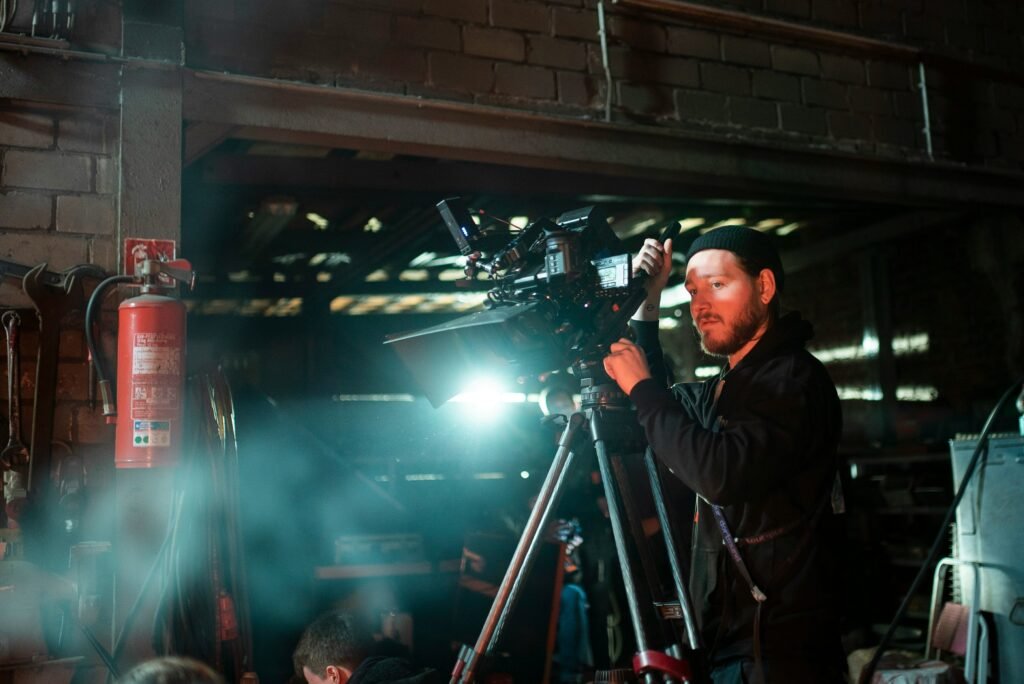
- The 30-Degree Rule: When cutting between two angles of the same subject, ensure the cameras are at least 30 degrees apart to avoid jump cuts. This creates smoother, more professional edits.
Practical Example: Shooting an Action Scene
A typical, well-covered action sequence might include:
- A wide shot to establish location,
- Tight shots on faces and instruments for emotion,
- Medium shots for dialogue,
- Extreme close-ups for critical details,
- Drone or high angles for perspective,
- Low angles for drama.
Such an approach gives editors the freedom to cut dynamically, maintain narrative clarity, and keep audiences engaged.
Tips for Filmmakers
- Carefully select camera angles to align with the emotional tone of your scene.
- Don’t overcomplicate your coverage; use angles purposefully.
- When in doubt, start with at least five different angles for important actions.
- Follow the core editing rules for seamless, professional-looking cuts.
The thoughtful use of camera angles is a hallmark of cinematic storytelling. Master these techniques, and you’ll give your films the emotional depth, polish, and visual intrigue they deserve.








A practical guide for independent artists who want their music heard on the big screen.
Every memorable film has one thing in common: music.
Think about your favorite movie scenes. Chances are, the music made the moment unforgettable. A powerful song can transform an emotional conversation, make an action sequence more exciting, or leave audiences thinking long after the credits roll.
Behind every one of those moments is a decision. Someone chose that song because it helped tell the story.
For independent artists, that raises an important question:
How does your music become one of those songs?
The answer isn’t simply writing better music. It’s understanding how filmmakers search for, evaluate, and license music in the first place.
Filmmakers Aren’t Always Looking for Famous Artists
One of the biggest misconceptions in the music industry is that only chart-topping artists land songs in films.
In reality, independent filmmakers often have limited music budgets and are searching for songs that fit the emotion of a scene—not necessarily the artist with the biggest following.
Sometimes an unknown artist with the perfect song is a better choice than a global superstar whose music is too expensive or unavailable to license.
The question filmmakers ask isn’t:
“Who has the most streams?”
It’s:
“Which song tells this story best?”
Think Like a Director, Not Just a Musician
Many artists write songs for listeners.
Successful sync artists often write songs that listeners can also see.
As you’re creating music, imagine where it could live on screen.
Could it play during:
- A couple falling in love?
- A championship victory?
- A heartbreaking goodbye?
- A suspenseful chase?
- A coming-of-age montage?
- The emotional final credits?
If a director can instantly picture your music inside a scene, you’ve already increased its value.
Ownership Matters More Than Most Artists Realize
A filmmaker may fall in love with your song, but if it’s difficult to determine who owns the rights, the opportunity can disappear quickly.
Every artist should know:
- Who owns the songwriting.
- Who owns the master recording.
- Whether all collaborators have agreed to licensing.
- Who should be contacted for permission.
The simpler the licensing process, the easier it becomes for filmmakers to move forward.
Organization Creates Opportunity
Professional artists don’t just organize their music—they organize their business.
Before pitching music for film or television, make sure you have:
- High-quality WAV files.
- Instrumental versions.
- Clean edits (when appropriate).
- Song lyrics.
- Accurate metadata.
- Genre and mood descriptions.
- Tempo (BPM).
- Contact information.
- A simple licensing contact or email.
These details may seem small, but they save filmmakers time—and in production, time matters.
Relationships Open Doors
Many music placements begin long before a contract is signed.
They start with conversations.
Independent film festivals, networking events, filmmaker meetups, creative conferences, podcast interviews, and industry mixers all bring musicians and filmmakers into the same room.
A director who hears your music today may remember it months later when editing their next project.
Creative careers are often built one relationship at a time.
Think Beyond Hollywood
When artists imagine film placements, they often picture major Hollywood productions.
But opportunities exist far beyond traditional studios.
Music is licensed every day for:
- Independent feature films.
- Short films.
- Documentaries.
- Streaming series.
- Commercials.
- Brand campaigns.
- Podcasts.
- Video games.
- YouTube productions.
- Film festival trailers.
Many successful careers begin with smaller projects that lead to larger opportunities over time.
Your Music Is Part of Someone Else’s Story
Filmmakers aren’t simply searching for background music.
They’re searching for songs that make audiences laugh, cry, celebrate, hope, remember, or feel something they didn’t expect.
The best music doesn’t compete with a story.
It becomes part of it.
As an independent artist, your goal isn’t just to release another song.
It’s to create music that someone can imagine bringing a story to life.
Because somewhere, a filmmaker is editing the final scene of their next project.
The only question is:
When they reach that moment… will your music be the song they hear?

If you are making an indie film in 2026, the harsh truth is this: getting your movie finished and on a platform is no longer the hard part—getting paid is.
More films are being made than ever, distribution is technically easier, but revenue per title is thinner and attention is brutally fragmented.
The filmmakers who are still making real money are not the ones waiting on a miracle streaming deal. They are the ones treating their film like a business from day one and building multiple income streams around a clear audience.
1. They Pick A Profitable Film Type
By 2026, industry voices are clear: most indie films lose money not because they are bad, but because they are built in the wrong category.
The projects that consistently work fall into three lanes: contained genre films, niche‑audience films, and platform‑native projects.
- Contained genre (usually horror/thriller) wins because budgets stay low, hooks are simple, and global genre audiences are always hunting for new titles.
- Niche‑audience films aim at a specific community—faith‑based, diaspora, LGBTQ+, true crime, or professional/educational groups—and monetize depth, not mass appeal.
- Platform‑native projects are designed for YouTube, TikTok or vertical drama platforms first, focusing on retention, recurring episodes, and community, then later spinning out into features or specials.
If your film does not clearly sit in one of these lanes (or intentionally combine them), your odds of recouping drop fast.
2. They Use Hybrid Distribution, Not Just “Pray For Netflix”
Experienced producers now treat hybrid distribution as the default, not the backup plan.
Rather than chasing one big check, they stack windows: festivals or event screenings, transactional VOD, ad‑supported platforms (AVOD/FAST), niche streamers, community screenings, and educational or territory sales.

Commentary from 2026 emphasizes that many indie films now generate their first meaningful money from AVOD/FAST exposure and niche platform deals, not prestige SVOD buys.
Educational licenses, targeted theatrical runs, and community tours can also push a well‑positioned film into six‑figure revenue even on modest budgets.
The point: filmmakers making money in 2026 are not hoping for “one big sale.”
They design a revenue ladder—several smaller checks that add up over time.
3. They Build An Audience Before Picture Lock
The filmmakers who will thrive in 2026 are the ones who start audience‑building as soon as they start development.
Industry advice is blunt: if you do not have a few thousand people waiting for your trailer, your film is functionally invisible on day one.
Winning filmmakers treat their project like a startup:
- They collect emails, DMs, and community members months before release.
- They share behind‑the‑scenes content, concept tests, and character moments on social platforms to validate demand.
- They line up partners—podcasts, newsletters, community leaders—who can help drive the first wave of views or ticket sales.
This audience then powers crowdfunding, launch‑day sales, merch, and even future projects.
4. They Think Like Producers, Not Just Directors
In 2026, investors and buyers are saying yes to filmmakers who show they understand the commercial side, not just the artistic one.
Thought leaders keep repeating the same idea: ideas don’t get funded, producers do.
That means:
- Clear budgets that match the realistic earning potential of the project.
- A one‑page plan for who the film is for, how it will reach them, and which revenue streams are in play.
- A willingness to scale down the dream if the numbers don’t add up—better a lean, recoupable film than a bloated “donation.”
If you want to make money as an indie filmmaker in 2026, start by asking two questions:
Which lane is my film in—and exactly how does it get paid.
By Bolanle Media | The Roselyn Omaka Show
You have probably said it before. “Pay attention.” “Just try harder.” “Why don’t you remember anything I taught you?”
And your child — or maybe the child you once were — looked back at you with that blank stare. Not defiant. Not lazy. Just… gone.
What if that was never a focus problem? What if it was never about ability at all?
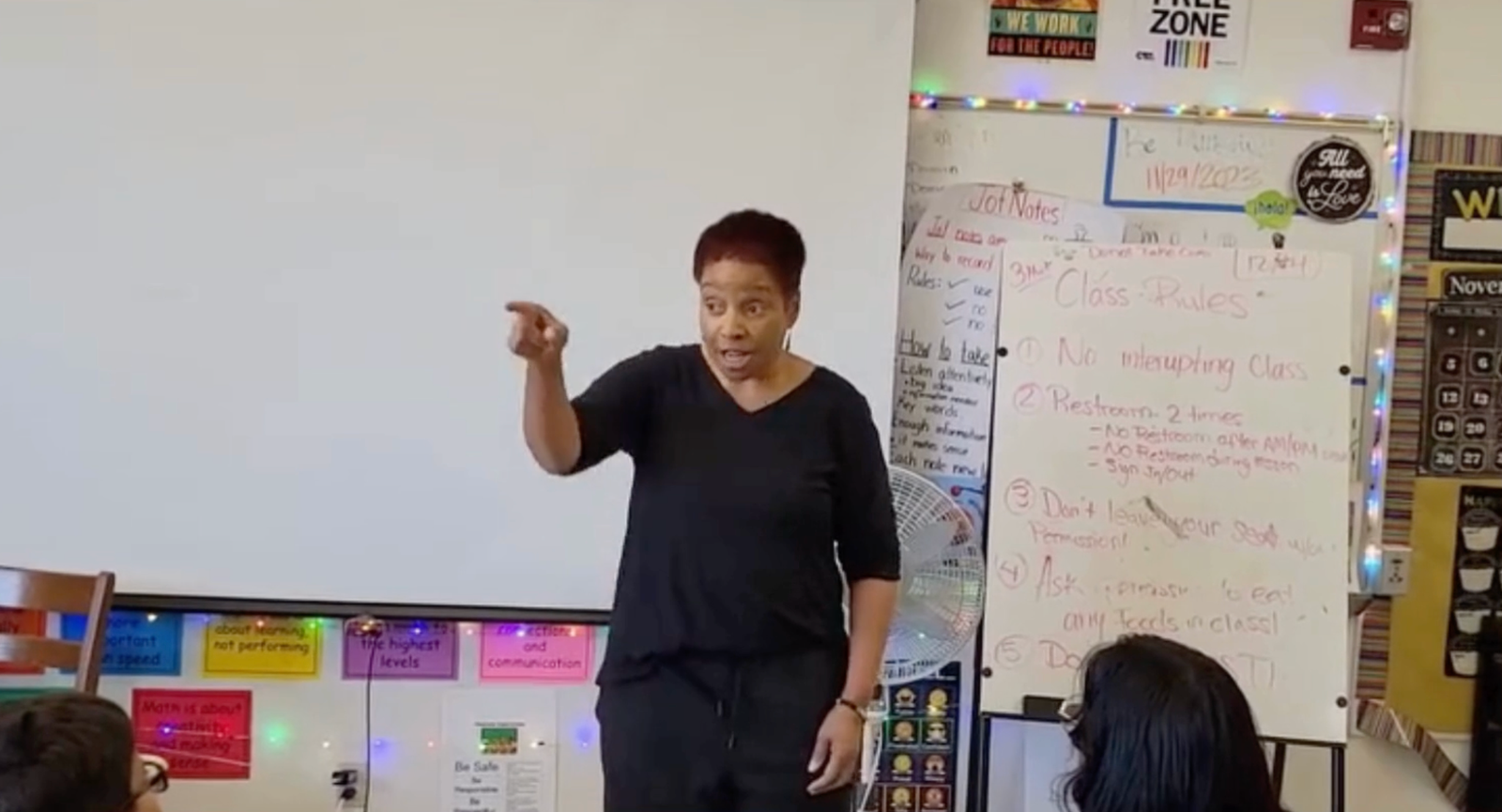
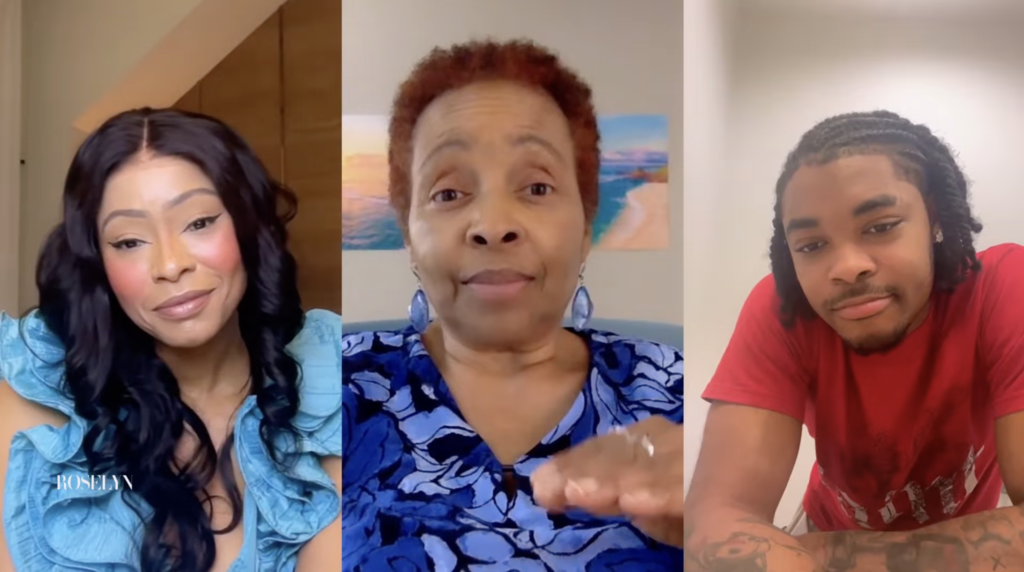
Educator and emotional intelligence strategist Selina Joy Jackson has spent her career answering that exact question. In a candid, wide-ranging conversation on The Roselyn Omaka Show, Jackson sat down with host and Bolanle Media CEO Roselyn Omaka and co-host Chris Gone Crazy — the Houston-based content creator with over 5 million followers across TikTok, Instagram, and YouTube — to break down what is really happening inside the minds of kids who struggle, and what parents, teachers, and communities can actually do about it. What she shared changes everything about the way we think about learning, behavior, and the kids we keep calling problems.
Memory Is Mood Related — And Nobody Told You That
Here is the science that should be taught in every teacher training program but isn’t.
Your brain stores memories attached to the emotional state you were in when you learned them. That means if a child sits in a classroom feeling anxious, overwhelmed, or emotionally unsafe — they can learn the material in that moment, but to recall it later, their brain has to return to that same emotional state.
Who wants to go back there?
This is why your child remembers nothing from the class they dreaded. This is why you can recall every detail of a vacation but blank on what you studied the night before a test you were terrified of. It is not intelligence. It is neuroscience.
The fix, according to Jackson, is simple and radical at the same time: feel good first. Not after the lesson. Not as a reward for good behavior. First. Before anything else is introduced.
The Hidden Block Nobody Is Talking About
Jackson calls it the “hidden block” — and once you see it, you cannot unsee it.
When a child is stressed, scared, or emotionally dysregulated, their brain shifts into survival mode. The prefrontal cortex — the part responsible for focus, reasoning, and learning — essentially goes offline. The brain is too busy managing perceived threat to take in new information.
From the outside, this looks like:
- Refusing to try
- Zoning out in class
- Acting out or shutting down
- “Not caring” about school
But none of that is attitude. It is biology.
Jackson developed a four-step framework to address it directly:
Recognize — identify that a hidden block is present
Regulate — help the child (or adult) return to a calm state
Repattern — build new emotional habits and responses
Return to Learning — now the brain is actually ready
This framework is the backbone of her book Break the Hidden Block and her EMOMASTERS® program, which gives kids and parents practical tools to move through each step.
The Need to Control Is a Survival Response — Not a Personality Trait
One of the most powerful moments in Jackson’s conversation on The Roselyn Omaka Show came when she broke down what the psychological need for control actually is.
Micromanagement. Overthinking. Anxiety when outcomes are uncertain. Needing to know every detail before you can relax.
Most people think that is just who they are. Jackson says it is what their nervous system learned.
When the subconscious mind treats control as a need — something without which it cannot survive — it triggers the same stress response as a physical threat. The anxiety is not about the situation. It is about a deeply held belief that says: without control, I am not safe.
The shift is not about letting go of your ability to direct outcomes. It is about releasing the desperation. Drop the need. Keep the power. Those are two very different operating modes.
What the School System Is Still Getting Wrong
Jackson does not mince words on this one.
Schools are designed to deliver information. They are not designed — at least not yet — to first ensure that the people receiving that information are in a state where they can actually absorb it. A child who walks into a classroom carrying last night’s argument, this morning’s hunger, or a month of feeling invisible is not a learning-ready brain. They are a survival-mode brain in a chair.
Telling that child to focus is like telling someone with a broken leg to run.
The research backs this up. Studies consistently show that emotional dysregulation is one of the strongest predictors of academic struggle — stronger, in many cases, than cognitive ability. Kids who cannot regulate their emotions cannot access their own intelligence.
Jackson’s tools are designed to bridge that gap — for classrooms, for homes, and for the kids who have been written off as problems when they were really just overwhelmed. You can explore her full programs and workshops here.
Tools You Can Use Right Now
Jackson has built an entire resource library around this work. Here is where to start:
Break the Hidden Block — her foundational book on the science of emotional blocks and how to dismantle them. Start here.
EMOMASTERS® Unstoppable Me Program — a practical toolkit for parents and educators to use with kids, helping them recognize and regulate their emotions before those emotions take over.
Brain-Ready Classroom Library — built specifically for educators who want to create learning environments where kids can actually receive what is being taught.
Math Magic Library — Jackson’s work connecting emotional readiness to academic subjects, including math, which is one of the highest-anxiety subjects for struggling students.
Feel Good First Course — the starting point for anyone new to her work. Brain-based, practical, and accessible for parents, teachers, and students alike.
Connect With Selina Joy Jackson
Follow her work and stay connected across her platforms:
- Website: selinajoyjackson.com
- Instagram: @selina_joy_jackson
- YouTube: Selina Joy Jackson
- LinkedIn: Selina Joy Jackson, MA
- Book a call or speaking inquiry: Contact Selina
The Line That Stays With You
Toward the end of her conversation on The Roselyn Omaka Show, Jackson said something that quieted the room.
“You’re not alone and you’re not broken.”
It comes from her own story. From the foster care homes. From the classrooms where she sat feeling invisible. From a kid who the system had plenty of explanations for but no real solutions.
She became the solution.
And now she is handing those tools to every parent, teacher, and child who needs them — which, if we are being honest, is most of us.
Watch the full episode of The Roselyn Omaka Show with Selina Joy Jackson on the Bolanle Media YouTube channel. Link in bio.
Follow Bolanle Media for conversations that make you see the world differently.

Why Some Songs End Up in Movies—While Others Never Do

They Told Him a Black Man Can’t Learn. He Sued Them and Won.


