
World News
10 years at TechCrunch on August 28, 2023 at 3:06 pm


It’s been 10 years since I stepped off a ledge and landed at TechCrunch.
I don’t get self referential a lot here on the pages of TC, but I figured that a tin anniversary is a nice time to look at what we’ve done over the past decade as we approach this year’s Disrupt, coming up on September 19th-21st in San Francisco.
Like many people who have joined our team over the years, when I came on board, I landed right into the middle of the TechCrunch Disrupt conference – the proverbial fire. All hands on deck, circulating the tables, scooping news, preparing for their interviews, handling the logistics of a huge event with split second decisions and changing conditions every minute. With everyone offering help to each other where needed.
I never forgot that intense “team first” vibe and have tried to carry it forward with us.
Since 2013, nearly 3 billion visitors have read what TechCrunch has to say about the world of startups. It’s been amazing to spend a decade at the startup ecosystem publisher of record, and it’s never been boring.
There are too many stories over the past decade to mention them all, but there have been some bangers. The intense examinations of how burrowing owls connect to the SF housing crisis, scooping the death of Google+, defining the Unicorn, blockbuster investigations into spyware tools, disclosing Facebook playing fast and loose with Apple rules and the resulting deactivation of its own internal apps, Apple re-launching Maps and apologizing for the Mac Pro (when I published a rare full transcript of an Apple executive interview – that was a fun call), the story of when two hackers saved the Internet, plenty of acquisition scoops, crazy early coverage of future giants like Robinhood, when we accidentally deactivated when we traveled halfway around the world to be the first to find the man who deactivated Trump’s Twitter account, and in a very TechCrunch move, plenty of coverage of…TechCrunch.
Throughout this period we’ve endured a long list of owners above us who never really ‘got’ what TechCrunch was about. Thankfully, Yahoo’s current leadership does get it, the CEO even launched his company on our stage 13 years ago.
But in the past, we definitely had to deal with a lot of very aggressive ‘suggestions’ that it took a lot of energy and time to deflect. But it was worth it.
I still remember a conversation with leadership in early 2014 where co-editor Alexia Tsostsis and I were basically told that TechCrunch wasn’t a growth property. And, to quote the goat, we took that personally.
Even though we’ve remained a lean team, typically under 60 people total across our business and editorial teams over most of that period, it didn’t stop us.
In fact, it has allowed TechCrunch to remain a permissionless state that has shipped and shipped and shipped without waiting for people or resources.
And we still grew, and are continuing to do so. In spite of everything.
During the past 10 years at TechCrunch we have done, well, a lot.
We doubled the size of TechCrunch Disrupt, without killing its special vibe.
Radically improved the inclusion and audience makeup of the TC team and Disrupt as a show.
Delivered a full-size Disrupt show virtually, pivoting hard in the early days of the pandemic.
Publish an average of 30-50 stories every day about existing companies and emerging technology in a human, genuine voice that prioritizes skepticism, not cynicism.
Created our successful subscription product TechCrunch+ that offers a deeper look into the hows of startups for builders.
Publish the killer Equity, Found, Chain Reaction and TechCrunch Live podcasts.
Increased Startup Battlefield’s cohort size to 200.
Launched hugely successful newsletters with industry-leading open rates.
Introduced hundreds of companies on the Startup Battlefield stage.
Shipped several major site redesigns.
Delivered incredible video content that goes deep on early stage tech.
How was TechCrunch able to keep shipping new experiments, successful products and high quality news without major investment for a decade?
I’m going to give you the secret sauce, right now:
We have hired and fostered extremely talented people and then…we trust them.
That’s it.
TechCrunch was already a special place to work when I joined, and we have tried to make sure we never lost its particular blend of anarchy and authority, anchored by a generous spirit.
When people care about one another and that attitude is transmitted from the top, they will deliver outsized efforts on undersized resources for the love of the game and of each other. To support that, my senior staff and I always made an effort to make sure that the job wasn’t about us, it was about them, which made them want to be about TechCrunch.
This willingness to help each other has allowed us to punch above our weight forever, beating publications with hundreds or thousands of journalists to stories and trends every single day.
The TechCrunch Way.
To the consternation of PR departments everywhere, TechCrunch is managed significantly differently than other editorial organizations. Writers assign most of their stories to themselves, and bring editors in later. They generally work in areas of obsession, not beats. The most compelling stories about technology are told by those who are willing to drill all the way down to the whitepaper to understand it.
Whatever point or angle you have about a technology, especially the most important and fundamentally world altering ones, it has to begin at a place of understanding. Otherwise you’re building on sand and standing up straw men.
Most of our writers also have direct access to the publish button and generally write their own headlines, deks and ledes. You know, that trust thing.
Why would we hire people who were genuinely obsessed with a given technology or space and then not use their most potent asset: their sense of taste.
These days, you could argue that taste is the only moat. And when you apply that to everything from story sense to sourcing, you get a product that remains vital.
It’s hubris to think that any editor has an infinitely variable mouthfeel sensor that can pick up on everything brewing in the enormously diverse universe of technology enabled companies, from startup to IPO and beyond. The people I’ve had the luck and pleasure to work with at TechCrunch past and present have been the most incredible truffle hunters of scoops, true stories and new things I’ve ever seen.
All of the current staff and many, many others over the years are what have made TechCrunch such a special place to work. You only have to look at how many people leave and come back to work here 2, 3 or even 4 times to see that there’s a thing about this place.
Image Credits: Slava Blazer / Flickr (opens in a new window) under a CC BY 2.0 (opens in a new window) license.
TechCrunch is about founders.
A few thousand people gathered in San Francisco at the Design Concourse for TechCrunch Disrupt the year that I joined. Last year, despite the trailing effects of COVID, 10,000 people showed up. Our audience has always been mapped to the ebbs and flows of the ecosystem, so that’s encouraging.
Being the editorial programming buck stop for Disrupt is an enormous undertaking every year – especially as we used to run 3 per year. But it’s also energizing.
We’ve tried to make our annual event a global affair, with a far more diverse group of participants. This year’s Disrupt conference houses specialized programming across AI, security, SaaS, sustainability, fintech and hardware sectors. It also has a dedicated Builder track that gets into the nitty gritty of running and growing young companies. This year’s Disrupt will have nearly 50% women participating and 40% of the overall program participants come from backgrounds that are underrepresented in startups.
Another highlight is our Startup Battlefield program. Every year, we get thousands of applications to be a part of the competition. After Head of Startup Battlefield Neesha Tambe and her team filter these applications, we get together and hammer out the top 20 in weeks of two-a-days.
Then, they go into a training program to get them ready for the stage and present their company in front of incredible judges. The judging process gives a rare public look at the decision making process of high level entrepreneurs and investors. And into the ways that founders can successfully pitch their products. It’s as intense as any startup accelerator and just as fun to see the shape of what’s to come.
Because the companies apply to us so early, often in pre-funding or bootstrapped stages, we have gotten to get a yearly early look at the future. And that’s why all of us at TechCrunch do what we do – we live in the future, and we love it.
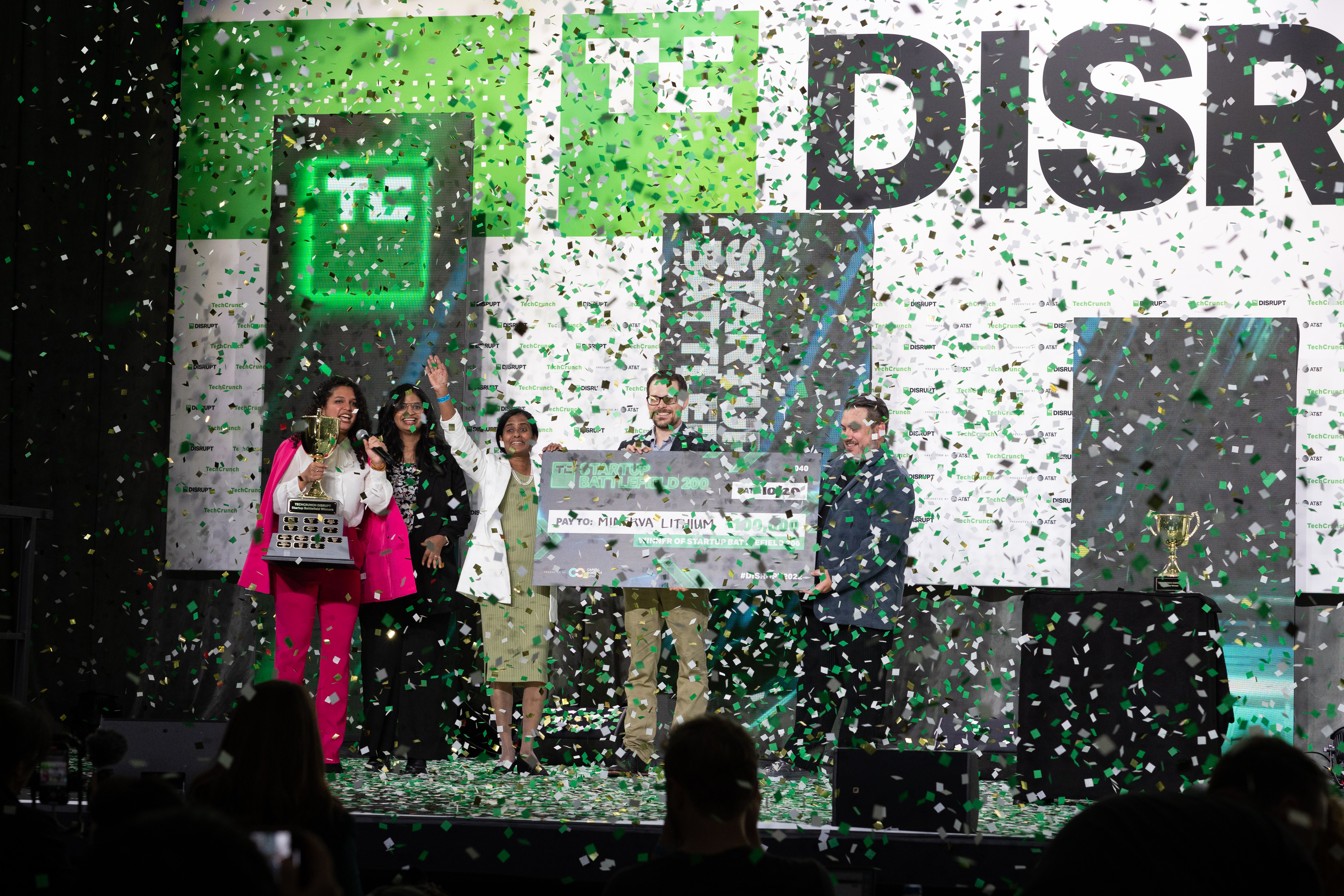
It was a big moment last year when we were able to expand the program to the Startup Battlefield 200. This effectively ended our practice of charging startups to buy a table at Disrupt, making exhibiting at the show completely free for the 200 companies chosen to be a part of Battlefield.
Over the course of the program we’ve featured over 1,300 startups, who have raised $29B in capital and have had 200 exits. The Startup Battlefield alumni represent a whole generation’s worth of entrepreneurs and is inclusive of gender, race, geography and vertical.
It has taken a lot of dedication and attention to detail to get it to the great place it’s in now, and we’re just getting started.
Sugar Rush
When a grape vine is stressed, it puts all of its resources into the production of sugary, flavorful grapes. Any wine maker knows that a stressing season for vines means an incredible vintage is just a couple of years away from the bottle.
Many startup companies will only survive the next couple of years by being more inventive and crisp with their fundamentals. They’re going to have to survive on less and be more focused on self-sufficiency. But we’ve been seeing some very interesting shifts here. Founders are more focused on fundamentals, for one. Startup Battlefield applications have been far more likely to mention early revenue and traction, even in seed or pre-seed companies. The go-to-market slides are getting more defined and more focused on extending working capital runways. The founding teams are more likely to include someone with a background in revenue and growth even at earlier stages.
The founders themselves are also just incredibly impressive. They’re coming into this game well aware of the current stakes and with all of the context that has come before. They’re ready.
The Stressed Grape Startups are coming, and they’re going to be more resilient and richer with experience for it.
This has been an amazing decade to cover and participate in one of the most fascinating communities in the world. The eternal joy, optimism and cleverness of founders, designers, developers and hustlers is infectious and I never want to stop being close to that energy. There’s some kind of mania that infuses entrepreneurs – those folks who just can’t help but step off of ledges and into the thin air of hope.
I’m massively optimistic about the coming wave of founders and companies. Though the funding environment is tough right now, you can see the explosion coming.
This one goes out to the ledge steppers. We’ll see you at Disrupt!
It’s been 10 years since I stepped off a ledge and landed at TechCrunch. I don’t get self referential a lot here on the pages of TC, but I figured that a tin anniversary is a nice time to look at what we’ve done over the past decade as we approach this year’s Disrupt, coming


Business
GLOBAL SUSTAINABILITY SUMMIT RETURNS FOR ITS 5TH EDITION AT THE BRITISH PARLIAMENT – HOUSE OF LORDS, PALACE OF WESTMINSTER

FOR IMMEDIATE RELEASE
Theme: “People, Planet, and Profit in the Age of AI and Innovation”
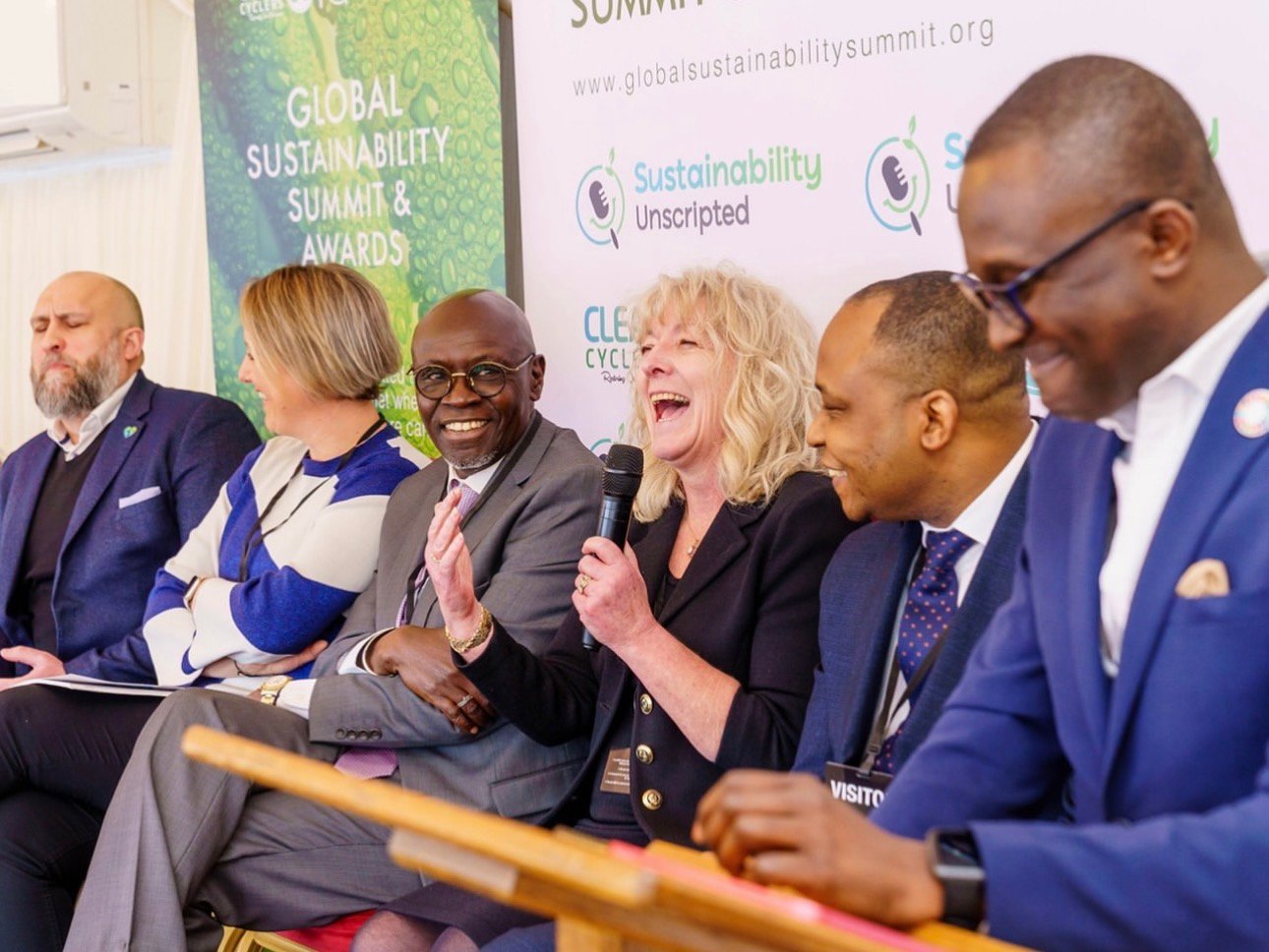
London, United Kingdom — The Global Sustainability Summit (GSS) is officially back for its landmark 5th Edition, continuing its legacy as one of the leading international platforms driving sustainable development, climate action, ethical investment, innovation, and global collaboration.
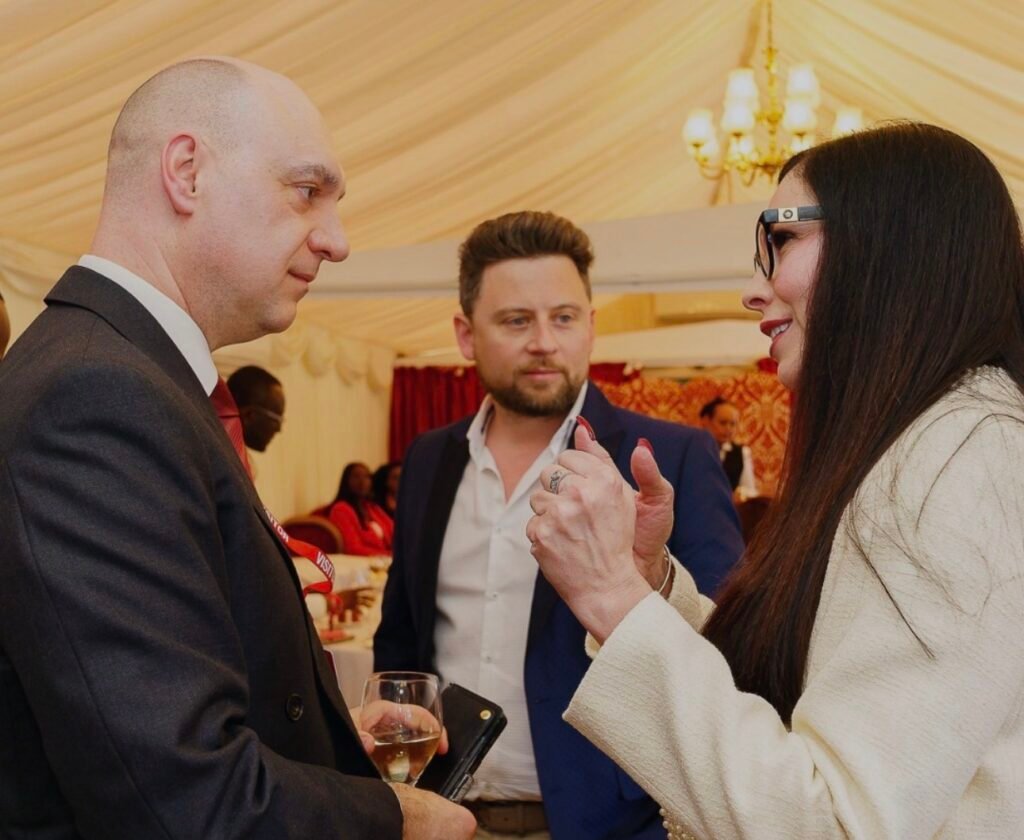
Convened annually at the prestigious British Parliament, House of Lords, Palace of Westminster, by Ambassador Canon Chinenem Otto, the Summit has, over the last four years, successfully fostered international dialogue and partnerships that have contributed to the advancement of global sustainability goals, the establishment of sustainability-focused ministries, departments and policy structures across national and subnational governments, and the attraction of major investors into sustainable development projects, corporations and emerging economies.
This year’s summit, themed “People, Planet, and Profit in the Age of AI and Innovation,” will explore how emerging technologies, responsible leadership, sustainable finance, innovation, and global partnerships can shape a more inclusive, resilient and environmentally conscious future.
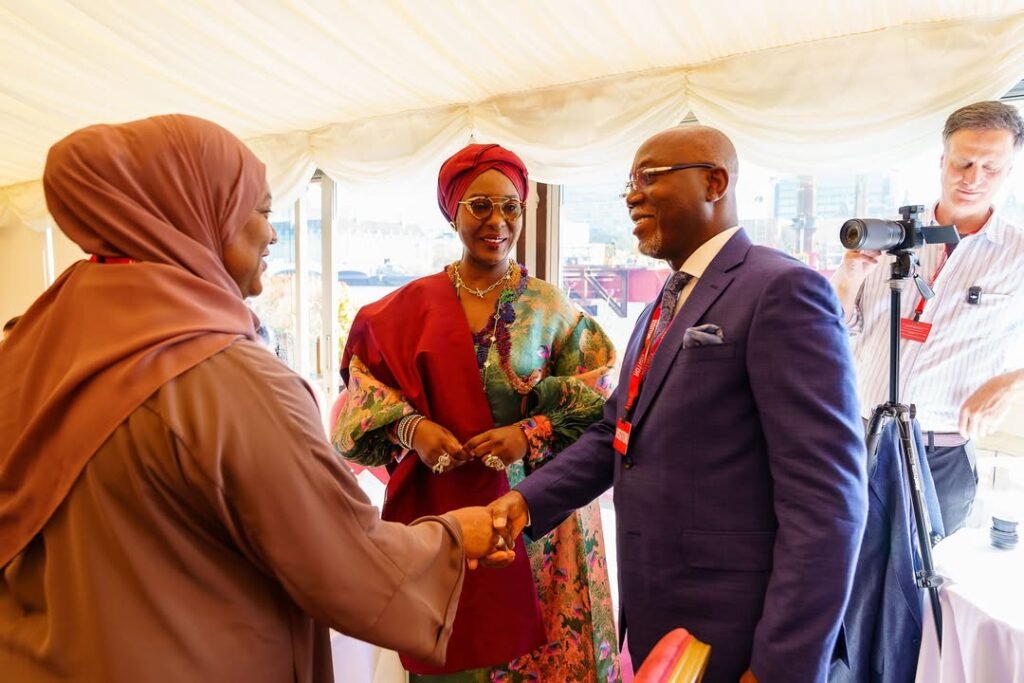
The 5th Edition promises to be the most impactful yet, bringing together world leaders, policymakers, diplomats, investors, academics, innovators, climate experts and youth leaders from across the globe to discuss actionable solutions toward achieving a sustainable and equitable future.
Among the distinguished speakers, delegates and honorees already lined up for the Summit are:
• His Excellency Mallam AbdulRahman AbdulRazaq — Executive Governor of Kwara State, Nigeria and Chairman of the Nigeria Governors’ Forum
• His Excellency Senator Prince Bassey Otu — Executive Governor of Cross River State, Nigeria
• Ambassador Patricia Espinosa Cantellano — Former Executive Secretary of UN Climate Change (UNFCCC) and Former Foreign Minister of Mexico
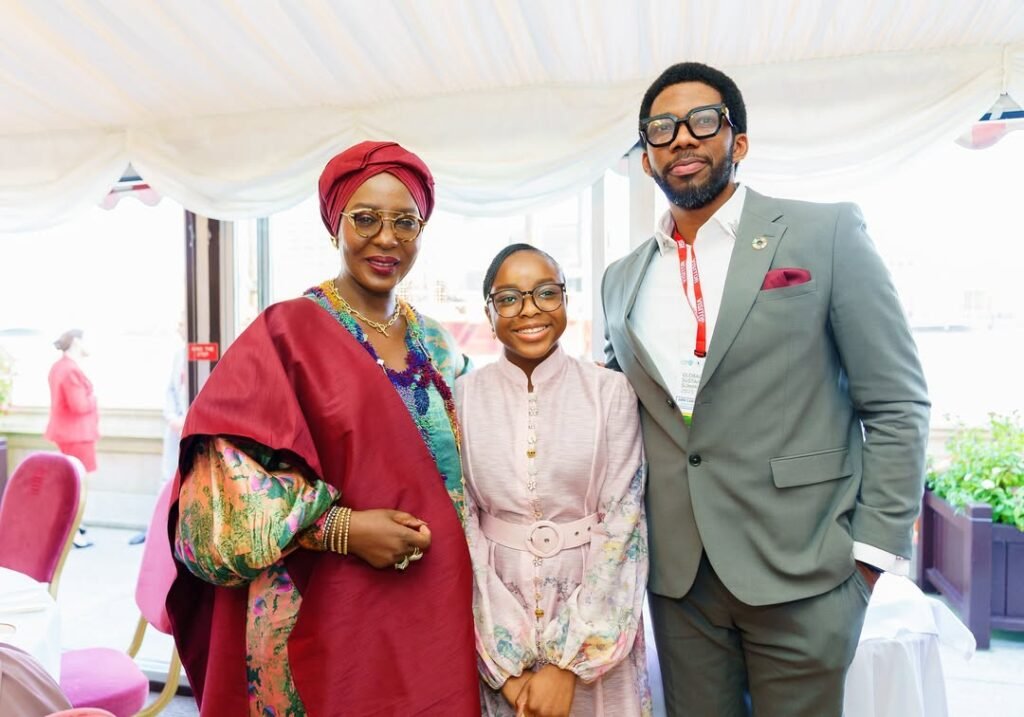
• Lord Marvin Rees, Baron Rees of Easton OBE — Member of the House of Lords, United Kingdom
• Hon. Neema K. Lugangira — Secretary-General of Women Political Leaders (WPL), Brussels and Former Member of Parliament
• Her Excellency Dr. Netumbo Nandi-Ndaitwah — President of the Republic of Namibia
• His Excellency Nangolo Mbumba — Former President of Namibia
• Former President of Tanzania
• Her Excellency Ambassador Professor Olufolake AbdulRazaq — First Lady of Kwara State, Nigeria and Chairperson of Nigeria Governors’ Spouses Forum
• Your Excellency Dr. Dikko Umar Radda, PhD, CON — Executive Governor of Katsina State and Chairman of the Northwest Governors Forum, Nigeria
• Hon. Sam Shafiishuna Nujoma — Governor of Khomas Region, Namibia
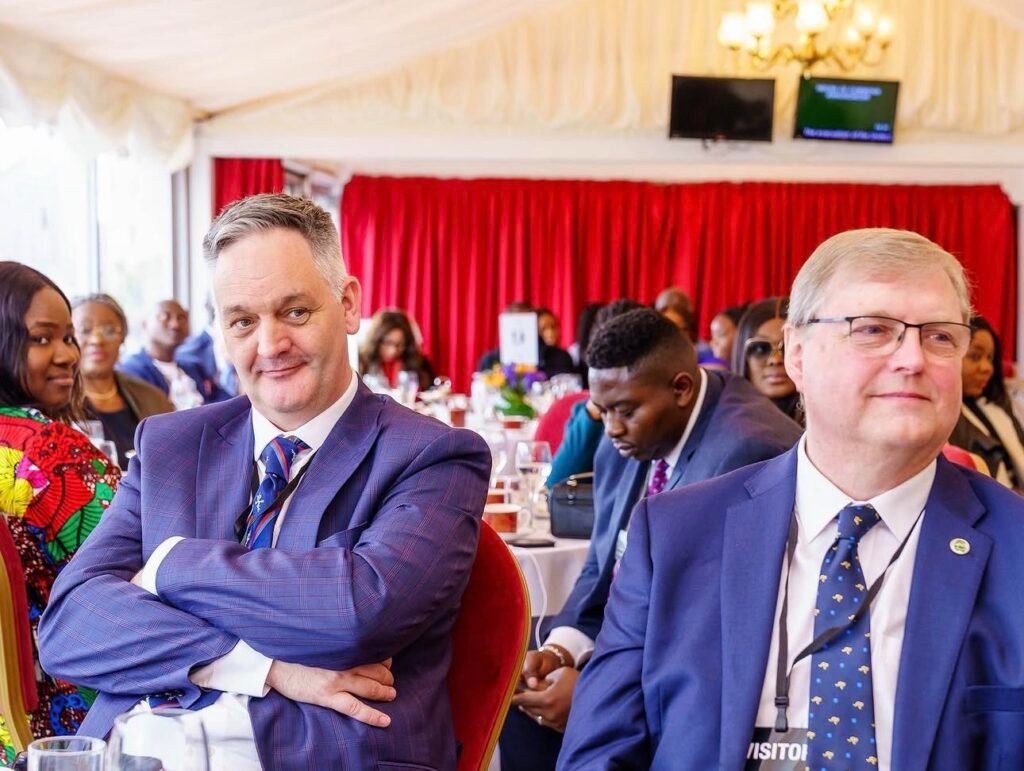
• H.E. Mr. Veiccoh Nghiwete — High Commissioner of the Republic of Namibia to the United Kingdom
• Her Excellency Ms. Macenje “Che Che” Mazoka — High Commissioner of Zambia to the United Kingdom
• Ms. Danielle Newman — Partner Lead, ICT, World Economic Forum
• Leanne Elliott Young — Co-founder, Institute of Digital Fashion & CommuneEast
• Ms. Chloe Russell — Producer & Presenter, Art, Science and Nature
• Professor Marie-Claire Cordonier Segger — University of Cambridge & University of Waterloo
• Dr. Alexandra R. Harrington — IUCN World Commission on Environmental Law (WCEL)
• Professor Payam Akhavan — Massey College, University of Toronto
• Mr. Mallai C. E. Sathya — President, Dravida Vetri Kazhagam and International Movement for Tamil Culture Asia
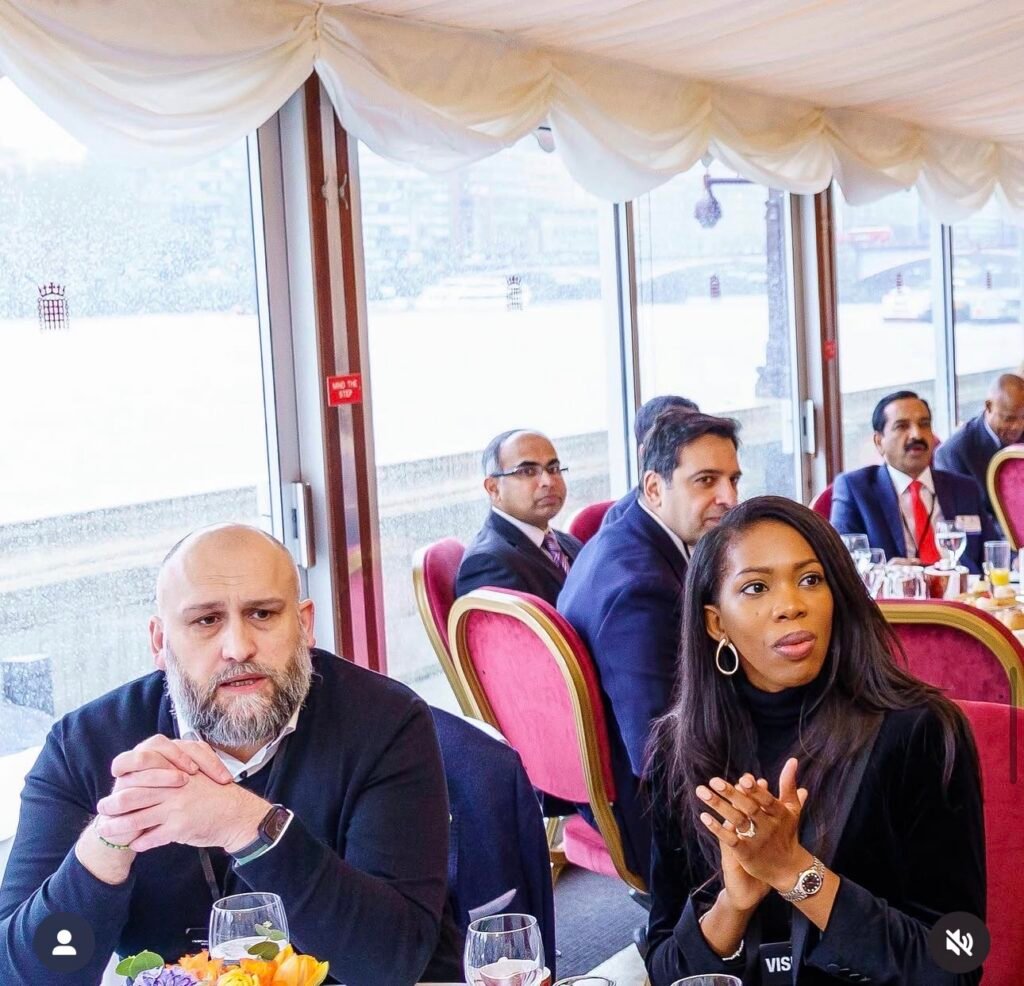
The Summit will feature high-level panel discussions, strategic investment conversations, sustainability awards, policy dialogues, innovation showcases, youth engagement sessions and international networking opportunities focused on climate resilience, ethical financing, food-water-energy sustainability, circular economy, artificial intelligence, diplomacy and sustainable development.
Speaking ahead of the Summit, Convener Ambassador Canon Chinenem Otto noted:
“As the world rapidly evolves through artificial intelligence and technological innovation, we must ensure that sustainability remains people-centered, environmentally responsible and economically inclusive. The Global Sustainability Summit continues to serve as a bridge connecting governments, institutions, innovators and investors to accelerate practical sustainability solutions globally. Our fifth edition is not only a celebration of progress made over the years, but also a renewed call for global collaboration and actionable impact toward achieving the Sustainable Development Goals and Net Zero ambitions.”
The Global Sustainability Summit continues to position itself as a catalyst for transformative partnerships and sustainable global progress, reinforcing the urgent need for collective action toward a more resilient and sustainable future.
More announcements regarding additional speakers, partners and summit activities will be unveiled in the coming weeks.

President Donald Trump says the United States might one day get rid of federal income tax because of money the government collects from tariffs on imported goods. Tariffs are extra taxes the U.S. puts on products that come from other countries.
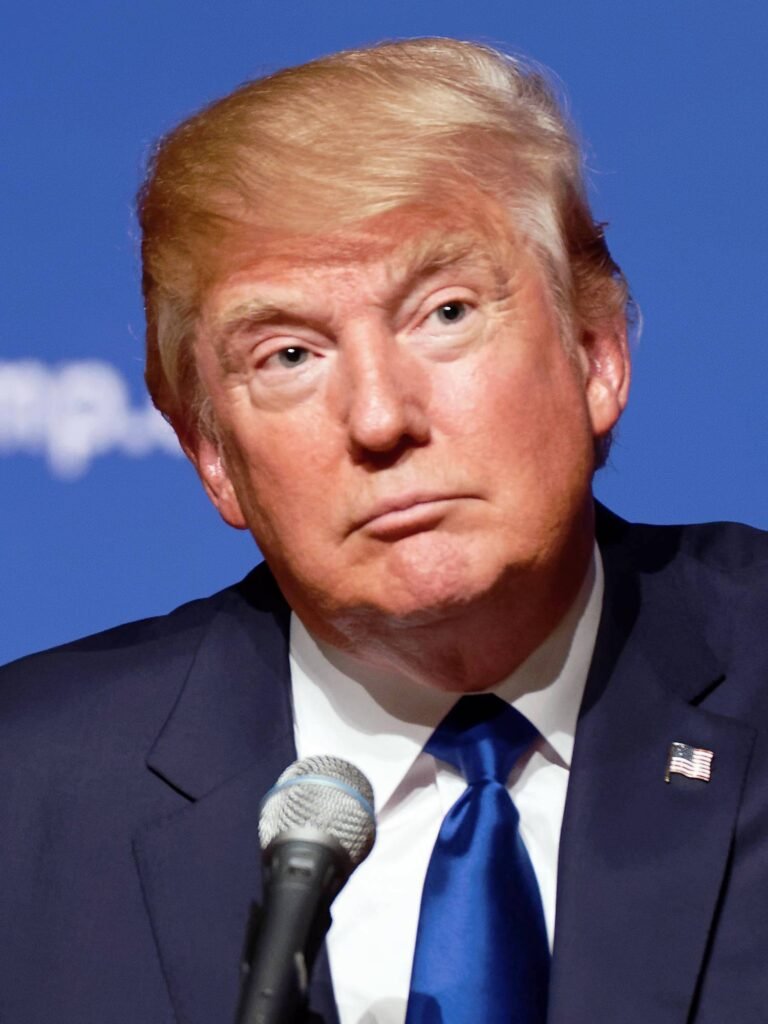
What Trump Is Saying
Trump has said that tariff money could become so large that it might allow the government to cut income taxes “almost completely.” He has also talked about possibly phasing out income tax over the next few years if tariff money keeps going up.
How Taxes Work Now
Right now, the federal government gets much more money from income taxes than from tariffs. Income taxes bring in trillions of dollars each year, while tariffs bring in only a small part of that total. Because of this gap, experts say tariffs would need to grow by many times to replace income tax money.
Questions From Experts
Many economists and tax experts doubt that tariffs alone could pay for the whole federal budget. They warn that very high tariffs could make many imported goods more expensive for shoppers in the United States. This could hit lower- and middle‑income families hardest, because they spend a big share of their money on everyday items.
What Congress Must Do
The president can change some tariffs, but only Congress can change or end the federal income tax. That means any real plan to remove income tax would need new laws passed by both the House of Representatives and the Senate. So far, there is no detailed law or full budget plan on this idea.
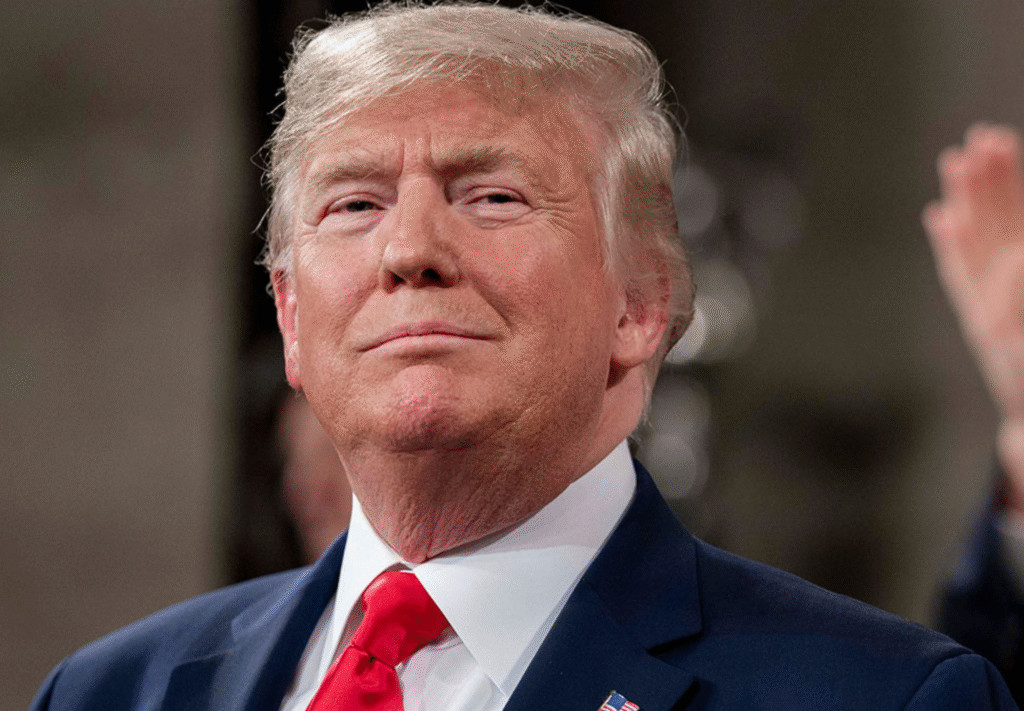
What It Means Right Now
For now, Trump’s comments are a proposal, not a change in the law. People and businesses still have to pay federal income tax under the current rules. The debate over using tariffs instead of income taxes is likely to continue among lawmakers, experts, and voters.
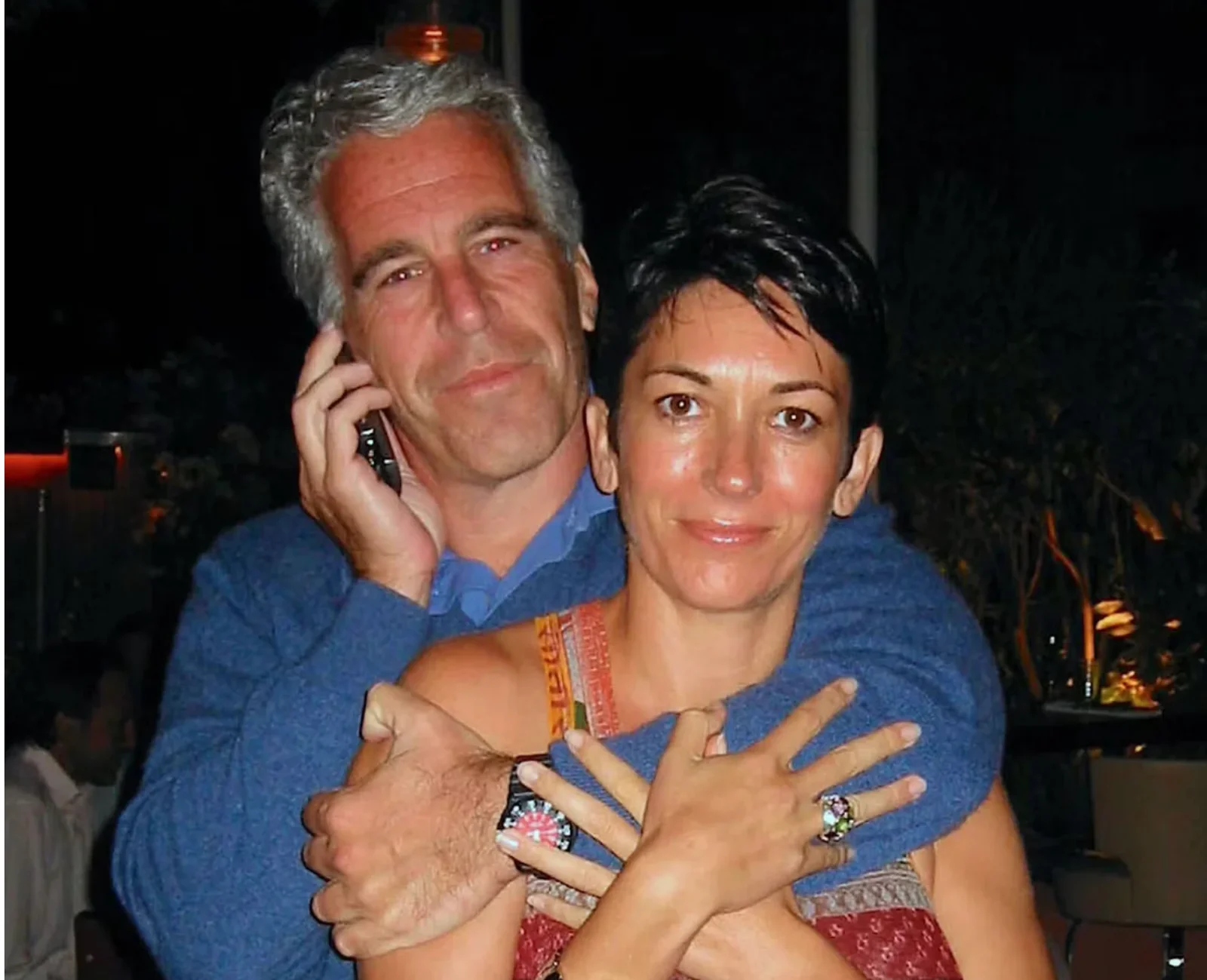
Former President Donald Trump has signed an executive order directing federal agencies to declassify all government files related to Jeffrey Epstein, the disgraced financier whose death in 2019 continues to fuel controversy and speculation.
The order, signed Wednesday at Trump’s Mar-a-Lago estate, instructs the FBI, Department of Justice, and intelligence agencies to release documents detailing Epstein’s network, finances, and alleged connections to high-profile figures. Trump described the move as “a step toward transparency and public trust,” promising that no names would be shielded from scrutiny.
“This information belongs to the American people,” Trump said in a televised statement. “For too long, powerful interests have tried to bury the truth. That ends now.”
U.S. intelligence officials confirmed that preparations for the release are already underway. According to sources familiar with the process, the first batch of documents is expected to be made public within the next 30 days, with additional releases scheduled over several months.

Reactions poured in across the political spectrum. Supporters praised the decision as a bold act of accountability, while critics alleged it was politically motivated, timed to draw attention during a volatile election season. Civil rights advocates, meanwhile, emphasized caution, warning that some records could expose private victims or ongoing legal matters.
The Epstein case, which implicated figures in politics, business, and entertainment, remains one of the most talked-about scandals of the past decade. Epstein’s connections to influential individuals—including politicians, royals, and executives—have long sparked speculation about the extent of his operations and who may have been involved.
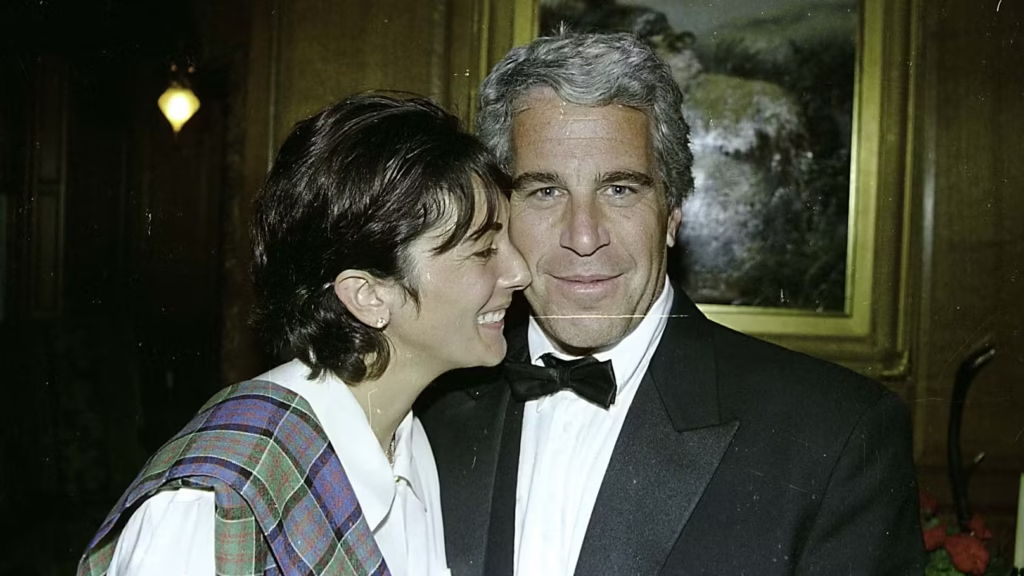
Former federal prosecutor Lauren Fields said the release could mark a turning point in public discourse surrounding government transparency. “Regardless of political stance, this declassification has the potential to reshape how Americans view power and accountability,” Fields noted.
Officials say redactions may still occur to protect sensitive intelligence or personal information, but the intent is a near-complete disclosure. For years, critics of the government’s handling of Epstein’s case have accused agencies of concealing evidence or shielding elites from exposure. Trump’s order promises to change that narrative.
As anticipation builds, journalists, legal analysts, and online commentators are preparing for what could be one of the most consequential information releases in recent history.

Why Some Songs End Up in Movies—While Others Never Do

They Told Him a Black Man Can’t Learn. He Sued Them and Won.