Advice
10 Types of Shots Every Filmmaker Should Know

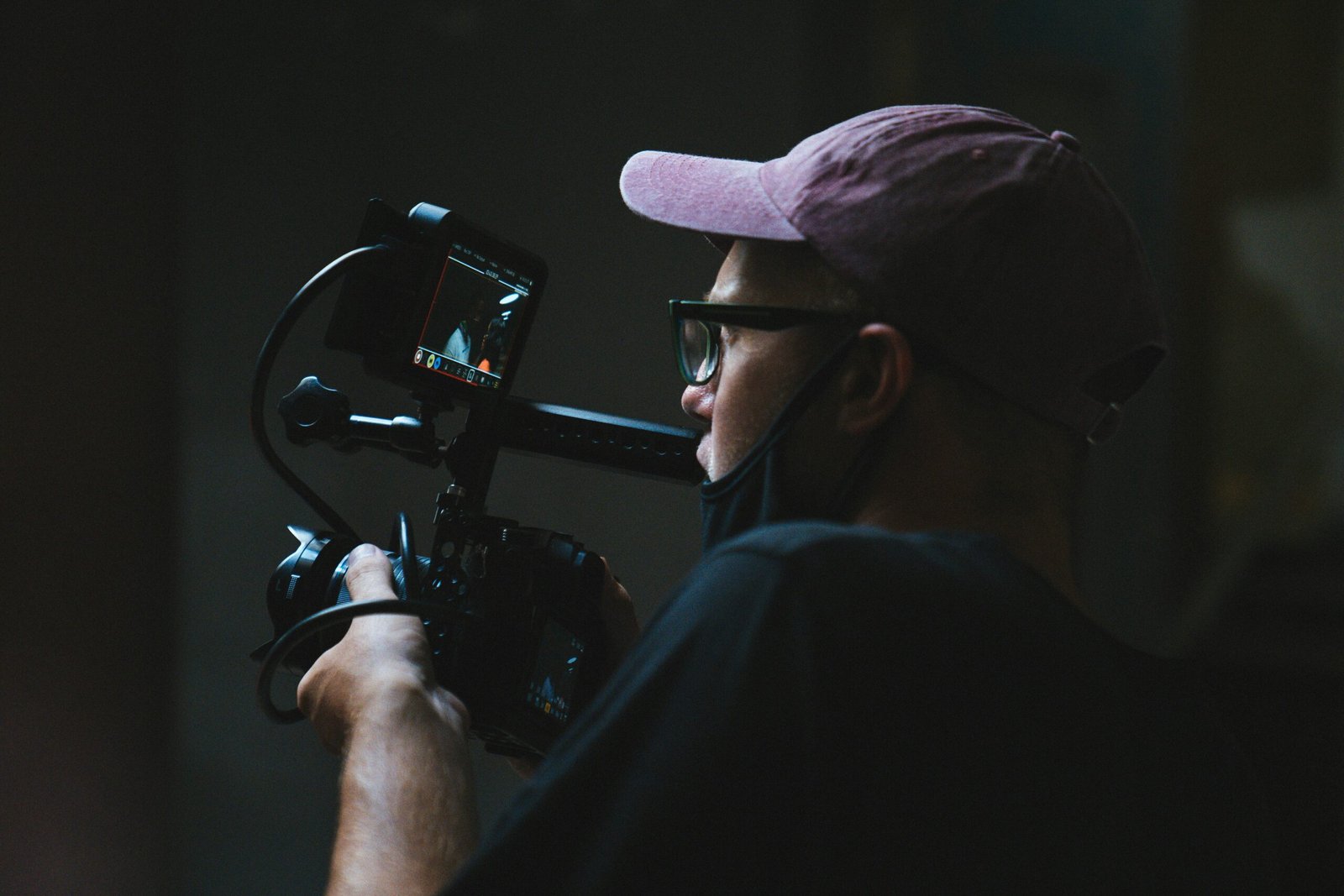
Understanding camera shots is fundamental for new filmmakers. Each shot type not only frames your subject but also shapes the story, mood, and emotional impact of your film. Below is a detailed breakdown of the ten essential shots, with practical advice and tips to help you master them from the start.
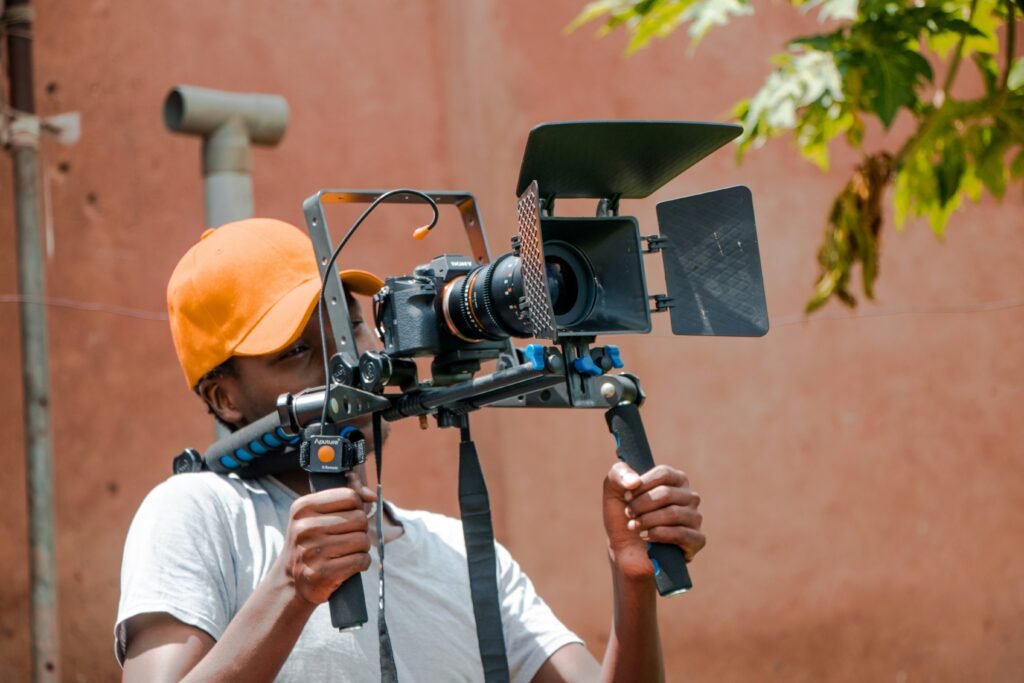
1. Wide Shot (Long Shot)
- What it is: Shows the subject within their environment, often from a distance.
- Why it matters: Establishes context, location, and scale. It’s often used as an opening or establishing shot.
- Beginner advice:
- Use wide shots to orient your audience at the start of a scene.
- Pay attention to composition—avoid cluttered backgrounds and keep the frame balanced.
- Don’t be afraid to move your camera to find the most visually interesting angle.

2. Full Shot
- What it is: Frames the subject from head to toe, including some background.
- Why it matters: Captures body language and movement, crucial for action or dance scenes.
- Beginner advice:
- Use full shots to show physicality or when characters interact with their environment.
- Make sure the subject isn’t too small in the frame—keep them prominent but not cramped.
3. Medium Shot
- What it is: Frames the subject from the waist up.
- Why it matters: Balances the subject and background, ideal for dialogue and character interaction.
- Beginner advice:
- Use medium shots for conversations and to show relationships between characters.
- Watch for distracting elements in the background and keep the camera steady.
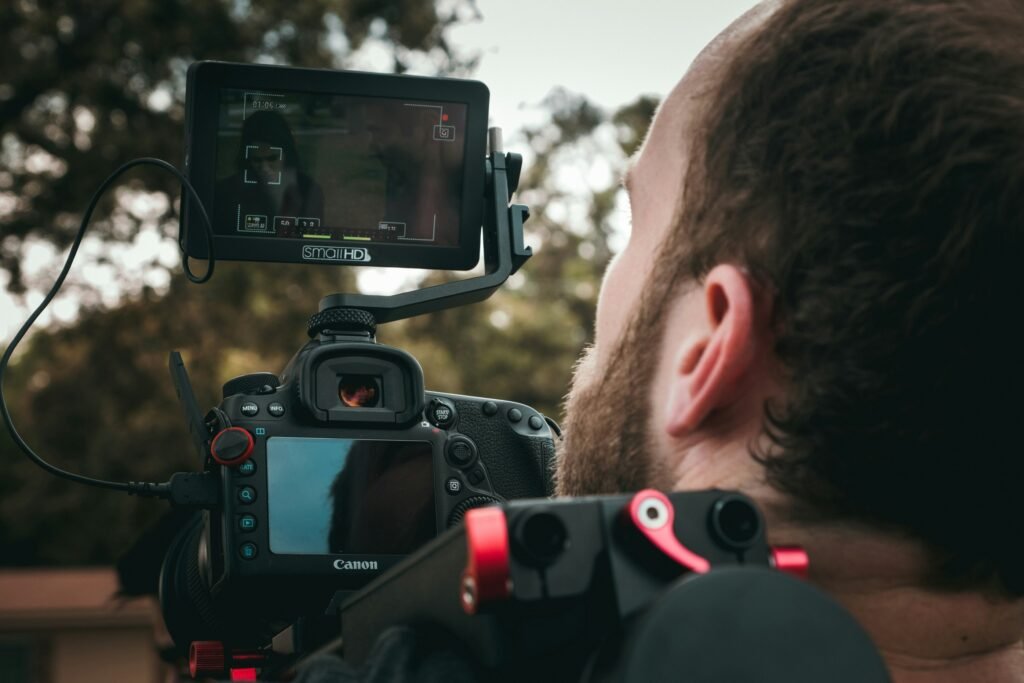
4. Medium Close-Up
- What it is: Frames the subject from the chest or shoulders up.
- Why it matters: Highlights facial expressions while still providing some context.
- Beginner advice:
- Use this shot to capture subtle emotions.
- Ensure the subject’s eyes are in focus and well-lit.
5. Close-Up
- What it is: Fills the frame with the subject’s face or a specific detail.
- Why it matters: Captures emotions, reactions, and important details.
- Beginner advice:
- Use close-ups to emphasize key moments or reactions.
- Avoid overusing close-ups; they’re most powerful when used sparingly.
6. Extreme Close-Up
- What it is: Focuses on a very small detail, such as eyes, lips, or an object.
- Why it matters: Intensifies emotion or draws attention to a critical element.
- Beginner advice:
- Use extreme close-ups to highlight something crucial or to create tension.
- Make sure the detail you’re focusing on is relevant to the story.
7. Over-the-Shoulder Shot (OTS)
- What it is: Shows the subject from behind another character’s shoulder.
- Why it matters: Connects characters and provides the audience with a sense of perspective.
- Beginner advice:
- Use OTS shots in conversations to establish spatial relationships.
- Maintain consistent eyelines and follow the 180-degree rule to avoid confusing the audience.
8. Point-of-View Shot (POV)
- What it is: Shows the scene from a character’s perspective.
- Why it matters: Immerses the audience in the character’s experience.
- Beginner advice:
- Use POV shots to make viewers feel part of the action.
- Keep the camera movement natural—avoid shaky footage unless it serves the story.
9. High Angle Shot
- What it is: Looks down on the subject from above.
- Why it matters: Makes the subject appear smaller, weaker, or more vulnerable.
- Beginner advice:
- Use high angles to convey vulnerability or power dynamics.
- Don’t overuse—reserve for moments when you want to emphasize a character’s situation.
10. Low Angle Shot
- What it is: Looks up at the subject from below.
- Why it matters: Makes the subject appear larger, more powerful, or imposing.
- Beginner advice:
- Use low angles to show dominance, heroism, or intimidation.
- Be mindful of background elements—avoid clutter or distractions above your subject.
Essential Shot Composition Tips for New Filmmakers
- Plan Your Shots: Create a shot list before filming. This helps you visualize each scene and ensures you capture all necessary angles.
- Use a Tripod or Stabilization: Keep your shots steady, especially as a beginner. Shaky footage can distract from your story.
- Frame Carefully: Pay attention to the background, edges, and what’s in focus. Use the rule of thirds to create balanced, engaging compositions.
- Vary Your Angles: Don’t shoot everything from eye level. Experiment with high, low, and side angles to add visual interest.
- Practice Regularly: Try recreating shots from your favorite films or practice with everyday objects at home. Review your footage and look for ways to improve framing and composition.
- Avoid Common Mistakes:
- Don’t rely solely on auto settings—learn manual controls for exposure, focus, and white balance.
- Don’t neglect sound—bad audio can ruin a good shot.
- Don’t overuse shallow depth-of-field or camera movement without purpose.
- Always get enough coverage—shoot a variety of shot sizes for each scene.
Quick Reference Table
| Shot Type | Description | Typical Use Case | Beginner Tip |
|---|---|---|---|
| Wide/Long Shot | Subject in environment | Establishing location, scale | Keep frame balanced, avoid clutter |
| Full Shot | Head-to-toe framing | Body language, movement | Subject should be prominent |
| Medium Shot | Waist up | Dialogue, character interaction | Watch background, keep steady |
| Medium Close-Up | Chest/shoulders up | Facial expressions, context | Focus on eyes, good lighting |
| Close-Up | Face or detail fills frame | Emotions, reactions | Use sparingly for impact |
| Extreme Close-Up | Isolated detail (eyes, object) | Intense emotion, critical detail | Highlight story-relevant details |
| Over-the-Shoulder | Behind another character’s shoulder | Conversations, perspective | Maintain eyelines, 180-degree rule |
| Point-of-View | From character’s perspective | Immersion, subjective experience | Keep movement natural |
| High Angle | Camera above subject | Vulnerability, power dynamics | Use for emphasis, not overuse |
| Low Angle | Camera below subject | Power, dominance, heroism | Watch for background distractions |
Final Advice for New Filmmakers
- Start Simple: Focus on mastering the basics before experimenting with complex shots or movements.
- Learn by Doing: The best way to improve is to shoot regularly, review your work, and seek feedback.
- Tell a Story: Every shot should serve the story. Don’t use a shot just because it looks cool—make sure it has a purpose.
- Be Patient: Filmmaking is a craft that takes time to develop. Embrace mistakes as learning opportunities and keep practicing.
By understanding and practicing these ten essential shots, and following these tips, you’ll build a strong foundation for visual storytelling and set yourself up for success as a filmmaker.












By Bolanle Media
She didn’t wait to be discovered. She didn’t follow the rules. And she didn’t let anyone else write her story.
Zendaya went from a Disney Channel kid to the youngest-ever two-time Emmy winner for lead actress in a drama — and she did it on her own terms. If you’re an actor trying to figure out how to build a career that actually lasts, her playbook is one of the most honest and practical ones in Hollywood right now.
Here’s what she does differently — and what you can take directly into your own career.
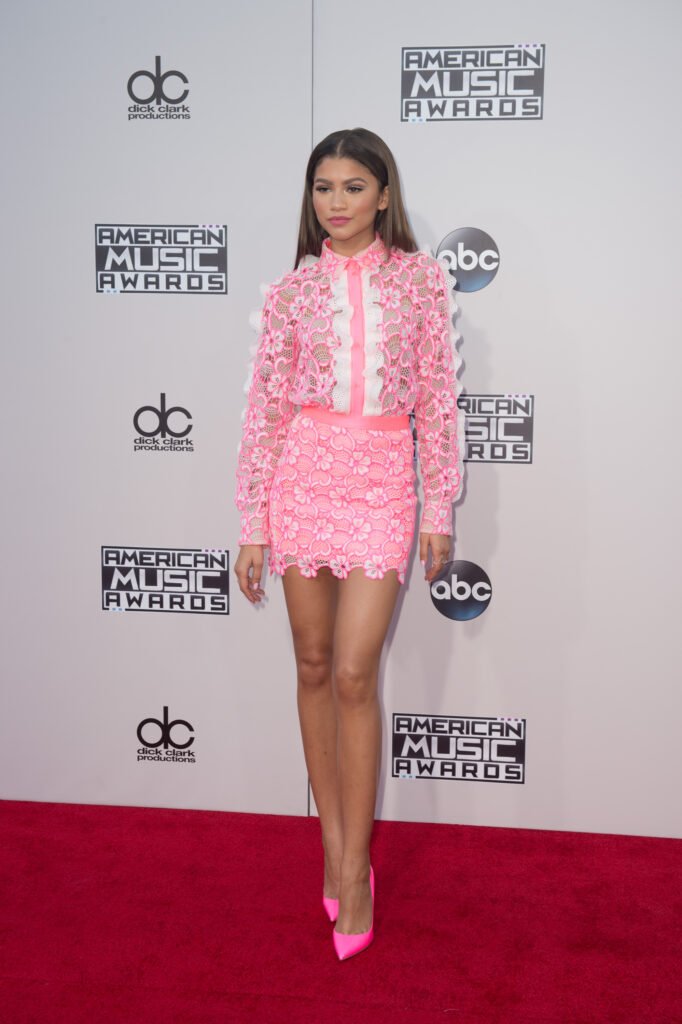
1. She Chose Roles. They Didn’t Choose Her.
Most actors take what they’re given. Zendaya negotiated.
At 17, when Disney offered her KC Undercover, she didn’t just say yes. She demanded to be a producer so she could shape the character herself. She specifically said she didn’t want her character to sing, dance, or follow any of the typical Disney girl tropes — because she wanted to show that girls could be defined by something other than performance.
That’s not diva behavior. That’s self-awareness.
“I wanted to make sure that she wasn’t good at singing or acting or dancing. There are other things that a girl can be.” — Zendaya
The lesson: Know what you stand for before you walk into the room. Agents, casting directors, and producers can feel the difference between someone who needs the job and someone who has a vision.
2. She Stayed Quiet While Everyone Else Got Loud
In a world where most celebrities flood the internet to stay relevant, Zendaya does the opposite.
She chooses restraint over noise. Intention over impulse. Longevity over virality. While other actors are chasing every trending moment, she allows space between wins — which does something powerful to how people perceive her. It turns success into a pattern, not a spike.
“Spikes feel lucky. Patterns feel earned. And earned success commands respect rather than temporary excitement.”
The lesson: You don’t have to be everywhere to be known. Strategic silence can build more authority than constant posting ever will.
3. She Was Fearless Enough to Fail
When Zendaya stepped into Euphoria, she wasn’t sure she could do it. The emotional weight of playing Rue was unlike anything she had done before.
But she’s said it clearly — greatness requires two things: being fearless and being willing to try.
“You can’t be afraid to look stupid, you can’t be afraid to mess up, you can’t be afraid of anything. The only way to get great is to be fearless and try.” — Zendaya
The lesson: The roles that scare you the most are usually the ones that will define you. Stop waiting until you feel ready. That feeling never comes.

4. She Prepared Like No One Was Watching
Talent alone didn’t get Zendaya to where she is. Preparation did.
For The Greatest Showman, she spent months training on the trapeze to perform her own stunts — not because she had to, but because she wanted to fully commit to the role. That extra preparation is a constant in everything she does, whether it’s acting, fashion, or advocacy.
“I have standards I don’t plan on lowering for anybody… including myself.” — Zendaya
The lesson: The work you put in before the audition, before the set, and before the camera rolls is what separates good actors from unforgettable ones.
5. She Stayed Grounded Without Shrinking
Fame didn’t change Zendaya because she never let it define her.
She’s spoken openly about staying grounded, keeping family close, and not applying unnecessary pressure to herself. She didn’t rush. She didn’t compare. She just kept building, step by step.
“I’ve just been living without applying any pressure, just going step by step.” — Zendaya
The lesson: Your career is a marathon. The actors who last are the ones who protect their peace as fiercely as they protect their craft.

Final Thought
Zendaya’s career isn’t a mystery — it’s a method. Intentional choices, fearless execution, and an unshakeable sense of self.
You don’t need her budget, her team, or her platform.
You need her mindset.
“I want to show that you don’t have to be older to live your dreams — you can do it at any age.” — Zendaya
Start there.
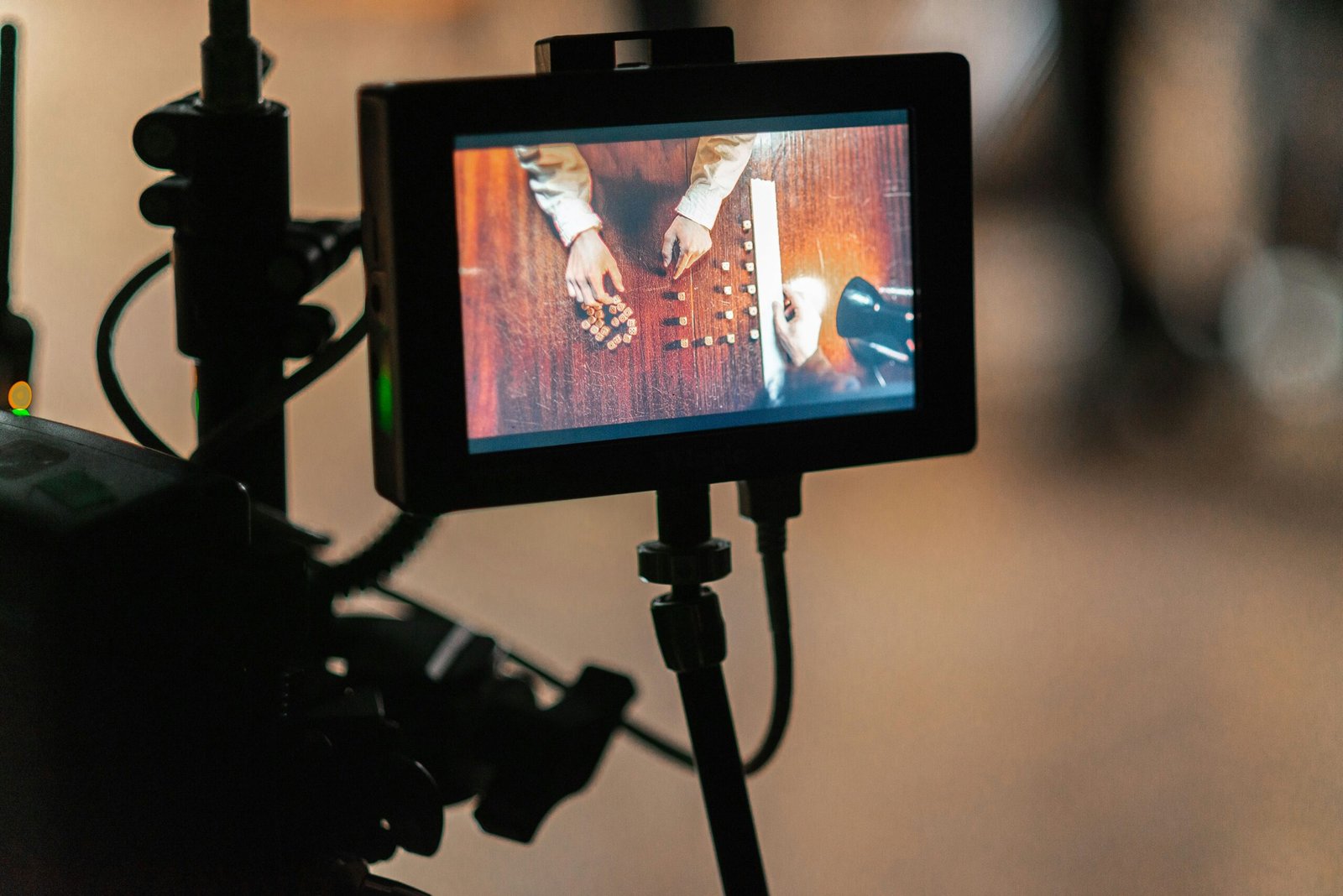
The gatekeepers didn’t just open the door. They left the building.
For decades, filmmakers were told the same story: get the right agent, land the right festival, sign with the right distributor. But in 2026, that story is officially over — and the filmmakers who haven’t gotten the memo are the ones still struggling.
The Old Playbook Is Dead
Streamer acquisitions at Sundance, TIFF, and Cannes have slowed dramatically. The era of premiering your indie film and getting scooped up by Netflix or A24 is no longer a reliable strategy. Buyers are still at festivals — but they’re fewer, more selective, and harder to reach. What that means for you: a festival is now a marketing machine and a career pipeline, not a sales event.
The filmmakers who are winning right now have accepted one uncomfortable truth: the burden of keeping your film alive falls on you. That’s not a threat — it’s the greatest creative freedom this industry has ever offered.
You Already Have Everything You Need
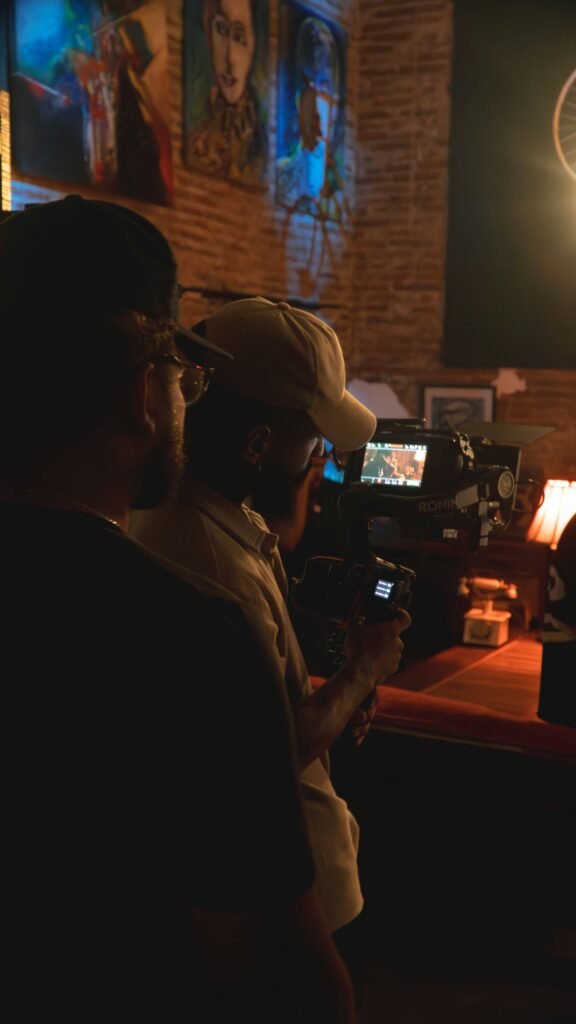
Here’s what Netflix didn’t want you to know: you have more production power in your pocket than Scorsese had in his first decade. A phone. Editing software. AI tools that cost less than your monthly coffee budget. Runway, Higgsfield, ElevenLabs, and Sora are no longer “experimental toys” — they’re production tools being used on actual sets right now.
AI won’t replace your voice. But it will replace the filmmaker who refuses to evolve. Use it for script breakdowns, VFX, dubbing for global distribution, and post-production workflows. The filmmakers leveraging these tools are cutting costs and moving faster than anyone expected.
Your Audience Is Your Distribution Deal
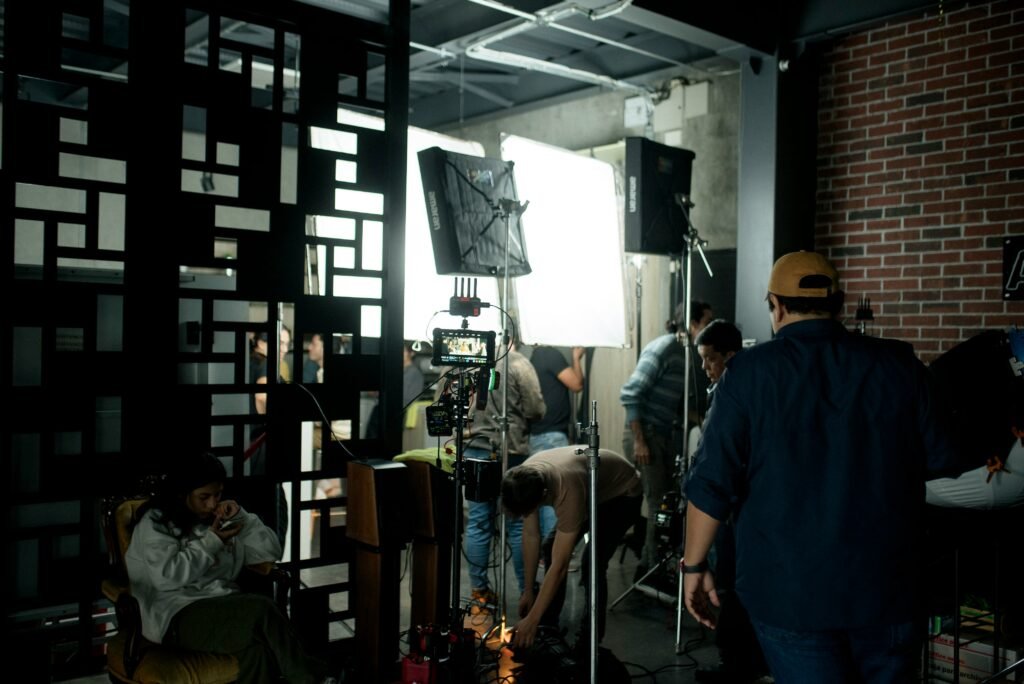
The new model is simple: build your audience before you need them. Document your process. Post weekly. Your personal brand is now your most important asset — more valuable than any distribution agreement you could sign. Platforms like Filmhub, Vimeo On Demand, and Gumroad let you sell directly to fans and keep your rights intact.
Direct-to-audience events — roadshow screenings, pop-up premieres, immersive experiences — are becoming a core release strategy in 2026. You don’t need a theater chain. You need fifty cities and a ticket link.
The One Rule That Changes Everything
Make one complete film every week. Twenty-four hours to think. Twenty-four hours to shoot. The rest of the week to edit and post. Not because every film will be great — but because the filmmaker who ships beats the filmmaker who perfects every single time.
In 2026, a filmmaker with deep trust in a niche audience has a more reliable platform than a studio trying to win the general market. Stop chasing scale. Build something real. The rules didn’t just change — they changed for you.

Every filmmaker aspires to create projects that are not only memorable but also uniquely their own. Finding your creative voice is a journey that requires self-reflection, bold choices, and an unwavering commitment to your vision. Here’s how to uncover your style, take risks, and craft original work that stands out.
1. Discovering Your Voice: Understanding Your Influences
Your unique voice begins with recognizing what inspires you.
- Step 1: Reflect on the themes, genres, or emotions that consistently draw your interest. Are you inspired by human resilience, surreal worlds, or untold histories?
- Step 2: Study the work of filmmakers you admire. Analyze what resonates with you—their use of color, pacing, or narrative techniques.
Tip: Combine what you love with your personal experiences to create a lens that only you can offer.
Example: Wes Anderson’s whimsical, symmetrical worlds stem from his love of classic storytelling and his unique visual style.

Takeaway: Start with what moves you, then add your personal touch.
2. Taking Creative Risks: Experiment and Evolve
To stand out, you must be willing to challenge conventions and explore new territory.
- Experimentation: Try unusual storytelling structures, such as non-linear timelines or silent sequences.
- Collaboration: Work with people outside your usual circle to gain fresh perspectives.
- Feedback: Screen your projects for trusted peers and be open to constructive criticism.
Example: Jordan Peele blended horror with social commentary in Get Out, creating a genre-defying film that captivated audiences.
Takeaway: Risks are an opportunity for growth, even if they don’t always succeed.
3. Telling Original Stories: Start with Authenticity
Original projects resonate when they stem from a place of truth.
- Draw from Experience: Incorporate elements of your own life, culture, or worldview into your stories.
- Explore the “Why”: Ask yourself why this story matters to you and how it connects with your audience.
- Avoid Trends: Focus on timeless narratives rather than chasing current fads.
Example: Greta Gerwig’s Lady Bird was deeply personal, based on her experiences growing up in Sacramento. The film’s authenticity made it universally relatable.
Takeaway: The more personal the story, the more it resonates.
4. Developing Your Style: Consistency Meets Creativity
Style is not just about visuals—it’s how you tell a story across all elements of filmmaking.
- Visual Language: Experiment with colors, lighting, and framing to create a distinct aesthetic.
- Narrative Voice: Develop consistent themes or motifs across your projects.
- Sound Design: Use music, sound effects, and silence to evoke specific emotions.
Example: Quentin Tarantino’s use of dialogue, pop culture references, and bold music choices makes his work instantly recognizable.
Takeaway: Your style should be intentional, evolving as you grow but always recognizable as yours.
5. Staying True to Yourself: Building Confidence in Your Vision
The filmmaking process is full of challenges, but staying true to your voice is essential.
- Stay Authentic: Trust your instincts, even if your ideas seem unconventional.
- Adapt Without Compromise: Be open to feedback but maintain your core vision.
- Celebrate Your Growth: View every project, successful or not, as a stepping stone in your creative journey.
Example: Ava DuVernay shifted from public relations to filmmaking, staying true to her voice in films like Selma and 13th, which focus on social justice.
Takeaway: Your voice evolves with every project, so embrace the process.
Conclusion: From Idea to Screen, Your Voice is Your Superpower
Finding your voice as a filmmaker takes time, courage, and commitment. By exploring your influences, taking risks, and staying true to your perspective, you’ll craft stories that not only stand out but also resonate deeply with your audience.
Bolanle Media is excited to announce our partnership with The Newbie Film Academy to offer comprehensive courses designed specifically for aspiring screenwriters. Whether you’re just starting out or looking to enhance your skills, our resources will provide you with the tools and knowledge needed to succeed in the competitive world of screenwriting. Join us today to unlock your creative potential and take your first steps toward crafting compelling stories that resonate with audiences. Let’s turn your ideas into impactful scripts together!

What Actors Can Learn From Zendaya

Why Your Indie Film Disappears Online

A Civilization Will Die Tonight — And We’re All Just Watching


 Advice4 weeks ago
How to Find Your Voice as a Filmmaker
- News4 weeks ago
How Misinformation Overload Breaks Creative Focus
- News2 weeks ago
The Timothée Chalamet Guide to Ruining Your Image
- Entertainment3 weeks ago
This scene almost broke him. And changed his career.
- Entertainment3 weeks ago
7 Filmmaking Lessons From Michael B. Jordan’s Oscar Moment
- Entertainment2 weeks ago
The machine isn’t coming. It’s aleady the room.
- Advice3 weeks ago
Stop Waiting for Permission — The Film Industry Just Rewrote the Rules
- News3 weeks ago
How ‘Sinners’ Won The Oscars: Filmmaker Notes