


Filmmaking
10 Tips from Spike Lee for Screenwriters and Filmmakers

Certainly. Here’s an elaboration on each of Spike Lee’s 10 tips for screenwriters and filmmakers:
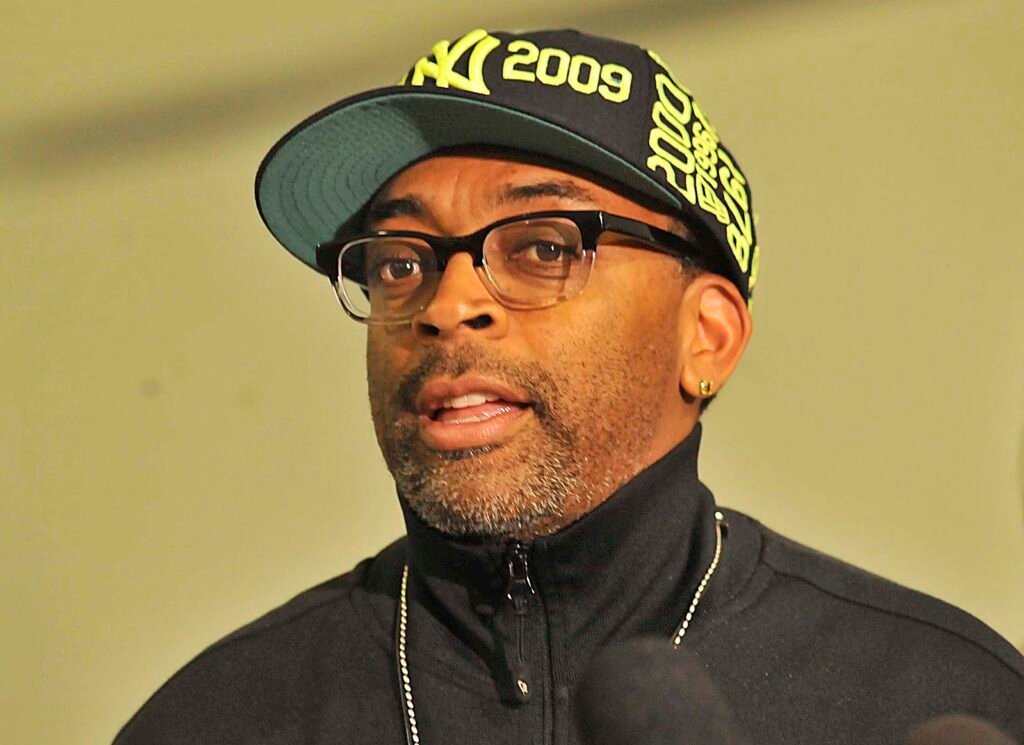
- 1. Write about what you know: Lee emphasizes drawing from personal experiences and knowledge. This authenticity helps create more genuine and relatable stories.
- 2. Find and develop your unique voice: Lee stresses the importance of originality. Filmmakers should work on discovering and refining their individual style and perspective.
- 3. Work hard on your craft: Success comes from relentless effort and perseverance. Lee insists that there’s no substitute for hard work in the film industry.

- 4. Embrace the challenges: Filmmaking is inherently difficult, but Lee sees this as part of the creative process. Overcoming obstacles can lead to growth and better results.
- 5. Consider writing and directing: Many successful directors wrote their first films. This approach increases the chances of getting a project made and maintaining creative control.
- 6. Create compelling drama: Focus on conflicts between characters with opposing yet equally valid viewpoints. This creates tension and engages the audience.
- 7. Never stop learning: Even after decades in the industry, Lee emphasizes continuous growth as a filmmaker. There’s always more to learn about cinema.
- 8. Avoid laziness and entitlement: Lee has little tolerance for those who expect success without putting in the work. He believes in earning opportunities through dedication.
- 9. Utilize available technology: Filmmakers can now create feature films even with smartphones. Lee encourages using accessible tools to tell stories.
- 10. Develop your skills, with or without film school: While film school can provide resources, Lee stresses that formal education isn’t necessary to become a filmmaker. The key is to practice and improve your craft, regardless of your educational background.

Bolanle Media covers a wide range of topics, including film, technology, and culture. Our team creates easy-to-understand articles and news pieces that keep readers informed about the latest trends and events. If you’re looking for press coverage or want to share your story with a wider audience, we’d love to hear from you! Contact us today to discuss how we can help bring your news to life










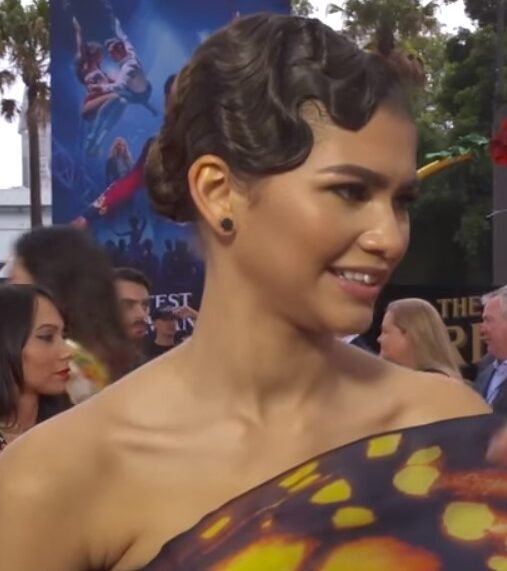
In the spring of 2020, with Hollywood shut down and most film workers suddenly out of a job, Zendaya made a movie in a single house with a crew of 22. The film was Malcolm & Marie. What happened to that crew afterward is the part worth paying attention to — and it’s quietly become a blueprint indie filmmakers are borrowing five years later.
Instead of paying everyone the standard flat day rate and sending them home, Zendaya structured the production so the crew owned a piece of it. They received “points” — a share of the film’s revenue.
When Malcolm & Marie sold to Netflix for roughly $30 million, those points turned into real money. Because one point typically equals 1%, a single point on that sale was worth around $300,000.
For a crew used to being paid by the day, that’s a life-changing number.

The Math That Makes It Click
The reason points are so powerful is that their value scales with the film, not with your hours on set:
- At $30 million in revenue, 1% equals $300,000
- At $50 million, 1% equals $500,000
- At $100 million, 1% equals $1 million
Now hold that against traditional indie crew pay, which runs roughly $300 to $800 per day. A 20-day shoot totals somewhere between $6,000 and $16,000 — full stop, no upside, no matter how well the film does. The points model flips the entire logic: you stop getting paid for time and start getting paid for success.
This Isn’t New — It’s Just Newly Accessible
Backend deals are how the biggest names in Hollywood get rich. Robert Downey Jr. reportedly earned tens of millions from his Avengers: Endgame backend; Keanu Reeves made a fortune off The Matrix through profit participation. The leverage to demand that kind of deal has always belonged to A-list stars.
What changed with Malcolm & Marie is who got a seat at the table. Zendaya didn’t reserve the points for herself and a couple of producers — she extended them to the crew, the people she described as laying the tracks and doing the heavy lifting. That’s the shift indie filmmakers are now studying: ownership as something you share down the call sheet, not hoard at the top.
Why Indie Filmmakers Should Care
Independent films usually run on budgets between $50,000 and $500,000, where labor can eat up 40% to 60% of total costs. That creates a permanent squeeze: how do you attract genuinely skilled people without torching the budget before you’ve shot a frame?
Equity is the pressure valve. Offering ownership instead of higher upfront pay lets you reduce immediate production costs, attract more experienced collaborators, and — maybe most importantly — build a team that actually wants the film to win.

How to Apply It to Your Own Project
You don’t need a $30 million Netflix sale for this to work. Say your budget is $250,000 and your revenue goal is $500,000, making 1% worth $5,000. Instead of stretching cash thin across every line item, you might offer 1% to a cinematographer, 1% to an editor, and 1–2% to a producer. You preserve cash during production and hand your key people a real reason to overdeliver.
Ownership Changes How People Show Up
A stake rewires behavior. People who own a piece of the outcome stay sharper on set, pitch in on marketing and promotion without being asked, and stay invested long after wrap. That last part matters more than it sounds — a crew that’s financially tied to the film becomes part of its distribution engine, not just its production.

Read the Fine Print
Equity is not a salary, and it’s honest to say so. Malcolm & Marie worked because it sold to Netflix at a high price — that’s the upside scenario, not a guarantee. If a project underperforms, points can be worth little or nothing. So if you use this model, do it cleanly: define revenue participation explicitly in contracts, spell out recoupment structures so everyone knows who gets paid and in what order, and offer partial upfront payment where you can to balance the risk. The whole thing runs on trust, and trust runs on transparency.
The Bigger Picture
What Zendaya pulled off with a 22-person crew in one house pointed to something larger about how creative work gets valued. In an industry where funding is the hardest wall to climb, ownership has become its own currency. You may not control access to millions in financing — but you fully control how value gets shared on your set. And that, more often than not, is the difference between a film that stalls in development and one that actually gets made.
By the Bolanle Media Entertainment Team | May 2026 Source data: UCLA Hollywood Diversity Report 2026 (released March 12, 2026)
🕐 8 minute read · 1,880 words What you’ll learn: Where the 67% number actually comes from, why diverse films make MORE money (yet studios still don’t care), what Issa Rae said that shocked the industry, and what it all means for independent Black filmmakers and creators right now.
Let’s not bury the headline.
In 2024, 67.2% of all speaking roles in Hollywood’s top theatrical films went to white actors. The year before, that number was 59.6%. In a single year, the white share of Hollywood’s screen time jumped nearly eight full percentage points — the largest single-year reversal in two decades of tracking.
This did not happen by accident. It happened by choice.
And the people making those choices know exactly what the data says — because the same UCLA report that exposed the rollback also proved, for the fifth year in a row, that diverse films make more money. They just decided not to care.
The Number That Should Stop Everyone
67.2%.
Say it slowly. Two out of every three roles on the biggest movie screens in the world now go to white actors — in a country where 45.2% of the population is Black, Indigenous, Latino, Asian, or another person of color.
That is not representation. That is not even close to representation. That is a deliberate return to a version of Hollywood that existed before #OscarsSoWhite, before the 2020 racial reckoning, before every studio CEO stood at a podium and promised that things would be different.
The UCLA Hollywood Diversity Report has been tracking these numbers since 2011. At the start, in 2011, 51.2% of top films had casts where less than 11% of actors were people of color. By 2023, that figure had dropped to just 8.5% — meaning real, measurable progress had been made over twelve years of advocacy, activism, and audience demand.
In 2024, Hollywood decided that progress was over.
The Full Breakdown: Who Lost and How Much
The rollback was not just in total numbers. Every category fell.
The share of main cast roles held by actors of color dropped, reversing an upward trajectory that had been building since 2019. BIPOC representation among theatrical film leads sat at 23.1% in 2025 — down from 29.2% in 2023. That is a nearly six-point drop across just two years.
Behind the camera, the picture is even more stark. BIPOC directors make up only 22% of the field — a greater than 2-to-1 underrepresentation compared to their share of the U.S. population. BIPOC writers hold just 20% of film writing credits. Only 1 in 10 theatrical films is written by a person of color. Only 2 in 10 are directed by one.
Latino actors represent just 3.6% of speaking roles in a country where Latinos are nearly 20% of the population. People with disabilities appeared in zero roles in more than 60% of top films studied.
These numbers describe a Hollywood that is not struggling with diversity. It is actively retreating from it.
The Lie Hollywood Cannot Hide Behind Anymore
For years, studios offered a convenient excuse for underrepresentation: the audience. The story went that mainstream audiences — meaning white audiences — would not turn out for films centered on people of color. Diverse casting was framed as a risk. A gamble. A noble sacrifice of profit for politics.
That excuse is dead.
UCLA’s 2026 Hollywood Diversity Report analyzed 109 English-language theatrical releases from 2025 and found that films with casts that were 41% to 50% BIPOC — which mirrors the actual BIPOC share of the U.S. population — dominated every single box office metric studied. They earned the highest median global box office receipts ($117.1 million). The highest median domestic receipts ($52.6 million). The largest average theatrical releases at 3,460 domestic theaters. The widest international distribution, reaching an average of 50.2 markets.
The most profitable films in 2025 were the diverse ones.
BIPOC moviegoers bought the majority of opening-weekend domestic tickets for 11 of the top 20 highest-grossing films globally in 2025. Even among white audiences, 7 of their top 20 preferred films featured casts with more than 30% BIPOC representation.
White moviegoers — the audience Hollywood has always said it must protect — were choosing diverse films too.
And yet, the industry is still pulling back. Which means this was never actually about money.
What Changed — and Why 2024 Was the Turning Point
The numbers got worse in 2024 for a reason that has nothing to do with box office data and everything to do with politics.
When President Trump returned to office in January 2025 and dismantled federal DEI programs by executive order, the entertainment industry — which had spent years loudly proclaiming its commitment to equity — folded almost immediately. Disney, Warner Bros. Discovery, and Paramount all rolled back their internal diversity initiatives within months. DEI executives who had been hired with fanfare were quietly let go. Inclusion programs were rebranded, defunded, or simply deleted.
The message from the top was clear: the political cost of being publicly associated with diversity now outweighed the financial benefit of the diverse films those policies had helped create.
The result showed up in the data. The 2024 films that reflected this new climate — developed and greenlit before the political shift but produced inside a studio culture that was already beginning to tighten — came out whiter. Less bold. More default.
What you see in the 67.2% figure is not just a statistic. It is the first year of a trend that, if left unchallenged, will accelerate.
The Sinners Contradiction
Nothing exposes Hollywood’s self-deception more clearly than what happened with Ryan Coogler’s “Sinners” in 2025.
Sinners was a completely original film — no franchise, no sequel number in the title, no pre-existing IP to lean on. It was a Black-led, Black-directed story built on an original creative vision. By Hollywood’s own logic, it should have been too risky, too niche, too limited in its commercial appeal to justify a major studio investment.
It made over $360 million globally.
It became one of the most talked-about cultural events of the year. It proved that when studios back Black storytellers with real resources and real creative freedom, audiences across every demographic respond.
Hollywood received that proof. And then it kept casting fewer people of color anyway.
That is not a business decision. That is a values decision. And it is worth naming it as such.
The People This Number Represents
It is easy to let statistics float above reality. Let’s bring them back down.
67.2% means a Black actress in her 30s is competing for fewer roles than her white counterpart — not because she is less talented, but because the industry has decided her story is less important this year than it was last year.
It means a Latino director who spent a decade building his craft is walking into pitch meetings at studios that have quietly stopped investing in the kind of story he was born to tell.
It means a young Asian-American writer who grew up seeing almost no one who looked like her on screen — who believed the progress of the last decade meant things were finally changing — is watching those years of change get quietly reversed.
It means children sitting in movie theaters in 2025 and 2026 are looking at screens that, once again, mostly do not look like them.
That is who the number represents. Not a data point — people.
Issa Rae Said It Out Loud
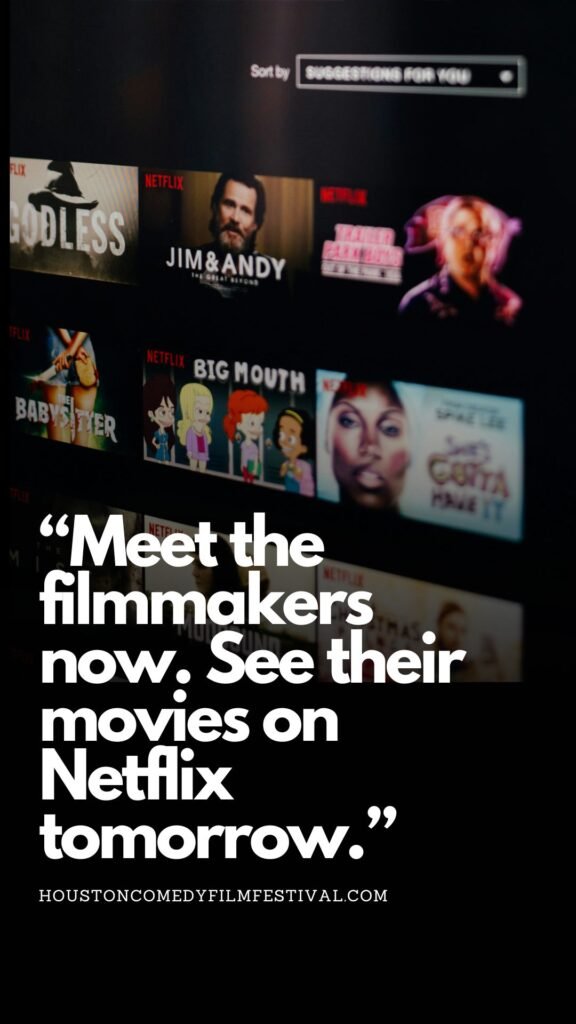
In April 2026, Issa Rae stood on a stage at TheWrap’s Creators x Hollywood Summit and said what most people in the industry will only admit in private. “Hollywood is in an identity crisis right now,” she told the panel. “I’m seeing it. Just blatantly. People are scared and just not necessarily investing the same way that they would have before.”
She went further: “Even executives who are of color are also tiptoeing — like, ‘Well, I can’t co-sign you because I’m going to lose my job.’”
And then the sentence that tells you everything about where things actually stand: “You have to be smarter about how you package and market projects. Like, ‘It’s not a show about a Black woman, it’s a show about class.’ As icky as that might feel, it gets the show sold.”
Read that again. One of the most successful Black creators in the history of television is advising her fellow Black creators to hide the Blackness of their projects in order to get them made. In 2026.
That is not progress with obstacles. That is regression dressed in cautious language.
But Here Is What the Numbers Also Say
The story does not end with the rollback. Because alongside the evidence of retreat, the 2026 UCLA report also contains the evidence of what works — and it is a roadmap, not a eulogy.
Diverse films are outperforming at the box office. BIPOC audiences are showing up in record numbers as the dominant ticket-buying force for the most profitable genres. Horror, action, animation — categories where studios mint money — are being sustained by diverse audiences who will keep showing up if they see themselves on screen.
The audience has not given up on diverse storytelling. Hollywood has given up on its audience.
That gap is an opportunity. For independent filmmakers. For platforms built outside the traditional studio system. For creators who understand that the people studios are choosing to ignore are the same people buying the most tickets.
The question for every filmmaker, creator, and storyteller reading this is not whether Hollywood will eventually correct course — it probably will, when the financial pressure becomes undeniable. The question is whether you are going to wait for them, or build something that makes them irrelevant.
What This Means for the Bolanle Media Community
If you are a filmmaker, director, writer, or creator in this community, the 67.2% number is both a threat and a challenge.
The threat is real: studios are greenlighting fewer stories that center people of color, which means fewer paths to traditional studio careers and fewer opportunities within the conventional Hollywood pipeline. That matters. We should not pretend it does not.
But the challenge is also real: the audience that Hollywood is abandoning is yours. BIPOC moviegoers bought the majority of opening-weekend tickets for 11 of the top 20 global films in 2025. That audience exists. That audience is spending money. That audience is hungry for stories that studios are currently choosing not to make.
The creators who build direct relationships with that audience now — through short films, through digital platforms, through social media storytelling — are not waiting for Hollywood’s permission. They are building the leverage that makes Hollywood come to them.
Issa Rae did it in 2011 with a YouTube series because Hollywood’s door was closed. That door is closing again. But the tools available to creators today make what she built look like the beginning of a much larger story.
The number is 67.2%. Write it down. Let it make you angry. Then let it make you move.
Sources: UCLA Hollywood Diversity Report 2026 Part 1: Theatrical (released March 12, 2026) | UCLA Hollywood Diversity Report 2025 | Variety | No Film School | The Wrap | Deadline | BET | USC Annenberg Inclusion Initiative
Published by Bolanle Media Entertainment Team | bolanlemedia.com
© 2026 Bolanle Media. All rights reserved.
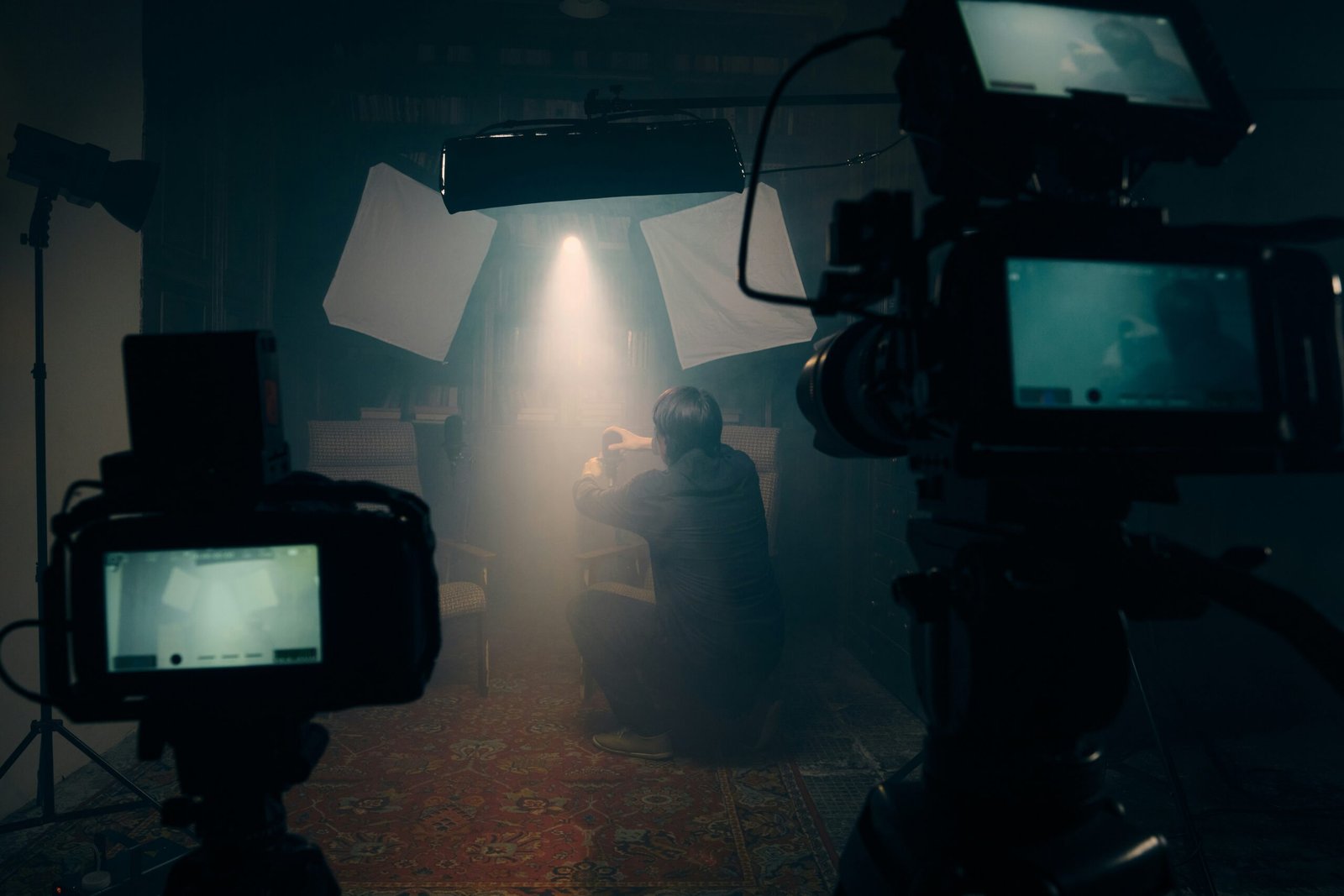
If you are still approaching independent film like it’s 2015, you are going to get crushed. The landscape that once rewarded a scrappy feature and a couple of festival laurels has become a crowded, algorithm‑driven marketplace where attention is the rarest currency. Recent industry analysis on “inflection points” for 2026 all say the same thing: the business model for independent film has changed, whether you like it or not.
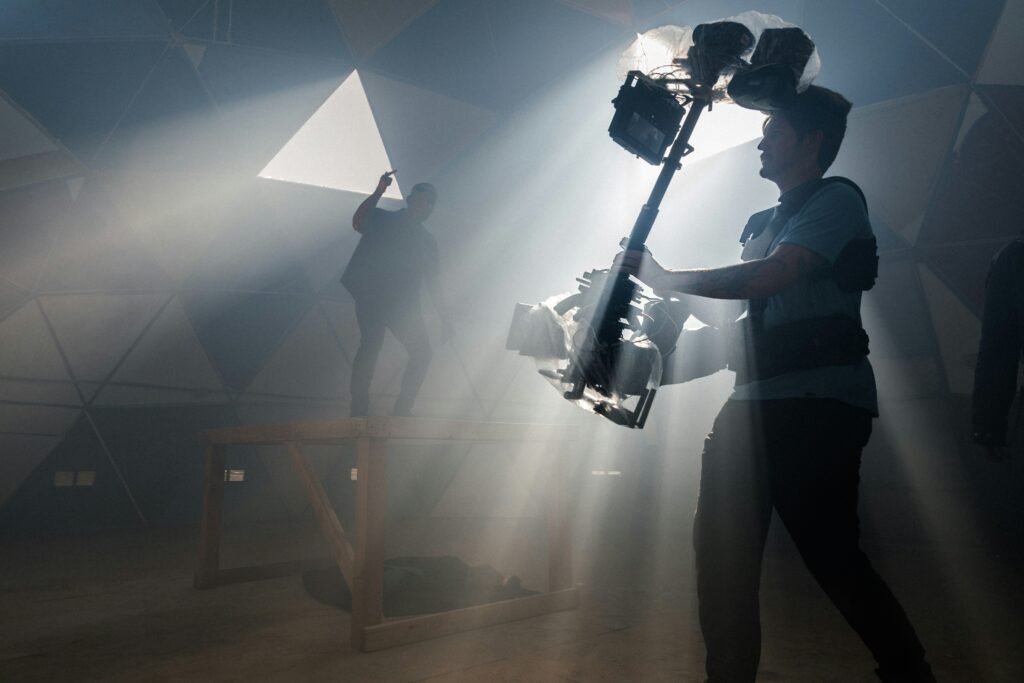
1. You’re Competing With Everything
Your film is no longer just competing with other indie features. It is fighting for attention against TikTok clips, prestige series, and endless back catalog on every streaming platform. That means “pretty good” is invisible. You either have a sharp, specific audience and a clean logline, or you disappear into the scroll.
2. Festivals Are Not a Distribution Plan
A festival premiere and a few Q&As can help with credibility, but they are not a business strategy. Without a parallel plan—email list, community building, partnerships, and a clear path to paid viewers—you come home with a laurel and no deal. Even festival‑aligned organizations now frame their “don’t miss indies” coverage as part of a broader visibility and audience strategy, not a finish line.
3. The Middle Is Collapsing
Industry voices are blunt about it: micro‑budget genre films and clearly branded auteur work still find lanes, but the soft, mid‑budget drama with no hook is almost impossible to monetize. If your film cannot be pitched in one or two sentences to a specific audience, it will struggle regardless of how “good” it is.
4. You Are a Small Business, Not a Starving Artist
The indie filmmakers who will survive 2026 are treating their careers like businesses. Guides focused on creating a “film business turnaround” talk about lifetime value, repeat customers, multiple revenue streams, and audience retention—not just finishing one feature. Your filmography is a product line, not a lottery ticket.
5. SAG Is a Competitive Advantage
SAG actors and union rules are not your enemy; they are a way to level up. SAGindie and SAG‑AFTRA low‑budget agreements exist to help genuine independents hire professional talent and present themselves as serious, compliant productions. Understanding those tools gives you access to stronger cast, better reputations, and more credible pitches.
6. Streaming Is Not a Golden Ticket
Streaming is no longer the dream “one deal solves everything” outcome. The deals are leaner, the competition is brutal, and many filmmakers now make more by going direct‑to‑fan through TVOD, memberships, or niche platforms than by chasing a low‑MG all‑rights license. You need to know why you want a streamer—brand value, audience reach, or pure revenue—and plan accordingly.
7. Format Matters Less Than Relationship
Audiences care more about access than whether your project is a feature, series, or hybrid. If you give them a reason to show up repeatedly, they will follow you across formats. If you do not, a 90‑minute feature is just one more piece of content in an endless feed.elliotgrove.
8. Marketing Starts at Concept
Marketing is not something you “figure out later.” The most effective 2026 indies build their hook at the idea stage—title, poster, and logline are treated as core creative decisions, not afterthoughts. If you cannot imagine the trailer, one‑sheet, and social teaser while you are still outlining, that is a red flag.

9. Community Is Your Real Safety Net
Filmmakers who plug into networks, reading lists, and producer education hubs are adapting the fastest. They are not reinventing the wheel alone; they are leveraging shared knowledge, updated contracts, and peer feedback to make smarter decisions project by project.
10. Accepting Reality Is Your Edge
Here is the real brutal truth: if you can accept all of this, you gain an edge. Most of the field is still clinging to old myths about discovery, “overnight” success, and festival miracles. If you are willing to treat your indie career as a living, evolving business—grounded in current data and audience behavior—2026 might be the moment where “truly independent” stops meaning powerless and starts meaning in control.

Why Some Songs End Up in Movies—While Others Never Do

They Told Him a Black Man Can’t Learn. He Sued Them and Won.


