


World News
Zepotha is huge on TikTok, but it’s no Goncharov on August 18, 2023 at 8:36 pm

The seminal 1987 horror film “Zepotha” is back on TikTok.
Reaction videos to the film’s gory forest scenes dominate user feeds. TikTok users are digging through their parents’ wardrobes to recreate the vintage outfits from the movie. Fanart of the characters and convoluted theories about the movie’s ambiguous ending keep going viral. The tag #Zepotha has nearly 160 million views, and the movie’s theme song — an ethereal, synth-heavy pop beat — is trending.
If you don’t remember Zepotha, you’re not alone. Zepotha never existed.
It’s all part of a clever marketing campaign to promote a new song by the musical artist Emily Jeffri. The 18-year-old singer posted a video about making a fake movie go viral on TikTok by dropping casual mentions of it without any context. She encouraged followers to tell other creators that they “look EXACTLY like the girl from Zepotha” to stir up confusion. Her original video has 7.6 million views. In another video, she recommended bringing up Zepotha “every time a film bro mocks you” to gaslight them into believing that the movie is real.
Zepotha is a massive inside joke on TikTok — if you know, you know.
“Together we will witness new lore develop, main characters will emerge, etc,” Jeffri said in a TikTok posted over the weekend. “We can convince thousands of people that this weirdly titled 80s horror film actually exists.”
The trend is working. Within days, the sound featuring Jeffri’s new song was used in over 12,000 videos. Other users leaned into the joke, claiming that they wrote extensive, smutty fanfiction about the film’s tragic protagonists. Fans posted “trailers” of Zepotha, and spread rumors about a 2024 reboot. They posted fake eBay listings for “rare” Zepotha VHS tapes and mint condition posters. When other users expressed doubt or confusion about the movie, Zepotha truthers insisted that their parents had shown them the movie as children.
“I did NOT watch Zepotha and become traumatized for them to just say we made it up,” a user commented on a TikTok about the movie.
“old person here (30) i definitely saw a glimpse of zepotha at blockbuster back in the 90s,” another said. “so I CAN CONFIRM IT’S REAL.”
Going viral on TikTok was once a perk that fast-tracked artists to making it in the music industry. Now, it’s an expectation. Artists tease previews of their new singles for weeks before actually releasing them, in hopes of manufacturing a trend to accompany their music. Last year, Halsey complained that her label wouldn’t let her release a new song without a “fake” viral moment. Organic virality is possible, but makes TikTok users suspicious. The platform is so saturated with new music that up-and-coming artists are written off as industry plants before they even have the chance to prove otherwise. TikTok users are wary of anyone who claims to have written “the song of the summer” or “the post-breakup song,” especially if the music they wrote conforms to the “TikTok music formula” — pop music made to go viral.
Sharing any kind of art is an act of vulnerability, but especially so for independent musicians on TikTok. Sharing too earnestly is cringe, and sharing too proudly is artificial. One of the few strategies that actually works is for artists to market to niche internet communities, like fan edits of tragic gay anime pairings.
Jeffri’s campaign is particularly clever because it builds a trend that happens to feature her song, instead of forcing her song into a trend. Zepotha is bigger than her song, at this point, and the more it spreads, the more removed it is from Jeffri herself. Zepotha is an inside joke, but few TikTok users know how the joke started. Knowing who Jeffri is doesn’t matter, though; as long as the videos use Jeffri’s song, her campaign is working.
While the strategy works to draw in new listeners, Jeffri’s claim over the trend also limits Zepotha from achieving its potential as a collaborative bit.
Collectively gaslighting the internet into remembering a fake movie isn’t new. Last year, Tumblr “brought back” the 1973 Martin Scorsese drama “Goncharov,” an Italian mafia film that revolved around crime, power and a forbidden love triangle. Like Zepotha, Goncharov never existed. But Tumblr users committed to the bit, and created a detailed Google doc about the film’s characters, their relationships and their backstories. The collaborative effort also included a scene-by-scene breakdown of the movie, which users coordinated through a Goncharov Discord server.
Scorsese himself joined in, and in a text to his daughter posted on TikTok, said, “I made that film years ago.”
While Zepotha is popular, it hasn’t reached the commitment to detail or collaboration that Goncharov did. Tumblr users have criticized Zepotha as a disorganized popularity contest, rather than a collective effort. Multiple creators started Google docs to write Zepotha’s lore together, but failed to agree on a singular story. There is no definitive list of characters featured in the film, and the names that TikTok creators do reference in their Zepotha posts vary in spelling.
“Zepotha will never succeed because tiktok users don’t have the attentions spans to pull off a goncharov,” Tumblr user sbibble said. “Meanwhile we have nothing better to do and decades of fan fiction experience.”
Zepotha’s greatest flaw isn’t the lack of centralized lore — it’s that, unlike Goncharov, a single creator is claiming ownership of the joke. This week, Jeffri announced a short film competition that would award the winner £500. The winning film would also become “canon” in the Zepotha universe.
“as the creator of zepotha i feel it is important that we restore order & organise our lore,” Jeffri said in the video announcing the short film competition. “time for you, the REAL creative geniuses behind all of this, to bring zepotha to life in your own short movies.”
Goncharov worked so well because countless users worked on it together. Fans discussed plot points for hours at a time on Discord before writing them into the shared Google doc, which canonized the lore. Tumblr users wrote detailed analyses of the film’s themes and clock motifs, based on other users’ additions to the Google doc. Goncharov writers went as far as agreeing that scenes in the film had to be compliant with the period-appropriate Hays Code, the industry guidelines that prohibited nudity, profanity and realistic violence. Tumblr users created a definitive story from thousands of ideas.
Zepotha, on the other hand, is an idea with a single origin point that has branched off into countless deviating storylines. Choosing a single winning short film to decide the film’s plot encourages fans to compete with each other, instead of build on each others’ creativity. It isn’t inherently better or worse than how Goncharov creators worked, but does limit Zepotha’s impact on internet culture. Zepotha is so popular because it’s fun to be in on the joke, not necessarily because of the creative potential.
The Goncharov hype lasted for weeks, and although it’s slowed down in the past year, the Discord server is still active. Jeffri posted about Zepotha less than a week ago, but users are already tiring of the trend.
Whether Zepotha lasts doesn’t matter as much for Jeffri. It doesn’t need to be the next Goncharov for her to make an impact. She already managed to make her song viral, and for an independent artist on TikTok, that’s enough of a win.
The seminal 1987 horror film “Zepotha” is back on TikTok. Reaction videos to the film’s gory forest scenes dominate user feeds. TikTok users are digging through their parents’ wardrobes to recreate the vintage outfits from the movie. Fanart of the characters and convoluted theories about the movie’s ambiguous ending keep going viral. The tag #Zepotha


Business
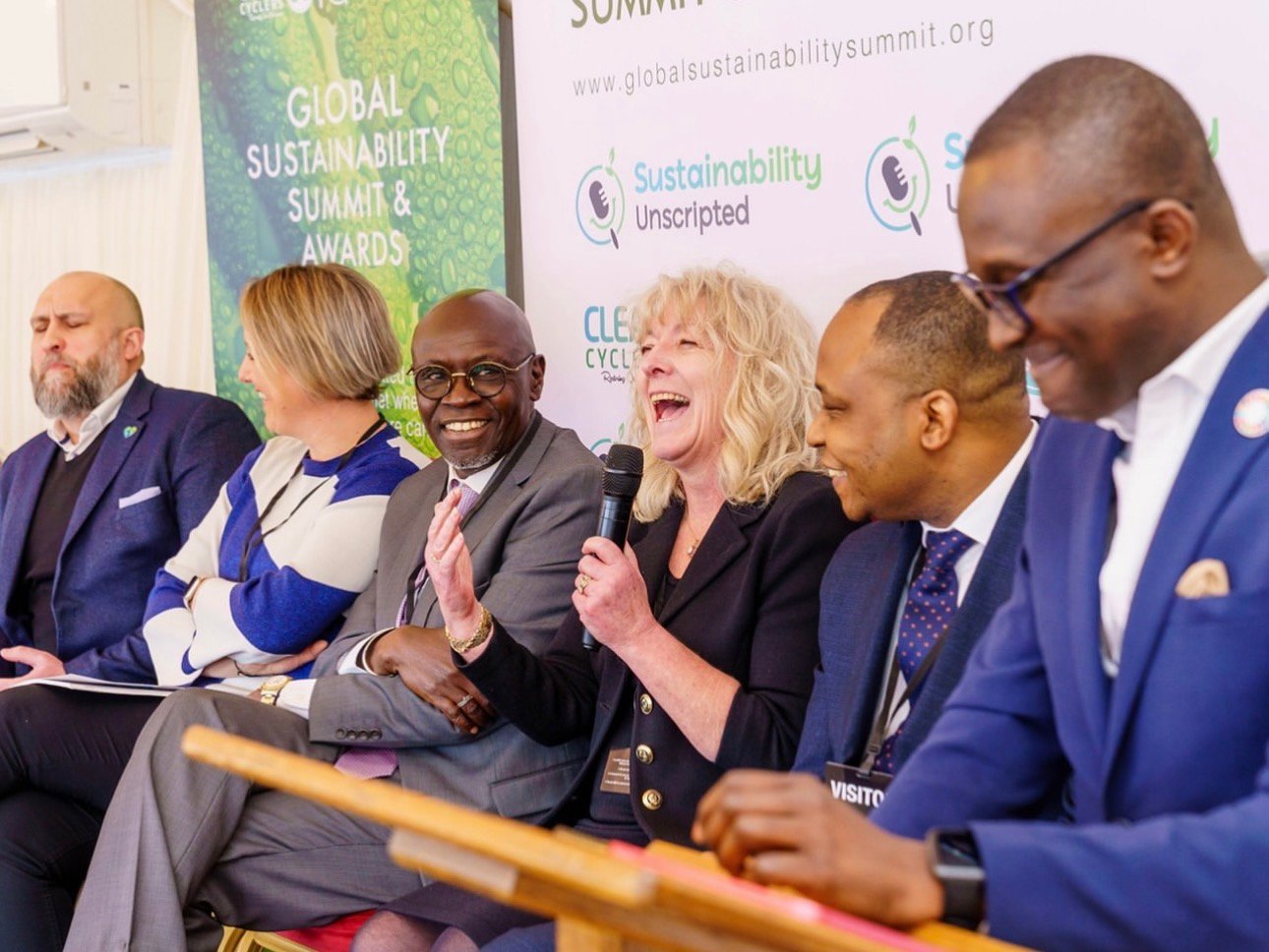
GLOBAL SUSTAINABILITY SUMMIT RETURNS FOR ITS 5TH EDITION AT THE BRITISH PARLIAMENT – HOUSE OF LORDS, PALACE OF WESTMINSTER

FOR IMMEDIATE RELEASE
Theme: “People, Planet, and Profit in the Age of AI and Innovation”
London, United Kingdom — The Global Sustainability Summit (GSS) is officially back for its landmark 5th Edition, continuing its legacy as one of the leading international platforms driving sustainable development, climate action, ethical investment, innovation, and global collaboration.
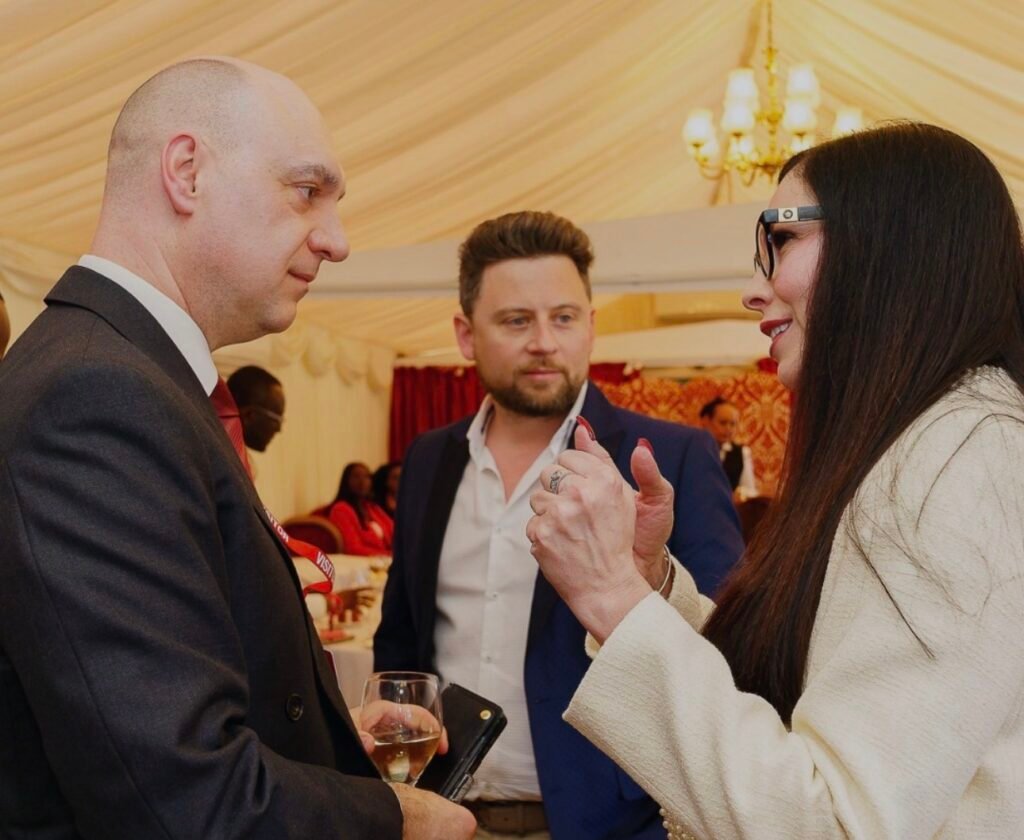
Convened annually at the prestigious British Parliament, House of Lords, Palace of Westminster, by Ambassador Canon Chinenem Otto, the Summit has, over the last four years, successfully fostered international dialogue and partnerships that have contributed to the advancement of global sustainability goals, the establishment of sustainability-focused ministries, departments and policy structures across national and subnational governments, and the attraction of major investors into sustainable development projects, corporations and emerging economies.
This year’s summit, themed “People, Planet, and Profit in the Age of AI and Innovation,” will explore how emerging technologies, responsible leadership, sustainable finance, innovation, and global partnerships can shape a more inclusive, resilient and environmentally conscious future.
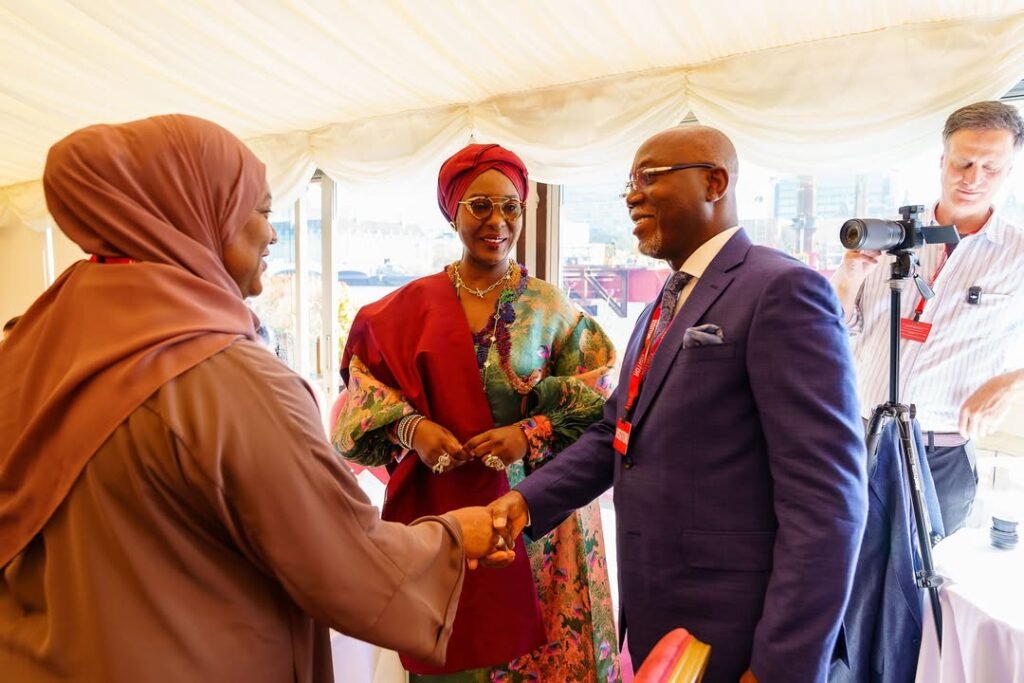
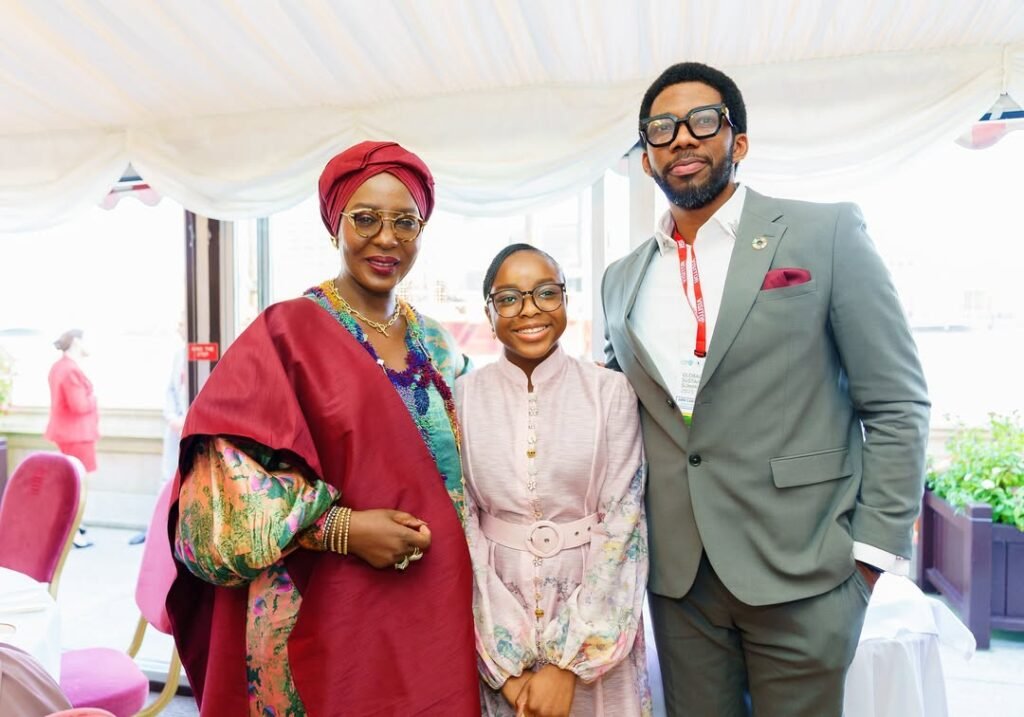
The 5th Edition promises to be the most impactful yet, bringing together world leaders, policymakers, diplomats, investors, academics, innovators, climate experts and youth leaders from across the globe to discuss actionable solutions toward achieving a sustainable and equitable future.
Among the distinguished speakers, delegates and honorees already lined up for the Summit are:
• His Excellency Mallam AbdulRahman AbdulRazaq — Executive Governor of Kwara State, Nigeria and Chairman of the Nigeria Governors’ Forum
• His Excellency Senator Prince Bassey Otu — Executive Governor of Cross River State, Nigeria
• Ambassador Patricia Espinosa Cantellano — Former Executive Secretary of UN Climate Change (UNFCCC) and Former Foreign Minister of Mexico
• Lord Marvin Rees, Baron Rees of Easton OBE — Member of the House of Lords, United Kingdom
• Hon. Neema K. Lugangira — Secretary-General of Women Political Leaders (WPL), Brussels and Former Member of Parliament
• Her Excellency Dr. Netumbo Nandi-Ndaitwah — President of the Republic of Namibia
• His Excellency Nangolo Mbumba — Former President of Namibia
• Former President of Tanzania
• Her Excellency Ambassador Professor Olufolake AbdulRazaq — First Lady of Kwara State, Nigeria and Chairperson of Nigeria Governors’ Spouses Forum
• Your Excellency Dr. Dikko Umar Radda, PhD, CON — Executive Governor of Katsina State and Chairman of the Northwest Governors Forum, Nigeria
• Hon. Sam Shafiishuna Nujoma — Governor of Khomas Region, Namibia
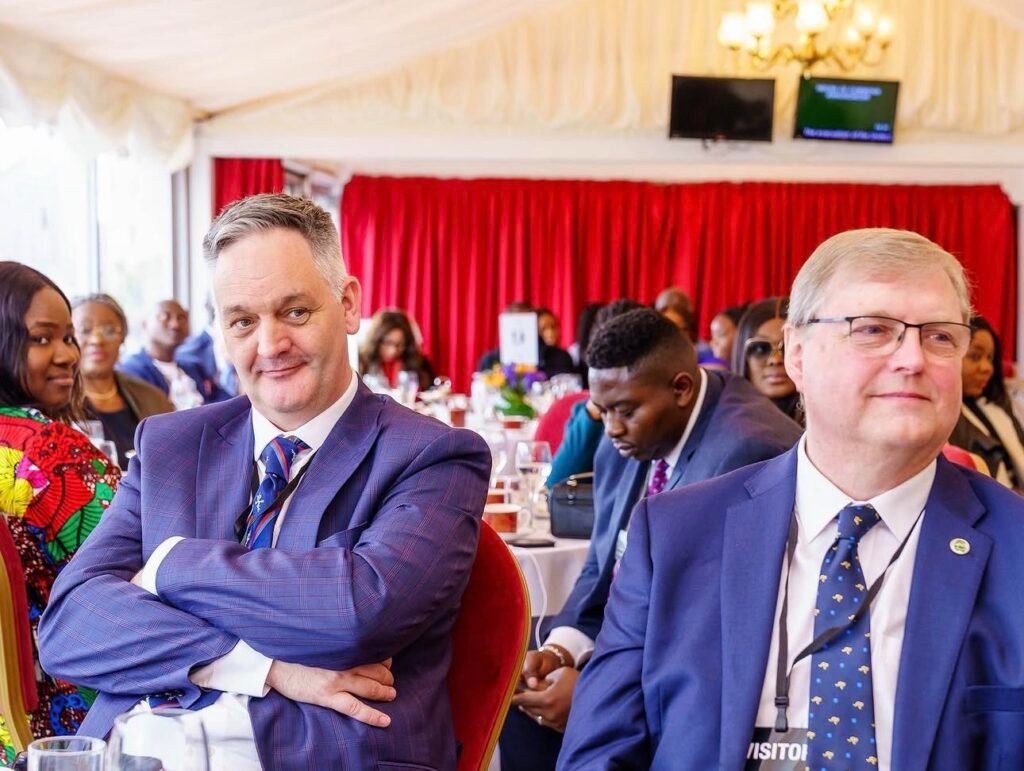
• H.E. Mr. Veiccoh Nghiwete — High Commissioner of the Republic of Namibia to the United Kingdom
• Her Excellency Ms. Macenje “Che Che” Mazoka — High Commissioner of Zambia to the United Kingdom
• Ms. Danielle Newman — Partner Lead, ICT, World Economic Forum
• Leanne Elliott Young — Co-founder, Institute of Digital Fashion & CommuneEast
• Ms. Chloe Russell — Producer & Presenter, Art, Science and Nature
• Professor Marie-Claire Cordonier Segger — University of Cambridge & University of Waterloo
• Dr. Alexandra R. Harrington — IUCN World Commission on Environmental Law (WCEL)
• Professor Payam Akhavan — Massey College, University of Toronto
• Mr. Mallai C. E. Sathya — President, Dravida Vetri Kazhagam and International Movement for Tamil Culture Asia
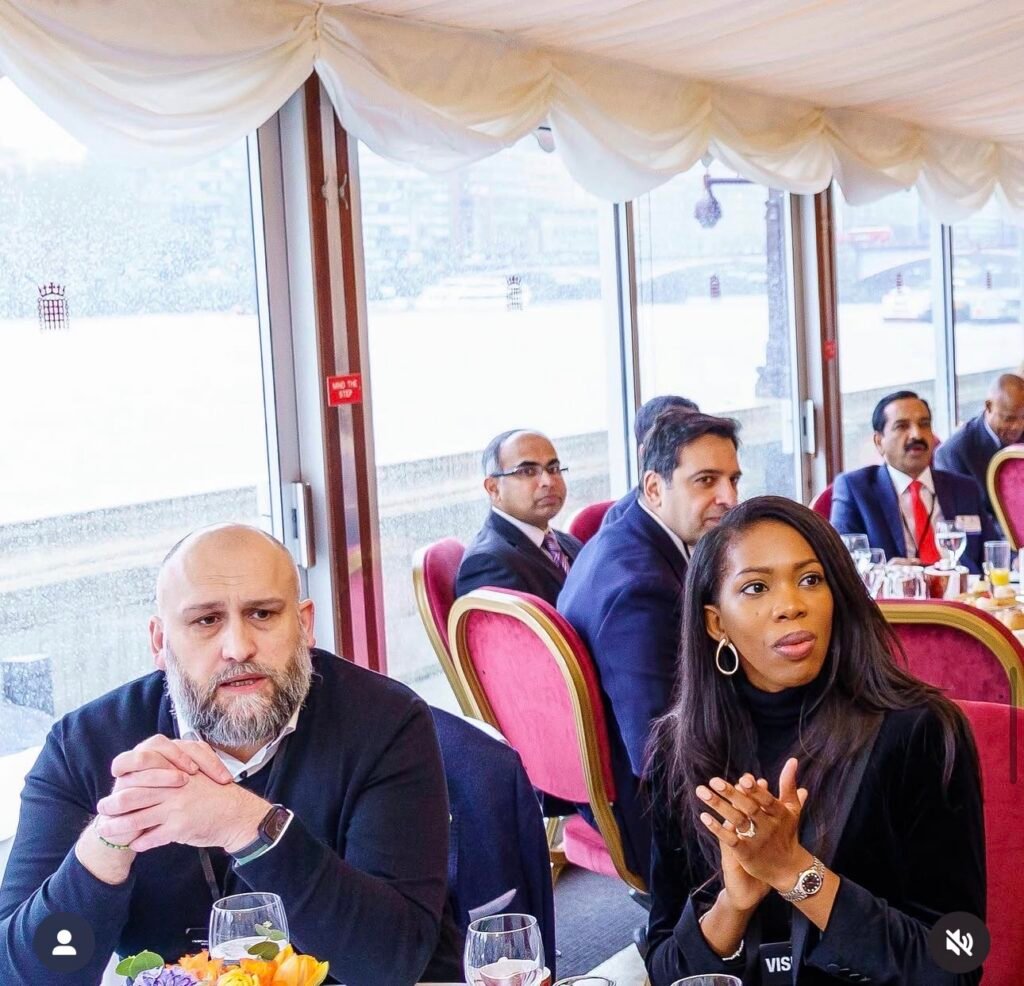
The Summit will feature high-level panel discussions, strategic investment conversations, sustainability awards, policy dialogues, innovation showcases, youth engagement sessions and international networking opportunities focused on climate resilience, ethical financing, food-water-energy sustainability, circular economy, artificial intelligence, diplomacy and sustainable development.
Speaking ahead of the Summit, Convener Ambassador Canon Chinenem Otto noted:
“As the world rapidly evolves through artificial intelligence and technological innovation, we must ensure that sustainability remains people-centered, environmentally responsible and economically inclusive. The Global Sustainability Summit continues to serve as a bridge connecting governments, institutions, innovators and investors to accelerate practical sustainability solutions globally. Our fifth edition is not only a celebration of progress made over the years, but also a renewed call for global collaboration and actionable impact toward achieving the Sustainable Development Goals and Net Zero ambitions.”
The Global Sustainability Summit continues to position itself as a catalyst for transformative partnerships and sustainable global progress, reinforcing the urgent need for collective action toward a more resilient and sustainable future.
More announcements regarding additional speakers, partners and summit activities will be unveiled in the coming weeks.

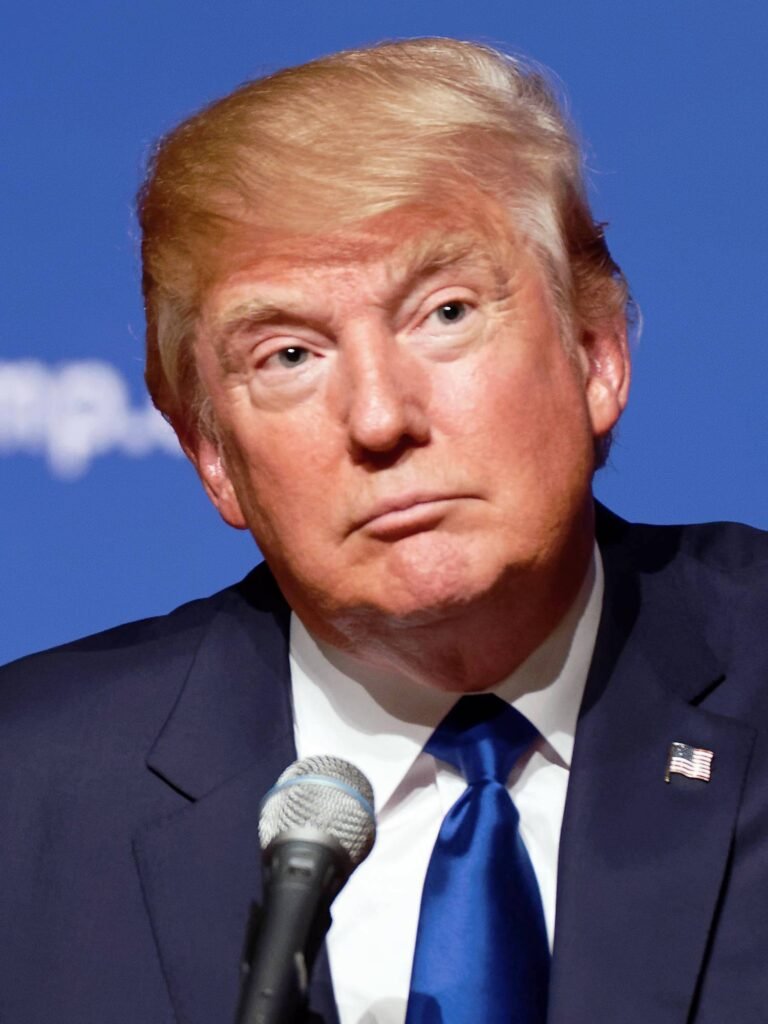
President Donald Trump says the United States might one day get rid of federal income tax because of money the government collects from tariffs on imported goods. Tariffs are extra taxes the U.S. puts on products that come from other countries.
What Trump Is Saying
Trump has said that tariff money could become so large that it might allow the government to cut income taxes “almost completely.” He has also talked about possibly phasing out income tax over the next few years if tariff money keeps going up.
How Taxes Work Now
Right now, the federal government gets much more money from income taxes than from tariffs. Income taxes bring in trillions of dollars each year, while tariffs bring in only a small part of that total. Because of this gap, experts say tariffs would need to grow by many times to replace income tax money.

Questions From Experts
Many economists and tax experts doubt that tariffs alone could pay for the whole federal budget. They warn that very high tariffs could make many imported goods more expensive for shoppers in the United States. This could hit lower- and middle‑income families hardest, because they spend a big share of their money on everyday items.
What Congress Must Do
The president can change some tariffs, but only Congress can change or end the federal income tax. That means any real plan to remove income tax would need new laws passed by both the House of Representatives and the Senate. So far, there is no detailed law or full budget plan on this idea.
What It Means Right Now
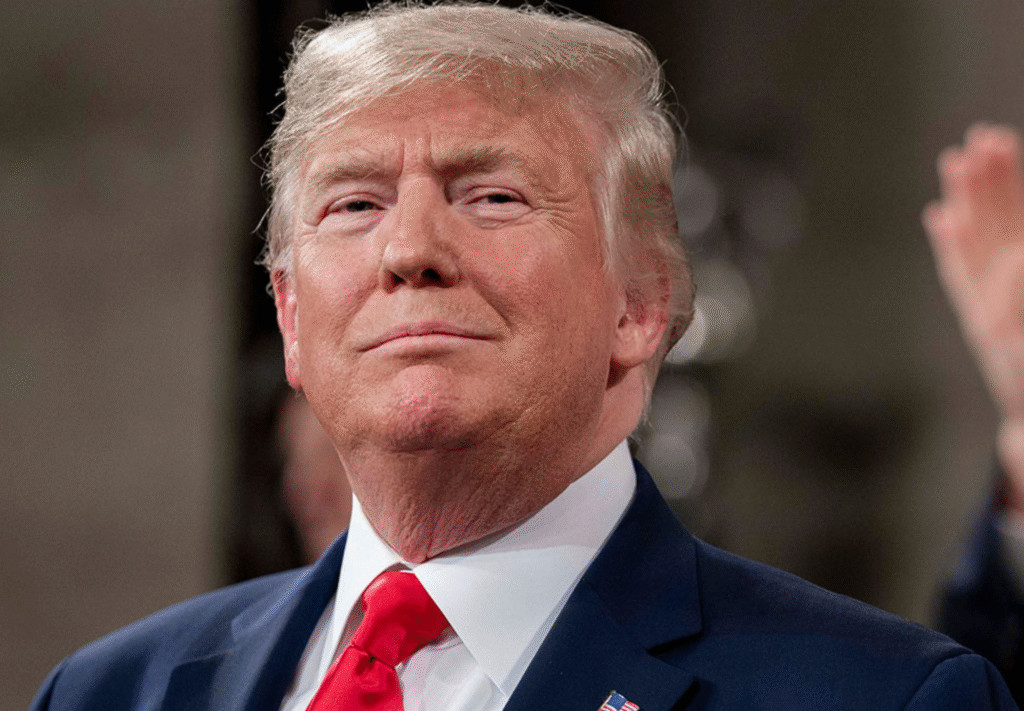
For now, Trump’s comments are a proposal, not a change in the law. People and businesses still have to pay federal income tax under the current rules. The debate over using tariffs instead of income taxes is likely to continue among lawmakers, experts, and voters.
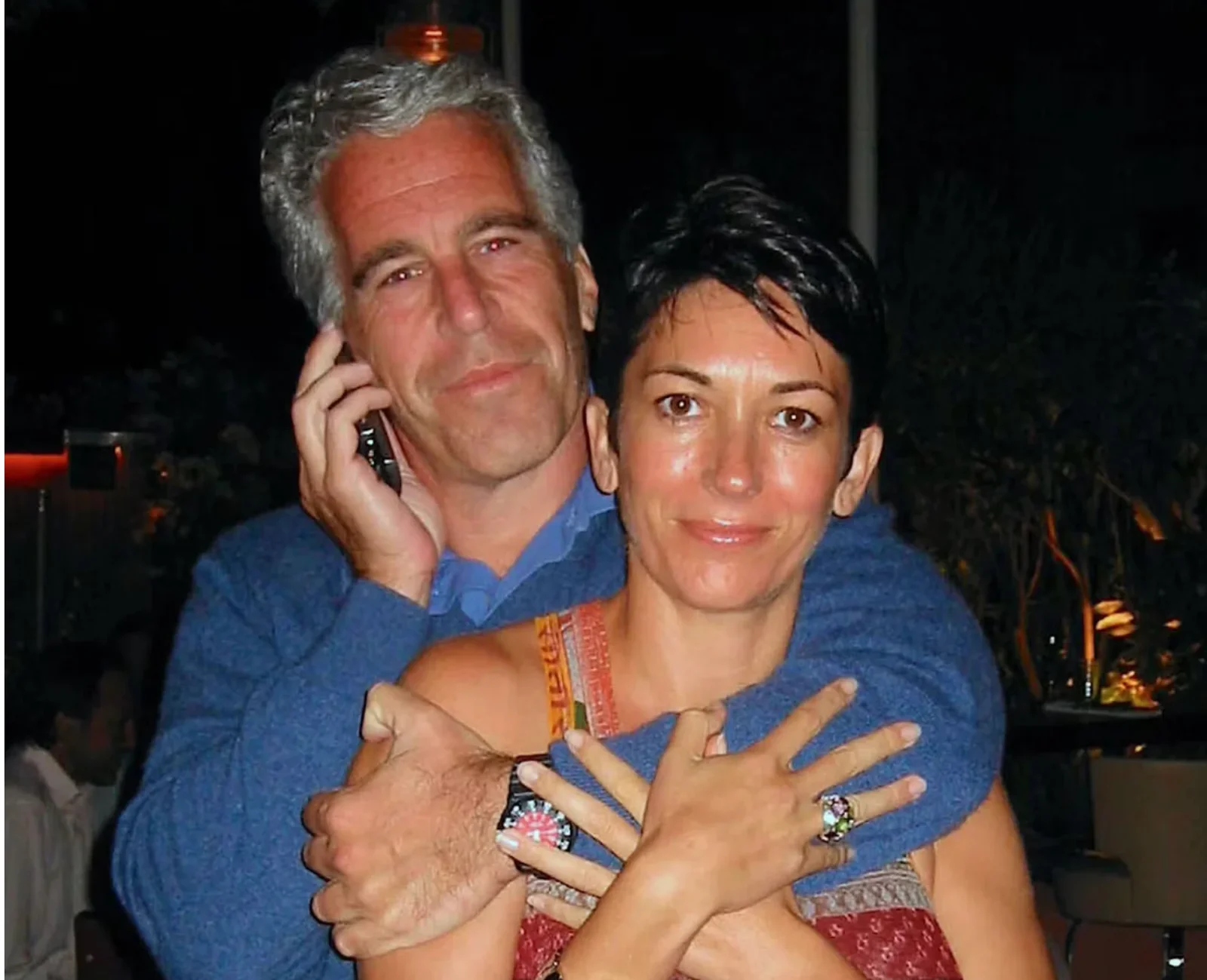
Former President Donald Trump has signed an executive order directing federal agencies to declassify all government files related to Jeffrey Epstein, the disgraced financier whose death in 2019 continues to fuel controversy and speculation.
The order, signed Wednesday at Trump’s Mar-a-Lago estate, instructs the FBI, Department of Justice, and intelligence agencies to release documents detailing Epstein’s network, finances, and alleged connections to high-profile figures. Trump described the move as “a step toward transparency and public trust,” promising that no names would be shielded from scrutiny.
“This information belongs to the American people,” Trump said in a televised statement. “For too long, powerful interests have tried to bury the truth. That ends now.”
U.S. intelligence officials confirmed that preparations for the release are already underway. According to sources familiar with the process, the first batch of documents is expected to be made public within the next 30 days, with additional releases scheduled over several months.

Reactions poured in across the political spectrum. Supporters praised the decision as a bold act of accountability, while critics alleged it was politically motivated, timed to draw attention during a volatile election season. Civil rights advocates, meanwhile, emphasized caution, warning that some records could expose private victims or ongoing legal matters.
The Epstein case, which implicated figures in politics, business, and entertainment, remains one of the most talked-about scandals of the past decade. Epstein’s connections to influential individuals—including politicians, royals, and executives—have long sparked speculation about the extent of his operations and who may have been involved.
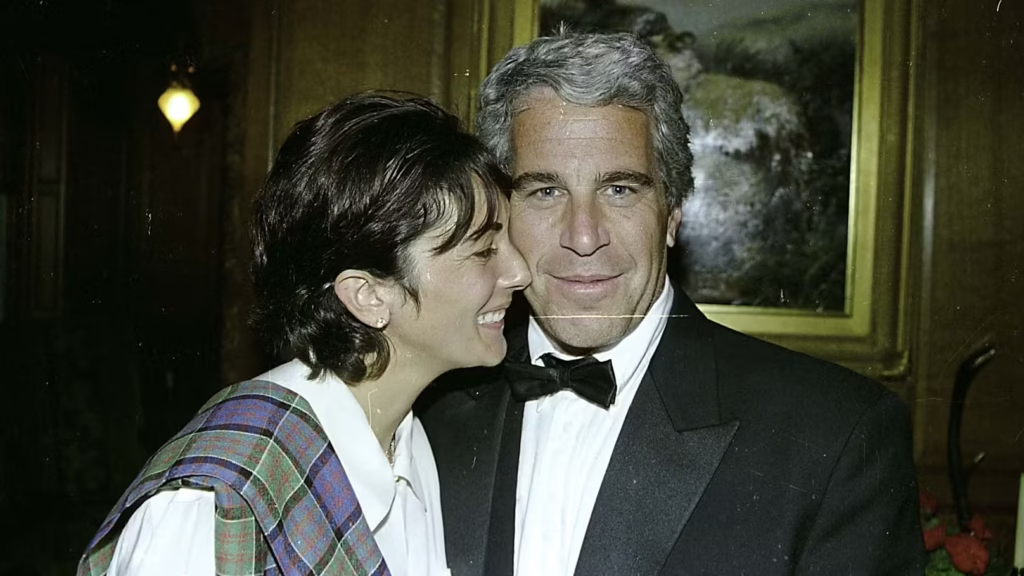
Former federal prosecutor Lauren Fields said the release could mark a turning point in public discourse surrounding government transparency. “Regardless of political stance, this declassification has the potential to reshape how Americans view power and accountability,” Fields noted.
Officials say redactions may still occur to protect sensitive intelligence or personal information, but the intent is a near-complete disclosure. For years, critics of the government’s handling of Epstein’s case have accused agencies of concealing evidence or shielding elites from exposure. Trump’s order promises to change that narrative.
As anticipation builds, journalists, legal analysts, and online commentators are preparing for what could be one of the most consequential information releases in recent history.

Why Some Songs End Up in Movies—While Others Never Do

They Told Him a Black Man Can’t Learn. He Sued Them and Won.


