News
World Cup Bound: The Spirit of South Africa

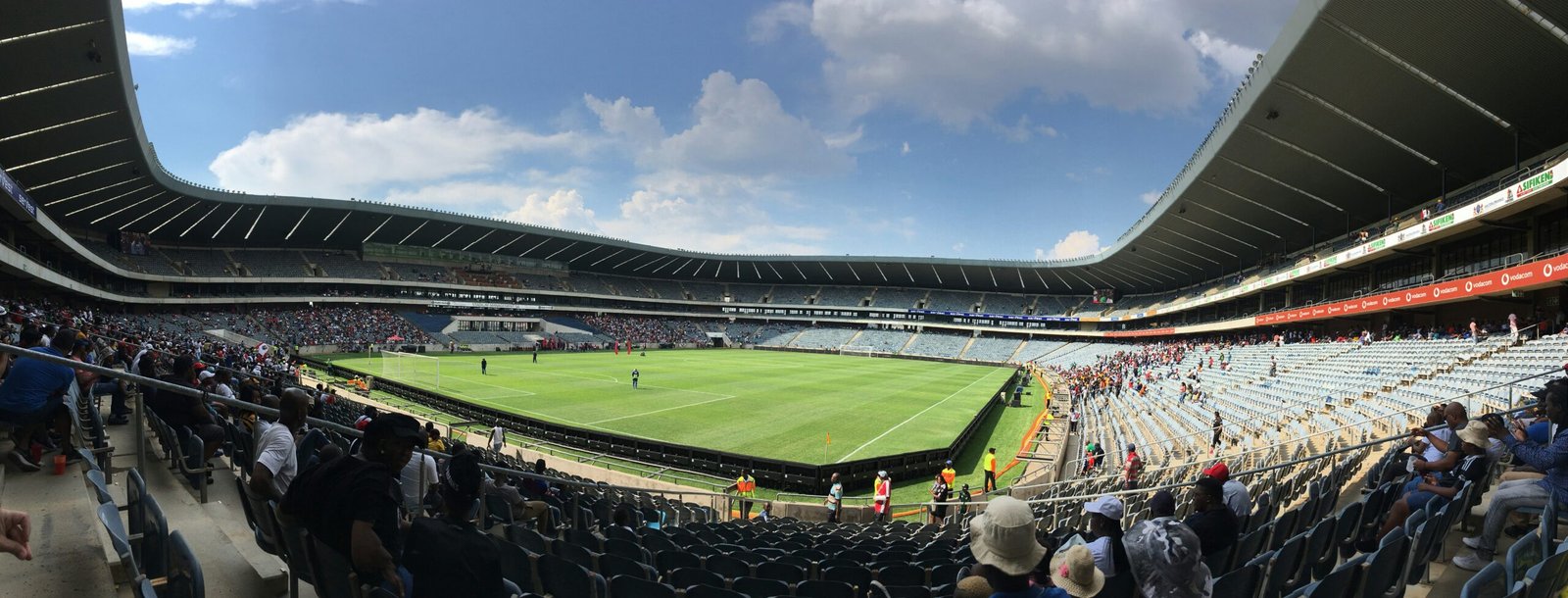
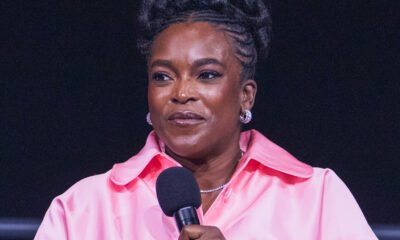
The countdown to the 2026 FIFA World Cup is officially on, and South Africa is ready to reignite the magic that captivated the world in 2010. Under the visionary leadership of Thato Molomo, founder of Molomo Marketing, and Roselyn Omaka from Bolanle Media, the Road to the World Cup project aims to capture the spirit of unity and pride that defined South Africa’s historic hosting of the tournament.

A Journey Through Sports
Molomo and Omaka are embarking on an exciting venture to film a behind-the-scenes documentary chronicling the journey of athletes as they prepare for this global stage. While specific streaming platforms for this captivating series have yet to be announced, it promises to offer viewers an intimate look into the dedication, challenges, and triumphs athletes face both on and off the field.
Expressing his passion for this initiative, Molomo stated, “Unity is at the heart of everything we do as a nation. If we can inspire a sense of togetherness and pride through this project, we are taking meaningful steps towards greatness as a society.” His commitment to rekindling the excitement felt during the 2010 World Cup is palpable.

Empowering Young Talent
In addition to celebrating sports, Molomo’s mission extends to transforming the landscape for young talent in South Africa. His company, Blur Vision, aims to tackle youth unemployment while unlocking potential in aspiring athletes. “There’s nothing more fulfilling than rolling up my sleeves and producing real results,” he noted, emphasizing that seeing impactful projects come to life is what makes his journey worthwhile.
A Unique Collaboration
The collaboration between Molomo Marketing and Bolanle Media brings together fresh perspectives focused on African communities with world-class production capabilities. This synergy not only sets them apart but positions them as future leaders in global sports storytelling. “Together, we’re bringing something unique to the table,” Molomo highlighted, showcasing their shared vision for success.

The Global Stage Awaits
As excitement builds for the 2026 FIFA World Cup—set to be hosted across Canada, Mexico, and the United States—this project stands as a testament to South Africa’s enduring legacy in international sports. For the first time in history, three nations will co-host this prestigious event, featuring 48 teams competing in an unprecedented 104 matches.

As preparations ramp up, both Molomo and Omaka are determined to ensure that their documentary not only entertains but also inspires a new generation of athletes and fans alike. The Road to the World Cup is not just about football; it’s about community, resilience, and celebrating our shared humanity through sport.

Stay tuned as we follow this exciting journey leading up to one of the biggest sporting events in history.

Bolanle Media covers a wide range of topics, including film, technology, and culture. Our team creates easy-to-understand articles and news pieces that keep readers informed about the latest trends and events. If you’re looking for press coverage or want to share your story with a wider audience, we’d love to hear from you! Contact us today to discuss how we can help bring your news to life.








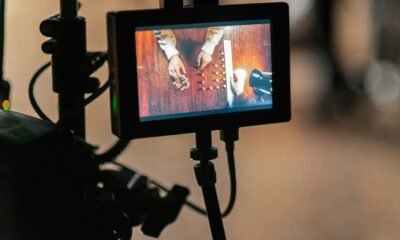

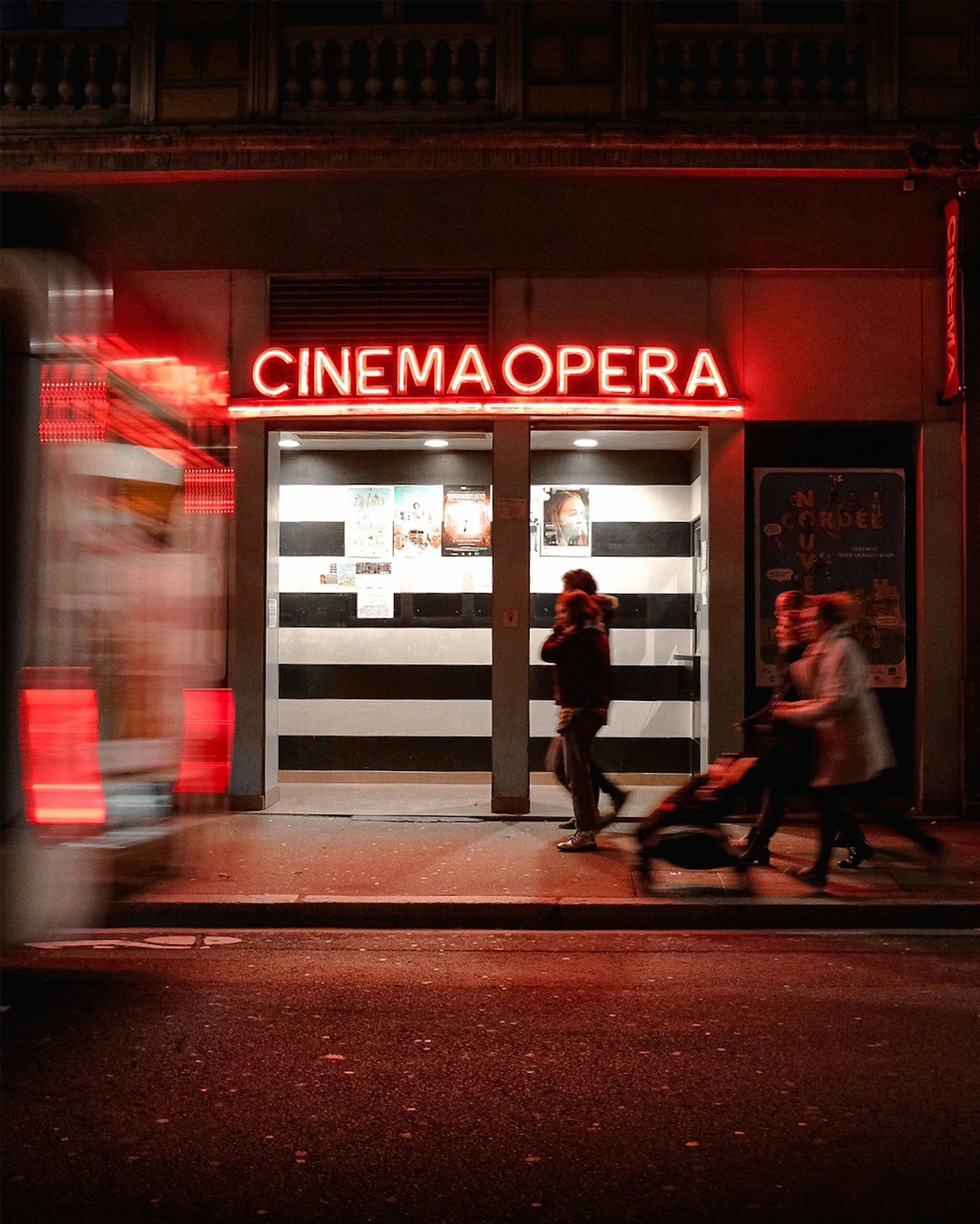
Independent filmmaking has never been more accessible. With affordable cameras, editing software, and distribution platforms, anyone with a story can bring it to life. Yet despite this creative democratization, most indie films never find an audience—or worse, never reach their full potential.
The truth is, indie films rarely fail because of a lack of passion. They fail because of avoidable mistakes in execution, planning, and perspective. If you understand where things typically go wrong, you can dramatically increase your chances of success.
1. Weak Scripts Sink Strong Ideas
A compelling concept is not the same as a compelling script. Many indie filmmakers rush into production with an idea they love, but without fully developing the story. The result? Films that look decent but feel hollow.
A strong script requires:
- Clear structure
- Authentic dialogue
- Character arcs that evolve
Filmmakers like Robert Rodriguez have long emphasized that storytelling outweighs budget. You can shoot on the cheapest camera available, but if your story doesn’t engage, your audience will disconnect quickly.
How to avoid it:
Spend more time writing than shooting. Workshop your script, get feedback, and revise relentlessly.
2. Bad Sound Breaks Immersion
Audiences will forgive grainy visuals—but they won’t tolerate poor audio. This is one of the most common and damaging mistakes in indie filmmaking.
Echo, background noise, and inconsistent levels instantly make a film feel amateur.
How to avoid it:
- Invest in decent microphones before upgrading your camera
- Record room tone
- Monitor audio during filming, not after
3. Trying to Do Too Much with Too Little
Ambition is essential, but overreaching is dangerous. Many indie filmmakers attempt large-scale stories—multiple locations, complex action sequences, big casts—without the resources to execute them properly.
The result is a film that feels incomplete or unfocused.
Compare that to films like Tangerine, which embraced limitations and used them creatively. Its contained story and raw style became strengths rather than weaknesses.
How to avoid it:
Write for what you have access to. Limit locations, control your environment, and build your story around realistic constraints.
4. Poor Direction of Actors
Even with a solid script, weak performances can undermine everything. Directing actors is a skill many indie filmmakers underestimate.
Giving vague directions like “be more emotional” rarely works. Actors need context, motivation, and trust.
How to avoid it:
- Communicate intentions, not just outcomes
- Create a collaborative environment
- Rehearse before shooting
Strong performances elevate a film; weak ones expose its flaws.
5. Ignoring the Editing Process
Many filmmakers treat editing as a final step rather than a critical phase of storytelling. In reality, editing is where the film truly takes shape.
Pacing issues, inconsistent tone, and unnecessary scenes often go unchecked.
How to avoid it:
- Be willing to cut scenes you love
- Focus on rhythm and flow
- Get fresh eyes on rough cuts
A well-edited film can transform average footage into something compelling.
6. No Clear Distribution Plan
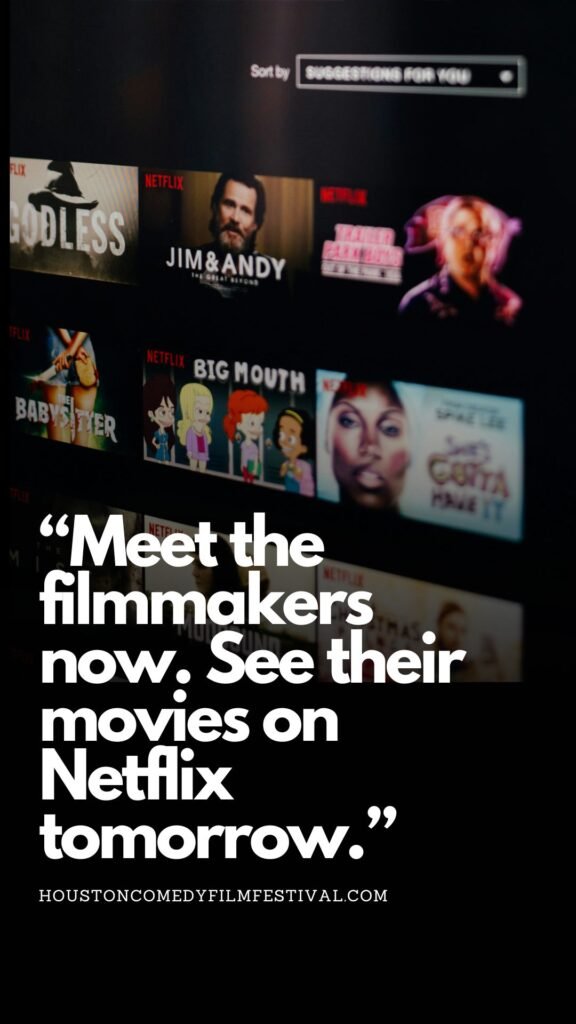
Finishing a film is only half the battle. Without a strategy for distribution, even great indie films go unseen.
Some filmmakers focus solely on major festivals like Sundance, ignoring smaller festivals or alternative platforms that might be a better fit.
How to avoid it:
- Research festivals that align with your film
- Consider digital platforms and niche audiences
- Build a marketing plan early
Distribution should be part of your strategy from the beginning—not an afterthought.
7. Mistaking Passion for Preparation
Passion drives indie filmmaking—but it doesn’t replace planning. Many projects fall apart due to poor scheduling, unclear roles, or lack of contingency plans.
How to avoid it:
- Create a realistic production schedule
- Define roles clearly, even on small teams
- Prepare for setbacks
Professionalism isn’t about budget—it’s about discipline.
Final Thoughts
Indie filmmaking is challenging, unpredictable, and often exhausting. But failure isn’t inevitable—it’s usually the result of specific, avoidable missteps.
If you focus on strong storytelling, prioritize sound and performance, and approach your project with both creativity and strategy, you can separate your work from the countless films that never quite land.
The goal isn’t perfection. It’s intentional execution.
Because in independent film, success doesn’t come from having more resources—it comes from using what you have, wisely.

Something shifted in the last 12 months that Hollywood is still struggling to explain. The blockbusters kept coming—sequels, prequels, shared universes, reboots—and the audiences kept showing up a little less excited each time. The numbers don’t lie: in 2025, there were 112 wide-released films, yet the domestic box office still lagged more than 20% below 2019 pre-pandemic levels. Studios spent more, marketed harder, and kept betting on familiar IP. And still, something wasn’t landing.
Meanwhile, something else was quietly winning.
The audience already knew before Hollywood did
A YouGov study released in early 2026 made it plain: only 29% of Americans want to see more superhero and franchise films, while 40% want fewer. The most-requested genre? Comedy—with 57% of respondents calling for more of it. People aren’t done with movies. They’re done with being processed through a content pipeline designed for IP portfolios, not human beings.
The data backs that up at the box office too. Ryan Coogler’s Sinners—an original film, no existing IP, no cinematic universe setup—opened No. 1 and became the highest-grossing original movie since 2019. A24 has built an entire empire off originals, with 18 Oscar wins in a single year. The pattern is consistent: when audiences actually feel something, they show up and they tell everybody.
Independent film is filling the emotional void
The indie world already knew this. Independent films that crack the code share a simple formula: 90%+ audience satisfaction scores, festival validation, and word-of-mouth that money can’t buy. Films like Hamnet, The Secret Agent, and Eternity all hit those thresholds and turned limited-screen runs into cultural moments that rivaled blockbuster marketing campaigns.
As one industry analyst put it, “The landscape has changed; audiences are more discerning now. Word of mouth carries more weight than ever.” You can’t manufacture that in a writers’ room built around a franchise bible. It has to be felt.
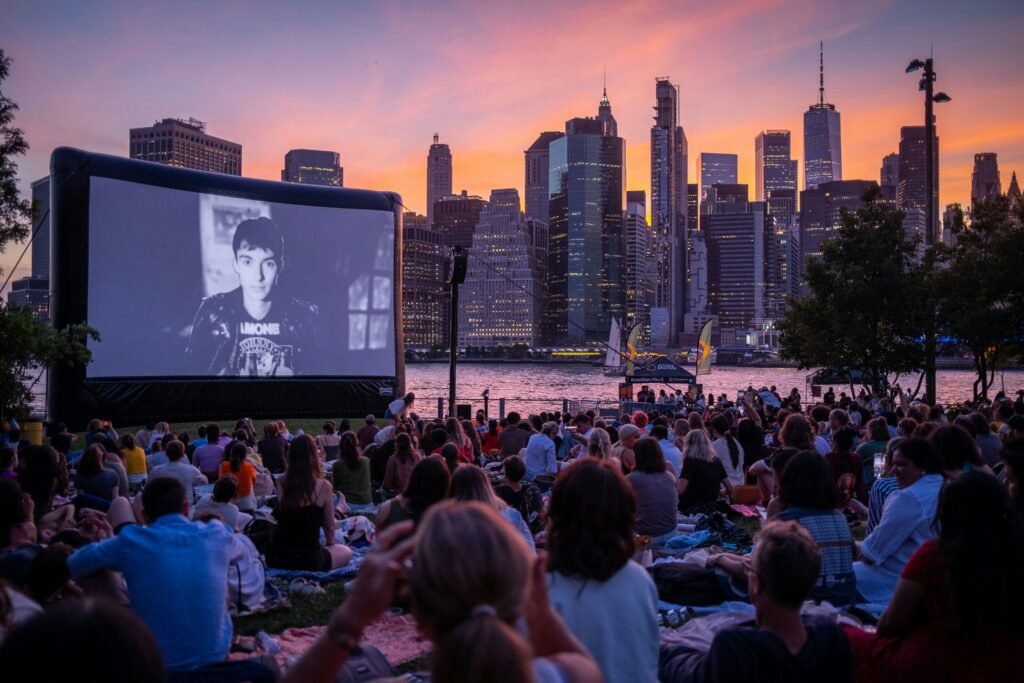
Film festivals are now the most important discovery engine left. As streaming platforms pull back from their buying frenzies and studios keep recycling familiar characters, festivals have become the place where real taste is made—where a film earns its audience one real human reaction at a time.
Comedy specifically is having a cultural reset
This isn’t a general indie moment—comedy is leading it. After years of the industry treating comedy as a lesser genre, audiences are reclaiming it as essential. Sundance 2026 leaned hard into pitch-black satire, romantic comedies, and showbiz send-ups that generated the most buzz of the festival. People are exhausted, anxious, and overloaded—and laughter that means something is exactly what they are looking for.
The comedy films that are breaking through aren’t the safe, focus-grouped studio comedies. They’re the ones with a point of view, a real voice, and something uncomfortable to say. They’re the indie ones. They’re the festival ones.
What this means for independent filmmakers right now
Three top indie producers at Sundance 2026 said what needed to be said: independent film doesn’t just need to survive the current landscape, it needs to own it. The tools have never been more accessible. The audience hunger has never been more real. And the gatekeeping structures that kept indie films in the margins are visibly cracking.
The filmmaker who wins in this moment isn’t the one who pitches the safest version of a familiar story. It’s the one who trusts that real, specific, human storytelling is the only kind that spreads in a world drowning in content.
The franchise may not be dead. But the audience’s emotional loyalty to it? That’s already gone. And the filmmakers who understand that first are the ones who get to be next.
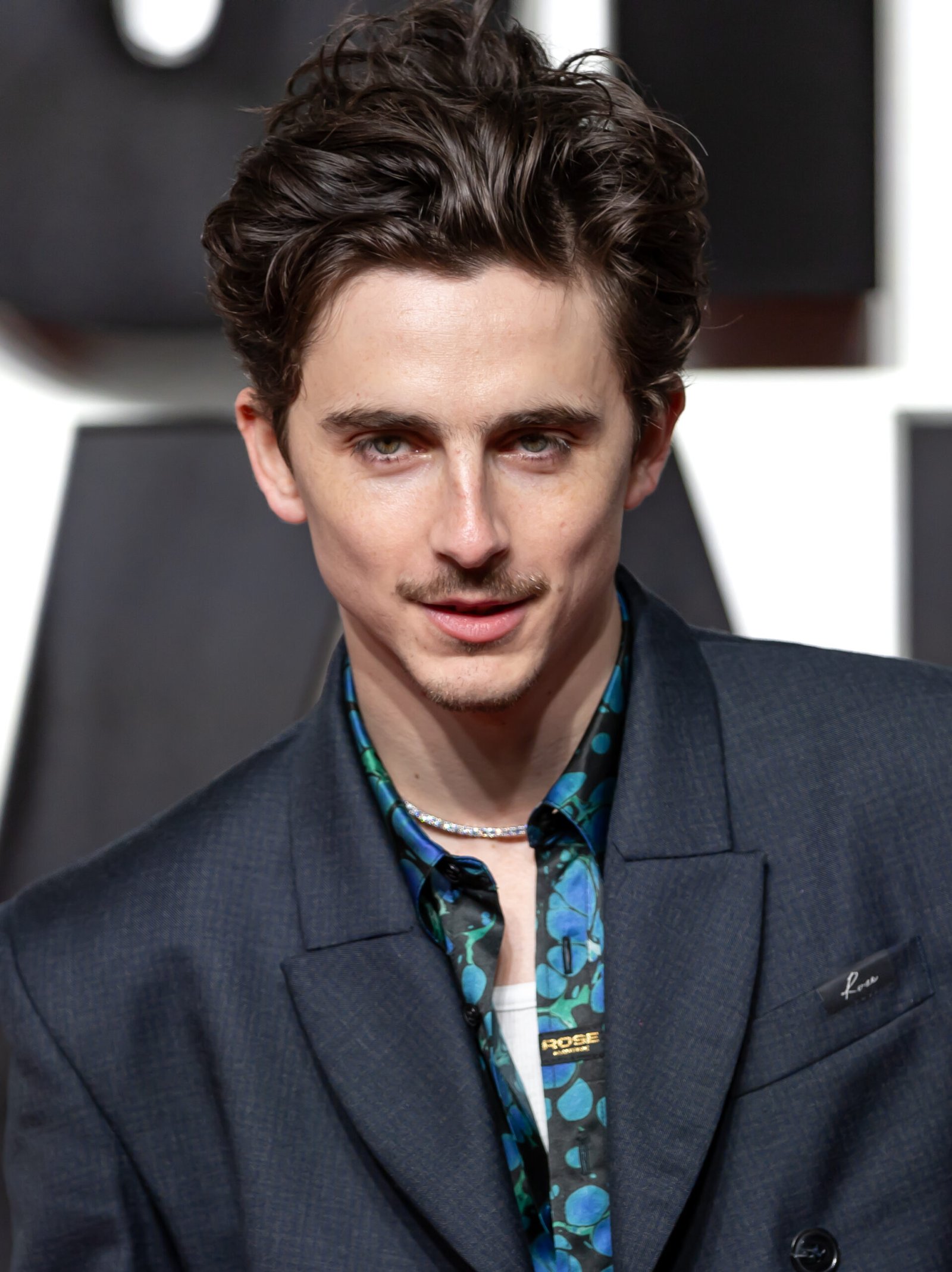
For years, Timothée Chalamet was the soft‑spoken indie prince of his generation—the guy who quoted literature, slipped into French, and seemed more interested in cinema history than Hollywood clout. Now, clip by clip and quote by quote, that image is eroding. He hasn’t done anything unforgivable, but he has created a near‑perfect playbook for how to quietly sabotage your own persona in public.
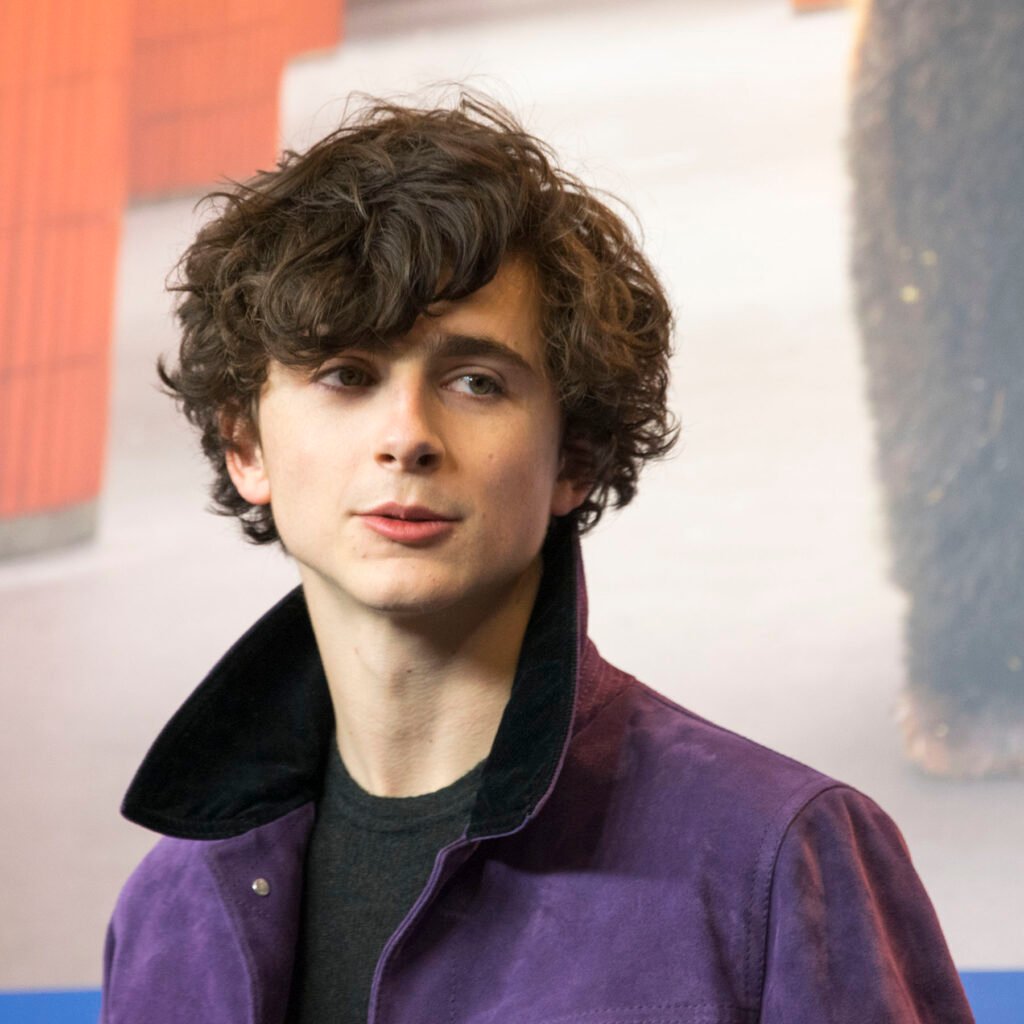
Step 1: Turn Ambition Into a Brand
At the 2025 SAG Awards, after winning for A Complete Unknown, Timothée didn’t just thank his colleagues. He looked out at the room and said:
“The truth is, I’m really in pursuit of greatness. I know people don’t usually talk like that, but I want to be one of the greats.”
He doubled down:
“I’m as inspired by Daniel Day‑Lewis and Marlon Brando and Viola Davis as I am by Michael Jordan and Michael Phelps, and I want to be up there.”
Some viewers loved the honesty in a business that pretends awards don’t matter. Others heard a 20‑something actor announcing himself as the heir to a pantheon he hasn’t actually joined yet. When you start making “pursuit of greatness” your spoken identity, people stop hearing gratitude and start hearing self‑mythology.
Step 2: Undercut Your Own Origin Story
Timothée’s brand was built on the idea that he chose indies out of pure artistic conviction. Then older interviews resurfaced where he described being repeatedly rejected from YA franchises because of his body type, saying he “kept getting the same feedback” and that his agent finally said they’d stop submitting him for those “bigger projects” because he “wasn’t putting on weight.”
He framed his shift into smaller films as going through a “more humble door” after the blockbuster door wouldn’t open—one that “ended up being explosive” for him. It’s honest, but it quietly rewrites the mythology from “I rejected the mainstream” to “the mainstream rejected me first.” When your appeal rests on a romanticized path, that kind of reframing lands harder than you think.
Step 3: Let Tiny Stories Do Big Damage
“Yeah… I’m Timothée Chalamet. I’m gonna eat whatever the [expletive] I want.”
On its own, it’s a throwaway anecdote. But stacked next to the “pursuit of greatness” speech and his growing self‑seriousness, it played like a mask‑off moment: the indie boy wonder who now knows exactly how big he is—and is comfortable acting like it. Online, people seized on that one sentence as shorthand for entitlement.
Step 4: Rebrand in Fast‑Forward
Enter Sarah Paulson’s cookie story. On a podcast, she recalled Timothée coming up to her at Sunset Tower, reminding her they went to high school, then casually eating cookies off her plate. When she confronted him—“Are you just gonna eat the cookie?”—she says he answered:
The Marty Supreme press tour marked a visible pivot. The clothes got louder, the interviews more chaotic, the bits more transparently engineered for virality. In one widely shared clip, he hyped up his own recent run by saying:
“This is probably my best performance, and it’s been like seven, eight years that I feel like I’ve been handing in really, really committed, top‑of‑the‑line performances. And it’s important to say it out loud… I don’t want people to take [it] for granted.”
Later, he defended calling his work “really some top‑level s—,” insisting he’s “leaving it on the field.” Confidence is one thing; repeatedly telling the public your performances are “top‑of‑the‑line” and “top‑level” is another. It’s the difference between being crowned and trying to crown yourself.
Step 5: Step on a Landmine About Life Choices
In his Vogue‑era coverage, Timothée also waded into the kids/no‑kids debate. He recalled watching an interview where someone bragged about not having children and how much time it freed up, then said he and a friend turned to each other like:
He added that he believes “procreation is the reason we’re here,” while briefly conceding that some people can’t have children. Even if you assume good intent, reducing child‑free life to “bleak” and implying reproduction is the core purpose of existence landed as tone‑deaf with a young, online fan base that doesn’t all aspire to traditional family structures. It sounded less like thoughtful reflection and more like a guy confidently pronouncing the One Correct Life Path.
Step 6: Insult the Arts That Built You
All of this tension exploded with one now‑infamous comparison. In a conversation with Matthew McConaughey about moviegoing and keeping theaters alive, Timothée contrasted film with more “niche” art forms and said:
“I don’t want to be working in ballet or opera or, you know, things where it’s like, ‘Hey, keep this thing alive,’ even though like no one cares about this anymore.”
He tacked on a quick hedge—
“All respect to the ballet and opera people out there… I just lost 14 cents in viewership.”
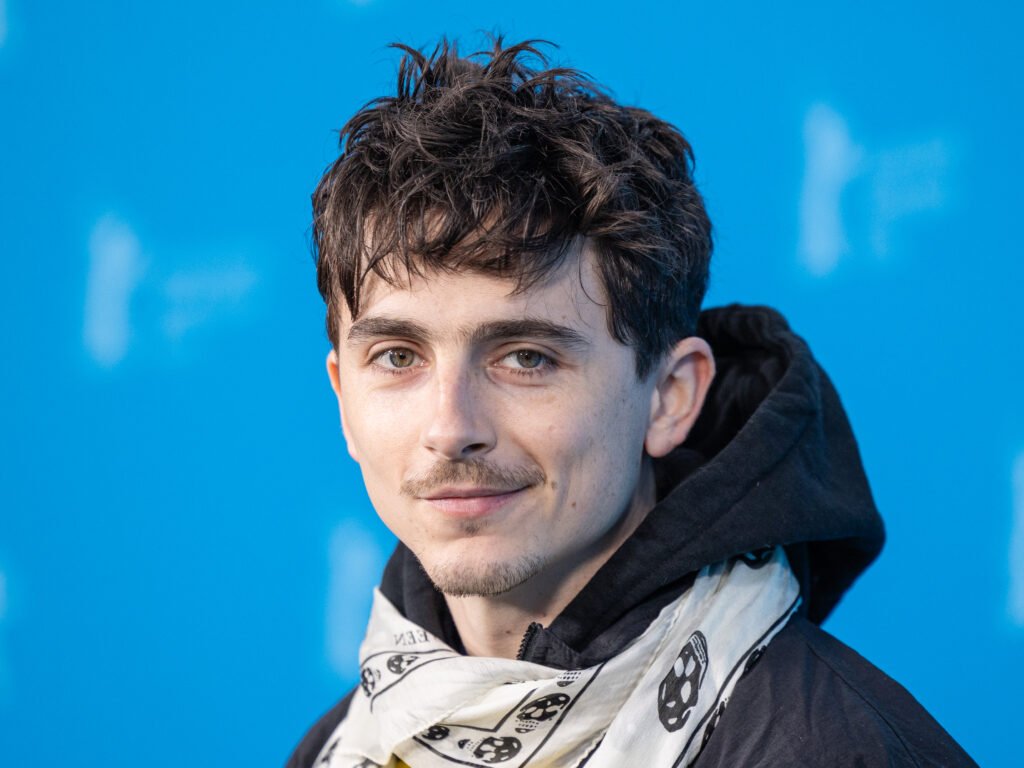
—but the message was clear. Opera houses, ballet companies, and artists fired back, pointing out that their shows still attract thousands, that performers train for decades, and that these supposedly irrelevant forms helped shape the very cinematic tradition he benefits from. For people already side‑eyeing his ego, it felt like the final straw: a self‑styled serious artist casually dismissing whole disciplines as culturally dead.
None of this, individually, is career‑ending. But stacked together, it tells a consistent story: a former indie darling so determined to lock in his status as a capital‑S Star that he keeps saying the quiet part out loud—about his greatness, his work, other people’s choices, and which arts “still matter.”

Why Most Indie Films Fail (And How to Avoid It)

The Franchise Is Over. Here’s Who’s Winning Now.

What Kanye’s ‘Father’ Says About Power, Faith, and Control


 Advice4 weeks ago
How to Find Your Voice as a Filmmaker
- News4 weeks ago
How Misinformation Overload Breaks Creative Focus
- News2 weeks ago
The Timothée Chalamet Guide to Ruining Your Image
- Entertainment3 weeks ago
This scene almost broke him. And changed his career.
- Entertainment3 weeks ago
7 Filmmaking Lessons From Michael B. Jordan’s Oscar Moment
- Advice3 weeks ago
Stop Waiting for Permission — The Film Industry Just Rewrote the Rules
- Entertainment2 weeks ago
The machine isn’t coming. It’s aleady the room.
- News3 weeks ago
How ‘Sinners’ Won The Oscars: Filmmaker Notes