


Tech
Why 95% of AI Projects Fail: The Grim Reality Behind the Hype

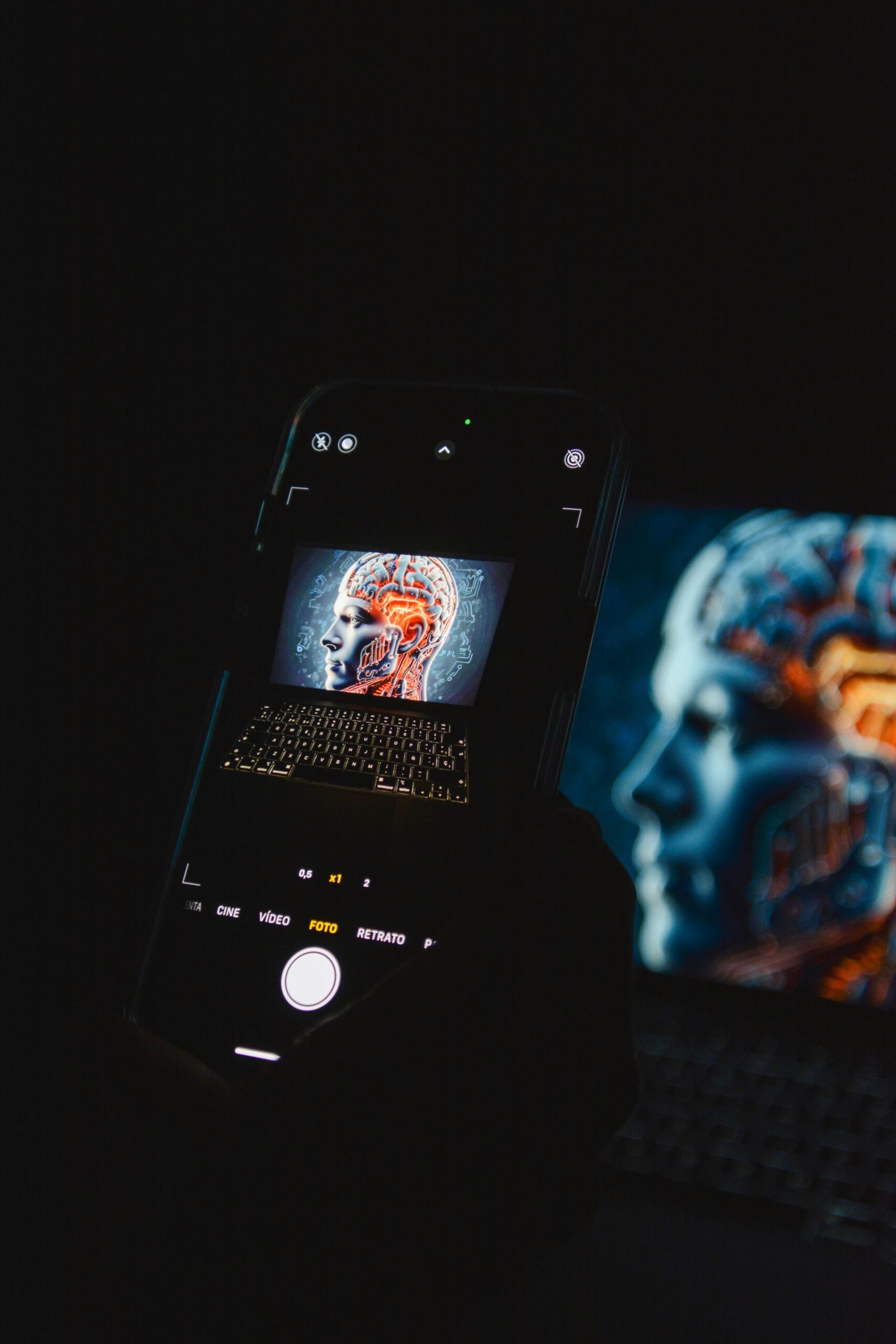
In recent months, a startling statistic has rippled through the tech industry and business world alike: a new MIT study reveals that 95% of enterprise AI projects fail to deliver measurable financial returns. This finding has unsettled investors, executives, and AI enthusiasts, casting a shadow of doubt on the celebrated promise of artificial intelligence as a game-changer for business growth and innovation.
The Study Behind the Headline
Titled The GenAI Divide: State of AI in Business 2025, the MIT report analyzed over 300 AI initiatives, interviewed 150 leaders, and surveyed 350 employees involved in AI projects across industries. Despite enterprises investing between $30 to $40 billion into generative AI technologies, only about 5% of these AI pilots have succeeded in accelerating revenue or delivering clear profit improvements within six months of implementation.
However, this bleak 95% failure figure hides important nuances. The study defines “success” narrowly as achieving quantifiable ROI in this short timeframe, excluding other significant benefits AI might bring, such as improved efficiency, customer engagement, or cost savings. Still, the core issue remains: why are so many AI projects falling short of their financial potential?

Execution, Not Technology, Is the Root Problem
The study—and corroborating expert analysis—highlights that AI tools themselves are not to blame. Modern AI models, including advanced generative AI, are powerful and capable. The challenge lies in how organizations integrate AI into real-world workflows and translate its potential into business value.
Common pitfalls include:
- Lack of integration: AI tools often fail to adapt to the specific context of business processes, making them brittle and misaligned with day-to-day operations.
- Skill gaps: Employees struggle to use AI effectively, resulting in slow adoption or misuse.
- Overly ambitious internal builds: Many companies attempt to develop their own AI solutions, often producing inferior tools compared to third-party vendors, leading to higher failure rates.
- “Verification tax”: AI outputs frequently require human scrutiny due to errors, eroding expected productivity boosts.
Experts stress that companies that partner with specialized AI vendors and empower frontline managers, rather than relying solely on centralized AI labs, tend to be more successful in AI integration.
The Broader Landscape: Bubble Fears and Reality Checks
Amid these revelations, industry giants like Meta have frozen AI hiring after aggressive talent hunts, signaling caution in overinvested companies. OpenAI’s CEO Sam Altman has acknowledged the possibility of an AI market bubble fueled by excessive hype among investors, raising concerns of an imminent correction.
However, some companies demonstrate that AI-driven transformations are possible. For example, IgniteTech replaced 80% of its developers with AI two years ago and now boasts 75% profit margins, exemplifying how strategic adoption paired with organizational willingness can yield remarkable success.

What the 5% Are Doing Right
The minority of AI projects that do succeed share common traits:
- They focus on solving one specific pain point exceptionally well.
- They buy and integrate proven AI tools rather than building from scratch.
- They embed AI into workflows, allowing continuous learning and adaptation.
- They manage expectations and workforce changes thoughtfully.
Looking Ahead
The MIT study serves as a wake-up call that despite the AI revolution’s immense promise, AI is not a magic bullet. The real hurdle lies in execution—aligning technology with business strategy, training people, and redesigning processes.
As AI continues to evolve, organizations that ground their AI adoption in practical integration and realistic expectations will be the ones who break free from the 95% failure trap—and finally begin to harvest AI’s transformative benefits.













Bolanle Tech Newsroom Report
Instagram Is Quietly Changing What “Private” Means in Your DMs

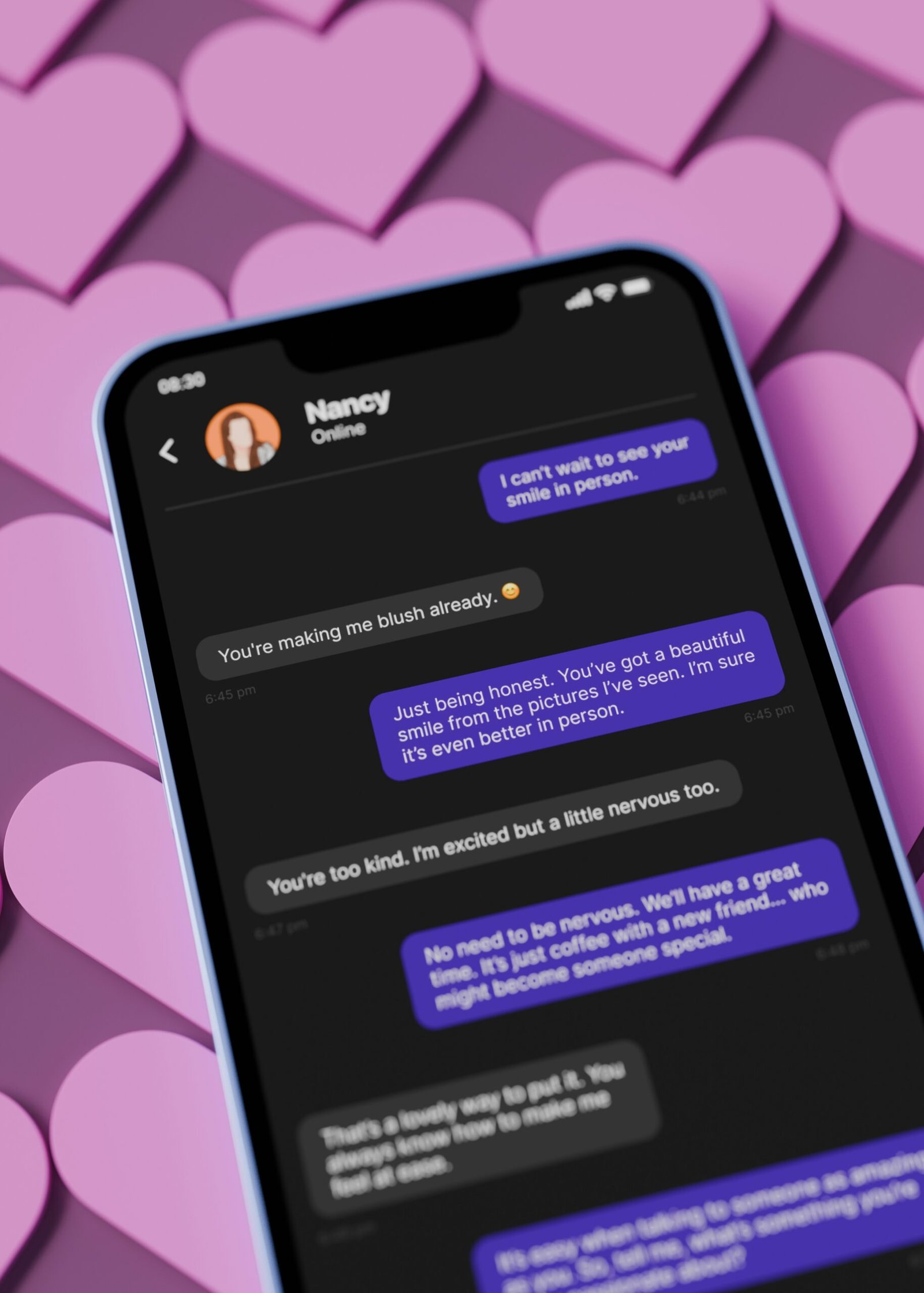
From the Bolanle Tech Newsroom: Instagram has officially confirmed it will stop supporting end‑to‑end encrypted DMs on that date, and this is a documented policy change, not a rumor. That optional encrypted mode was the one feature that kept certain chats locked so tightly that not even Meta could read them, and once it’s gone, your “private” conversations lose their highest level of protection. In simple terms, the lock on those messages is being removed, and Meta will once again be in a position to see more of what you say in DMs if it chooses to, or if it is compelled to by law.

End‑to‑end encryption is what made some Instagram chats feel like a sealed envelope: the message left your phone scrambled and only arrived readable on the other person’s device. Without that, your DMs sit on Meta’s servers in a form that can be scanned by safety systems, reviewed for policy violations, and potentially used to inform AI and ad targeting. Meta is presenting this as a clean‑up of a “low‑usage” feature and is directing privacy‑focused users toward WhatsApp instead. But if you’ve been sending addresses, money talk, contracts, intimate photos, or receipts over Instagram, this marks a serious shift in what “private” really means on the platform.
“THESE CHATS WON’T BE PUBLIC, BUT THEY WON’T BE FULLY LOCKED DOWN EITHER.”
Practically, this does not mean your DMs become public or searchable by other users—strangers still can’t just open your messages, and your audience settings, blocking, and reporting tools remain in place.
What changes is who else can see inside: Meta’s internal systems, safety tools, and, when required, law enforcement will have a clearer path to the content of your conversations than they did under full end‑to‑end encryption. That is why privacy advocates are sounding the alarm—and why, from the Bolanle Tech Newsroom, our guidance is to treat Instagram DMs as semi‑public space: useful for networking, coordination, and light conversation, but not the place to keep your most sensitive secrets.

The machine isn’t coming. It’s already in the room.
Picture this: you spend two years writing a script. You hustle funding, build a team, reach out to casting. Then somewhere inside a studio, a software platform analyzes your concept against fifteen years of box office data and decides—before a single human executive reads page one—that your film is too risky to greenlight.
This isn’t a Black Mirror episode. This is Hollywood in 2026.
The Numbers Don’t Lie
The generative AI market inside media and entertainment just crossed $2.24 billion and is projected to hit $21.2 billion by 2035—a 25% annual growth rate. Studios like Warner Bros. are running platforms like Cinelytic, a decision-intelligence tool that predicts box office performance with 94–96% accuracy before a single dollar of production money moves.
Netflix estimates its AI recommendation engine saves the company $1 billion per year just in subscriber retention. Meanwhile, over the past three years, more than 41,000 film and TV jobs have disappeared in Los Angeles County alone.
That’s not a trend. That’s a restructuring.

The Moment That Changed Everything
In February 2026, ByteDance’s AI generator Seedance 2.0 produced a hyper-realistic deepfake video featuring the likenesses of Tom Cruise, Brad Pitt, and Leonardo DiCaprio. It went viral instantly. SAG-AFTRA called it “blatant infringement.” The Human Artistry Campaign called it “an attack on every creator in the world.”
Then came Tilly Norwood—a fully AI-generated actress created by production company Particle 6—who was seriously considered for agency representation in Hollywood. The first synthetic human to knock on that door.
Matthew McConaughey didn’t mince words at a recent industry town hall. He looked at Timothée Chalamet and said:
“It’s already here. Own yourself. Voice, likeness, et cetera. Trademark it. Whatever you gotta do, so when it comes, no one can steal you.”
James Cameron told CBS the idea of generating actors with prompts is “horrifying.” Werner Herzog called AI films “fabrications with no soul.” Guillermo del Toro said he would “rather die” than use generative AI to make a film.
But here’s the thing—not everyone agrees.
The Indie Filmmaker’s Double-Edged Sword
At SXSW 2026, indie filmmakers made something clear in a packed panel: they don’t want AI to make their movies. They want AI to “do their dishes.”
That’s the real conversation happening at the ground level.
Independent filmmaker Brad Tangonan used Google’s AI suite to create Murmuray—a deeply personal short film he says he never could have made without the tools. Not because he lacked talent, but because he lacked budget. He wrote it. He directed it. The AI executed parts of his vision he couldn’t afford to shoot.
In Austin, an independent filmmaker built a 7-minute short in three weeks using AI-generated video—a project that would have taken 3–4 months and cost ten times more the traditional way. That’s the version of this story studios don’t want you focused on.
At CES 2026, Arcana Labs announced the first fully AI-generated short film to receive a SAG-approved contract—a milestone that proves AI-assisted production can operate inside union protections when done right.
The Fight Coming This Summer
The WGA contract expires May 1, 2026. SAG-AFTRA’s expires June 30. AI is the headline issue at the bargaining table—and the last time these two unions went to war with studios over it, Hollywood shut down for 118 days.
SAG is expected to push the “Tilly Tax”—a fee studios pay every time they use a synthetic actor—directly inspired by Tilly Norwood’s emergence. The WGA already prohibits studios from handing writers AI-generated scripts for a rewrite fee. Now they want bigger walls.
Meanwhile, the Television Academy’s 2026 Emmy rules now include explicit AI language: human creative contribution must remain the “core” of any submission. AI assistance is allowed—but the Academy reserves the right to investigate how it was used.
The Oscars and Emmys are essentially saying: the robot didn’t get nominated. The human did.
What This Means for You
If you’re an indie filmmaker between 25 and 45, you’re operating in the most disruptive creative environment since the camera went digital. AI can cut your post-production time by up to 40%. It can help you pre-visualize shots, generate temp scores, clean up audio, and pitch your project with a sizzle reel you couldn’t afford six months ago.
But the machine that helps you make your film is the same machine that could make studios decide they don’t need you to make theirs.
Producer and director Taylor Nixon-Smith said it best: “Entertainment, once a sacred space, now feels like it’s in a state of purgatory.”
The question isn’t whether AI belongs in your workflow. It’s whether you’re the one holding the wheel—or whether the wheel is slowly being handed to an algorithm that has never once felt what it means to have a story only you can tell.

America’s job market is facing an unprecedented crisis—and nowhere is this more painfully obvious than at Harvard, the world’s gold standard for elite education. A stunning 25% of Harvard’s MBA class of 2025 remains unemployed months after graduation, the highest rate recorded in university history. The Ivy League dream has become a harsh wakeup call, and it’s sending shockwaves across the professional landscape.

Jobless at the Top: Why Graduates Can’t Find Work
For decades, a Harvard diploma was considered a golden ticket. Now, graduates send out hundreds of résumés, often from their parents’ homes, only to get ghosted or auto-rejected by machines. Only 30% of all 2025 graduates nationally have found full-time work in their field, and nearly half feel unprepared for the workforce. “Go to college, get a good job“—that promise is slipping away, even for the smartest and most driven.
Tech’s Iron Grip: ATS and AI Gatekeepers
Applicant tracking systems (ATS) and AI algorithms have become ruthless gatekeepers. If a résumé doesn’t perfectly match the keywords or formatting demanded by the bots, it never reaches human eyes. The age of human connection is gone—now, you’re just a data point to be sorted and discarded.
AI screening has gone beyond basic qualifications. New tools “read” for inferred personality and tone, rejecting candidates for reasons they never see. Worse, up to half of online job listings may be fake—created simply to collect résumés, pad company metrics, or fulfill compliance without ever intending to fill the role.
The Experience Trap: Entry-Level Jobs Require Years
It’s not just Harvard grads who are hurting. Entry-level roles demand years of experience, unpaid internships, and portfolios that resemble a seasoned professional, not a fresh graduate. A bachelor’s degree, once the key to entry, is now just the price of admission. Overqualified candidates compete for underpaid jobs, often just to survive.
One Harvard MBA described applying to 1,000 jobs with no results. Companies, inundated by applications, are now so selective that only those who precisely “game the system” have a shot. This has fundamentally flipped the hiring pyramid: enormous demand for experience, shrinking chances for new entrants, and a brutal gauntlet for anyone not perfectly groomed by internships and coaching.
Burnout Before Day One
The cost is more than financial—mental health and optimism are collapsing among the newest generation of workers. Many come out of elite programs and immediately end up in jobs that don’t require degrees, or take positions far below their qualifications just to pay the bills. There’s a sense of burnout before careers even begin, trapping talent in a cycle of exhaustion, frustration, and disillusionment.
Cultural Collapse: From Relationships to Algorithms
What’s really broken? The culture of hiring itself. Companies have traded trust, mentorship, and relationships for metrics, optimizations, and cost-cutting. Managers no longer hire on potential—they rely on machines, rankings, and personality tests that filter out individuality and reward those who play the algorithmic game best.
AI has automated the very entry-level work that used to build careers—research, drafting, and analysis—and erased the first rung of the professional ladder for thousands of new graduates. The result is a workforce filled with people who know how to pass tests, not necessarily solve problems or drive innovation.
The Ghost Job Phenomenon
Up to half of all listings for entry-level jobs may be “ghost jobs”—positions posted online for optics, compliance, or future needs, but never intended for real hiring. This means millions of job seekers spend hours on applications destined for digital purgatory, further fueling exhaustion and cynicism.
Not Lazy—Just Locked Out
Despite the headlines, the new class of unemployed graduates is not lazy or entitled—they are overqualified, underleveraged, and battered by a broken process. Harvard’s brand means less to AI and ATS systems than the right keyword or résumé format. Human judgment has been sidelined; individuality is filtered out.

What’s Next? Back to Human Connection
Unless companies rediscover the value of human potential, mentorship, and relationships, the job search will remain a brutal numbers game—one that even the “best and brightest” struggle to win. The current system doesn’t just hurt workers—it holds companies back from hiring bold, creative talent who don’t fit perfect digital boxes.
Key Facts:
- 25% of Harvard MBAs unemployed, highest on record
- Only 30% of 2025 grads nationwide have jobs in their field
- Nearly half of grads feel unprepared for real work
- Up to 50% of entry-level listings are “ghost jobs”
- AI and ATS have replaced human judgment at most companies
If you’ve felt this struggle—or see it happening around you—share your story in the comments. And make sure to subscribe for more deep dives on the reality of today’s economy and job market.
This is not just a Harvard problem. It’s a sign that America’s job engine is running on empty, and it’s time to reboot—before another generation is locked out.

Why Some Songs End Up in Movies—While Others Never Do

They Told Him a Black Man Can’t Learn. He Sued Them and Won.


