Advice
The Indie Filmmaker’s Guide to Cinematic iPhone Filmmaking


Unlocking Professional Quality on a Modest Budget
By Bolanle Media Editorial Team
Introduction
Today’s iPhone is miles beyond just a point-and-shoot device. For indie filmmakers and creators with big ideas, it’s a legitimate powerhouse—if you learn to treat it like a real cinema camera. With streaming platforms and social creators leveling the filmmaking landscape, your phone might just be the most important camera you own. Here’s how to make it shine.

Mindset Shift: Your Phone Is a Cinema Camera
Many creators stumble because they assume cinematic footage comes from gear alone. It doesn’t. Cinematic filmmaking is about intention, preparation, and craft.
- Think like a filmmaker: Treat each shot as a storytelling opportunity, not just a clip for social media.
- Study great films: Analyze how acclaimed directors use movement, light, and composition. Emulate, then evolve your style.
- Practice by imitation: Start by copying scenes you admire. Over time, find your creative voice as your technical skills grow.
Essential Gear for Elevated iPhone Shoots
| Gear | What It Does | Why It Matters |
|---|---|---|
| Gimbal Stabilizer | Smooths camera movements, offers tracking modes | Enables cinematic, dynamic movement |
| Variable ND Filter | Controls exposure for correct shutter speed | Essential for natural motion blur |
| Manual Camera Apps | Full control of camera settings (ISO, WB, log, etc.) | Unlocks pro-level image flexibility |
| External Microphone | Upgrades audio quality beyond built-in mic | Crisp sound is half the experience |
| Portable Lighting | Adds, sculpts, or fills light on subjects | Essential in low light conditions |
| Power & Storage | Extra battery and storage devices | Prevents interruptions on long shoots |

The Cinematic Formula on Mobile
1. Composition & Lighting
- Seek leading lines and depth: Arrange natural lines in your frame to draw the viewer’s eye and create three-dimensionality.
- Use the rule of thirds: Place key subjects at the intersections for balance and energy.
- Chase good light: Early morning or late afternoon provides dynamic contrast. Use shadows for depth and mood.
- Backlighting magic: A sliver of light outlining your subject instantly improves production value.

2. Movement: The Gimbal Advantage
- Smooth, Steady Shots: Gimbals eliminate phone shake, enabling floating, precise camera moves like push-ins, reveals, and tracking.
- Unlock Movement Modes: Experiment with pan-follow, lock, or POV to expand your creative toolkit.
- Practice the “ninja walk”: Bend your knees, glide your steps, and let the gimbal do the rest.
3. Camera Settings for Filmic Results
- Shutter speed matters: An ND filter lets you shoot at 1/48 sec (for 24 fps), yielding natural motion blur.
- Manual Exposure: Apps like Blackmagic Camera let you control ISO, white balance, and bitrate—critical for color grading.
- Shoot Flat or Log: Capture more color data for post-production flexibility.

4. Sound and Auxiliary Tips
- Don’t settle for phone audio: Use lavaliers, shotgun mics, or record sound separately.
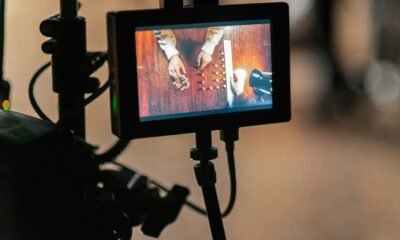
- Monitor on set: Review footage on larger screens when possible to spot exposure or focus issues early.
- Storyboard & shot list: Plan scenes in advance to maximize efficiency and narrative cohesion.
Real-World iPhone Filmmaking: Creative Workarounds
- Avoid distractions: If your phone is also your main communication device, a secondary device (even an old phone) for notes or contact can be invaluable on set.
- Battery life: iPhone video eats through power; keep a charged power bank handy.
- Storage is gold: High-resolution footage fills up space fast. Offload files regularly.
Final Thoughts: Creativity Over Gear
Mastering your iPhone—combined with careful shot planning and intention—will do more for your visual storytelling than any new camera body. The tools are accessible; what matters most is your creative vision.
“Your phone’s limitations force you to be resourceful and intentional. If you can craft a compelling film within those constraints, you’ll be unstoppable with any camera.”
Happy shooting, and remember: on Bolanle Media, every story deserves cinematic treatment—no matter what camera you use.









The gatekeepers didn’t just open the door. They left the building.
For decades, filmmakers were told the same story: get the right agent, land the right festival, sign with the right distributor. But in 2026, that story is officially over — and the filmmakers who haven’t gotten the memo are the ones still struggling.

The Old Playbook Is Dead
Streamer acquisitions at Sundance, TIFF, and Cannes have slowed dramatically. The era of premiering your indie film and getting scooped up by Netflix or A24 is no longer a reliable strategy. Buyers are still at festivals — but they’re fewer, more selective, and harder to reach. What that means for you: a festival is now a marketing machine and a career pipeline, not a sales event.
The filmmakers who are winning right now have accepted one uncomfortable truth: the burden of keeping your film alive falls on you. That’s not a threat — it’s the greatest creative freedom this industry has ever offered.
You Already Have Everything You Need
Here’s what Netflix didn’t want you to know: you have more production power in your pocket than Scorsese had in his first decade. A phone. Editing software. AI tools that cost less than your monthly coffee budget. Runway, Higgsfield, ElevenLabs, and Sora are no longer “experimental toys” — they’re production tools being used on actual sets right now.
AI won’t replace your voice. But it will replace the filmmaker who refuses to evolve. Use it for script breakdowns, VFX, dubbing for global distribution, and post-production workflows. The filmmakers leveraging these tools are cutting costs and moving faster than anyone expected.
Your Audience Is Your Distribution Deal
The new model is simple: build your audience before you need them. Document your process. Post weekly. Your personal brand is now your most important asset — more valuable than any distribution agreement you could sign. Platforms like Filmhub, Vimeo On Demand, and Gumroad let you sell directly to fans and keep your rights intact.
Direct-to-audience events — roadshow screenings, pop-up premieres, immersive experiences — are becoming a core release strategy in 2026. You don’t need a theater chain. You need fifty cities and a ticket link.
The One Rule That Changes Everything
Make one complete film every week. Twenty-four hours to think. Twenty-four hours to shoot. The rest of the week to edit and post. Not because every film will be great — but because the filmmaker who ships beats the filmmaker who perfects every single time.
In 2026, a filmmaker with deep trust in a niche audience has a more reliable platform than a studio trying to win the general market. Stop chasing scale. Build something real. The rules didn’t just change — they changed for you.

Every filmmaker aspires to create projects that are not only memorable but also uniquely their own. Finding your creative voice is a journey that requires self-reflection, bold choices, and an unwavering commitment to your vision. Here’s how to uncover your style, take risks, and craft original work that stands out.
1. Discovering Your Voice: Understanding Your Influences
Your unique voice begins with recognizing what inspires you.
- Step 1: Reflect on the themes, genres, or emotions that consistently draw your interest. Are you inspired by human resilience, surreal worlds, or untold histories?
- Step 2: Study the work of filmmakers you admire. Analyze what resonates with you—their use of color, pacing, or narrative techniques.
Tip: Combine what you love with your personal experiences to create a lens that only you can offer.
Example: Wes Anderson’s whimsical, symmetrical worlds stem from his love of classic storytelling and his unique visual style.

Takeaway: Start with what moves you, then add your personal touch.
2. Taking Creative Risks: Experiment and Evolve
To stand out, you must be willing to challenge conventions and explore new territory.
- Experimentation: Try unusual storytelling structures, such as non-linear timelines or silent sequences.
- Collaboration: Work with people outside your usual circle to gain fresh perspectives.
- Feedback: Screen your projects for trusted peers and be open to constructive criticism.
Example: Jordan Peele blended horror with social commentary in Get Out, creating a genre-defying film that captivated audiences.
Takeaway: Risks are an opportunity for growth, even if they don’t always succeed.
3. Telling Original Stories: Start with Authenticity
Original projects resonate when they stem from a place of truth.
- Draw from Experience: Incorporate elements of your own life, culture, or worldview into your stories.
- Explore the “Why”: Ask yourself why this story matters to you and how it connects with your audience.
- Avoid Trends: Focus on timeless narratives rather than chasing current fads.
Example: Greta Gerwig’s Lady Bird was deeply personal, based on her experiences growing up in Sacramento. The film’s authenticity made it universally relatable.
Takeaway: The more personal the story, the more it resonates.
4. Developing Your Style: Consistency Meets Creativity
Style is not just about visuals—it’s how you tell a story across all elements of filmmaking.
- Visual Language: Experiment with colors, lighting, and framing to create a distinct aesthetic.
- Narrative Voice: Develop consistent themes or motifs across your projects.
- Sound Design: Use music, sound effects, and silence to evoke specific emotions.
Example: Quentin Tarantino’s use of dialogue, pop culture references, and bold music choices makes his work instantly recognizable.
Takeaway: Your style should be intentional, evolving as you grow but always recognizable as yours.
5. Staying True to Yourself: Building Confidence in Your Vision
The filmmaking process is full of challenges, but staying true to your voice is essential.
- Stay Authentic: Trust your instincts, even if your ideas seem unconventional.
- Adapt Without Compromise: Be open to feedback but maintain your core vision.
- Celebrate Your Growth: View every project, successful or not, as a stepping stone in your creative journey.
Example: Ava DuVernay shifted from public relations to filmmaking, staying true to her voice in films like Selma and 13th, which focus on social justice.
Takeaway: Your voice evolves with every project, so embrace the process.
Conclusion: From Idea to Screen, Your Voice is Your Superpower
Finding your voice as a filmmaker takes time, courage, and commitment. By exploring your influences, taking risks, and staying true to your perspective, you’ll craft stories that not only stand out but also resonate deeply with your audience.
Bolanle Media is excited to announce our partnership with The Newbie Film Academy to offer comprehensive courses designed specifically for aspiring screenwriters. Whether you’re just starting out or looking to enhance your skills, our resources will provide you with the tools and knowledge needed to succeed in the competitive world of screenwriting. Join us today to unlock your creative potential and take your first steps toward crafting compelling stories that resonate with audiences. Let’s turn your ideas into impactful scripts together!
Making an independent film is often a labor of love that can take years, countless hours, energy, and a significant financial investment. Yet, for many indie filmmakers, the hardest part is recouping that investment and making money once the film is finished. A common pitfall is losing a large portion of revenue—often half or more—to sales agents, distributors, and marketing expenses. However, with the right knowledge, strategy, and effort, indie filmmakers can maximize their film’s earnings without giving away so much control or profit.
Here is a comprehensive guide to keeping more of your film’s revenue and ensuring your film gets the audience and financial return it deserves.
Understanding the Distribution Landscape
Most indie filmmakers traditionally rely on sales agents and distributors to get their films to audiences. Sales agents typically take 15-20%, and distributors can take another 20-35%, easily cutting your revenue share by half right from the start. Additionally, marketing costs that may be deducted can range from a few thousand to upwards of $15,000, further eating into profits. The accounting is often opaque, making it difficult to know how much you truly earned.
Distributors nowadays tend to focus on worldwide rights deals and use aggregators to place films on streaming platforms like Amazon, Apple TV, and Tubi. These deals often do not fetch the best revenue for most indie filmmakers. Many distributors also do limited outreach, reaching only a small number of potential buyers, which can limit the sales opportunities for your film.

Becoming Your Own Sales Agent
One of the most important shifts indie filmmakers must make today is to become their own sales agents. Instead of relying entirely on intermediaries, you should learn the art and business of distribution:
- Research and build an extensive list of distributors worldwide. Top filmmakers have compiled lists of hundreds of distributors by country and genre. Going wide increases your chances of multiple revenue deals.
- Send personalized pitches to hundreds of distributors, showcasing your finished film, cast details (including social media following), genre, logline, and trailer. Ask if they want to see the full feature.
- Don’t settle for a single distributor or a big-name company that may not prioritize your film. Instead, aim for multiple minimum guarantees (MGs) from niche distributors in individual territories like Germany, Japan, and the UK.
- Maintain transparent communication and track every outreach effort carefully.
Pitching and Marketing Tips
When pitching your film:
- Highlight key genre elements and target audience since distributors are often risk-averse and look for specific film types.
- Include social media metrics or fanbase counts, which can make your film more attractive.
- Provide a strong one-minute trailer and a concise logline.
- Be prepared for rejections; even a 5% positive response rate is success.
Marketing is also crucial and can’t be left solely to distributors. Understanding and managing your marketing efforts—or at least closely overseeing budgets and strategies—ensures your film stands out and reaches viewers directly.
Self-Distribution and Hybrid Models
If traditional distribution offers no appealing deals, self-distribution can be a viable option:
- Platforms like Vimeo On Demand, Amazon Prime Direct, and YouTube allow you to upload, price, and market your film directly to audiences while retaining full creative and revenue control.
- Aggregators like Filmhub and Quiver help place self-distributed films on multiple streaming services, often for a reasonable fee or revenue share.
- The hybrid distribution model combines some traditional distribution deals with self-distribution, maximizing revenue streams, audience reach, and control over your film’s destiny.
Takeaway: Be Proactive and Entrepreneurial
The indie filmmaking world is now as much about entrepreneurship as artistry. Knowing distribution essentials, taking ownership of your sales process, and actively marketing your film are no longer optional—they are key for financial success.
By investing time in outreach, exploring multiple territories, securing minimum guarantees, and considering hybrid or self-distribution approaches, indie filmmakers can keep more of their earnings, increase their film’s audience, and avoid being sidelined by opaque deals and slim returns.
The days of handing your film over to a distributor and hoping for the best are gone. The winning formula today is to be your own sales agent, marketer, and advocate—empowered to make your indie film pay off.

The machine isn’t coming. It’s aleady the room.

The Timothée Chalamet Guide to Ruining Your Image

Did OnlyFans Save Creators—or Trap Them?


 Advice3 weeks ago
How to Find Your Voice as a Filmmaker
- News3 weeks ago
How Misinformation Overload Breaks Creative Focus
- News4 weeks ago
From Seen to Secured: How Filmmakers Are Owning Their Value
- Entertainment2 weeks ago
This scene almost broke him. And changed his career.
- Entertainment2 weeks ago
7 Filmmaking Lessons From Michael B. Jordan’s Oscar Moment
- Advice2 weeks ago
Stop Waiting for Permission — The Film Industry Just Rewrote the Rules
- News2 weeks ago
How ‘Sinners’ Won The Oscars: Filmmaker Notes
- Entertainment3 days ago
The machine isn’t coming. It’s aleady the room.