
World News
On the Polish border with Ukraine, war wounded find refuge, care on August 20, 2023 at 10:00 am


RZESZÓW, Poland — On any given day, the medical staff treating Ukraine’s wounded and sick in the Polish border town of Rzeszów must prepare for the unexpected.
The emergency medical hub, a temporary installation set up outside of Rzeszów’s small airport, is a critical transit point for Ukrainians who can’t be treated in their own hospitals and must be evacuated to Europe.
They cross Poland’s border from Ukraine by ambulance and arrive with battle injuries: gunshot and shrapnel wounds; spinal injuries; amputated limbs; bodies suffering from the effects of explosive blasts.
Adam Szyska, head of operations for the medical hub, describes them as “victims of war.”
The patients are soldiers and civilians. But Szyska says they treat everyone the same.
“For us, they are people in pajamas, they are patients,” he explains, giving me a tour of the “Medevac Hub,” a cavernous warehouse — about 21,500 square feet — that was transformed in September 2022 by the Polish Center for International Aid (PCPM), to act as a hospital emergency room at the closest point to Ukraine’s border.
It’s a temporary but critical stopover for Ukraine’s war wounded before continuing on for advanced treatment in hospitals across Europe, largely evacuated by plane from Rzeszów’s airport.
The influx of medical staff came following U.S., European and NATO forces converging on the small town and airport to streamline weapons deliveries to Ukraine. Patriot missile batteries dot the landscape to protect cargo shipments.
President Biden traveled to Rzeszów in a surprise visit in March 2022, the closest he could get to Ukraine’s border in the first few weeks of Russia’s war. He met with humanitarian workers and the U.S. 82nd Airborne Division based at the airport.
The hub was born out of an agreement between Ukraine’s Ministry of Health, the European Union (EU) and the World Health Organization to facilitate medical evacuations for Ukrainians unable to get treatment in the country because of unprecedented attacks by Russia on health infrastructure.
A medical professional with the Polish Center for International Aid evaluates a Ukrainian patient transiting through the Medevac Hub in Rzeszów, Poland, while a family member looks on. (Courtesy Mariusz Ciszewski)
The WHO said in May it had recorded more than 1,000 Russian attacks on Ukrainian health facilities, including to hospitals and clinics; transportation; personnel and warehouses.
That number is likely far higher today and is a key part of Russian President Vladimir Putin’s strategy to make life unlivable for civilians in Ukraine, straining their resources and the support from the international community.
Szyska is upbeat and energetic on the day I arrive. We have about 45 minutes to tour the space and he is diligent in following the path of a patient, to the parking lot where the ambulances arrive from Ukraine, for patients coming into Europe, or from the airport for those heading back to their homes.
“Time to time we do have something like 20 ambulances, waiting in the line, like two rows and our [triage] officer is taking patients from the ambulances and deciding who is going to the hub,” he explains.
“We are doing something like first triage: We are checking in, a quick assessment of the patient, what kind of condition do they have, and what do we have to do? Sometimes the patients are totally exhausted after travel, or sometimes they need extra services; sometimes it’s only a meal, just the toilet, but sometimes it’s pain relief therapy. So we are trying to provide some kind of service.”
Szyska is a veteran emergency responder with PCPM, a nongovernmental organization (NGO) that provides humanitarian and development assistance across the world. They have a roster of around 150 emergency medical staff who have deployed across the world in response to crises or natural disasters, working in Asia, Africa, the Middle East and South America.
From warehouse to field hospital
He said PCPM received a call in mid-August 2022 to set up the Medevac Hub, and he was tasked with transforming an empty warehouse into a temporary medical facility.
The staff knew how to set up emergency medical sites in challenging places, but a medical evacuation hub was new, and there was no clear blueprint for the space.
They settled on an open-space design, with two corridors of 20 “cubes” — sectioned-off squares separated by drapes that allow for a private room for a patient to be evaluated. The cubes are big enough to seat one or two family members, so the installation, in total, can welcome about 50 extra people at a time.
There is a second room with an identical setup that is used as a “Plan B,” or backup, he says.
A “duty station” for medical staff is positioned in an area of the floor to have a 360-degree view of the installation and eyes on the cubes. The daily staff includes a physician, two nurses, and two paramedics who stand by, ready to receive a call at any time that a patient is inbound.
The ‘duty station’ of the Medevac Hub in Rzeszów, Poland, where a team of five medical professionals has a 360-degree view of the installation, and eyes on patient rooms, called ‘cubes,’ during their temporary stay. (Courtesy Mariusz Ciszewski)
Szyska says that the day-to-day operations of the hub must be flexible to respond to the unpredictable nature of Russia’s war.
“One day is more calm, and another day we can observe the increasing number of evacuations. For example, today we are in standby mode, so we are waiting for a call — hopefully never going to be.”
After patients are stabilized at the hub, they are transferred to the airport, where they are flown out on commercial planes provided by Scandinavian Airlines, refurbished to carry medical patients. The airline conducts two medevac flights per week.
Norway’s government announced in July it would extend the medical evacuation operation until February.
As of mid-August, more than 2,500 patients have been transferred for treatment to 21 countries, according to the Emergency Response Coordination Centre of the European Union Civil Protection Mechanism, which funds the Medevac Hub.
“We can say proudly that this is the first, and so far only, medevac in Europe working like this,” Szyska says.
It’s quiet on the day I visited in mid-August. A wheelchair-bound Ukrainian man, who looks to be in his mid-40s, speaks quietly with a Ukrainian psychologist. Szyska says the man is preparing to go back home.
They sit in the area designated as a “library,” which is just a collection of tables and chairs to the side of the large, open room.
“Maybe it’s not something huge, but for us, it’s very important,” he says.
There are Polish books in Ukrainian and Ukrainian books in Polish. Szyska says it’s important to give people an alternative to their smartphones, but the idea is also to serve as a bridge between the two cultures, for both the patients and the Polish staff.
Patients from across Ukraine
The patients come from all over Ukraine, having traveled either a few hours or a few days. From cities on the front line of fighting in the east, or what is considered the comparatively safer west.
But safety is relative. Russia on Tuesday unleashed a barrage of missile attacks across Ukraine. In the Ukrainian city of Lviv — about a three-hour train ride to Rzeszów — 19 people were wounded, including a 10-year-old child, in the attacks, while three people were killed in Lutsk, north of Lviv.
This is on top of Russia’s pummeling attacks on targets that are closer in range to its dug-in positions in the east and south. In Kherson, a Ukrainian family — including a 3-week-old baby and a 12-year-old boy — were killed in ongoing Russian attacks.
The day before, the hub had 22 people inside; 16 were “victims of war,” two were cancer patients and four were family members.
“So we are not only ready to provide evacuation or repatriation, but … this extra space is created to receive an increasing number of patients, if we’re going to expect an unpredictable number of refugees, where inside will be the unpredictable number of wounded people,” Szyska said.
Szyska sees so many more needs that he wants to address. The Medevac Hub is only one project of PCPM helping Ukraine’s war wounded and refugees. This month, Taiwan donated $4 million to support PCPM’s reconstruction work in Ukraine.
In Poland, PCPM has set up centers to help Ukrainian refugees find work and create extra educational and recreational centers for children.
Szyska describes finding funding to provide support beyond the medevac hub as always a challenge. The responsibility of the hub is to receive patients and prepare them for transport to another location.
“But if this patient has to stay long period in the hospital like two or three months, someone needs to help the family stay in this country,” he says, listing out all the challenges that tally up beyond the scope of the hub’s duties — helping the families of patients secure housing, transportation, work, and school for the kids.
“We are trying to find some donors who are helping us to provide these things, which are a challenge … as PCPM we are creating many different programs to provide them support during this time.”
How long is Medevac going to be here?
Szyska lets out a big sigh. “I have no idea. Seriously. I have no idea.”
That too is unpredictable.
RZESZÓW, Poland — On any given day, the medical staff treating Ukraine’s wounded and sick in the Polish border town of Rzeszów must prepare for the unexpected. The emergency medical hub, a temporary installation set up outside of Rzeszów’s small airport, is a critical transit point for Ukrainians who can’t be treated in their own…




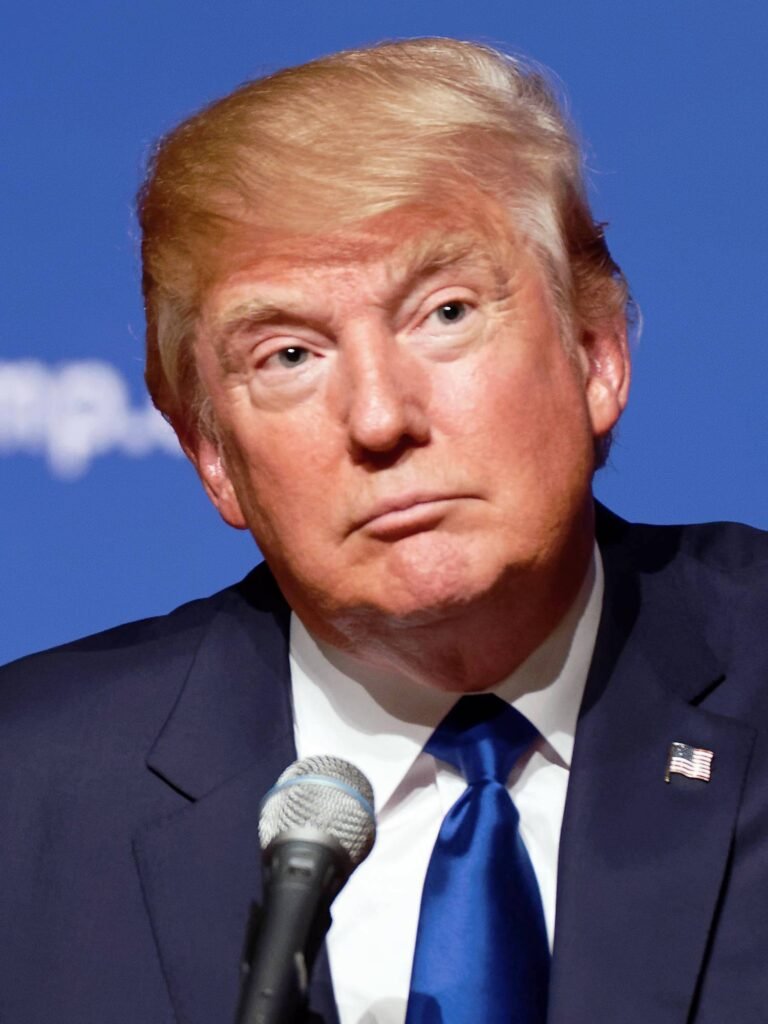
President Donald Trump says the United States might one day get rid of federal income tax because of money the government collects from tariffs on imported goods. Tariffs are extra taxes the U.S. puts on products that come from other countries.
What Trump Is Saying
Trump has said that tariff money could become so large that it might allow the government to cut income taxes “almost completely.” He has also talked about possibly phasing out income tax over the next few years if tariff money keeps going up.
How Taxes Work Now
Right now, the federal government gets much more money from income taxes than from tariffs. Income taxes bring in trillions of dollars each year, while tariffs bring in only a small part of that total. Because of this gap, experts say tariffs would need to grow by many times to replace income tax money.

Questions From Experts
Many economists and tax experts doubt that tariffs alone could pay for the whole federal budget. They warn that very high tariffs could make many imported goods more expensive for shoppers in the United States. This could hit lower- and middle‑income families hardest, because they spend a big share of their money on everyday items.
What Congress Must Do
The president can change some tariffs, but only Congress can change or end the federal income tax. That means any real plan to remove income tax would need new laws passed by both the House of Representatives and the Senate. So far, there is no detailed law or full budget plan on this idea.
What It Means Right Now
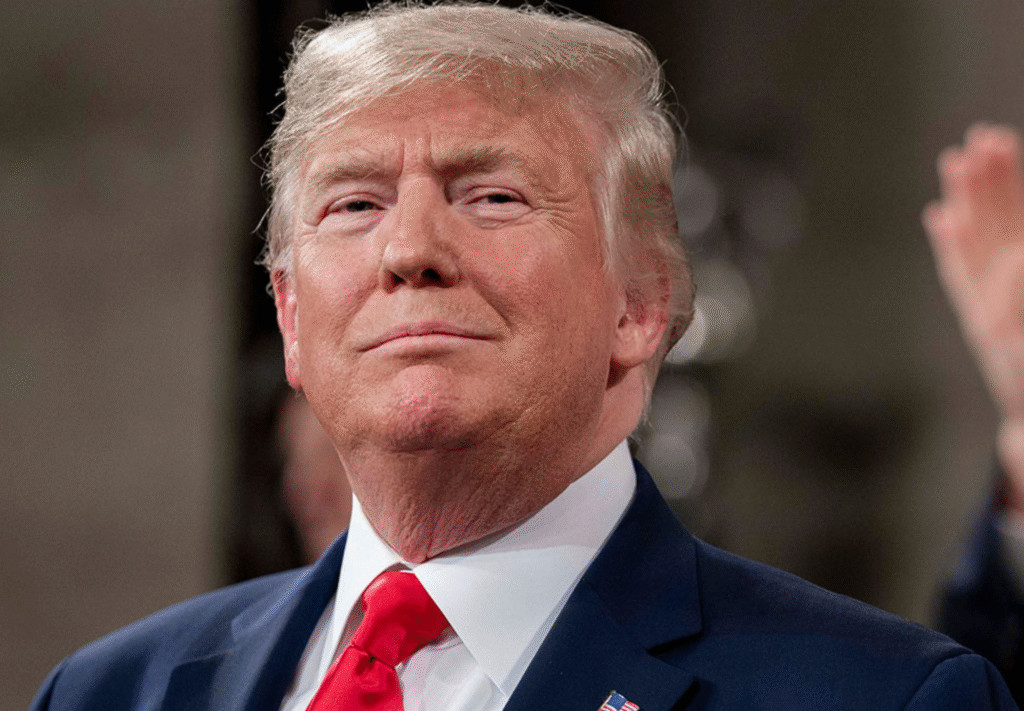
For now, Trump’s comments are a proposal, not a change in the law. People and businesses still have to pay federal income tax under the current rules. The debate over using tariffs instead of income taxes is likely to continue among lawmakers, experts, and voters.
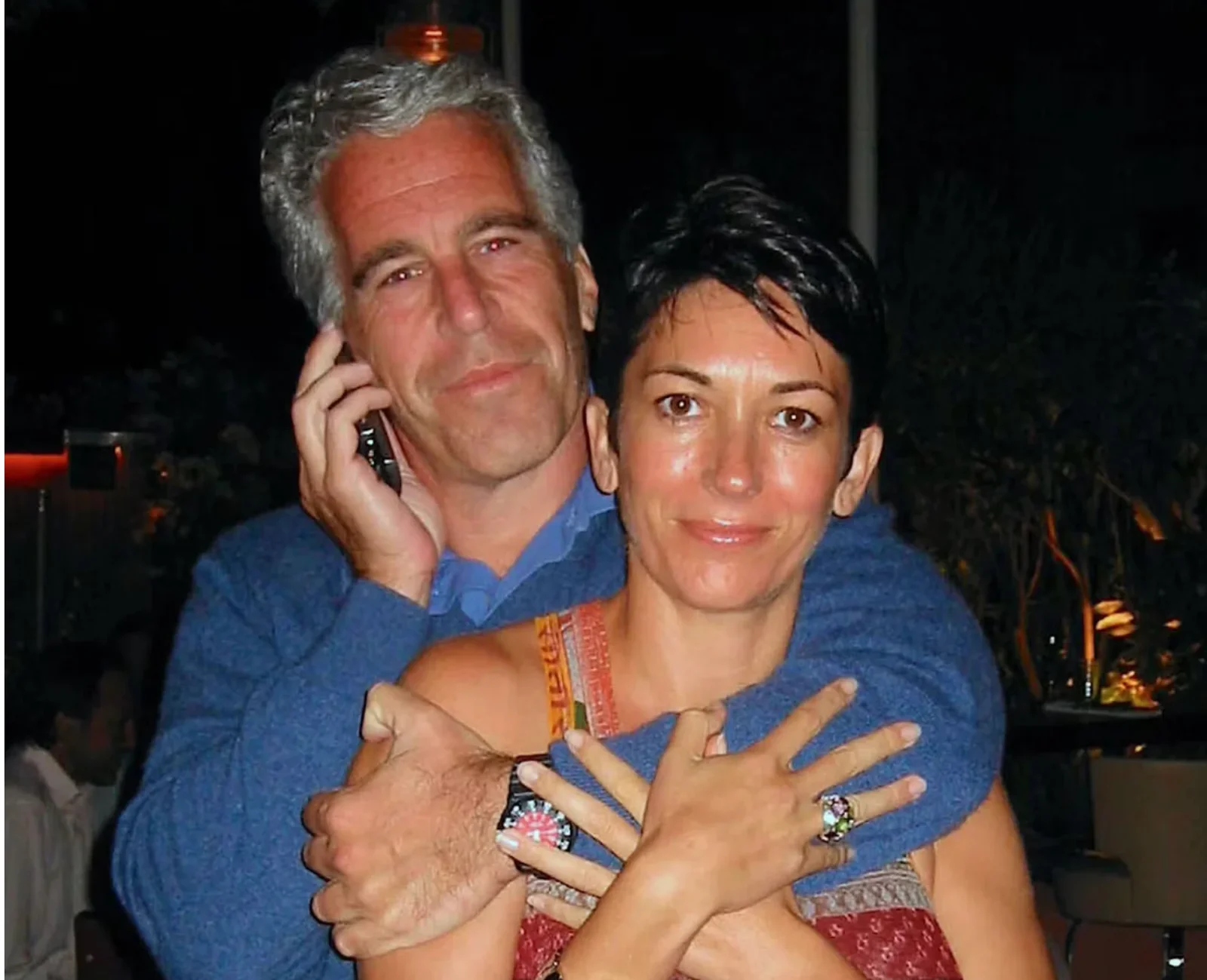
Former President Donald Trump has signed an executive order directing federal agencies to declassify all government files related to Jeffrey Epstein, the disgraced financier whose death in 2019 continues to fuel controversy and speculation.
The order, signed Wednesday at Trump’s Mar-a-Lago estate, instructs the FBI, Department of Justice, and intelligence agencies to release documents detailing Epstein’s network, finances, and alleged connections to high-profile figures. Trump described the move as “a step toward transparency and public trust,” promising that no names would be shielded from scrutiny.
“This information belongs to the American people,” Trump said in a televised statement. “For too long, powerful interests have tried to bury the truth. That ends now.”
U.S. intelligence officials confirmed that preparations for the release are already underway. According to sources familiar with the process, the first batch of documents is expected to be made public within the next 30 days, with additional releases scheduled over several months.

Reactions poured in across the political spectrum. Supporters praised the decision as a bold act of accountability, while critics alleged it was politically motivated, timed to draw attention during a volatile election season. Civil rights advocates, meanwhile, emphasized caution, warning that some records could expose private victims or ongoing legal matters.
The Epstein case, which implicated figures in politics, business, and entertainment, remains one of the most talked-about scandals of the past decade. Epstein’s connections to influential individuals—including politicians, royals, and executives—have long sparked speculation about the extent of his operations and who may have been involved.

Former federal prosecutor Lauren Fields said the release could mark a turning point in public discourse surrounding government transparency. “Regardless of political stance, this declassification has the potential to reshape how Americans view power and accountability,” Fields noted.
Officials say redactions may still occur to protect sensitive intelligence or personal information, but the intent is a near-complete disclosure. For years, critics of the government’s handling of Epstein’s case have accused agencies of concealing evidence or shielding elites from exposure. Trump’s order promises to change that narrative.
As anticipation builds, journalists, legal analysts, and online commentators are preparing for what could be one of the most consequential information releases in recent history.
What Happened at the United Nations
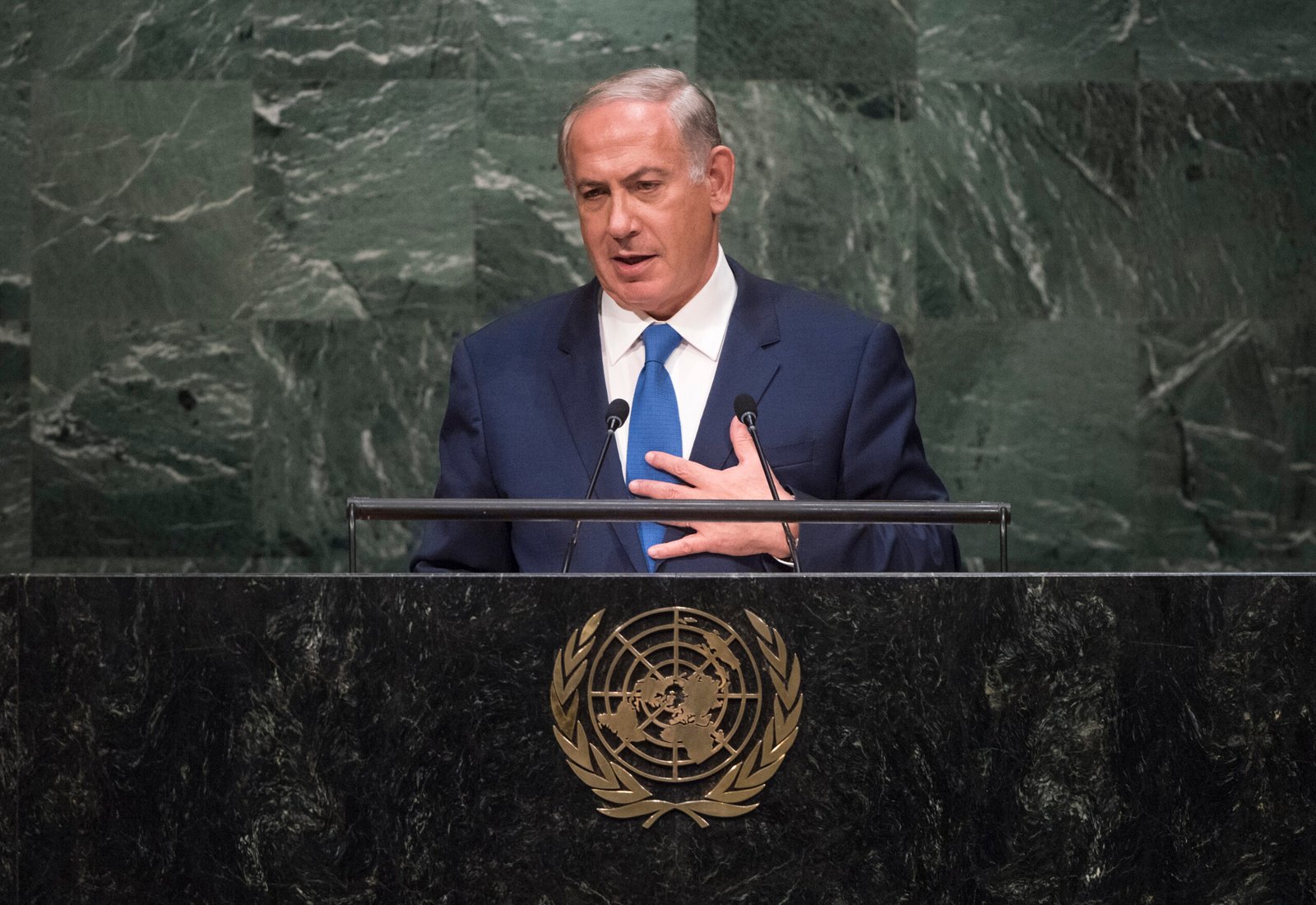
On Friday, Israeli Prime Minister Benjamin Netanyahu addressed the United Nations General Assembly in New York City, defending Israel’s ongoing military operations in Gaza. As he spoke, more than 100 delegates from over 50 countries stood up and left the chamber—a rare and significant diplomatic walkout. Outside the UN, thousands of protesters gathered to voice opposition to Netanyahu’s policies and call for accountability, including some who labeled him a war criminal. The protest included activists from Palestinian and Jewish groups, along with international allies.
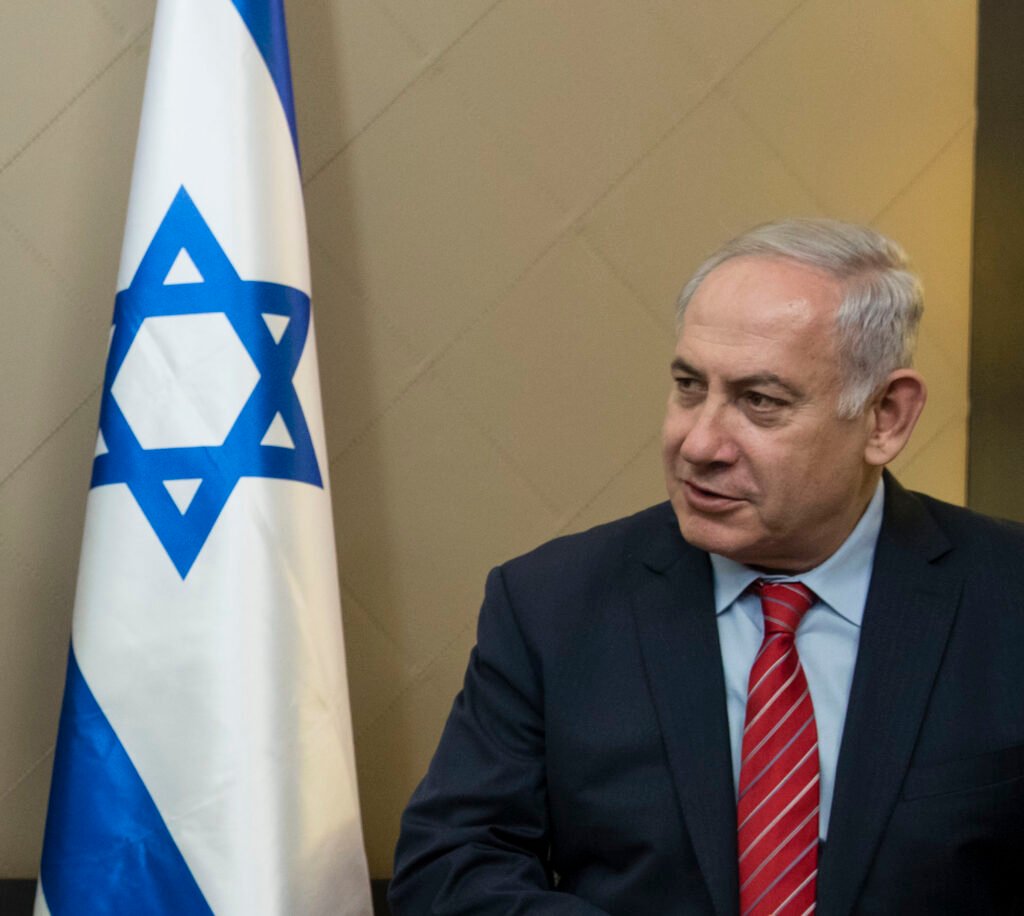
Why Did Delegates and Protesters Walk Out?
The walkouts and protests were a response to Israel’s continued offensive in Gaza, which has resulted in widespread destruction and a significant humanitarian crisis. Many countries and individuals have accused Israel of excessive use of force, and some international prosecutors have suggested Netanyahu should face investigation by the International Criminal Court for war crimes, including claims that starvation was used as a weapon against civilians. At the same time, a record number of nations—over 150—recently recognized the State of Palestine, leaving the United States as the only permanent UN Security Council member not to join them.
International Reaction and Significance
The diplomatic walkouts and street protests demonstrate increasing global concern over the situation in Gaza and growing support for Palestinian statehood. Several world leaders, including Colombia’s President Gustavo Petro, showed visible solidarity with protesters. Petro called for international intervention and, controversially, for US troops not to follow orders he viewed as supporting ongoing conflict. The US later revoked Petro’s visa over his role in the protests, which he argued was evidence of a declining respect for international law.
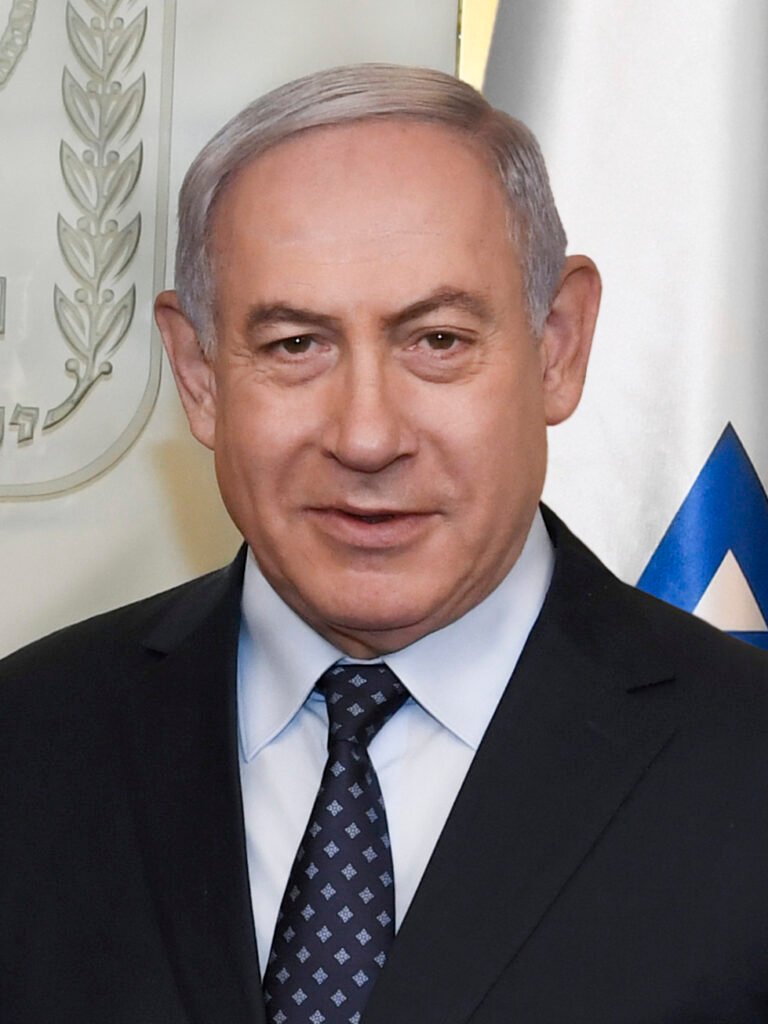
Why Is This News Important?
The Gaza conflict is one of the world’s most contentious and closely-watched issues. It has drawn strong feelings and differing opinions from governments, activists, and ordinary people worldwide. The United Nations, as an international organization focused on peace and human rights, is a key arena for these debates. The events surrounding Netanyahu’s speech show that many nations and voices are urging new action—from recognition of Palestinian rights to calls for sanctions against Israel—while discussion and disagreement over the best path forward continue.

This episode at the UN highlights how international diplomacy, public protests, and official policy are all intersecting in real time as the search for solutions to the Israeli-Palestinian conflict remains urgent and unresolved.

Did OnlyFans Save Creators—or Trap Them?

How She Earns $40M+ In 2026

Stop Waiting for Permission — The Film Industry Just Rewrote the Rules


 Advice2 weeks ago
How to Find Your Voice as a Filmmaker
- News2 weeks ago
How Misinformation Overload Breaks Creative Focus
- Entertainment4 weeks ago
When “Professional” Means Silent
- Film Industry4 weeks ago
Dr. Ric Mathis Turns a Film Screening Into a Lifesaving Movement With Heartbeat
- News3 weeks ago
From Seen to Secured: How Filmmakers Are Owning Their Value
- News4 weeks ago
Idris Elba’s Multimillion-Dollar Film Studio Is Coming to Ghana
- News4 weeks ago
March 1 in NYC: Love Notes From Harlem at Don’t Tell Mama
- Entertainment1 week ago
7 Filmmaking Lessons From Michael B. Jordan’s Oscar Moment