

News
Larry Allan Henrikson Wins ‘Best Screenplay’ for ‘The Guy from New York

Larry Allan Henrikson, a screenwriter hailing from Connecticut, has recently claimed the prestigious title of “Best Screenplay” for his work, “The Guy from New York.” This screenplay centers around Lorenzo, a quintessential New Yorker whose dreams transcend the bustling streets of the Big Apple. Instead, Lorenzo yearns for the adrenaline-fueled world of drag racing and the unwavering support of genuine friendships.
Henrikson’s storytelling prowess shines as he paints a vivid picture of 1980s or 1990s New York City, juxtaposed with the electrifying atmosphere of drag racing. Through Lorenzo’s journey, Henrikson delves into themes of self-discovery, camaraderie, and the pursuit of one’s passions against all odds.
“The Guy from New York” has earned Henrikson the coveted title of Best Screenplay at the esteemed Houston Comedy Film Festival, solidifying his position as a rising star in the industry. This win marks just the beginning of Henrikson’s promising career, promising audiences more captivating tales to come.
Henrikson’s previous work, “Sonoran Sunrise,” has also garnered acclaim, earning a spot on Ink & Cinema’s 2022 The Crime List. As Henrikson’s creative journey continues to unfold, audiences can expect to be enthralled and inspired by his future endeavors.

For those eager to join Lorenzo’s thrilling journey and Henrikson’s storytelling adventures, reaching out to him via email at henriksonal@yahoo.com is encouraged. With his talent and passion, Henrikson is poised to leave a lasting impact on the world of screenwriting.














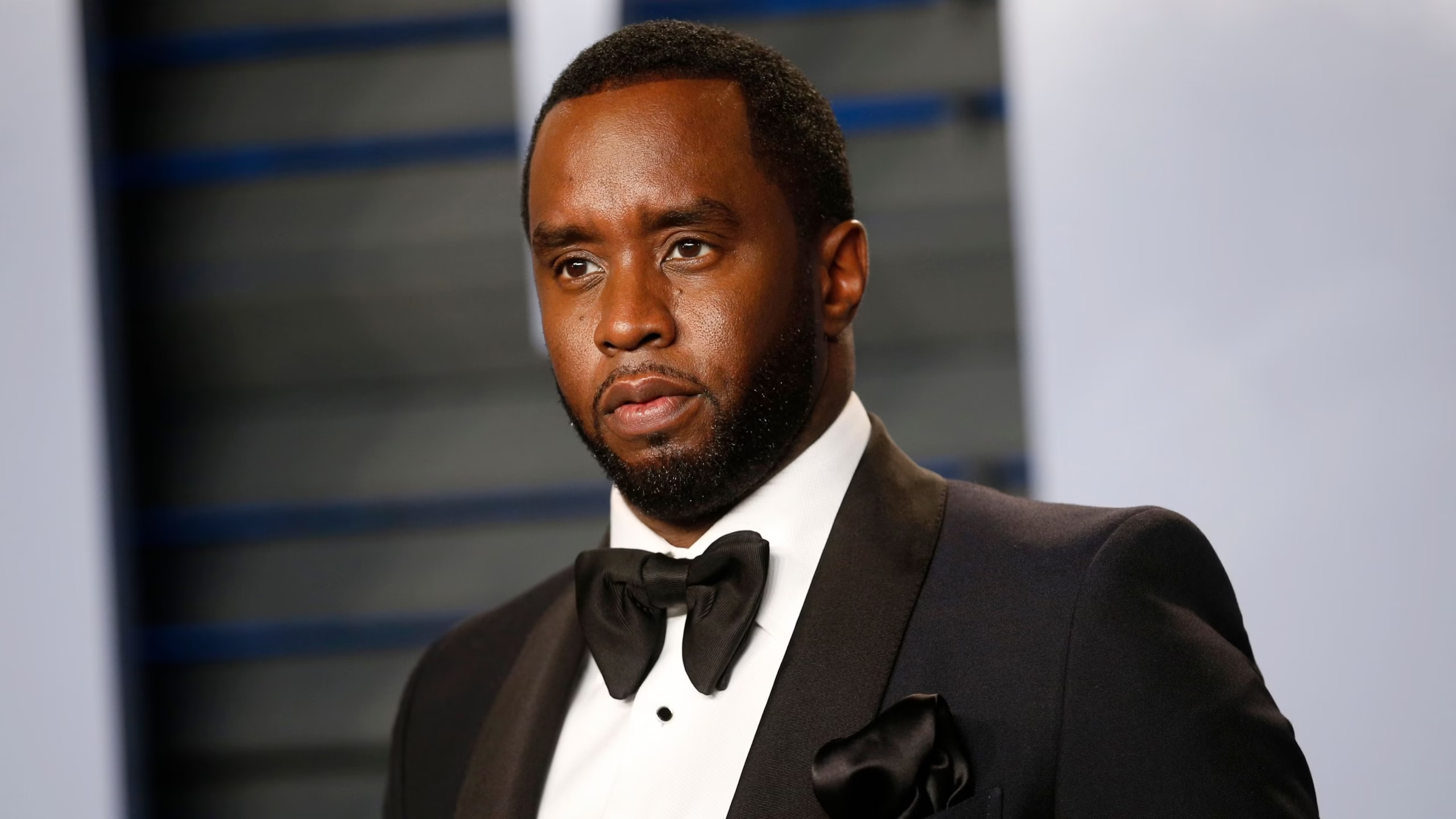
Sean “Diddy” Combs, the influential hip-hop mogul and entrepreneur, was found guilty Wednesday on two counts of transportation to engage in prostitution but acquitted of the more serious charges of racketeering conspiracy and sex trafficking by force, fraud, or coercion. The verdict, delivered by a federal jury in Manhattan, marks a dramatic conclusion to a high-profile trial that has gripped the music industry and the public for weeks.
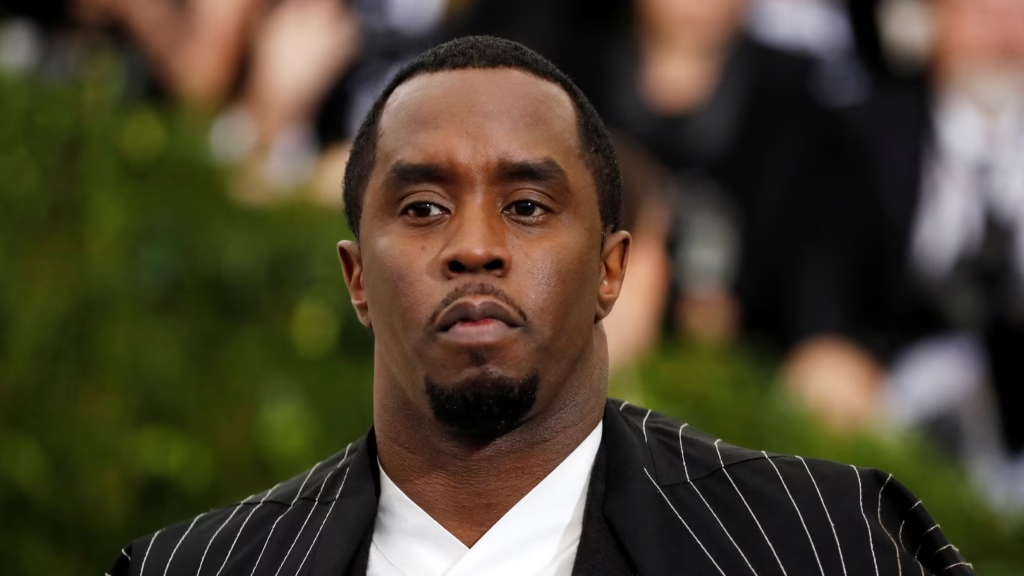
Split Verdict After Weeks of Testimony
Combs, 55, faced a five-count indictment stemming from allegations that he used his power and influence to orchestrate a pattern of sexual exploitation over decades. The prosecution accused Combs and his associates of luring women—often under the guise of romantic relationships—and then coercing them into sex acts, sometimes involving paid male sex workers, at events he referred to as “freak-offs”.

Jurors heard testimony from three women, including two former girlfriends and a personal assistant, who described a world of intimidation, violence, and manipulation. Prosecutors painted a picture of Combs as the leader of a criminal enterprise, but the jury ultimately did not find sufficient evidence to convict him on the most severe charges.
Details of the Verdict
- Guilty: Two counts of transportation to engage in prostitution, a felony violation of the federal Mann Act. Each count carries a maximum sentence of 10 years in prison.
- Not Guilty: Racketeering conspiracy and both counts of sex trafficking by force, fraud, or coercion. A conviction on these charges could have resulted in a mandatory minimum of 15 years to life in prison.
The jury reached its decision after three days of deliberations, following nearly two months of testimony and legal arguments. The verdict was unanimous, and Combs showed visible relief upon hearing the acquittals on the most serious counts.
Reactions and Next Steps
Combs, who has been held at the Metropolitan Detention Center in Brooklyn since his arrest in September 2024, now faces up to 20 years in prison based on the two convictions. Sentencing will be scheduled in the coming weeks.
The outcome is likely to have a profound impact on Combs’ career as a music executive, entrepreneur, and public figure. Legal experts note that, while he avoided a life sentence, the felony convictions alone could effectively end his professional legacy.

Broader Implications
The case drew significant attention not only for its celebrity defendant but also for its focus on the abuse of power in the entertainment industry. Cassie Ventura, a former girlfriend whose civil lawsuit helped spark the investigation, was praised by her attorney for her “extraordinary bravery” in coming forward, with advocates suggesting the verdict signals a shift in accountability for powerful figures.

As Combs awaits sentencing, he continues to face multiple civil lawsuits related to similar allegations. The trial’s outcome, while mixed, underscores the ongoing reckoning in the music world and beyond regarding sexual misconduct and abuse of power.

Australia has revoked the visa of American rapper Kanye West, also known as Ye, following the release of his song “Heil Hitler,” which has been widely condemned for promoting Nazism and containing antisemitic lyrics. The decision was confirmed by Home Affairs Minister Tony Burke, who stated that the move was made to prevent “importing bigotry” into the country.

West, who has been a frequent visitor to Australia due to his marriage to Australian architect Bianca Censori, had previously made numerous offensive and antisemitic remarks. However, officials decided to reassess his visa status after the release of “Heil Hitler” in May, a track that not only glorifies Adolf Hitler but also samples a 1935 speech by the Nazi dictator. The song has been banned from major streaming platforms and sparked international outrage.
Minister Burke emphasized that Australia’s decision was not based on West’s popularity but on the principle that the country does not need to “deliberately import bigotry.” He noted, “We have enough problems in this country already without deliberately importing bigotry. If you’re going to have a song and promote that sort of Nazism, we don’t need that in Australia”.
The visa that was cancelled was not intended for concerts or public performances but was a lower-level visa, reflecting West’s personal ties to Australia through his wife and her family. Burke clarified that while West is not permanently banned, every future visa application will be reassessed on its own merits.
The controversy comes amid heightened sensitivities in Australia, where antisemitic incidents have increased since the outbreak of the Israel-Hamas war in 2023. West’s history of inflammatory statements and actions, including previous social media bans and public expressions of Nazi admiration, have drawn widespread condemnation from Jewish groups and the broader public.
Neither West nor his representatives have issued a response to the visa cancellation. The Australian government has reiterated its commitment to act decisively against individuals whose actions or speech pose a risk of harm to the community.
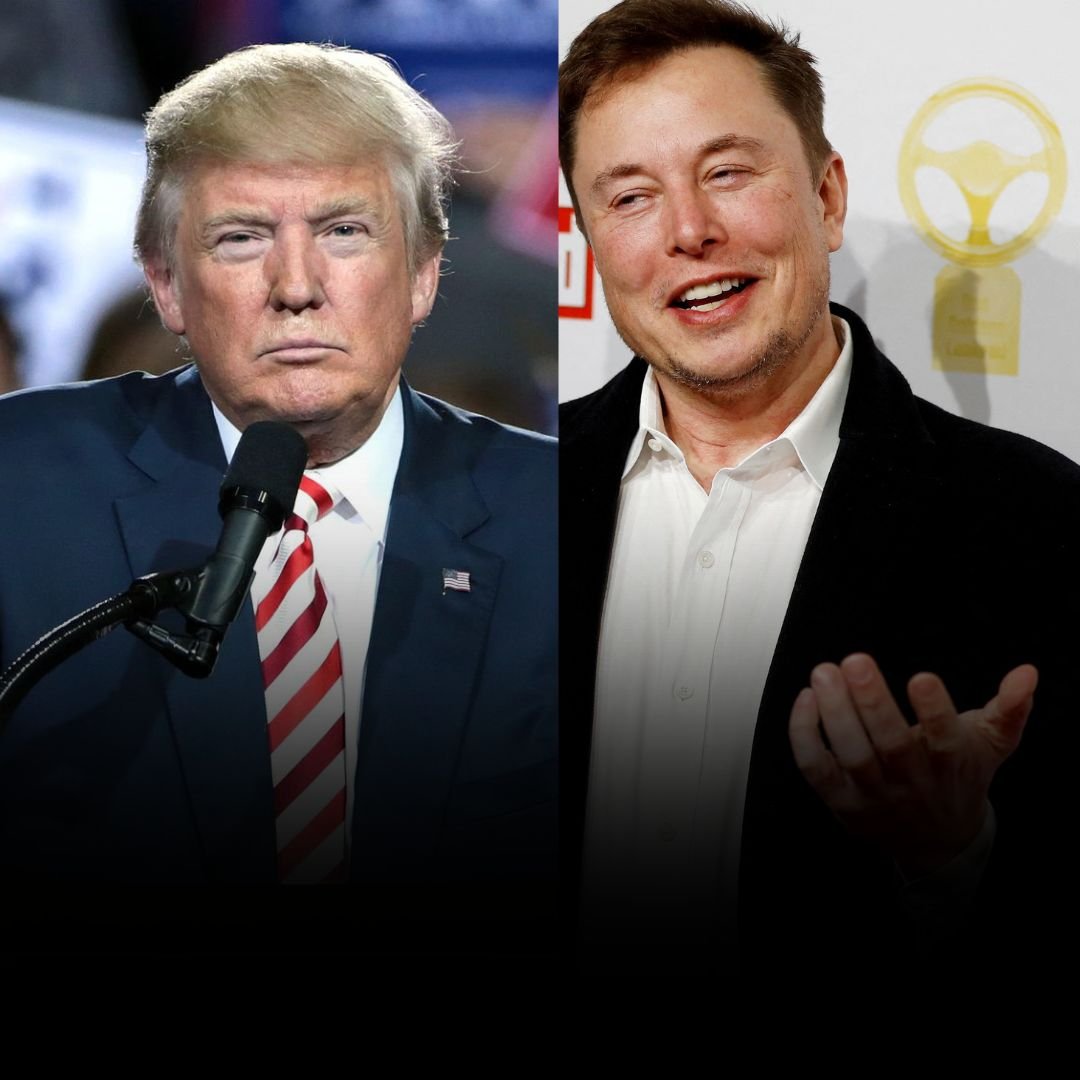
The escalating conflict between President Donald Trump and Elon Musk reached a new peak this week, as Trump publicly suggested he would consider deporting the billionaire entrepreneur in response to Musk’s fierce criticism of the president’s signature tax and spending bill.
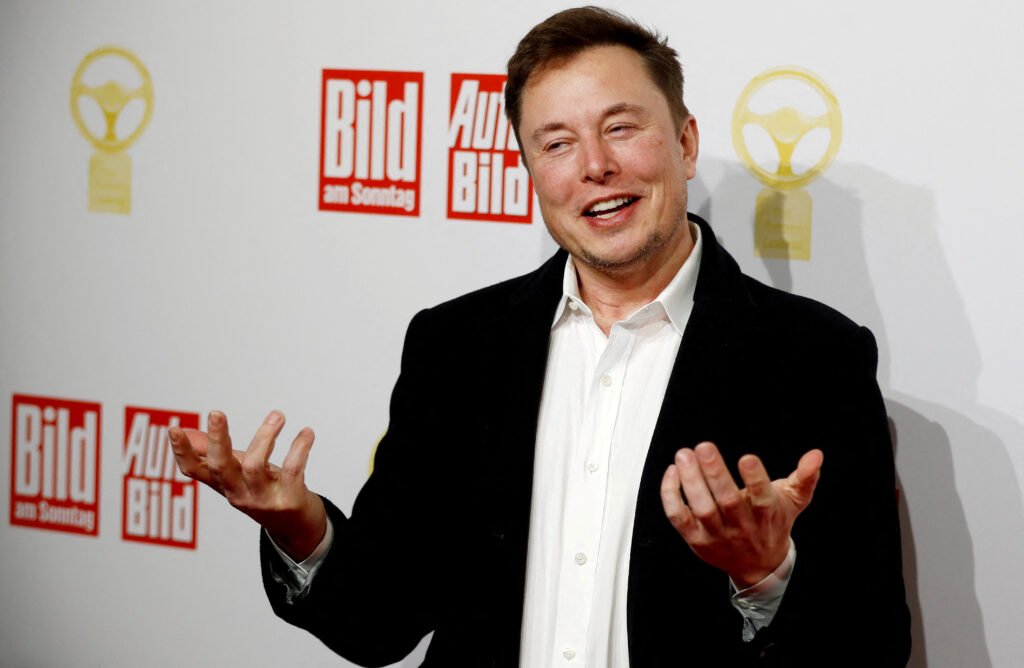
“I don’t know, we’ll have to take a look,” Trump told reporters on Tuesday when asked directly if he would deport Musk, who was born in South Africa but has been a U.S. citizen since 2002.
This threat followed a late-night post on Trump’s Truth Social platform, where he accused Musk of being the largest recipient of government subsidies in U.S. history. Trump claimed that without these supports, Musk “would likely have to shut down operations and return to South Africa,” and that ending such subsidies would mean “no more rocket launches, satellites, or electric vehicle production, and our nation would save a FORTUNE”.
Trump also invoked the Department of Government Efficiency (DOGE)—a federal agency Musk previously led—as a potential tool to scrutinize Musk’s companies. “We might have to put DOGE on Elon. You know what DOGE is? The DOGE is the monster that might have to go back and eat Elon,” Trump remarked, further intensifying the feud.

Background to the Feud
The rupture comes after Musk’s repeated attacks on Trump’s so-called “Big, Beautiful Bill,” a comprehensive spending and tax reform proposal that Musk has labeled a “disgusting abomination” and a threat to the nation’s fiscal health. Musk, once a Trump ally who contributed heavily to his election campaign and served as a government advisor, has called for the formation of a new political party, claiming the bill exposes the need for an alternative to the current two-party system.
In response, Trump’s allies have amplified questions about Musk’s citizenship and immigration history, with some suggesting an investigation into his naturalization process. However, legal experts note that deporting a naturalized U.S. citizen like Musk would be extremely difficult. The only path would involve denaturalization—a rare and complex legal process requiring proof of intentional fraud during the citizenship application, a standard typically reserved for the most egregious cases.
Political Fallout
Musk’s criticism has rattled some Republican lawmakers, who fear the feud could undermine their party’s unity ahead of the 2026 midterm elections. Meanwhile, Musk has doubled down on his opposition, warning he will support primary challengers against Republicans who back Trump’s bill.

Key Points:
- Trump has publicly threatened to “take a look” at deporting Elon Musk in retaliation for Musk’s opposition to his legislative agenda.
- Legal experts say actual deportation is highly unlikely due to the stringent requirements for denaturalizing a U.S. citizen.
- The feud marks a dramatic reversal from the pair’s earlier alliance, with both men now trading barbs over social media and in public statements.
As the dispute continues, it has become a flashpoint in the broader debate over government spending, corporate subsidies, and political loyalty at the highest levels of American power.

Pros and Cons of the Big Beautiful Bill

Christian Keyes Announces ‘All the Queen’s Men’ Departure from BET+

How to Be an Industry Puppet (The Sabrina Carpenter Way)


 Advice2 weeks ago
What SXSW 2025 Filmmakers Want Every New Director to Know
- Film Industry2 weeks ago
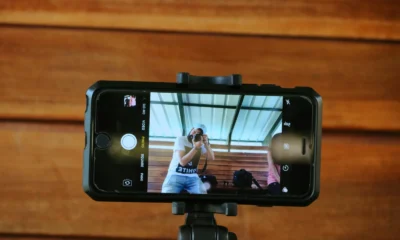
Filming Yourself and Look Cinematic
- Politics3 weeks ago
Bolanle Newsroom Brief: Israel Strikes Iran’s Nuclear Sites — What It Means for the World
- News5 days ago
Father Leaps Overboard to Save Daughter on Disney Dream Cruise
- Advice1 week ago
Why 20% of Us Are Always Late
- Health5 days ago
McCullough Alleges Government Hid COVID Vaccine Side Effects
- Entertainment3 weeks ago
The Hidden Reality Behind Victoria’s Secret
- Advice1 week ago
How to Find Your Voice as a Filmmaker







NeuroTest dosage
February 29, 2024 at 7:10 am
helloI like your writing very so much proportion we keep up a correspondence extra approximately your post on AOL I need an expert in this space to unravel my problem May be that is you Taking a look forward to see you
sklep internetowy
February 29, 2024 at 11:49 am
Wow, amazing weblog structure! How lengthy have you been running a blog for?
you made blogging glance easy. The full glance of your site is excellent, as well as the content
material! You can see similar: sklep internetowy and
here e-commerce
najlepszy sklep
March 2, 2024 at 5:15 pm
I got this web page from my friend who shared with me about this web page and now this time I am browsing this web site
and reading very informative content at this time.
I saw similar here: sklep online and also here:
najlepszy sklep
sklep internetowy
March 14, 2024 at 3:37 pm
For latest information you have to pay a visit internet and on web I
found this site as a finest website for latest updates.
I saw similar here: Sklep internetowy
sklep internetowy
March 14, 2024 at 7:30 pm
Hello, I think your blog might be having browser compatibility issues.
When I look at your website in Firefox, it looks fine but when opening in Internet Explorer, it has some overlapping.
I just wanted to give you a quick heads up! Other then that, wonderful blog!
I saw similar here: Sklep online
e-commerce
March 17, 2024 at 10:06 am
Remarkable! Its really remarkable post, I have got much clear idea on the topic of from this piece
of writing. I saw similar here: Sklep online
sklep online
March 24, 2024 at 1:42 pm
Hi there! Do you know if they make any plugins to assist with Search Engine Optimization? I’m
trying to get my blog to rank for some targeted keywords but I’m not seeing very good success.
If you know of any please share. Appreciate
it! You can read similar text here: Ecommerce