


Politics
Kamala’s First Big Interview: Protest or Get Played

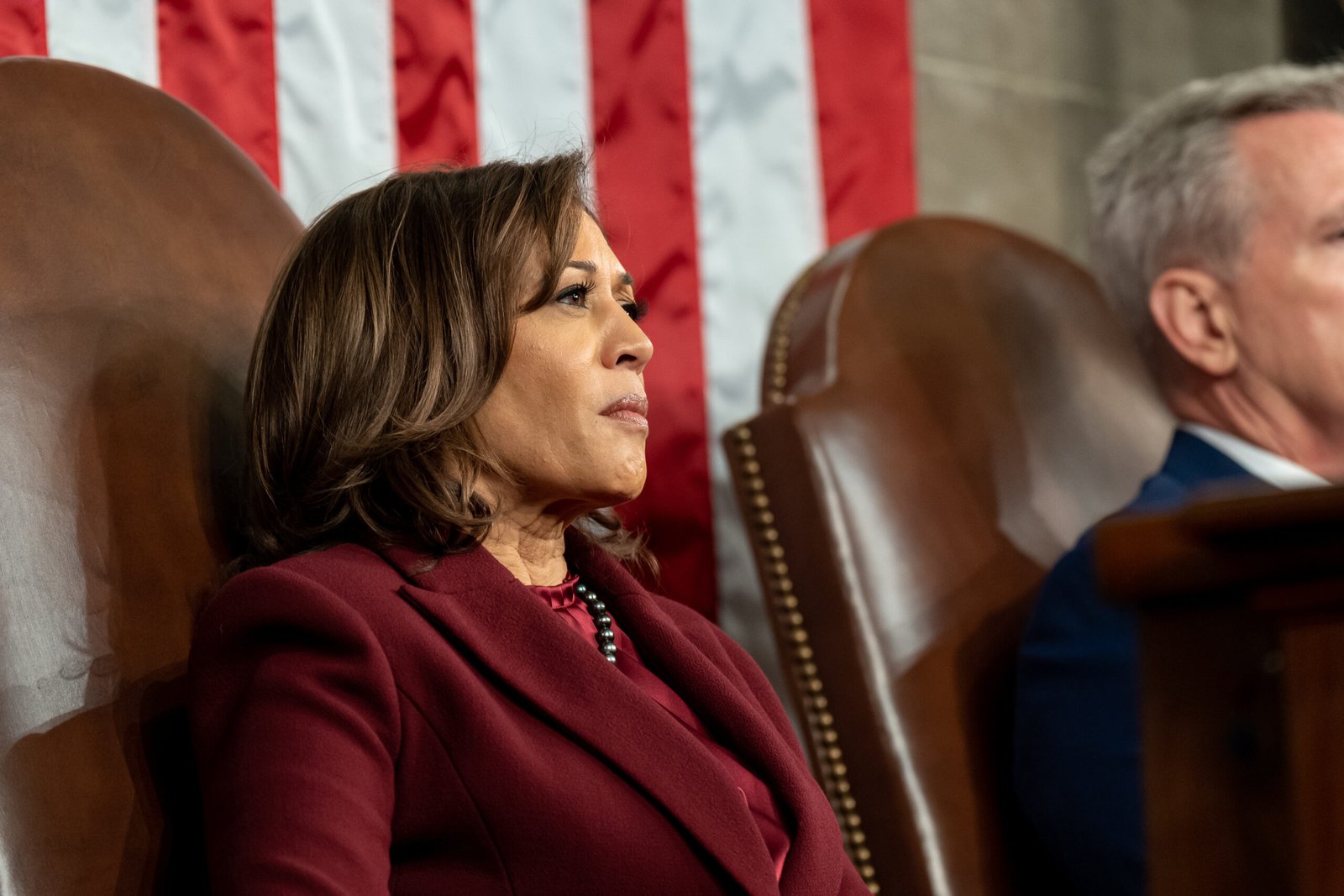
It feels like we’re living in a time when every institution is telling people to chill out, sit back, and trust the system. But what happens when that system buckles and the so-called leaders stop fighting for real change? Kamala Harris, in a headline-grabbing interview following her blisteringly short campaign for the presidency, pulled no punches: If the people don’t push back, they get played—and if politicians fake it, they lose big, no matter their party affiliation.
The Protest That Changed Everything
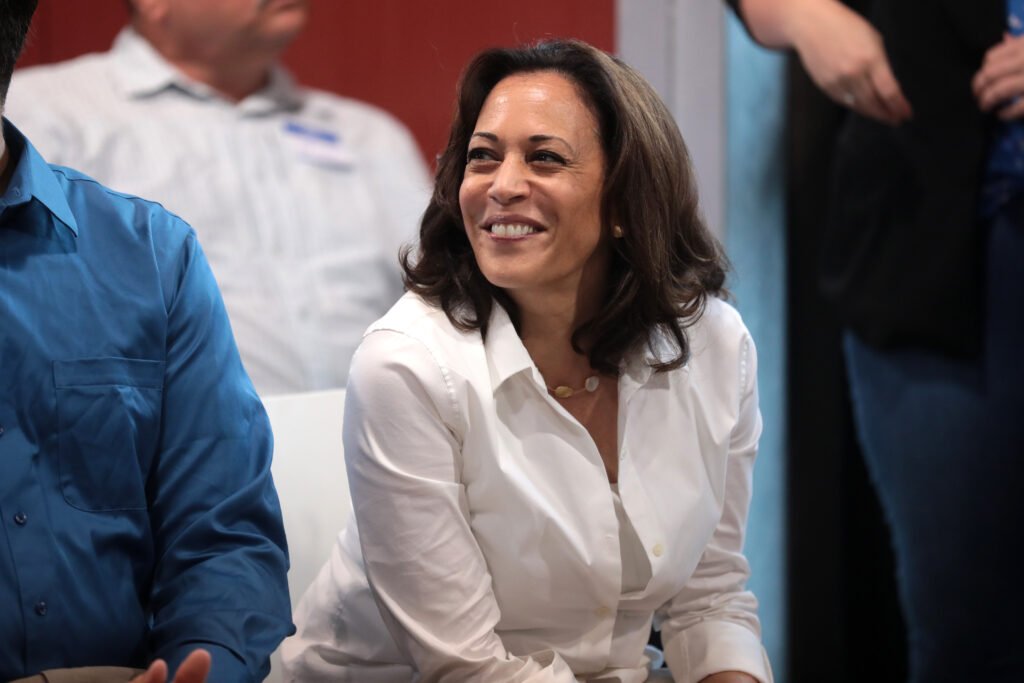
Not long ago, ABC kicked Jimmy Kimmel off the air under pressure from the current Trump administration. It sparked immediate protests, not just from the usual suspects in New York and Los Angeles, but from everyday people in places like Wisconsin and Yakima, Washington. Harris didn’t just watch from the sidelines. She called out this move as an “outright abuse of power,” standing alongside comedians, unions, celebrities, and even former Disney executives. The collective rage was loud—so loud that ABC reversed the decision. Harris’s point? If you fight, don’t expect instant victories, but when enough voices get together, even corporate giants back down.

When Leaders Lose Their Nerve
Harris’s campaign memoir drags the elite into the spotlight, openly blasting those with power—the billionaires, media bosses, university presidents, and law firm partners—who “capitulate” when things get tough. She speaks bluntly about how these titans “grovel” instead of standing up against what she calls “tyranny.” Harris doesn’t single out just one political side; her scorn covers anyone who put their own deals, mergers, or cushy reputations ahead of defending democracy. In Harris’s view, the system’s broken because too many leaders in all corners are playing survival instead of taking a stand.
The Real vs. The Reckless
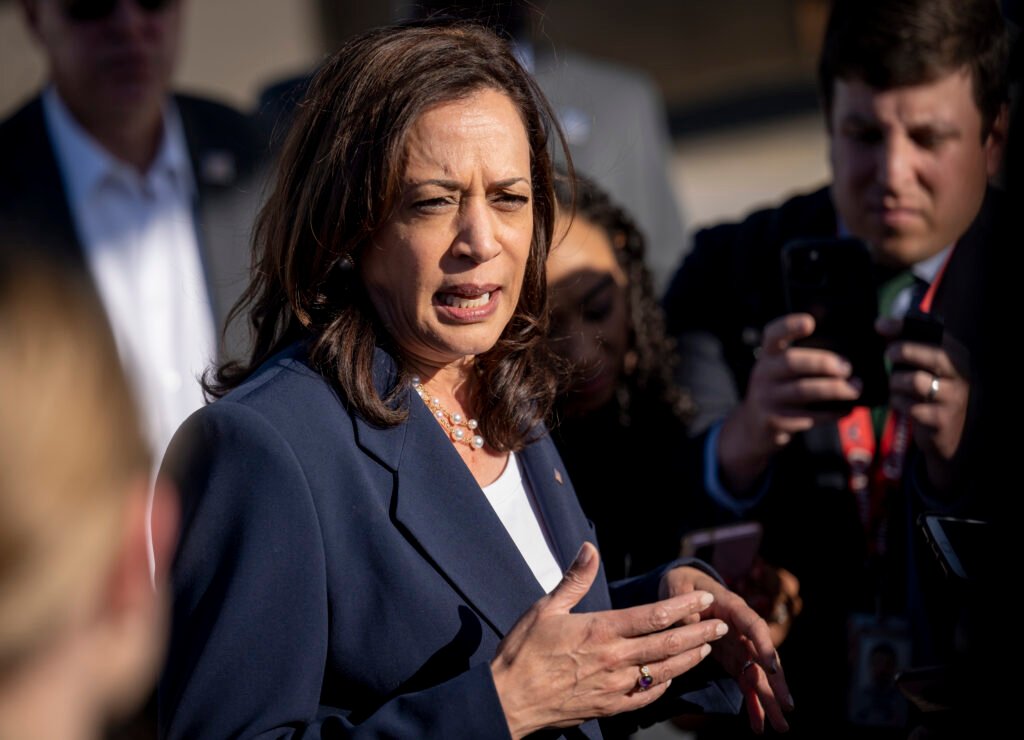
Throughout her 107-day campaign, Harris faced a party in flux, senior Democrats showing either support, caution, or outright skepticism. She criticized the way decisions were made about Biden leaving the race—not as a partisan swipe but as a wake-up call for reckless, ego-driven choices that put personal ambition ahead of public good. She admits her own frustrations for not speaking up sooner. The result: a call for everyone, regardless of party, to demand accountability, challenge their own, and resist the urge to sit quietly when the stakes are highest.

No Free Pass—For Anyone
Harris isn’t here to let anyone off easy. She calls on Democrats to rethink the age gap in leadership and on all politicians to prove they’re bold enough to fight for real issues, not just their next news cycle. She also acknowledges the GOP’s success in hardball tactics like gerrymandering, challenging anyone—from either side—to meet them in the arena and actually compete, not just complain.

A Message for the Voters
This isn’t about left versus right, but a warning to all: Protest if you want your voice heard, or get played by leaders who care more about optics than impact. Harris’s candid style isn’t just for the political insiders. It’s for anyone tired of watching politicians—Republican, Democrat, rich, entrenched, or upstart—blame the system while benefiting from it.
Her message is clear: “When we fight, we win. When we fake, we lose.”
If you care about something—protest, organize, and, above all, hold everyone’s feet to the fire, no matter what team they say they’re on.
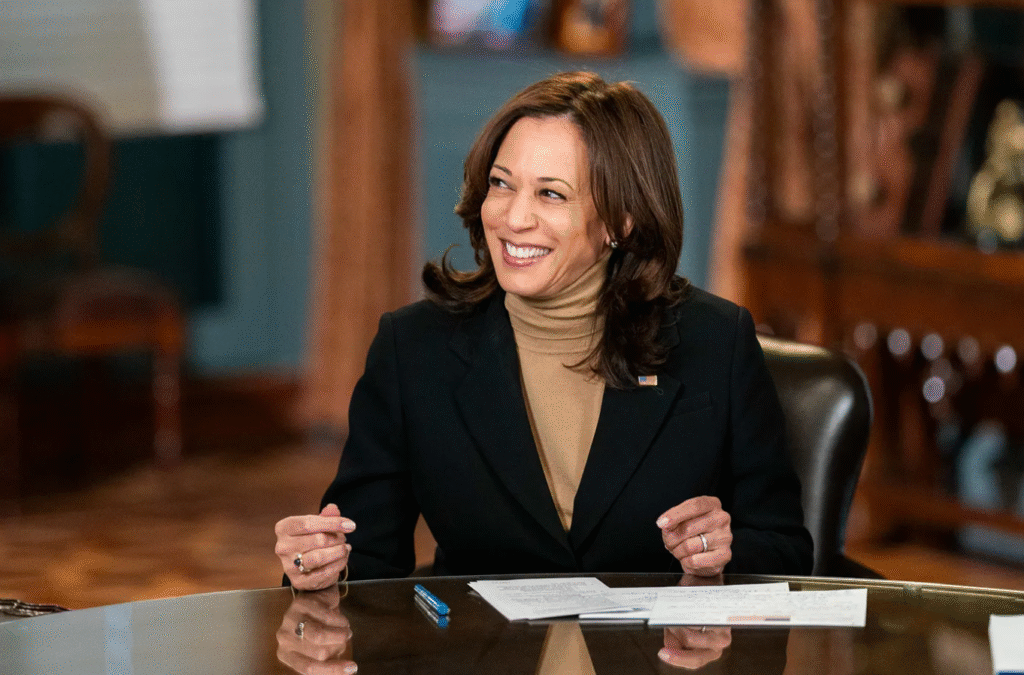
Whether you’re red, blue, or just burnt out, Harris’s story dares everyone to get loud, get real, and stop watching from the sidelines. Because if you don’t, there’s always someone ready to play you when you’re not paying attention.













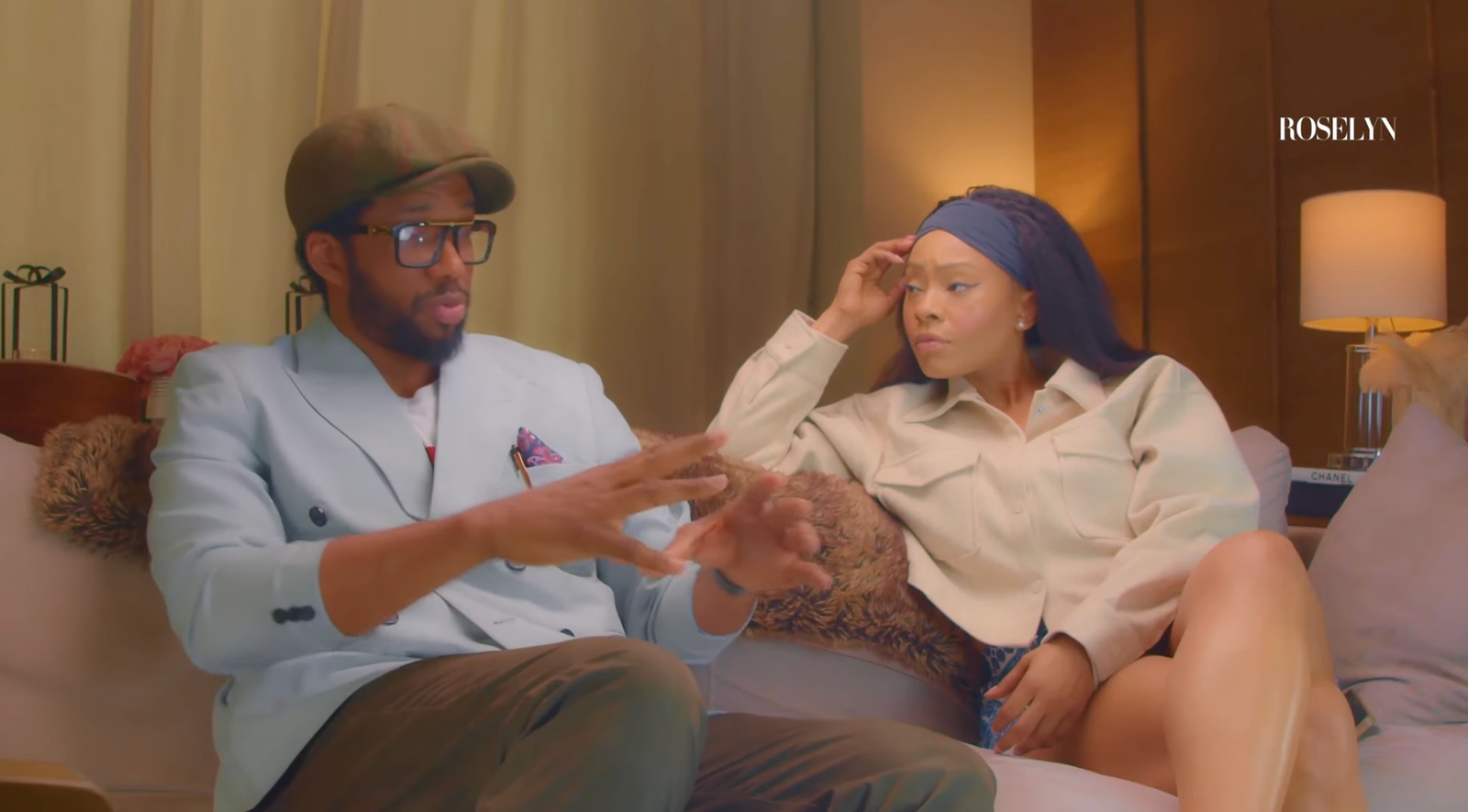
Sustainability is often spoken about as if it belongs only to scientists, policy experts, or environmental activists. On the Roselyn Omaka Show, Otto Cannon makes the case that it belongs to everyone. His message is both urgent and deeply human: sustainability is not just about the environment, but about creating a world where people, planet, and profit exist in balance.
Cannon’s mission is striking in its scale. He wants to build what he calls a global army of 10 million sustainability leaders—people across industries and communities who choose to think beyond short-term gains and take responsibility for the future they are helping shape.
My biggest mission is to raise a 10 million global army of sustainability leaders.
Otto’s understanding of this work did not begin in a conference room. It began in childhood, shaped by a father who taught him to see the world’s problems as personal assignments. That early influence instilled in him the belief that real leadership means stepping forward, identifying what is broken, and dedicating yourself to fixing it.
That mindset later became deeply personal. In one of the interview’s most emotional moments, Cannon shares how the death of his dog after swallowing a plastic bottle cap changed his life. What might have seemed like an isolated tragedy became, for him, a doorway into a much larger truth: waste is never just waste when it destroys ecosystems, harms wildlife, and threatens the future.
Instead of turning away, he turned pain into action. Through his work, he helped build a recycling company that processed over 10,000 tons of plastic and supported tree-planting efforts that have already reached more than 500,000 trees. His story reflects the broader idea of sustainability leadership, which is commonly framed as the integration of environmental, social, and economic responsibility into real-world decision-making.
What makes Cannon’s perspective especially compelling is the way he challenges common misconceptions. He argues that sustainability is too often boxed into environmental language alone, when in reality it applies to every sector—fashion, construction, energy, transportation, manufacturing, and beyond. This broader understanding aligns with current sustainability leadership thinking, which emphasizes systems, collaboration, and long-term value creation across sectors.
Profit should never come at the expense of people or the planet.
That belief is central to everything Cannon describes. For him, sustainability is not anti-business. It is about designing business, innovation, and progress in a way that does not leave harm behind for future generations. A solution that helps today but creates a deeper problem tomorrow, he argues, is not truly a solution at all.

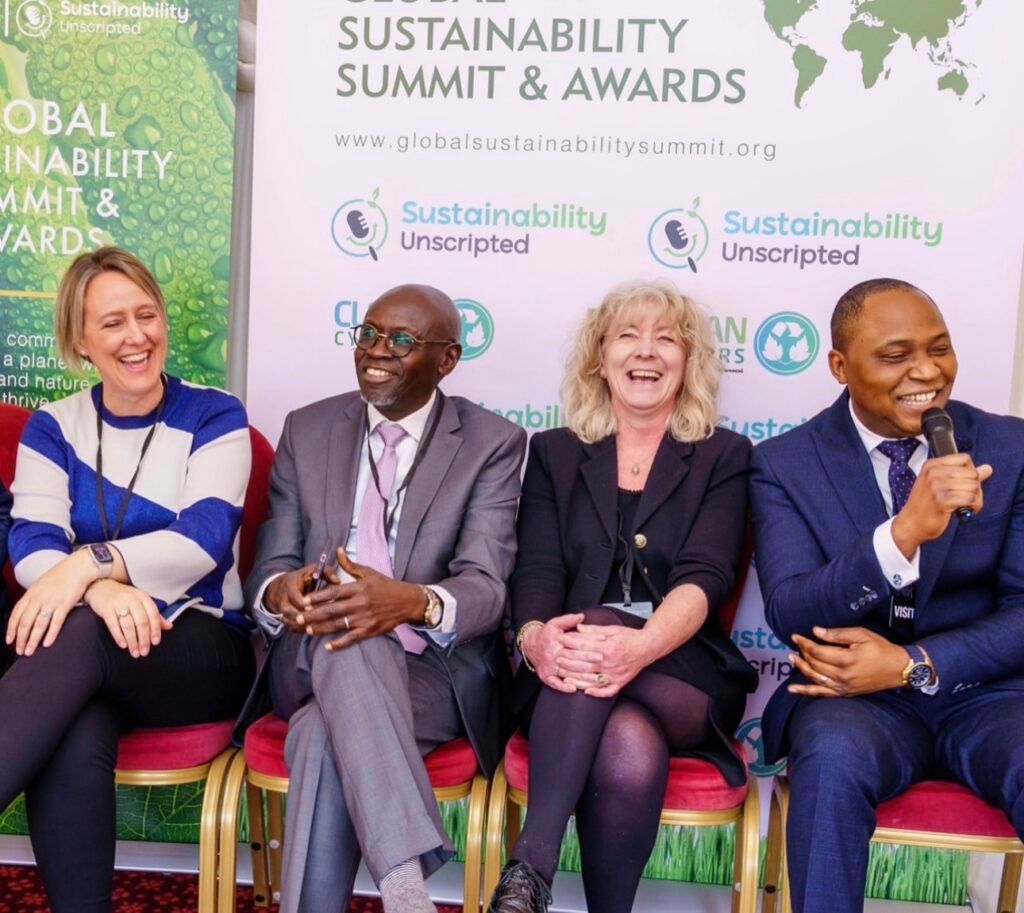
This is also the thinking behind the Global Sustainability Summit and Awards in London, where Cannon brings together leaders from government, business, and civil society to share ideas, showcase innovation, and inspire action. Cross-sector collaboration is widely recognized as a core part of effective sustainability work, especially when the goal is cultural and systemic change rather than isolated projects.
The power of Cannon’s message lies in its accessibility. He is not calling only on policymakers or executives. He is speaking to creators, founders, farmers, designers, builders, and everyday professionals—anyone who has influence over materials, waste, systems, sourcing, or the choices that shape modern life.
By the end of the conversation, one image lingers: the idea that one person is a drop of water, but many drops together can become a wave. That is the future Otto Cannon is working toward—not a movement powered by one voice, but one built by millions who decide that sustainability is not optional, but necessary.

When scandals and cover‑ups dominate the timeline, it’s tempting to process them the same way we process everything else online: as content.
A headline becomes a meme, a victim becomes a character, and a years‑long story of abuse or corruption gets flattened into a 30‑second clip. In that kind of environment, it matters what we choose to watch—and how we watch it.
Some films lean into shock and spectacle. Others slow us down, asking us to sit with the systems that make these stories possible in the first place.

This article is about that second group.
Below are three films that are difficult, necessary, and deeply relevant when we’re surrounded by conversations about power, silence, and who actually gets held accountable. They’re not “true crime for fun.” They are stories about people who push back: journalists digging through archives, lawyers refusing to look away, and insiders who decide that telling the truth matters more than staying comfortable.
Why movies about accountability matter right now
There’s a difference between consuming tragedy and engaging with it.
Scroll culture trains us to treat everything as a quick hit: outrage, reaction, move on. But systemic abuse and corruption don’t work on a 24‑hour cycle. They live in sealed files, non‑disclosure agreements, money, and relationships that make it easier to protect those in power than the people they harm. Films that focus on accountability rather than spectacle can do three important things:
- Slow our attention down long enough to see how cover‑ups are built—through policies, reputations, and quiet decisions, not just villains and heroes.
- Give us a closer look at the people trying to break those systems open: reporters, lawyers, whistleblowers, survivors, and community members.
- Help us recognize the patterns so that when a new scandal breaks, we have more than vibes and rumors to work with—we see mechanisms, not just headlines.
With that frame in mind, here are three films that are worth revisiting or discovering for the first time.
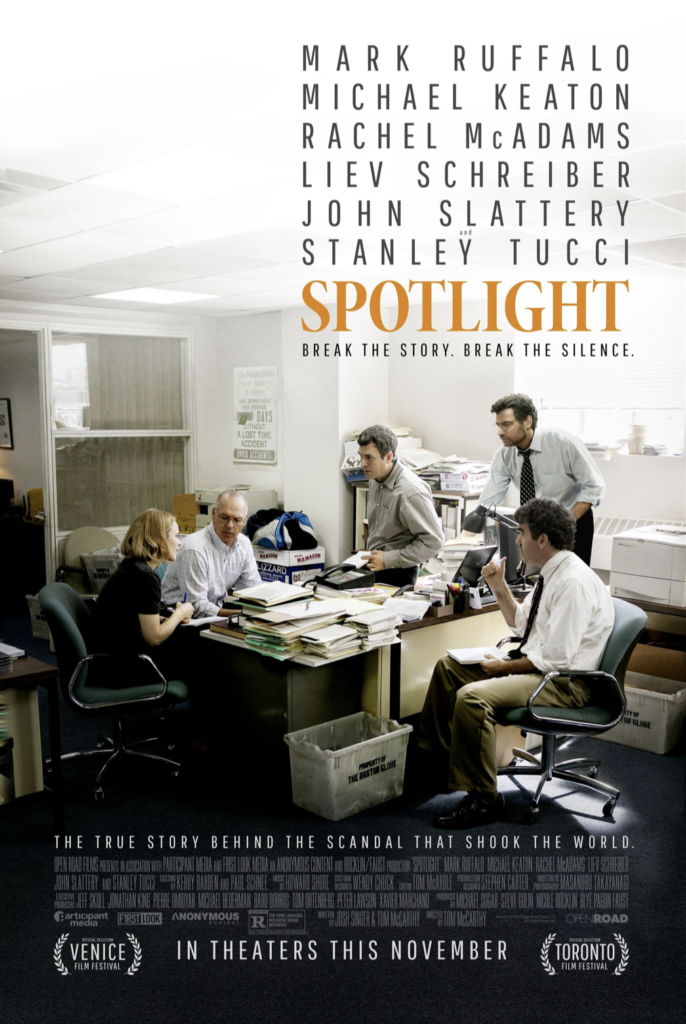
Spotlight: following the paper trail
Spotlight follows a small investigative team at a Boston newspaper as they uncover decades of child abuse inside the Catholic Church and the institutional effort to conceal it. It’s not flashy. There are no chase scenes, no “big twist.” The tension comes from phone calls that aren’t returned, doors that stay closed, and documents that may or may not exist. That’s the point.
The power of Spotlight is in its realism. The journalists don’t “win” through a single heroic act; they win through months of stubborn, often boring work—checking names, cross‑referencing records, going back to survivors who have every reason not to trust them. The film shows how systems protect themselves: not only through powerful leaders, but through a culture of looking away, minimizing harm, or deciding that “now isn’t the right time” to publish the truth.
Watching it in the context of any modern scandal is a reminder that revelations don’t come out of nowhere. Someone has to decide that the story is worth their career, their sleep, their peace. Someone has to keep calling.
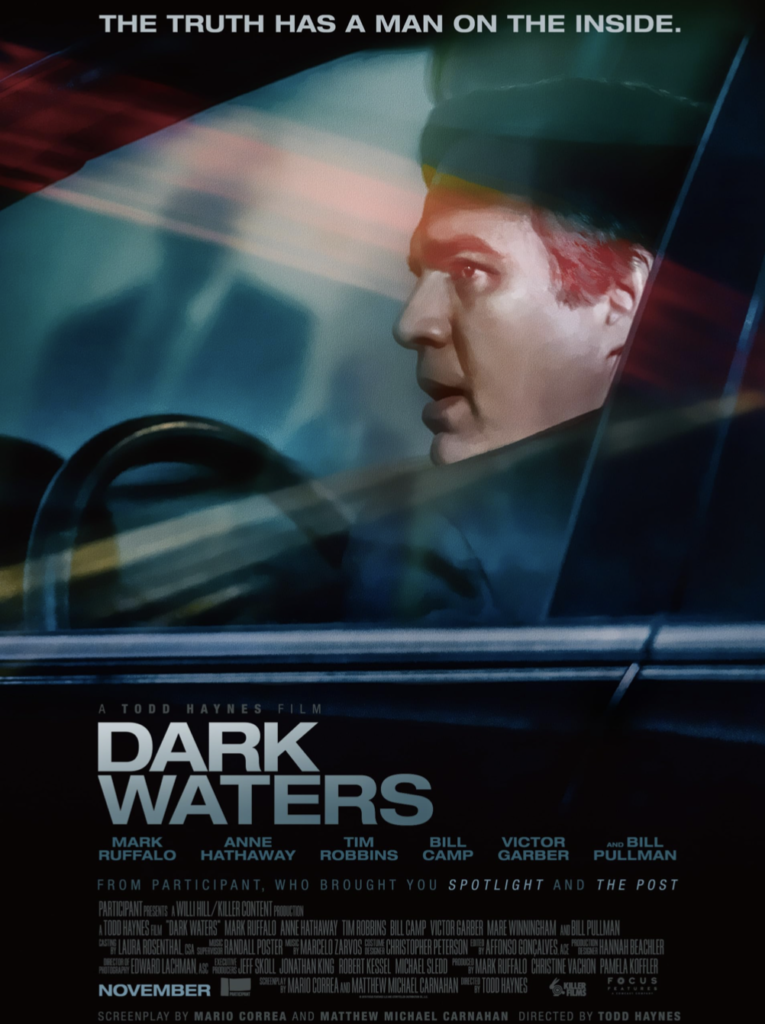
Dark Waters: the cost of not looking away
In Dark Waters, a corporate defense lawyer discovers that a chemical company has been poisoning a community for years. The more he learns, the less plausible it becomes to stay on the side he’s paid to protect. What starts as a single client and a stack of records becomes a decades‑long fight against a corporation with far more money, influence, and time than he has.
The film is heavy—not because of graphic imagery, but because of the slow realization that this could happen anywhere. It shows how corporate harm doesn’t usually look like one dramatic event; it looks like small decisions, tolerated over time, because changing course would be expensive or embarrassing. Internal memos, risk calculations, and legal strategies become characters in their own right.
What makes Dark Waters important in this moment is the way it illustrates complicity. Very few people in the film set out to be “villains.” Many are simply doing their jobs, protecting their company, or choosing the convenient version of the truth. The story forces us to ask uncomfortable questions about where we draw our own lines—and what it costs to cross them.
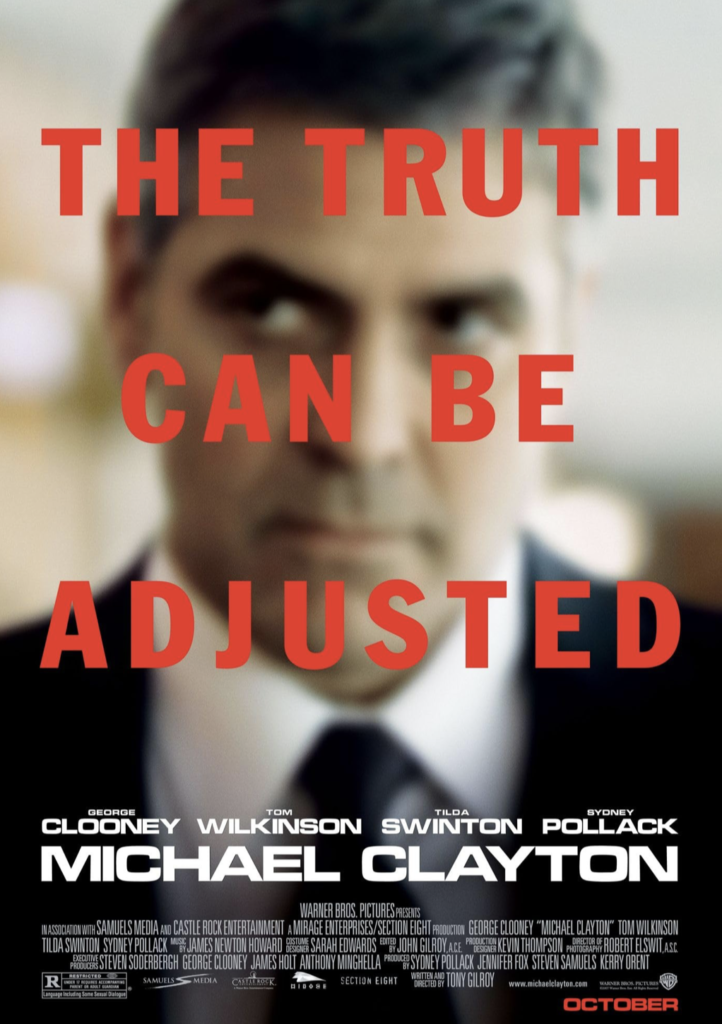
Michael Clayton: inside the clean‑up machine
If Spotlight looks at journalism and Dark Waters at corporate litigation, Michael Clayton focuses on the people whose job is to make problems disappear. The title character is a “fixer” at a prestigious law firm: he isn’t in court, and his name isn’t on the building, but he is the person they call when a client’s mess threatens to become public.
The film peels back the layers of how reputations are maintained. We see how language is used to soften reality—harm becomes “exposure,” victims become “plaintiffs,” and the goal is not necessarily to find the truth but to manage it. When Clayton begins to understand the scale of what his client has done, he faces a question at the core of a lot of modern scandals: what happens when someone inside the machine decides not to play their part anymore?
Michael Clayton is especially resonant when conversations online focus on “who knew” and “who helped.” It reminds us that entire careers and infrastructures exist to protect power and to make sure certain stories never catch fire in the first place.
How to watch these films with care
Because these movies deal with abuse, corruption, and betrayal, they can be emotionally heavy—especially for people who have personal experience with similar harms. A few ways to approach them thoughtfully:
- Check in with yourself before you press play. It’s okay to wait until you’re in a better headspace.
- Watch with someone you trust, or plan a debrief after. These aren’t background‑noise films; they merit conversation.
- Remember that survivors’ experiences are not plot devices. If a conversation about the movie starts turning into speculation or jokes about real people, you have permission to pull it back or step away.
The goal isn’t to turn real‑world pain into “content you can feel good about watching.” It’s to understand the systems around that pain more clearly and to keep our empathy intact.
Why sharing this kind of list matters
Sharing watchlists online can feel trivial, but small choices add up. When we recommend movies that take harm seriously, we’re nudging the culture in a different direction than the endless churn of sensational docuseries and clips built around shock value.
A thoughtful share says:
- I’m paying attention to the structures behind the headlines, not just the gossip.
- I’m interested in stories that center accountability, not just spectacle.
- I want our conversations to honor victims and the people fighting for the truth.
If you decide to post about these films, you don’t have to mention any specific scandal or case at all. You can simply say: “If you’re thinking a lot about power, silence, and cover‑ups right now, these are worth your time.” That alone can open up more grounded, respectful conversations than another round of speculation and rumor.
In a feed full of noise, choosing to highlight stories of persistence, investigation, and courage is its own quiet statement.
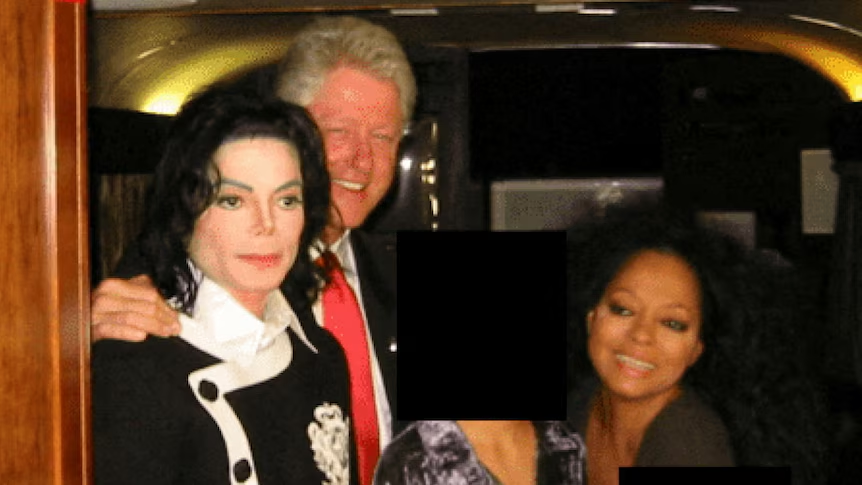
Jeffrey Epstein’s money did more than buy private jets and legal leverage. It flowed into the same ecosystem that decides which artists get pushed to the front, which research gets labeled “cutting edge,” and which stories about race and power are treated as respectable debate instead of hate speech. That doesn’t mean he sat in a control room programming playlists. It means his worldview seeped into institutions that already shape what we hear, see, and believe.
The Gatekeepers and Their Stains
The fallout around Casey Wasserman is a vivid example of how this works. Wasserman built a powerhouse talent and marketing agency that controls a major slice of sports, entertainment, and the global touring business. When the Epstein files revealed friendly, flirtatious exchanges between Wasserman and Ghislaine Maxwell, and documented his ties to Epstein’s circle, artists and staff began to question whose money and relationships were quietly underwriting their careers.
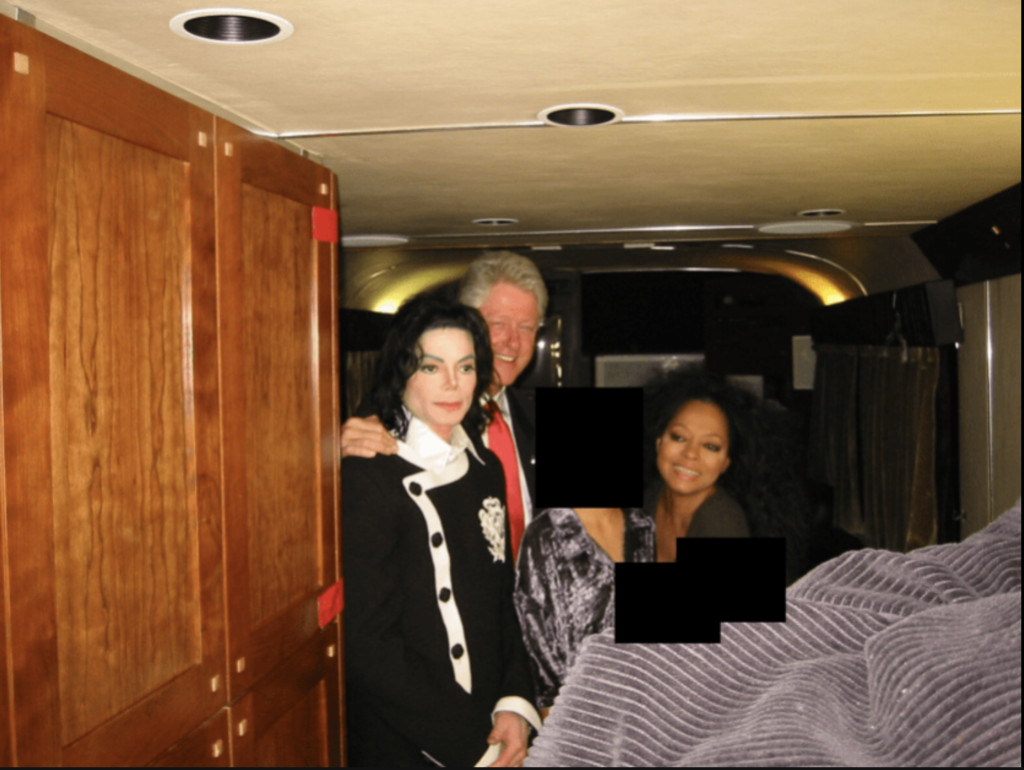
That doesn’t prove Epstein “created” any particular star. But it shows that a man deeply entangled with Epstein was sitting at a choke point: deciding which artists get representation, which tours get resources, which festivals and campaigns happen. In an industry built on access and favor, proximity to someone like Epstein is not just gossip; it signals which values are tolerated at the top.
When a gatekeeper with that history sits between artists and the public, “the industry” stops being an abstract machine and starts looking like a web of human choices — choices that, for years, were made in rooms where Epstein’s name wasn’t considered a disqualifier.
Funding Brains, Not Just Brands
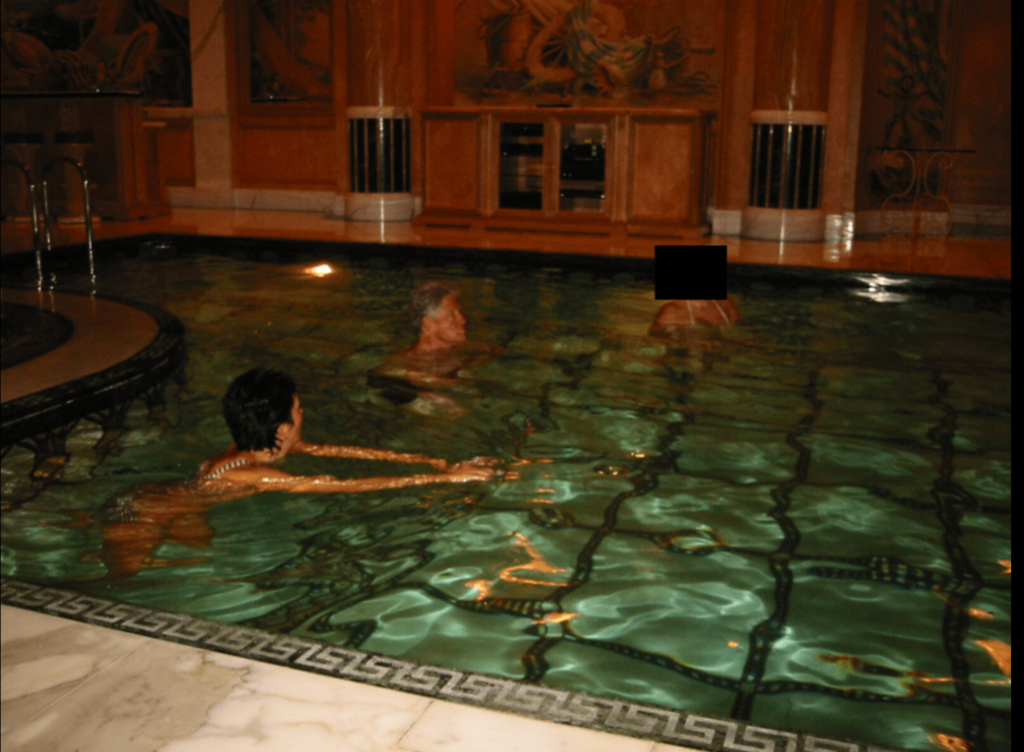
Epstein’s interest in culture didn’t end with celebrity selfies. He was obsessed with the science of brains, intelligence, and behavior — and that’s where his money begins to overlap with how audiences are modeled and, eventually, how algorithms are trained.
He cultivated relationships with scientists at elite universities and funded research into genomics, cognition, and brain development. In one high‑profile case, a UCLA professor specializing in music and the brain corresponded with Epstein for years and accepted funding for an institute focused on how music affects neural circuits. On its face, that looks like straightforward philanthropy. Put it next to his email trail and a different pattern appears.
Epstein’s correspondence shows him pushing eugenics and “race science” again and again — arguing that genetic differences explain test score gaps between Black and white people, promoting the idea of editing human beings under the euphemism of “genetic altruism,” and surrounding himself with thinkers who entertained those frames. One researcher in his orbit described Black children as biologically better suited to running and hunting than to abstract thinking.
So you have a financier who is:
- Funding brain and behavior research.
- Deeply invested in ranking human groups by intelligence.
- Embedded in networks that shape both scientific agendas and cultural production.
None of that proves a specific piece of music research turned into a specific Spotify recommendation. But it does show how his ideology was given time, money, and legitimacy in the very spaces that define what counts as serious knowledge about human minds.
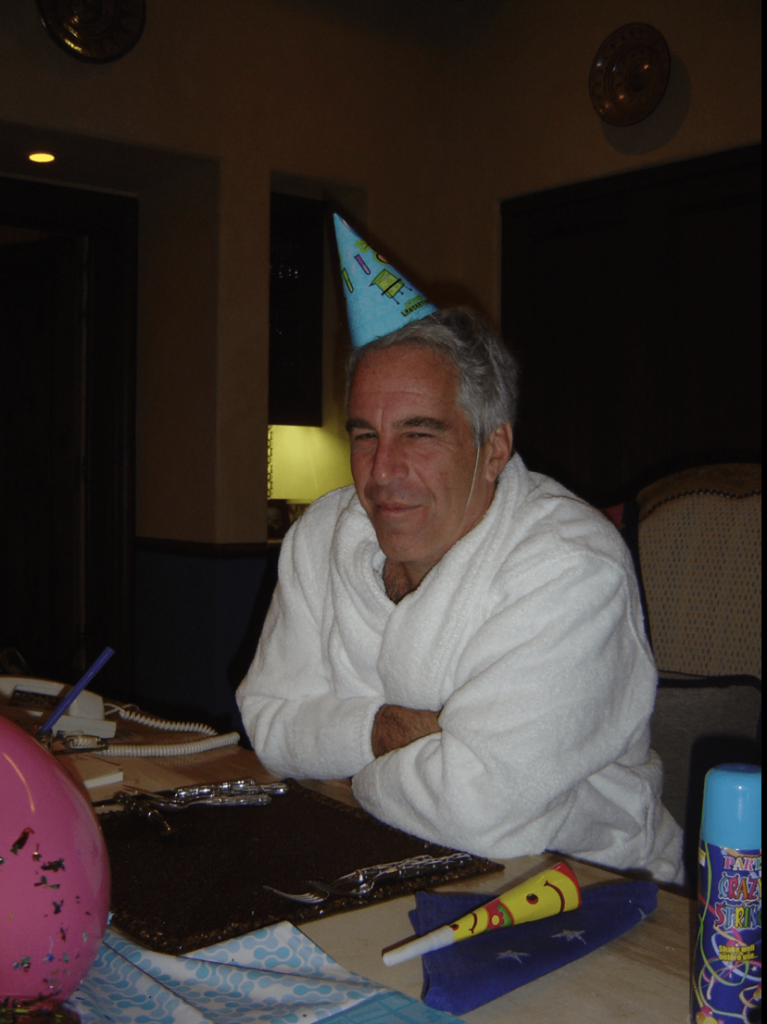
How Ideas Leak Into Algorithms
There is another layer that is easier to see: what enters the knowledge base that machines learn from.
Fringe researchers recently misused a large U.S. study of children’s genetics and brain development to publish papers claiming racial hierarchies in IQ and tying Black people’s economic outcomes to supposed genetic deficits. Those papers then showed up as sources in answers from large AI systems when users asked about race and intelligence. Even after mainstream scientists criticized the work, it had already entered both the academic record and the training data of systems that help generate and rank content.
Epstein did not write those specific papers, but he funded the kind of people and projects that keep race‑IQ discourse alive inside elite spaces. Once that thinking is in the mix, recommendation engines and search systems don’t have to be explicitly racist to reproduce it. They simply mirror what’s in their training data and what has been treated as “serious” research.
Zoomed out, the pipeline looks less like a neat conspiracy and more like an ecosystem:
- Wealthy men fund “edgy” work on genes, brains, and behavior.
- Some of that work revives old racist ideas with new data and jargon.
- Those studies get scraped, indexed, and sometimes amplified by AI systems.
- The same platforms host and boost music, video, and news — making decisions shaped by engagement patterns built on biased narratives.
The algorithm deciding what you see next is standing downstream from all of this.
The Celebrity as Smoke Screen
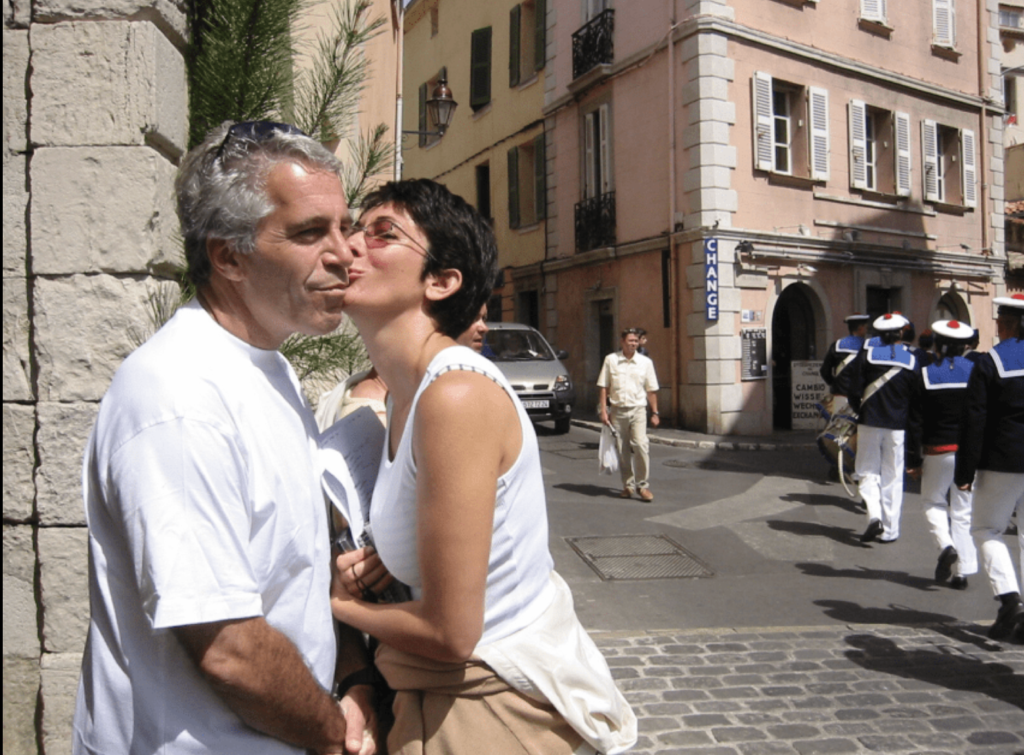
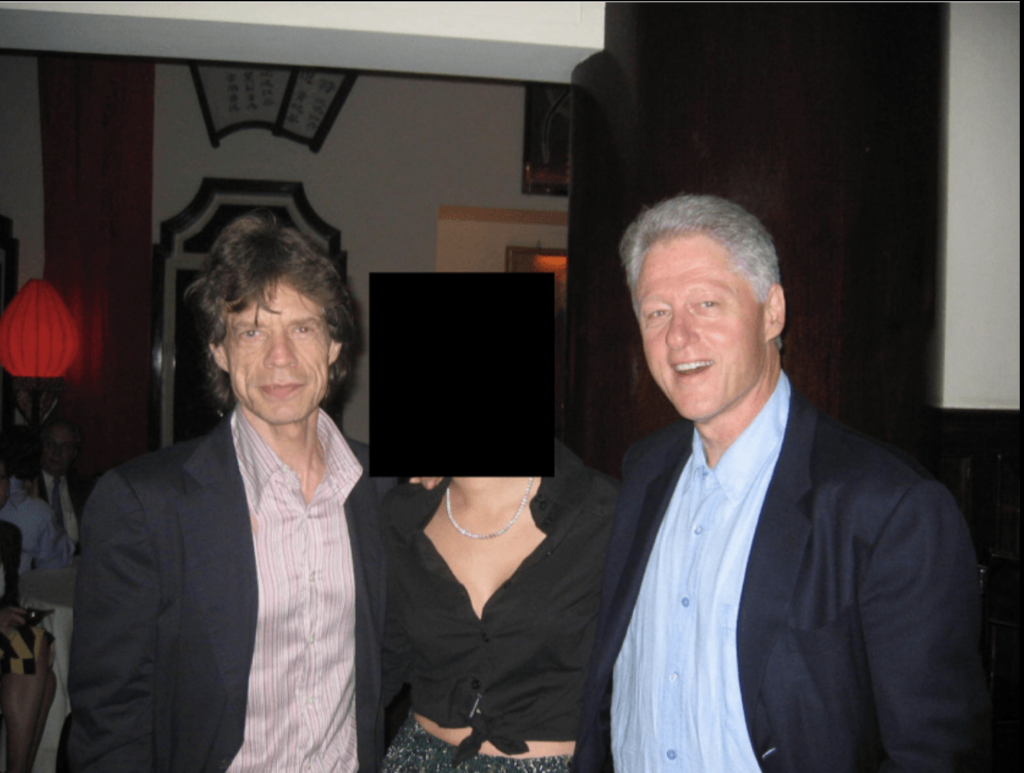
Epstein’s contact lists are full of directors, actors, musicians, authors, and public intellectuals. Many now insist they had no idea what he was doing. Some probably didn’t; others clearly chose not to ask. From Epstein’s perspective, the value of those relationships is obvious.
Being seen in orbit around beloved artists and cultural figures created a reputational firewall. If the public repeatedly saw him photographed with geniuses, Oscar winners, and hit‑makers, their brains filed him under “eccentric patron” rather than “dangerous predator.”
That softens the landing for his ideas, too. Race science sounds less toxic when it’s discussed over dinner at a university‑backed salon or exchanged in emails with a famous thinker.
The more oxygen is spent on the celebrity angle — who flew on which plane, who sat at which dinner — the less attention is left for what may matter more in the long run: the way his money and ideology were welcomed by institutions that shape culture and knowledge.
What to Love, Who to Fear
The point is not to claim that Jeffrey Epstein was secretly programming your TikTok feed or hand‑picking your favorite rapper. The deeper question is what happens when a man with his worldview is allowed to invest in the people and institutions that decide:
- Which artists are “marketable.”
- Which scientific questions are “important.”
- Which studies are “serious” enough to train our machines on.
- Which faces and stories are framed as aspirational — and which as dangerous.
If your media diet feels saturated with certain kinds of Black representation — hyper‑visible in music and sports, under‑represented in positions of uncontested authority — while “objective” science quietly debates Black intelligence, that’s not random drift. It’s the outcome of centuries of narrative work that men like Epstein bought into and helped sustain.
No one can draw a straight, provable line from his bank account to a specific song or recommendation. But the lines he did draw — to elite agencies, to brain and music research, to race‑obsessed science networks — are enough to show this: his money was not only paying for crimes in private. It was also buying him a seat at the tables where culture and knowledge are made, where the stories about who to love and who to fear get quietly agreed upon.
A Challenge to Filmmakers and Creatives
For anyone making culture inside this system, that’s the uncomfortable part: this isn’t just a story about “them.” It’s also a story about you.
Filmmakers, showrunners, musicians, actors, and writers all sit at points where money, narrative, and visibility intersect. You rarely control where the capital ultimately comes from, but you do control what you validate, what you reproduce, and what you challenge.
Questions worth carrying into every room:
- Whose gaze are you serving when you pitch, cast, and cut?
- Which Black characters are being centered — and are they full humans or familiar stereotypes made safe for gatekeepers?
- When someone says a project is “too political,” “too niche,” or “bad for the algorithm,” whose comfort is really being protected?
- Are you treating “the industry” as a neutral force, or as a set of human choices you can push against?
If wealth like Epstein’s can quietly seep into agencies, labs, and institutions that decide what gets made and amplified, then the stories you choose to tell — and refuse to tell — become one of the few levers of resistance inside that machine. You may not control every funding source, but you can decide whether your work reinforces a world where Black people are data points and aesthetics, or one where they are subjects, authors, and owners.
The industry will always have its “gatekeepers.” The open question is whether creatives accept that role as fixed, or start behaving like counter‑programmers: naming the patterns, refusing easy archetypes, and building alternative pathways, platforms, and partnerships wherever possible. In a landscape where money has long been used to decide what to love and who to fear, your choices about whose stories get light are not just artistic decisions. They are acts of power.

Why Some Songs End Up in Movies—While Others Never Do

They Told Him a Black Man Can’t Learn. He Sued Them and Won.


