Film Industry
Dr. Ric Mathis Turns a Film Screening Into a Lifesaving Movement With Heartbeat

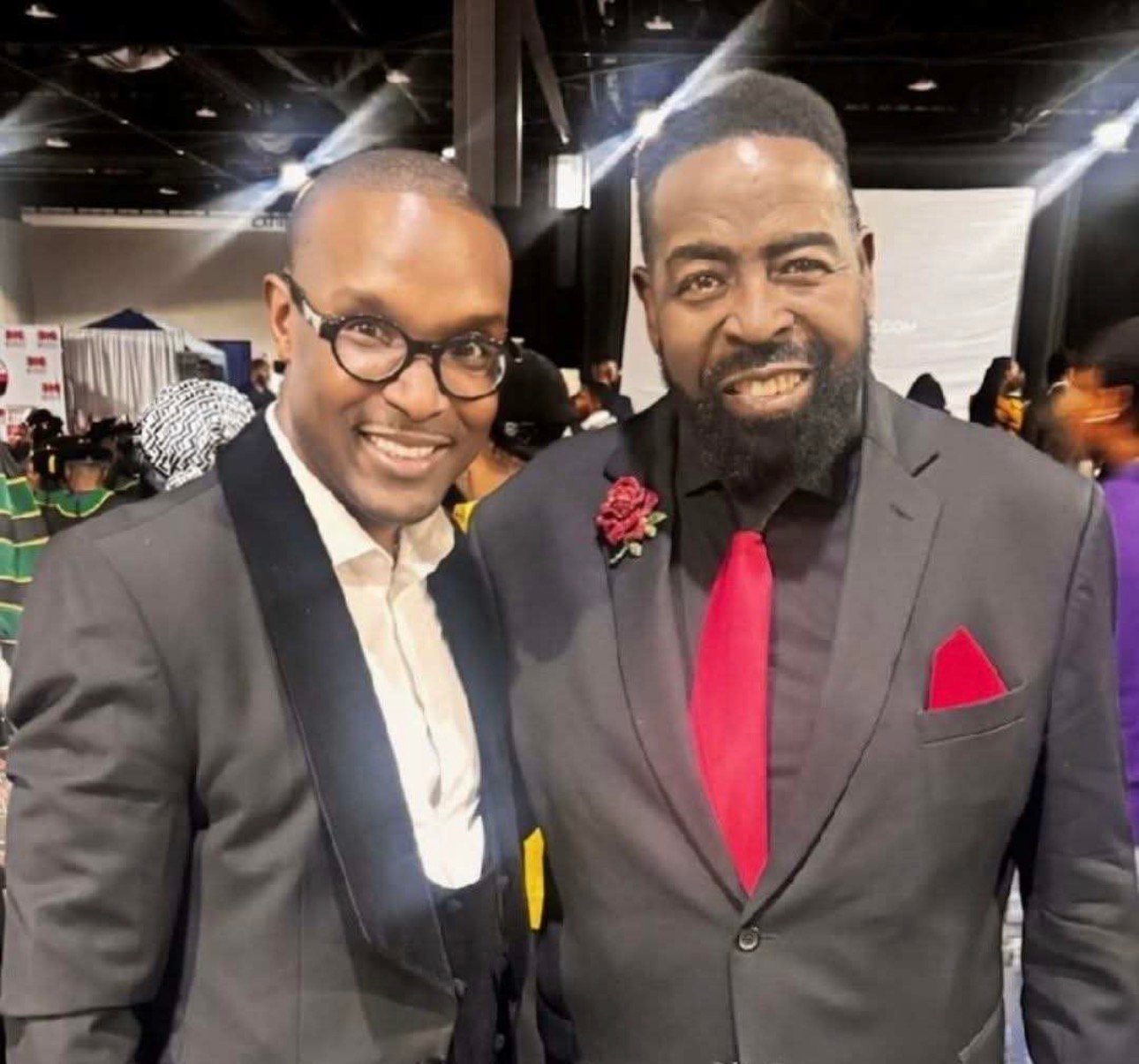
One person dies every 34 seconds from cardiovascular disease in the United States. That statistic opened the evening—and by the time the lights came back on, it had changed the way an entire room thought about their own.
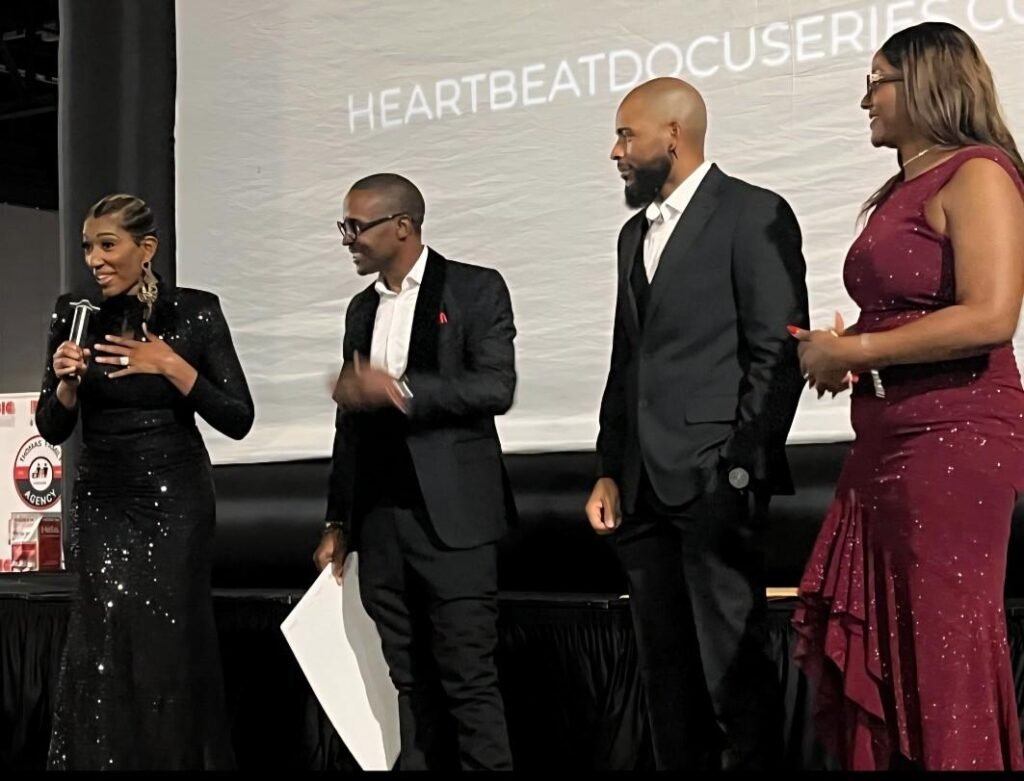
Dr. Ric Mathis, the internationally recognized filmmaker known as the “Documentary King,” brought his latest docuseries Heartbeat to a packed screening event that was equal parts cinema, community gathering, and public health intervention. What unfolded was more than a premiere—it was a moment that could genuinely save lives.
A Silent Killer Meets a Powerful Storyteller
Heart disease is the leading cause of death in the United States, killing more Americans than all forms of cancer and accidental deaths combined. In 2022 alone, cardiovascular disease claimed about 941,652 lives nationwide. Yet for all its devastation, heart disease often arrives without warning: in the U.S., someone has a heart attack every 40 seconds, and about 1 in 5 of those heart attacks is “silent” — the damage is done, but the person doesn’t even know it.
That invisible danger is exactly what Heartbeat confronts head-on. From the opening seconds of the trailer—“I didn’t even see this thing coming. It was silent. It was sudden. And for many of us… it’s deadly.”—the audience is pulled into the harrowing, first-person accounts of survivors who came within moments of losing everything. One survivor describes their actual heart being placed on ice while their fate hung in the balance. The silence in the room says it all: this is no longer a statistic on a screen; it is a mirror.
The Numbers That Shook the Room
Dr. Mathis doesn’t just tell a story—he arms his audience with facts that demand action:
- In the United States, someone has a heart attack every 40 seconds.newsroom.heart+1
- Roughly 805,000 heart attacks occur in the U.S. each year; 605,000 of them are first-time events.
- More than 350,000 people experience cardiac arrest outside a hospital annually, and only about 10% survive, even with paramedic treatment.
- Cardiovascular disease costs the U.S. an estimated hundreds of billions of dollars in direct and indirect costs every year.
These numbers land differently when paired with the faces and voices in the documentary. Attendees described seeing their parents, their partners, and even themselves in the stories on screen.
A Wake-Up Call for Black Communities
The screening carries particular weight for the Black community, where the stakes are even higher.
Black Americans are about 30% more likely to die from heart disease than white Americans.
Black men face a significantly higher risk of developing heart failure compared with white men. African Americans also have some of the highest rates of uncontrolled hypertension in the world, dramatically increasing their risk of heart disease and stroke.
A major Tulane University study found that Black Americans are 54% more likely to die from cardiovascular disease, and that this disparity is driven largely by social determinants of health such as unemployment, low income, food insecurity, and lack of access to care. When researchers adjusted for these social factors, the racial gap in cardiovascular deaths completely disappeared.
This is the injustice Heartbeat refuses to let audiences ignore. Dr. Mathis uses the post-screening conversation to connect the dots between systemic inequality and the heart attacks happening in neighborhoods across the country—turning grief into understanding, and understanding into action.
From Screening Room to Doctor’s Office
What sets this event apart is how Dr. Mathis blends powerful storytelling with real-world solutions. Following the film, he leads a candid panel discussion with medical professionals and heart attack survivors, covering symptoms, prevention strategies, and often-overlooked warning signs—especially in communities where trust in healthcare has been historically broken.
The results are immediate and tangible:
- Guests sign up for health screenings on the spot.
- Attendees pledge to schedule overdue medical appointments.
- Clips and quotes from the film flood social media, turning one screening into a living awareness campaign.
- Multiple guests say the film “might have just saved my life.”
- Others commit to sharing Heartbeat with their families, churches, and community organizations.
As many cardiologists note, too many patients—particularly Black patients—see a heart specialist only after they’ve had a cardiac event. Heartbeat is designed to reverse that pattern by making prevention feel urgent and personal.

More Than a Film—A Movement
Dr. Ric Mathis has spent more than two decades using the screen as a tool for empowerment—from his acclaimed Black Friday documentary series to the biographical film Bo Legs and his financial literacy work through Rich Kid Society. With Heartbeat, he has extended that mission into the most intimate territory yet: keeping people alive.
The success of this screening is not measured in ticket sales alone. It is measured in the quiet decisions people make afterward—to get checked, to change a habit, to have a difficult conversation about health, to stop ignoring warning signs. In a country where heart disease is responsible for roughly 1 in every 3 deaths, and where the first symptom can sometimes be the last, awareness is not optional—it is survival.
If even one life is saved because someone sat in that theater and decided to take action, then Heartbeat has done exactly what it was created to do.


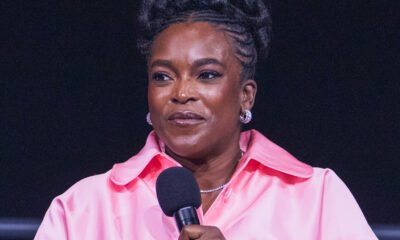







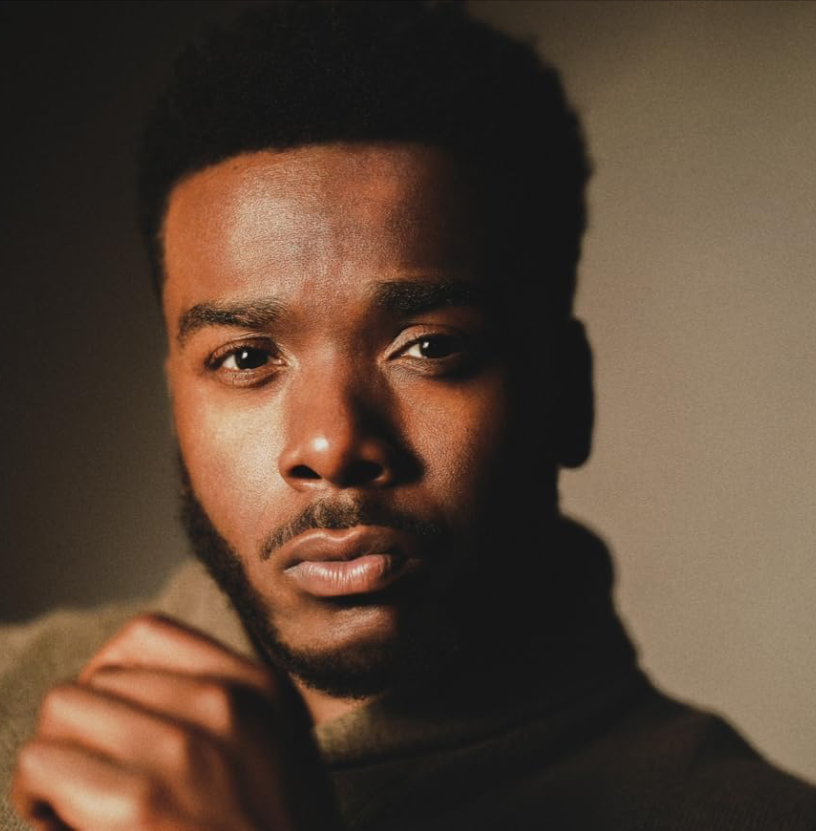
As Sinners surges into the cultural conversation, it’s impossible to ignore the force of Christian Robinson’s performance. His “let me in” door scene has become one of the film’s defining moments—raw, desperate, and unforgettable. But the power of that scene makes the most sense when you understand the journey that brought him there.
From church play to breakout roles
Christian’s path didn’t begin on a Hollywood set. It started in a Brooklyn church, when a woman named Miss Val kept asking him to be in a play.
“I told her no countless times,” he remembers. “Every time she saw me, she asked me and she wouldn’t stop asking me.”
He finally said yes—and everything changed.
“I did it once and I fell in love,” he says. That one performance pushed him into deep research on the craft, a move to Atlanta, and years of unglamorous work: training, auditioning, stacking small wins until he booked his first roles and then Netflix’s Burning Sands, where many met him as Big Country.
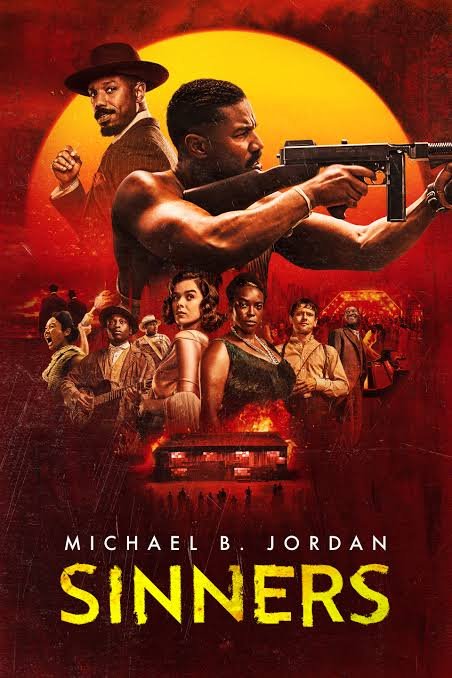
By the time Sinners came along, he wasn’t a newcomer hoping to get lucky. He was an actor who had quietly built the muscles to carry something bigger.
The door scene: life or death
On The Roselyn Omaka Show, Christian shared the directing note Ryan Coogler gave him before filming the door scene:
“He explained to me, ‘I need you to bang on this door as if your life depended on it. Like it’s a matter of life and death.’”
Christian didn’t just turn up the volume; he reached deeper.
“This film speaks a lot about our ancestors,” he told Roselyn Omaka. “So I tried to give a glimpse of what our ancestors would’ve experienced if someone or something that could bring ultimate destruction was after them. How hard would they bang? How loud would they scream to try to get into a place safely? That’s what I intended to convey in that moment.”
That inner picture—life or death, ancestors, ultimate destruction—is why the scene hits like more than a plot beat. It feels like generational memory breaking through a single frame.
Living through a “history” moment in real time
When Roselyn asks what he’s processing as Sinners takes off, Christian admits he’s still inside the wave.
“I’ve never experienced a project with this level of reception and energy and momentum,” he says. “People having their theories and breaking it down and doing reenactments… it’s never been a time like this in my career.”
He’s careful not to over‑define something that’s still unfolding: “There’s no way to give an accurate description of what I’m experiencing while I’m still experiencing it.” He knows he’ll need distance to name it fully.
But he can name one thing: “If I could gather any adjective to describe it, it would be gratefulness. I’m grateful.”
He also feels the weight of what this film might mean long-term:
“To know that I was there for a large amount of the time it was being brought to life, and a part of what the internet is saying will be history… this is something that I’m inspired by—to shoot for the stars in whatever passion rooted in creativity that you possess.”
Music, joy, and the man behind the moment
Christian talks about the music of Sinners as another force that shaped him. The score wasn’t playing nonstop; it showed up in key moments.
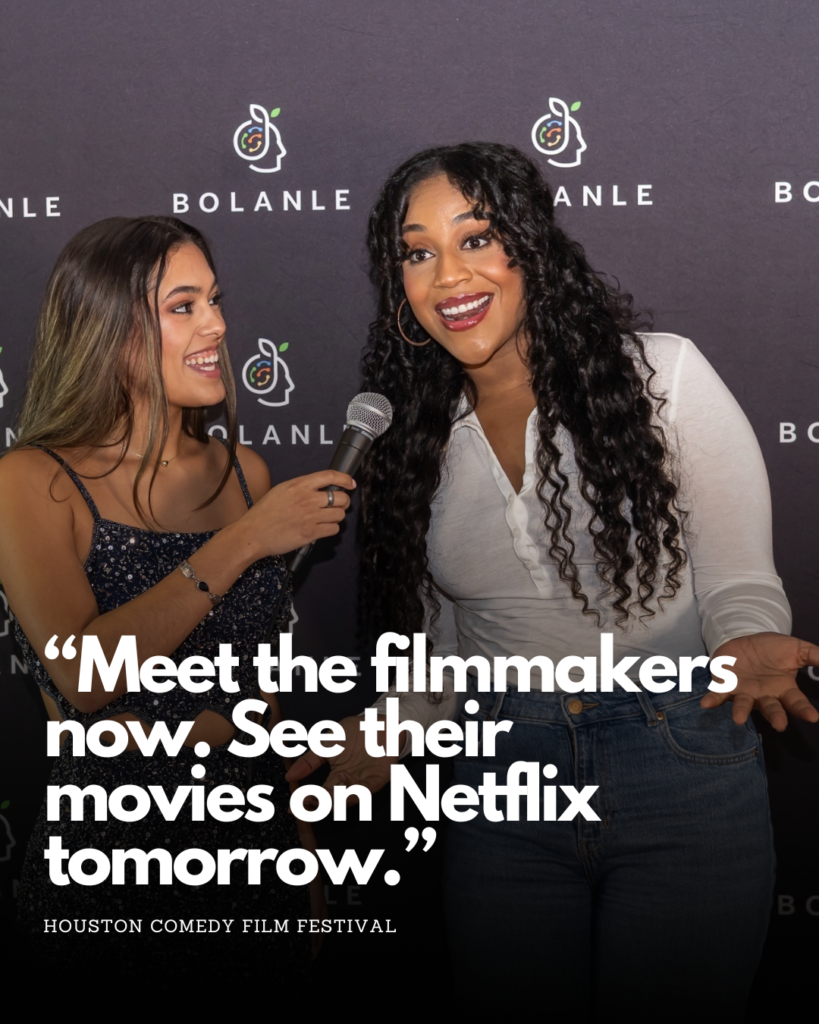
“The music was played when it was necessary to be played. But when it was played, it resonated,” he says. Hearing Miles Caton’s songs early, before the world did, he remembers thinking, “This is going to be magical… This is one of the ones right here.”
For all the heaviness of the story, he also brought levity. He laughs about being the jokester on set—singing Juvenile and Lil Wayne in the New Orleans hair and makeup trailer, trying to make everyone smile during Essence Fest weekend. “I’m a fun guy,” he says. “I love to see people laugh and have a good time.”
PATHS for us and opening doors
What might be most revealing is how seriously Christian takes his responsibility off screen. In 2015, sitting in his apartment outside Atlanta, he felt God tell him to start a nonprofit called PATHS.
“I heard from God and he told me to start a nonprofit called PATHS,” he recalls. At first, he and his peers went into schools and inner‑city communities to teach young people “the many different paths to entering the entertainment industry”—not just the craft, but “the practical steps and establishing yourself, like the business of an actor… a stunt person, hair and makeup, etc.”
When the pandemic hit and school visits stopped, he pivoted to a podcast and digital platform: “Fine, I’ll do it,” he laughs. Now PATHS for us lets “anyone anywhere that desires to be in entertainment hear from credible entertainment industry professionals on how they got to where they are and how you can do the same.”
Working on Sinners confirmed that he should go all in: “It just gave me exactly what I needed to know that I should pour my all into it.”
Honoring a history-making moment
As Sinners takes off, Christian keeps coming back to one word: gratefulness—for the film, for the collaborators, for the chance to be part of something people are calling historic.
At Bolanle Media, we see more than a viral scene. We see an artist whose craft is rooted in faith, ancestors, and hard-earned discipline; whose joy lifts the rooms he works in; and whose platform is opening real paths for others.
This scene almost broke him. And changed his career.
Now, as the world catches up, Christian Robinson is using that breakthrough not just to walk through new doors—but to help the next generation find theirs.

Michael B. Jordan’s first Oscar win for Sinners isn’t just a milestone for his career — it’s a masterclass for filmmakers watching from the edit bay, the writing desk, or the no‑budget set.
For years, Jordan has been building toward this moment: from early TV roles to his breakout in Fruitvale Station, the cultural shockwave of Black Panther, and his evolution into a producer and director. His Sinners performance and awards run crystallize a set of habits, choices, and values that rising filmmakers can actually use.
1. “Find Your Coogler”: The Power of Long-Term Collaboration
Jordan’s professional story is inseparable from his collaboration with Ryan Coogler. They’ve moved together from intimate indie drama to franchise-level spectacle, and now to awards-season dominance with Sinners.
“Find your people and grow with them, not just next to them.”
For filmmakers, the takeaway is simple:
- Stop thinking in “one‑off” crews.
- Start identifying the producers, DPs, editors, writers, and actors you want to build years of work with.
That kind of trust lets you move faster, go deeper, and take bigger risks together.
2. Preparation That Lets You Jump Off the Cliff
Jordan has talked in interviews about preparing so thoroughly that he can “let go” when the cameras roll. The homework — script work, character study, physical training, emotional research — is what makes the risk possible.
You can translate that directly into a filmmaking workflow:
- Do the table read.
- Break down the script scene by scene.
- Build visual references and emotional maps.
The more you handle before you’re on set, the more you can afford to explore, improvise, and discover in real time.
“Preparation buys you freedom on set.”
3. Take the “Bad Idea” Swing
A key pattern in Jordan’s choices is betting on material that doesn’t always look safe or obvious on paper. Roles and projects that feel intense, specific, or risky are often the ones that end up resonating the most.
For filmmakers, that means:
- Stop sandpapering your scripts into something generic.
- Start protecting the sharp edges — the personal details, the uncomfortable moments, the cultural specifics.
The project that scares you a little might be the one that actually breaks you out.
“If it feels too safe, it’s probably not big enough.”
4. One Hat at a Time (On Purpose)
Jordan is a modern multi-hyphenate — actor, producer, director — but he’s also strategic about when he wears which hat. On some projects, he leans fully into performance and trusts his team with everything else; on others, like Creed III, he steps behind the camera and takes on the entire vision.
Filmmakers can learn from that restraint:
- It’s okay to not direct, shoot, edit, and produce every single project.
- Choosing one primary role per project can sharpen the overall result.
Ask yourself on each film: “What’s the one role where I add the most value here?” Then structure the team accordingly.
“You don’t have to do everything on every film.”

5. Build an Ecosystem, Not Just a Résumé
Through his company and slate, Jordan is doing more than collecting credits. He’s building an ecosystem where the stories he cares about have a home — a pipeline for voices, genres, and perspectives that might not get space elsewhere.
That’s a roadmap for independent filmmakers and media founders:
- Create recurring spaces (a series, a channel, a festival, a label) where your sensibility is the default.
- Think beyond the single film; think in seasons, slates, and communities.
Your “ecosystem” might start as a simple recurring short-film series on your site, or a curated block at a festival. Over time, it becomes infrastructure.
“Don’t just book jobs. Build a world.”
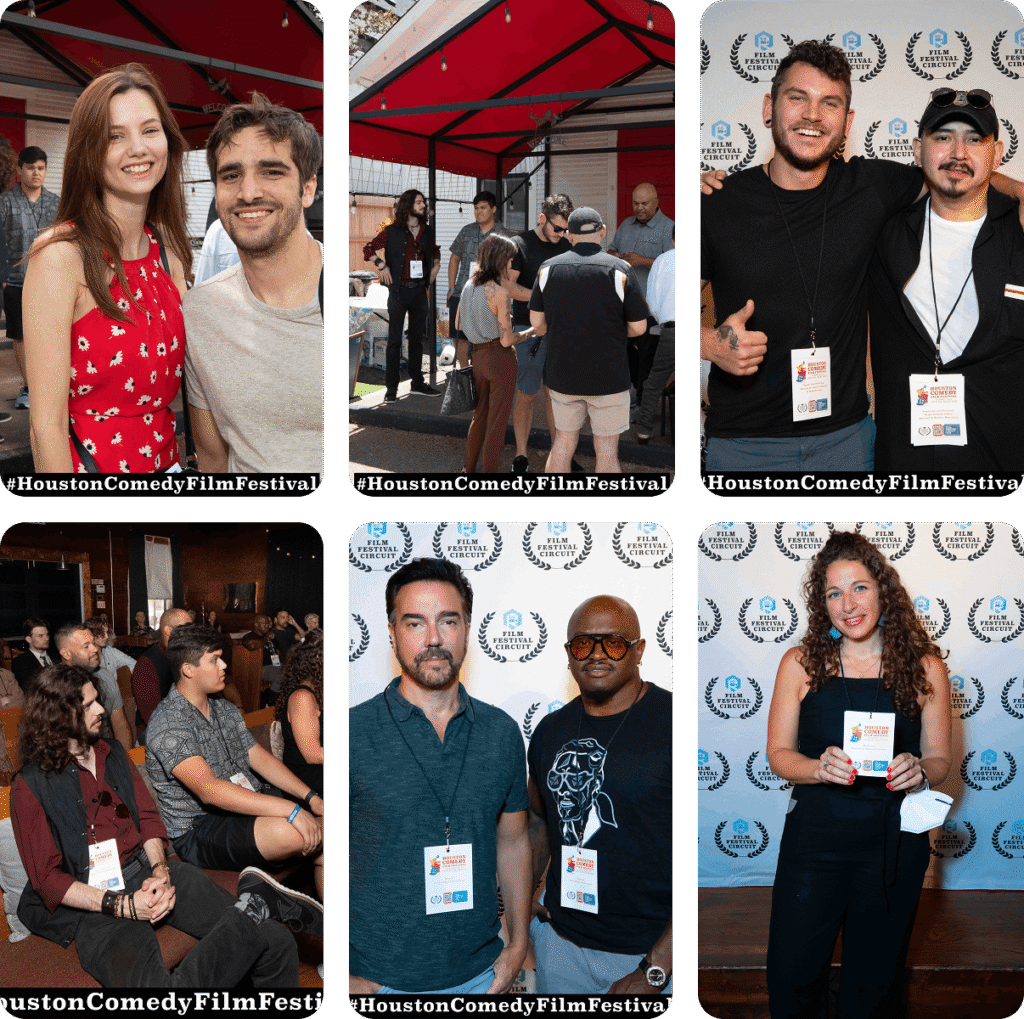
6. Honor the Lineage You Stand On
When he accepted his Oscar, Jordan made a point to acknowledge the Black artists and legends who paved the way before him. That posture matters. It keeps ego in check and places today’s wins inside a longer lineage of struggle and progress.
Filmmakers can mirror that by:
- Citing their influences openly.
- Educating themselves on the history of the craft, especially in their own communities.
- Using their platforms to shine a light on peers and predecessors.
This isn’t just about being gracious; it’s about knowing you’re part of a story bigger than one awards season.
“Your win is a chapter, not the whole book.”
7. Let the Win Raise Your Standards
The most powerful thing about this moment is that it doesn’t feel like a finish line. Jordan’s energy reads as: this is motivation, not retirement. The recognition becomes pressure to work smarter, deeper, and more intentionally.
Filmmakers can turn every “win” — whether it’s an Oscar, a festival laurel, a viral clip, or a private email from someone impacted by your work — into fuel for the next draft and the next shoot.
Ask:
- What did I do well here that I can codify into my process?
- Where did I get lucky, and how can I replace luck with craft next time?
“Treat every win as a new baseline, not a peak.”
Why This Matters for Our Community
At Bolane Media, we see Michael B. Jordan’s Oscar moment not just as a celebrity headline, but as a roadmap for emerging storytellers — especially those building from underrepresented communities and independent spaces.
If you’re a filmmaker reading this:
- Identify one of these seven lessons.
- Apply it to your next project, not the hypothetical big one five years from now.
Then share your work with us. We want to see what you build.
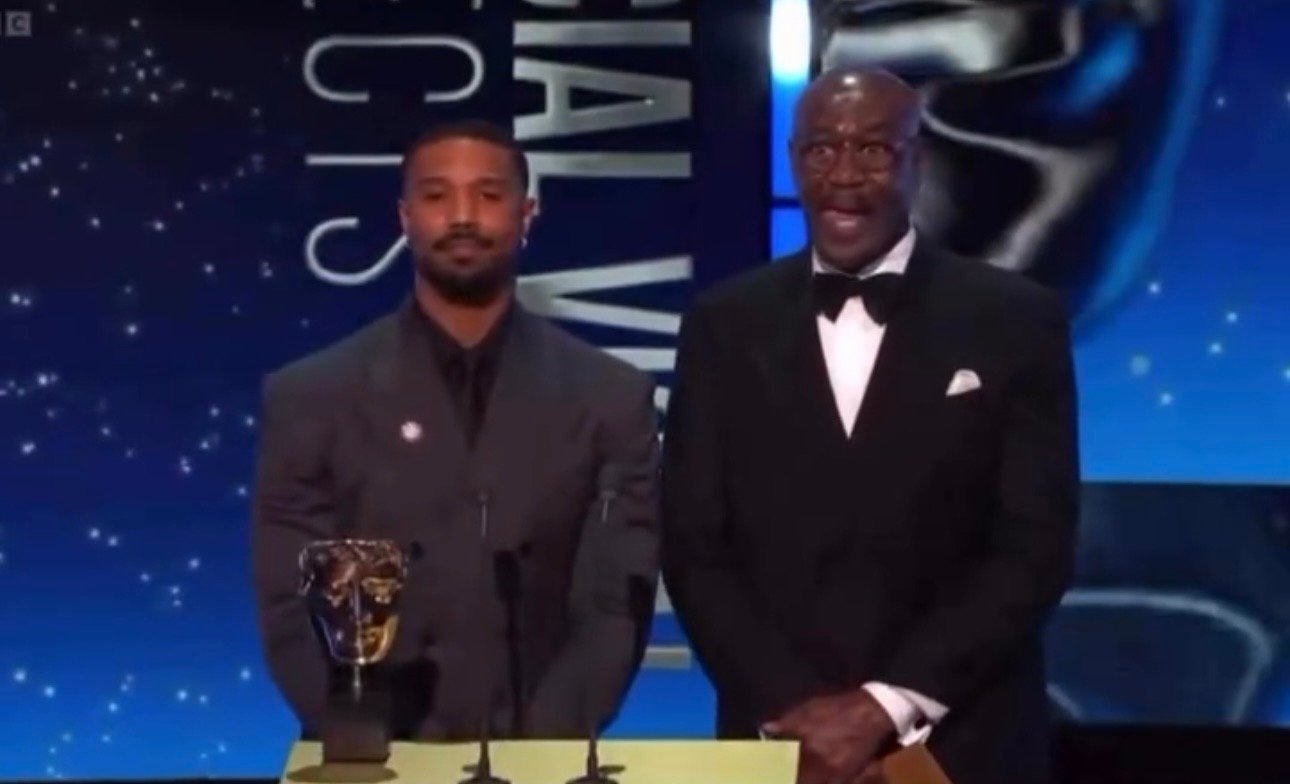
Michael B. Jordan and Delroy Lindo did not walk onto the BAFTA stage expecting to become a case study in how the industry mishandles racism in real time. They were there to present, hit their marks, and do what award shows have always asked of Black talent: bring charisma, sell the moment, keep the night moving.
Instead, while they stood under the lights, a man in the audience shouted the N‑word. The word carried across the theater and through the broadcast. The cameras kept rolling. The teleprompter kept scrolling. And the two men at the center of it did what they’ve been trained their entire careers to do: they kept going.
The incident was shocking, but the pattern around it was familiar.
The Apologies That Came After the Credits
In the days that followed, BAFTA released a public apology. The organization said it took responsibility for putting its guests “in a very difficult situation,” acknowledged that the word used carries deep trauma, and apologized to Michael B. Jordan and Delroy Lindo. It also praised them for their “dignity and professionalism” in continuing to present.
The man who shouted the slur, a Tourette syndrome campaigner, explained that his outbursts are involuntary and expressed remorse for the pain his tic caused. That context about disability matters. Any honest conversation has to hold space for the reality that not every harmful word is spoken with intent.
But context doesn’t erase impact. For people watching at home—and especially for the men on that stage—the sequence was still the same: a slur detonated in the room, the show continued as if nothing happened, and the institutional response arrived later, in carefully crafted language.
Delroy Lindo summed up the experience by saying he and Jordan “did what we had to do,” and added that he wished someone from the organization had spoken with them directly afterward. That gap between polished statements and real‑time care is exactly where trust breaks down.
Who Is “Professionalism” Really Protecting?
Strip away the PR and a hard truth emerges: almost all of the pressure fell on the people who were harmed, not the people in charge.
On stage, “professionalism” meant Jordan and Lindo were expected to stay composed so the room wouldn’t be uncomfortable. Off stage, “professionalism” meant the institution focused on managing optics after the fact instead of disrupting the show in the moment.
That raises a question the industry rarely wants to confront:
When we call for professionalism, whose comfort are we protecting?
For Black artists, professionalism has too often meant:
- Take the hit and keep your face neutral.
- Don’t make it awkward for the audience or the brand.
- Don’t risk being labeled “difficult,” no matter how blatant the disrespect.
It’s easy to admire that composure. It’s harder to admit that the system routinely demands it from the very people absorbing the harm.
If It Can Happen There, It Can Happen Anywhere
This didn’t happen in a chaotic open mic or an unsupervised live stream. It happened at one of the most carefully produced film ceremonies in the world—an event with run‑of‑show documents, stage managers, and communication channels in everyone’s ears.
If an incident like this can unfold there without a pause, it can unfold anywhere:
- At a regional festival Q&A when an audience member crosses a line.
- At a comedy show when someone heckles with a “joke” that’s really just a slur.
- At a film panel where the only Black creator on stage gets a loaded question and is expected to smile through it.
The honest question for anyone who runs events isn’t “How could BAFTA let this happen?” It’s “What would we actually do if it happened in our room?”
Would your moderator know they have explicit permission to stop everything?
Would your team know who goes to the stage, who speaks to the audience, and who stays with the person targeted?
Or would you also be scrambling to get the language right in a statement tomorrow?
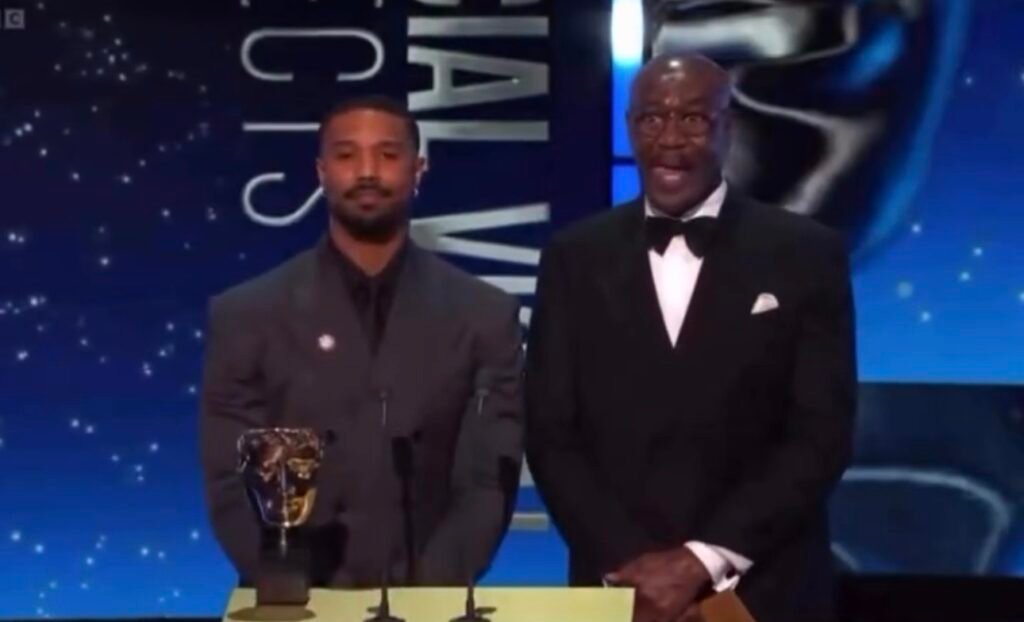
Redefining Professionalism in 2026
If this moment is going to mean anything, the definition of professionalism has to change.
Professionalism cannot just be “don’t lose your cool on stage.” It has to include the courage and structure to protect the people on that stage when something goes wrong.
A better standard looks like this:
- Pause the show when serious harm happens. A clean program is not more important than a person’s dignity.
- Acknowledge it in the room. Name what happened in clear terms instead of pretending it didn’t occur and quietly editing it later.
- Center the person targeted. Check on them, give them options, and let their comfort—not the schedule—drive the next move.
- Plan the response before you need it. Build safety and harassment protocols into your festival, awards show, or live event so no one is improvising under pressure.
Sometimes the most professional thing you can do is allow a little discomfort in the room. It signals that human beings matter more than the illusion of seamlessness.
The Standard Going Forward
Michael B. Jordan and Delroy Lindo did what they have always been rewarded for doing: they protected the show. They shouldn’t have had to.
True respect for their craft and humanity would have looked like a room that moved to protect them instead—stopping the script, resetting the energy, and making it clear that the problem wasn’t their reaction, but the harm they’d just absorbed.
No performer should be asked to choose between their dignity and their career. So if you work anywhere in this industry—onstage or behind the scenes—this incident quietly handed you a new baseline:
Call it out.
Pause the show.
Back the person who was harmed.
That’s what professionalism should mean in 2026.

Stop Waiting for Permission — The Film Industry Just Rewrote the Rules

How ‘Sinners’ Won The Oscars: Filmmaker Notes

This scene almost broke him. And changed his career.


 Advice2 weeks ago
How to Find Your Voice as a Filmmaker
- News2 weeks ago
How Misinformation Overload Breaks Creative Focus
- Entertainment4 weeks ago
When “Professional” Means Silent
- News3 weeks ago
From Seen to Secured: How Filmmakers Are Owning Their Value
- Entertainment4 weeks ago
These Movies Aren’t “True Crime for Fun”
- News4 weeks ago
THE MACHINE VS. THE ARTIST
- News3 weeks ago
Idris Elba’s Multimillion-Dollar Film Studio Is Coming to Ghana
- News3 weeks ago
March 1 in NYC: Love Notes From Harlem at Don’t Tell Mama