Film Industry
Dr. Ric Mathis Turns a Film Screening Into a Lifesaving Movement With Heartbeat

One person dies every 34 seconds from cardiovascular disease in the United States. That statistic opened the evening—and by the time the lights came back on, it had changed the way an entire room thought about their own.
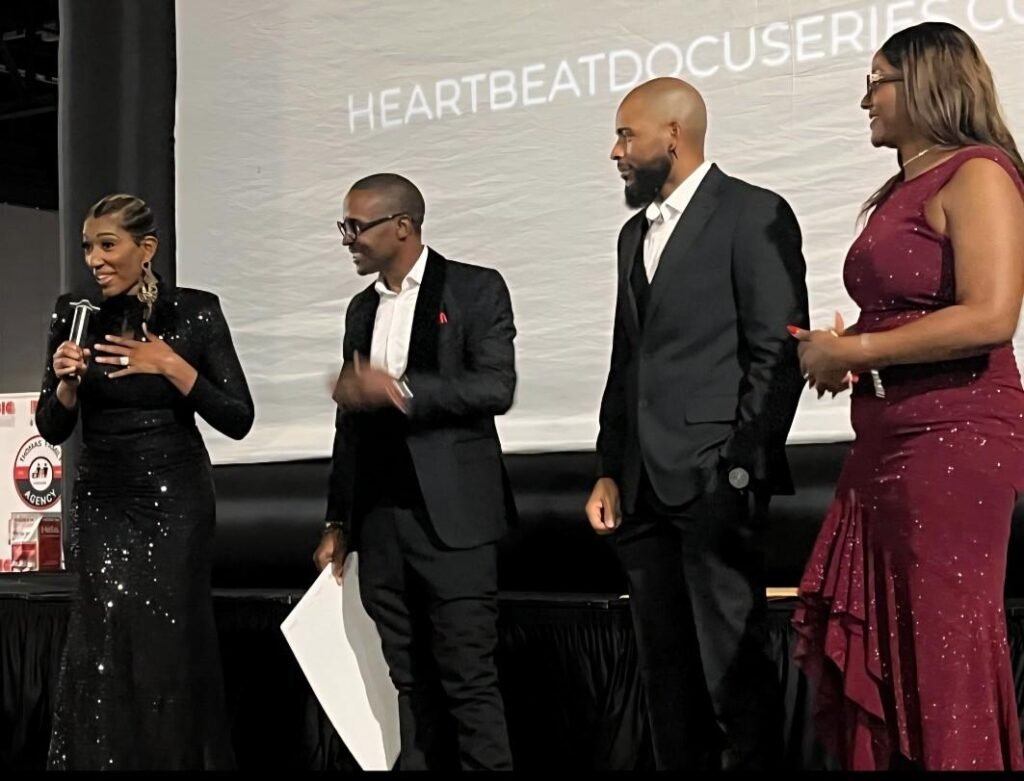
Dr. Ric Mathis, the internationally recognized filmmaker known as the “Documentary King,” brought his latest docuseries Heartbeat to a packed screening event that was equal parts cinema, community gathering, and public health intervention. What unfolded was more than a premiere—it was a moment that could genuinely save lives.

A Silent Killer Meets a Powerful Storyteller
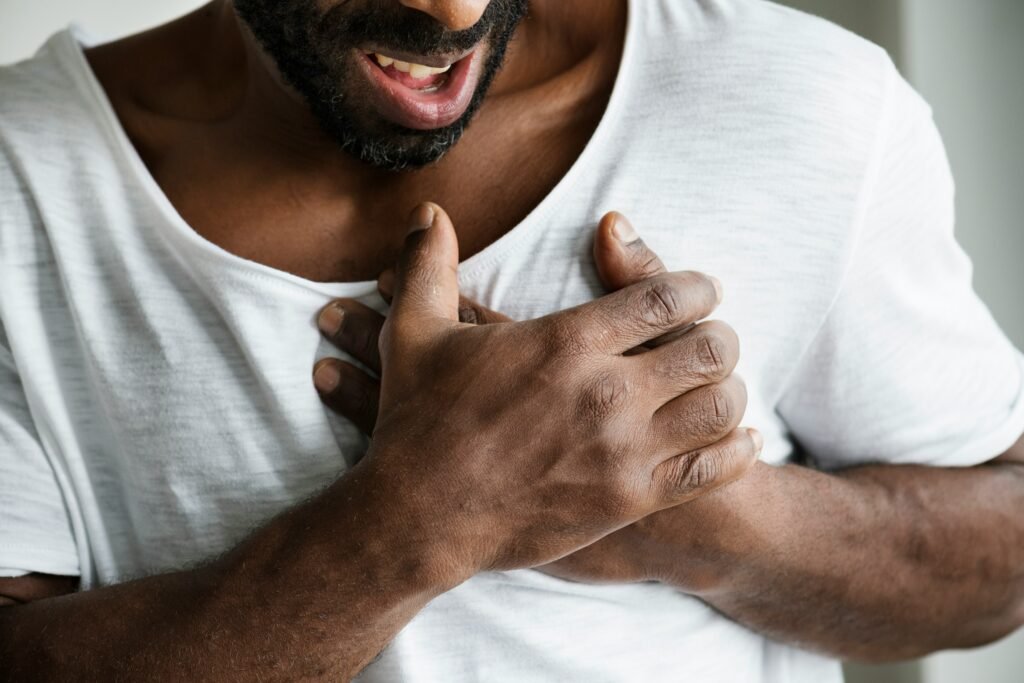
Heart disease is the leading cause of death in the United States, killing more Americans than all forms of cancer and accidental deaths combined. In 2022 alone, cardiovascular disease claimed about 941,652 lives nationwide. Yet for all its devastation, heart disease often arrives without warning: in the U.S., someone has a heart attack every 40 seconds, and about 1 in 5 of those heart attacks is “silent” — the damage is done, but the person doesn’t even know it.
That invisible danger is exactly what Heartbeat confronts head-on. From the opening seconds of the trailer—“I didn’t even see this thing coming. It was silent. It was sudden. And for many of us… it’s deadly.”—the audience is pulled into the harrowing, first-person accounts of survivors who came within moments of losing everything. One survivor describes their actual heart being placed on ice while their fate hung in the balance. The silence in the room says it all: this is no longer a statistic on a screen; it is a mirror.

The Numbers That Shook the Room
Dr. Mathis doesn’t just tell a story—he arms his audience with facts that demand action:
- In the United States, someone has a heart attack every 40 seconds.newsroom.heart+1
- Roughly 805,000 heart attacks occur in the U.S. each year; 605,000 of them are first-time events.
- More than 350,000 people experience cardiac arrest outside a hospital annually, and only about 10% survive, even with paramedic treatment.
- Cardiovascular disease costs the U.S. an estimated hundreds of billions of dollars in direct and indirect costs every year.
These numbers land differently when paired with the faces and voices in the documentary. Attendees described seeing their parents, their partners, and even themselves in the stories on screen.

A Wake-Up Call for Black Communities
The screening carries particular weight for the Black community, where the stakes are even higher.
Black Americans are about 30% more likely to die from heart disease than white Americans.
Black men face a significantly higher risk of developing heart failure compared with white men. African Americans also have some of the highest rates of uncontrolled hypertension in the world, dramatically increasing their risk of heart disease and stroke.
A major Tulane University study found that Black Americans are 54% more likely to die from cardiovascular disease, and that this disparity is driven largely by social determinants of health such as unemployment, low income, food insecurity, and lack of access to care. When researchers adjusted for these social factors, the racial gap in cardiovascular deaths completely disappeared.
This is the injustice Heartbeat refuses to let audiences ignore. Dr. Mathis uses the post-screening conversation to connect the dots between systemic inequality and the heart attacks happening in neighborhoods across the country—turning grief into understanding, and understanding into action.

From Screening Room to Doctor’s Office
What sets this event apart is how Dr. Mathis blends powerful storytelling with real-world solutions. Following the film, he leads a candid panel discussion with medical professionals and heart attack survivors, covering symptoms, prevention strategies, and often-overlooked warning signs—especially in communities where trust in healthcare has been historically broken.
The results are immediate and tangible:
- Guests sign up for health screenings on the spot.
- Attendees pledge to schedule overdue medical appointments.
- Clips and quotes from the film flood social media, turning one screening into a living awareness campaign.
- Multiple guests say the film “might have just saved my life.”
- Others commit to sharing Heartbeat with their families, churches, and community organizations.
As many cardiologists note, too many patients—particularly Black patients—see a heart specialist only after they’ve had a cardiac event. Heartbeat is designed to reverse that pattern by making prevention feel urgent and personal.

More Than a Film—A Movement
Dr. Ric Mathis has spent more than two decades using the screen as a tool for empowerment—from his acclaimed Black Friday documentary series to the biographical film Bo Legs and his financial literacy work through Rich Kid Society. With Heartbeat, he has extended that mission into the most intimate territory yet: keeping people alive.
The success of this screening is not measured in ticket sales alone. It is measured in the quiet decisions people make afterward—to get checked, to change a habit, to have a difficult conversation about health, to stop ignoring warning signs. In a country where heart disease is responsible for roughly 1 in every 3 deaths, and where the first symptom can sometimes be the last, awareness is not optional—it is survival.
If even one life is saved because someone sat in that theater and decided to take action, then Heartbeat has done exactly what it was created to do.