


World News
Cerby lands $17M to manage access to ‘nonstandard’ enterprise apps on August 22, 2023 at 10:00 am


Bel Lepe, a former Google software engineer, tells me that it always seemed risky to him that there were apps business users needed and used, but that IT and security teams were unwilling to approve them because of their lack of support for identity standards.
It’s a legitimate issue. According to a Ponemon Institute survey, 52% of organizations have experienced a cybersecurity incident caused by their inability to secure nonstandard apps.
“Security tools have traditionally been built with only security and IT users in mind, but many apps that businesses depend on don’t support security standards,” Lepe said in an email interview. “We refer to these applications as ‘nonstandard apps.’ Nonstandard apps don’t work with enterprise IT and security tools because they lack support for modern identity protocols for automated onboarding and offboarding of users.”
Lepe tried to simply live with the problem as his career took him through various startups and organizations. But a few years back, Lepe was connected with a customer, Wizeline, who expressed a willingness to spend to solve the nonstandard app dilemma.
With his co-worker at the time, Vidal González, Lepe set upon building a company to manage access for business-to-business nonstandard apps. That company became Cerby, which today closed a $17 million Series A funding round led by Two Sigma Ventures with participation from Ridge Ventures, Founders Fund, Bowery Capital, AV8, Salesforce Ventures, Tau Ventures, Okta Ventures, Incubate Fund and Carbon Black co-founder Ben Johnson.
Lepe wouldn’t reveal Cerby’s current valuation, but he claims that it’s “double” what it was 18 months ago.
“Harnessing the power of identity providers like Okta, Azure AD and SailPoint, Cerby removes the need for manual tools and compensating controls, such as enterprise password managers, by automating everyday human security tasks based on single sign-on and lifecycle management cues from upstream identity providers,” Lepe added. “This allows Cerby to protect any application independent of standards support.”
As Lepe alluded to, Cerby works by automating certain tasks, including offboarding and two-factor authentication enrollment, while providing security teams with visibility and control of employee-onboarded apps. It lets customers share access to social media accounts, for examples, without sharing passwords. And Cerby can detect rogue apps, guiding users to more secure alternatives.
Lepe asserts that it can both reduce a company’s reliance on manual controls and prevent potential breaches — two key desires of most enterprises. “Cerby ensures that every application, regardless of location or support for standards, is integrated into a unified identity mesh, providing consistent security standards across the enterprise,” he added.
To use Cerby, companies first connect the platform to a corporate identity provider, like Okta or Ping. Then, they register their apps in Cerby, accessing them by logging into the corporate identity provider.
Image Credits: Cerby
“While our initial focus was on managing access to applications for marketing teams, we’ve since expanded our reach,” Lepe said. “We now cater to most departments like sales, product, manufacturing and finance, covering applications ranging from on-premises and OT to legacy and cloud.”
Cerby competes with companies including Nudge Security and Strata Identity, the former of which emerged from stealth with $7 million in funding just about a year ago.
To stay one step ahead, Cerby plans to adopt AI — specifically large language models similar to the kind powering OpenAI’s ChatGPT — to bolster its threat detection capabilities. Lepe describes AI that might be able to help guide users to the best way to securely configure an app when they’re signing up, perhaps via an interactive, in-context wizard.
“This isn’t only about scaling our integrations; it’s also about making our system more intelligent,” he said. “We’ll be able to pinpoint abnormal behaviors quicker and more accurately by analyzing vast amounts of unstructured data. This ensures even nonstandard applications benefit from state-of-the-art security insights.”
Lepe claims that San Francisco-based Cerby, which has around 60 employees, has 26 active customers, including Colgate-Palmolive and a “major” healthcare provider. Cerby aims to acquire federal customers in late 2024; the new funding tranche, which brings Cerby’s total raised to $32.5 million, will be put toward scaling the firm’s go-to-market, sales and marketing efforts.
“We planned to raise our Series A at the end of the Summer of 2023, but then we received a preemptive term sheet. That moved our fundraising process forward by approximately three months,” Lepe said. “Despite the broader tech slowdown, Cerby has been amazingly resilient. Our solution is essential for businesses merging legacy and modern applications in an evolving work landscape, ensuring we remain vital regardless of market fluctuations.”
Bel Lepe, a former Google software engineer, tells me that it always seemed risky to him that there were apps business users needed and used, but that IT and security teams were unwilling to approve them because of their lack of support for identity standards. It’s a legitimate issue. According to a Ponemon Institute survey,


Business
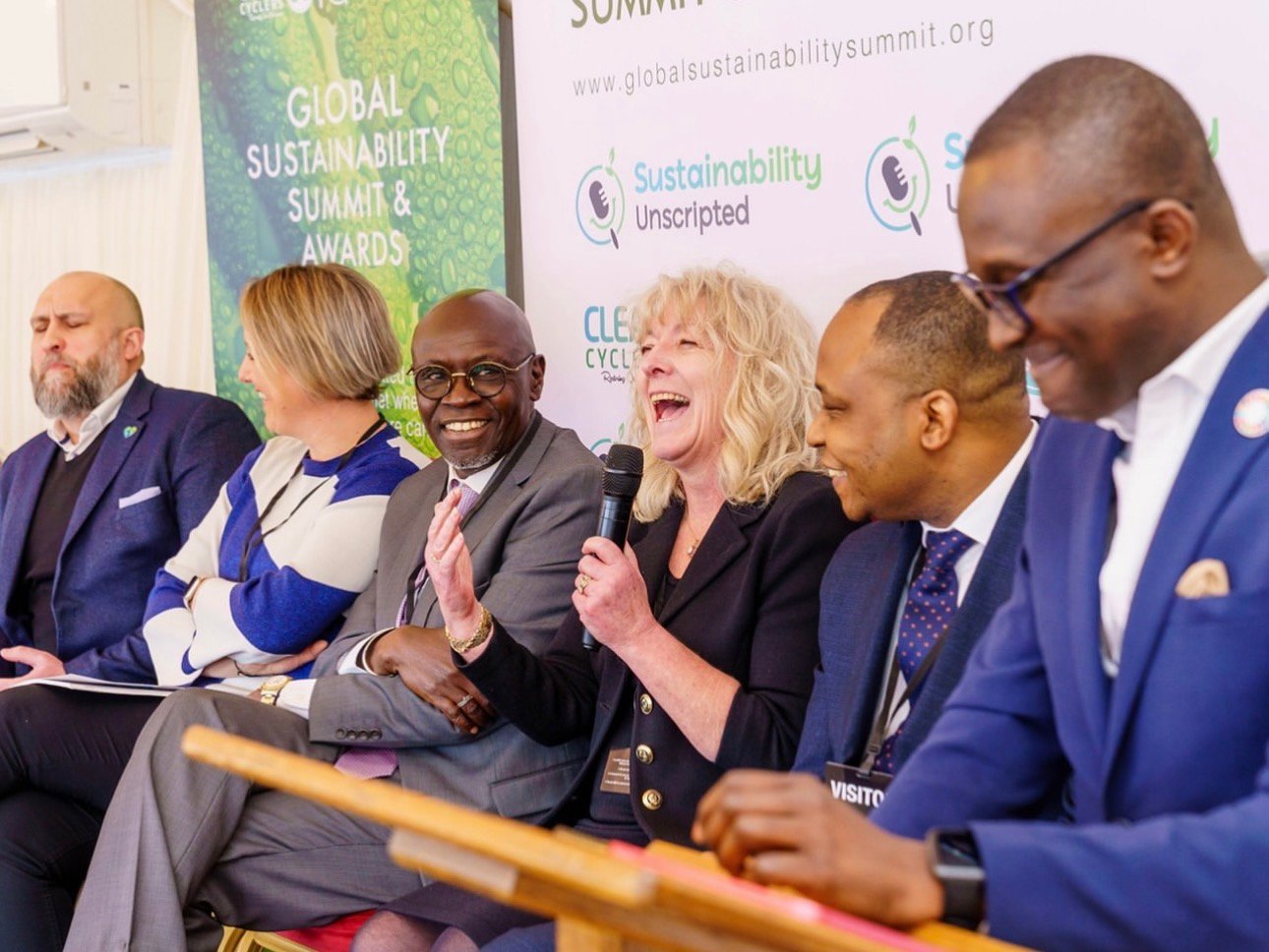
GLOBAL SUSTAINABILITY SUMMIT RETURNS FOR ITS 5TH EDITION AT THE BRITISH PARLIAMENT – HOUSE OF LORDS, PALACE OF WESTMINSTER

FOR IMMEDIATE RELEASE
Theme: “People, Planet, and Profit in the Age of AI and Innovation”
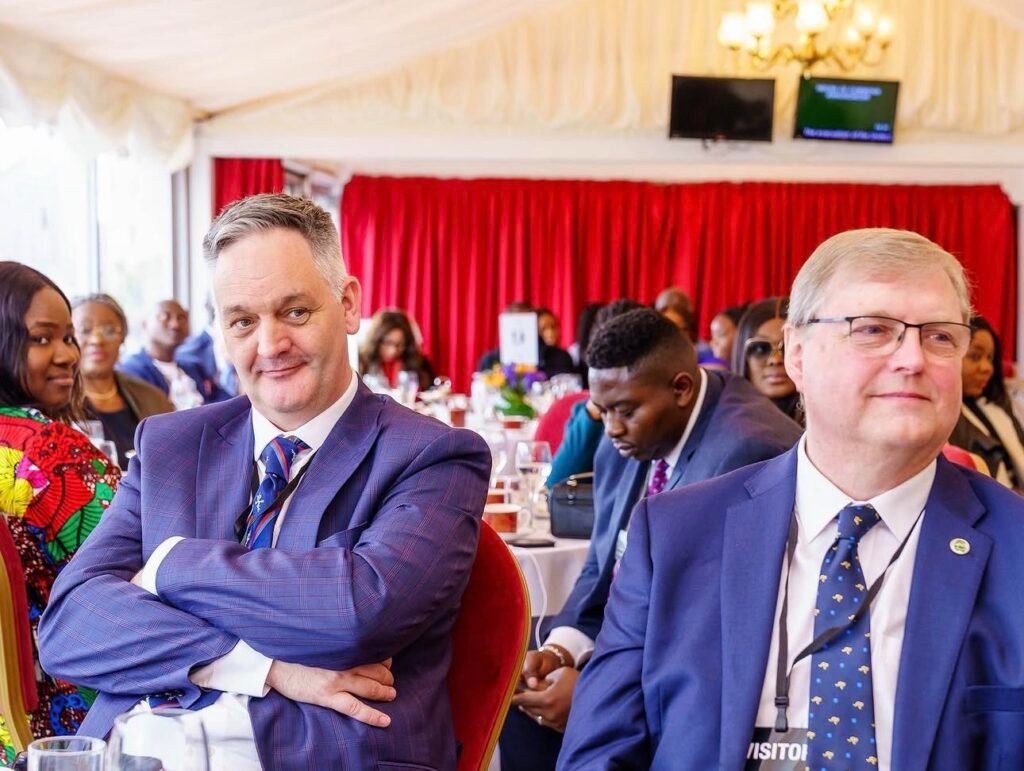
London, United Kingdom — The Global Sustainability Summit (GSS) is officially back for its landmark 5th Edition, continuing its legacy as one of the leading international platforms driving sustainable development, climate action, ethical investment, innovation, and global collaboration.

Convened annually at the prestigious British Parliament, House of Lords, Palace of Westminster, by Ambassador Canon Chinenem Otto, the Summit has, over the last four years, successfully fostered international dialogue and partnerships that have contributed to the advancement of global sustainability goals, the establishment of sustainability-focused ministries, departments and policy structures across national and subnational governments, and the attraction of major investors into sustainable development projects, corporations and emerging economies.
This year’s summit, themed “People, Planet, and Profit in the Age of AI and Innovation,” will explore how emerging technologies, responsible leadership, sustainable finance, innovation, and global partnerships can shape a more inclusive, resilient and environmentally conscious future.

The 5th Edition promises to be the most impactful yet, bringing together world leaders, policymakers, diplomats, investors, academics, innovators, climate experts and youth leaders from across the globe to discuss actionable solutions toward achieving a sustainable and equitable future.
Among the distinguished speakers, delegates and honorees already lined up for the Summit are:
• His Excellency Mallam AbdulRahman AbdulRazaq — Executive Governor of Kwara State, Nigeria and Chairman of the Nigeria Governors’ Forum
• His Excellency Senator Prince Bassey Otu — Executive Governor of Cross River State, Nigeria
• Ambassador Patricia Espinosa Cantellano — Former Executive Secretary of UN Climate Change (UNFCCC) and Former Foreign Minister of Mexico

• Lord Marvin Rees, Baron Rees of Easton OBE — Member of the House of Lords, United Kingdom
• Hon. Neema K. Lugangira — Secretary-General of Women Political Leaders (WPL), Brussels and Former Member of Parliament
• Her Excellency Dr. Netumbo Nandi-Ndaitwah — President of the Republic of Namibia
• His Excellency Nangolo Mbumba — Former President of Namibia
• Former President of Tanzania
• Her Excellency Ambassador Professor Olufolake AbdulRazaq — First Lady of Kwara State, Nigeria and Chairperson of Nigeria Governors’ Spouses Forum
• Your Excellency Dr. Dikko Umar Radda, PhD, CON — Executive Governor of Katsina State and Chairman of the Northwest Governors Forum, Nigeria
• Hon. Sam Shafiishuna Nujoma — Governor of Khomas Region, Namibia
• H.E. Mr. Veiccoh Nghiwete — High Commissioner of the Republic of Namibia to the United Kingdom
• Her Excellency Ms. Macenje “Che Che” Mazoka — High Commissioner of Zambia to the United Kingdom
• Ms. Danielle Newman — Partner Lead, ICT, World Economic Forum
• Leanne Elliott Young — Co-founder, Institute of Digital Fashion & CommuneEast
• Ms. Chloe Russell — Producer & Presenter, Art, Science and Nature
• Professor Marie-Claire Cordonier Segger — University of Cambridge & University of Waterloo
• Dr. Alexandra R. Harrington — IUCN World Commission on Environmental Law (WCEL)
• Professor Payam Akhavan — Massey College, University of Toronto
• Mr. Mallai C. E. Sathya — President, Dravida Vetri Kazhagam and International Movement for Tamil Culture Asia

The Summit will feature high-level panel discussions, strategic investment conversations, sustainability awards, policy dialogues, innovation showcases, youth engagement sessions and international networking opportunities focused on climate resilience, ethical financing, food-water-energy sustainability, circular economy, artificial intelligence, diplomacy and sustainable development.
Speaking ahead of the Summit, Convener Ambassador Canon Chinenem Otto noted:
“As the world rapidly evolves through artificial intelligence and technological innovation, we must ensure that sustainability remains people-centered, environmentally responsible and economically inclusive. The Global Sustainability Summit continues to serve as a bridge connecting governments, institutions, innovators and investors to accelerate practical sustainability solutions globally. Our fifth edition is not only a celebration of progress made over the years, but also a renewed call for global collaboration and actionable impact toward achieving the Sustainable Development Goals and Net Zero ambitions.”
The Global Sustainability Summit continues to position itself as a catalyst for transformative partnerships and sustainable global progress, reinforcing the urgent need for collective action toward a more resilient and sustainable future.
More announcements regarding additional speakers, partners and summit activities will be unveiled in the coming weeks.

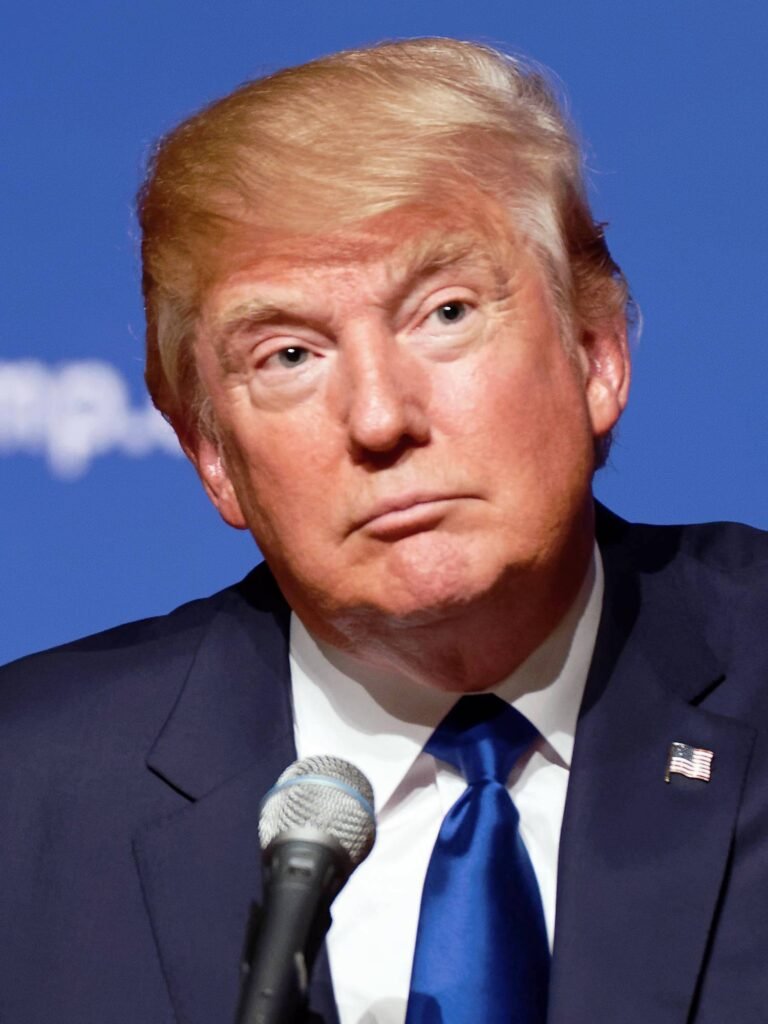
President Donald Trump says the United States might one day get rid of federal income tax because of money the government collects from tariffs on imported goods. Tariffs are extra taxes the U.S. puts on products that come from other countries.
What Trump Is Saying
Trump has said that tariff money could become so large that it might allow the government to cut income taxes “almost completely.” He has also talked about possibly phasing out income tax over the next few years if tariff money keeps going up.
How Taxes Work Now
Right now, the federal government gets much more money from income taxes than from tariffs. Income taxes bring in trillions of dollars each year, while tariffs bring in only a small part of that total. Because of this gap, experts say tariffs would need to grow by many times to replace income tax money.

Questions From Experts
Many economists and tax experts doubt that tariffs alone could pay for the whole federal budget. They warn that very high tariffs could make many imported goods more expensive for shoppers in the United States. This could hit lower- and middle‑income families hardest, because they spend a big share of their money on everyday items.
What Congress Must Do
The president can change some tariffs, but only Congress can change or end the federal income tax. That means any real plan to remove income tax would need new laws passed by both the House of Representatives and the Senate. So far, there is no detailed law or full budget plan on this idea.
What It Means Right Now
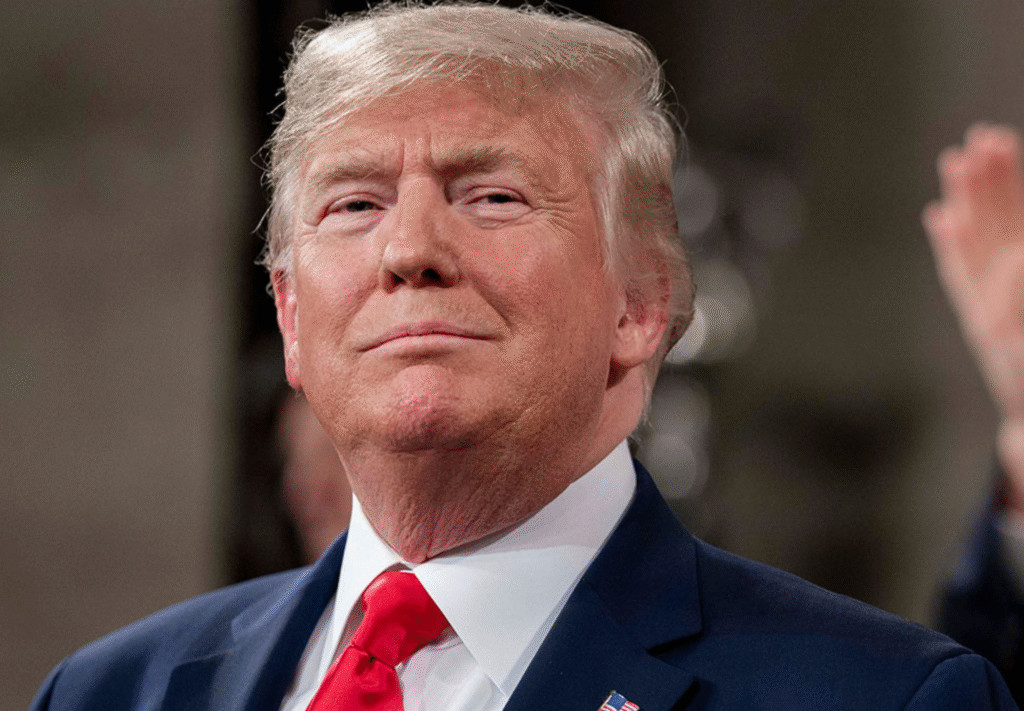
For now, Trump’s comments are a proposal, not a change in the law. People and businesses still have to pay federal income tax under the current rules. The debate over using tariffs instead of income taxes is likely to continue among lawmakers, experts, and voters.
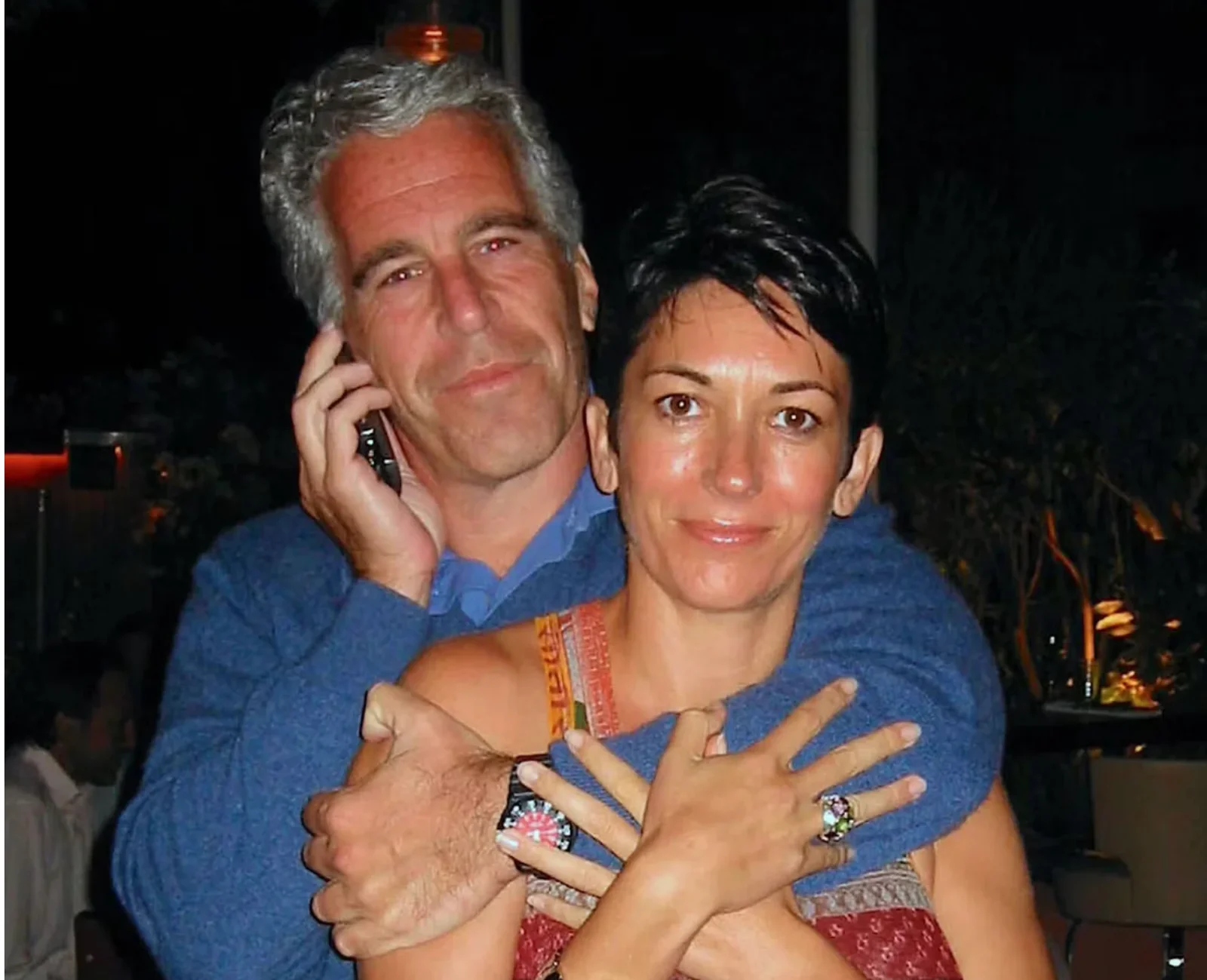
Former President Donald Trump has signed an executive order directing federal agencies to declassify all government files related to Jeffrey Epstein, the disgraced financier whose death in 2019 continues to fuel controversy and speculation.
The order, signed Wednesday at Trump’s Mar-a-Lago estate, instructs the FBI, Department of Justice, and intelligence agencies to release documents detailing Epstein’s network, finances, and alleged connections to high-profile figures. Trump described the move as “a step toward transparency and public trust,” promising that no names would be shielded from scrutiny.
“This information belongs to the American people,” Trump said in a televised statement. “For too long, powerful interests have tried to bury the truth. That ends now.”
U.S. intelligence officials confirmed that preparations for the release are already underway. According to sources familiar with the process, the first batch of documents is expected to be made public within the next 30 days, with additional releases scheduled over several months.

Reactions poured in across the political spectrum. Supporters praised the decision as a bold act of accountability, while critics alleged it was politically motivated, timed to draw attention during a volatile election season. Civil rights advocates, meanwhile, emphasized caution, warning that some records could expose private victims or ongoing legal matters.
The Epstein case, which implicated figures in politics, business, and entertainment, remains one of the most talked-about scandals of the past decade. Epstein’s connections to influential individuals—including politicians, royals, and executives—have long sparked speculation about the extent of his operations and who may have been involved.
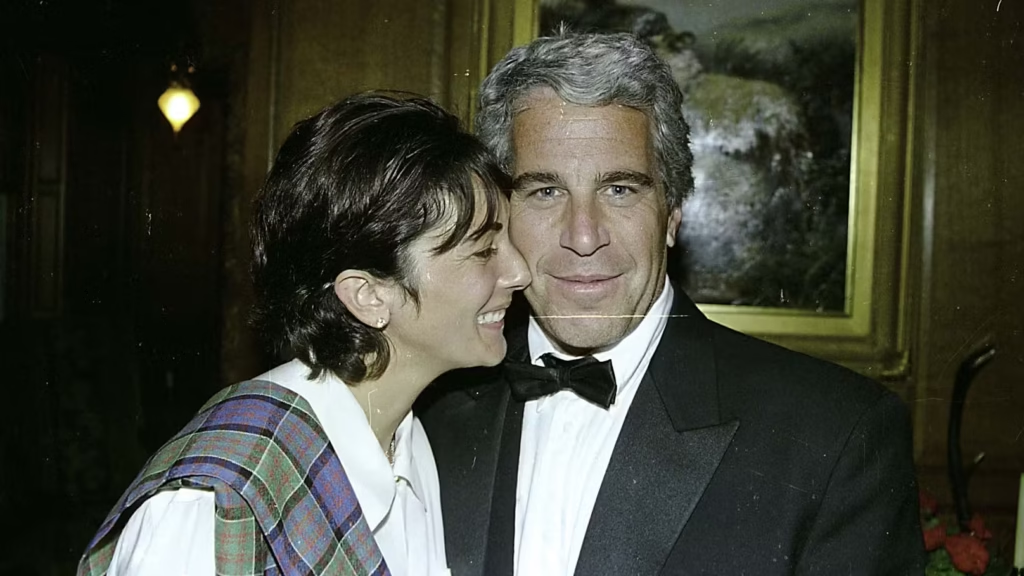
Former federal prosecutor Lauren Fields said the release could mark a turning point in public discourse surrounding government transparency. “Regardless of political stance, this declassification has the potential to reshape how Americans view power and accountability,” Fields noted.
Officials say redactions may still occur to protect sensitive intelligence or personal information, but the intent is a near-complete disclosure. For years, critics of the government’s handling of Epstein’s case have accused agencies of concealing evidence or shielding elites from exposure. Trump’s order promises to change that narrative.
As anticipation builds, journalists, legal analysts, and online commentators are preparing for what could be one of the most consequential information releases in recent history.

Why Some Songs End Up in Movies—While Others Never Do

They Told Him a Black Man Can’t Learn. He Sued Them and Won.


