News
Candace Owens Says Macrons Funded Plot to Kill Her

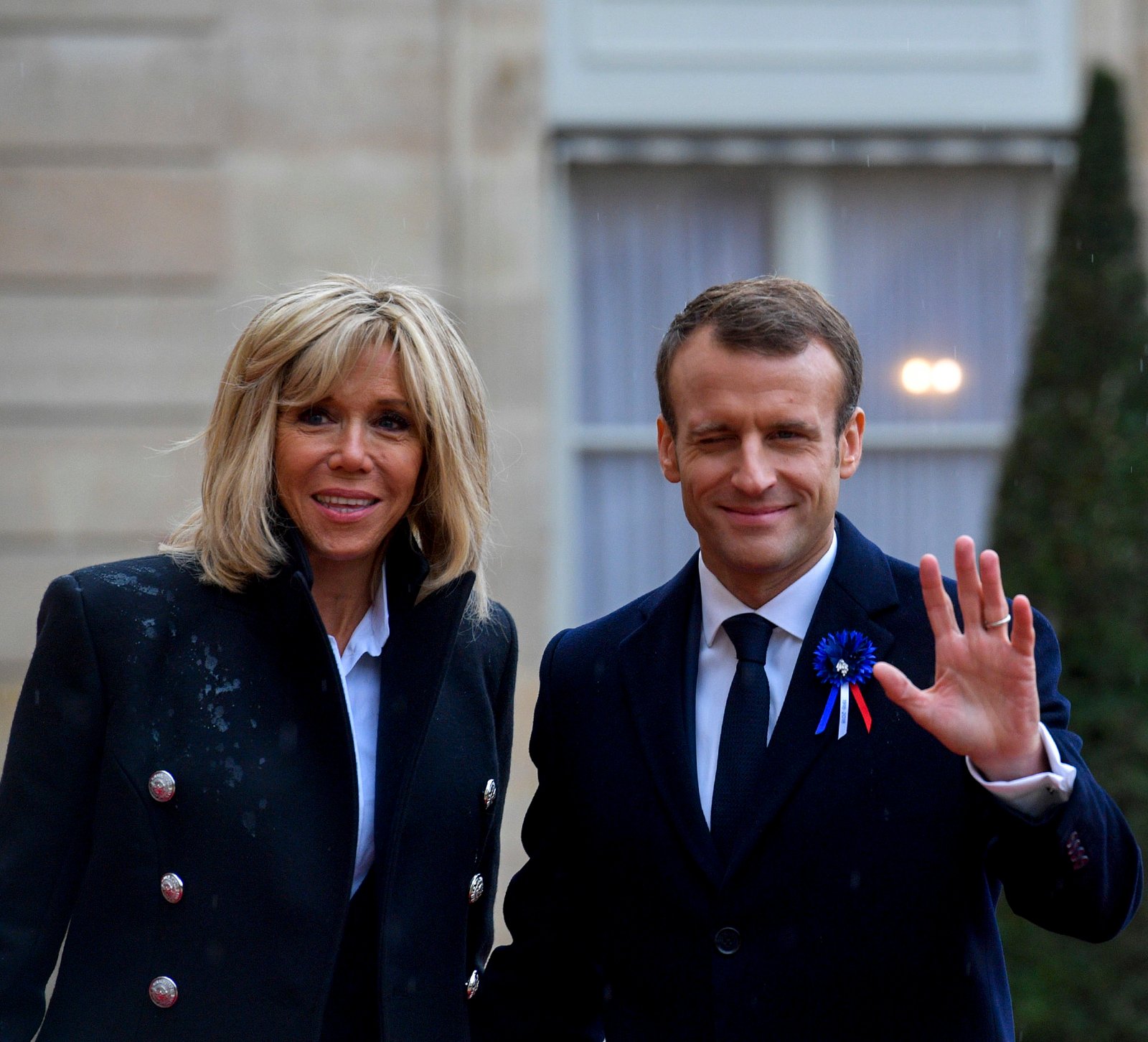
Conservative commentator Candace Owens has made explosive allegations that French President Emmanuel Macron and First Lady Brigitte Macron orchestrated and financed a plot to assassinate her. Owens alleges that she was alerted by a high-ranking source within the French government who revealed that the assassination was to be carried out by an elite French police unit, the National Gendarmerie Intervention Group (GIGN), along with the involvement of at least one Israeli operative. According to Owens, this “joint state operation” was motivated by her outspoken coverage and conspiratorial claims about Brigitte Macron, including controversial statements questioning the First Lady’s gender identity.
Owens further claims the payments for the assassination were funneled through a secret French elite club called Club des Cent, suggesting a sophisticated and well-financed scheme. She also links this alleged plot to the assassination of her late friend Charlie Kirk in 2025, suggesting that his killer received training from France’s 13th Foreign Legion Brigade and that these events are part of a larger multi-state conspiracy.
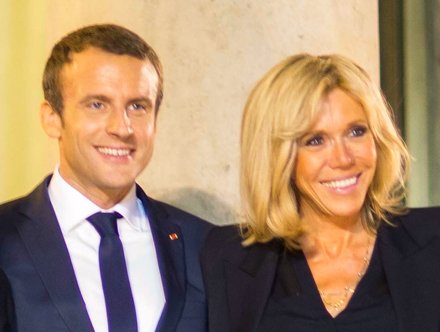
Despite these serious accusations, Owens has not publicly shared concrete evidence, and French, Israeli, and American authorities have not confirmed any part of the story. The Macron family has previously filed defamation lawsuits against Owens over her unfounded assertions about them, highlighting a tense and ongoing feud.
Owens has vowed to provide further details, including identities and financial proof, if given the opportunity, and has called on the public and patriotic investigators to examine the matter closely. While her claims have stirred widespread attention and heated debate across social media and conservative circles, they currently remain unsubstantiated allegations amid a highly charged political and media environment.
This controversy adds a new and dramatic layer to Owens’ volatile relationship with the Macrons, marking perhaps the most sensational claim so far in her ongoing public disputes with the French presidential couple.














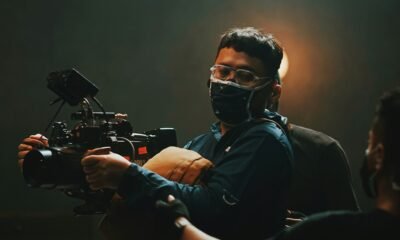
Every filmmaker aspires to create projects that are not only memorable but also uniquely their own. Finding your creative voice is a journey that requires self-reflection, bold choices, and an unwavering commitment to your vision. Here’s how to uncover your style, take risks, and craft original work that stands out.
1. Discovering Your Voice: Understanding Your Influences
Your unique voice begins with recognizing what inspires you.
- Step 1: Reflect on the themes, genres, or emotions that consistently draw your interest. Are you inspired by human resilience, surreal worlds, or untold histories?
- Step 2: Study the work of filmmakers you admire. Analyze what resonates with you—their use of color, pacing, or narrative techniques.
Tip: Combine what you love with your personal experiences to create a lens that only you can offer.
Example: Wes Anderson’s whimsical, symmetrical worlds stem from his love of classic storytelling and his unique visual style.

Takeaway: Start with what moves you, then add your personal touch.
2. Taking Creative Risks: Experiment and Evolve
To stand out, you must be willing to challenge conventions and explore new territory.
- Experimentation: Try unusual storytelling structures, such as non-linear timelines or silent sequences.
- Collaboration: Work with people outside your usual circle to gain fresh perspectives.
- Feedback: Screen your projects for trusted peers and be open to constructive criticism.
Example: Jordan Peele blended horror with social commentary in Get Out, creating a genre-defying film that captivated audiences.
Takeaway: Risks are an opportunity for growth, even if they don’t always succeed.
3. Telling Original Stories: Start with Authenticity
Original projects resonate when they stem from a place of truth.
- Draw from Experience: Incorporate elements of your own life, culture, or worldview into your stories.
- Explore the “Why”: Ask yourself why this story matters to you and how it connects with your audience.
- Avoid Trends: Focus on timeless narratives rather than chasing current fads.
Example: Greta Gerwig’s Lady Bird was deeply personal, based on her experiences growing up in Sacramento. The film’s authenticity made it universally relatable.
Takeaway: The more personal the story, the more it resonates.
4. Developing Your Style: Consistency Meets Creativity
Style is not just about visuals—it’s how you tell a story across all elements of filmmaking.
- Visual Language: Experiment with colors, lighting, and framing to create a distinct aesthetic.
- Narrative Voice: Develop consistent themes or motifs across your projects.
- Sound Design: Use music, sound effects, and silence to evoke specific emotions.
Example: Quentin Tarantino’s use of dialogue, pop culture references, and bold music choices makes his work instantly recognizable.
Takeaway: Your style should be intentional, evolving as you grow but always recognizable as yours.
5. Staying True to Yourself: Building Confidence in Your Vision
The filmmaking process is full of challenges, but staying true to your voice is essential.
- Stay Authentic: Trust your instincts, even if your ideas seem unconventional.
- Adapt Without Compromise: Be open to feedback but maintain your core vision.
- Celebrate Your Growth: View every project, successful or not, as a stepping stone in your creative journey.
Example: Ava DuVernay shifted from public relations to filmmaking, staying true to her voice in films like Selma and 13th, which focus on social justice.
Takeaway: Your voice evolves with every project, so embrace the process.
Conclusion: From Idea to Screen, Your Voice is Your Superpower
Finding your voice as a filmmaker takes time, courage, and commitment. By exploring your influences, taking risks, and staying true to your perspective, you’ll craft stories that not only stand out but also resonate deeply with your audience.
Bolanle Media is excited to announce our partnership with The Newbie Film Academy to offer comprehensive courses designed specifically for aspiring screenwriters. Whether you’re just starting out or looking to enhance your skills, our resources will provide you with the tools and knowledge needed to succeed in the competitive world of screenwriting. Join us today to unlock your creative potential and take your first steps toward crafting compelling stories that resonate with audiences. Let’s turn your ideas into impactful scripts together!
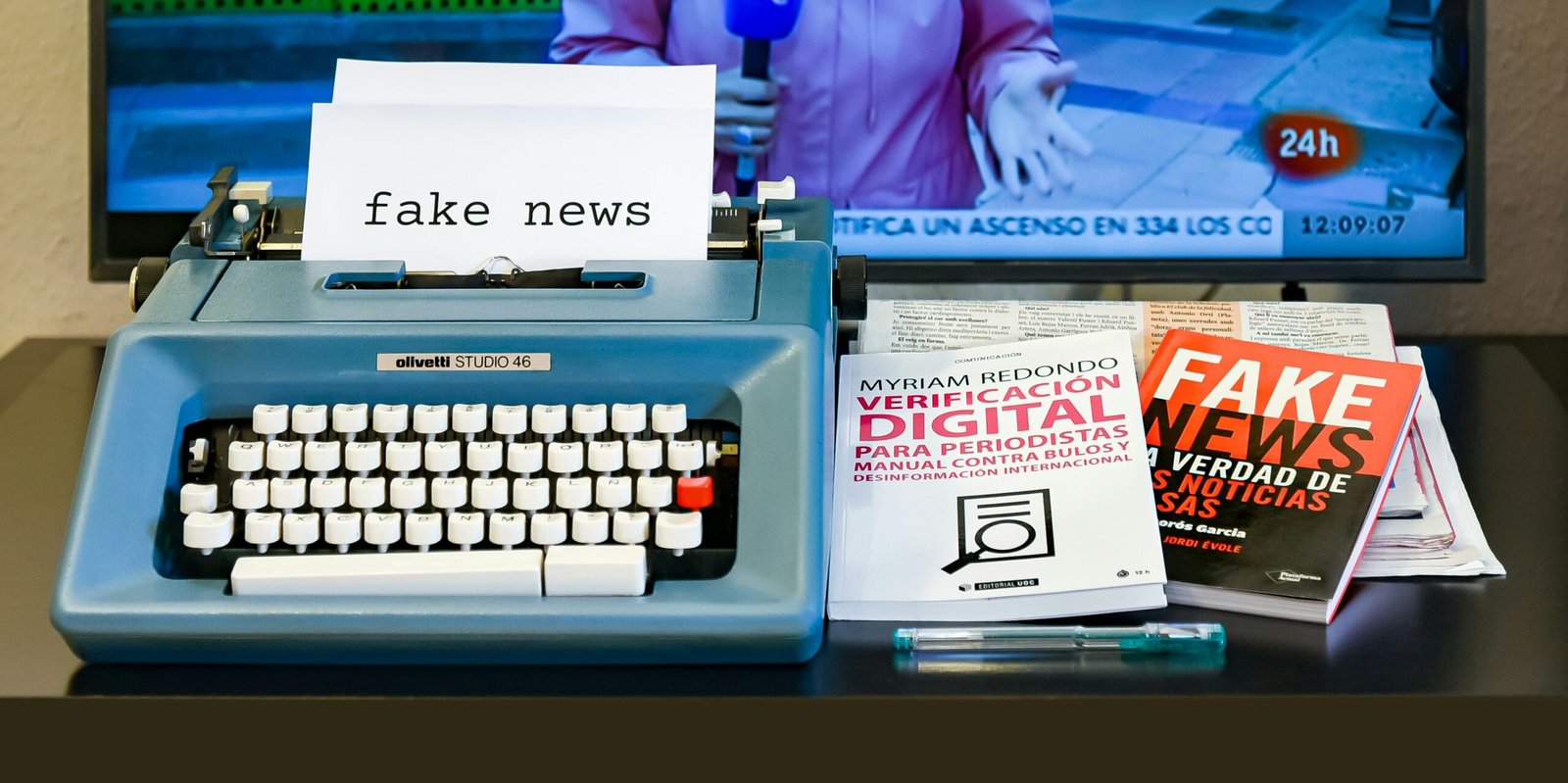
Misinformation overload doesn’t just confuse you—it fractures your attention, hijacks your nervous system, and makes it nearly impossible to create with clarity. When your brain is stuck sorting “what’s real” from “what’s rumored,” your creative work doesn’t just slow down; it starts to feel unsafe to even begin.
In the newsroom, we see this pattern constantly: when a story becomes a nonstop stream of claims, counterclaims, screenshots, “leaks,” and reaction content, the audience doesn’t end up informed—they end up flooded. And for filmmakers, writers, editors, and entrepreneurs, that flood hits the part of you that’s responsible for focus, judgment, and decisive action.

The modern trap: infinite updates, zero certainty
There’s a particular kind of exhaustion that comes from trying to track a high-temperature story online. You’re not simply consuming information—you’re doing mental triage every minute:
- Is this confirmed or speculation?
- Is this a primary source or someone’s interpretation?
- Is the clip edited?
- Is the account credible?
- Why are ten people saying ten different things?
This is what breaks people. Not one article. Not one update. It’s the endless requirement to verify reality while the feed keeps moving.
Why creators are extra vulnerable
Creators are pattern-seekers by design. You’re trained to read subtext, connect dots, and search for meaning—skills that make great storytelling possible. But in a misinformation-heavy environment, those strengths can be exploited.
Instead of using your brain to build a story, you’re using it to defend yourself against confusion. Your mind becomes a courtroom, a detective board, and a crisis team all at once. That’s not “research.” That’s cognitive overload.
What misinformation overload does to your creative brain
When your system is overloaded, you’ll notice changes like:
- You can’t start, even though you care.
- You jump between tasks and finish none.
- You feel compelled to “check updates” mid-work session.
- You lose confidence in your instincts.
- Your creativity becomes reactive (responding to the feed) instead of generative (creating from vision).
This is the quiet damage: your attention span shortens, your risk tolerance drops, and your work becomes harder to trust—because you don’t feel internally steady.
The “who can I trust?” spiral
One of the most corrosive effects of misinformation overload is relational paranoia. When the feed is full of allegations, lists, rumors, and “everyone is compromised” language, your mind starts scanning your own life the same way.
You begin asking:
- Who should I work with?
- Who should I avoid?
- If I collaborate with the wrong person, will it hurt my career?
- If I say the wrong thing, will I get dragged?
Some caution is wise. But when your career is being steered by fear and uncertainty, you stop moving. And a creative career that stops moving starts shrinking.
A newsroom perspective: being informed vs being consumed
Here’s the line we want you to remember:
Being informed is intentional.
Being consumed is automatic.
Being informed means you check a limited number of reliable sources, you notice what’s verified vs unverified, and you step away. Being consumed means you keep refreshing, keep scrolling, keep absorbing emotional pressure—until you feel like you can’t breathe without an “update.”
If you’re consumed, your next best move is not another deep dive. It’s distance.
The 72-hour clarity reset (built for creators)
If your focus is broken, don’t try to “power through.” Do this instead:
- Create a 72-hour boundary: No threads, no reaction videos, no screenshot “proof” without sourcing, no doomscrolling.
- Choose two check-in windows: For example, 12:00pm and 6:00pm only.
- Cut the loop at the source: Remove the apps that trigger spirals from your home screen (or delete them temporarily).
- Protect one daily creation block: 60–90 minutes, phone in another room, one deliverable (one page, one scene pass, one rough cut, one outline).
- Do one grounding activity per day: Walk, stretch, cook, clean, journal—low-stimulation inputs that calm your body so your mind can work again.
What to do when you come back online
After your reset, return with rules—not vibes:
- Don’t confuse volume with truth.
- Don’t confuse confidence with credibility.
- Don’t outsource your nervous system to strangers.
- If you can’t verify it, don’t build your day around it.
And most importantly: don’t let the feed decide what you create next.
Your next move needs you clear
If you’re trying to figure out your next step—your next film, your next pitch, your next collaborator, your next chapter—you need clarity more than you need more content.
Disconnect long enough to hear your own signal again. That’s where the work lives.
If you tell me your ideal word count (600, 900, 1200, or 1400) and whether you want this framed strictly for filmmakers or for “creatives + entrepreneurs,” I’ll tighten the structure and tailor the examples to match your audience on Bolanle Media.
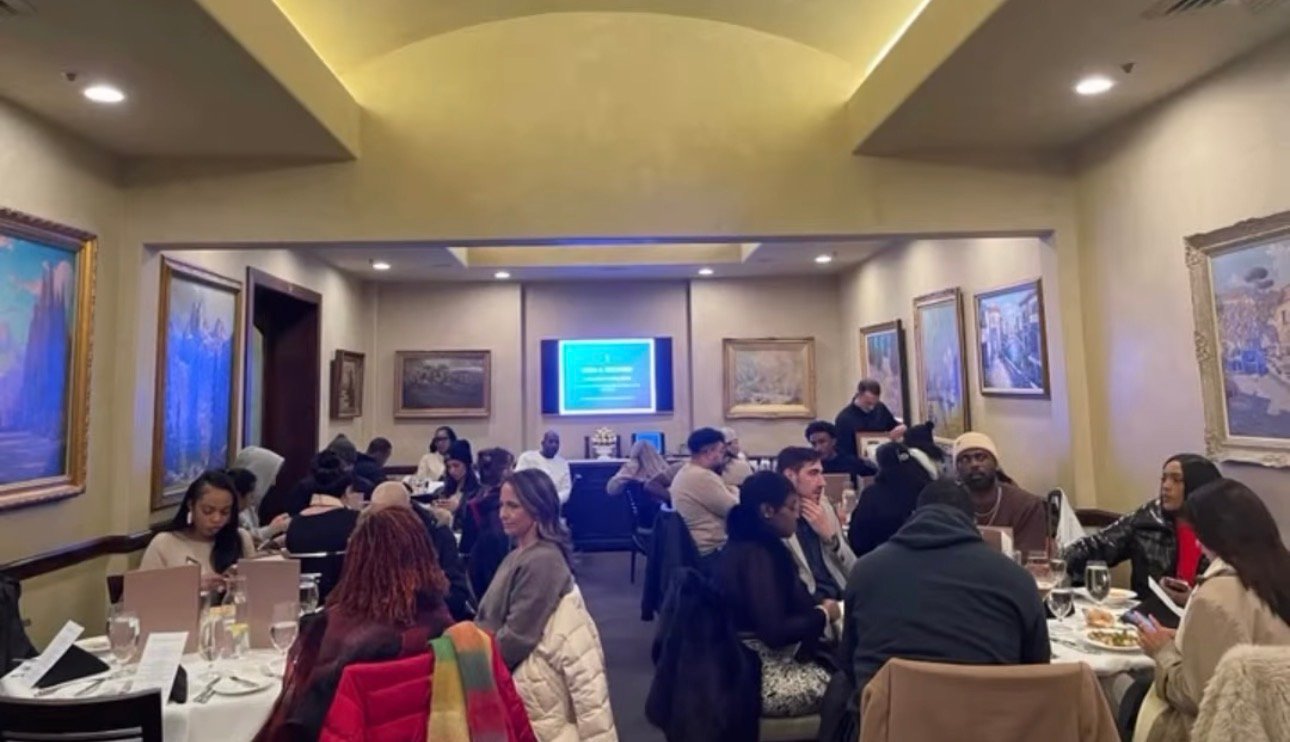
At Love My Productions, seen and secured are more than buzzwords — they are a creative and financial standard for how filmmakers deserve to move through the industry. Being seen speaks to visibility, voice, and representation on screen; being secured speaks to sustainability, strategy, and the ability to build a career that can weather industry shifts.
Together, they form the heartbeat of a mission led by Emmy-winning filmmaker and CEO Asha Chai-Chang, whose work centers filmmakers who have historically been underestimated or overlooked.
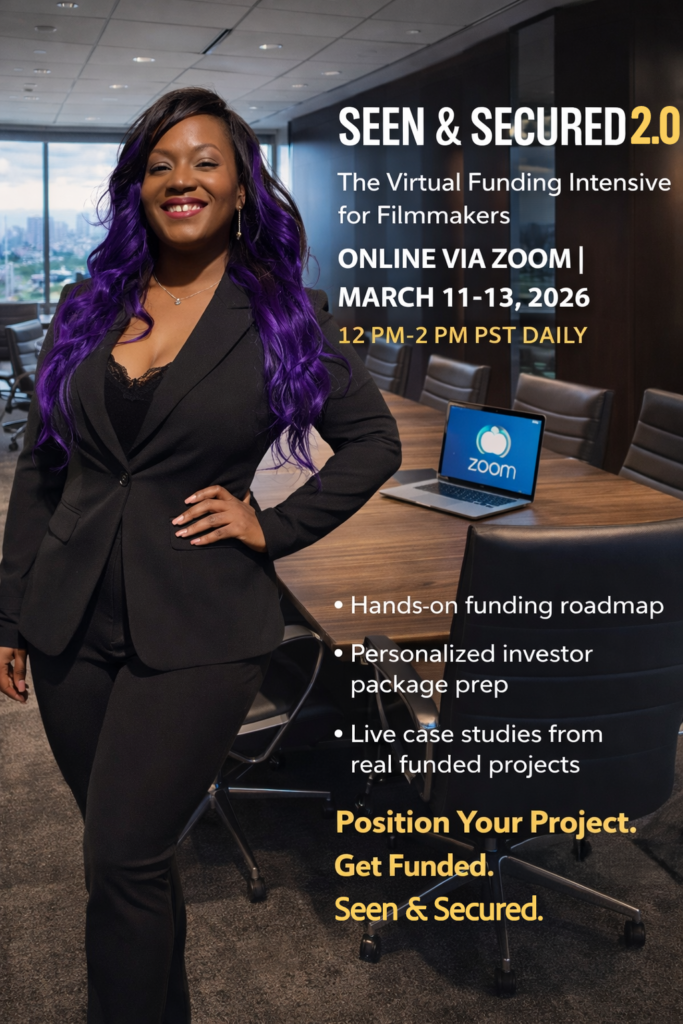
Love My Productions was born from Asha’s commitment to create the content and the conditions she didn’t see enough of: stories with strong, multidimensional characters and sets that are accessible, affirming, and inclusive by design.
As a first-generation Afro-Latina and Caribbean-Asian creative with disabilities and a background in finance, she bridges worlds that rarely meet — the emotional power of storytelling and the practical rigor of financial strategy.
That unique blend shapes everything the company does, from producing award-winning films to mentoring filmmakers on how to build their own “creative economies” instead of waiting for permission.
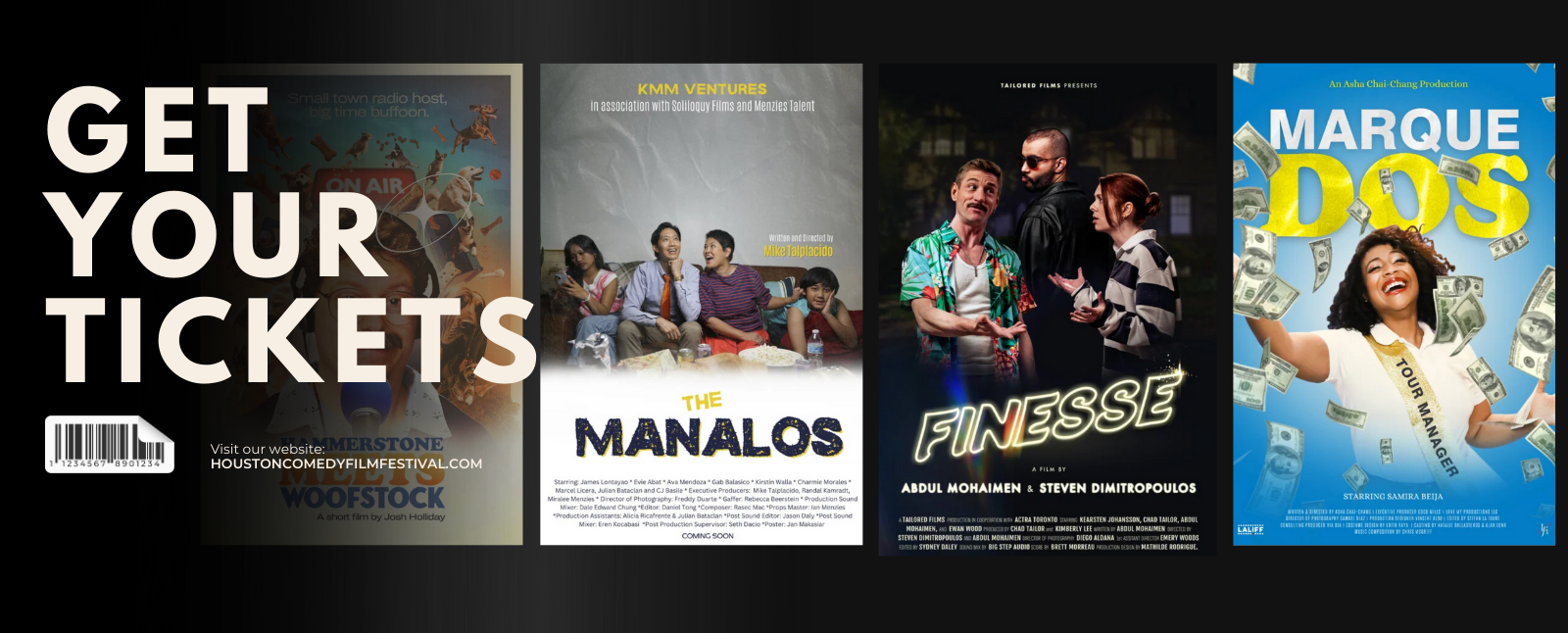
Being seen at Love My Productions means more than getting a film into a festival; it means stories that reflect the fullness of communities — across disability, culture, language, and identity — and casting and crews that mirror that depth. Asha’s projects, like Cruise Control, Spoiler Alert, A.V.G, and Marque Dos, have reached Oscar-qualifying and NAACP-recognized platforms, but their impact is measured as much by who they center as by where they screen.
Each project quietly reinforces a core belief: when filmmakers see their own value, they are more likely to claim space, negotiate fairly, and create work that doesn’t shrink to fit outdated expectations.
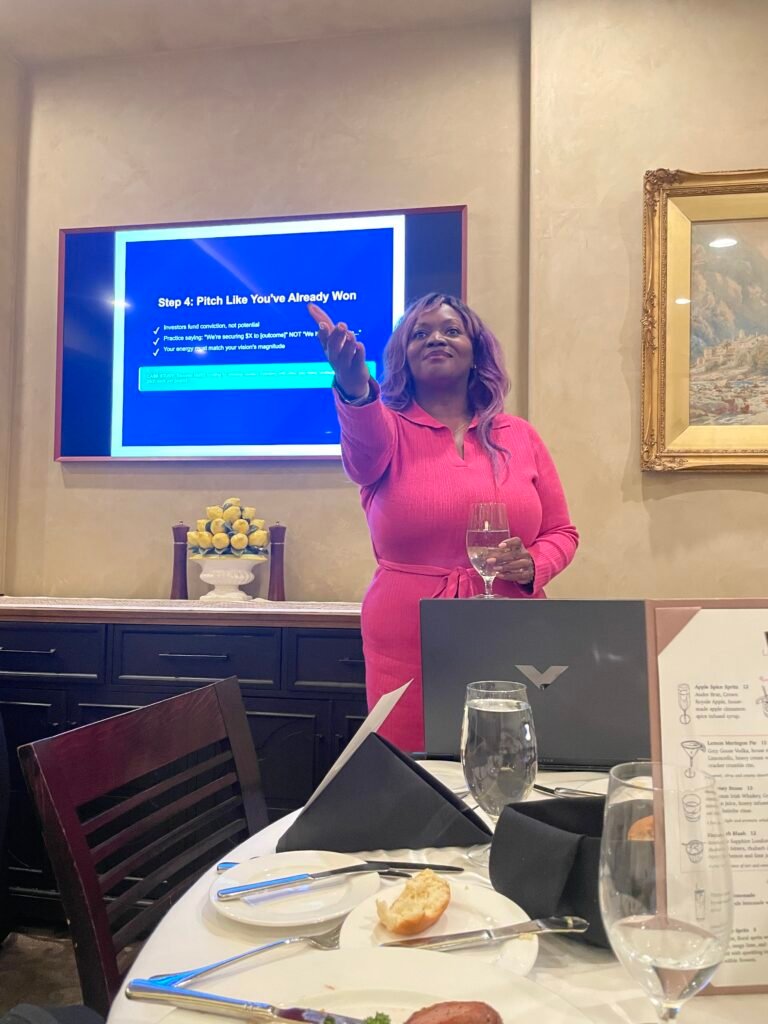
Being secured means that same filmmaker has the tools, language, and strategy to sustain that vision over time. Drawing on years as a finance professional and risk manager, Asha helps creatives understand that funding, partnerships, and deal structures are not separate from their artistry — they are extensions of it. Through education, intensives, and one-on-one guidance, Love My Productions supports filmmakers in learning how to talk to investors, design realistic budgets, and build long-term plans that align with both their values and their audiences.
Ultimately, From Seen to Secured is the story of what happens when filmmakers stop treating their worth as negotiable and start treating their careers as ecosystems they can thoughtfully design. Love My Productions exists as both proof and pathway: proof that a disabled, Afro-Latina, Caribbean-Asian filmmaker can lead an Emmy-winning, Netflix-supported career on her own terms, and a pathway for others to do the same.
Under Asha Chai-Chang’s leadership, the company invites filmmakers not just to be visible in the frame, but to be structurally supported behind it — owning their value, their voice, and their future.

How to Find Your Voice as a Filmmaker

How Misinformation Overload Breaks Creative Focus

From Seen to Secured: How Filmmakers Are Owning Their Value


 Advice3 weeks ago
How to Make Your Indie Film Pay Off Without Losing Half to Distributors
- Advice3 days ago
How to Find Your Voice as a Filmmaker
- Business4 weeks ago
How Epstein’s Cash Shaped Artists, Agencies, and Algorithms
- Film Industry3 weeks ago
Why Burnt-Out Filmmakers Need to Unplug Right Now
- Entertainment4 weeks ago
You wanted to make movies, not decode Epstein. Too late.
- News3 weeks ago
Harlem’s Hottest Ticket: Ladawn Mechelle Taylor Live
- News3 days ago
How Misinformation Overload Breaks Creative Focus
- News2 weeks ago
From Seen to Secured: How Filmmakers Are Owning Their Value