
World News
Biden’s new deal with Iran draws fierce blowback on September 13, 2023 at 10:00 am

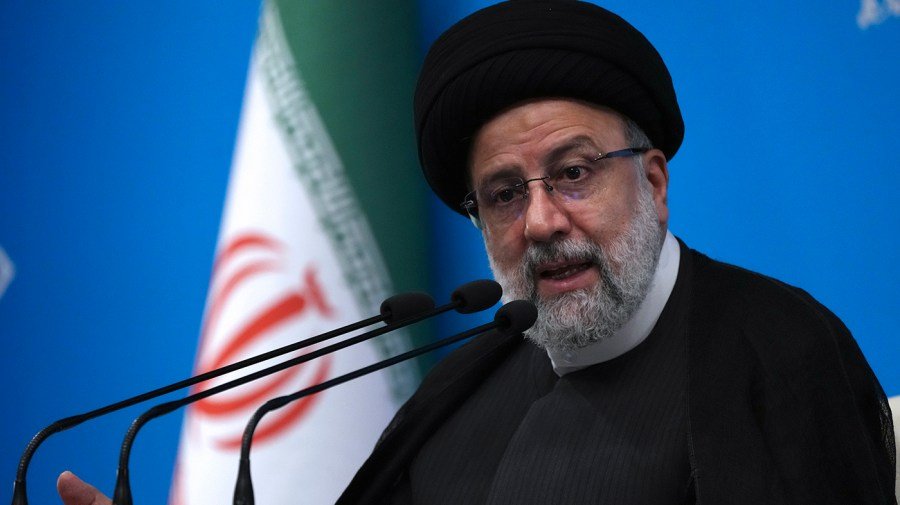
A Biden administration agreement with Iran to unfreeze $6 billion of funds to Tehran in exchange for the release of five American prisoners has roiled lawmakers on both sides of the aisle.
Republicans in Congress and even a few Democrats fear that such a deal encourages hostile nations to take more Americans traveling abroad as hostages in the future.
While the administration has touted the agreement — which comes after more than a year of indirect negotiations between Washington and Tehran — as a diplomatic breakthrough, critics say Washington has catered to a foreign adversary it shouldn’t have negotiated with in the first place.
“If we’re paying a billion dollars per kidnapped individual, then you’re going to see more kidnappings. That’s why you don’t negotiate with terrorists, that’s why you don’t negotiate with kidnappers. The idea of basically paying to release, in this effect, a hostage is a terrible idea,” Sen. Mitt Romney (R-Utah) said.
“Remember back in the Reagan years, we had — was it — guns for hostages, that was the story, remember that? This is a billion dollars for a hostage,” he added.
Sen. Tom Cotton (R-Ark.) called the move “shameful” as it pays “ransom to the world’s worst state sponsor of terrorism.”
Even Senate Foreign Relations Committee Chairman Bob Menendez (D-N.J.) spoke up over “concerns” that President Biden was creating incentives for more Americans to be taken hostage.
“This is an example of why we have to go ahead and make it very clear to Americans that they cannot travel to certain places in the world where they are likely to ultimately become a hostage. Until we do that we will constantly be in a set of circumstances” where the United States faces negotiations to free detained Americans, Menendez told reporters Monday.
Though U.S. officials have said the funds will only be used for humanitarian purposes, GOP lawmakers also fretted that the deal could free up dollars for Iran elsewhere that could be used to purchase weapons or back dangerous proxies.
“President Biden can’t seem to cut his habit of sending money to terrorists,” Sen. Tim Scott (R-S.C.) posted on X, the platform formerly known as Twitter.
“It’s $6 billion to Iran on 22nd anniversary of 9/11,” Scott added, asserting Biden “is putting a price on American lives.”
Rep. Mike Waltz (R-Fla.), meanwhile, tweeted that there was “NO downside for dictatorships, like Iran or Russia, to take Americans hostage. With Biden, these regimes always get a good deal in the end and that’s why they’ll keep doing it.”
And Rep. Ben Cline (R-Va.) wrote on X that cutting such a deal was “naïve and dangerous.”
Secretary of State Antony Blinken signed a waiver last week enabling the transfer of $6 billion in oil revenues blocked in South Korean banks due to U.S. sanctions. The previously frozen funds are due to be released to restricted accounts in Qatar banks, a State Department spokesperson confirmed to The Hill.
The U.S. also gave the go ahead for the release of five Iranian nationals currently detained in the United States, with both steps meant to grease the wheels for the release of five U.S. citizens held in Iran.
Washington seeks to free three known individuals all sentenced to 10 years in prison in Iran: Siamak Namazi, 51, detained in Iran in 2015 while visiting family and accused of spying; Emad Sharghi, 59, a businessman first arrested in 2018; and Morad Tahbaz, 67, a British-American environmentalist of Iranian descent arrested in 2018 and charged with spying and colluding against Iran’s national security.
The fourth and fifth detainees have not been identified, though all five are under house arrest in Tehran.
State Department spokesman Matt Miller insisted Tuesday that the deal was a “tough choice” that was necessary as “Iran is not going to release these American citizens out of the goodness of their heart.”
“That is not real life, not how this works, that was never going to happen,” he said. “We have to make tough choices and engage in tough negotiations to bring these American citizens home.”
The State Department also called the transfer “a critical step” in securing the release of the Iranian-Americans, stressing that Washington has not lifted any of its sanctions on Tehran or offered the country any sanctions relief.
The U.S. continues “to counter the Iranian regime’s human rights abuses, destabilizing actions abroad, its support for terrorism, and its support for Russia’s war against Ukraine,” the spokesperson said.
Despite the disapproval from GOP lawmakers, the agreement between Washington and Tehran marks a major development for the adversaries. The two have long butted heads over issues including aggressive Iranian military moves in the Gulf of Oman, Tehran’s ties with Moscow — including supplying Russia with weapons for the Kremlin’s ongoing war in Ukraine — and negotiations over the all-but-dead Iran nuclear deal.
The criticisms are also not unexpected; Republicans in the past several weeks have voiced their displeasure over any agreement with Iran after the initial parameters of the deal were reported.
House Foreign Affairs Committee Chairman Michael McCaul (R-Texas) claimed last month the dollars could be used to “prop up” Iran’s aggressive foreign policy agenda.
“I want to get these Americans home more than anybody,” McCaul said. “But we have to go in [with] eyes wide open. [The] $6 billion that now is going to go into Iran [will] prop up their proxy war, terror operations, and their nuclear bomb aspirations,” he told Fox News Sunday.
Still, several GOP presidential hopefuls took the finalization of the deal as a fresh opportunity to level blows at Biden, including former President Trump, who called the commander in chief an “incompetent fool” and suggested without evidence that he was getting a “kickback” from the funds being returned to Iran.
Former Vice President Mike Pence similarly claimed the agreement “endangers Americans abroad,” while former United Nations Ambassador Nikki Haley said the only thing that makes the new worse is “announcing it on 9/11.”
Florida Gov. Ron DeSantis (R), meanwhile, claimed on X that the deal “bankrolls nuclear ambitions, hostage takers, and extremists who hate America.”
But National Iranian American Council President Jamal Abdi called the politicization of the prisoner swap “disturbing and disheartening.”
“The prisoner swap can be a win for the American and the Iranian people provided that it is defended from the hawks in Washington and Tehran who don’t want to see it happen,” Abdi said. “If the process plays out, five Iranian Americans will be reunited with their families and Iranian money will be used to purchase food and medicine as intended. We can both condemn the reprehensible hostage taking of Iran’s government while welcoming the release of those wrongfully detained.”
Further complicating matters for Biden, however, is the new assertion by Iranian President Ebrahim Raisi that his government will choose how it’ll use the $6 billion once the funds are unfrozen.
The money “belongs to the Iranian people, the Iranian government, so the Islamic Republic of Iran will decide what to do with this money,” Raisi said in an interview Tuesday on NBC News.
The United States quickly pushed back, insisting that South Korea will release the funds to Qatar’s central bank, which will oversee that the dollars can only be used for humanitarian aid such as food and medicine, as U.S. sanctions stipulate.
“The money can only be used for humanitarian purposes,” Miller said Tuesday. “We will remain vigilant in watching the spending of those funds and have the ability to freeze them again if we need to.”
And National Security Council spokesperson John Kirby told MSNBC that Raisi was likely “playing to his domestic audience” with his comments, noting that “the parameters of this arrangement are very clear.”
A Biden administration agreement with Iran to unfreeze $6 billion of funds to Tehran in exchange for the release of five American prisoners has roiled lawmakers on both sides of the aisle. Republicans in Congress and even a few Democrats fear that such a deal encourages hostile nations to take more Americans traveling abroad as hostages in the…




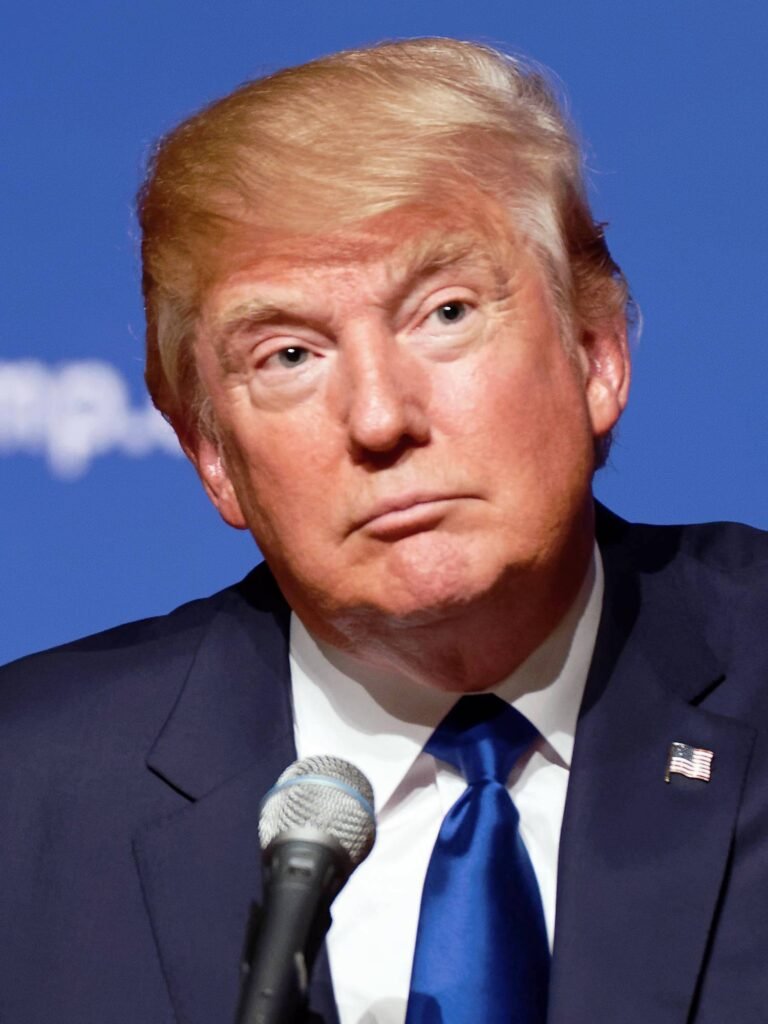
President Donald Trump says the United States might one day get rid of federal income tax because of money the government collects from tariffs on imported goods. Tariffs are extra taxes the U.S. puts on products that come from other countries.
What Trump Is Saying
Trump has said that tariff money could become so large that it might allow the government to cut income taxes “almost completely.” He has also talked about possibly phasing out income tax over the next few years if tariff money keeps going up.
How Taxes Work Now
Right now, the federal government gets much more money from income taxes than from tariffs. Income taxes bring in trillions of dollars each year, while tariffs bring in only a small part of that total. Because of this gap, experts say tariffs would need to grow by many times to replace income tax money.

Questions From Experts
Many economists and tax experts doubt that tariffs alone could pay for the whole federal budget. They warn that very high tariffs could make many imported goods more expensive for shoppers in the United States. This could hit lower- and middle‑income families hardest, because they spend a big share of their money on everyday items.
What Congress Must Do
The president can change some tariffs, but only Congress can change or end the federal income tax. That means any real plan to remove income tax would need new laws passed by both the House of Representatives and the Senate. So far, there is no detailed law or full budget plan on this idea.
What It Means Right Now
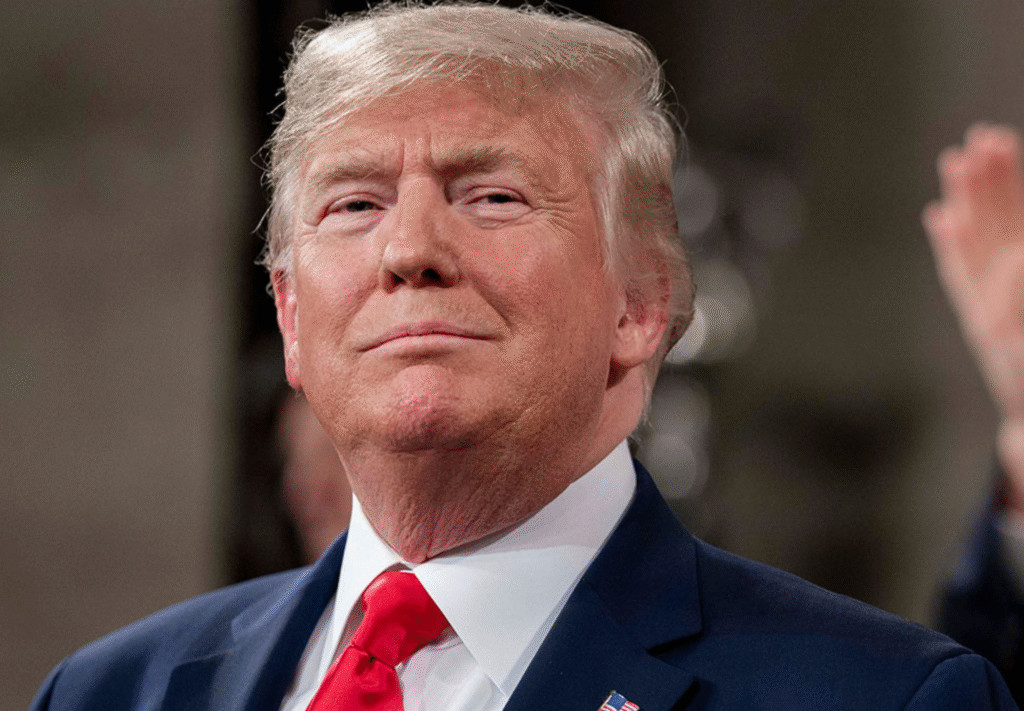
For now, Trump’s comments are a proposal, not a change in the law. People and businesses still have to pay federal income tax under the current rules. The debate over using tariffs instead of income taxes is likely to continue among lawmakers, experts, and voters.
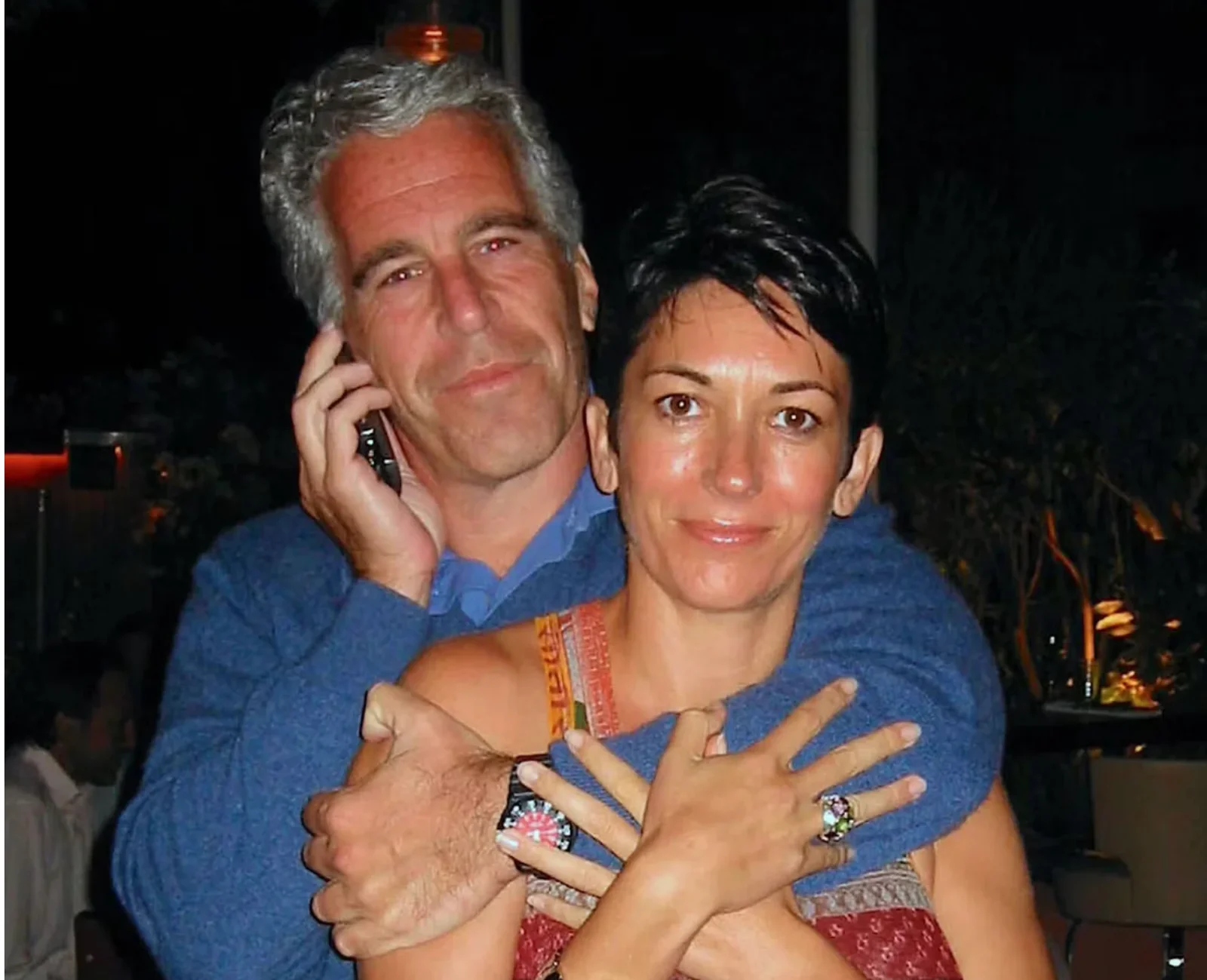
Former President Donald Trump has signed an executive order directing federal agencies to declassify all government files related to Jeffrey Epstein, the disgraced financier whose death in 2019 continues to fuel controversy and speculation.
The order, signed Wednesday at Trump’s Mar-a-Lago estate, instructs the FBI, Department of Justice, and intelligence agencies to release documents detailing Epstein’s network, finances, and alleged connections to high-profile figures. Trump described the move as “a step toward transparency and public trust,” promising that no names would be shielded from scrutiny.
“This information belongs to the American people,” Trump said in a televised statement. “For too long, powerful interests have tried to bury the truth. That ends now.”
U.S. intelligence officials confirmed that preparations for the release are already underway. According to sources familiar with the process, the first batch of documents is expected to be made public within the next 30 days, with additional releases scheduled over several months.

Reactions poured in across the political spectrum. Supporters praised the decision as a bold act of accountability, while critics alleged it was politically motivated, timed to draw attention during a volatile election season. Civil rights advocates, meanwhile, emphasized caution, warning that some records could expose private victims or ongoing legal matters.
The Epstein case, which implicated figures in politics, business, and entertainment, remains one of the most talked-about scandals of the past decade. Epstein’s connections to influential individuals—including politicians, royals, and executives—have long sparked speculation about the extent of his operations and who may have been involved.
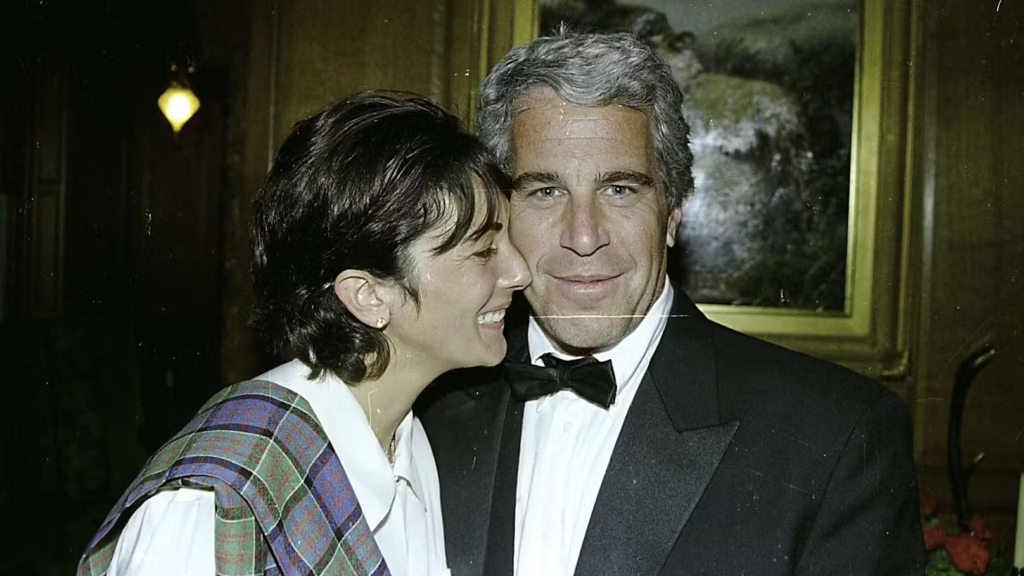
Former federal prosecutor Lauren Fields said the release could mark a turning point in public discourse surrounding government transparency. “Regardless of political stance, this declassification has the potential to reshape how Americans view power and accountability,” Fields noted.
Officials say redactions may still occur to protect sensitive intelligence or personal information, but the intent is a near-complete disclosure. For years, critics of the government’s handling of Epstein’s case have accused agencies of concealing evidence or shielding elites from exposure. Trump’s order promises to change that narrative.
As anticipation builds, journalists, legal analysts, and online commentators are preparing for what could be one of the most consequential information releases in recent history.
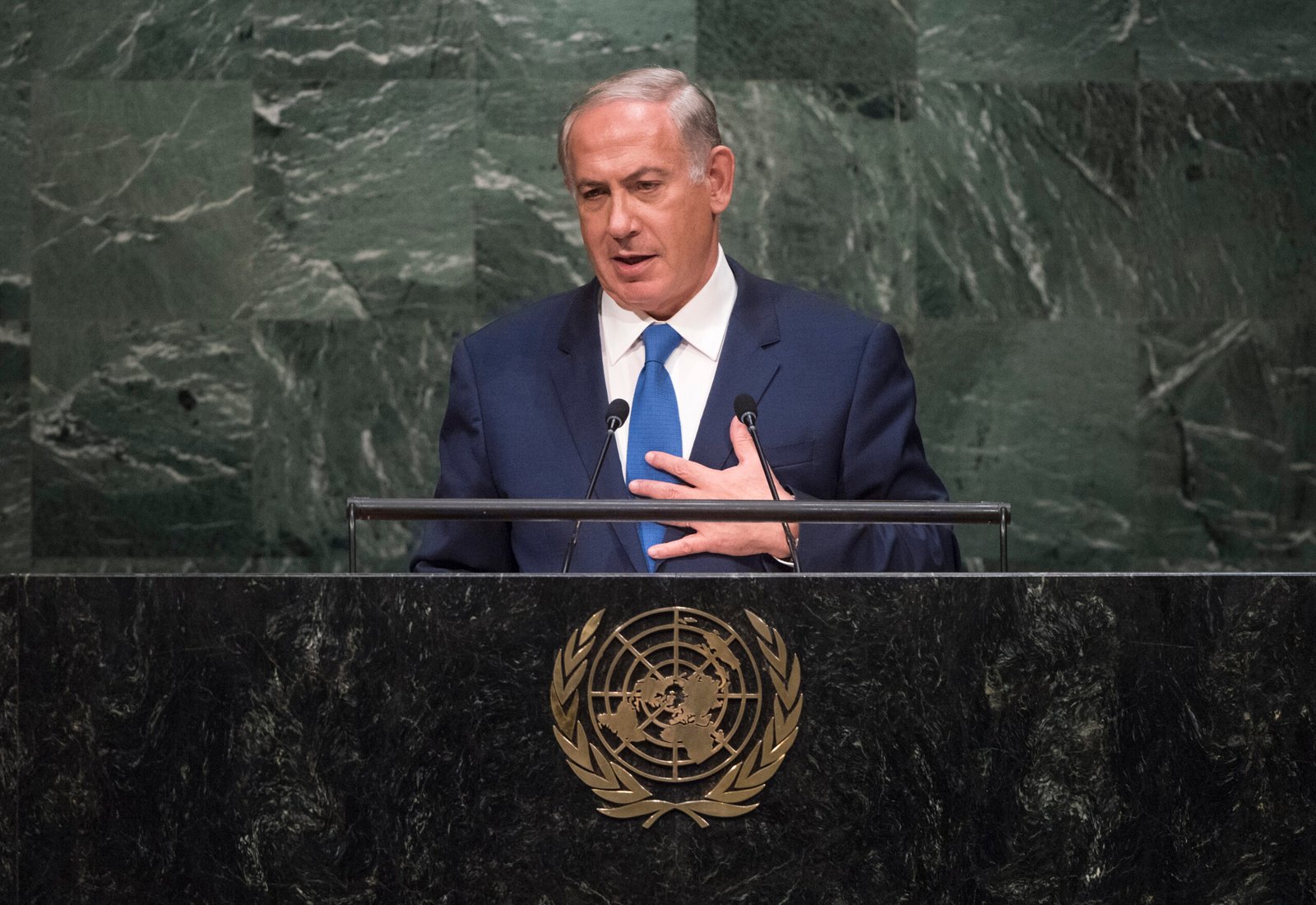
What Happened at the United Nations
On Friday, Israeli Prime Minister Benjamin Netanyahu addressed the United Nations General Assembly in New York City, defending Israel’s ongoing military operations in Gaza. As he spoke, more than 100 delegates from over 50 countries stood up and left the chamber—a rare and significant diplomatic walkout. Outside the UN, thousands of protesters gathered to voice opposition to Netanyahu’s policies and call for accountability, including some who labeled him a war criminal. The protest included activists from Palestinian and Jewish groups, along with international allies.
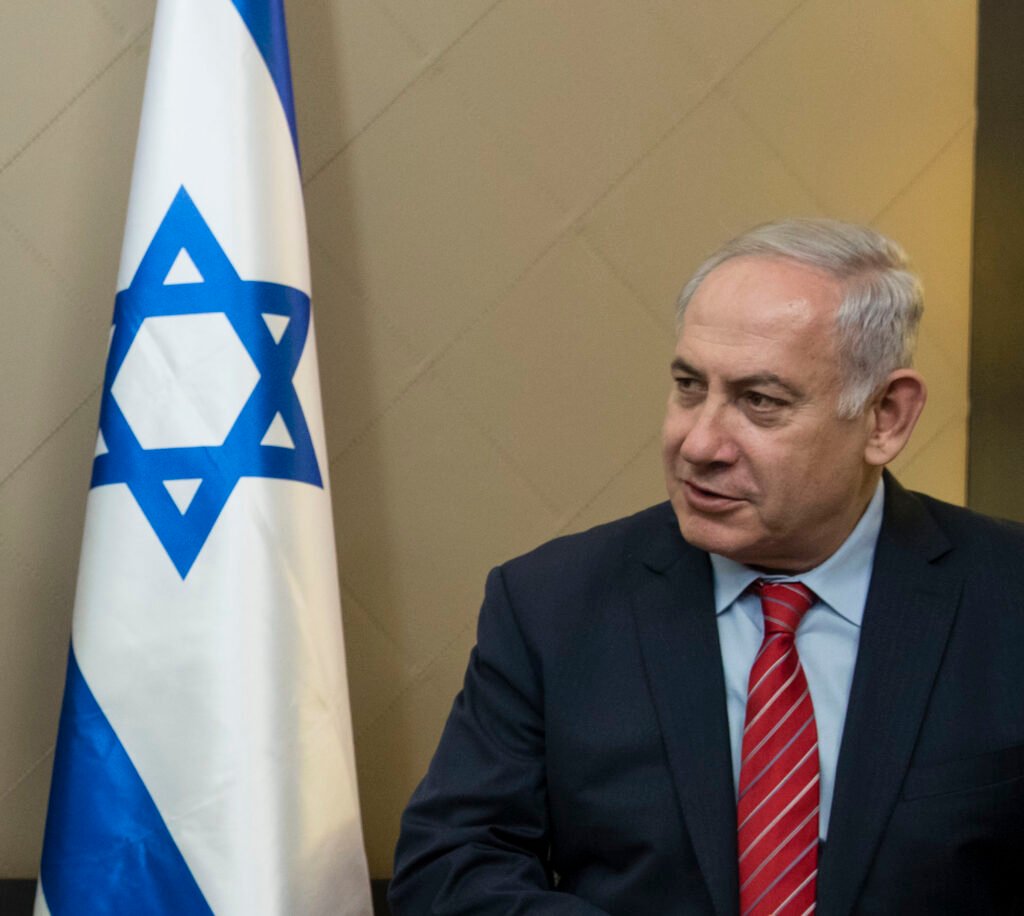
Why Did Delegates and Protesters Walk Out?
The walkouts and protests were a response to Israel’s continued offensive in Gaza, which has resulted in widespread destruction and a significant humanitarian crisis. Many countries and individuals have accused Israel of excessive use of force, and some international prosecutors have suggested Netanyahu should face investigation by the International Criminal Court for war crimes, including claims that starvation was used as a weapon against civilians. At the same time, a record number of nations—over 150—recently recognized the State of Palestine, leaving the United States as the only permanent UN Security Council member not to join them.
International Reaction and Significance
The diplomatic walkouts and street protests demonstrate increasing global concern over the situation in Gaza and growing support for Palestinian statehood. Several world leaders, including Colombia’s President Gustavo Petro, showed visible solidarity with protesters. Petro called for international intervention and, controversially, for US troops not to follow orders he viewed as supporting ongoing conflict. The US later revoked Petro’s visa over his role in the protests, which he argued was evidence of a declining respect for international law.
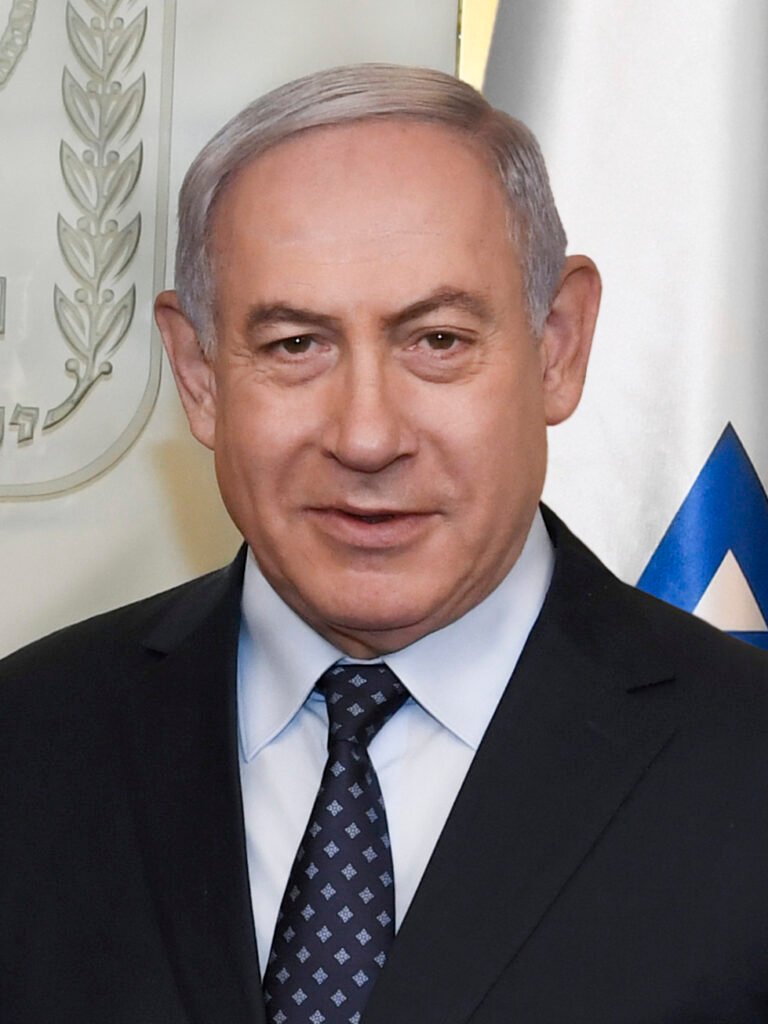
Why Is This News Important?
The Gaza conflict is one of the world’s most contentious and closely-watched issues. It has drawn strong feelings and differing opinions from governments, activists, and ordinary people worldwide. The United Nations, as an international organization focused on peace and human rights, is a key arena for these debates. The events surrounding Netanyahu’s speech show that many nations and voices are urging new action—from recognition of Palestinian rights to calls for sanctions against Israel—while discussion and disagreement over the best path forward continue.

This episode at the UN highlights how international diplomacy, public protests, and official policy are all intersecting in real time as the search for solutions to the Israeli-Palestinian conflict remains urgent and unresolved.

Vertical Films Changed Everything. Are You Ready?

What Actors Can Learn From Zendaya

Why Your Indie Film Disappears Online


 News2 weeks ago
The Timothée Chalamet Guide to Ruining Your Image
- Entertainment4 weeks ago
This scene almost broke him. And changed his career.
- Entertainment4 weeks ago
7 Filmmaking Lessons From Michael B. Jordan’s Oscar Moment
- Entertainment2 weeks ago
The machine isn’t coming. It’s aleady the room.
- Advice4 weeks ago
Stop Waiting for Permission — The Film Industry Just Rewrote the Rules
- Entertainment2 weeks ago
What Kanye’s ‘Father’ Says About Power, Faith, and Control
- News4 weeks ago
How ‘Sinners’ Won The Oscars: Filmmaker Notes
- News3 weeks ago
How She Earns $40M+ In 2026