


Entertainment
Ahsoka Premiere Embodies the Best of Star Wars: Our Review on August 23, 2023 at 3:14 pm The Hollywood Gossip


On Wednesday morning, Ahsoka‘s two-part premiere released on Disney Plus.
This series follows the immensely popular character, Ahsoka Tano, who first appeared in the Star Wars: The Clone Wars animated film in 2008.
She has come a long way since she was Anakin Skywalker’s young Togruta Padawan. She has since appeared on Star Wars Rebels and The Mandalorian.
Fans have spent 15 years feeling invested in Ahsoka. Are we getting the emotional payoff that we deserve, wrapped up in a solid story and thoroughly grounded in the broader Star Wars universe?
Ahsoka Tano finds herself in a long-sealed chamber in an ancient temple. It may be the work of Nightsisters, but seems eerily reminiscent of Zeffo architecture and motifs. (Disney Plus)
Yes. The show is genuinely fantastic, and feels like the kind of Star Wars that we’d expect from a master like Dave Filoni. So far, anyway. We’ve only seen the first two episodes. There will be at least six more.
Before we delve into this series, which takes place more or less around the year 10 ABY (roughly), let us warn you:
This THG review is filled to the brim with Ahsoka spoilers. Not for the rest of the season, but certainly for the two-part premiere.
The talented Mark Rolston portrays Captain Hayle aboard a New Republic vessel, transporting a familiar prisoner. (Disney Plus)
We start off with some breathtaking starships, both outside and in. The Sequel Trilogy established that the New Republic exists, but did little to show it before wiping it out.
But excellent series like The Mandalorian and now Ahsoka have picked up the slack, showing us the people, the ships, and organization that replaced the Galactic Empire.
During Ahsoka‘s cold open, Captain Hayle and his ship are transporting a prisoner who first appeared on The Mandalorian.
Captain Hayle and his security escort enter the hangar bay, where they receive a decades-old Eta-class shuttle. This model was popular during the days of the Republic before the Empire, and Jedi often made use of this type of craft. (Disney Plus)
The moment that we see the ship, we can guess that it will not make it to its destination. But this isn’t a firefight — not in space, anyway.
Instead, there is a subtle callback to Return of the Jedi‘s use of an Imperial shuttle and an old-yet-valid clearance code. This time, it’s an Eta-class shuttle, which dates back to before the Empire.
The show wisely avoids repeating “it’s an older code” despite the overlay of events. Overusing lines, especially memes, can become cringey.
One of the many refreshing and wonderful details in Ahsoka’s two-part premiere was the presence of non-Humans. In addition to main characters like the titular character and Hera Syndulla, we see a random security officer who is Mon Calamari. (Disney Plus)
Additionally, Captain Hayle is no fool. He doesn’t believe that these interlopers are Jedi, and he greets them with a full security escort.
One of Andor’s few real shortcomings is that, despite the great storytelling, the show contains an almost entirely Human cast of characters.
Ahsoka does not. Even random background characters might be Rodians, protocol droids, or in this case, a loyal Mon Calamari serving the New Republic.
Captain Hayle meets with someone who he assumes to be an extremely bold con artist or a simple Imperial Remnant. Unfortunately for him, Baylan Skoll is neither. (Disney Plus)
Portraying Captain Hayle is a small but rich role for Mark Rolston, who is a live action and voice acting veteran of decades. He’s been on everything from Murder, She Wrote to Babylon 5 in the ’90s.
Much of his recent work has been voiceover. He is spectacular as smooth-talking villains like Young Justice‘s Lex Luthor and Spider-Man PS4‘s Norman Osborn.
Here, he plays a smart, competent New Republic captain who, understandably, could never have predicted how this would go.
At the bidding of her master, the determined and enigmatic Shin Hati dispatches the New Republic security team with alacrity. Good for her. (Disney Plus)
Baylan Skoll and Shin Hati are not familiar characters. Their names, their orange lightsaber blades, and backstories are all unfamiliar.
However, they are not con artists. Both display skill in using the Force to deal out incredible violence.
While Shin Hati easily massacres the security officers, Baylan Skoll waits patiently. He also prevents Captain Hayle from becoming involved. Then, he kills them.
Baylan Skoll prevents Captain Hayle from taking action during the Ahsoka cold open. (Disney Plus)
Creating a Star Wars villain is extremely tricky. There is always going to be a temptation to recreate Darth Vader, but that is not reasonable.
We think that we can reasonably say that Kylo Ren was a failure as a villain. His fans might agree, because many of them do not consider him to be a villain. His detractors simply consider him a pale, weak imitation. Arguably, that was the point.
Baylan and Shin are not going to be Darth Vader, or Palpatine, or Asajj Ventress. They don’t have to be. They are mercenaries and underlings, which gives them room to be interesting without the pressure of assuming Lord Vader’s mantle.
The late, great Ray Stevenson passed away in May of 2023. This makes his portrayal of Baylan Skoll on Ahsoka his final role. (Disney Plus)
There is a bittersweet element to watching Baylan slaughter these New Republic forces, and it’s not sympathy for those in his path.
Portraying Baylan Skoll was Ray Stevenson’s final role.
After a long and storied career as an actor, he passed away earlier this year. This season is dedicated to him.
Morgan Elsbeth is one of the best conceivable names for a Human who is, or at least was, a Nightsister of Dathomir. We do not know her whole story, but she first appeared and became a prisoner on The Mandalorian’s second season. (Disney Plus)
The Mandalorian viewers will remember Morgan Elsbeth from Season 2, which was also Ahsoka Tano’s first live-action appearance.
At the time, this Human antagonist stood out the most for her possession of a beskar spear. Din Djarin would later wield that weapon against Moff Gideon.
She is the prisoner whom the late Captain Hayle and his similarly deceased crew were transporting. When Baylan arrives, it is quickly Morgan who is giving orders. She seems to be the one paying him.
Ahsoka Tano holds an ancient star map. This is not Jedi design or Sith, but the work of someone — or something — else. (Disney Plus)
After the cold open, Ahsoka is exploring an ancient ruin on the planet Arcana. She is following a lead that she previously extracted from Morgan.
Among the ruins, which bear a number of motifs with striking similarities to the Zeffo ruins in Jedi: Fallen Order, Ahsoka finds the premiere’s MacGuffin. It’s a sphere, a puzzle, and a star map.
Calling it a MacGuffin isn’t a criticism. Many of the greatest stories in history contain these elements. MacGuffin is simply the word for these objects.
Ahsoka Tano warns off her ill-advised attackers, presenting one of her lightsabers. Notably, she built these blades during Imperial rule, killing an Inquisitor who attacked her and healing the kyber crystals of his weapon — turning them from red to white. (Disney Plus)
Naturally, Ahsoka emerges after finding the hidden chamber and solving its puzzle to find five HK-87 assassin droids waiting for her.
She presents her lightsabers, which is actually a point of criticism for some reviewers. See, it’s light out, and her lightsabers are white.
While the color contrast isn’t ideal, we’re unsure of what these critics would suggest. Should every fight take place at night? Or should showrunners have randomly changed Ahsoka’s blades to another color?
Both Jedi: Fallen Order and Jedi: Survivor received widespread acclaim for their faithfulness to the whole and breadth of Star Wars canon. Jedi: Survivor became the first on-screen demonstration of how a user of the Dark Side turns their kyber crystal red in order to wield a red lightsaber. The process is known as “bleeding” the crystal, and Dagan Gera horrifies Cal Kestis when he does this. (EA/Respawn)
No, this screenshot is not from Ahsoka, but from Jedi: Survivor. Because it shows the bleeding of a lightsaber’s kyber crystal.
Years after the fall of the Republic, one of the Empire’s Inquisitors faced off against Ahsoka. It was his last mistake.
An unarmed Ahsoka easily killed him. She took the two red crystals from his shattered blade and healed them. Healed kyber crystals turn white, and produce white blades.
A group of five HK-87 assassin droids attempt to ambush Ahsoka Tano. It’s a great time to remember that, in the Star Wars universe, any and all droids can experience emotional distress, fear, and even physical pain. (Disney Plus)
Ahsoka is a master of combat with few rivals. Even as a young Padawan, she survived two encounters with General Grievous. Grievous had killed numerous Jedi, including members of the Jedi Council. But not Ahsoka.
After leaving the Jedi Order, Ahsoka faced and defeated Darth Maul on Mandalore. Later, she would face off and hold her own against Darth Vader, her former master. She didn’t win, but she did injure him.
Some critics have questioned why none of Ahsoka’s enemies seem to be a match for her. We would ask what else they expected. There are many ways to tell a compelling story, and not every protagonist has to be an underdog.
Aboard a T-6 shuttle, Ahsoka Tano greets Huyang. This ancient droid has served the Jedi Order for centuries. Ahsoka is no longer a Jedi, but he remembers when she was a Padawan. David Tennant reprised his role as Huyang, having also voiced him on Star Wars: The Clone Wars. (Disney Plus)
Huyang, who first appeared on Star Wars: The Clone Wars, has returned. This ancient droid has been helping Jedi Padawans construct their lightsabers for an extremely long time.
Here, he is simply doing his best to serve the no-longer-existent Jedi Order. Even though Ahsoka left the Order well before Order 66.
David Tennant has once again done an extraordinary job in voicing this character. He provides comedic relief, a wonderful contrast to Ahsoka’s more determined energy.
Mary Elizabeth Winstead portrays the live-action version of General Hera Syndulla on Ahsoka. (Disney Plus)
Speaking of returning characters, Hera Syndulla is back. One of the leads from Star Wars Rebels‘ ensemble cast, she is now a General in the New Republic.
Mary Elizabeth Winstead had big shoes to fill, but she pulled it off very well.
Some critics have complained about her color contacts. That’s just the color of Hera’s eyes.
While viewing a holo-recording of Baylan Skoll and Shin Hati, Ahsoka Tano and General Hera Syndulla discuss the mystery of Grand Admiral Thrawn. (Disney Plus)
Those of us following news of the show with bated breath already knew that this show would likely be a search for Grand Admiral Thrawn and for Ezra Bridger.
But for those who weren’t aware, Hera and Ahsoka’s conversation brought them up to speed. Many assumed that both of them died at the Battle of Lothal, but Imperial Remnant activity suggests otherwise.
If Thrawn is alive, perhaps Ezra is, too. Meanwhile, Hera suggests that Ahsoka should visit an old friend, Sabine Wren. The fellow Star Wars Rebels alum is also living on Lothal.
Lothal was a central location for Star Wars Rebels, particularly during the first and final seasons. Seeing portions of the planet come to life with an actual budget on Ahsoka was truly beautiful. (Disney Plus)
It is nothing short of breathtaking to see what Lothal looks like with an actual budget.
For those unfamiliar, Clone Wars seems to have had a budget of “anything George Lucas is willing to pay for.”
When Disney bought the rights to Star Wars, they did not initially see the value in investing in top-tier Star Wars television. Star Wars Rebels‘ visual design and animation suffered for it. It is a very good thing that this has changed.
Clancy Brown is a veteran actor of live action and voice. He portrayed Governor Ryder Azadi in voice on Star Wars Rebels and in live action on Ahsoka. (Disney Plus)
If you saw “Clancy Brown” trending on the remnants of Twitter on Wednesday morning, this is why.
He reprised his role from Rebels. No longer a rebel leader or a political prisoner, Ryder Azadi is now governor of Lothal.
Behind him, you can see Humans and Aliens alike. And behind them, a very important mural.
Natasha Liu Bordizzo took on the role of Sabine Wren’s live-action debut on Ahsoka. Embodying this colorful, rebellious Mandalorian was no small feat. (Disney Plus)
Sabine Wren is a no-show.
We cannot think of a better way to introduce this character to people who never saw Rebels than to show her skipping a ceremony and also escaping from some cops.
Sabine is actually a Mandalorian from a prominent family. She is also a brilliant inventor and a talented artist. And there’s even more to her than we knew.
Sabine Wren was living in Ezra Bridger’s former home on Lothal. To the delight of fans, she also has a pet Loth-cat. (Disney Plus)
Living in the tower where a teenage Ezra Bridger squatted before joining up with the Ghost’s crew, Sabine is unable to move forward.
Clearly, she feels that she failed Ezra. And there’s clearly more to it than that.
Rebels ended with, among other things, Ahsoka and Sabine embarking upon a journey to find Ezra. They did not succeed.
This holo-recording of Ezra Bridger could exist as much to mislead viewers as it does to explain Sabine’s lost friend to viewers who have not seen Star Wars Rebels before watching Ahsoka. (Disney Plus)
A lot of us have been donning our electrum hats about Ezra.
Fan theories range from Ezra being Thrawn’s enemy to Thrawn truly being dead, with Ezra posing as him to rule the Imperial Remnants from afar.
That would be effing amazing. But it’s hard to imagine his character going all Grand Admiral. Alas.
Morgan Elsbeth is a Human, but she was also a Nightsister of Dathomir. On Ahsoka, she explains that she is a “survivor,” meaning that she escaped the carnage of General Grievous’ genocidal campaign against Mother Talzin and the Nightsister clan. (Disney Plus)
Meanwhile, Morgan Elsbeth is back in a more dignified wardrobe. It does resemble a watered down version of Mother Talzin’s regalia.
She discusses her backstory as a Nightsister, and hands out orders to Baylan and Shin and also to Inquisitor Marrok.
The Grand Inquisitor and Darth Vader himself trained the Inquisitors, but they are not true Sith. It is a bit of a surprise to see that one survived the fall of the Empire, but we doubt that Marrok is long for this world.
Ahsoka Tano and Sabine Wren come face-to-face on Lothal. Given the tensions, it seems that they have not seen each other in a long time. (Disney Plus)
Here’s where one of the bigger mysteries for fans is: what went down with Ahsoka and Sabine?
It sounds like Ahsoka trained Sabine, not merely in lightsaber combat (Sabine did wield the darksaber for a time on Rebels). She was her Padawan?
The two-part premiere only lightly touches upon Sabine’s tenuous-at-best connection to the Force. We expect to learn more as the show continues.
The presence of this wall art on Ahsoka Tano’s T-6 shuttle seems to indicate that Sabine Wren was living and sleeping there for weeks, months, or even years. (Disney Plus)
Their meet-up feels a lot like they’re ex-girlfriends. A lot of people really ship that and we’d love to see that play out.
Did a personal relationship interfere with their relationship as mentor and pupil? Or did the opposite happen?
Or maybe they’re just throwing a few crumbs for shippers. That said, very few Star Wars fans see Ahsoka as straight, so … we’ll see.
Sabine Wren is able to unlock the mysterious star chart, though she does it on her own terms. Classic, brilliant Sabine. (Disney Plus)
Even though Sabine agrees to look at the mysterious little orb, she does it her way. That is, she swipes it and takes it home.
This is where she solves the puzzle, uncovering the star map that seems to lead from their galaxy to another.
That’s a big deal for Star Wars, where we’ve never seen anyone explore another galaxy — not in canon, anyway.
When HK-87 assassin droids attack Sabine Wren, she quickly displays that she doesn’t need her Mandalorian armor to defend herself. It sure would help, though. (Disney Plus)
Unfortunately, this is also where a group of HK-87 assassin droids find Sabine.
Shin Hati sent them.
And while Sabine can defeat them, one gets away with the star map. And chasing him down leads Sabine to face a real threat.
Sabine Wren draws Ezra Bridger’s former lightsaber, but Shin Hati has one of her own. (Disney Plus)
The green lightsaber that Sabine wields belonged to Ezra Bridger. It was his second, but he left it behind.
She has since modified it. And she received training — from the late Kanan Jarrus and then from Ahsoka Tano.
But her training is incomplete. Her spectacularly choreographed fight with Shin Hati makes that clear.
Though Sabine Wren has received lightsaber training from one of the greatest duelists in Galactic history, she finds herself outmatched by Shin Hati. At least, during their first encounter. (Disney Plus)
Social media users have commented that this fight made them feel downright “feral.” And you can see why.
Shin has a specific sort of determination to her. She’s more than just bangs and a lightsaber.
Unfortunately for Sabine, she’s also very skilled with that lightsaber. Certainly not a match for Ahsoka, but Sabine is another matter.
Shin Hati drives her orange lightsaber blade through Sabine Wren’s torso during the chilling end of the premiere episode of Ahsoka. (Disney Plus)
The first episode of the premiere ends with her running that orange blade through Sabine’s body.
She misses her spine or her heart. And, frankly, characters like Vader and Maul have survived much worse.
But, had it not been for the second episode, most viewers would have spent a week wondering if this show cast Sabine just to kill her off immediately.
Sabine Wren awakens while a medical droid attends to her. Ahsoka Tano has clearly kept vigil by her side. This is good news for fans, and also excellent fodder for shippers. (Discovery Plus )
Not so.
The second episode shows Sabine recovering, under the care of a medical droid and under the watchful eye of Ahsoka.
She’s not fully healed, yet. But she’s awake and can tell Ahsoka, and a hologram of Hera, what happened.
Baylan Skoll and Shin Hati have the star map and arrive at an ancient Nightsister site. (Disney Plus )
Meanwhile, Baylan and Shin have the map and are on Seatos.
It’s so, so nice to see new planets that are not deserts. That said, we’d really love to see more fantastical worlds. Take us to Umbara, please.
Anyway, they don’t have the expertise to use the map to its full potential. Their employer does, however.
Conscious and recovering, Sabine Wren examines the head of an HK-87 assassin droid that unwisely attacked Ahsoka Tano. Her goal is to extract memory files to find its point of origin. (Disney Plus )
Despite her injuries, Sabine is still a mad genius. Ahsoka finds a surviving HK-87 assassin droid and instantly beheads it. Sabine tries to access the droid’s memories.
This is a wonderful callback to established canon. The Republic forces tried something similar with various battle droids and strategy droids during the Clone Wars.
This risky maneuver tells them that the droids came from Corellia, the location of the New Republic shipyards.
Morgan Elsbeth demonstrates her Nightsister teachings, as her mystical power manifests in this stunning green flame below the star map. (Disney Plus )
Meanwhile, on Seatos, Morgan uses Nightsister mysticism — their witchcraft is similar to Sith sorcery, but not the same.
She unlocks the map in full, showing a grand and very well-designed map of the cosmos.
There are even astrological symbols. She says that this map comes from another place far away — another galaxy.
Thanks to Morgan Elsbeth’s art, the star map unlocks a hyperspace corridor leading to The Far Galaxy — a place of legend among the Jedi. (Disney Plus )
This is where, she claims, Grand Admiral Thrawn — the brilliant Chiss strategist and looming specter over the New Republic — is living. She wants to bring him home.
Here’s where it’s really interesting: Morgan claims that she can “hear” Thrawn, as if through the Force.
Is she merely sensing him? Because Thrawn is not Force-sensitive. Another possibility is that someone else, be it Ezra or a more sinister figure, is impersonating Thrawn to lure Morgan there.
Peter Jacobson portrays Myn Weaver, who holds some sort of administrative position at the New Republic shipyards on Corellia. Here, we see Myn and what appears to be a masculine RA-7 protocol droid greet Ahsoka Tano and General Hera Syndulla. (Disney Plus )
Ahsoka travels to Corellia with General Hera Syndulla. You can get a lot of things done much faster with a New Republic bigwig by your side.
They quickly uncover that some of these salvage and construction operations are not authorized. What are they doing with hyperdrive cores so large that no New Republic ship could use them?
After dealing with a few traitors, Ahsoka takes off to stop an SSD Hyperdrive core from launching. But she runs into Inquisitor Marrok.
Ahsoka Tano’s pursuit of the SSD Hyperdrive Core leads her to Inquisitor Marrok and an HK-87 assassin droid. (Disney Plus)
Obviously, she’s not going to die by this goon’s hand.
She’s killed Inquisitors before. Unarmed, even.
But as we mentioned, she doesn’t need to be an underdog. And he doesn’t need to win. All that Marrok has to do is slow her down long enough for the drive core to launch.
Onboard the Phantom, General Hera Syndulla pursues the runaway SSD Hyperdrive core as it tries to escape from Corellia. Fortunately, she is no stranger to dodging blaster fire. (Disney Plus)
Hera is one of the best pilots in Star Wars, and we see her piloting the Phantom — a smaller craft that detaches from the Ghost, her main ship.
So she pursues the ship, taking fire without returning it. Hera explains that she can’t risk this crashing and exploding on the population below.
Even though her homicidal astromech, Chopper, really wants her to open fire.
Chopper is an astromech, who has now appeared in live action in Rogue One and now on Ahsoka. Though he has never operated a Death Star or similar superweapon, many fans believe that he has one of the highest body counts in Star Wars canon. This little orange trash can delights in chaos and murder. (Disney Plus)
Dave Filoni reprised his role of voicing Chopper.
He’s one of those droids where you can’t understand what he’s saying, but you always get the vibe. The vibe is often very rude.
Anyway, Chopper manually throws a tracking device onto the ship before it makes the jump to lightspeed. Spectacular Star Wars.
Ahsoka Tano can easily hold her own against Inquisitor Marrok and the HK-87 droid. Unfortunately, they are still able to delay her before she can prevent the SSD Hyperdrive core’s takeoff. (Disney Plus)
On the ground, Ahsoka seems to be mostly just annoyed by Marrok and the HK-87 assassin droid.
But Marrok has done his job.
After she destroys his droid, his goal is simply to escape. That’s unusually smart for a faceless enemy.
Ahsoka Tano easily avoids Inquisitor Marrok’s spinning lightsaber on Corellia. (Disney Plus)
Shin Hati is there, but she wisely does not try to engage Ahsoka.
We know that Baylan has no desire to face Ahsoka. Perhaps he believes that he can kill her, and simply fears losing one of the few survivors of the old Jedi Order.
He was a Jedi. When the Republic fell, he became a mercenary. We can judge him, but hey, he survived! Really interesting guy. Definitely a dark foil to Obi-Wan.
Ahsoka Tano is not only a skilled combatant, but she is strong in the Force. These two factors, combined with years of experience, help her to easily sidestep Inquisitor Marrok’s spinning lightsaber as it returns to his hand. (Disney Plus)
We see some sort of massive hyperspace-related device, though it’s unclear if it’s an engine or some sort of gate. Morgan is building it, but it’s still under construction.
Now they have the map, and she has big plans. Shin, for now, is just following Baylan’s lead. It will be exciting to see how all of that plays out.
Sabine cuts her hair back to Rebels era length, and is ready to get back with Ahsoka. She touches the mural, just as she did in the Rebels finale. Her goal is to bring Ezra home. And we’re on the edge of our seats to see the next episode.
Ahsoka Premiere Embodies the Best of Star Wars: Our Review was originally published on The Hollywood Gossip.
On Wednesday morning, Ahsoka‘s two-part premiere released on Disney Plus. This series follows the immensely popular character, Ahsoka Tano, who …
Ahsoka Premiere Embodies the Best of Star Wars: Our Review was originally published on The Hollywood Gossip.
The Hollywood Gossip Read More



By Bolanle Media | July 2, 2026
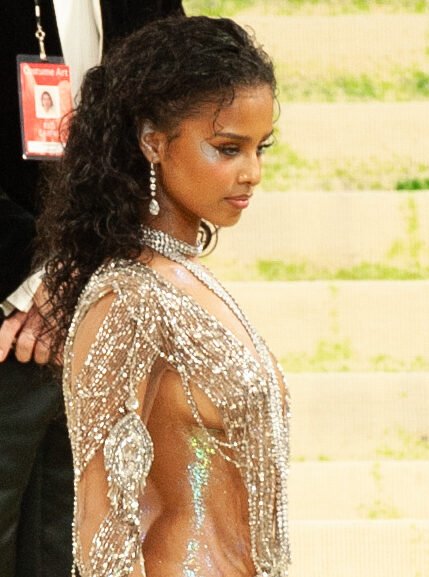
Photo: Tyla at the 2026 Met Gala in custom Valentino — days before making the biggest business move of her career.
There are career moves, and then there are statements. Tyla just made a statement that will be studied in music business classrooms for years.
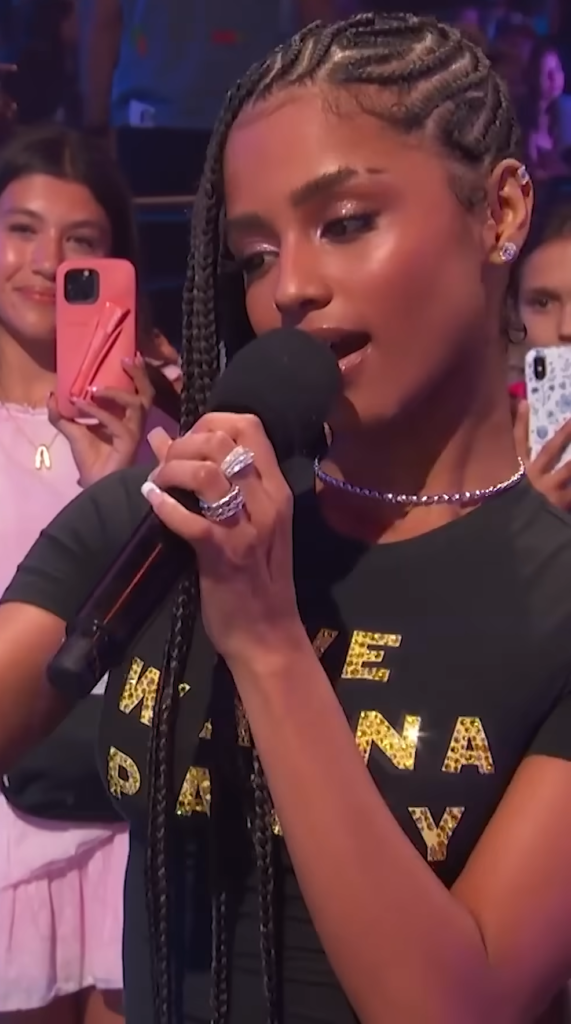
The South African superstar — born Tyla Laura Seethal, 24 years old, and already the proud owner of two Grammy Awards — has officially signed a multi-million dollar global deal with Roc Nation, Jay-Z’s powerhouse entertainment company, walking away from Epic Records to align herself with the most influential roster in the music business. The signing was confirmed across social media with a major digital announcement this week, and the reaction from industry insiders was immediate — shock, admiration, and the quiet acknowledgment that someone just changed the trajectory of African music forever.
From “Water” to a Global Phenomenon
Let’s not forget where this all started. In 2023, a 21-year-old from Johannesburg released a song called “Water” that nobody could quite categorize and everybody needed to hear. Within weeks, it had sparked one of the most viral TikTok dance challenges of the decade, charted simultaneously across the United States, the United Kingdom, and Africa, and earned Tyla a Grammy Award for Best African Music Performance — the first year that category even existed.

That win wasn’t just personal. It was a signal. African music — Afrobeats, Amapiano, and now what Tyla herself calls A*Pop — was no longer knocking at the door of the global mainstream. It had walked through it. And Tyla had handed it the key.
What followed was a whirlwind two years of sold-out shows, magazine covers, red carpet domination, and a growing reputation as one of the most stylistically fearless artists on the planet. She attended the 2026 Met Gala — her third consecutive appearance — wearing a custom Valentino gown dripping in diamond chains with a sweeping teal skirt, styled by the legendary Law Roach, with beauty by Pat McGrath. The look was breathtaking. But it was also strategic. Every Met Gala appearance, every fashion moment, every carefully placed interview has been building toward exactly this: the infrastructure to match the vision.
What Roc Nation Actually Means
To understand why this deal matters, you have to understand what Roc Nation actually is — because it is not simply a record label.
Founded by Jay-Z in 2008, Roc Nation is a full-service entertainment company with divisions spanning artist management, touring, brand partnerships, film and television, sports management, and philanthropy. Its roster has included Rihanna, Alicia Keys, J. Cole, Big Sean, Lil Uzi Vert, and Megan Thee Stallion — artists who didn’t just sell records, but built multi-decade cultural empires that extended into fashion, film, business, and beyond. The through-line isn’t genre. It’s scale.
For Tyla specifically, the Roc Nation deal unlocks a completely different level of access. We’re talking about premium budgets for music videos and live production, top-tier brand partnership pipelines with luxury and lifestyle companies, film and television placement relationships that most artists spend a decade trying to build, and the kind of media weight that gets you on the cover of Vogue, Time, and Billboard in the same calendar year. Roc Nation doesn’t just manage artists — it engineers icons.
On the African music side, Tyla joins fellow Roc Nation signee Ayra Starr, the Nigerian pop star who inked her deal in 2025, deepening the label’s clear and deliberate strategic investment in African pop as the next dominant global genre. Jay-Z is not betting on a trend. He is betting on a generation.
The Album That Could Rewrite the Playbook
The timing of this signing is not accidental — it is surgical.
Tyla’s highly anticipated sophomore album, A*POP, is officially set to drop July 24, 2026, just three weeks away — a 14-track project that she has described as unapologetic, globally ambitious, and deeply rooted in her South African identity while simultaneously reaching for something universal. The lead single “She Did It Again” features Swedish pop titan Zara Larsson, a collaboration that announces in no uncertain terms that Tyla is not staying in any lane she didn’t build herself.
With Roc Nation’s full machine now behind the album rollout — promotional infrastructure, media relationships, tour routing, brand activations — A*POP arrives with a runway that Epic Records simply could not have provided at this scale. The industry is already paying attention. For music supervisors, film and TV executives, brand marketers, and entertainment investors reading this right now — put A*POP on your radar immediately. This is the kind of release that shapes culture, not just charts.
The Bigger Picture Nobody Is Talking About
Here is what gets lost in the excitement of a big announcement: the systemic significance of what Tyla just did.
The music industry’s historical relationship with African artists has been, at best, transactional — major labels slow to invest, quick to cash in on a viral moment, and consistently reluctant to build the kind of long-term infrastructure that turns an artist into a brand. Tyla has navigated that system with remarkable intelligence, refusing to be reduced to a trend, building her artistic identity on her own terms, and now — at 24 — arriving at the negotiating table with enough leverage to choose Roc Nation on her terms.
That matters. Not just for Tyla, but for every African artist watching this unfold from Lagos, Accra, Nairobi, Cape Town, and Houston. It is proof that the path from regional phenomenon to global superstar is not only possible — it is being paved right now, in real time, by a young woman from Johannesburg who refused to shrink.
For media companies, content platforms, entertainment executives, and brand strategists operating in the African diaspora space — this is your data point. African pop is not a niche. It is not a trend. It is not a moment. It is a movement, and Tyla just secured the most powerful co-sign available in the global music business to lead it.
Watch this space. Very closely.
Follow @bolanlemedia on Instagram for real-time music, film, and entertainment industry news. Read more at bolanlemedia.com

AfriqueFest: Pan-African Musical Experience — World Cup Edition is set to take over Noto Houston on Sunday, June 28, bringing together East, South, and West African sounds in one immersive celebration of music, culture, and connection. Presented by Experience Noir and Bolanle Media, the event is designed as a cinematic night for the culture, blending global energy with Houston nightlife in a way that feels elevated, intentional, and deeply rooted in African creativity.
Spotlight on DJ Shinski
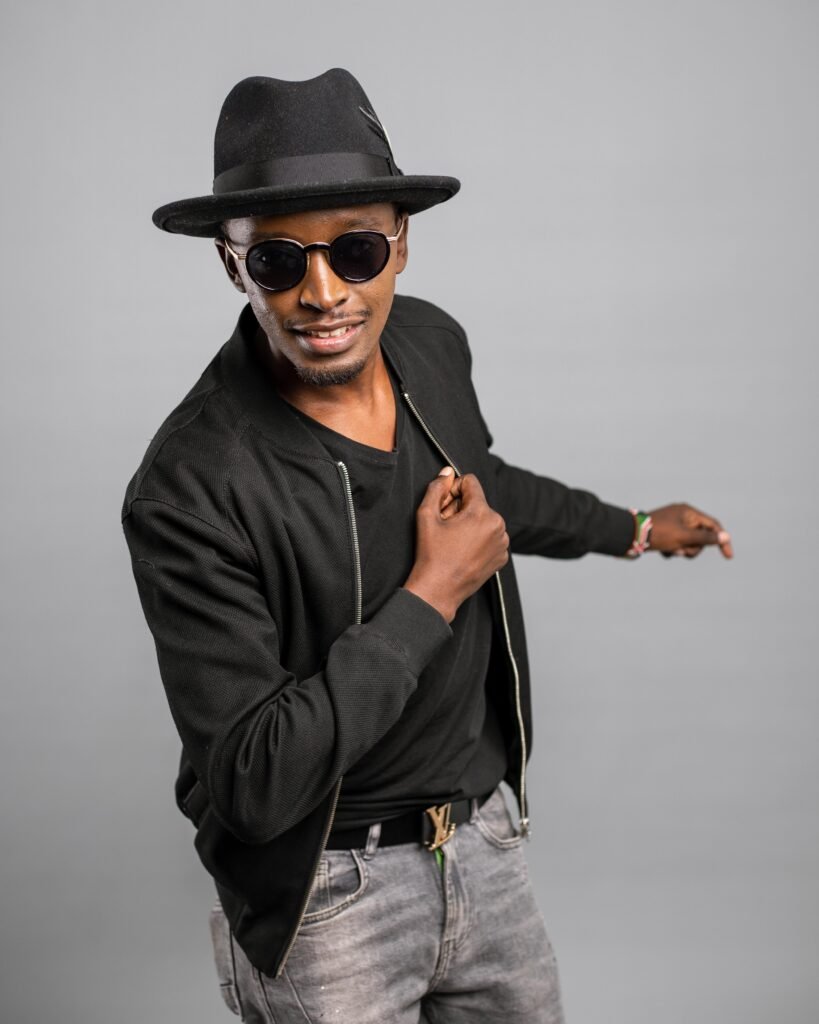
At the heart of this year’s experience is DJ Shinski. Born and raised in Nairobi, Kenya and now based in Houston, DJ Shinski has built an international name off high-energy sets that move effortlessly across Afrobeats, Amapiano, hip‑hop, dancehall, reggae, and electronic sounds.
He has also become Africa’s most‑subscribed DJ on YouTube, crossing the 2‑million‑subscriber mark and turning his mixes into a global destination for music lovers.

DJ Shinski’s style is precise but unpredictable: one moment it’s classic Afrobeats, the next it’s East African anthems, then a run of throwback hip‑hop or R&B that still feels fresh. That ability to read a room and connect multiple worlds in a single set is exactly why AfriqueFest is building so much of the night’s energy around him.
At AfriqueFest, DJ Shinski helps drive the Safari Grooves segment, representing East and Central Africa from 4 PM to 6 PM. Expect a journey that moves from Nairobi to Dar es Salaam, Kampala, Addis, and beyond, all filtered through his signature “vibes on vibes” approach behind the decks.
DJ Tunez and the rest of the night
Supporting that energy, DJ Tunez leads the Gold Coast Beats chapter from 8 PM to 10 PM, bringing his own Nigerian‑American Afrobeats pedigree to the stage. Together with the Diamond Rhythms segment (South) and a curated roster of DJs, the night stretches across the continent in three distinct musical chapters, all connected by a single dance floor.
Hosted by @chris_gone_crazy, @kingdrewwskyy, @roselynomaka, and @samsnewleaf, AfriqueFest is positioned as more than a party—it’s a celebration of sound, style, and Pan‑African identity in Houston, with DJ Shinski anchoring the experience from the moment doors open.
Brought to you by Bolanle Media & Experience Noir
Brought to you by Bolanle Media and Experience Noir, this World Cup edition of AfriqueFest is crafted as a night where global DJs, storytellers, and music lovers collide and create a shared cultural memory. With DJ Shinski front and center—and DJ Tunez helping close the night—guests can expect a show that reflects both the future of African nightlife and the power of the diaspora to create unforgettable live moments.
If you want to experience DJ Shinski live at AfriqueFest, now is the time to lock in your spot. Purchase your tickets now at AfriqueFest.com and get ready for a night of music, movement, and culture at Noto Houston.
Laughter Meets Inspiration: Our Ladies Show Lands on The Roku Channel
A bold new sketch comedy series for women premieres June 13 across the U.S., U.K., and Canada — arriving on the back of a festival-winning run that has critics and audiences already paying attention.
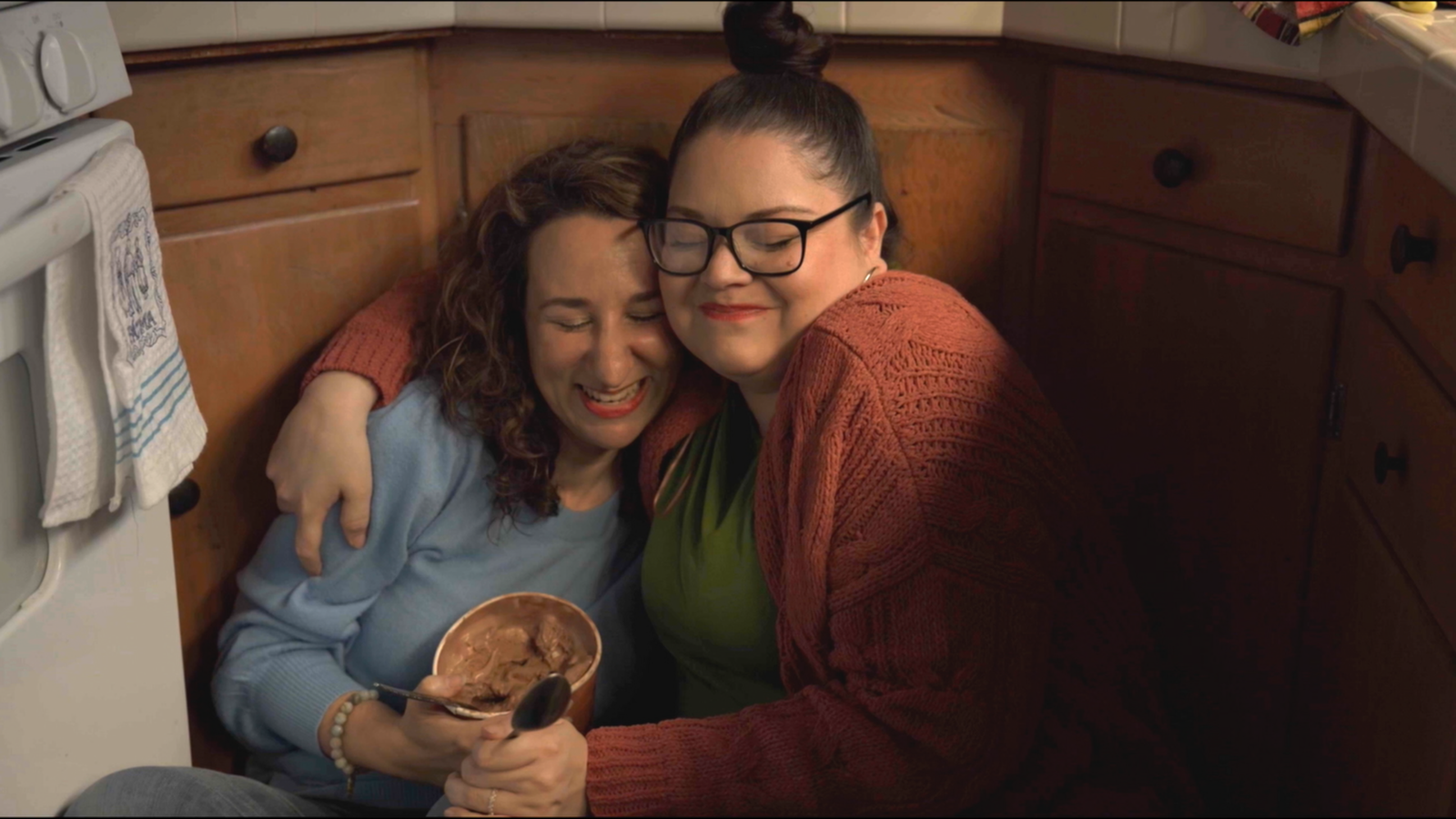
It isn’t every day a brand-new comedy arrives already wearing a row of trophies. Our Ladies Show does. The seven-episode inspirational sketch comedy series — created, written by, and starring Christin Jezak — begins streaming on The Roku Channel on Friday, June 13, 2026, available free to viewers in the United States, United Kingdom, and Canada.
Produced in partnership with global media services leader Encompass Digital Media, the series sets out to do something rare in today’s streaming landscape: make women laugh out loud and leave them lifted. In a media moment crowded with noise and cynicism, Our Ladies Show is a deliberate counterweight — comedy with a conscience, built for women of every age and background.
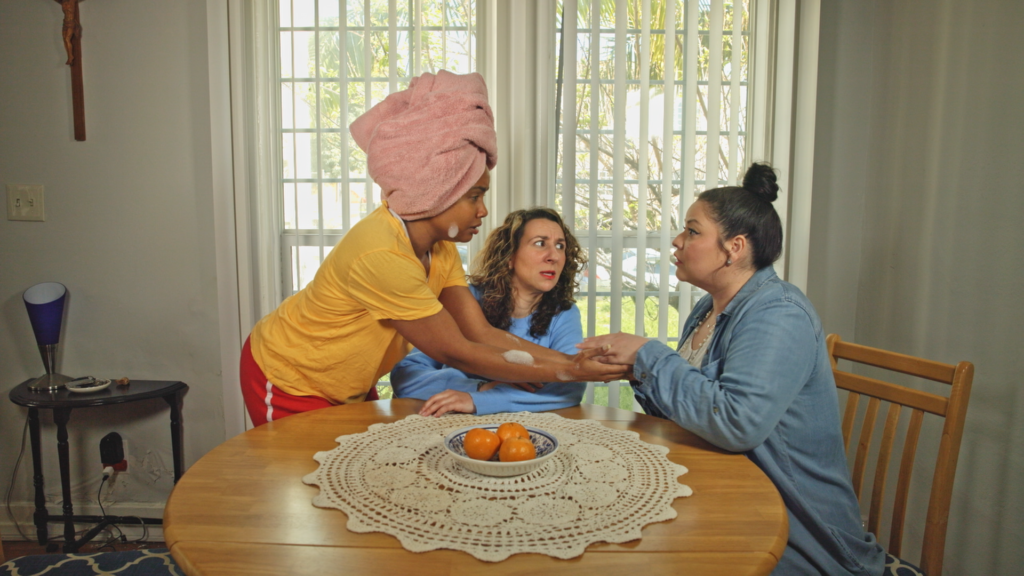
A Show Built Around Real Life — and Real Laughs
Each of the seven episodes opens with a monologue from one of the cast members introducing the theme, then rolls into three or more sketches that hit the subject from every comedic angle. The series tackles the things women actually carry: holding grudges, comparison, beauty, patience, gift giving, the importance of community, and dealing with anxiety.
The comedy comes from a place of warmth rather than mockery — a “laugh at ourselves” spirit that runs through a gallery of unforgettable characters: a nosey neighbor, an overwhelmed mom, relentlessly optimistic flight attendants, beauty pageant winners past their prime, and a crew of unruly campers with a counselor who simply cannot hold it together.
Then the show does something most sketch series don’t. In the final segment of every episode, the cast gathers in a living-room setting and invites the audience in — sharing real inspiration drawn from the theme, the sketches, and their own personal stories. It’s the moment the laughter turns into something that stays with you.
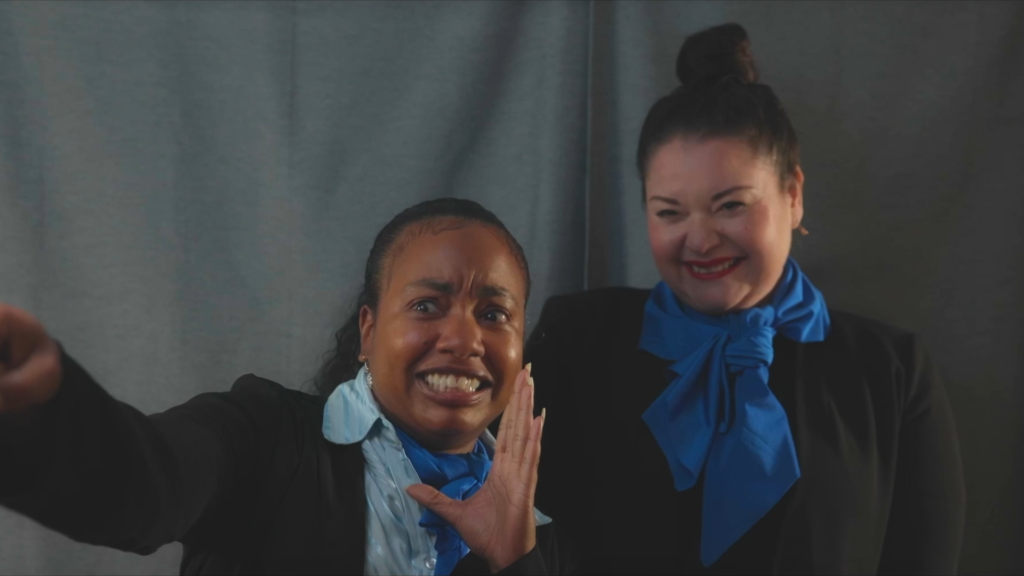
The Women Behind the Show
Our Ladies Show brings together three performers with serious range:
- Christin Jezak — creator, writer, and star (Miracle at Manchester, Raising Hope, Jimmy Kimmel Live!)
- Hillary Hawkins — (Primal, Nick Jr.’s Play Along, Gullah Gullah Island)
- Sarah Hernandez — (Nefarious, Unplanned, House of Payne)
“In a world with so much division and depression, I hope women of all ages and backgrounds will watch this show, laugh, be reminded of how beautiful, unique, and loved they are, and remember how much we need each other.”— Christin Jezak, Creator & Star
Already a Festival Favorite
The series’ recurring long-form sketch, Neighborhood Watch, didn’t arrive quietly. Originally released as a web series and revamped for Our Ladies Show with new footage, sound, and music, it has been sweeping the festival circuit:
- 🏆 Best Webseries — 2026 New Media Film Festival (Los Angeles)
- 🏆 Best Web/TV Series — Paris Film Awards
- 🏆 Best Web Series — Dallas Movie Awards
- 🏅 Additional wins at the London Movie Awards, Florence Film Awards, and Hollywood Gold Awards
- 🎬 Official Selection — 2026 Harvard Divinity School Film Fest
- ⭐ Finalist — Houston Comedy Film Festival
- 📣 Three nominations — 2025 Content Christian Media Conference, including Best Actress in a TV and Web Series nods for both Christin Jezak and Sarah Hernandez
Where and When to Watch
Our Ladies Show premieres Friday, June 13, 2026, streaming on The Roku Channel — the home of premium and free entertainment — in the U.S., U.K., and Canada. All seven episodes deliver the series’ signature blend of sharp sketch comedy and genuine encouragement.
Watch the trailer now on your platform of choice:
For more information, visit www.ourladiesshow.com and follow @ourladiesshow on Facebook, Instagram, and TikTok.
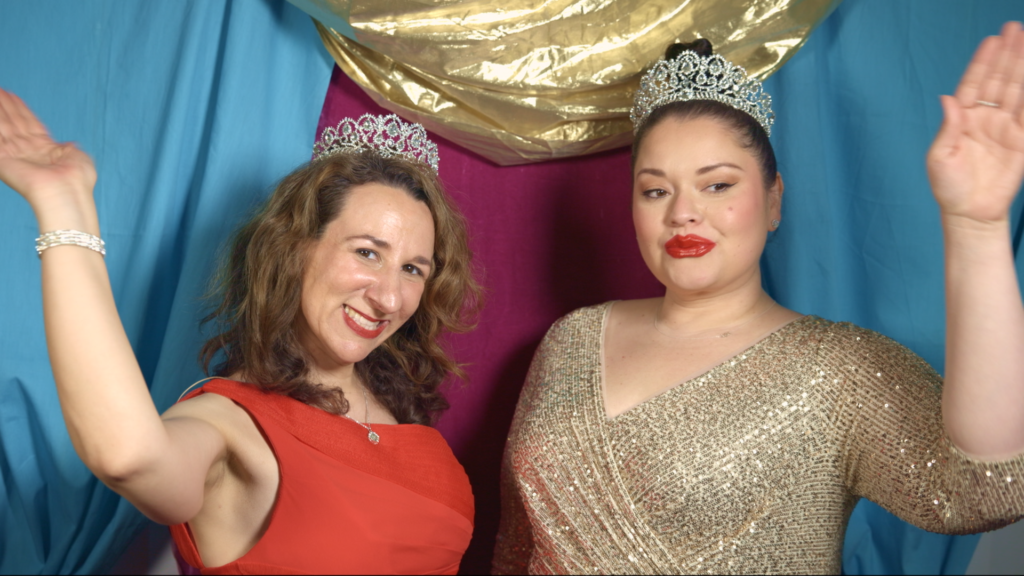
About Christin Jezak
Christin Jezak has worked for over 15 years in the entertainment industry. She created and stars in Our Ladies Show and the award-winning web series Neighborhood Watch. She produced the EWTN TV program For the Sake of the Gospel and the all-women web series Ladies Keepin’ It Real, played Dr. Sam in Miracle at Manchester (starring Dean Cain, Daniel Roebuck, and Eddie McClintock), and voices Agnes in the podcast Confessions of a Catholic Single. She held a lead role in a short film for NTT Data directed by Academy Award–winning cinematographer Janusz Kamiński, has co-starred on Raising Hope, and appeared in Jimmy Kimmel sketches and a Grubhub Super Bowl commercial.
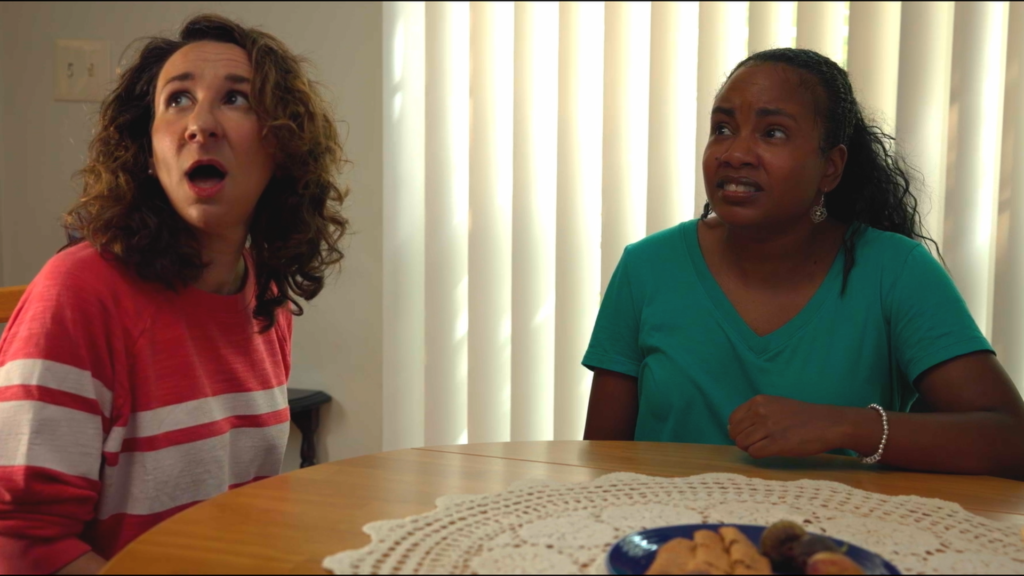
About The Roku Channel
Roku pioneered streaming on TV and is the #1 TV streaming platform in the U.S., Canada, and Mexico by hours streamed (Hypothesis Group, Dec. 2025). The Roku Channel is the home of premium and free entertainment, alongside Roku’s Howdy and Frndly TV services. Roku is headquartered in San Jose, California.
About Encompass Digital Media
Encompass Digital Media is a global managed services company — technology-driven, software-defined, and people-powered. Trusted by world-leading broadcasters, networks, sports rights-holders, and OTT platforms, it processes over 25,000 hours of content daily, serves 850 channels to 84 countries, distributes over 243,000 live events annually, and reaches 400 million radio listeners weekly worldwide. Learn more at www.encompass.tv.
Media & Interview Requests: To interview creator Christin Jezak or the cast, contact Christin at cjezak@p2ptheatre.com.

Why Some Songs End Up in Movies—While Others Never Do

They Told Him a Black Man Can’t Learn. He Sued Them and Won.


