
News
How White Women Dominated DEI Programs

The benefits of Diversity, Equity, and Inclusion (DEI) initiatives and affirmative action programs have often been mischaracterized as primarily benefiting the Black community. However, data from the U.S. Department of Labor and other sources reveal a different hierarchy of beneficiaries, with Black Americans ranking last among groups that gain from these efforts.

Who Benefits the Most?
- White Women
White women are the largest beneficiaries of affirmative action policies. They have made significant gains in employment and leadership roles over the past decades. For example, white women hold nearly 19% of C-suite positions in corporate America, far outpacing women of color. Additionally, white women dominate DEI leadership roles, occupying 75-80% of such positions over the past 10 years.

- Latino and Hispanic Americans
Latino and Hispanic workers have seen considerable benefits from affirmative action and DEI programs, particularly in workforce representation and educational opportunities.

- Asian Americans
Asian Americans are another group that has benefited substantially, especially in sectors like technology and higher education. - Native Americans
Native Americans have gained from targeted initiatives aimed at improving access to education and employment opportunities, though they remain underrepresented in many industries. - People with Disabilities
Disability inclusion has been a growing focus within DEI frameworks, providing more opportunities for individuals with disabilities to enter and thrive in the workforce. - Veterans
Affirmative action policies have historically included provisions for veterans, ensuring they receive fair consideration for jobs and promotions.
- LGBTQ+ Community
LGBTQ+ individuals have seen increased workplace protections and inclusion efforts under DEI programs, though progress remains uneven across industries. - Black Americans
Despite being a focal point of many DEI discussions, Black Americans are often the least benefited group in practice. Structural barriers continue to impede their access to leadership roles and equitable opportunities compared to other groups.
Current Challenges
Recent political developments have significantly altered the landscape of DEI and affirmative action programs. On January 21, 2025, President Donald Trump issued an executive order titled “Ending Illegal Discrimination and Restoring Merit-Based Opportunity,” which effectively terminated race- and gender-based affirmative action requirements for federal contractors. The order also prohibits federal agencies from promoting or enforcing DEI policies deemed discriminatory or preferential based on race or sex.
This shift may further limit opportunities for groups that previously relied on these programs for workplace equity and representation, including Black Americans.
Conclusion
While DEI and affirmative action initiatives were designed to address systemic inequities, their benefits have not been evenly distributed across demographic groups. White women have emerged as the primary beneficiaries, followed by other groups such as Latino Americans, Asian Americans, and people with disabilities. Black Americans remain at the bottom of this hierarchy, highlighting persistent gaps in achieving true equity. As federal policies continue to evolve under new directives, these disparities may widen unless targeted efforts are made to address them comprehensively.

Bolanle Media covers a wide range of topics, including film, technology, and culture. Our team creates easy-to-understand articles and news pieces that keep readers informed about the latest trends and events. If you’re looking for press coverage or want to share your story with a wider audience, we’d love to hear from you! Contact us today to discuss how we can help bring your news to life










A practical guide for independent artists who want their music heard on the big screen.
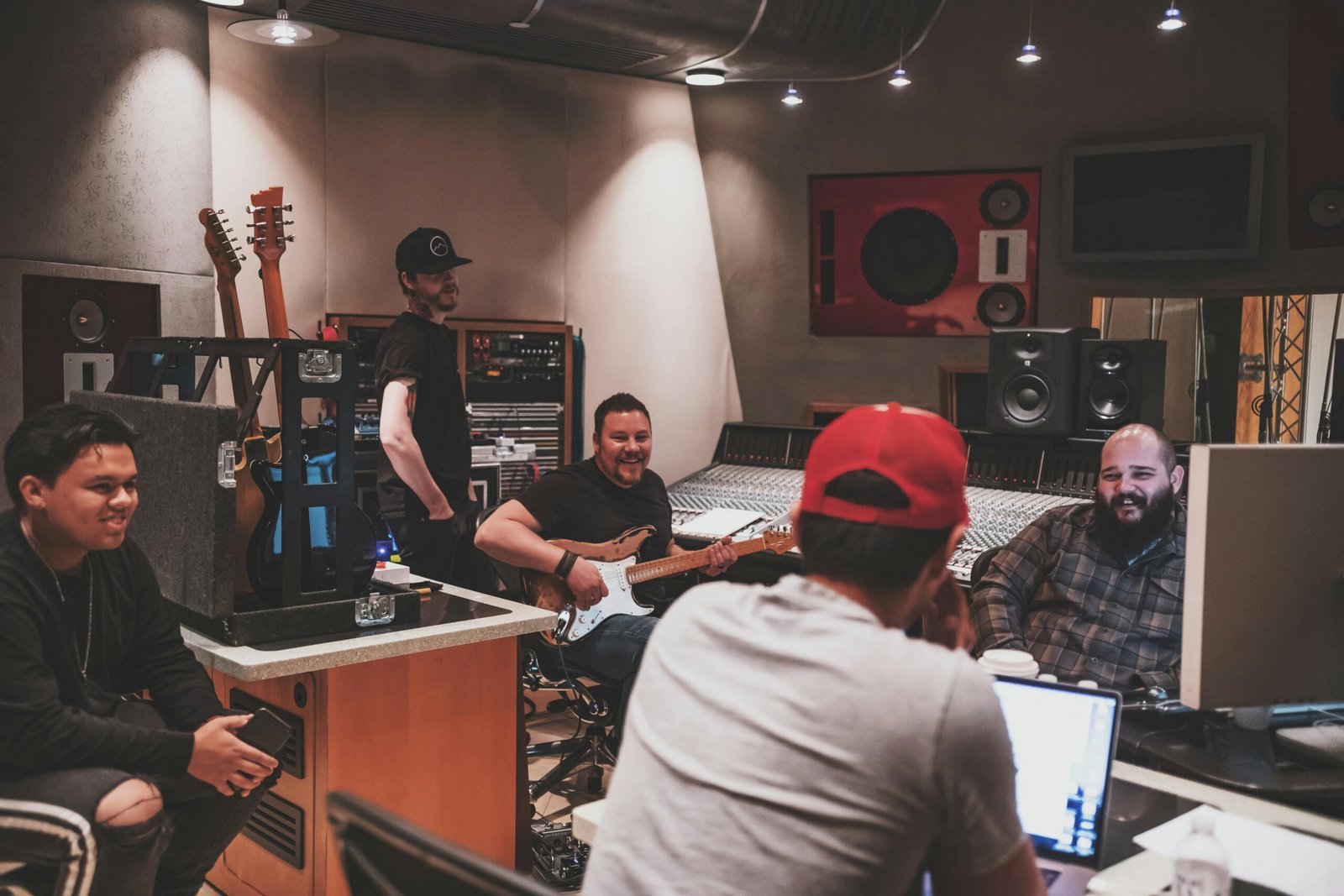
Every memorable film has one thing in common: music.
Think about your favorite movie scenes. Chances are, the music made the moment unforgettable. A powerful song can transform an emotional conversation, make an action sequence more exciting, or leave audiences thinking long after the credits roll.
Behind every one of those moments is a decision. Someone chose that song because it helped tell the story.
For independent artists, that raises an important question:
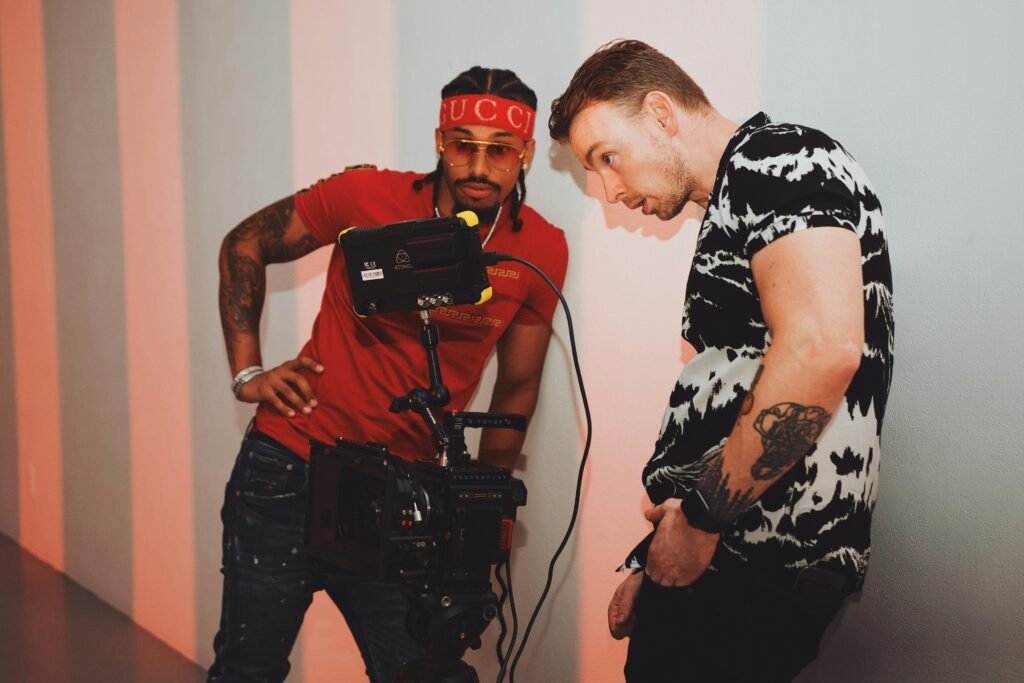
How does your music become one of those songs?
The answer isn’t simply writing better music. It’s understanding how filmmakers search for, evaluate, and license music in the first place.
Filmmakers Aren’t Always Looking for Famous Artists
One of the biggest misconceptions in the music industry is that only chart-topping artists land songs in films.
In reality, independent filmmakers often have limited music budgets and are searching for songs that fit the emotion of a scene—not necessarily the artist with the biggest following.
Sometimes an unknown artist with the perfect song is a better choice than a global superstar whose music is too expensive or unavailable to license.
The question filmmakers ask isn’t:
“Who has the most streams?”
It’s:
“Which song tells this story best?”
Think Like a Director, Not Just a Musician
Many artists write songs for listeners.
Successful sync artists often write songs that listeners can also see.
As you’re creating music, imagine where it could live on screen.
Could it play during:
- A couple falling in love?
- A championship victory?
- A heartbreaking goodbye?
- A suspenseful chase?
- A coming-of-age montage?
- The emotional final credits?
If a director can instantly picture your music inside a scene, you’ve already increased its value.
Ownership Matters More Than Most Artists Realize
A filmmaker may fall in love with your song, but if it’s difficult to determine who owns the rights, the opportunity can disappear quickly.
Every artist should know:
- Who owns the songwriting.
- Who owns the master recording.
- Whether all collaborators have agreed to licensing.
- Who should be contacted for permission.
The simpler the licensing process, the easier it becomes for filmmakers to move forward.
Organization Creates Opportunity
Professional artists don’t just organize their music—they organize their business.
Before pitching music for film or television, make sure you have:
- High-quality WAV files.
- Instrumental versions.
- Clean edits (when appropriate).
- Song lyrics.
- Accurate metadata.
- Genre and mood descriptions.
- Tempo (BPM).
- Contact information.
- A simple licensing contact or email.
These details may seem small, but they save filmmakers time—and in production, time matters.
Relationships Open Doors
Many music placements begin long before a contract is signed.
They start with conversations.
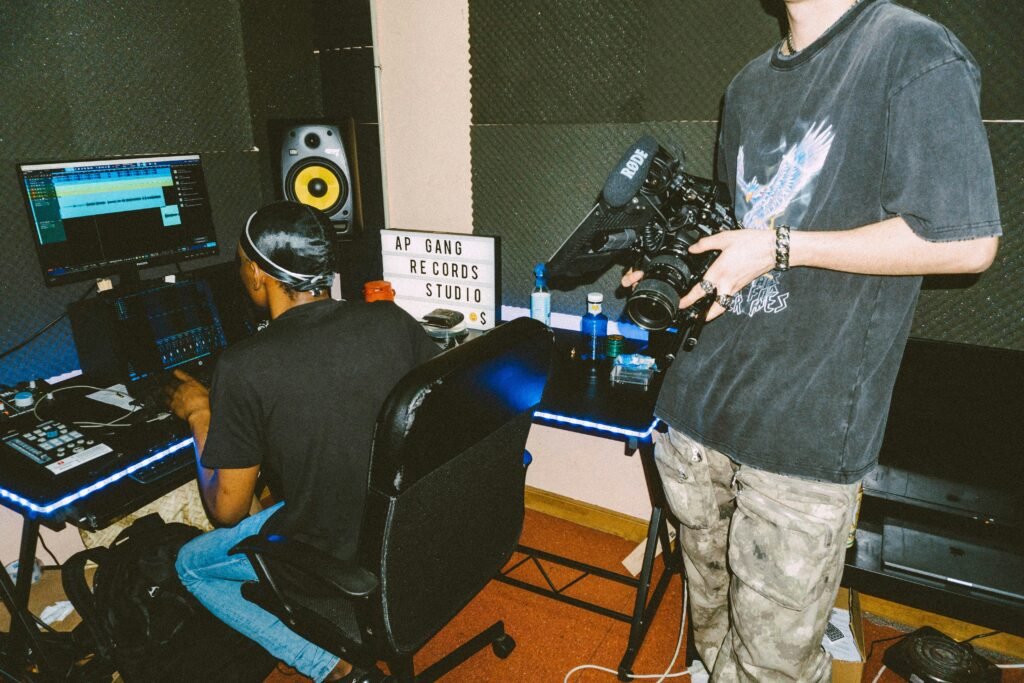
Independent film festivals, networking events, filmmaker meetups, creative conferences, podcast interviews, and industry mixers all bring musicians and filmmakers into the same room.
A director who hears your music today may remember it months later when editing their next project.
Creative careers are often built one relationship at a time.
Think Beyond Hollywood
When artists imagine film placements, they often picture major Hollywood productions.
But opportunities exist far beyond traditional studios.
Music is licensed every day for:
- Independent feature films.
- Short films.
- Documentaries.
- Streaming series.
- Commercials.
- Brand campaigns.
- Podcasts.
- Video games.
- YouTube productions.
- Film festival trailers.
Many successful careers begin with smaller projects that lead to larger opportunities over time.
Your Music Is Part of Someone Else’s Story
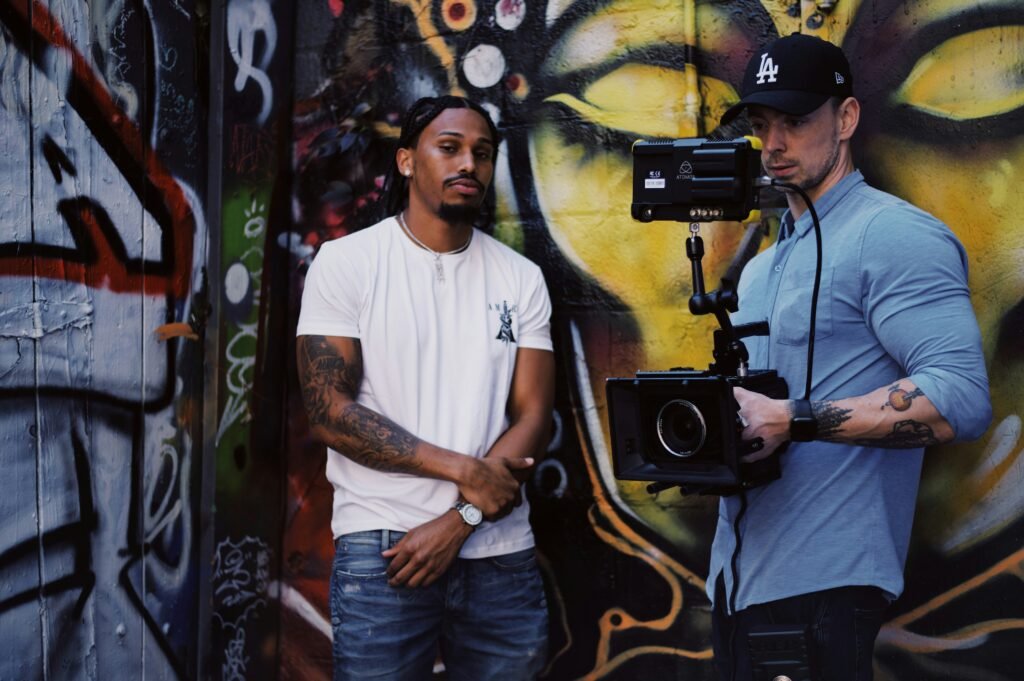
Filmmakers aren’t simply searching for background music.
They’re searching for songs that make audiences laugh, cry, celebrate, hope, remember, or feel something they didn’t expect.
The best music doesn’t compete with a story.
It becomes part of it.
As an independent artist, your goal isn’t just to release another song.
It’s to create music that someone can imagine bringing a story to life.
Because somewhere, a filmmaker is editing the final scene of their next project.
The only question is:
When they reach that moment… will your music be the song they hear?
News
Stats Don’t Tell It All: Adam Drexler Talks Hoops, Hustle, and His Global Pro Career at the Globall Facility
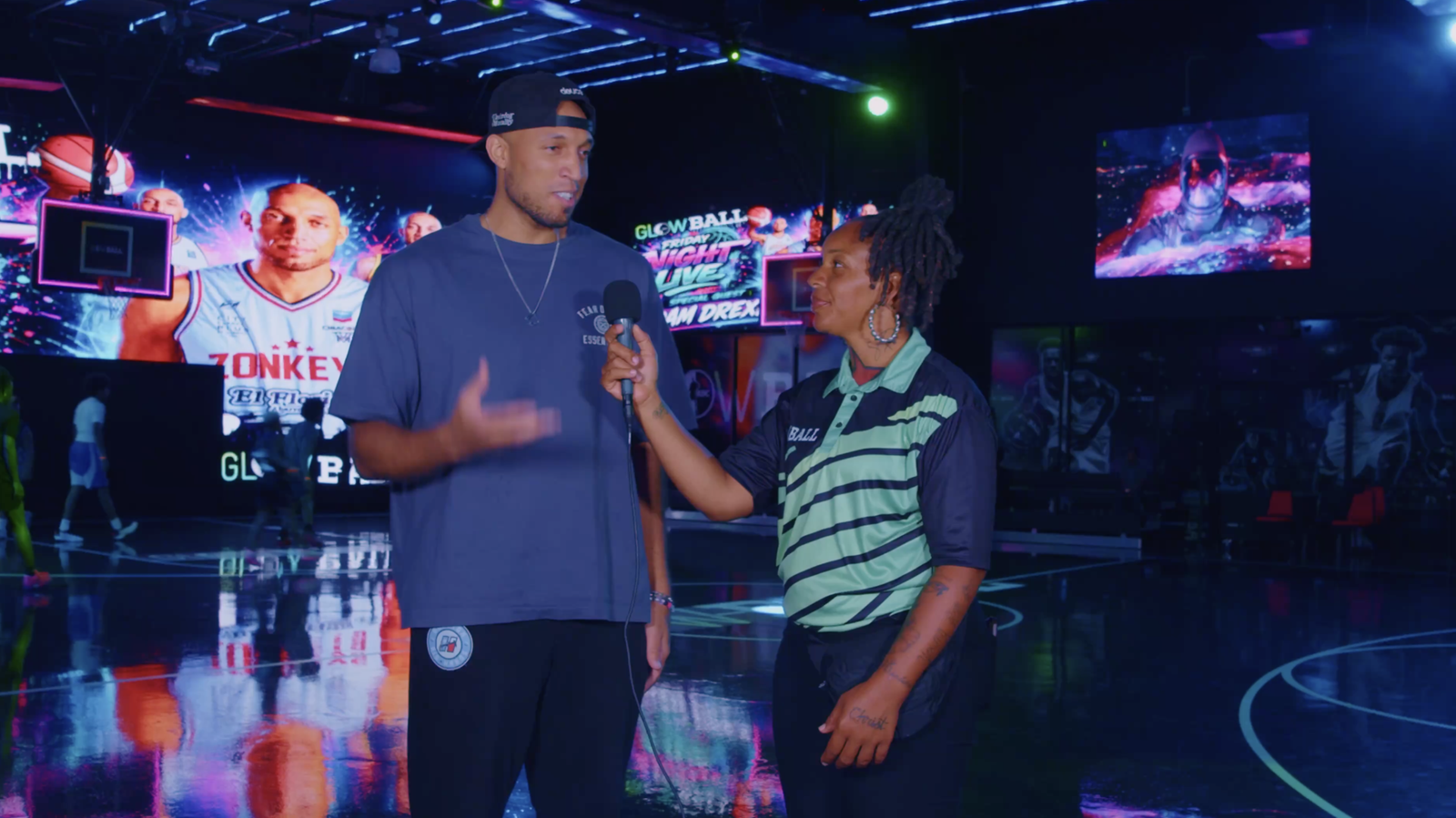
On a powerful Friday Night Live at the Globall facility, Adam Drexler stepped into KDC GlowBall not just as a pro athlete, but as a blueprint of what discipline, faith, and effort can build over time. Hosted by national gospel recording artist Shawna Pat, the night blended competition, worship‑level energy, and real‑life mentorship for Houston‑area youth who dream of playing at the highest level.
Presented by Roselyn Omaka of Bolanle Media, the evening marked a milestone: Adam became the first official guest speaker to address the young hoopers at KDC GlowBall, setting a high standard for every guest who will follow.
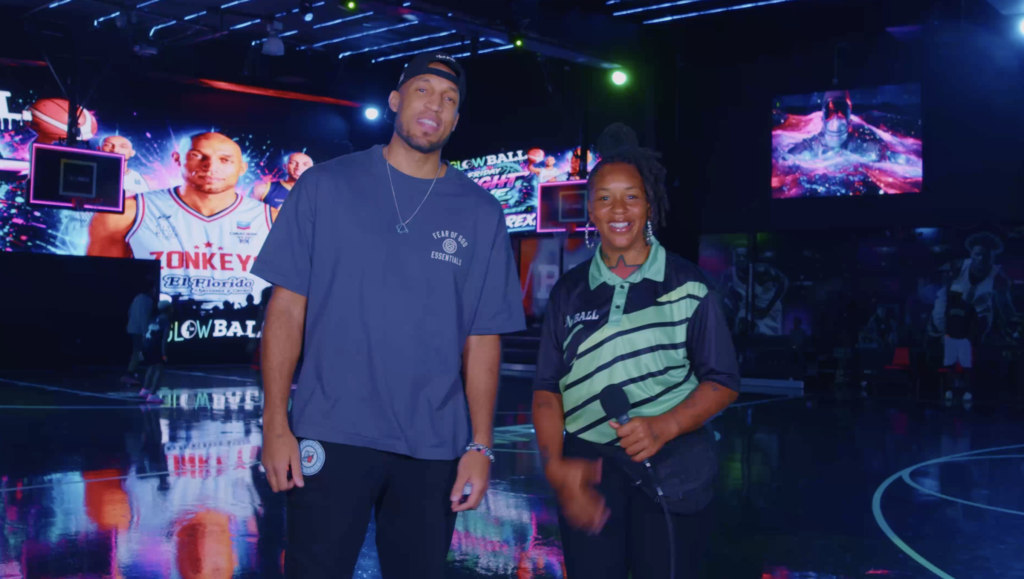
A Facility Built for Dreams: Inside KDC GlowBall
From the moment he walked in, Adam made it clear he felt at home inside KDC GlowBall. Surrounded by glowing rims, music, and a packed gym, he described the Globall facility as a place where kids can “just be a kid, have fun, and just play the game of basketball,” calling the court their playground and their launching pad.
KDC GlowBall, located at the Globall facility in Spring, Texas, has quickly become a destination for Friday Night Live—an immersive hoop experience that mixes competition, creativity, and community under the leadership of Shawna Pat and the KDC team. The environment gave Adam the perfect backdrop to speak honestly about his journey, his faith, and the mindset it takes to turn potential into purpose.
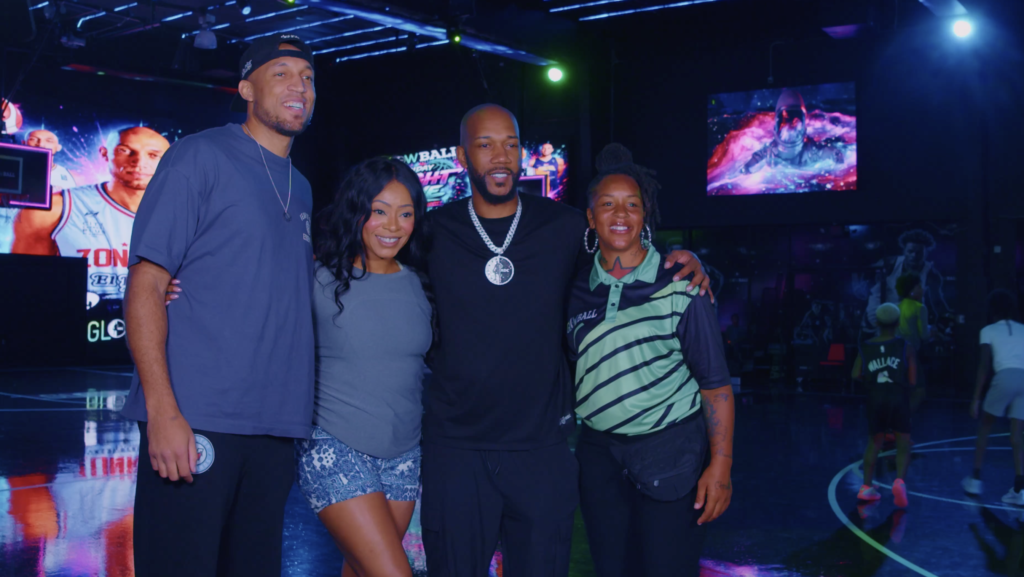
The Conversation: Shawna Pat x Adam Drexler
After his talk, Adam sat down at center court with host Shawna Pat for a live, in‑the‑moment conversation that felt like a mix between a locker‑room chat and a motivational interview. Shawna opened by reminding the crowd that Adam was their first speaker at KDC Global’s Friday Night Live and asked him how it felt to be in the building; Adam responded with gratitude and joy, saying he was “honored” and that seeing kids have a place like this “brings so much joy” to him.
Shawna pointed out that he had spoken to the kids about effort and asked why he chose that topic when he could’ve focused on anything. Adam explained that effort was the one principle that shaped him as a kid—something his father drilled into him—and that no matter what happens in life, effort is the one thing you can always control. He challenged the kids to know the difference between “trying” and just “being cool,” and to choose trying every time, whether they were running sprints, taking a jump shot, or facing personal struggles.
The chemistry between Shawna and Adam was undeniable. She teased him about future opportunities—commentating, media, film—and even claimed her spot as his hype announcer, joking they’d be “the best duo since Kobe and Shaq.” It turned a serious message into a memorable moment, showing the kids that hard work and joy can coexist.
Adam Drexler’s Journey: From Houston Gyms to Pro Ranks
Adam’s words carried weight because they came from experience shaped in the very city these kids call home. Raised in Houston, he played multiple sports at Northland Christian High School, where he developed as a versatile athlete and team leader before moving on to college basketball.
He began his college career at Loyola Marymount, then transferred back to the University of Houston, joining the Cougars as a walk‑on and earning his minutes through toughness and consistency. During the 2014–15 season, he appeared in 11 games for Houston, contributing with defense, rebounding, and timely scoring—including hitting a big three on the road and grabbing key boards in early‑season contests.
From there, he built an 11‑year professional career that took him around the world, playing in countries like Mexico, Japan, and Indonesia before joining Ice Cube’s BIG3 league. In the BIG3, he was drafted by Aliens head coach Rick Mahorn, who praised Adam’s physicality and defensive edge. At 6’5″–6’6″, he’s known for his athleticism, slashing ability, and willingness to do the dirty work on both ends of the floor.
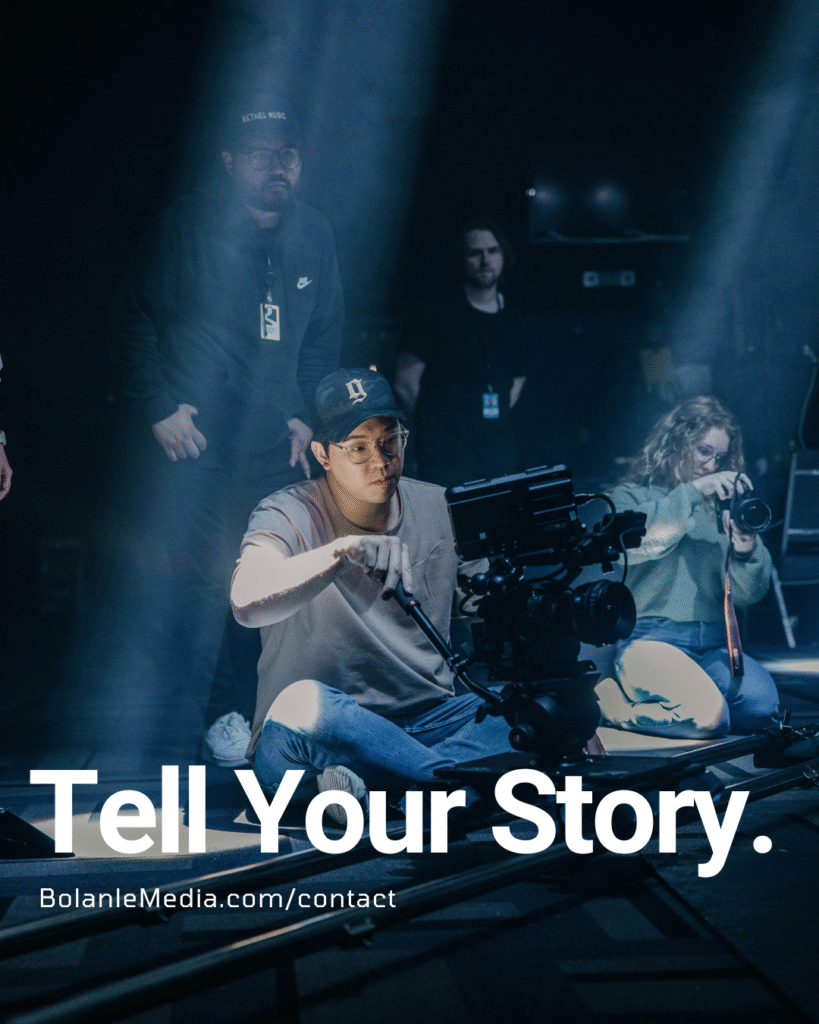
Legacy, Faith, and Giving Back
As the son of Hall of Famer Clyde “The Glide” Drexler—an NBA champion, 10‑time All‑Star, and Olympic gold medalist—Adam grew up seeing greatness up close. Instead of hiding in that shadow, he has written his own chapter, built on humility, service, and a deep love for the game.
Off the court, Adam has poured energy into youth outreach and his foundation, focusing on opportunities for young people to grow in confidence and character. He’s now exploring new lanes like basketball commentary, on‑camera work, and film, telling Shawna and the crowd that he “loves talking basketball” and wants to break down the modern game for fans everywhere.
Why This Night at the Globall Facility Matters
For the kids at KDC GlowBall, this wasn’t just another open gym—it was a masterclass in effort, resilience, and faith given by someone who has walked the exact path many of them hope to travel. Adam’s appearance, amplified by Shawna Pat’s hosting and the energy of the KDC team, turned the Globall facility into more than a court; it became a live classroom where dreams felt reachable.
With Bolanle Media helping connect pro talent like Adam Drexler to spaces like KDC GlowBall, Friday Night Live is positioned to become a staple in Houston’s basketball and youth culture—where every guest speaker, every conversation, and every game under the glow lights pushes the next generation closer to who they’re called to be.

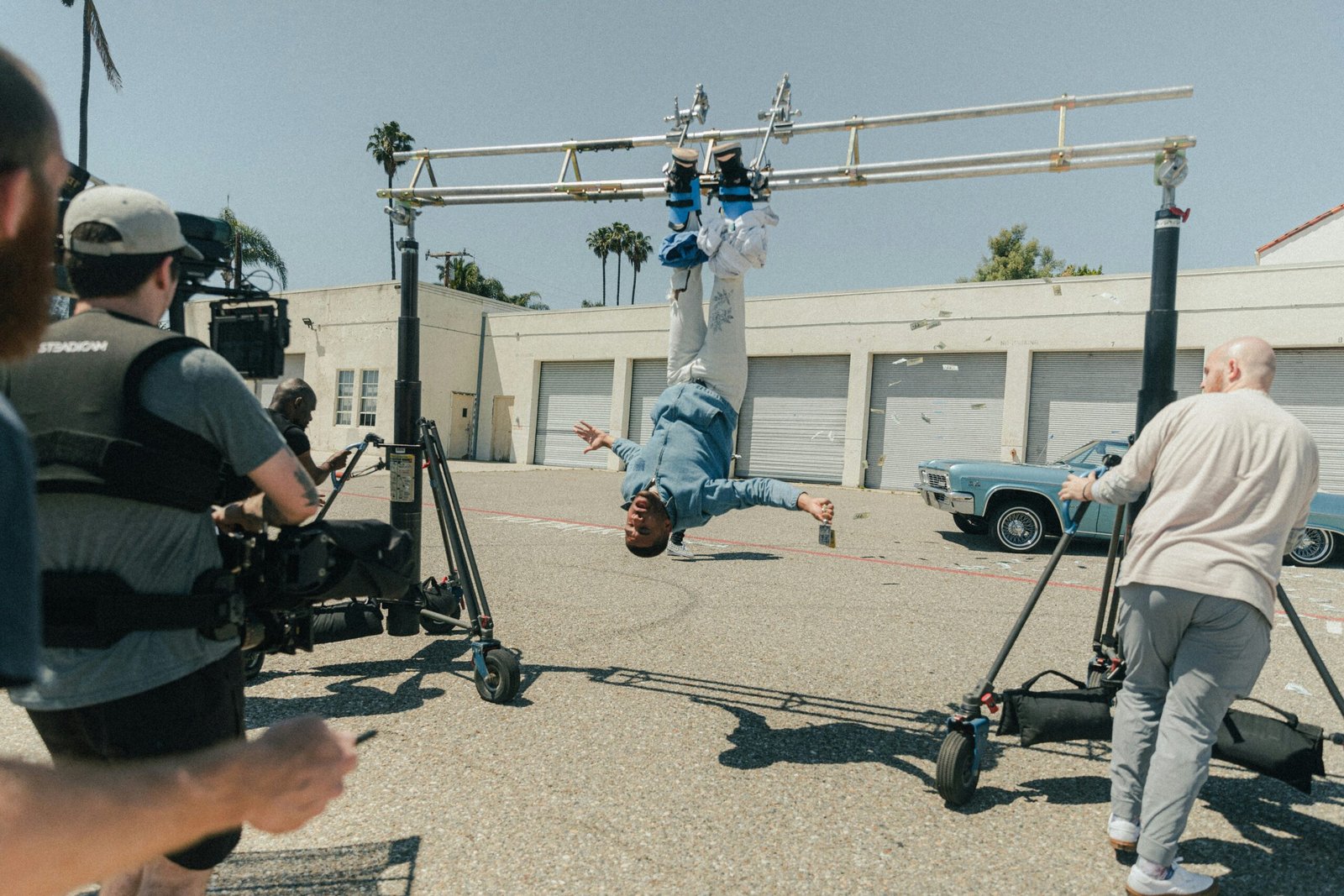
If you are making an indie film in 2026, the harsh truth is this: getting your movie finished and on a platform is no longer the hard part—getting paid is.
More films are being made than ever, distribution is technically easier, but revenue per title is thinner and attention is brutally fragmented.
The filmmakers who are still making real money are not the ones waiting on a miracle streaming deal. They are the ones treating their film like a business from day one and building multiple income streams around a clear audience.
1. They Pick A Profitable Film Type
By 2026, industry voices are clear: most indie films lose money not because they are bad, but because they are built in the wrong category.
The projects that consistently work fall into three lanes: contained genre films, niche‑audience films, and platform‑native projects.
- Contained genre (usually horror/thriller) wins because budgets stay low, hooks are simple, and global genre audiences are always hunting for new titles.
- Niche‑audience films aim at a specific community—faith‑based, diaspora, LGBTQ+, true crime, or professional/educational groups—and monetize depth, not mass appeal.
- Platform‑native projects are designed for YouTube, TikTok or vertical drama platforms first, focusing on retention, recurring episodes, and community, then later spinning out into features or specials.
If your film does not clearly sit in one of these lanes (or intentionally combine them), your odds of recouping drop fast.
2. They Use Hybrid Distribution, Not Just “Pray For Netflix”
Experienced producers now treat hybrid distribution as the default, not the backup plan.
Rather than chasing one big check, they stack windows: festivals or event screenings, transactional VOD, ad‑supported platforms (AVOD/FAST), niche streamers, community screenings, and educational or territory sales.
Commentary from 2026 emphasizes that many indie films now generate their first meaningful money from AVOD/FAST exposure and niche platform deals, not prestige SVOD buys.
Educational licenses, targeted theatrical runs, and community tours can also push a well‑positioned film into six‑figure revenue even on modest budgets.
The point: filmmakers making money in 2026 are not hoping for “one big sale.”
They design a revenue ladder—several smaller checks that add up over time.
3. They Build An Audience Before Picture Lock
The filmmakers who will thrive in 2026 are the ones who start audience‑building as soon as they start development.
Industry advice is blunt: if you do not have a few thousand people waiting for your trailer, your film is functionally invisible on day one.
Winning filmmakers treat their project like a startup:
- They collect emails, DMs, and community members months before release.
- They share behind‑the‑scenes content, concept tests, and character moments on social platforms to validate demand.
- They line up partners—podcasts, newsletters, community leaders—who can help drive the first wave of views or ticket sales.
This audience then powers crowdfunding, launch‑day sales, merch, and even future projects.
4. They Think Like Producers, Not Just Directors
In 2026, investors and buyers are saying yes to filmmakers who show they understand the commercial side, not just the artistic one.
Thought leaders keep repeating the same idea: ideas don’t get funded, producers do.
That means:
- Clear budgets that match the realistic earning potential of the project.
- A one‑page plan for who the film is for, how it will reach them, and which revenue streams are in play.
- A willingness to scale down the dream if the numbers don’t add up—better a lean, recoupable film than a bloated “donation.”
If you want to make money as an indie filmmaker in 2026, start by asking two questions:
Which lane is my film in—and exactly how does it get paid.

Why Some Songs End Up in Movies—While Others Never Do

They Told Him a Black Man Can’t Learn. He Sued Them and Won.


