News
How One Black Swimmer Can Inspire a Community


Kalvin Spells
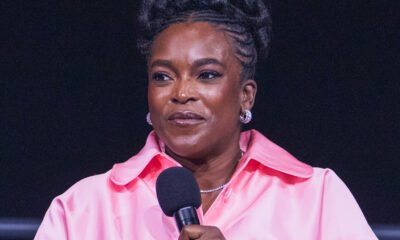
Kalvin Spells, a former collegiate swimmer at Davis and Elkins College, has emerged as a powerful advocate for swimming education and water safety in the African American community. His dedication to saving young lives by promoting swimming skills has gained national attention, culminating in a recent appearance on The Roselyn Omaka Show to speak with Roselyn Omaka alongside Olympic gold medalist Cullen Jones.
Spells’ journey in swimming began at Hightower High School in Missouri City, Texas, where he honed his skills and developed a passion for the sport. His talent and determination led him to compete at the collegiate level, where he made significant contributions to his team’s success. During his junior year, Spells showcased his versatility by excelling in various events, including the 50-meter breaststroke and 50-meter butterfly.
After completing his Bachelor’s degree in Corporate and Community Health in 2020, Spells recognized the critical need for swimming education in underserved communities. Drawing from his own experiences and understanding the historical barriers that have limited access to swimming facilities for many African Americans, he embarked on a mission to make a difference.
Spells’ appearance on The Roselyn Omaka Show alongside Cullen Jones, a four-time Olympic medalist, provided a powerful platform to address the importance of swimming skills and water safety. Together, they highlighted the alarming statistics surrounding drowning rates among African American youth and emphasized the life-saving potential of swimming education.

During the show, Spells shared his personal journey and the challenges he faced in accessing swimming resources. He stressed the importance of breaking down barriers and misconceptions surrounding swimming in the African American community. By partnering with Jones, who has long been an advocate for diversity in swimming, Spells amplified the message that swimming is not just a sport but a crucial life skill.
The duo discussed various initiatives aimed at increasing access to swimming lessons and water safety education in underserved areas. They emphasized the need for community-based programs, partnerships with local schools, and increased funding for public pools in predominantly African American neighborhoods.
Spells’ determination to save young African American lives goes beyond raising awareness. He is actively working to implement programs that provide free or low-cost swimming lessons, collaborating with local organizations to secure pool time, and recruiting volunteer instructors from diverse backgrounds to serve as role models.
By sharing his story and partnering with high-profile athletes like Cullen Jones, Kalvin Spells is inspiring a new generation of African American swimmers. His efforts are not only saving lives but also opening doors to opportunities in competitive swimming, water sports, and even careers in aquatics.
As Spells continues his mission, he serves as a powerful example of how one individual’s passion and determination can create a ripple effect of positive change within a community. His work is helping to rewrite the narrative around African Americans and swimming, proving that with access and education, anyone can become a confident and skilled swimmer.









On Tuesday, April 7, 2026, the President of the United States set an 8 p.m. deadline for a foreign nation to comply — or face the destruction of its entire civilian infrastructure. He said it out loud. On camera. And most of us kept scrolling.
This is not a movie. This is not a think piece about geopolitics. This is the moment we are actually living in.
What was actually said
At a press conference on Monday, President Donald Trump told reporters: “We have a plan, because of the power of our military, where every bridge in Iran will be decimated by 12 o’clock tomorrow night, where every power plant in Iran will be out of business — burning, exploding and never to be used again. Complete demolition. In four hours, if we want to.”
Then, on Tuesday morning, hours before his own deadline, he posted on Truth Social: “A whole civilization will die tonight, never to be brought back again. I don’t want that to happen, but it probably will.”
Read that again. The sitting President of the United States said a civilization will die. And then added, almost casually, that he probably couldn’t stop it.

Why this is not normal
What Trump described — deliberately targeting power plants, bridges, and civilian infrastructure — is not a military strategy. It is, by definition, a war crime.theguardian+1
Amnesty International was direct: “Deliberate attacks on civilian infrastructure like power plants are generally forbidden. Given that these power facilities are vital for the basic needs and livelihoods of millions of civilians, targeting them would be excessive and thus illegal under international humanitarian law, potentially constituting a war crime.” –theguardian
Over 100 international law experts from Harvard, Yale, Stanford, and the University of California have signed a joint statement raising “serious concerns” about U.S. actions and statements violating international humanitarian law. The International Committee of the Red Cross issued a rare public statement: “Waging war on essential infrastructure equates to waging war on civilians.” –theguardian

For context: the ICC issued arrest warrants for Russian military leaders for doing exactly what Trump is threatening to do — targeting a civilian power grid in Ukraine. The world called that a war crime then. The silence now is deafening.
The people inside the civilization
Iran is home to 88 million people. It is one of the world’s oldest civilizations — the successor to ancient Persia, with a history stretching back thousands of years. When Trump says “a civilization will die tonight,” he is not talking about a government. He is talking about hospitals losing power. Water treatment plants shutting down. Families in the dark. Children.
Human Rights Watch warned: “The crippling of Iran’s power facilities would be devastating to the Iranian populace, depriving hospitals, water supplies, and other essential civilian needs of electricity.” This isn’t a side effect of war. Trump’s own words suggest it is the strategy.
A world that can’t find its footing
Global leaders are watching in open alarm. Diplomats from over 40 nations held an emergency video conference — and ended it with no real solutions. New Zealand’s Prime Minister called Trump’s threats “unhelpful.” Saudi Arabia intercepted seven ballistic missiles near its own energy facilities the same week. Oil prices are spiking globally because one-fifth of the world’s oil and gas passes through the Strait of Hormuz — the chokepoint at the center of all of this.
The New York Times described the situation plainly: “In one moment, President Trump proclaims the conflict is nearing its conclusion. Moments later, he asserts it will persist for several weeks. Tension grips the globe.”–nytimes

Even Trump’s own former officials are sounding the alarm. One told Politico: “In no circumstance can Trump just walk away. He’ll be humiliated if he leaves, and we’ll be in a quagmire if he stays.” The U.S. military, meanwhile, is reportedly running out of viable military targets — meaning the pressure to shift toward civilian infrastructure is not just rhetoric.-politico
The numbness is the problem
On Easter Sunday, Pope Leo — in his first Easter mass as head of the Catholic Church — said something that should have stopped every news cycle cold: “We are growing accustomed to violence, resigning ourselves to it, and becoming indifferent.”
He was right. And that indifference is what makes moments like this possible.
We have been trained by years of outrage cycles, breaking news alerts, and doomscrolling to process the unthinkable as content. A president threatens to wipe out a civilization’s power grid in four hours — and the algorithm serves it between a meme and a music video. We watch. We maybe share it. We keep moving.

That is not a political observation. That is a human one.
The world is not watching Iran from a safe distance. Oil prices are already rising — you will feel it at the gas pump. If power plants go dark, global supply chains shiver. If the Strait of Hormuz stays closed, the economic ripple reaches every country that depends on energy. This is not a foreign story. It never was.
What watching means right now
We write about film, culture, and entertainment at Bolanle Media because we believe stories matter. We believe art is how humans make sense of the world. But right now, the world needs more than sense-making. It needs people who are paying attention — actually paying attention — to what is being said out loud, in press conferences, on Truth Social, with cameras rolling.
A civilization will die tonight. Those were the words. The deadline has passed. The question is not whether you agree with U.S. foreign policy. The question is whether you are willing to sit in the pew and not flinch while the world keeps burning around you.
We are not just watching a music video. We are watching history. And history will ask what we did with what we saw.
Sources: NBC News, Time Magazine, Al Jazeera, The Guardian, Reuters, CNBC, The New York Times, Human Rights Watch, Amnesty International, Global News
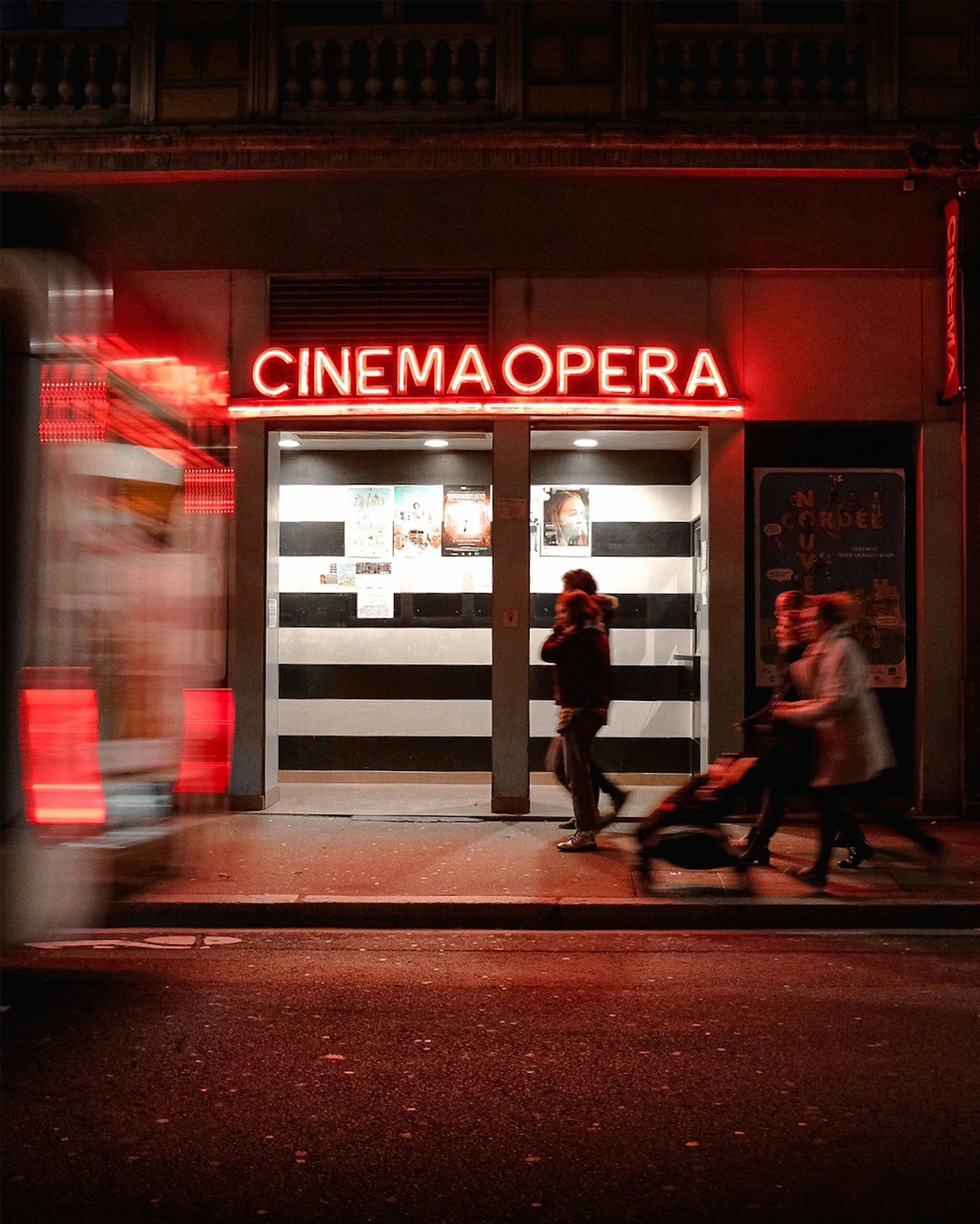
Independent filmmaking has never been more accessible. With affordable cameras, editing software, and distribution platforms, anyone with a story can bring it to life. Yet despite this creative democratization, most indie films never find an audience—or worse, never reach their full potential.
The truth is, indie films rarely fail because of a lack of passion. They fail because of avoidable mistakes in execution, planning, and perspective. If you understand where things typically go wrong, you can dramatically increase your chances of success.
1. Weak Scripts Sink Strong Ideas
A compelling concept is not the same as a compelling script. Many indie filmmakers rush into production with an idea they love, but without fully developing the story. The result? Films that look decent but feel hollow.
A strong script requires:
- Clear structure
- Authentic dialogue
- Character arcs that evolve
Filmmakers like Robert Rodriguez have long emphasized that storytelling outweighs budget. You can shoot on the cheapest camera available, but if your story doesn’t engage, your audience will disconnect quickly.
How to avoid it:
Spend more time writing than shooting. Workshop your script, get feedback, and revise relentlessly.
2. Bad Sound Breaks Immersion
Audiences will forgive grainy visuals—but they won’t tolerate poor audio. This is one of the most common and damaging mistakes in indie filmmaking.
Echo, background noise, and inconsistent levels instantly make a film feel amateur.
How to avoid it:
- Invest in decent microphones before upgrading your camera
- Record room tone
- Monitor audio during filming, not after
3. Trying to Do Too Much with Too Little
Ambition is essential, but overreaching is dangerous. Many indie filmmakers attempt large-scale stories—multiple locations, complex action sequences, big casts—without the resources to execute them properly.
The result is a film that feels incomplete or unfocused.
Compare that to films like Tangerine, which embraced limitations and used them creatively. Its contained story and raw style became strengths rather than weaknesses.
How to avoid it:
Write for what you have access to. Limit locations, control your environment, and build your story around realistic constraints.
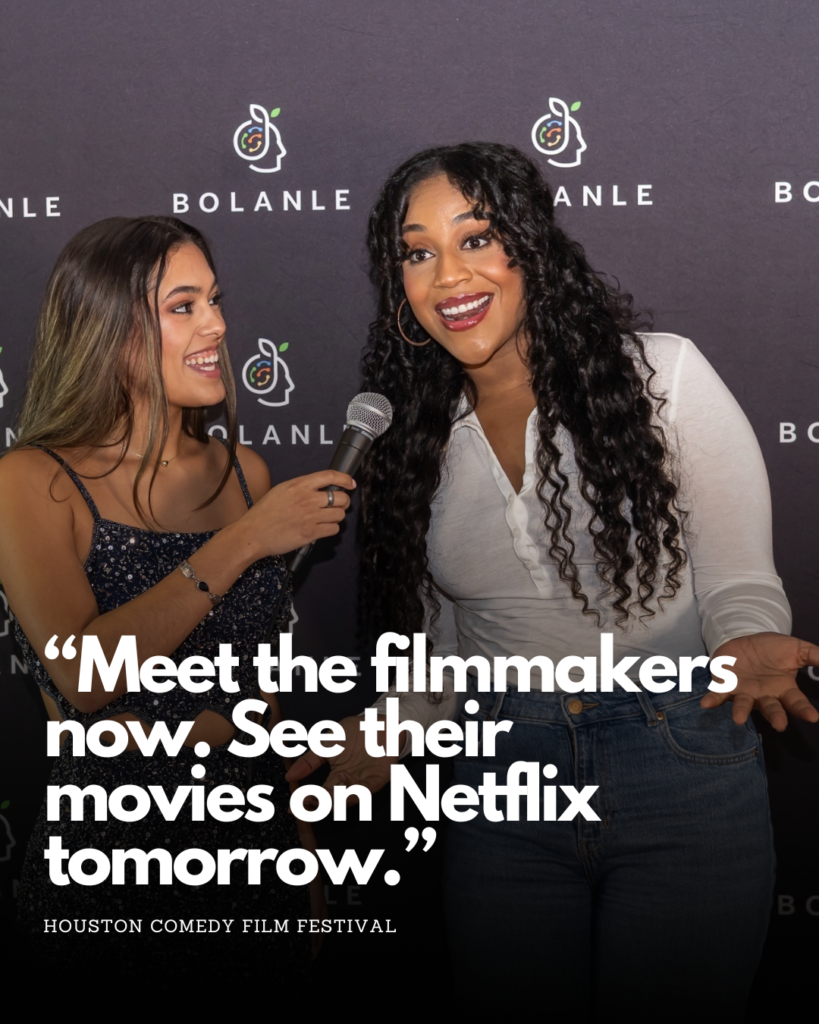
4. Poor Direction of Actors
Even with a solid script, weak performances can undermine everything. Directing actors is a skill many indie filmmakers underestimate.
Giving vague directions like “be more emotional” rarely works. Actors need context, motivation, and trust.
How to avoid it:
- Communicate intentions, not just outcomes
- Create a collaborative environment
- Rehearse before shooting
Strong performances elevate a film; weak ones expose its flaws.
5. Ignoring the Editing Process
Many filmmakers treat editing as a final step rather than a critical phase of storytelling. In reality, editing is where the film truly takes shape.
Pacing issues, inconsistent tone, and unnecessary scenes often go unchecked.
How to avoid it:
- Be willing to cut scenes you love
- Focus on rhythm and flow
- Get fresh eyes on rough cuts
A well-edited film can transform average footage into something compelling.
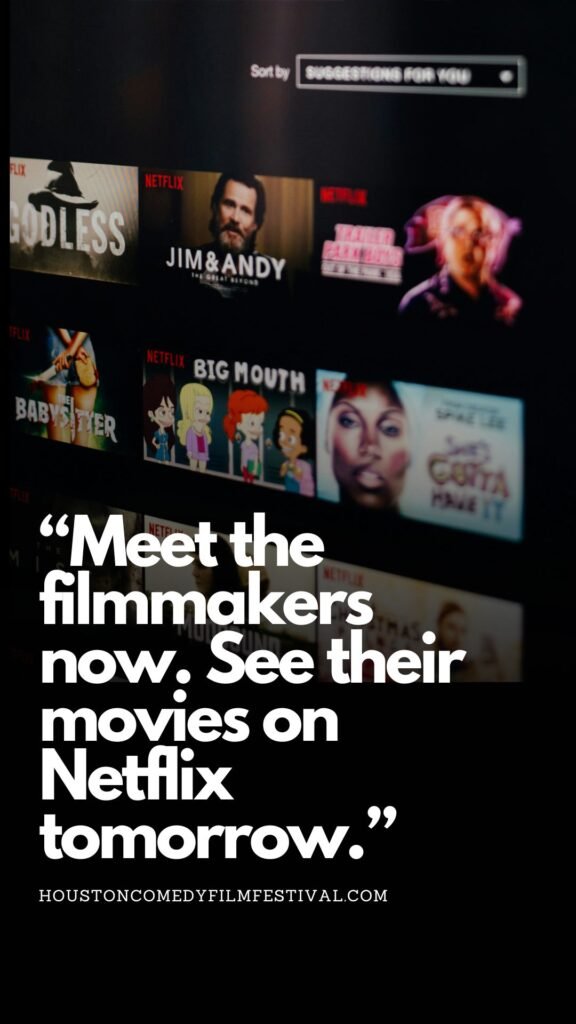
6. No Clear Distribution Plan
Finishing a film is only half the battle. Without a strategy for distribution, even great indie films go unseen.
Some filmmakers focus solely on major festivals like Sundance, ignoring smaller festivals or alternative platforms that might be a better fit.
How to avoid it:
- Research festivals that align with your film
- Consider digital platforms and niche audiences
- Build a marketing plan early
Distribution should be part of your strategy from the beginning—not an afterthought.
7. Mistaking Passion for Preparation
Passion drives indie filmmaking—but it doesn’t replace planning. Many projects fall apart due to poor scheduling, unclear roles, or lack of contingency plans.
How to avoid it:
- Create a realistic production schedule
- Define roles clearly, even on small teams
- Prepare for setbacks
Professionalism isn’t about budget—it’s about discipline.
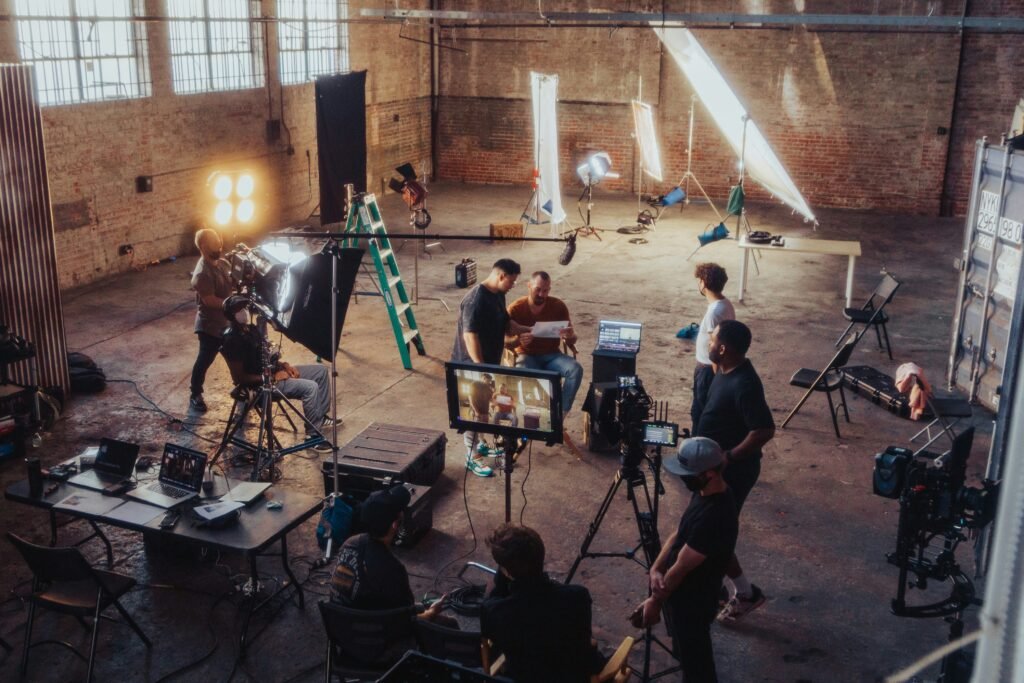
Final Thoughts
Indie filmmaking is challenging, unpredictable, and often exhausting. But failure isn’t inevitable—it’s usually the result of specific, avoidable missteps.
If you focus on strong storytelling, prioritize sound and performance, and approach your project with both creativity and strategy, you can separate your work from the countless films that never quite land.
The goal isn’t perfection. It’s intentional execution.
Because in independent film, success doesn’t come from having more resources—it comes from using what you have, wisely.

Something shifted in the last 12 months that Hollywood is still struggling to explain. The blockbusters kept coming—sequels, prequels, shared universes, reboots—and the audiences kept showing up a little less excited each time. The numbers don’t lie: in 2025, there were 112 wide-released films, yet the domestic box office still lagged more than 20% below 2019 pre-pandemic levels. Studios spent more, marketed harder, and kept betting on familiar IP. And still, something wasn’t landing.
Meanwhile, something else was quietly winning.
The audience already knew before Hollywood did
A YouGov study released in early 2026 made it plain: only 29% of Americans want to see more superhero and franchise films, while 40% want fewer. The most-requested genre? Comedy—with 57% of respondents calling for more of it. People aren’t done with movies. They’re done with being processed through a content pipeline designed for IP portfolios, not human beings.
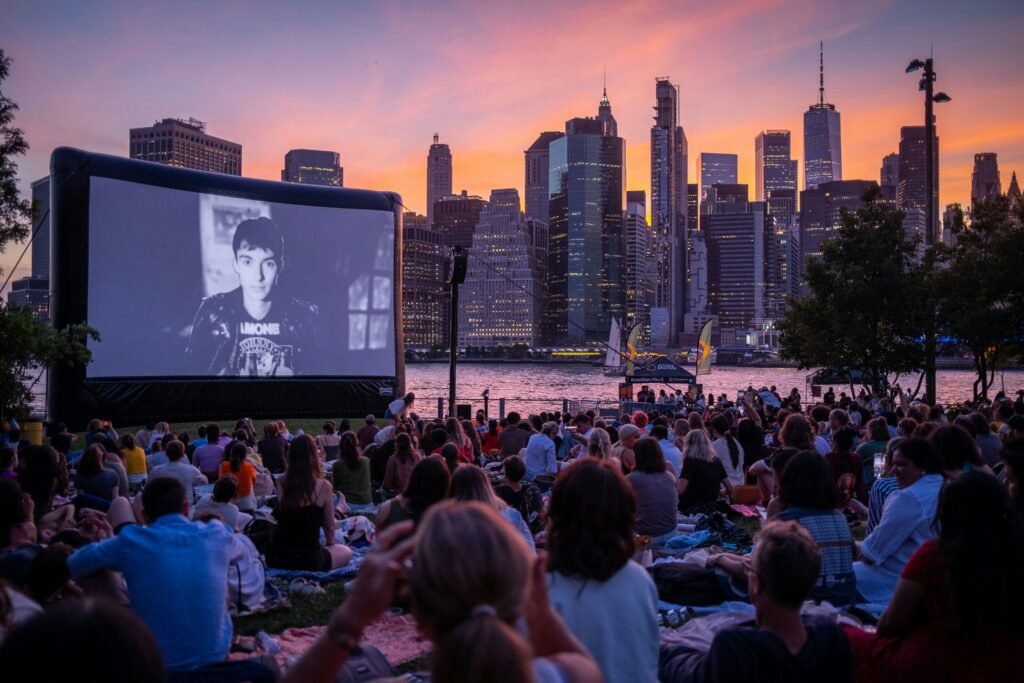
The data backs that up at the box office too. Ryan Coogler’s Sinners—an original film, no existing IP, no cinematic universe setup—opened No. 1 and became the highest-grossing original movie since 2019. A24 has built an entire empire off originals, with 18 Oscar wins in a single year. The pattern is consistent: when audiences actually feel something, they show up and they tell everybody.
Independent film is filling the emotional void
The indie world already knew this. Independent films that crack the code share a simple formula: 90%+ audience satisfaction scores, festival validation, and word-of-mouth that money can’t buy. Films like Hamnet, The Secret Agent, and Eternity all hit those thresholds and turned limited-screen runs into cultural moments that rivaled blockbuster marketing campaigns.
As one industry analyst put it, “The landscape has changed; audiences are more discerning now. Word of mouth carries more weight than ever.” You can’t manufacture that in a writers’ room built around a franchise bible. It has to be felt.
Film festivals are now the most important discovery engine left. As streaming platforms pull back from their buying frenzies and studios keep recycling familiar characters, festivals have become the place where real taste is made—where a film earns its audience one real human reaction at a time.
Comedy specifically is having a cultural reset
This isn’t a general indie moment—comedy is leading it. After years of the industry treating comedy as a lesser genre, audiences are reclaiming it as essential. Sundance 2026 leaned hard into pitch-black satire, romantic comedies, and showbiz send-ups that generated the most buzz of the festival. People are exhausted, anxious, and overloaded—and laughter that means something is exactly what they are looking for.
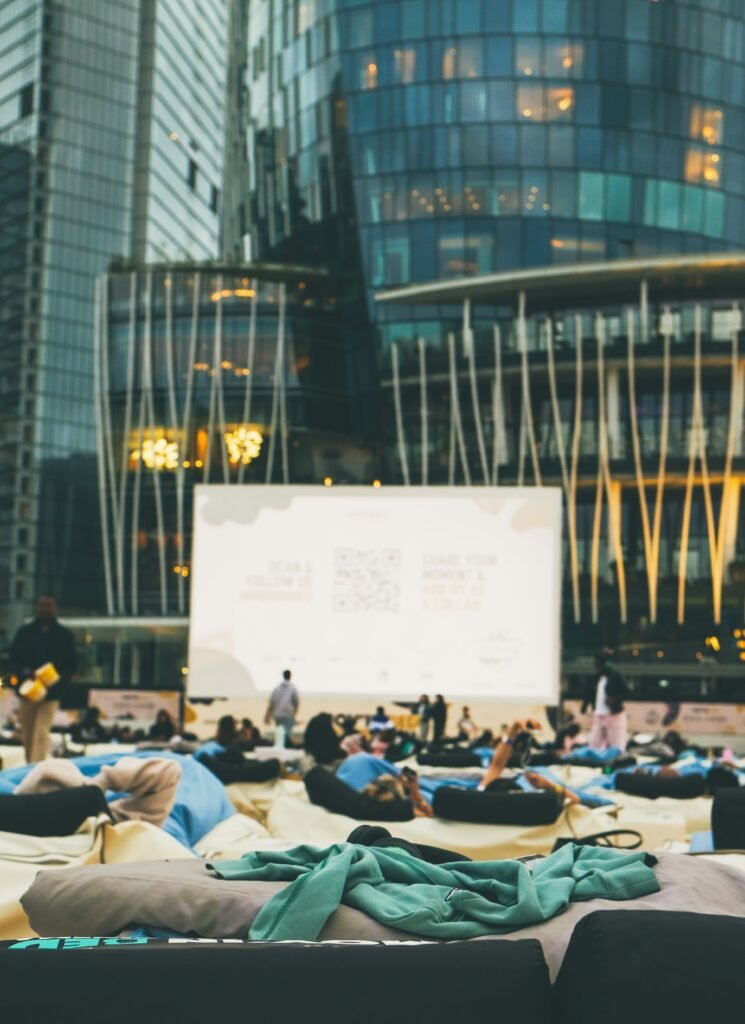
The comedy films that are breaking through aren’t the safe, focus-grouped studio comedies. They’re the ones with a point of view, a real voice, and something uncomfortable to say. They’re the indie ones. They’re the festival ones.
What this means for independent filmmakers right now
Three top indie producers at Sundance 2026 said what needed to be said: independent film doesn’t just need to survive the current landscape, it needs to own it. The tools have never been more accessible. The audience hunger has never been more real. And the gatekeeping structures that kept indie films in the margins are visibly cracking.
The filmmaker who wins in this moment isn’t the one who pitches the safest version of a familiar story. It’s the one who trusts that real, specific, human storytelling is the only kind that spreads in a world drowning in content.
The franchise may not be dead. But the audience’s emotional loyalty to it? That’s already gone. And the filmmakers who understand that first are the ones who get to be next.

A Civilization Will Die Tonight — And We’re All Just Watching

Why Most Indie Films Fail (And How to Avoid It)

The Franchise Is Over. Here’s Who’s Winning Now.


 Advice4 weeks ago
How to Find Your Voice as a Filmmaker
- News4 weeks ago
How Misinformation Overload Breaks Creative Focus
- News2 weeks ago
The Timothée Chalamet Guide to Ruining Your Image
- Entertainment3 weeks ago
This scene almost broke him. And changed his career.
- Entertainment3 weeks ago
7 Filmmaking Lessons From Michael B. Jordan’s Oscar Moment
- Advice3 weeks ago
Stop Waiting for Permission — The Film Industry Just Rewrote the Rules
- Entertainment2 weeks ago
The machine isn’t coming. It’s aleady the room.
- News3 weeks ago
How ‘Sinners’ Won The Oscars: Filmmaker Notes