
World News
Why Republicans are souring on Ukraine on November 29, 2023 at 11:00 am


This article is the first in The Hill’s three-part “World at War” series this week, which will also explore public sentiment around the Israel-Hamas war and simmering tensions with China.
James Cohen, a longtime Republican voter from Virginia Beach, said support for Ukraine has remained pretty strong in his GOP circles. But he’s grown increasingly concerned as the party splinters over supporting Ukraine in its war against Russia.
Cohen, 60, blames the worrying trend on divisive politics and general anger with President Biden less than a year out from the 2024 election.
“Biden is seen as incompetent and corrupt. So unfortunately, the way politics works, it’s guilt by association,” he said. “Where they stand on funding, whether it’s Ukraine or anything else, it’s very polarized.”
But Cohen, who has extended relatives in Ukraine, said his party needs to understand that failing to stop Russia now would be “strategic suicide” and potentially widen the conflict in Europe.
“Right now, we’ve got a situation where America has to decide: Do we want to support an ally?” he asked. “Or do we want to wait until we have World War III, and we’ve got to send our kids over there?”
On the other side of the growing GOP divide over Ukraine is Dave Culpepper, a lifelong Republican from Chesapeake, Va. He said the U.S. is “throwing money” at a war while deeply in debt and with “no clear objective” to end the conflict.
“The fact that it’s gone on as long as it has, tells me that there’s more going on here,” he said. “And we taxpayers are footing the bill for it. That seems to me the only objective — to spend money.”
Culpepper, like many in his party, are starting to see the war as a stalemate.
President Joe Biden and Ukrainian President Volodymyr Zelensky talk during Biden’s unannounced visit to Kyiv, Ukraine, on Feb. 20, 2023.
When Russia invaded Ukraine in February 2022, American politicians responded with near unanimous condemnation of Moscow’s illegal assault on a neighboring country, and largely bipartisan support in Congress for U.S. funding and arms to help Ukraine defend itself.
A year and a half into the war, Ukraine’s supporters in Congress are struggling to advance Biden’s request for some $60 billion in Ukraine funding, and the broader political mood appears to be souring — for the moment, at least — on the war.
On the national stage, there has been a notable divide between the majority of GOP voters — who are skeptical of Ukraine support — and their representatives in Congress, who have mostly backed Ukraine with large majorities in both parties.
That divide appears to be diminishing now, with more Republicans starting to listen to their voter base. Speaker Mike Johnson (R-La.), perhaps the most important hurdle to future Ukraine aid, has prioritized funding for Israel but sounded an optimistic note about supporting both countries during remarks to reporters Monday.
“Ukraine is another priority. Of course, we can’t allow [Russia President] Vladimir Putin to march through Europe. And we understand the necessity of assisting there,” he said.
Senate Republicans are seeking to tie Ukraine funding to U.S. border measures, a far stickier issue in which many Republican priorities are non-starters for Democrats. But Johnson said Monday negotiations were ongoing, and he was actively engaged in them.
“I think all that will come together in the coming days,” he said. “We have a sense of urgency about this, and there are deadlines on it as well. So, I’m confident and optimistic that we’ll be able to get that done.”
How much funding is in that package, and how many others in his party support it, will be a major indicator of where national Republicans stand on the issue with key primaries rapidly approaching.
Republican presidential candidates have clashed on how to handle Ukraine, with entrepreneur Vivek Ramaswamy fiercely opposing support for Ukraine, Florida Gov. Ron DeSantis demanding a bigger role for Europe, and former United Nations Ambassador Nikki Haley and former New Jersey Gov. Chris Christie staunchly backing Kyiv. Former President Trump is somewhere in the middle, vowing to end the war but refraining from speaking out strongly against Ukraine.
Republican presidential candidate former New Jersey Gov. Chris Christie visits the Wall of Remembrance to pay tribute to killed Ukrainian soldiers, Kyiv, Ukraine, Friday, Aug. 4, 2023. (AP Photo/Efrem Lukatsky)
In polls, the Ukraine dichotomy is largely split along party lines. Most Democrats are pushing for more security aid, while Republicans are softening their stance, often preferring to focus on problems at home such as securing the border.
The Ukraine question highlights a larger split within the Republican party, between those who yearn for a Reagan-esque assertion of U.S. power on the world stage, and the growing, isolationist “America first” wing of the caucus.
In 1971, about 71 percent of Republicans supported an active role in U.S. foreign affairs, but that number dropped to 55 percent last year, according to the Chicago Council for Global Public Affairs.
According to the Chicago Council, a majority of Republicans want the U.S. to push Ukraine to make a peace agreement — even if that means losing territory — so they can focus on problems at home.
Dina Smeltz, a senior fellow of public opinion and foreign policy at the Chicago Council, said the data indicates there is a “bigger, more philosophical shift” taking root in the Republican party.
“We have to look at that,” she said.
Besides rising alarm about another “forever war,” skeptical Americans don’t see the Ukraine war as posing a direct threat, even as Ukraine allies in both parties make the case for ensuring that Putin is forced to halt his global aggression and expansionism.
But Smeltz noted that heading into election season, “economics is always top of mind,” and Ukraine has become another way for Republicans to drive home their criticism of Biden’s economic priorities.
“So it’s easy to point to the Ukraine numbers, because it’s a huge amount of money,” she said. “What are we getting out of it? Is it responsible to continue doing this after two years? I do think they’re logical questions to ask.”
“Some of the traditional Republicans [have] smartly been pivoting and saying this is helping U.S. workers,“ she added. “It’s not just Ukraine that benefits from this — we are, too. The more they can play that up, that would also help.”
Supporting Ukraine has ramped up defense production across the U.S., with factories booming to meet the demand for Kyiv’s needs, such as artillery shells and air defense munitions. Defense contractors have even opened up new factories since the war.
A soldier of the Ukraine’s National Guard 1st brigade Bureviy (Hurricane) ride an APC during combat training at a military training ground in the north of Ukraine Friday, Nov. 3, 2023. (AP Photo/Efrem Lukatsky)
Andrew D’Anieri, a former assistant director at the Atlantic Council’s Eurasia Center, takes another path in pitching the case of defending Ukraine to skeptics, pointing to China’s ambitions to control the self-governing island nation of Taiwan.
“It’s absolutely in our interest to send a message to China that we’re not just going to stand for large countries invading small countries,” he said. “We need to show that we can credibly defend Ukraine and push back even further against big state aggression.”
Still, the window to make the case is narrowing. The latest public polling indicates American support for Ukraine’s security needs is slipping fast.
A Reuters/Ipsos poll in October revealed that just 41 percent of Americans support arming Ukraine, down from 65 percent in a June survey. Among Republicans, support dropped from 56 percent to 35 percent in the same period.
An October Chicago Council for Global Public Affairs poll was a bit more optimistic, showing 63 percent of all Americans support sending arms. But that’s down from 79 percent in March 2022.
And Republicans in that poll dropped to 50 percent from nearly 80 percent in March 2022.
Some skeptical Republicans, including Culpepper from Virginia, are so disillusioned with the war in part because they don’t trust the federal government. Culpepper said he was “skeptical” since the beginning of the war.
“The implicit trust in what the government’s telling me had already been eroded by then,” he said. “I would say it’s kind of borne out in what’s happened. This thing just continues to be kind of a nothing burger from our perspective.”
In Congress, about two dozen GOP lawmakers, mostly in the House, sent a letter to Biden vowing to oppose further aid — just ahead of Ukraine President Volodymyr Zelensky’s meeting with congressional leaders on Capitol Hill in September.
A faction of ultraconservative lawmakers have been strongly against any aid for months, but recent votes show a growing faction of Ukraine skeptics.
Nearly half of the House GOP voted to effectively defund the Ukraine Security Assistance Initiative, with a 117-104 split. That 104 figure was a significant jump from the 70 Republican members who voted in July to strip Ukraine funding from a defense spending bill.
There still appears to be majority support in the House for some level of support for Ukraine, though many hurdles remain before a floor vote in either chamber, particularly considering Senate Republicans’ efforts to tie Ukraine aid to U.S. border measures.
Speaker Mike Johnson (R-La.) leaves a press conference after a closed-door House Republican Conference meeting on Tuesday, November 14, 2023.
Ryan Walker is executive vice president of the conservative think tank Heritage Action for America, which has been a leading voice on the right criticizing a strong U.S. role in Ukraine. He said GOP voters and politicians are part of a growing trend of “American people questioning the scope and size of the aid.”
“It’s centered around a set of questions that I think the American public and elected officials should have answers to before they even consider voting on additional aid,” he said.
“That, for us, centers around a plan from the administration, which has many folds, but includes how long and the length of commitment for the American taxpayer,” he added, along with “what our ability to fight a war looks like after the drawdown authority that has been granted to the administration and the immense amount of arms and ammunition we have sent over.”
Walker also wants more accountability for weapons headed to Ukraine, a notoriously corrupt nation, and information on what rebuilding Ukraine will look like and cost.
Anna Makhorkina, the president of the Tidewater Ukrainian Cultural Association in the Washington, D.C., region, has been working to keep the Ukrainian conflict at the top of America’s minds.
Makhorkina, who also lobbies lawmakers at Capitol Hill on the issue, said support for the war is steady, but lawmakers could do more to address the concerns among some in the GOP.
“It’s falling because regular Americans, who are not connected to foreign policy or anything, of course they think of immediate domestic issues,” said Makhorkina, whose parents live in Ukraine.
Makhorkina said education was key to combating that trend.
“Once you educate and explain why supporting Ukraine is important from the Republican point of view, based on traditional Republican values,” she said, “people see it more.”
Rachel Hoff, the policy director at the Ronald Reagan Institute, worries about the election further lessening Ukraine support, especially as it heats up.
But she said Republicans have shown — in her institute’s polling data — that they are generally more supportive of Ukraine after learning the facts, including that Russia has been weakened in the war and that Kyiv controls most of its territory.
She also said public opinion on foreign policy issues are malleable and politicians could shore up support on Ukraine if they chose to do so, especially given a large chunk of voters who remain unsure or undecided on the issue.
“There tends to be a little bit more of a ‘follow the leader’ effect,” she said. “We think there’s a lot of opportunity for political leaders that are interested in advocating for American leadership in the world [and] advocating for not only a strong military, but economic engagement and also standing up for democracy and human rights.”
But Hoff said a lack of consistent messaging from the U.S. and its allies could continue to weaken support for Ukraine. “There is a risk that without strong voices for American leadership in the world, that will start to shift.”
This article is the first in The Hill’s three-part “World at War” series this week, which will also explore public sentiment around the Israel-Hamas war and simmering tensions with China. James Cohen, a longtime Republican voter from Virginia Beach, said support for Ukraine has remained pretty strong in his GOP circles. But he’s grown increasingly…




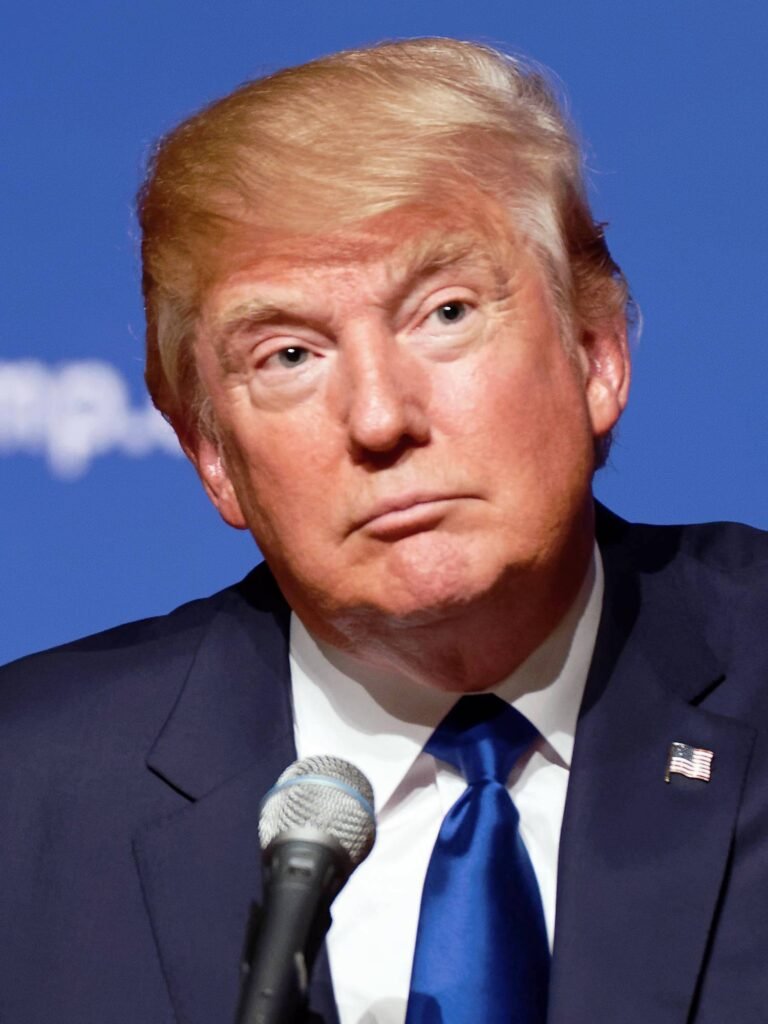
President Donald Trump says the United States might one day get rid of federal income tax because of money the government collects from tariffs on imported goods. Tariffs are extra taxes the U.S. puts on products that come from other countries.
What Trump Is Saying
Trump has said that tariff money could become so large that it might allow the government to cut income taxes “almost completely.” He has also talked about possibly phasing out income tax over the next few years if tariff money keeps going up.
How Taxes Work Now
Right now, the federal government gets much more money from income taxes than from tariffs. Income taxes bring in trillions of dollars each year, while tariffs bring in only a small part of that total. Because of this gap, experts say tariffs would need to grow by many times to replace income tax money.

Questions From Experts
Many economists and tax experts doubt that tariffs alone could pay for the whole federal budget. They warn that very high tariffs could make many imported goods more expensive for shoppers in the United States. This could hit lower- and middle‑income families hardest, because they spend a big share of their money on everyday items.
What Congress Must Do
The president can change some tariffs, but only Congress can change or end the federal income tax. That means any real plan to remove income tax would need new laws passed by both the House of Representatives and the Senate. So far, there is no detailed law or full budget plan on this idea.
What It Means Right Now
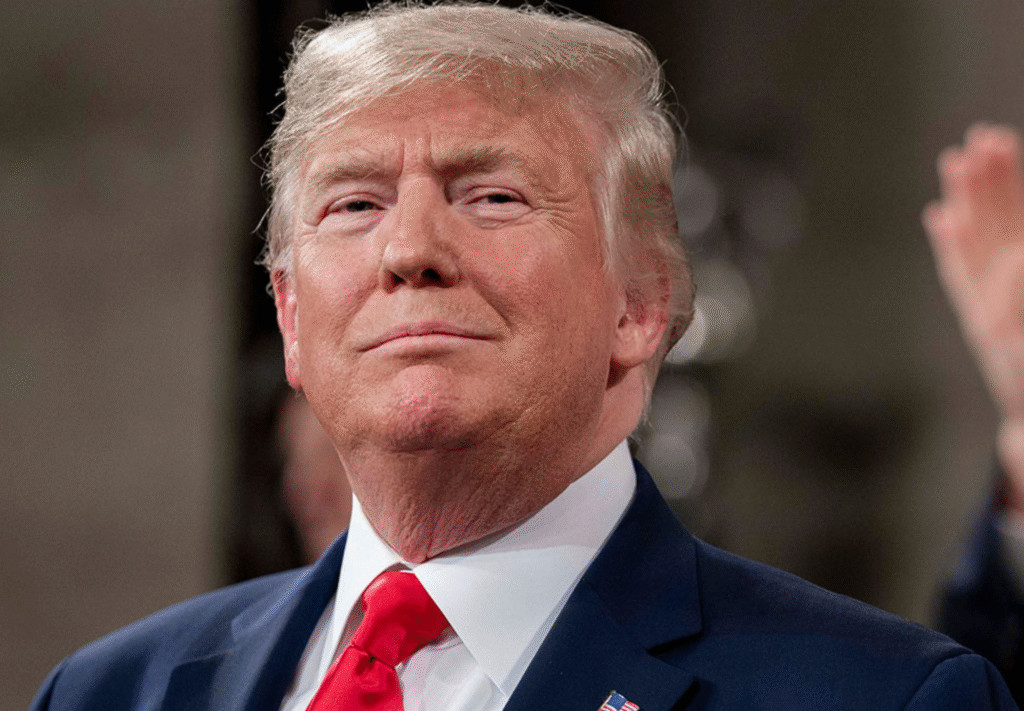
For now, Trump’s comments are a proposal, not a change in the law. People and businesses still have to pay federal income tax under the current rules. The debate over using tariffs instead of income taxes is likely to continue among lawmakers, experts, and voters.
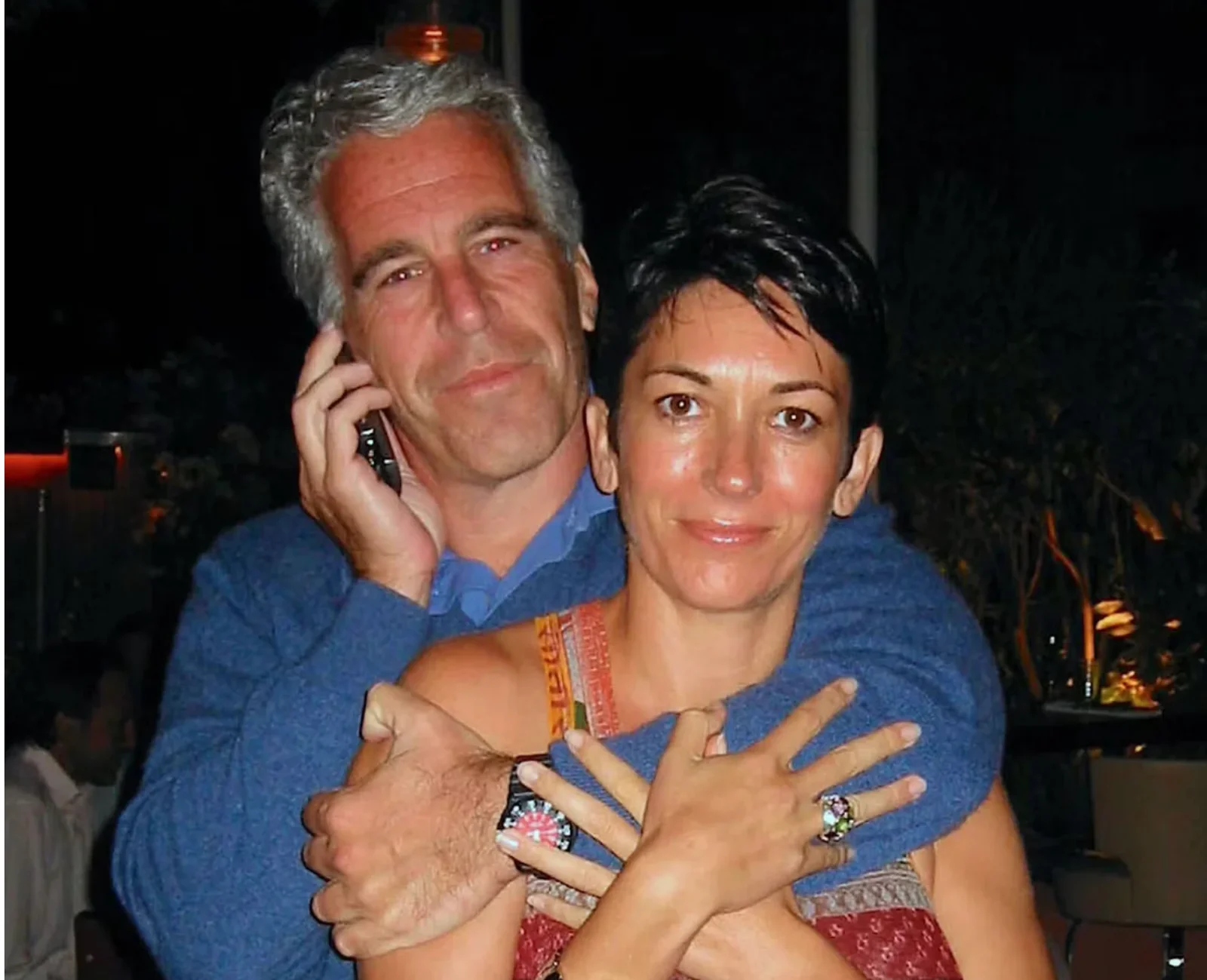
Former President Donald Trump has signed an executive order directing federal agencies to declassify all government files related to Jeffrey Epstein, the disgraced financier whose death in 2019 continues to fuel controversy and speculation.
The order, signed Wednesday at Trump’s Mar-a-Lago estate, instructs the FBI, Department of Justice, and intelligence agencies to release documents detailing Epstein’s network, finances, and alleged connections to high-profile figures. Trump described the move as “a step toward transparency and public trust,” promising that no names would be shielded from scrutiny.
“This information belongs to the American people,” Trump said in a televised statement. “For too long, powerful interests have tried to bury the truth. That ends now.”
U.S. intelligence officials confirmed that preparations for the release are already underway. According to sources familiar with the process, the first batch of documents is expected to be made public within the next 30 days, with additional releases scheduled over several months.

Reactions poured in across the political spectrum. Supporters praised the decision as a bold act of accountability, while critics alleged it was politically motivated, timed to draw attention during a volatile election season. Civil rights advocates, meanwhile, emphasized caution, warning that some records could expose private victims or ongoing legal matters.
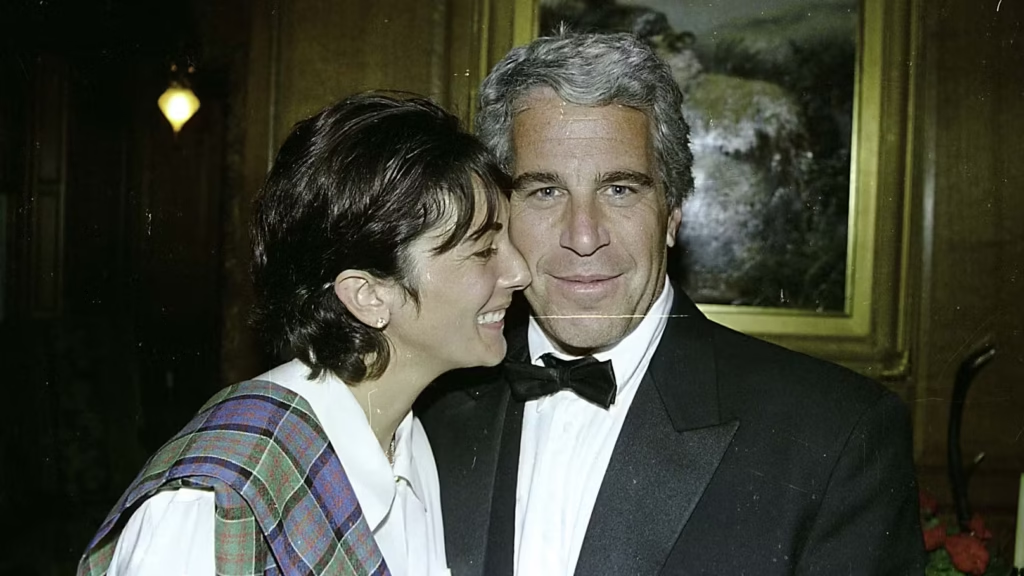
The Epstein case, which implicated figures in politics, business, and entertainment, remains one of the most talked-about scandals of the past decade. Epstein’s connections to influential individuals—including politicians, royals, and executives—have long sparked speculation about the extent of his operations and who may have been involved.
Former federal prosecutor Lauren Fields said the release could mark a turning point in public discourse surrounding government transparency. “Regardless of political stance, this declassification has the potential to reshape how Americans view power and accountability,” Fields noted.
Officials say redactions may still occur to protect sensitive intelligence or personal information, but the intent is a near-complete disclosure. For years, critics of the government’s handling of Epstein’s case have accused agencies of concealing evidence or shielding elites from exposure. Trump’s order promises to change that narrative.
As anticipation builds, journalists, legal analysts, and online commentators are preparing for what could be one of the most consequential information releases in recent history.
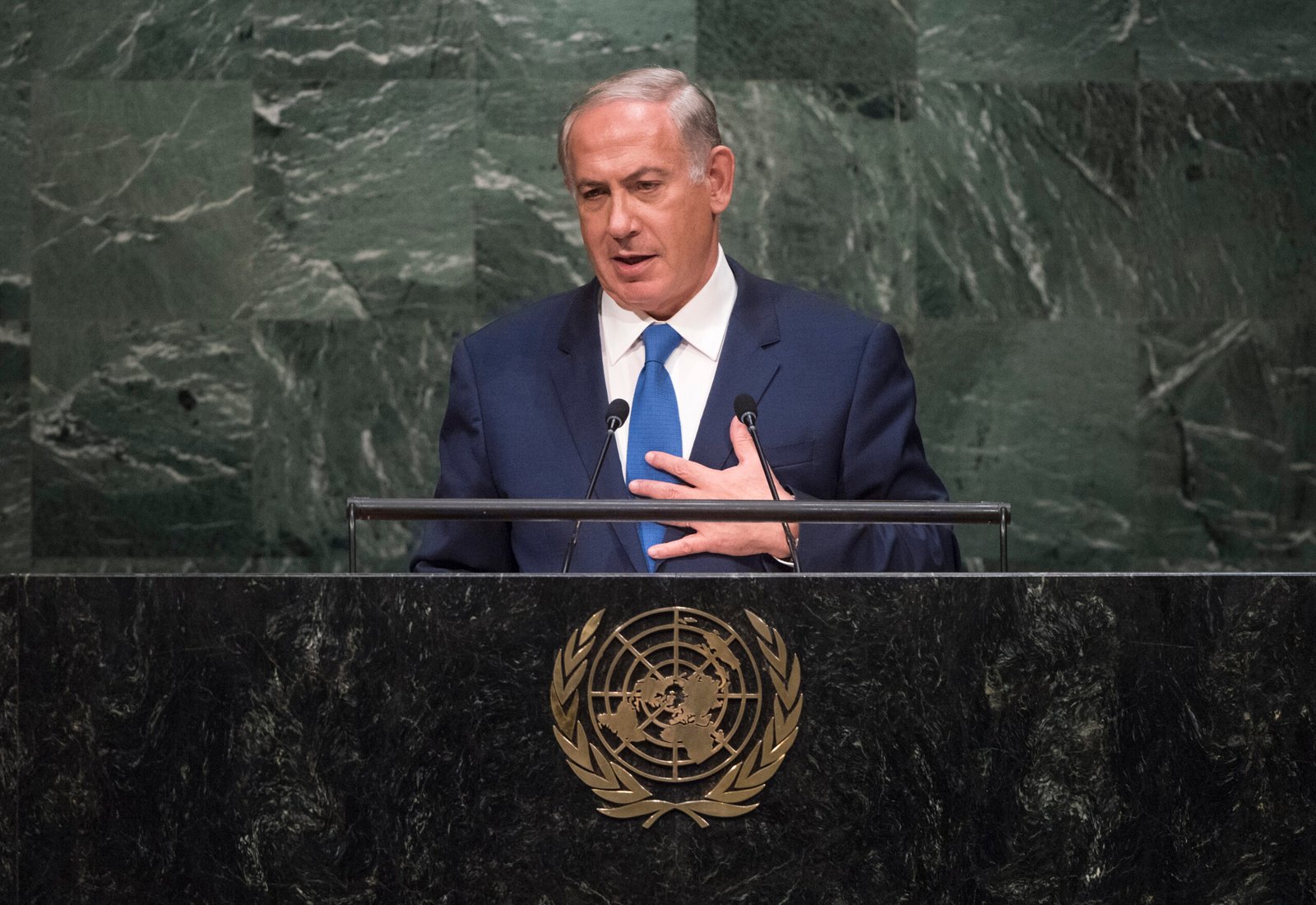
What Happened at the United Nations
On Friday, Israeli Prime Minister Benjamin Netanyahu addressed the United Nations General Assembly in New York City, defending Israel’s ongoing military operations in Gaza. As he spoke, more than 100 delegates from over 50 countries stood up and left the chamber—a rare and significant diplomatic walkout. Outside the UN, thousands of protesters gathered to voice opposition to Netanyahu’s policies and call for accountability, including some who labeled him a war criminal. The protest included activists from Palestinian and Jewish groups, along with international allies.

Why Did Delegates and Protesters Walk Out?
The walkouts and protests were a response to Israel’s continued offensive in Gaza, which has resulted in widespread destruction and a significant humanitarian crisis. Many countries and individuals have accused Israel of excessive use of force, and some international prosecutors have suggested Netanyahu should face investigation by the International Criminal Court for war crimes, including claims that starvation was used as a weapon against civilians. At the same time, a record number of nations—over 150—recently recognized the State of Palestine, leaving the United States as the only permanent UN Security Council member not to join them.
International Reaction and Significance
The diplomatic walkouts and street protests demonstrate increasing global concern over the situation in Gaza and growing support for Palestinian statehood. Several world leaders, including Colombia’s President Gustavo Petro, showed visible solidarity with protesters. Petro called for international intervention and, controversially, for US troops not to follow orders he viewed as supporting ongoing conflict. The US later revoked Petro’s visa over his role in the protests, which he argued was evidence of a declining respect for international law.

Why Is This News Important?
The Gaza conflict is one of the world’s most contentious and closely-watched issues. It has drawn strong feelings and differing opinions from governments, activists, and ordinary people worldwide. The United Nations, as an international organization focused on peace and human rights, is a key arena for these debates. The events surrounding Netanyahu’s speech show that many nations and voices are urging new action—from recognition of Palestinian rights to calls for sanctions against Israel—while discussion and disagreement over the best path forward continue.

This episode at the UN highlights how international diplomacy, public protests, and official policy are all intersecting in real time as the search for solutions to the Israeli-Palestinian conflict remains urgent and unresolved.

The machine isn’t coming. It’s aleady the room.

The Timothée Chalamet Guide to Ruining Your Image

Did OnlyFans Save Creators—or Trap Them?


 Advice3 weeks ago
How to Find Your Voice as a Filmmaker
- News3 weeks ago
How Misinformation Overload Breaks Creative Focus
- News4 weeks ago
From Seen to Secured: How Filmmakers Are Owning Their Value
- News4 weeks ago
March 1 in NYC: Love Notes From Harlem at Don’t Tell Mama
- Entertainment2 weeks ago
This scene almost broke him. And changed his career.
- Entertainment2 weeks ago
7 Filmmaking Lessons From Michael B. Jordan’s Oscar Moment
- Advice2 weeks ago
Stop Waiting for Permission — The Film Industry Just Rewrote the Rules
- News2 weeks ago
How ‘Sinners’ Won The Oscars: Filmmaker Notes