News
Why Most Indie Films Fail (And How to Avoid It)

Independent filmmaking has never been more accessible. With affordable cameras, editing software, and distribution platforms, anyone with a story can bring it to life. Yet despite this creative democratization, most indie films never find an audience—or worse, never reach their full potential.
The truth is, indie films rarely fail because of a lack of passion. They fail because of avoidable mistakes in execution, planning, and perspective. If you understand where things typically go wrong, you can dramatically increase your chances of success.

1. Weak Scripts Sink Strong Ideas
A compelling concept is not the same as a compelling script. Many indie filmmakers rush into production with an idea they love, but without fully developing the story. The result? Films that look decent but feel hollow.
A strong script requires:
- Clear structure
- Authentic dialogue
- Character arcs that evolve
Filmmakers like Robert Rodriguez have long emphasized that storytelling outweighs budget. You can shoot on the cheapest camera available, but if your story doesn’t engage, your audience will disconnect quickly.
How to avoid it:
Spend more time writing than shooting. Workshop your script, get feedback, and revise relentlessly.
2. Bad Sound Breaks Immersion
Audiences will forgive grainy visuals—but they won’t tolerate poor audio. This is one of the most common and damaging mistakes in indie filmmaking.
Echo, background noise, and inconsistent levels instantly make a film feel amateur.
How to avoid it:
- Invest in decent microphones before upgrading your camera
- Record room tone
- Monitor audio during filming, not after
3. Trying to Do Too Much with Too Little
Ambition is essential, but overreaching is dangerous. Many indie filmmakers attempt large-scale stories—multiple locations, complex action sequences, big casts—without the resources to execute them properly.
The result is a film that feels incomplete or unfocused.
Compare that to films like Tangerine, which embraced limitations and used them creatively. Its contained story and raw style became strengths rather than weaknesses.
How to avoid it:
Write for what you have access to. Limit locations, control your environment, and build your story around realistic constraints.


4. Poor Direction of Actors
Even with a solid script, weak performances can undermine everything. Directing actors is a skill many indie filmmakers underestimate.
Giving vague directions like “be more emotional” rarely works. Actors need context, motivation, and trust.
How to avoid it:
- Communicate intentions, not just outcomes
- Create a collaborative environment
- Rehearse before shooting
Strong performances elevate a film; weak ones expose its flaws.
5. Ignoring the Editing Process
Many filmmakers treat editing as a final step rather than a critical phase of storytelling. In reality, editing is where the film truly takes shape.
Pacing issues, inconsistent tone, and unnecessary scenes often go unchecked.
How to avoid it:
- Be willing to cut scenes you love
- Focus on rhythm and flow
- Get fresh eyes on rough cuts
A well-edited film can transform average footage into something compelling.

6. No Clear Distribution Plan
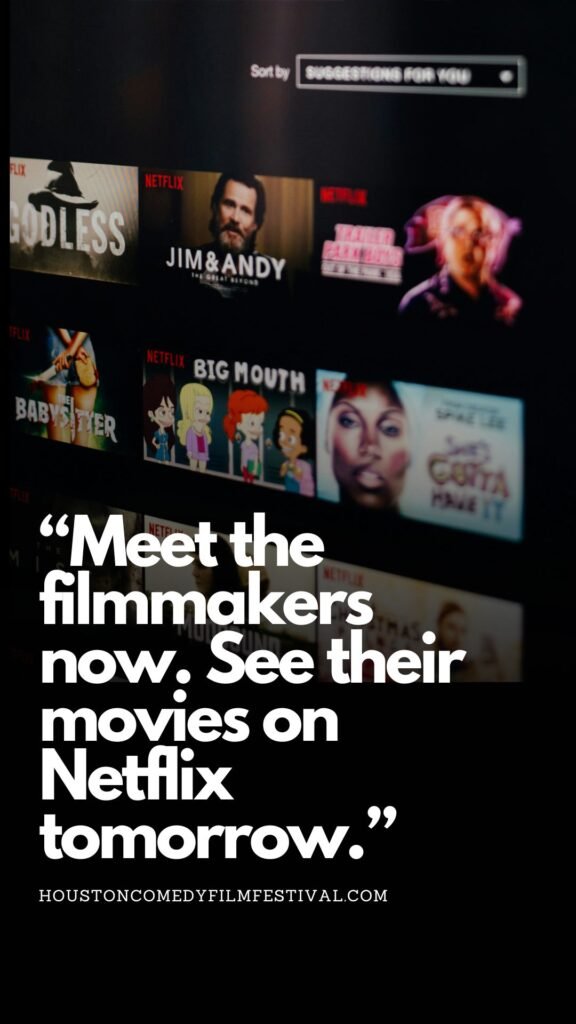
Finishing a film is only half the battle. Without a strategy for distribution, even great indie films go unseen.
Some filmmakers focus solely on major festivals like Sundance, ignoring smaller festivals or alternative platforms that might be a better fit.
How to avoid it:
- Research festivals that align with your film
- Consider digital platforms and niche audiences
- Build a marketing plan early
Distribution should be part of your strategy from the beginning—not an afterthought.
7. Mistaking Passion for Preparation
Passion drives indie filmmaking—but it doesn’t replace planning. Many projects fall apart due to poor scheduling, unclear roles, or lack of contingency plans.
How to avoid it:
- Create a realistic production schedule
- Define roles clearly, even on small teams
- Prepare for setbacks
Professionalism isn’t about budget—it’s about discipline.
Final Thoughts
Indie filmmaking is challenging, unpredictable, and often exhausting. But failure isn’t inevitable—it’s usually the result of specific, avoidable missteps.
If you focus on strong storytelling, prioritize sound and performance, and approach your project with both creativity and strategy, you can separate your work from the countless films that never quite land.
The goal isn’t perfection. It’s intentional execution.
Because in independent film, success doesn’t come from having more resources—it comes from using what you have, wisely.