Business
What the Michael Biopic Means for Every Indie Filmmaker

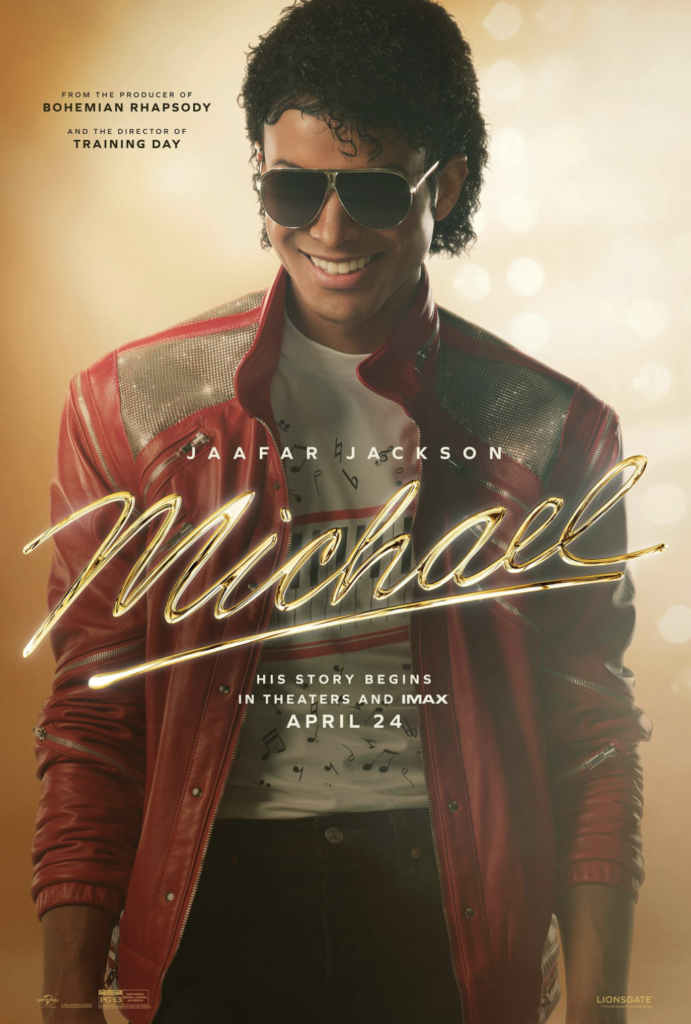
The Michael Jackson biopic Michael is more than celebrity drama; it is a real-time lesson in how legal decisions can quietly rewrite a story that millions of people will see. You do not need a $200M budget for the same forces—contracts, settlements, and rights issues—to shape or even erase key parts of your own work.

What Happened to Michael
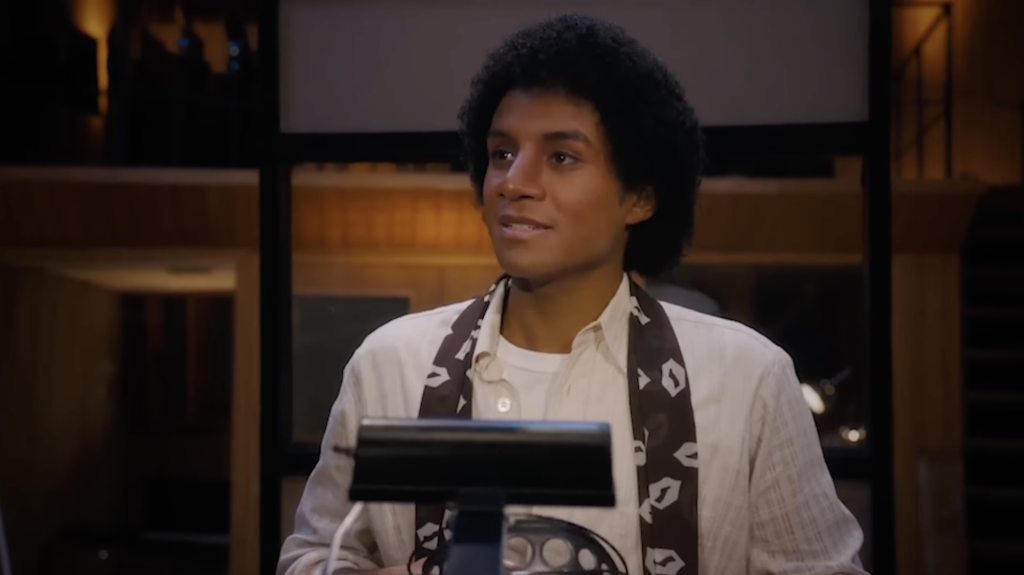
The film Michael originally included a third act that addressed the 1993 child sexual abuse allegations and their impact on Jackson’s life and career. Trade reports say this version showed investigators at Neverland Ranch and dramatized the scandal as a turning point in the story. After cameras rolled, lawyers for the Jackson estate realized there was a clause in the settlement with accuser Jordan Chandler that barred any depiction or mention of him in a movie.
Because of that old agreement, the filmmakers had to remove all references to Chandler and rework the ending so the story stopped years earlier, in the late 1980s at Jackson’s commercial peak.
According to reporting, this meant roughly 22 days of reshoots, costing around 10–15 million dollars and pushing the total budget over 200 million.
Meanwhile, actress Kat Graham confirmed her portrayal of Diana Ross was cut for “legal considerations,” showing how likeness and approval issues can wipe out an entire character even after filming.
For audiences, the result is a movie that intentionally avoids one of the most controversial chapters of Jackson’s life, which some critics argue makes the portrait feel incomplete or selectively curated.

The Hidden Power of Contracts and Rights
The key detail in the Michael story is that a contract signed decades ago could dictate what present-day filmmakers are allowed to show. That settlement clause did not just affect the people who signed it; it effectively controlled the narrative of a big-budget film made years later. This is how legal documents become invisible co-authors: they quietly set boundaries around what your story can and cannot include.
Creators face similar invisible lines with:
- Life-rights and defamation: If you dramatize real people, especially in a negative light, they can claim defamation or invasion of privacy if your portrayal is inaccurate or harmful.
- Copyright and trademarks: Unlicensed music, clips, logos, or artwork can trigger copyright or trademark claims that block distribution or force expensive changes.
- Distribution contracts: Some deals give distributors the right to re-edit, retitle, or repackage your work without your approval unless you negotiate otherwise.
Legal commentary warns that fictionalizing real events and people carries heightened risk because audiences tend to connect your dramatization back to actual individuals. That risk does not disappear just because you are “small” or “indie”; impact, not audience size, usually determines exposure.
Why This Matters for Indie Filmmakers and Creators
Independent filmmakers often choose the indie route precisely to maintain creative control, but they can face more risk if they skip legal planning. Common problems include unclear ownership of the script, missing music licenses, handshake agreements with collaborators, and no written permission to use locations or people’s likenesses. These are the kinds of issues that can derail distribution, block a streaming deal, or force last-minute cuts that fundamentally change your story.
Legal guides for indie filmmakers consistently emphasize a few realities:
- You do not fully “own” your film unless you have clear contracts for writing, directing, producing, and underlying rights.
- Unregistered or unlicensed creative elements (like music and logos) can make your project uninsurable or unattractive to distributors.
- Fixing legal problems after the fact is almost always more expensive and limiting than planning for them at the beginning.
So when you watch Michael skip over certain events, you are seeing, in exaggerated form, the same forces that can shape an indie short, web series, documentary, or podcast episode.

Practical Legal Lessons You Can Apply Now
You do not need a law degree, but you do need a basic legal strategy for your creative work. Here are practical steps drawn from entertainment-law and indie-film resources:
- Clarify who owns the story
- Use written agreements with co-writers, directors, and producers that state who owns the script and finished film.
- If your work is based on a real person or memoir, secure life-rights or written permission where appropriate, especially if the portrayal is sensitive.
- Be intentional with real people and events
- When telling true or inspired-by-true stories, avoid making specific, negative claims about identifiable people unless they are well-documented and legally vetted.
- Change names, details, and circumstances enough that the person is not clearly identifiable if you do not have their cooperation.
- Lock down music and visuals
- Use original scores, licensed tracks, or reputable libraries; never assume you can keep a song just because it is in a rough cut.
- Clear artwork, logos, and recognizable brands, or replace them with generic or custom-designed alternatives.

- Protect yourself in contracts
- When signing any distribution or platform deal, read the clauses about editing, retitling, and marketing carefully; ask for limits or at least consultation rights.
- Include terms that let you reclaim rights if a partner fails to release the work, goes dark, or breaches key promises.
- Document everything
- Keep organized copies of releases, licenses, and contracts; these documents are part of your project’s value and proof of your rights.
- Register your work where applicable (for example, copyright), which strengthens your ability to enforce your rights if someone copies you.
Education-focused legal resources repeatedly stress that preventative steps—basic contracts, clear permissions, and simple registrations—are far cheaper than dealing with takedowns, lawsuits, or forced rewrites later.

The Big Takeaway: Story and Law Are Connected
The Michael biopic illustrates what happens when legal obligations and creative vision collide: whole characters disappear, endings are rewritten, and the public only sees a version of the story that fits within old contracts.
As an indie filmmaker, writer, or content creator, you may not have millions at stake, but you do have something just as valuable—your voice and your ability to tell the story you meant to tell.
Understanding the legal dimensions of your work is not a distraction from creativity; it is a way of protecting it. When you know where the legal boundaries are, you can design stories that are bold, truthful, and still safe enough to reach the audiences they deserve.