Film Production
Why China’s 2-Minute Micro Dramas Are Poised To Take Over The U.S.


China’s 2-minute micro dramas—known as “duanju”—are poised to reshape U.S. entertainment thanks to their wildly addictive storytelling, mobile-first design, and data-driven production models. The format’s explosive growth in China, where micro dramas surpassed box-office revenue in 2024 with a $6.9 billion market, signals a fundamental storytelling shift—one that U.S. audiences and studios are now embracing.

What are micro dramas?
Micro dramas are bite-sized, serialized narratives—delivered vertically and tailored for smartphone viewing—with episodes typically lasting between 90 seconds and two minutes. Stories are built around nonstop cliffhangers, outrageous plot twists, and intense emotional hooks, engineered for instant gratification and constant binge-watching. These shows are usually targeted at women aged 25–35 and are heavily optimized using viewing data and precise digital marketing.
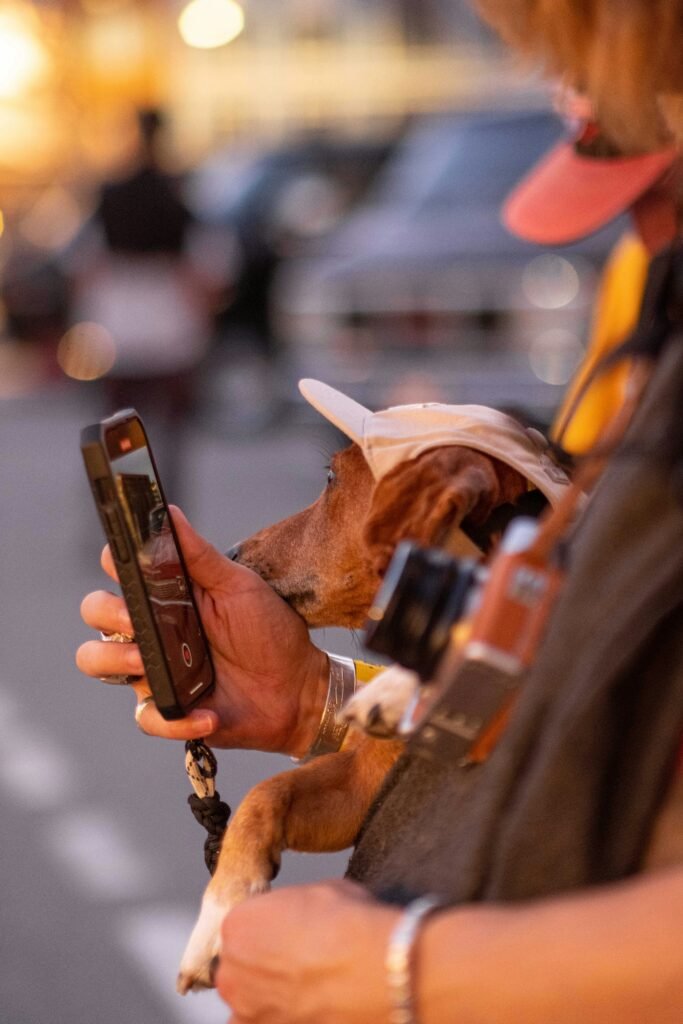
Platforms like ReelShort, DramaBox, and GoodShort, originating from China, now account for half of U.S. micro drama app downloads, with over 10 million downloads and a 300% increase in monthly active users in 2025 alone.
Brands and advertisers see enormous value: 68% of total U.S. micro-drama app ad spending in 2025 came from social platforms, especially Facebook, TikTok, and Snapchat, fueling even broader adoption.
Production is fast, scalable, and low-cost, letting creators test and iterate new IP rapidly.

Hollywood is responding with its own experimental content, signaling a potential shake-up in how scripted drama is made, distributed, and monetized.











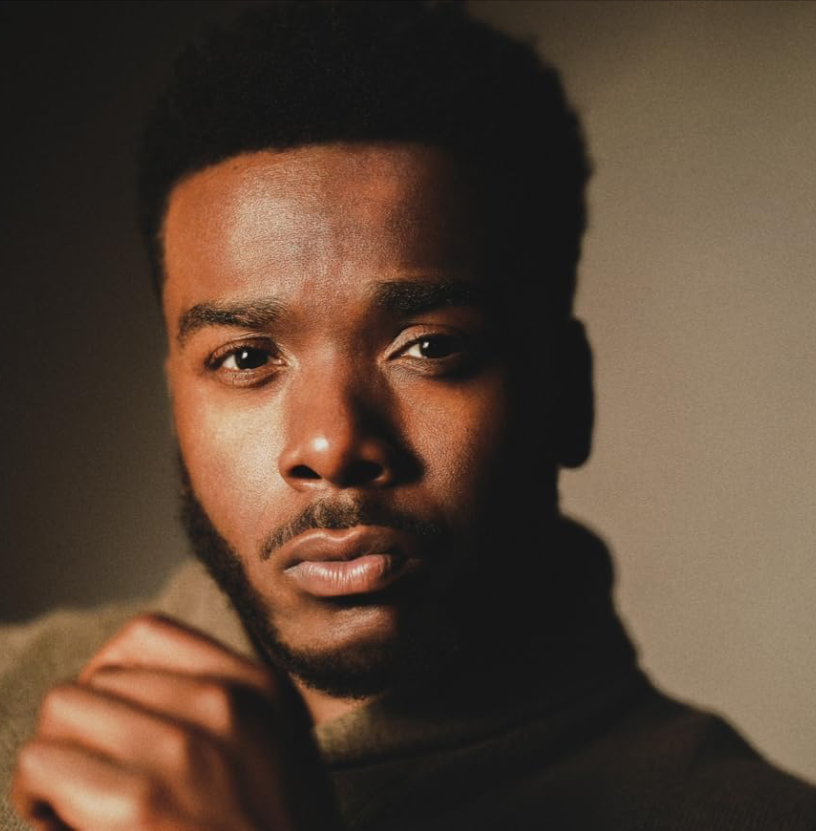
As Sinners surges into the cultural conversation, it’s impossible to ignore the force of Christian Robinson’s performance. His “let me in” door scene has become one of the film’s defining moments—raw, desperate, and unforgettable. But the power of that scene makes the most sense when you understand the journey that brought him there.
From church play to breakout roles
Christian’s path didn’t begin on a Hollywood set. It started in a Brooklyn church, when a woman named Miss Val kept asking him to be in a play.
“I told her no countless times,” he remembers. “Every time she saw me, she asked me and she wouldn’t stop asking me.”
He finally said yes—and everything changed.
“I did it once and I fell in love,” he says. That one performance pushed him into deep research on the craft, a move to Atlanta, and years of unglamorous work: training, auditioning, stacking small wins until he booked his first roles and then Netflix’s Burning Sands, where many met him as Big Country.
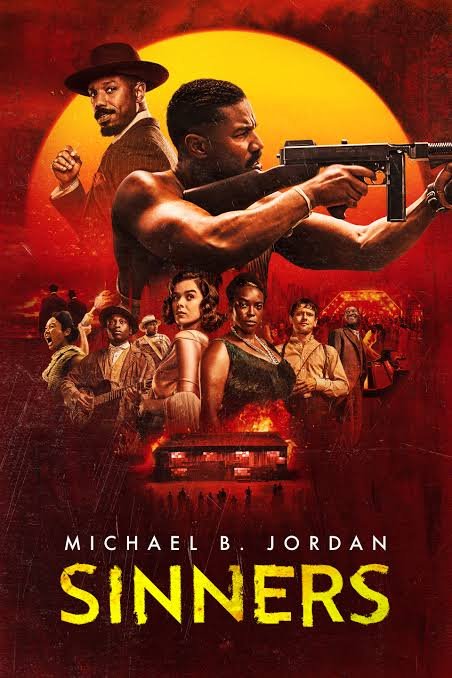
By the time Sinners came along, he wasn’t a newcomer hoping to get lucky. He was an actor who had quietly built the muscles to carry something bigger.
The door scene: life or death
On The Roselyn Omaka Show, Christian shared the directing note Ryan Coogler gave him before filming the door scene:
“He explained to me, ‘I need you to bang on this door as if your life depended on it. Like it’s a matter of life and death.’”
Christian didn’t just turn up the volume; he reached deeper.
“This film speaks a lot about our ancestors,” he told Roselyn Omaka. “So I tried to give a glimpse of what our ancestors would’ve experienced if someone or something that could bring ultimate destruction was after them. How hard would they bang? How loud would they scream to try to get into a place safely? That’s what I intended to convey in that moment.”
That inner picture—life or death, ancestors, ultimate destruction—is why the scene hits like more than a plot beat. It feels like generational memory breaking through a single frame.
Living through a “history” moment in real time
When Roselyn asks what he’s processing as Sinners takes off, Christian admits he’s still inside the wave.
“I’ve never experienced a project with this level of reception and energy and momentum,” he says. “People having their theories and breaking it down and doing reenactments… it’s never been a time like this in my career.”
He’s careful not to over‑define something that’s still unfolding: “There’s no way to give an accurate description of what I’m experiencing while I’m still experiencing it.” He knows he’ll need distance to name it fully.
But he can name one thing: “If I could gather any adjective to describe it, it would be gratefulness. I’m grateful.”
He also feels the weight of what this film might mean long-term:
“To know that I was there for a large amount of the time it was being brought to life, and a part of what the internet is saying will be history… this is something that I’m inspired by—to shoot for the stars in whatever passion rooted in creativity that you possess.”
Music, joy, and the man behind the moment
Christian talks about the music of Sinners as another force that shaped him. The score wasn’t playing nonstop; it showed up in key moments.
“The music was played when it was necessary to be played. But when it was played, it resonated,” he says. Hearing Miles Caton’s songs early, before the world did, he remembers thinking, “This is going to be magical… This is one of the ones right here.”
For all the heaviness of the story, he also brought levity. He laughs about being the jokester on set—singing Juvenile and Lil Wayne in the New Orleans hair and makeup trailer, trying to make everyone smile during Essence Fest weekend. “I’m a fun guy,” he says. “I love to see people laugh and have a good time.”
PATHS for us and opening doors
What might be most revealing is how seriously Christian takes his responsibility off screen. In 2015, sitting in his apartment outside Atlanta, he felt God tell him to start a nonprofit called PATHS.
“I heard from God and he told me to start a nonprofit called PATHS,” he recalls. At first, he and his peers went into schools and inner‑city communities to teach young people “the many different paths to entering the entertainment industry”—not just the craft, but “the practical steps and establishing yourself, like the business of an actor… a stunt person, hair and makeup, etc.”
When the pandemic hit and school visits stopped, he pivoted to a podcast and digital platform: “Fine, I’ll do it,” he laughs. Now PATHS for us lets “anyone anywhere that desires to be in entertainment hear from credible entertainment industry professionals on how they got to where they are and how you can do the same.”
Working on Sinners confirmed that he should go all in: “It just gave me exactly what I needed to know that I should pour my all into it.”
Honoring a history-making moment
As Sinners takes off, Christian keeps coming back to one word: gratefulness—for the film, for the collaborators, for the chance to be part of something people are calling historic.
At Bolanle Media, we see more than a viral scene. We see an artist whose craft is rooted in faith, ancestors, and hard-earned discipline; whose joy lifts the rooms he works in; and whose platform is opening real paths for others.
This scene almost broke him. And changed his career.
Now, as the world catches up, Christian Robinson is using that breakthrough not just to walk through new doors—but to help the next generation find theirs.

That’s the realization hanging over anyone picking up a camera right now. You didn’t sign up to be a forensic analyst of flight logs, sealed documents, or “unverified tips.” You wanted to tell stories. But your audience lives in a world where every new leak, every exposed celebrity, every dead‑end investigation feeds into one blunt conclusion:
Nobody at the top is clean. And nobody in charge is really coming to save us.
If you’re still making films in this moment, the question isn’t whether you’ll respond to that. You already are, whether you intend to or not. The real question is: will your work help people move, or help them go numb?
Your Audience Doesn’t Believe in Grown‑Ups Anymore
Look at the timeline your viewers live in:
- Names tied to Epstein.
- Names tied to trafficking.
- Names tied to abuse, exploitation, coverups.
- Carefully worded statements, high‑priced lawyers, and “no admission of wrongdoing.”
And in between all of that: playlists, memes, awards shows, campaign ads, and glossy biopics about “legends” we now know were monsters to someone.
If you’re under 35, this is your normal. You grew up:
- Watching childhood heroes get exposed one after another.
- Hearing “open secrets” whispered for years before anyone with power pretended to care.
- Seeing survivors discredited, then quietly vindicated when it was too late to matter.
So when the next leak drops and another “icon” is implicated, the shock isn’t that it happened. The shock is how little changes.
This is the psychic landscape your work drops into. People aren’t just asking, “Is this movie good?” They’re asking, often subconsciously: “Does this filmmaker understand the world I’m actually living in, or are they still selling me the old fantasy?”
You’re Not Just Telling Stories. You’re Translating a Crisis of Trust.
You may not want the job, but you have it: you’re a translator in a time when language itself feels rigged.
Politicians put out statements. Corporations put out statements. Studios put out statements. The public has learned to hear those as legal strategies, not moral positions.
You, on the other hand, still have this small window of trust. Not blind trust—your audience is too skeptical for that—but curious trust. They’ll give you 90 minutes, maybe a season, to see if you can make sense of what they’re feeling:
- The rage at systems that protect predators.
- The confusion when people they admired turn out to be complicit.
- The dread that this is all so big, so entrenched, that nothing they do matters.
If your work dodges that, it doesn’t just feel “light.” It feels dishonest.
That doesn’t mean every film has to be a trafficking exposé. It means even your “small” stories are now taking place in a world where institutions have failed in ways we can’t unsee. If you pretend otherwise, the audience can feel the lie in the walls.
Numbness Is the Real Villain You’re Up Against
You asked for something that could inspire movement and change. To do that, you have to understand the enemy that’s closest to home:
It’s not only the billionaire on the jet. It’s numbness.
Numbness is what happens when your nervous system has been hit with too much horror and too little justice. It looks like apathy, but it’s not. It’s self‑defense. It says:
- “If I let myself feel this, I’ll break.”
- “If I care again and nothing changes, I’ll lose my mind.”
- “If everyone at the top is corrupt, why should I bother being good?”
When you entertain without acknowledging this, you help people stay comfortably numb. When you only horrify without hope, you push them deeper into it.
Your job is more dangerous and more sacred than that. Your job is to take numbness seriously—and then pierce it.
How?
- By creating characters who feel exactly what your audience feels: overwhelmed, angry, hopeless.
- By letting those characters try anyway—in flawed, realistic, human ways.
- By refusing to end every story with “the system wins, nothing matters,” even if you can’t promise a clean victory.
Movement doesn’t start because everyone suddenly believes they can win. It starts because enough people decide they’d rather lose fighting than win asleep.
Show that decision.
Don’t Just Expose Monsters. Expose Mechanisms.
If you make work that brushes against Epstein‑type themes, avoid the easiest trap: turning it into a “one bad guy” tale.
The real horror isn’t one predator. It’s how many people, institutions, and incentives it takes to keep a predator powerful.
If you want your work to fuel real change:
- Show the assistants and staffers who notice something is off and choose silence—or risk.
- Show the PR teams whose entire job is to wash blood off brands.
- Show the industry rituals—the invite‑only parties, the “you’re one of us now” moments—where complicity becomes a form of currency.
- Show the fans, watching allegations pile up against someone who shaped their childhood, and the war inside them between denial and conscience.
When you map the mechanism, you give people a way to see where they fit in that machine. You also help them imagine where it can be broken.
Your Camera Is a Weapon. Choose a Target.
In a moment like this, neutrality is a story choice—and the audience knows it.
Ask yourself, project by project:
- Who gets humanized? If you give more depth to the abuser than the abused, that says something.
- Who gets the last word? Is it the lawyer’s statement, the spin doctor, the jaded bystander—or the person who was actually harmed?
- What gets framed as inevitable? Corruption? Cowardice? Or courage?
You don’t have to sermonize. But you do have to choose. If your work shrugs and says, “That’s just how it is,” don’t be surprised when it lands like anesthetic instead of ignition.
Ignition doesn’t require a happy ending. It just requires a crack—a moment where someone unexpected refuses to play along. A survivor who won’t recant. A worker who refuses the payout. A friend who believes the kid the first time.
Those tiny acts are how movements start in real life. Put them on screen like they matter, because they do.

Stop Waiting for Permission
A lot of people in your position are still quietly waiting—for a greenlight, for a grant, for a “better time,” for the industry to decide it’s ready for harsher truths.
Here’s the harshest truth of all: the system you’re waiting on is the same one your audience doesn’t trust.
So maybe the movement doesn’t start with the perfectly packaged, studio‑approved, four‑quadrant expose. Maybe it starts with:
- A microbudget feature that refuses to flatter power.
- A doc shot on borrowed gear that traces one tiny piece of the web with obsessive honesty.
- A series of shorts that make it emotionally impossible to look at “open secrets” as jokes anymore.
- A narrative film that never names Epstein once, but makes the logic that created him impossible to unsee.
If you do your job right, people will leave your work not just “informed,” but uncomfortable with their own passivity—and with a clearer sense of where their own leverage actually lives.

The Movement You Can Actually Spark
You are not going to single‑handedly dismantle trafficking, corruption, or elite impunity with one film. That’s not your job.
Your job is to help people:
- Feel again where they’ve gone numb.
- Name clearly what they’ve only sensed in fragments.
- See themselves not as background extras in someone else’s empire, but as moral agents with choices that matter.
If your film makes one survivor feel seen instead of crazy, that’s movement.
If it makes one young viewer question why they still worship a predator, that’s movement.
If it makes one industry person think twice before staying silent, that’s movement.
And movements, despite what the history montages pretend, are not made of big moments. They’re made of a million small, private decisions to stop lying—to others, and to ourselves.
You wanted to make movies, not decode Epstein.
Too late.
You’re here. The curtain’s already been pulled back. Use your camera to decide what we look at now: more distraction from what we know, or a clearer view of it.
One of those choices helps people forget.
The other might just help them remember who they are—and what they refuse to tolerate—long enough to do something about it.

Jeffrey Epstein was a convicted sex offender, but for years after his 2008 conviction, he still moved comfortably through elite social circles that touched media, politics, finance, and film culture. His calendars, contact books, and guest lists show a pattern: powerful people kept accepting his invitations, attending his dinners, and standing beside him, even when they knew exactly who he was.
If you make films, run festivals, or work in development and distribution, this isn’t just a political scandal on the news. It’s a mirror. It forces one uncomfortable question: do you truly know what – and who – you stand for when you say yes to certain rooms, collaborators, and funders?
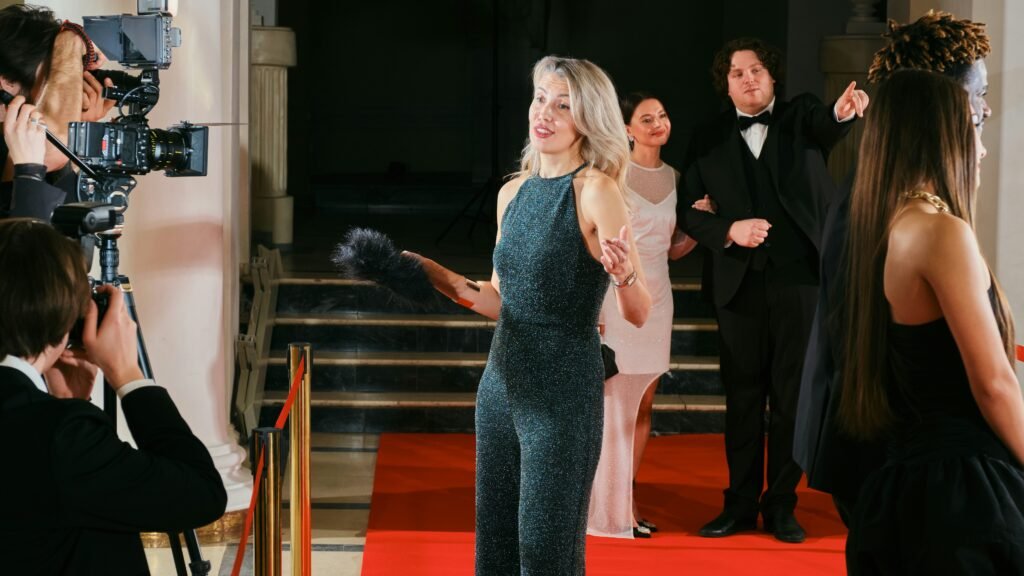
The guest list is a moral document
Epstein didn’t just collect money; he collected people.
His power came from convening others: intimate dinners, salon‑style gatherings, screenings, and trips where being invited signaled that you were “important enough” to be in the room. Prestige guests made him look respectable; he made them feel chosen.
Awards‑season publicists and event planners played a crucial role in that ecosystem. For years, some of the same people who curated high‑status screenings and industry dinners also opened the door for Epstein, placing him in rooms with producers, critics, cultural figures, and politicians. They controlled the lists that determined who got close to money, influence, and decision‑makers.
When those ties became public, companies that had long benefitted from those curated lists cut certain publicists off almost overnight. One day they were trusted architects of taste and access; the next day they were toxic. That whiplash exposes the truth: guest lists were never neutral logistics. They were moral documents disguised as marketing strategy.
If you’re a filmmaker or festival director, the same is true for you. Every invite list, every VIP pass, every “intimate industry mixer” quietly answers a question:
- Who are you willing to legitimize?
- Who gets to bask in the glow of your platform, laurels, and audience?
- Whose history are you willing to overlook because they’re “good for the project”?
You may tell yourself you’re “just trying to get the film seen.” Epstein’s orbit shows that this is exactly how people talk themselves into standing next to predators.

“I barely knew him”: the lie everyone rehearses
After Epstein’s 2019 arrest and death, a familiar chorus started: “I barely knew him.” “We only met once.” “It was purely professional.” In case after case, logs, calendars, and emails told a different story: repeated meetings, trips, dinners, and years of social overlap.
This isn’t unique to Epstein. Our industry does the same thing whenever a powerful director, producer, or executive is finally exposed. Suddenly:
- The person was “always difficult,” but nobody quite remembers when they first heard the stories.
- Collaborators swear they had no idea, despite years of rumors in green rooms, writers’ rooms, and hotel bars.
- Everyone rushes to minimize proximity: one film, one deal, one panel, one party.
Sometimes that’s true. Often it’s a script people have been rehearsing in their heads for years, just in case the day came when they’d need it.
So ask yourself now, before any future scandal:
- If every calendar entry and email around a controversial figure in your orbit were revealed tomorrow, would your values be obvious?
- Would your words and actions show someone wrestling with the ethics and drawing lines, or someone who stood for nothing but opportunity and a good step‑and‑repeat photo?
Your future statement is being written today, in the rooms you choose and the excuses you make.
Power, access, and the cost of staying in the room
People kept going to Epstein’s dinners and accepting his calls after his conviction because he was useful. He made introductions between billionaires and politicians, intellectuals and media figures, donors and institutions. Being in his network could mean access to funding, deals, prestige, and proximity to other powerful guests.
If that dynamic feels uncomfortably familiar, it should. In film and TV, you know this pattern:
- A producer with a reputation for abusive behavior who still gets projects greenlit.
- A financier whose source of money is murky but opens doors.
- A festival VIP everyone whispers about but no one publicly confronts because they bring stars, sponsors, or press.
The unwritten deal is the same: look away, laugh it off, or stay quiet, and in return you get access. What Epstein’s guest lists reveal is how many people accepted that deal until the public cost became unbearable.
The question for you is simple and brutal: how much harm are you willing to tolerate in exchange for access to power? If the answer is “more than I’d admit out loud,” you’re already in the danger zone.
Building your own red lines as a filmmaker
You cannot control every person who ends up in your orbit. But you can refuse to drift. You can decide in advance what you will and will not normalize. That means building your own red lines before there’s a headline.
Some practical commitments:
- Write down your “no‑platform” criteria
Don’t wait until a scandal explodes to decide what’s unacceptable. Define the patterns you will not align with:- Repeat, credible allegations of abuse or harassment.
- Past convictions for sexual exploitation or violence.
- Documented histories of exploiting young or vulnerable people in professional settings.
This doesn’t mean trial‑by‑rumor. It means acknowledging there are lines you simply will not cross, no matter how good the deal looks.
- Interrogate the rooms you’re invited into
Before you say yes to that exclusive dinner, private screening, or “small circle of VIPs,” ask:- Who is hosting, and what are they known for?
- Who else will be there, and what’s their pattern of behavior?
- Is this room built on genuine artistic community, or on quiet complicity around someone with power and a bad history?
When you feel that knot in your stomach, treat it as information, not an inconvenience.
- Bake ethics into your company or festival policy
If you run a production company, collective, or festival, put your values in writing:- How do you respond to credible allegations against a guest, juror, funder, or staff member?
- What is your process for reviewing partnerships and sponsorships?
- Under what conditions will you withdraw an invitation or return money?
This won’t make you perfect, but it forces you to act from a standard rather than improvising around whoever seems too powerful to offend.
- Use the “headline test”
Before you agree to a collaboration or keep showing up for someone whose reputation is rotting, imagine a future article that simply lays out the facts:
“Filmmaker X repeatedly attended private events hosted by Y after Y’s conviction and multiple public allegations.”
If seeing your name in that sentence makes you flinch, believe that feeling. That’s your conscience trying to speak louder than your ambition.

The question you leave your audience with
Epstein’s guest lists are historical artifacts, but they are also warnings. They show what an ecosystem looks like when hundreds of people make the same small compromise: “I’ll just go to this one dinner. I’ll just take this one meeting. I’ll just look the other way one more time.”
One man became a hub, but it took a whole web of people choosing access over integrity to keep him powerful. His documents don’t only reveal who he was; they reveal who others decided to be around him.
You may never face a choice as stark as “Do I have dinner with Jeffrey Epstein?” But you are already facing smaller versions of that question:
- Do I keep working with the person everyone quietly warns newcomers about?
- Do I take money from the funder whose business model depends on exploitation?
- Do I invite, platform, and celebrate people whose presence makes survivors in the room feel less safe?
You will not be able to claim you “didn’t know” about every name in your orbit. But you can decide that when you learn, you act. You can decide that your guest lists, your partnerships, and your presence in the room will mean something.
Because in the end, your career is not only made of films and laurels. It is made of the rooms you chose and the people you stood next to when it mattered.

Did OnlyFans Save Creators—or Trap Them?

How She Earns $40M+ In 2026

Stop Waiting for Permission — The Film Industry Just Rewrote the Rules


 Advice2 weeks ago
How to Find Your Voice as a Filmmaker
- News2 weeks ago
How Misinformation Overload Breaks Creative Focus
- Film Industry4 weeks ago
Dr. Ric Mathis Turns a Film Screening Into a Lifesaving Movement With Heartbeat
- Entertainment4 weeks ago
When “Professional” Means Silent
- News3 weeks ago
From Seen to Secured: How Filmmakers Are Owning Their Value
- News4 weeks ago
THE MACHINE VS. THE ARTIST
- News4 weeks ago
Idris Elba’s Multimillion-Dollar Film Studio Is Coming to Ghana
- News3 weeks ago
March 1 in NYC: Love Notes From Harlem at Don’t Tell Mama