Film Industry
What Movies Are Really Saying About Racism in 2026

Conversations about racism haven’t gone away—they’ve just gone quieter in headlines and louder in the stories we tell on screen.
In 2026, films about race are doing more than “raising awareness”; they’re showing how power, history, and everyday choices collide in ways that still shape people’s lives.
For filmmakers and audiences, the question isn’t just “Is this movie about racism?”
It’s “What kind of racism is this film exposing—and what does it want us to do with that knowledge?”

From Overt Hate To Everyday Systems
Older films often focused on obvious villains: the open bigot, the hate group, the slur shouted in public.
Today’s projects still acknowledge overt racism, but many go a layer deeper, looking at how institutions, policies, and “normal” behavior keep unequal systems in place even when nobody says the quiet part out loud.
This shift matters.
It helps viewers understand that racism isn’t only about extreme moments; it’s also about who gets believed, protected, resourced, hired, housed, or forgiven—and who doesn’t.
Films As History Lessons In Real Time
Some recent films work almost like living history classes.
They connect a specific story—a family, a teacher, a court case, a protest—to decades of policy and social attitudes that made that story possible.
When these projects are done well, they do three things at once:
they honor individual experience, they situate that experience in a larger system, and they force the audience to ask, “What around me still looks like this today?”
That framing is what makes certain films feel “current” even if they’re set in the past.
They aren’t just saying “look what happened”; they’re saying “this is still happening, just with better branding.”
The New Racism On Screen: Code, Silence, And “Neutrality”
One of the most important shifts in modern stories about race is how they handle subtlety.
Instead of only showing explicit violence or slurs, more films are highlighting:
- Coded language that sounds polite but dehumanizes whole groups.
- Institutions that claim to be “neutral” while repeatedly producing unequal outcomes.
- Characters who say they are “not racist” but never challenge racist decisions, policies, or jokes.
This matters for representation.
It helps audiences recognize that racism often hides inside HR policies, school funding formulas, algorithms, casting choices, news framing, and everyday “professionalism,” not just in obvious hate.

What This Means For Filmmakers
If you’re a filmmaker exploring racism in 2026, you’re carrying real responsibility.
Audiences are more media‑literate now; they’ve seen trauma porn, one‑note villains, and “very special episode” storytelling, and they’re asking for more honesty and depth.
A few questions to check your work against:
- Are you centering people who live with racism, or using their pain just to shock the audience?
- Does your story connect individual prejudice to larger systems, or pretend everything would be fine if one bad person changed?
- Are you leaving viewers with context and agency—showing both harm and possibilities for action—or only with despair?
When you get this balance right, your film can do more than win applause.
It can become a tool for classrooms, communities, organizers, and viewers who are trying to name what they already feel but can’t always explain.

Watching With Intent, Not Just Emotion
For viewers, the next step is to watch these films as mirrors and maps, not just as emotional rollercoasters.
Ask yourself: Who gets to be complex? Who gets to be safe? Whose perspective is treated as “normal,” and whose is treated as “other” or “exceptional”?

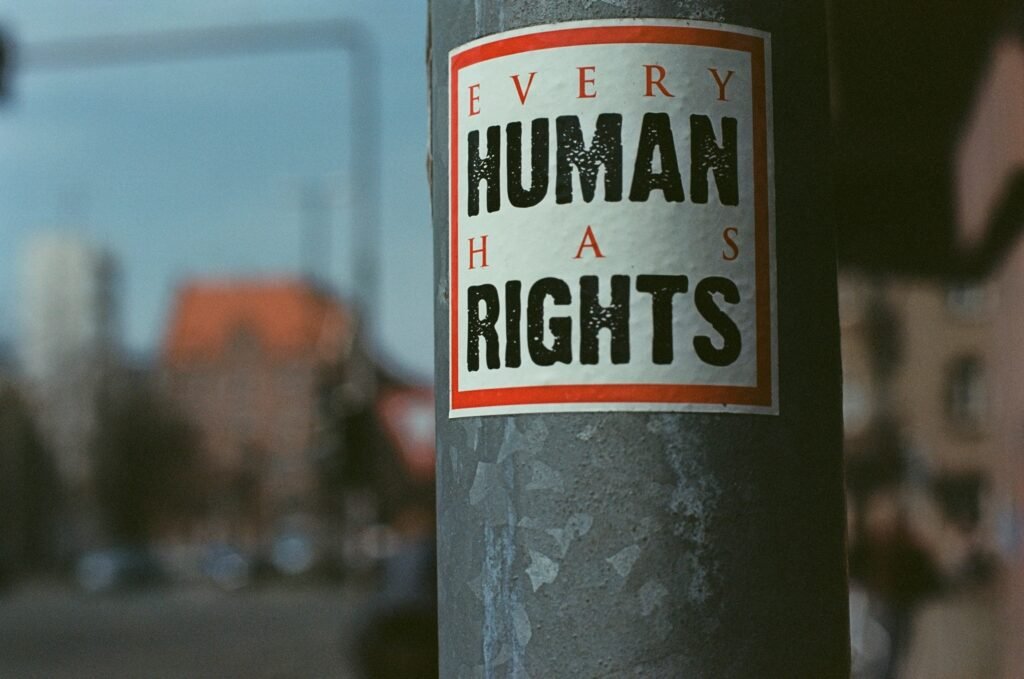
Movies alone won’t end racism, but they can sharpen our language, expand our empathy, and expose how power really moves.
In a time when many people insist “things are better now,” films that honestly show the gap between that claim and lived reality are not just entertainment—they’re evidence.