Business
Building a 10 Million Army: One Leader’s Mission to Save Tomorrow

Sustainability is often spoken about as if it belongs only to scientists, policy experts, or environmental activists. On the Roselyn Omaka Show, Otto Cannon makes the case that it belongs to everyone. His message is both urgent and deeply human: sustainability is not just about the environment, but about creating a world where people, planet, and profit exist in balance.
Cannon’s mission is striking in its scale. He wants to build what he calls a global army of 10 million sustainability leaders—people across industries and communities who choose to think beyond short-term gains and take responsibility for the future they are helping shape.
My biggest mission is to raise a 10 million global army of sustainability leaders.
Otto’s understanding of this work did not begin in a conference room. It began in childhood, shaped by a father who taught him to see the world’s problems as personal assignments. That early influence instilled in him the belief that real leadership means stepping forward, identifying what is broken, and dedicating yourself to fixing it.

That mindset later became deeply personal. In one of the interview’s most emotional moments, Cannon shares how the death of his dog after swallowing a plastic bottle cap changed his life. What might have seemed like an isolated tragedy became, for him, a doorway into a much larger truth: waste is never just waste when it destroys ecosystems, harms wildlife, and threatens the future.
Instead of turning away, he turned pain into action. Through his work, he helped build a recycling company that processed over 10,000 tons of plastic and supported tree-planting efforts that have already reached more than 500,000 trees. His story reflects the broader idea of sustainability leadership, which is commonly framed as the integration of environmental, social, and economic responsibility into real-world decision-making.
What makes Cannon’s perspective especially compelling is the way he challenges common misconceptions. He argues that sustainability is too often boxed into environmental language alone, when in reality it applies to every sector—fashion, construction, energy, transportation, manufacturing, and beyond. This broader understanding aligns with current sustainability leadership thinking, which emphasizes systems, collaboration, and long-term value creation across sectors.
Profit should never come at the expense of people or the planet.
That belief is central to everything Cannon describes. For him, sustainability is not anti-business. It is about designing business, innovation, and progress in a way that does not leave harm behind for future generations. A solution that helps today but creates a deeper problem tomorrow, he argues, is not truly a solution at all.

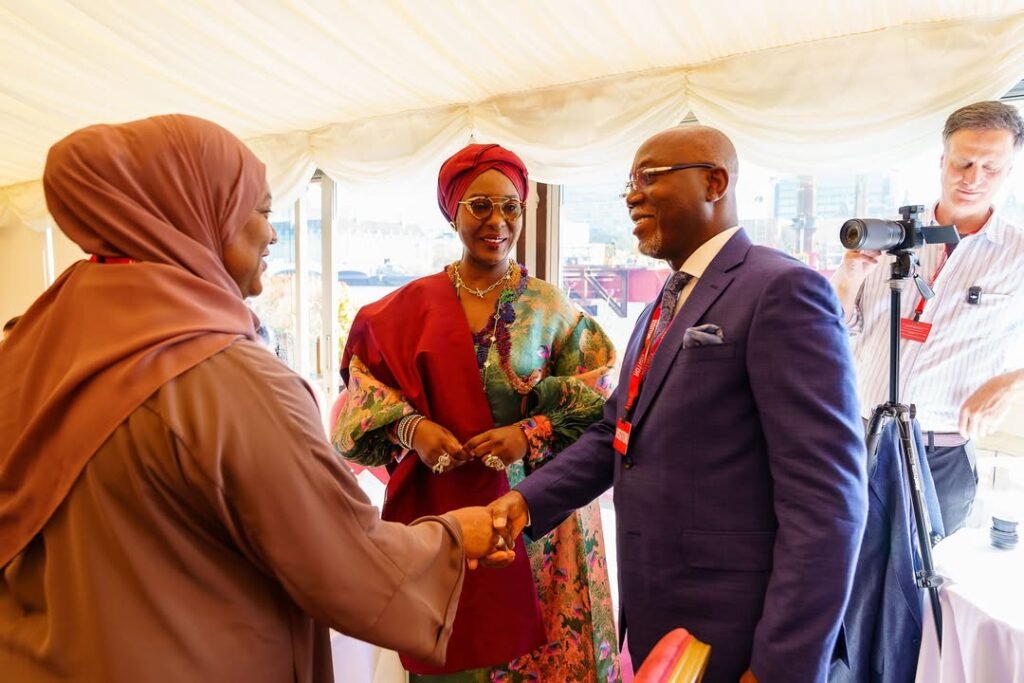
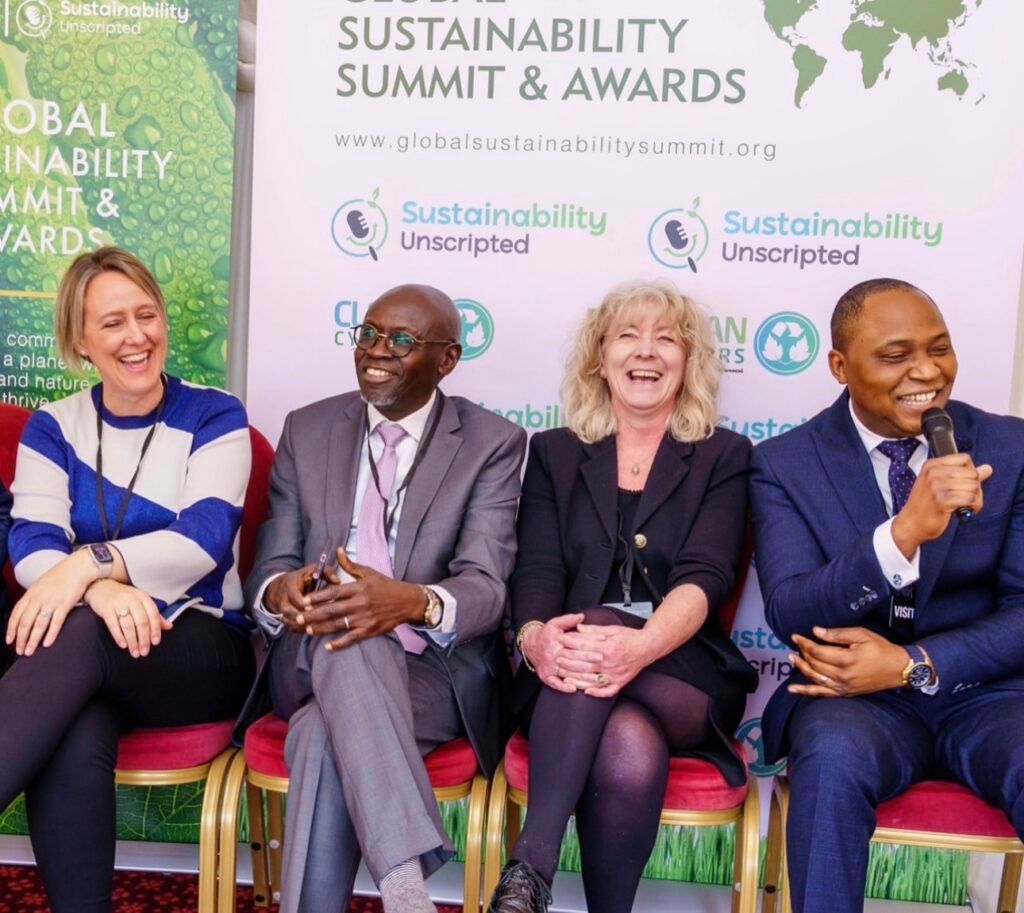
This is also the thinking behind the Global Sustainability Summit and Awards in London, where Cannon brings together leaders from government, business, and civil society to share ideas, showcase innovation, and inspire action. Cross-sector collaboration is widely recognized as a core part of effective sustainability work, especially when the goal is cultural and systemic change rather than isolated projects.
The power of Cannon’s message lies in its accessibility. He is not calling only on policymakers or executives. He is speaking to creators, founders, farmers, designers, builders, and everyday professionals—anyone who has influence over materials, waste, systems, sourcing, or the choices that shape modern life.
By the end of the conversation, one image lingers: the idea that one person is a drop of water, but many drops together can become a wave. That is the future Otto Cannon is working toward—not a movement powered by one voice, but one built by millions who decide that sustainability is not optional, but necessary.