Film Industry
Actors Win AI Deal – But Your Face Is Still Training the Machine

SAG-AFTRA’s new rules on digital replicas are being framed as a major win for performers. But while actors gained stronger rights around consent and compensation, the bigger fight over AI training data is still far from settled.
May 20, 2026 · 3 min read
The headline win
In Hollywood, the latest SAG-AFTRA agreements are being described as “historic” because they finally force studios to be more explicit about how artificial intelligence can be used in connection with a performer’s work. Actors now have stronger protections around consent, compensation, and transparency when producers want to create a “digital replica” of their face, body, or voice.

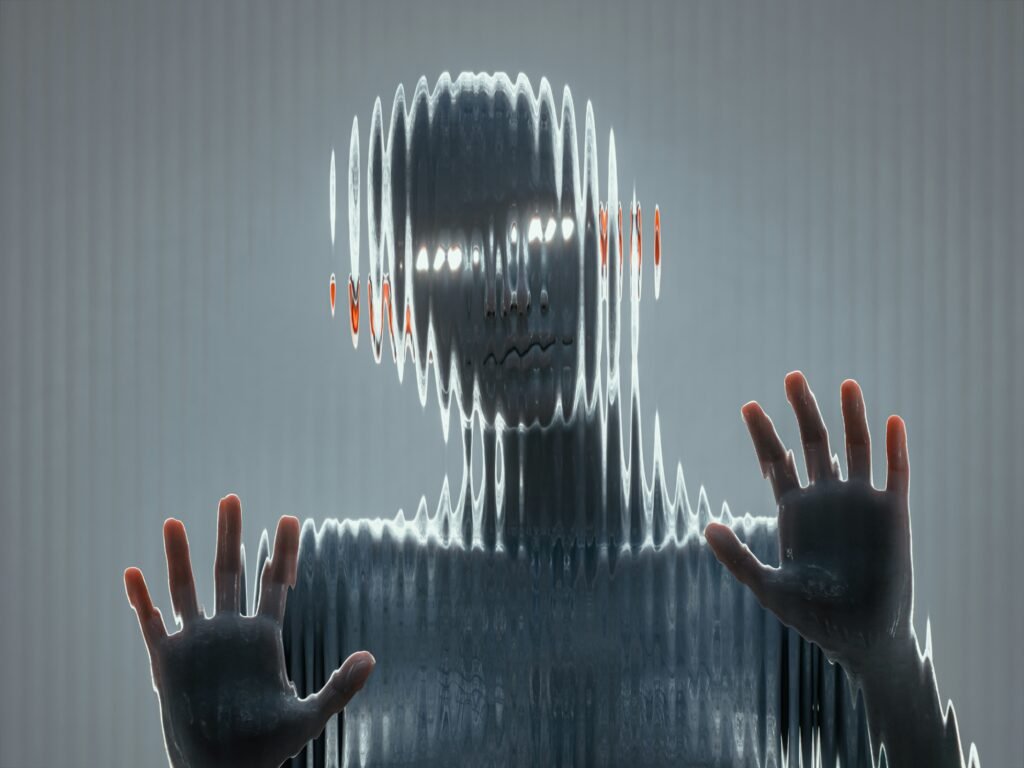
That is not a small shift. For years, performers feared being scanned once and reused indefinitely, sometimes under vague contract language they had little power to negotiate. These new guardrails move AI out of the fine print and into the center of the conversation.
Where the loophole is
The problem is that most of these protections are built around the use of digital replicas, not the broader issue of training data. In other words, a contract may now be clearer about when a studio can create an AI version of you, while still saying much less about whether your performance can be analyzed, stored, and used to teach AI systems how to generate human-like acting in the future.

That distinction matters. A performer can be protected from one obvious form of replacement while still contributing to the system that may eventually replace them. The AI may not legally “be” you without permission, but it can still learn from you.
Why performers are worried
What actors bring to the screen is not just a face or a voice. It is timing, micro-expressions, emotional instinct, and a set of creative choices developed over years of work. Those are exactly the kinds of patterns modern AI systems are designed to absorb when they are trained on large collections of audio and visual material.

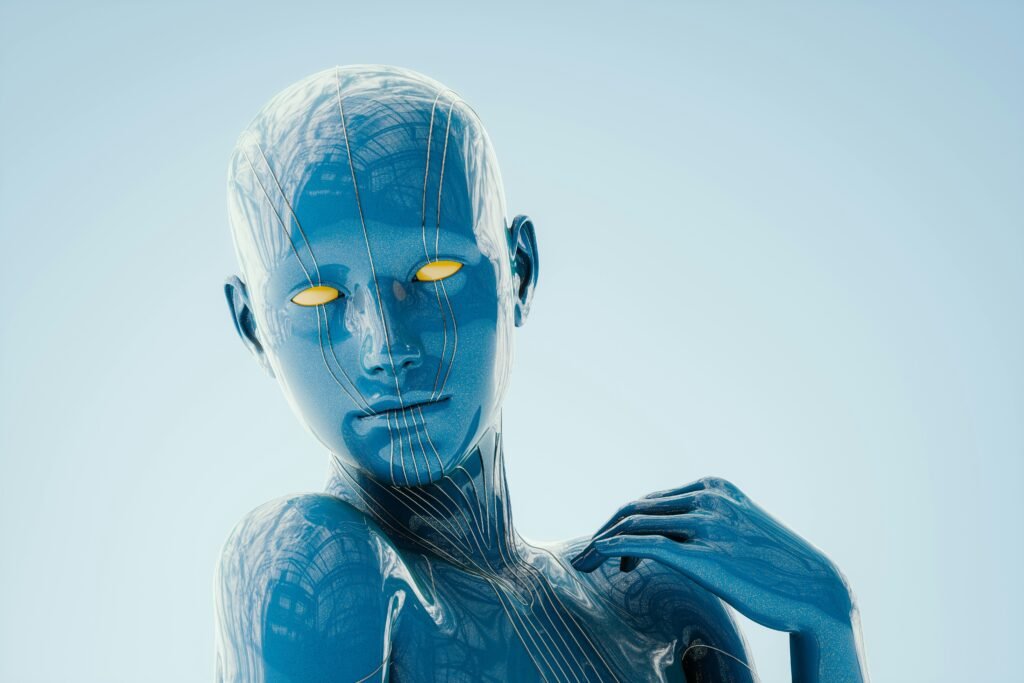
That is why many performers see the current moment as both a win and a warning. Yes, the industry has finally acknowledged that digital cloning needs boundaries. But until contracts and laws deal directly with AI training data, the protections remain incomplete.
What happens next
The legal system is still catching up. Existing copyright rules were not built for a world where a machine can study style, likeness, and performance at scale without copying a single clip in a way that is easy to challenge. Some new laws are beginning to address deepfakes, publicity rights, and consent-based standards, but the framework is still uneven.
For now, the burden remains on performers to read every AI clause carefully, question any language involving scans or reuse, and push for specific limits on how their work can be used beyond the immediate project. The contracts may have moved the line, but they have not ended the fight.
The real issue is no longer just whether AI can copy you. It is whether it can study you long enough to build something that competes with you.
In that sense, this is the contradiction at the center of the AI era in entertainment: actors may have won important new protections, but their faces, voices, and performances are still helping train the machine.