News
The Hemp Village’s Inaugural Brunch: A Celebration of Resilience and Community Spirit

Houston, TX – The Hemp Village, powered by The Doing Far More Foundation, hosted its inaugural Brunch on October 12th, marking a significant milestone in the organization’s journey. The event, held at Eyeconic Studios, was a resounding success, bringing together Houston’s influential leaders and change-makers to celebrate life, hope, and resilience.

Credit: Saige Alvardo @cultured.pov from Cultured Pointe of View
A Tribute to Triumph
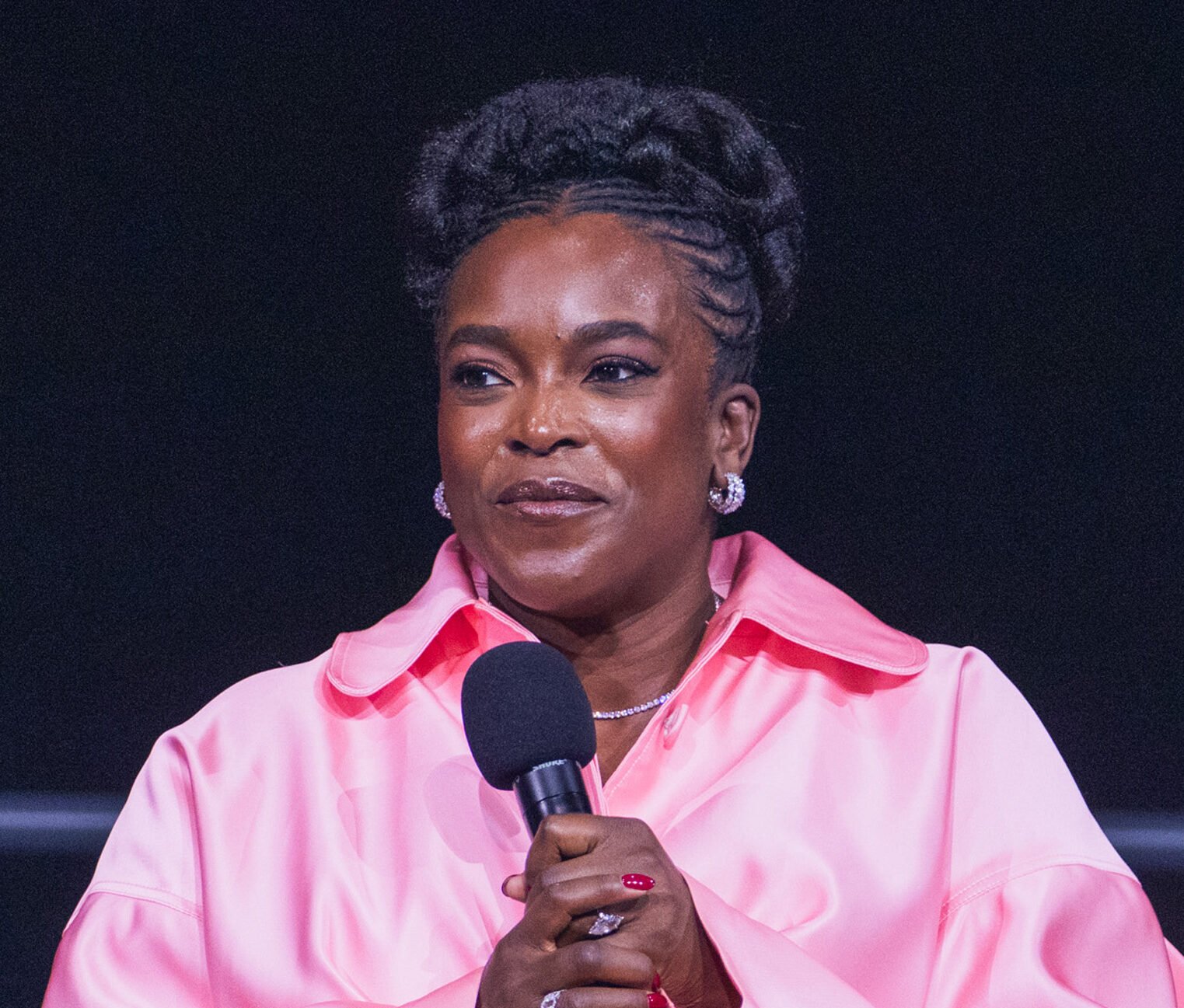
The highlight of the brunch was the emotional Ring My Bell Ceremony, commemorating Mrs. Donna Marshall-Payne’s one-year cancer-free milestone and her 55th birthday. Donna, a triple-negative breast cancer survivor and founder of The Doing Far More Foundation, stood surrounded by her family as she shared her inspiring journey.
Credit: Saige Alvardo @cultured.pov from Cultured Pointe of View

Credit: Saige Alvardo @cultured.pov from Cultured Pointe of View
Inspirational Voices
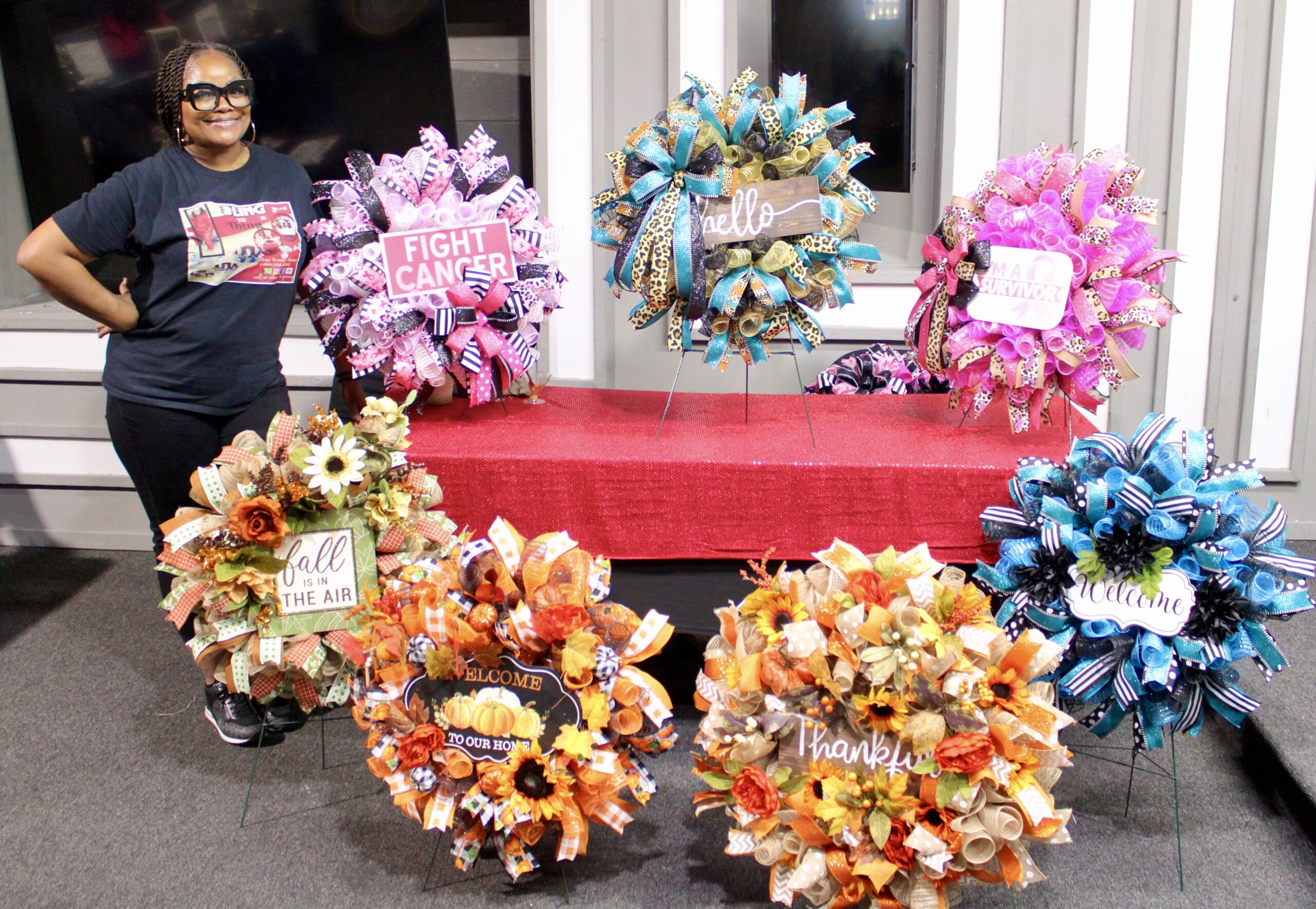
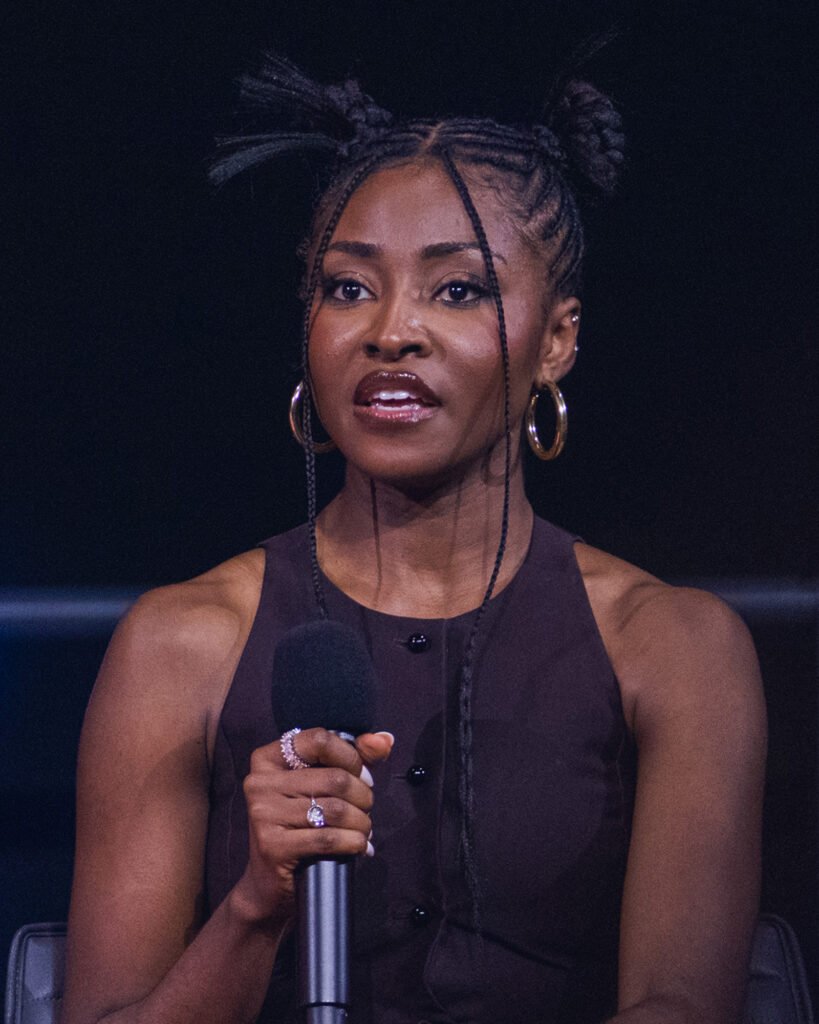
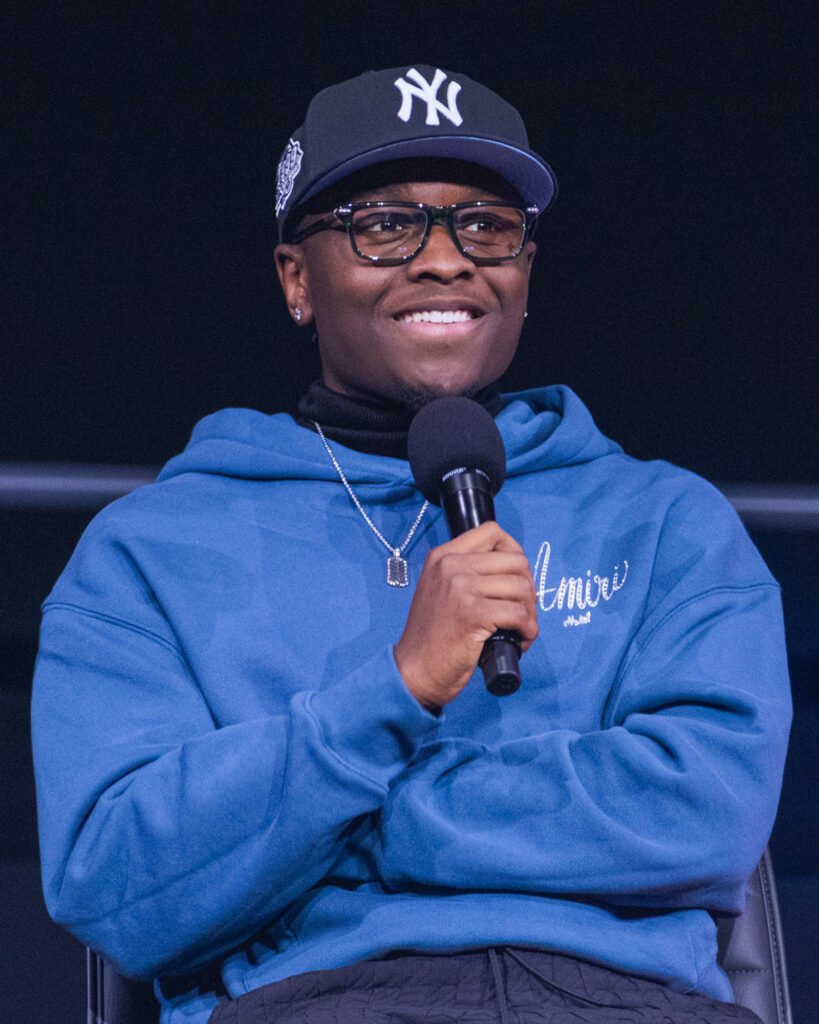
Notable speakers, including Martel B. Matthews of Black Wall Street, Roselyn Omaka of Bolanle Media, and Ronnetta Swain from Swain Girl Tee delivered powerful testimonies. They highlighted Donna’s unwavering commitment to helping others, even during her own battle with cancer. Avys Reeves from the Bling Yo Thing surprised a special family battling cancer with a beautiful wreath, symbolizing support and hope in their journey.

Credit: Saige Alvardo @cultured.pov from Cultured Pointe of View
Gourmet Experience and Entertainment
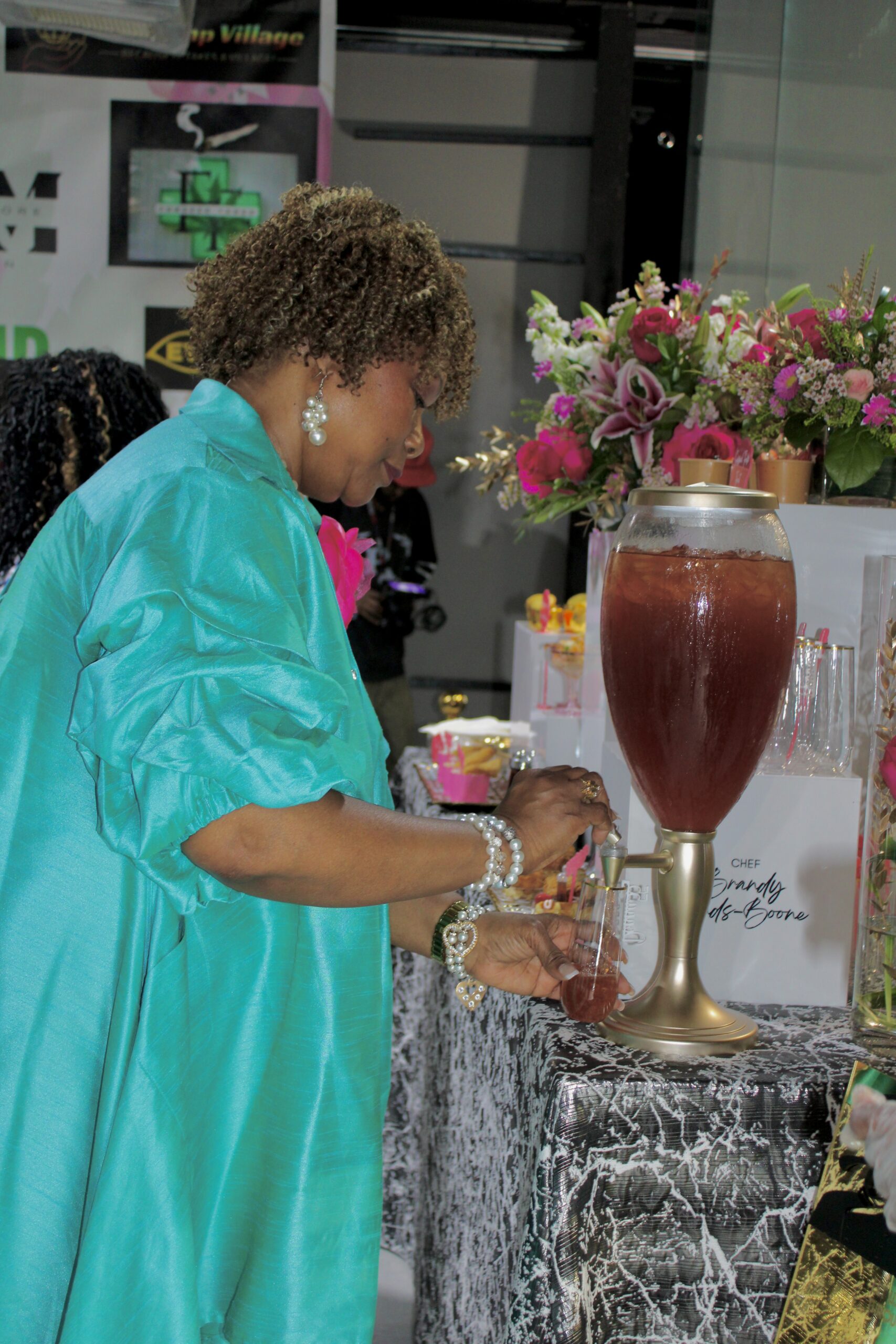
Attendees indulged in a gourmet experience featuring culinary creations by Chef Brandy from Consuela’s Kitchen, paired with signature cocktails crafted by Houston’s best. The atmosphere was elevated by a live phenomenal DJ, keeping the energy vibrant throughout the event.
Credit: Saige Alvardo @cultured.pov from Cultured Pointe of View
Wellness and Pampering
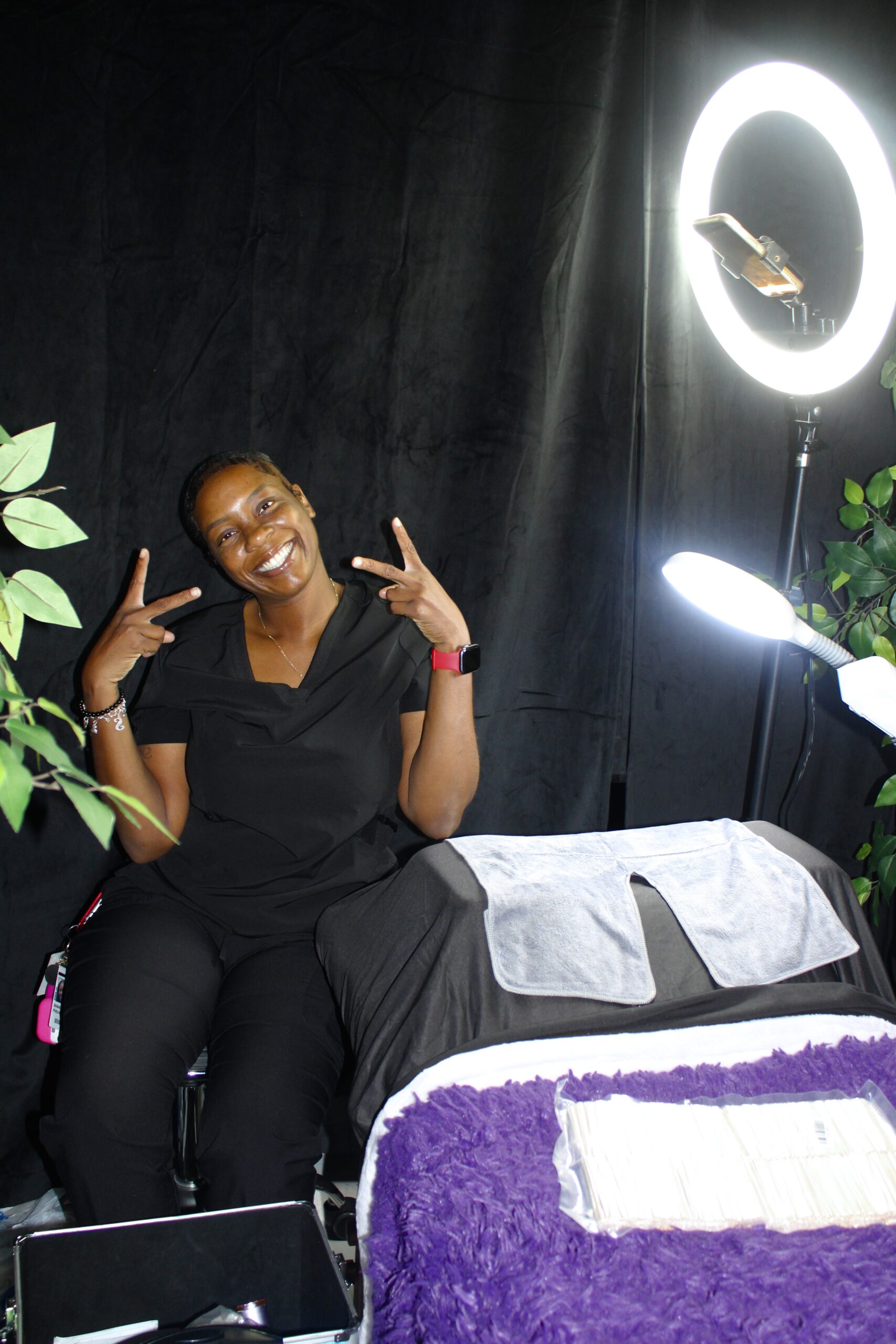
In addition to the culinary experience, guests were treated to personal massages and steamed facials, adding an element of relaxation and self-care to the celebratory atmosphere.

Credit: Saige Alvardo @cultured.pov from Cultured Pointe of View
Community Support and Generosity
The event featured a surprise raffle with impressive prizes, including vacations to Hawaii and Las Vegas. In a heartwarming gesture, The Doing Far More Foundation presented monetary gifts to families affected by cancer, acknowledging the often-overlooked financial burdens faced by caregivers.

Credit: Saige Alvardo @cultured.pov from Cultured Pointe of View
A Movement for Change
This inaugural brunch signifies the beginning of a broader movement aimed at redefining how families approach mortality and celebrate life’s triumphs. With The Doing Far More Foundation at its core, this initiative promises to bring lasting change to Houston and beyond.
Credit: Saige Alvardo @cultured.pov from Cultured Pointe of View
Mrs. Donna Marshall-Payne’s vision for The Doing Far Foundation extends beyond a single event. It represents a commitment to empowering others and fostering a community united in hope and support. As she aptly stated, “This event is more than just a celebration – it’s a testament to the power of community and the human spirit.” “This event is about empowering stories of triumph and success.
The success of this inaugural brunch sets a promising precedent for future events, solidifying The Doing Far More Foundation role in Houston’s philanthropic landscape and its dedication to making a meaningful difference in the lives of those affected by cancer.
Follow and Keep Up with The Doing Far More Foundation on Facebook Here

Credit: Saige Alvardo @cultured.pov from Cultured Pointe of View
Stay connected with Donna, the heart behind The Hemp Village!
Follow her on social media for:
Inspiring stories
Behind-the-scenes insights
Community updates
Personal reflections
The Hemp Village- Because it takes a village
https://www.facebook.com/thehempvillage1/?_rdr
https://www.instagram.com/thehempvillage1/










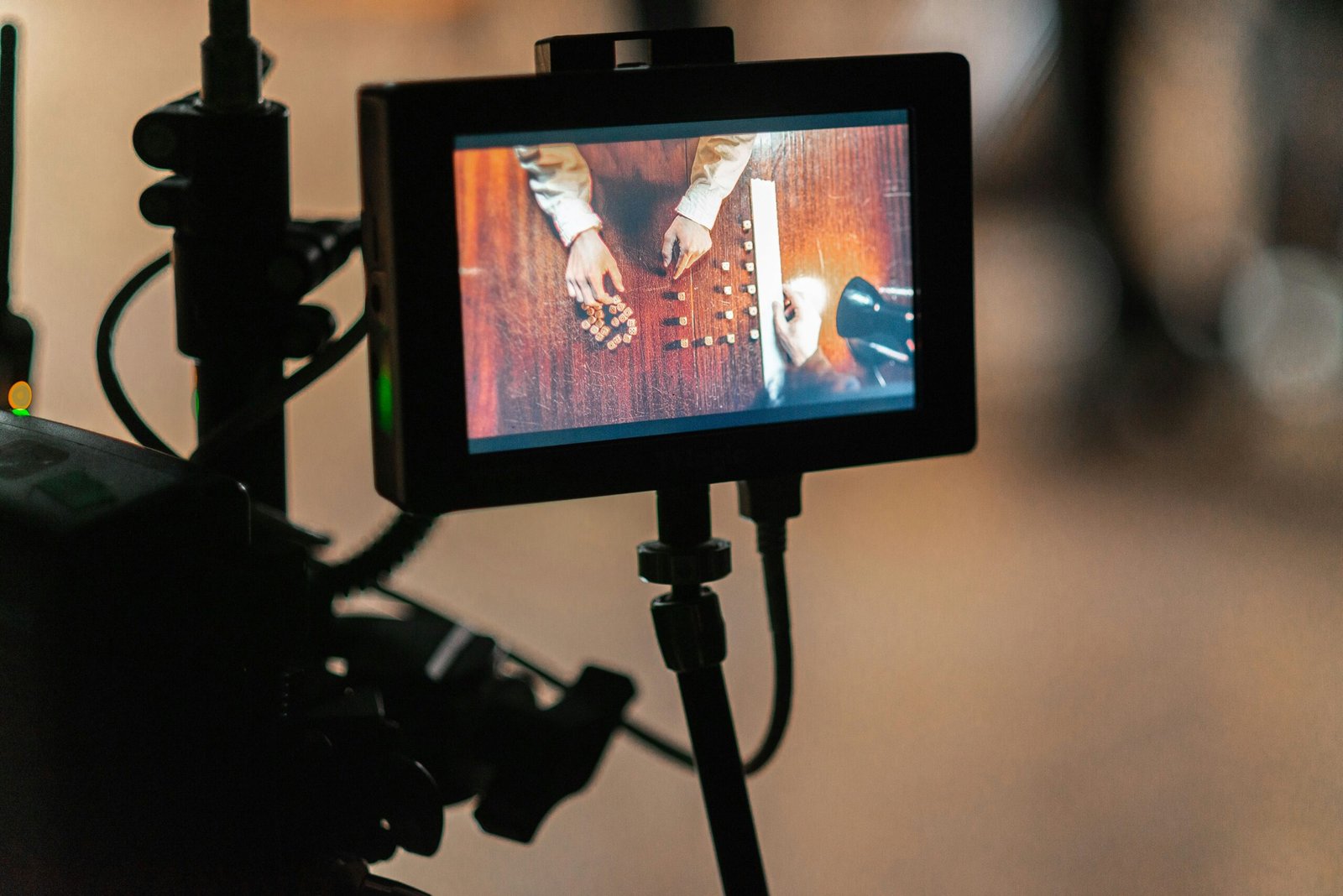
The gatekeepers didn’t just open the door. They left the building.
For decades, filmmakers were told the same story: get the right agent, land the right festival, sign with the right distributor. But in 2026, that story is officially over — and the filmmakers who haven’t gotten the memo are the ones still struggling.

The Old Playbook Is Dead
Streamer acquisitions at Sundance, TIFF, and Cannes have slowed dramatically. The era of premiering your indie film and getting scooped up by Netflix or A24 is no longer a reliable strategy. Buyers are still at festivals — but they’re fewer, more selective, and harder to reach. What that means for you: a festival is now a marketing machine and a career pipeline, not a sales event.
The filmmakers who are winning right now have accepted one uncomfortable truth: the burden of keeping your film alive falls on you. That’s not a threat — it’s the greatest creative freedom this industry has ever offered.
You Already Have Everything You Need
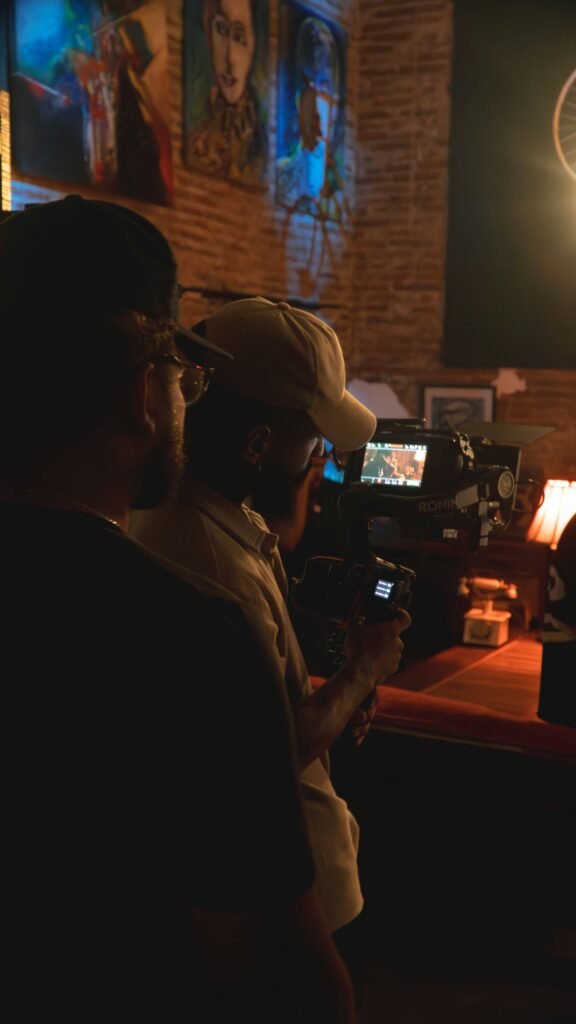
Here’s what Netflix didn’t want you to know: you have more production power in your pocket than Scorsese had in his first decade. A phone. Editing software. AI tools that cost less than your monthly coffee budget. Runway, Higgsfield, ElevenLabs, and Sora are no longer “experimental toys” — they’re production tools being used on actual sets right now.
AI won’t replace your voice. But it will replace the filmmaker who refuses to evolve. Use it for script breakdowns, VFX, dubbing for global distribution, and post-production workflows. The filmmakers leveraging these tools are cutting costs and moving faster than anyone expected.
Your Audience Is Your Distribution Deal
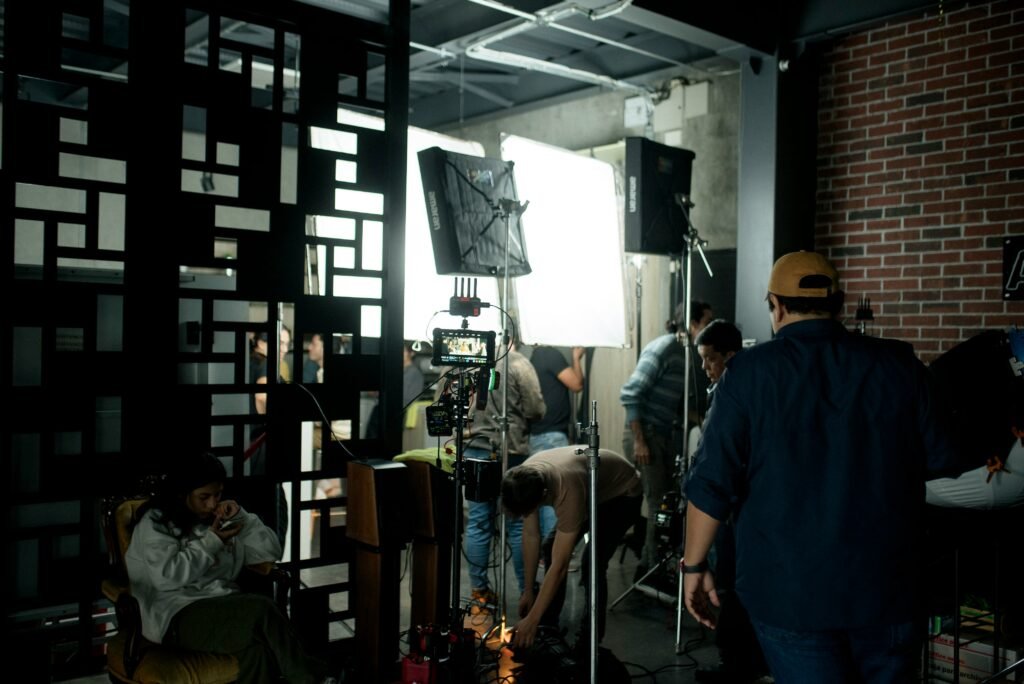
The new model is simple: build your audience before you need them. Document your process. Post weekly. Your personal brand is now your most important asset — more valuable than any distribution agreement you could sign. Platforms like Filmhub, Vimeo On Demand, and Gumroad let you sell directly to fans and keep your rights intact.
Direct-to-audience events — roadshow screenings, pop-up premieres, immersive experiences — are becoming a core release strategy in 2026. You don’t need a theater chain. You need fifty cities and a ticket link.
The One Rule That Changes Everything
Make one complete film every week. Twenty-four hours to think. Twenty-four hours to shoot. The rest of the week to edit and post. Not because every film will be great — but because the filmmaker who ships beats the filmmaker who perfects every single time.
In 2026, a filmmaker with deep trust in a niche audience has a more reliable platform than a studio trying to win the general market. Stop chasing scale. Build something real. The rules didn’t just change — they changed for you.
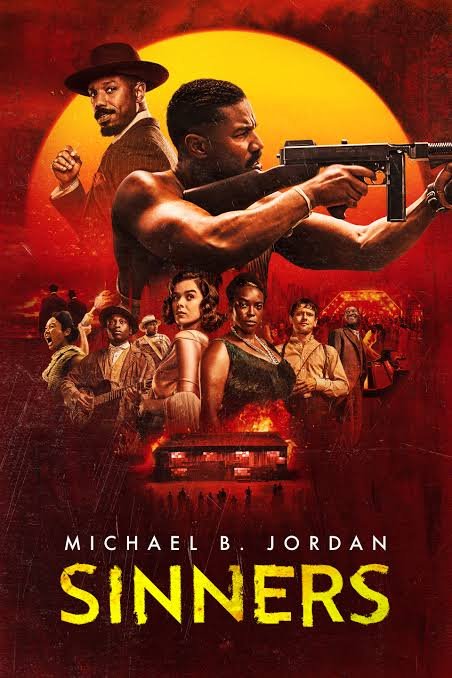
Sinners didn’t just have a good night at the Oscars — it showed filmmakers exactly how a modern, auteur‑driven film can punch all the way to the top. For directors, writers, and DPs, this movie is less a miracle and more a manual.

1. Build a long‑term creative squad
Michael B. Jordan and Ryan Coogler arrived at Sinners with a decade of trust already banked — from Fruitvale Station to Creed to Black Panther. That history meant they could move fast, argue honestly, and take big risks without losing each other.
Jordan has talked about how working with Coogler over the years has allowed him to stretch. In spirit, he’s saying: “I know who’s behind the camera, so I can go further in front of it.”
Filmmaker note:
Stop searching for “perfect” new collaborators every project. Identify 1–2 people (writer, DP, editor, producer) whose instincts align with yours and commit to building a run together. The relationship is the asset.
2. Use genre to say something real
On the surface, Sinners works as a tense thriller / horror movie. Underneath, it’s wrestling with race, power, grief, and resistance. It proves you don’t have to choose between crowd‑pleasing genre and awards‑level substance.
The film feels like it’s whispering: “Come for the suspense, stay for the truth.”
Filmmaker note:
Ask of your current script: If I stripped away the genre skin, what is this really about? You should be able to answer in one sentence. If you can’t, sharpen the theme before you touch the shot list.
3. Let cinematography carry the emotion
The way Sinners is shot — the night exteriors, the way faces are half‑lit in tight spaces, the protest chaos — isn’t just pretty. It’s emotional architecture. The camera makes you feel watched, trapped, and, in key moments, electrified.
You can almost hear the visual strategy saying: “Our lens choice will tell you how safe you are.”
Filmmaker note:
Before you shoot, choose one emotional word for your film (for example, trapped, exposed, haunted). Share it with your DP and design framing, movement, and lighting around that word so the audience feels it without a line of dialogue.

MICHAEL B. JORDAN
4. Cast for depth, not just profile
Yes, Michael B. Jordan anchors the film. But Sinners also surrounds him with actors who can carry an entire backstory in a look. Christian Robinson’s now‑famous “let me in” door scene is a perfect case: a supporting role that becomes a cultural flashpoint because the actor is doing layered, lived‑in work.
When Christian talks about that moment, he describes Coogler’s note: “Bang on that door as if your life depended on it. Like it’s a matter of life and death.” He layered that with his own intention: “How hard would our ancestors bang? How loud would they scream to get to safety?”
That’s why the scene feels like history, not just hysteria.
Filmmaker note:
Treat every so‑called “small role” like it could become the scene people quote for years. In auditions, look less for perfect line readings and more for actors who bring specific life experience and imagination to the moment.
5. Make the ecosystem part of the film
Everything around the picture — score, sound, costume, production design, even press conversations — feels aligned. The music doesn’t just decorate; it deepens. The clothing and locations don’t just look cool; they root the story in a world that feels lived‑in and spiritual.
The collaborative energy behind Sinners seems to say: “Every department tells the story, or it doesn’t belong.”
Filmmaker note:
Hold at least one “world meeting” where all key collaborators (DP, production designer, costume, sound, composer, editor) walk through the story together. Don’t talk about shots; talk about the world. Ask, “What are we all saying together?” and let that guide your choices.
6. Treat wins as responsibility, not a finish line
In post‑Oscar interviews, the tone from the Sinners team isn’t victory‑lap energy; it’s stewardship. The message between the lines is: “This means the bar is higher now — for us and for what’s possible for others.”
That attitude keeps success from turning into comfort.
Filmmaker note:
Whatever your current “win” is — a festival laurel, a grant, a viral short, a shout‑out from someone you admire — treat it as your new baseline, not your peak. Write down one way you’ll raise your standard on the next project because of this moment.
Sinners winning at the Oscars is inspiring, but it’s also practical. Behind the gold statues are choices any focused filmmaker can start making now: build your squad, sharpen your theme, design emotional images, cast for depth, and treat every small victory as a reason to level up.

Every filmmaker aspires to create projects that are not only memorable but also uniquely their own. Finding your creative voice is a journey that requires self-reflection, bold choices, and an unwavering commitment to your vision. Here’s how to uncover your style, take risks, and craft original work that stands out.
1. Discovering Your Voice: Understanding Your Influences
Your unique voice begins with recognizing what inspires you.
- Step 1: Reflect on the themes, genres, or emotions that consistently draw your interest. Are you inspired by human resilience, surreal worlds, or untold histories?
- Step 2: Study the work of filmmakers you admire. Analyze what resonates with you—their use of color, pacing, or narrative techniques.
Tip: Combine what you love with your personal experiences to create a lens that only you can offer.
Example: Wes Anderson’s whimsical, symmetrical worlds stem from his love of classic storytelling and his unique visual style.

Takeaway: Start with what moves you, then add your personal touch.
2. Taking Creative Risks: Experiment and Evolve
To stand out, you must be willing to challenge conventions and explore new territory.
- Experimentation: Try unusual storytelling structures, such as non-linear timelines or silent sequences.
- Collaboration: Work with people outside your usual circle to gain fresh perspectives.
- Feedback: Screen your projects for trusted peers and be open to constructive criticism.
Example: Jordan Peele blended horror with social commentary in Get Out, creating a genre-defying film that captivated audiences.
Takeaway: Risks are an opportunity for growth, even if they don’t always succeed.
3. Telling Original Stories: Start with Authenticity
Original projects resonate when they stem from a place of truth.
- Draw from Experience: Incorporate elements of your own life, culture, or worldview into your stories.
- Explore the “Why”: Ask yourself why this story matters to you and how it connects with your audience.
- Avoid Trends: Focus on timeless narratives rather than chasing current fads.
Example: Greta Gerwig’s Lady Bird was deeply personal, based on her experiences growing up in Sacramento. The film’s authenticity made it universally relatable.
Takeaway: The more personal the story, the more it resonates.
4. Developing Your Style: Consistency Meets Creativity
Style is not just about visuals—it’s how you tell a story across all elements of filmmaking.
- Visual Language: Experiment with colors, lighting, and framing to create a distinct aesthetic.
- Narrative Voice: Develop consistent themes or motifs across your projects.
- Sound Design: Use music, sound effects, and silence to evoke specific emotions.
Example: Quentin Tarantino’s use of dialogue, pop culture references, and bold music choices makes his work instantly recognizable.
Takeaway: Your style should be intentional, evolving as you grow but always recognizable as yours.
5. Staying True to Yourself: Building Confidence in Your Vision
The filmmaking process is full of challenges, but staying true to your voice is essential.
- Stay Authentic: Trust your instincts, even if your ideas seem unconventional.
- Adapt Without Compromise: Be open to feedback but maintain your core vision.
- Celebrate Your Growth: View every project, successful or not, as a stepping stone in your creative journey.
Example: Ava DuVernay shifted from public relations to filmmaking, staying true to her voice in films like Selma and 13th, which focus on social justice.
Takeaway: Your voice evolves with every project, so embrace the process.
Conclusion: From Idea to Screen, Your Voice is Your Superpower
Finding your voice as a filmmaker takes time, courage, and commitment. By exploring your influences, taking risks, and staying true to your perspective, you’ll craft stories that not only stand out but also resonate deeply with your audience.
Bolanle Media is excited to announce our partnership with The Newbie Film Academy to offer comprehensive courses designed specifically for aspiring screenwriters. Whether you’re just starting out or looking to enhance your skills, our resources will provide you with the tools and knowledge needed to succeed in the competitive world of screenwriting. Join us today to unlock your creative potential and take your first steps toward crafting compelling stories that resonate with audiences. Let’s turn your ideas into impactful scripts together!

Stop Waiting for Permission — The Film Industry Just Rewrote the Rules

How ‘Sinners’ Won The Oscars: Filmmaker Notes

This scene almost broke him. And changed his career.


 Advice4 weeks ago
How to Make Your Indie Film Pay Off Without Losing Half to Distributors
- Advice1 week ago
How to Find Your Voice as a Filmmaker
- Film Industry4 weeks ago
Why Burnt-Out Filmmakers Need to Unplug Right Now
- News4 weeks ago
Harlem’s Hottest Ticket: Ladawn Mechelle Taylor Live
- News1 week ago
How Misinformation Overload Breaks Creative Focus
- Entertainment4 weeks ago
When “Professional” Means Silent
- News2 weeks ago
From Seen to Secured: How Filmmakers Are Owning Their Value
- Film Industry3 weeks ago
Dr. Ric Mathis Turns a Film Screening Into a Lifesaving Movement With Heartbeat