Entertainment
Sister Wives’ Kody Says He’s ‘Glad’ He and Meri ‘Didn’t Have More Children’ on December 25, 2023 at 4:01 am Us Weekly

YouTube
Exes Kody Brown and Meri Brown reflected on their fertility issues — and pregnancy struggle — while looking back at past Sister Wives episodes.
“Retrospectively, I’m really glad we didn’t have more children,” Kody, 54, revealed on the Sunday, December 24, episode of the Sister Wives Special: Look Back, Where We Started. “It wouldn’t have been good for the child because Meri and I weren’t healthy then.”
During Sunday’s episode, Kody and Meri, 52, watched clips from 2012 in which they were optimistic about doing invitro fertilization (IVF) in hopes of expanding their family. The pair previously welcomed their only child, Leon, in July 1995.
“It just freaks me out to go through that again. I want to have another baby. I would love that,” Meri said in the throwback episode. Kody was also on board with the idea at the time, saying, “When we’re dying when we’re 110, we’ll look back and we’ll be glad we did the IVF.”
The former couple, who announced their split in January after more than 30 years together, then watched a clip from 2013. Within that year, they had changed their tune about having more kids — or at least Kody had.
YouTube
When Meri asked, “Do you want to have another baby with me or do you not?” Kody confessed, “I would do it if it just happened.” He noted that “because of the stakes, I’m not burning in my gut to do it.” At this point, the pair had suffered a miscarriage in the mid-2000s after trying for more than a decade.
“During that time, it was more realization that our marriage is not really healthy,” Kody explained while looking back at the two moments.
Meri had a similar recollection of that period, telling the cameras, “Kody and I were in a slightly tumultuous time.” Despite their ups and downs romantically, Meri shared, “I really wanted to have more than just one,” noting that it took her and Kody five years to have Leon.
Over the years, Meri has spoken out about her fertility issues. In May, she shared an emotional message about her past miscarriage, which happened before she and Kody talked about another round of IVF in the aforementioned clips.
“Today was a travel day for me, and as I was driving through this town tonight, I saw a group of three teenage-looking boys, maybe 15 or 16 years old, walking down the street, hands in pockets, chit chatting away, and I just had to smile and almost sort of giggle to myself,” Meri wrote via Instagram at the time. “It was a fun, and even bittersweet, moment for me, realizing that had my baby survived, he might be engaging in that same sort of teenaged banter, and having those same sort of memorable teenaged moments.”
While Meri wasn’t sure whether she was expecting a son before the miscarriage, she said her “gut” told her it was a boy. “He’d be 15 now, and I often wonder what life would be like with him here,” she continued. “There’s often a lot of sorrow and pain surrounding that loss, but having that moment of joy today, seeing those boys happy and alive, was healing in a way for me.”
Part 2 of the Sister Wives Special: Look Back, Where We Started airs on TLC Sunday, December 31, at 10 p.m. ET.
YouTube Exes Kody Brown and Meri Brown reflected on their fertility issues — and pregnancy struggle — while looking back at past Sister Wives episodes. “Retrospectively, I’m really glad we didn’t have more children,” Kody, 54, revealed on the Sunday, December 24, episode of the Sister Wives Special: Look Back, Where We Started. “It wouldn’t
Us Weekly Read More


Continue Reading

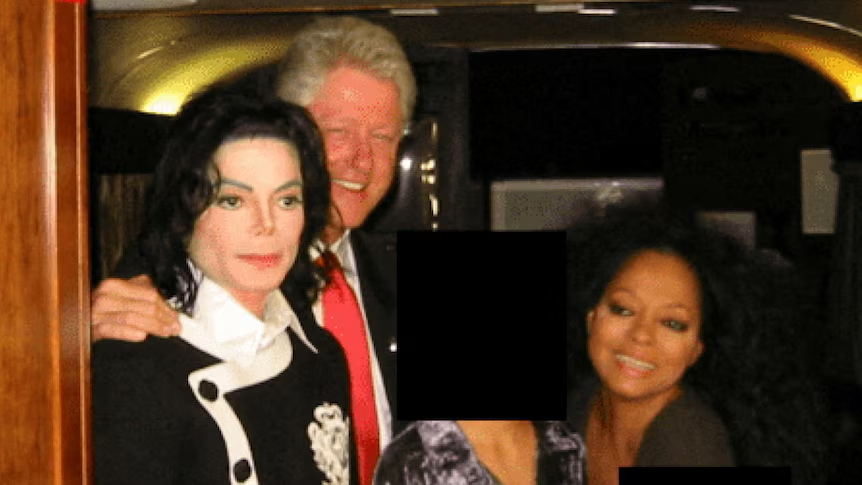
Jeffrey Epstein’s money did more than buy private jets and legal leverage. It flowed into the same ecosystem that decides which artists get pushed to the front, which research gets labeled “cutting edge,” and which stories about race and power are treated as respectable debate instead of hate speech. That doesn’t mean he sat in a control room programming playlists. It means his worldview seeped into institutions that already shape what we hear, see, and believe.
The Gatekeepers and Their Stains
The fallout around Casey Wasserman is a vivid example of how this works. Wasserman built a powerhouse talent and marketing agency that controls a major slice of sports, entertainment, and the global touring business. When the Epstein files revealed friendly, flirtatious exchanges between Wasserman and Ghislaine Maxwell, and documented his ties to Epstein’s circle, artists and staff began to question whose money and relationships were quietly underwriting their careers.
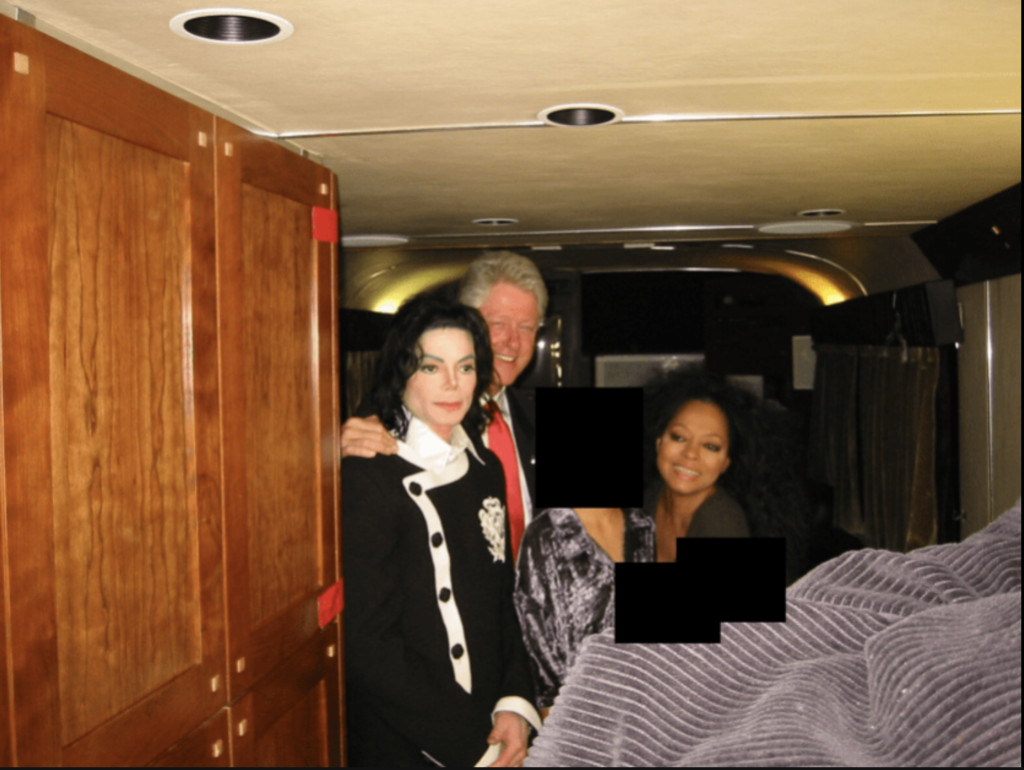
That doesn’t prove Epstein “created” any particular star. But it shows that a man deeply entangled with Epstein was sitting at a choke point: deciding which artists get representation, which tours get resources, which festivals and campaigns happen. In an industry built on access and favor, proximity to someone like Epstein is not just gossip; it signals which values are tolerated at the top.
When a gatekeeper with that history sits between artists and the public, “the industry” stops being an abstract machine and starts looking like a web of human choices — choices that, for years, were made in rooms where Epstein’s name wasn’t considered a disqualifier.
Funding Brains, Not Just Brands
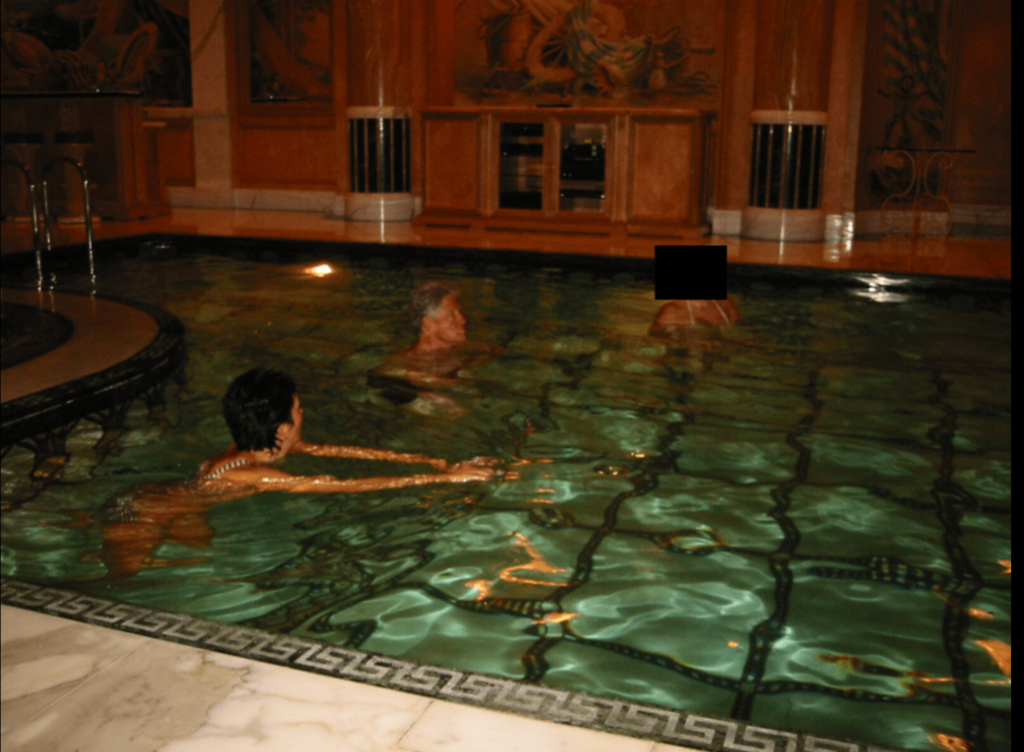
Epstein’s interest in culture didn’t end with celebrity selfies. He was obsessed with the science of brains, intelligence, and behavior — and that’s where his money begins to overlap with how audiences are modeled and, eventually, how algorithms are trained.
He cultivated relationships with scientists at elite universities and funded research into genomics, cognition, and brain development. In one high‑profile case, a UCLA professor specializing in music and the brain corresponded with Epstein for years and accepted funding for an institute focused on how music affects neural circuits. On its face, that looks like straightforward philanthropy. Put it next to his email trail and a different pattern appears.
Epstein’s correspondence shows him pushing eugenics and “race science” again and again — arguing that genetic differences explain test score gaps between Black and white people, promoting the idea of editing human beings under the euphemism of “genetic altruism,” and surrounding himself with thinkers who entertained those frames. One researcher in his orbit described Black children as biologically better suited to running and hunting than to abstract thinking.
So you have a financier who is:
- Funding brain and behavior research.
- Deeply invested in ranking human groups by intelligence.
- Embedded in networks that shape both scientific agendas and cultural production.
None of that proves a specific piece of music research turned into a specific Spotify recommendation. But it does show how his ideology was given time, money, and legitimacy in the very spaces that define what counts as serious knowledge about human minds.
How Ideas Leak Into Algorithms
There is another layer that is easier to see: what enters the knowledge base that machines learn from.
Fringe researchers recently misused a large U.S. study of children’s genetics and brain development to publish papers claiming racial hierarchies in IQ and tying Black people’s economic outcomes to supposed genetic deficits. Those papers then showed up as sources in answers from large AI systems when users asked about race and intelligence. Even after mainstream scientists criticized the work, it had already entered both the academic record and the training data of systems that help generate and rank content.
Epstein did not write those specific papers, but he funded the kind of people and projects that keep race‑IQ discourse alive inside elite spaces. Once that thinking is in the mix, recommendation engines and search systems don’t have to be explicitly racist to reproduce it. They simply mirror what’s in their training data and what has been treated as “serious” research.
Zoomed out, the pipeline looks less like a neat conspiracy and more like an ecosystem:
- Wealthy men fund “edgy” work on genes, brains, and behavior.
- Some of that work revives old racist ideas with new data and jargon.
- Those studies get scraped, indexed, and sometimes amplified by AI systems.
- The same platforms host and boost music, video, and news — making decisions shaped by engagement patterns built on biased narratives.
The algorithm deciding what you see next is standing downstream from all of this.
The Celebrity as Smoke Screen
Epstein’s contact lists are full of directors, actors, musicians, authors, and public intellectuals. Many now insist they had no idea what he was doing. Some probably didn’t; others clearly chose not to ask. From Epstein’s perspective, the value of those relationships is obvious.
Being seen in orbit around beloved artists and cultural figures created a reputational firewall. If the public repeatedly saw him photographed with geniuses, Oscar winners, and hit‑makers, their brains filed him under “eccentric patron” rather than “dangerous predator.”
That softens the landing for his ideas, too. Race science sounds less toxic when it’s discussed over dinner at a university‑backed salon or exchanged in emails with a famous thinker.
The more oxygen is spent on the celebrity angle — who flew on which plane, who sat at which dinner — the less attention is left for what may matter more in the long run: the way his money and ideology were welcomed by institutions that shape culture and knowledge.

What to Love, Who to Fear
The point is not to claim that Jeffrey Epstein was secretly programming your TikTok feed or hand‑picking your favorite rapper. The deeper question is what happens when a man with his worldview is allowed to invest in the people and institutions that decide:
- Which artists are “marketable.”
- Which scientific questions are “important.”
- Which studies are “serious” enough to train our machines on.
- Which faces and stories are framed as aspirational — and which as dangerous.
If your media diet feels saturated with certain kinds of Black representation — hyper‑visible in music and sports, under‑represented in positions of uncontested authority — while “objective” science quietly debates Black intelligence, that’s not random drift. It’s the outcome of centuries of narrative work that men like Epstein bought into and helped sustain.
No one can draw a straight, provable line from his bank account to a specific song or recommendation. But the lines he did draw — to elite agencies, to brain and music research, to race‑obsessed science networks — are enough to show this: his money was not only paying for crimes in private. It was also buying him a seat at the tables where culture and knowledge are made, where the stories about who to love and who to fear get quietly agreed upon.
A Challenge to Filmmakers and Creatives
For anyone making culture inside this system, that’s the uncomfortable part: this isn’t just a story about “them.” It’s also a story about you.
Filmmakers, showrunners, musicians, actors, and writers all sit at points where money, narrative, and visibility intersect. You rarely control where the capital ultimately comes from, but you do control what you validate, what you reproduce, and what you challenge.
Questions worth carrying into every room:
- Whose gaze are you serving when you pitch, cast, and cut?
- Which Black characters are being centered — and are they full humans or familiar stereotypes made safe for gatekeepers?
- When someone says a project is “too political,” “too niche,” or “bad for the algorithm,” whose comfort is really being protected?
- Are you treating “the industry” as a neutral force, or as a set of human choices you can push against?
If wealth like Epstein’s can quietly seep into agencies, labs, and institutions that decide what gets made and amplified, then the stories you choose to tell — and refuse to tell — become one of the few levers of resistance inside that machine. You may not control every funding source, but you can decide whether your work reinforces a world where Black people are data points and aesthetics, or one where they are subjects, authors, and owners.
The industry will always have its “gatekeepers.” The open question is whether creatives accept that role as fixed, or start behaving like counter‑programmers: naming the patterns, refusing easy archetypes, and building alternative pathways, platforms, and partnerships wherever possible. In a landscape where money has long been used to decide what to love and who to fear, your choices about whose stories get light are not just artistic decisions. They are acts of power.

That’s the realization hanging over anyone picking up a camera right now. You didn’t sign up to be a forensic analyst of flight logs, sealed documents, or “unverified tips.” You wanted to tell stories. But your audience lives in a world where every new leak, every exposed celebrity, every dead‑end investigation feeds into one blunt conclusion:
Nobody at the top is clean. And nobody in charge is really coming to save us.
If you’re still making films in this moment, the question isn’t whether you’ll respond to that. You already are, whether you intend to or not. The real question is: will your work help people move, or help them go numb?
Your Audience Doesn’t Believe in Grown‑Ups Anymore
Look at the timeline your viewers live in:
- Names tied to Epstein.
- Names tied to trafficking.
- Names tied to abuse, exploitation, coverups.
- Carefully worded statements, high‑priced lawyers, and “no admission of wrongdoing.”
And in between all of that: playlists, memes, awards shows, campaign ads, and glossy biopics about “legends” we now know were monsters to someone.
If you’re under 35, this is your normal. You grew up:
- Watching childhood heroes get exposed one after another.
- Hearing “open secrets” whispered for years before anyone with power pretended to care.
- Seeing survivors discredited, then quietly vindicated when it was too late to matter.
So when the next leak drops and another “icon” is implicated, the shock isn’t that it happened. The shock is how little changes.
This is the psychic landscape your work drops into. People aren’t just asking, “Is this movie good?” They’re asking, often subconsciously: “Does this filmmaker understand the world I’m actually living in, or are they still selling me the old fantasy?”
You’re Not Just Telling Stories. You’re Translating a Crisis of Trust.
You may not want the job, but you have it: you’re a translator in a time when language itself feels rigged.
Politicians put out statements. Corporations put out statements. Studios put out statements. The public has learned to hear those as legal strategies, not moral positions.
You, on the other hand, still have this small window of trust. Not blind trust—your audience is too skeptical for that—but curious trust. They’ll give you 90 minutes, maybe a season, to see if you can make sense of what they’re feeling:
- The rage at systems that protect predators.
- The confusion when people they admired turn out to be complicit.
- The dread that this is all so big, so entrenched, that nothing they do matters.
If your work dodges that, it doesn’t just feel “light.” It feels dishonest.
That doesn’t mean every film has to be a trafficking exposé. It means even your “small” stories are now taking place in a world where institutions have failed in ways we can’t unsee. If you pretend otherwise, the audience can feel the lie in the walls.
Numbness Is the Real Villain You’re Up Against
You asked for something that could inspire movement and change. To do that, you have to understand the enemy that’s closest to home:
It’s not only the billionaire on the jet. It’s numbness.
Numbness is what happens when your nervous system has been hit with too much horror and too little justice. It looks like apathy, but it’s not. It’s self‑defense. It says:
- “If I let myself feel this, I’ll break.”
- “If I care again and nothing changes, I’ll lose my mind.”
- “If everyone at the top is corrupt, why should I bother being good?”
When you entertain without acknowledging this, you help people stay comfortably numb. When you only horrify without hope, you push them deeper into it.
Your job is more dangerous and more sacred than that. Your job is to take numbness seriously—and then pierce it.
How?
- By creating characters who feel exactly what your audience feels: overwhelmed, angry, hopeless.
- By letting those characters try anyway—in flawed, realistic, human ways.
- By refusing to end every story with “the system wins, nothing matters,” even if you can’t promise a clean victory.
Movement doesn’t start because everyone suddenly believes they can win. It starts because enough people decide they’d rather lose fighting than win asleep.
Show that decision.

Don’t Just Expose Monsters. Expose Mechanisms.
If you make work that brushes against Epstein‑type themes, avoid the easiest trap: turning it into a “one bad guy” tale.
The real horror isn’t one predator. It’s how many people, institutions, and incentives it takes to keep a predator powerful.
If you want your work to fuel real change:
- Show the assistants and staffers who notice something is off and choose silence—or risk.
- Show the PR teams whose entire job is to wash blood off brands.
- Show the industry rituals—the invite‑only parties, the “you’re one of us now” moments—where complicity becomes a form of currency.
- Show the fans, watching allegations pile up against someone who shaped their childhood, and the war inside them between denial and conscience.
When you map the mechanism, you give people a way to see where they fit in that machine. You also help them imagine where it can be broken.
Your Camera Is a Weapon. Choose a Target.
In a moment like this, neutrality is a story choice—and the audience knows it.
Ask yourself, project by project:
- Who gets humanized? If you give more depth to the abuser than the abused, that says something.
- Who gets the last word? Is it the lawyer’s statement, the spin doctor, the jaded bystander—or the person who was actually harmed?
- What gets framed as inevitable? Corruption? Cowardice? Or courage?
You don’t have to sermonize. But you do have to choose. If your work shrugs and says, “That’s just how it is,” don’t be surprised when it lands like anesthetic instead of ignition.
Ignition doesn’t require a happy ending. It just requires a crack—a moment where someone unexpected refuses to play along. A survivor who won’t recant. A worker who refuses the payout. A friend who believes the kid the first time.
Those tiny acts are how movements start in real life. Put them on screen like they matter, because they do.

Stop Waiting for Permission
A lot of people in your position are still quietly waiting—for a greenlight, for a grant, for a “better time,” for the industry to decide it’s ready for harsher truths.
Here’s the harshest truth of all: the system you’re waiting on is the same one your audience doesn’t trust.
So maybe the movement doesn’t start with the perfectly packaged, studio‑approved, four‑quadrant expose. Maybe it starts with:
- A microbudget feature that refuses to flatter power.
- A doc shot on borrowed gear that traces one tiny piece of the web with obsessive honesty.
- A series of shorts that make it emotionally impossible to look at “open secrets” as jokes anymore.
- A narrative film that never names Epstein once, but makes the logic that created him impossible to unsee.
If you do your job right, people will leave your work not just “informed,” but uncomfortable with their own passivity—and with a clearer sense of where their own leverage actually lives.

The Movement You Can Actually Spark
You are not going to single‑handedly dismantle trafficking, corruption, or elite impunity with one film. That’s not your job.
Your job is to help people:
- Feel again where they’ve gone numb.
- Name clearly what they’ve only sensed in fragments.
- See themselves not as background extras in someone else’s empire, but as moral agents with choices that matter.
If your film makes one survivor feel seen instead of crazy, that’s movement.
If it makes one young viewer question why they still worship a predator, that’s movement.
If it makes one industry person think twice before staying silent, that’s movement.
And movements, despite what the history montages pretend, are not made of big moments. They’re made of a million small, private decisions to stop lying—to others, and to ourselves.
You wanted to make movies, not decode Epstein.
Too late.
You’re here. The curtain’s already been pulled back. Use your camera to decide what we look at now: more distraction from what we know, or a clearer view of it.
One of those choices helps people forget.
The other might just help them remember who they are—and what they refuse to tolerate—long enough to do something about it.
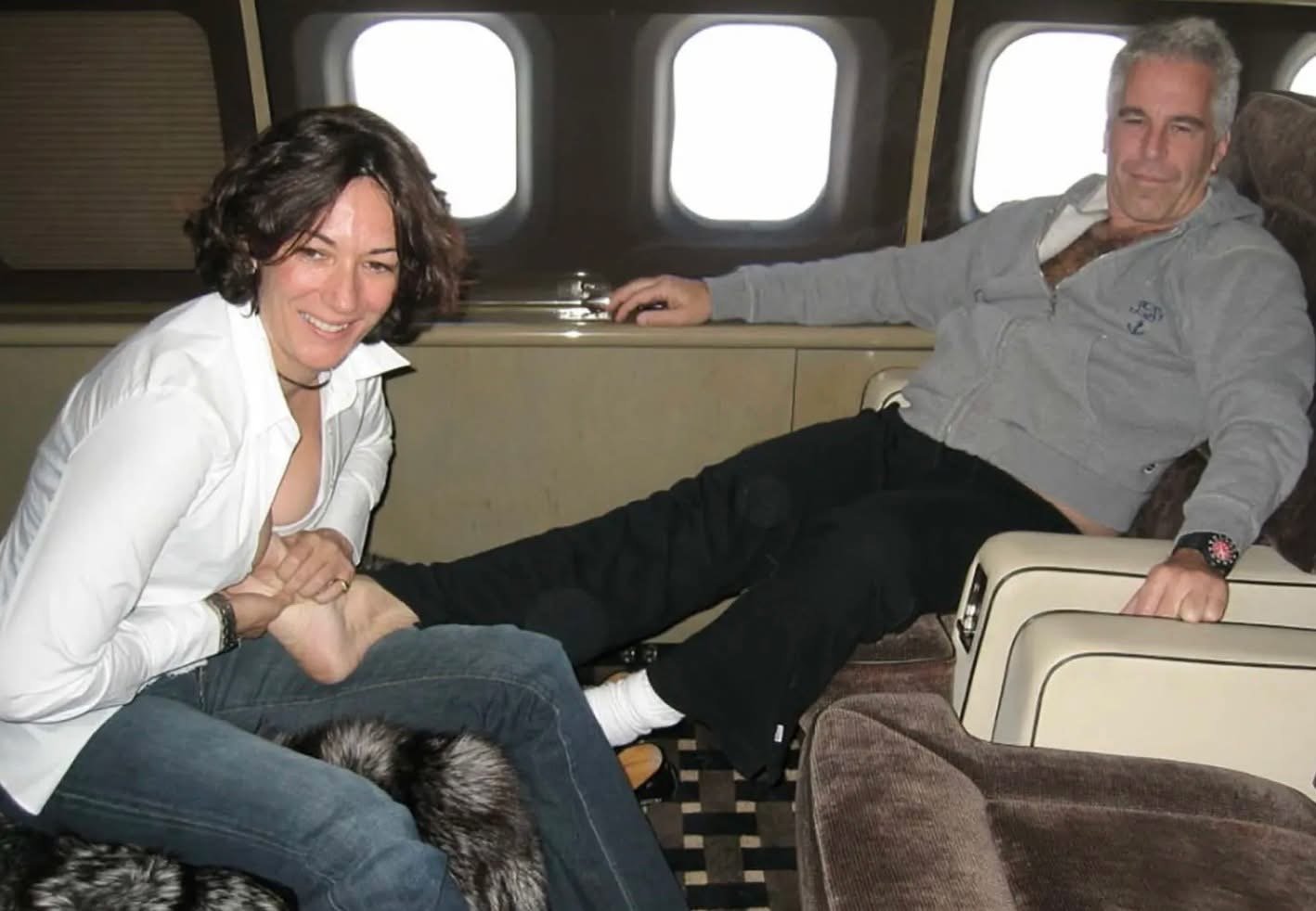
February 9, 2026 — Ghislaine Maxwell tried to bargain with Congress from a prison video call.
Maxwell, the woman convicted of helping Jeffrey Epstein traffic underage girls, appeared virtually before the House Oversight Committee today and refused to answer a single question. She invoked her Fifth Amendment right against self‑incrimination on every substantive topic, including Epstein’s network, his associates, and any powerful figures who moved through his orbit.
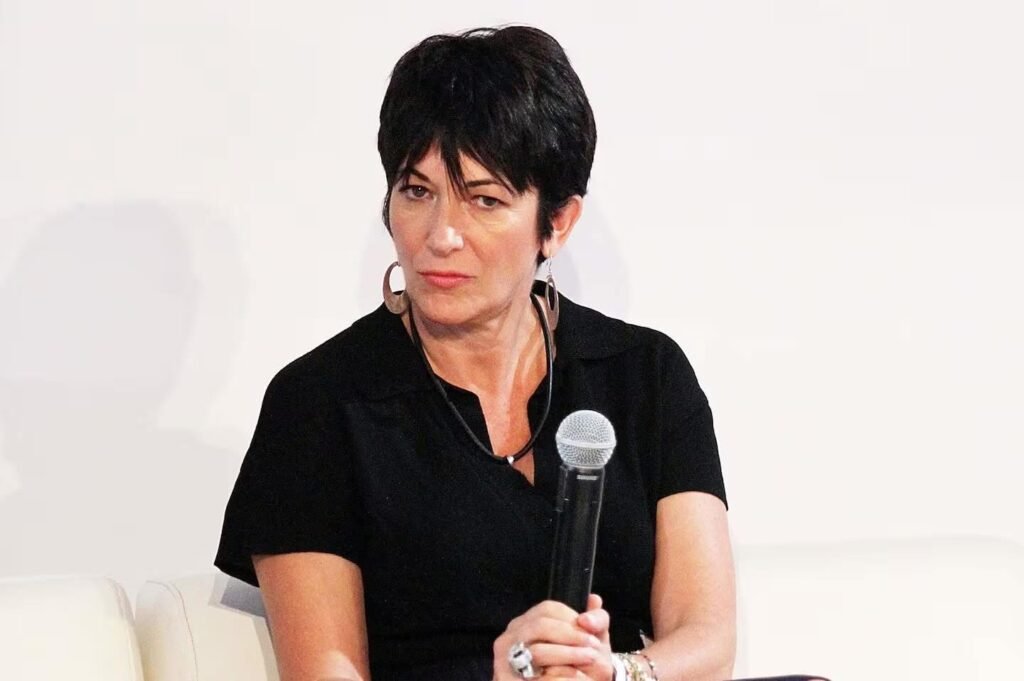
Maxwell is serving a 20‑year federal sentence at a prison camp in Texas after being found guilty in 2021 of sex‑trafficking, conspiracy, and related charges. Her trial exposed a pattern of recruiting and grooming minors for Epstein’s abuse, and her conviction has been upheld on appeal. Despite that legal reality, her appearance today was less about accountability and more about negotiation.
Her lawyer, David Markus, told lawmakers that Maxwell would be willing to “speak fully and honestly” about Epstein and his world — but only if President Donald Trump grants her clemency or a pardon. Markus also claimed she could clear both Trump and Bill Clinton of wrongdoing related to Epstein, a statement critics immediately dismissed as a political play rather than a genuine bid for truth.
Republican Chair James Comer has already said he does not support clemency for Maxwell, and several Democrats accused her of trying to leverage her potential knowledge of powerful people as a way to escape prison. To many survivors’ advocates, the spectacle reinforced the sense that the system is more sympathetic to the powerful than to the victims.
At the same time, Congress is now reviewing roughly 3.5 million pages of Epstein‑related documents that the Justice Department has made available under tight restrictions. Lawmakers must view them on secure computers at the DOJ, with no phones allowed and no copies permitted. Early reports suggest that at least six male individuals, including one high‑ranking foreign official, had their names and images redacted without clear legal justification.
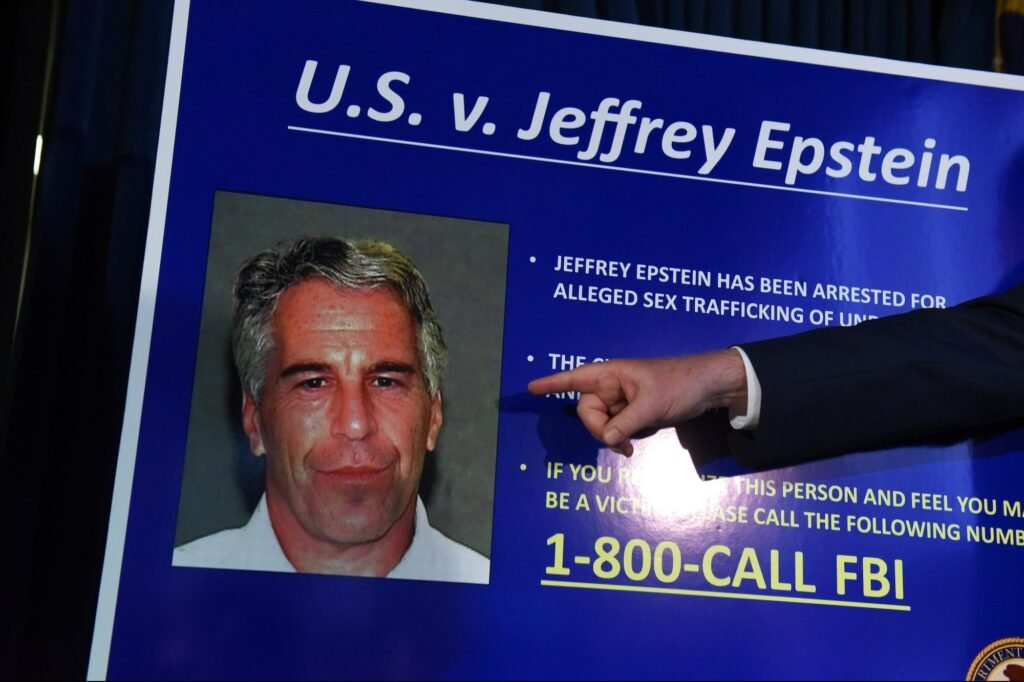
Those unredacted files are supposed to answer questions about who knew what, and when. The problem is that Maxwell is signaling she may never answer any of them — unless she is set free. As of February 9, 2026, the story is still this: a convicted trafficker is using her silence as leverage, Congress is sifting through a wall of redacted files, and the public is still waiting to see who really stood behind Epstein’s power.

News18 hours ago
How Misinformation Overload Breaks Creative Focus

Film Industry19 hours ago
Why Burnt-Out Filmmakers Need to Unplug Right Now

Advice19 hours ago
How to Make Your Indie Film Pay Off Without Losing Half to Distributors


 Advice19 hours ago
How to Make Your Indie Film Pay Off Without Losing Half to Distributors
- Entertainment3 weeks ago
What the Epstein Files Actually Say About Jay-Z
- Film Industry4 weeks ago
Turning One Short Film into 12 Months of Content
- Film Industry3 weeks ago
AI Didn’t Steal Your Job. It Revealed Who Actually Does the Work.
- Entertainment2 weeks ago
What Epstein’s Guest Lists Mean for Working Filmmakers: Who Do You Stand Next To?
- Film Industry4 weeks ago
How to Write a Logline That Makes Programmers Hit Play
- News3 weeks ago
Catherine O’Hara: The Comedy Genius Who Taught Us That Character Is Everything
- Business1 week ago
New DOJ Files Reveal Naomi Campbell’s Deep Ties to Jeffrey Epstein