Entertainment
Sister Wives’ Christine Brown Says She’d Reject Robyn’s ‘Olive Branch’ on September 18, 2023 at 3:01 am Us Weekly


Courtesy of Christine Brown/Instagram; TLC/YouTube
Robyn Brown shed tears over her fractured bond with Christine Brown on the latest episode of Sister Wives — but Christine isn’t interested in a friendship.
Robyn, 44, got emotional during the Sunday, September 17, episode while discussing the plural family’s division after Kody Brown‘s split from Christine, 51. “I always thought that [Christine] would eventually open herself to a relationship with me, you know, figure that stuff out. … I tried very hard to be kind with her,” Robyn told Meri Brown.
In a confessional, Robyn claimed that she “was constantly holding out an olive branch to Christine” before the former couple’s separation. “[I was] constantly wanting the relationship, constantly trying to ask her, like, ‘What can I do?’ And all [Christine] ever told me was, ‘I’m just jealous of you,’” she alleged.
Robyn remembered there being “so many times” over the years that she had fun with Christine. “I feel like we really did have the potential of just having a great relationship. And I just never understood why we couldn’t,” she added as she welled up with tears. “I just don’t know how to come to terms with the heartbreak of it.”
The camera then cut Christine, who shared a slightly different perspective. “If it bothered her that she didn’t have a relationship with me, she should’ve said, ‘Hey, why don’t we have a relationship? Can we be friends?’” she said in her own confessional. “But I want you to know, I would’ve rejected her friendship anyway. To be completely honest.”
She doubled down, adding, “If Robyn approached me and wanted to be friends, I would’ve not been friends still. Because I couldn’t trust her.”
When Christine began her spiritual marriage to Kody, 54, in 1994, he was already legally married to Meri, 52, and in another spiritual union with Janelle Brown. Robyn joined the family in 2010, but Kody shook up the dynamic in 2014 by divorcing Meri and lawfully marrying Robyn. (Both Meri and Janelle broke up with Kody after Christine led the charge.)
Since its premiere last month, fans have seen Janelle’s relationship with Kody splinter on season 18 of Sister Wives. On Sunday’s episode, Christine attempted to convince Janelle to move back to Utah with her. The women — who have remained close friends since their respective splits from Kody — also discussed their ex’s desire for them to be “better sister wives” to Robyn.
“I’m sorry, plural marriage doesn’t require that you’re always best friends with your sister wife. So I think we need to get over this,” Janelle said while chatting with Christine after the holidays.
Christine proceeded to get heated about the topic in a confessional interview. “I was a great sister wife to Janelle. Meri? Not so much, but I don’t think [Kody] cares about Meri,” she said. “He’s basically saying, ‘Because you’re not the best sister wife to Robyn, I’m not interested in having a relationship with you.’”
She implied that Kody was being hypocritical, claiming, “Who had a great relationship with Robyn for years, yet he wasn’t attracted to her? Oh yeah, that’d be Meri. He’s full of s–t, I’m sorry. That’s ridiculous.”
Kody, for his part, argued that his request “wasn’t ever really about Robyn,” telling the camera, “I wanted Christine to be better to everybody and about everybody.”
Sister Wives airs on TLC Sundays at 10 p.m. ET.
Courtesy of Christine Brown/Instagram; TLC/YouTube Robyn Brown shed tears over her fractured bond with Christine Brown on the latest episode of Sister Wives — but Christine isn’t interested in a friendship. Robyn, 44, got emotional during the Sunday, September 17, episode while discussing the plural family’s division after Kody Brown‘s split from Christine, 51. “I
Us Weekly Read More


Continue Reading
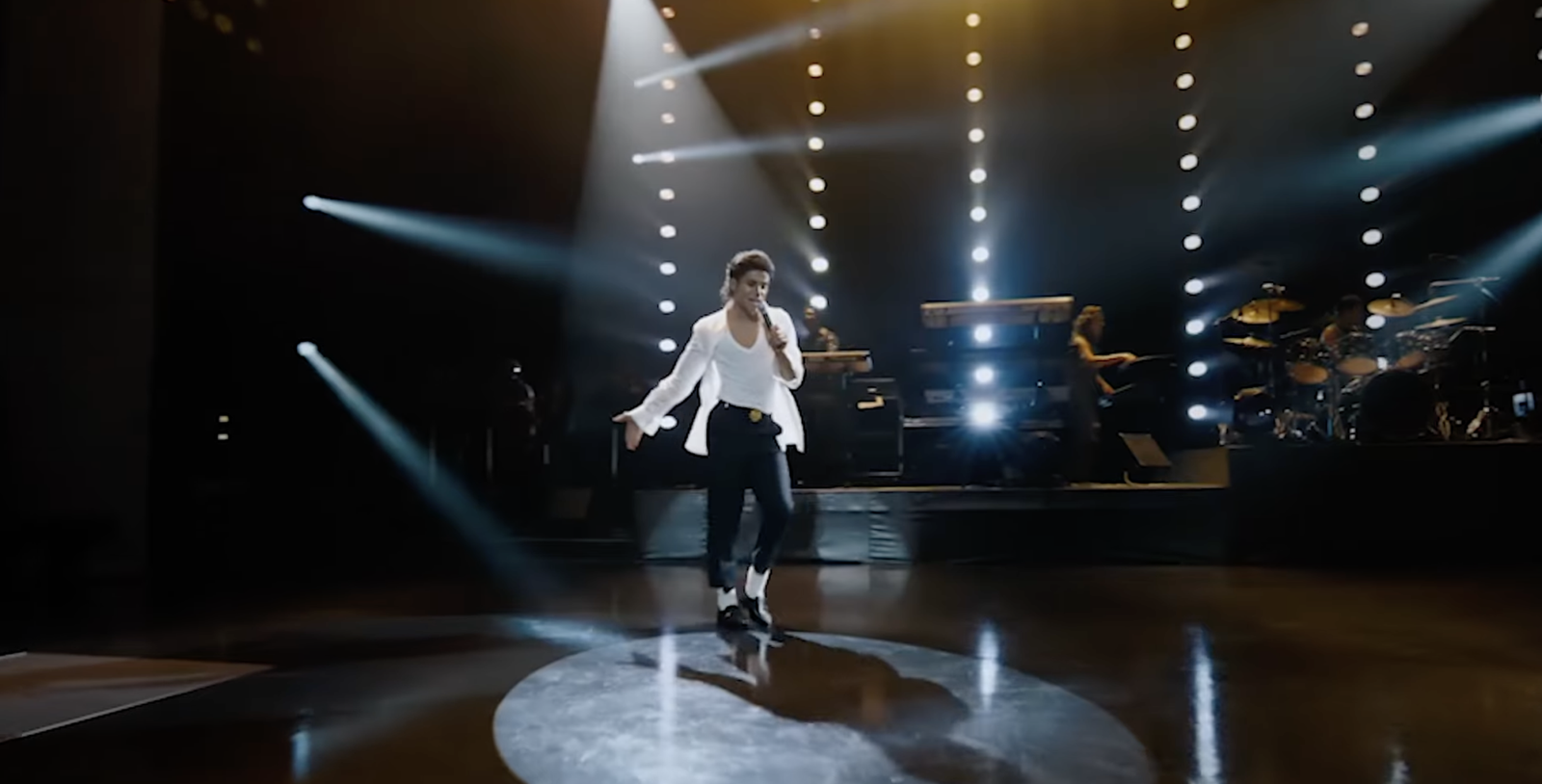
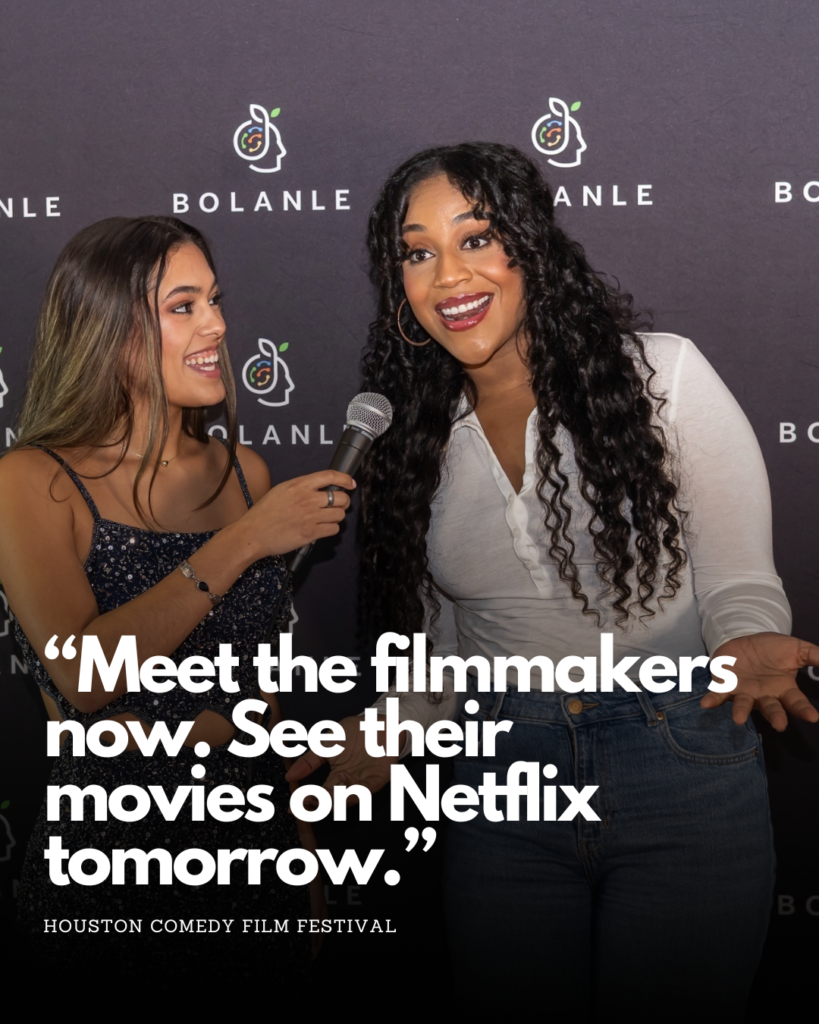
The Michael Jackson biopic Michael is more than celebrity drama; it is a real-time lesson in how legal decisions can quietly rewrite a story that millions of people will see. You do not need a $200M budget for the same forces—contracts, settlements, and rights issues—to shape or even erase key parts of your own work.
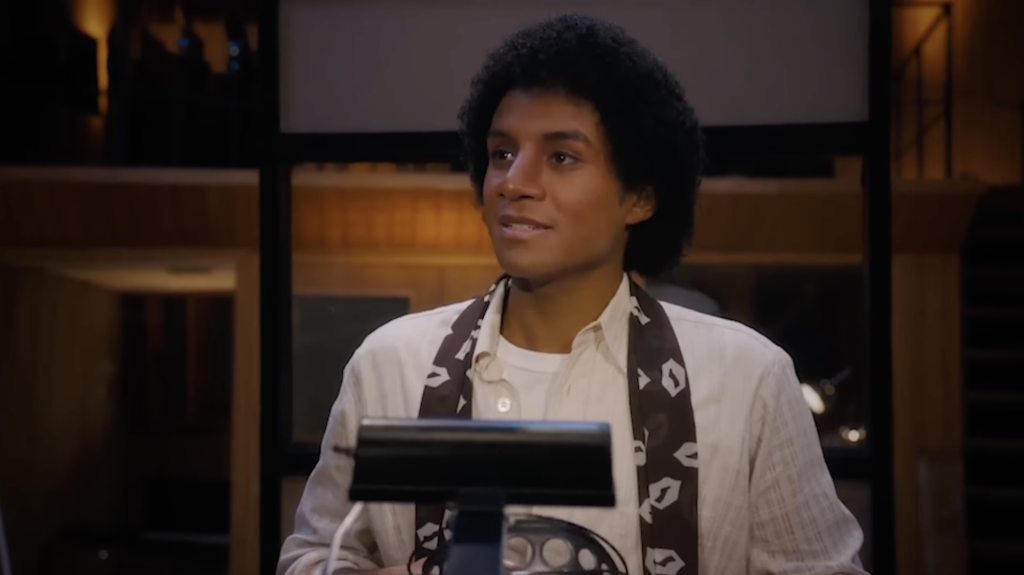
What Happened to Michael
The film Michael originally included a third act that addressed the 1993 child sexual abuse allegations and their impact on Jackson’s life and career. Trade reports say this version showed investigators at Neverland Ranch and dramatized the scandal as a turning point in the story. After cameras rolled, lawyers for the Jackson estate realized there was a clause in the settlement with accuser Jordan Chandler that barred any depiction or mention of him in a movie.
Because of that old agreement, the filmmakers had to remove all references to Chandler and rework the ending so the story stopped years earlier, in the late 1980s at Jackson’s commercial peak.
According to reporting, this meant roughly 22 days of reshoots, costing around 10–15 million dollars and pushing the total budget over 200 million.
Meanwhile, actress Kat Graham confirmed her portrayal of Diana Ross was cut for “legal considerations,” showing how likeness and approval issues can wipe out an entire character even after filming.
For audiences, the result is a movie that intentionally avoids one of the most controversial chapters of Jackson’s life, which some critics argue makes the portrait feel incomplete or selectively curated.
The Hidden Power of Contracts and Rights
The key detail in the Michael story is that a contract signed decades ago could dictate what present-day filmmakers are allowed to show. That settlement clause did not just affect the people who signed it; it effectively controlled the narrative of a big-budget film made years later. This is how legal documents become invisible co-authors: they quietly set boundaries around what your story can and cannot include.
Creators face similar invisible lines with:
- Life-rights and defamation: If you dramatize real people, especially in a negative light, they can claim defamation or invasion of privacy if your portrayal is inaccurate or harmful.
- Copyright and trademarks: Unlicensed music, clips, logos, or artwork can trigger copyright or trademark claims that block distribution or force expensive changes.
- Distribution contracts: Some deals give distributors the right to re-edit, retitle, or repackage your work without your approval unless you negotiate otherwise.
Legal commentary warns that fictionalizing real events and people carries heightened risk because audiences tend to connect your dramatization back to actual individuals. That risk does not disappear just because you are “small” or “indie”; impact, not audience size, usually determines exposure.
Why This Matters for Indie Filmmakers and Creators
Independent filmmakers often choose the indie route precisely to maintain creative control, but they can face more risk if they skip legal planning. Common problems include unclear ownership of the script, missing music licenses, handshake agreements with collaborators, and no written permission to use locations or people’s likenesses. These are the kinds of issues that can derail distribution, block a streaming deal, or force last-minute cuts that fundamentally change your story.
Legal guides for indie filmmakers consistently emphasize a few realities:
- You do not fully “own” your film unless you have clear contracts for writing, directing, producing, and underlying rights.
- Unregistered or unlicensed creative elements (like music and logos) can make your project uninsurable or unattractive to distributors.
- Fixing legal problems after the fact is almost always more expensive and limiting than planning for them at the beginning.
So when you watch Michael skip over certain events, you are seeing, in exaggerated form, the same forces that can shape an indie short, web series, documentary, or podcast episode.
Practical Legal Lessons You Can Apply Now
You do not need a law degree, but you do need a basic legal strategy for your creative work. Here are practical steps drawn from entertainment-law and indie-film resources:
- Clarify who owns the story
- Use written agreements with co-writers, directors, and producers that state who owns the script and finished film.
- If your work is based on a real person or memoir, secure life-rights or written permission where appropriate, especially if the portrayal is sensitive.
- Be intentional with real people and events
- When telling true or inspired-by-true stories, avoid making specific, negative claims about identifiable people unless they are well-documented and legally vetted.
- Change names, details, and circumstances enough that the person is not clearly identifiable if you do not have their cooperation.
- Lock down music and visuals
- Use original scores, licensed tracks, or reputable libraries; never assume you can keep a song just because it is in a rough cut.
- Clear artwork, logos, and recognizable brands, or replace them with generic or custom-designed alternatives.
- Protect yourself in contracts
- When signing any distribution or platform deal, read the clauses about editing, retitling, and marketing carefully; ask for limits or at least consultation rights.
- Include terms that let you reclaim rights if a partner fails to release the work, goes dark, or breaches key promises.
- Document everything
- Keep organized copies of releases, licenses, and contracts; these documents are part of your project’s value and proof of your rights.
- Register your work where applicable (for example, copyright), which strengthens your ability to enforce your rights if someone copies you.
Education-focused legal resources repeatedly stress that preventative steps—basic contracts, clear permissions, and simple registrations—are far cheaper than dealing with takedowns, lawsuits, or forced rewrites later.
The Big Takeaway: Story and Law Are Connected
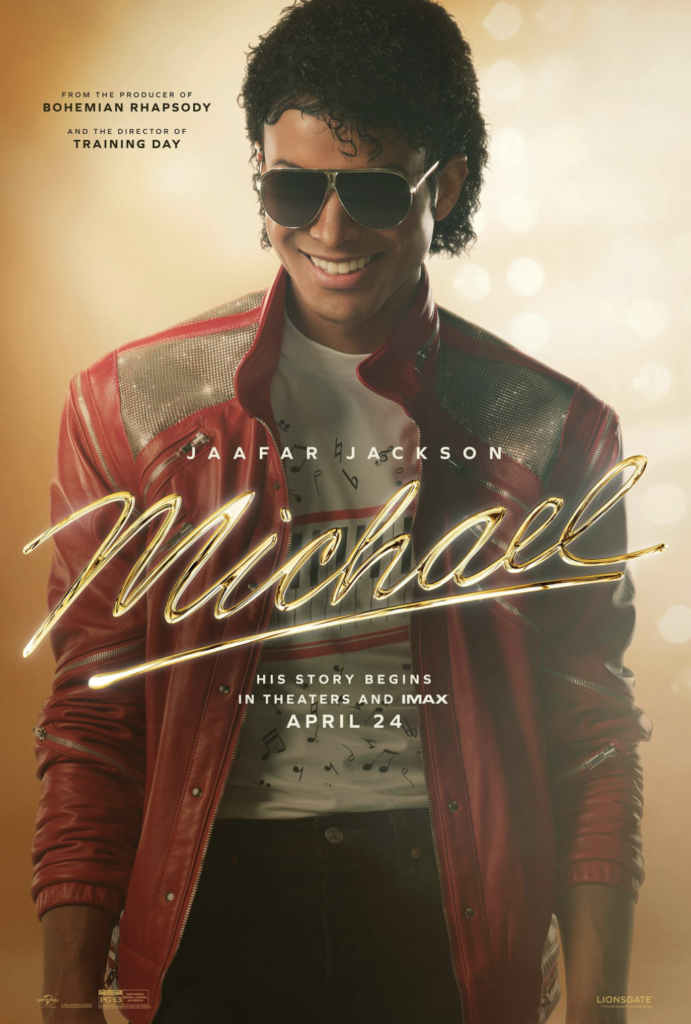
The Michael biopic illustrates what happens when legal obligations and creative vision collide: whole characters disappear, endings are rewritten, and the public only sees a version of the story that fits within old contracts.
As an indie filmmaker, writer, or content creator, you may not have millions at stake, but you do have something just as valuable—your voice and your ability to tell the story you meant to tell.
Understanding the legal dimensions of your work is not a distraction from creativity; it is a way of protecting it. When you know where the legal boundaries are, you can design stories that are bold, truthful, and still safe enough to reach the audiences they deserve.
Entertainment
Mother’s Day AfroFun Praise Party: Gospel Dance, Fitness & Feel‑Good Stats in 60 Minutes

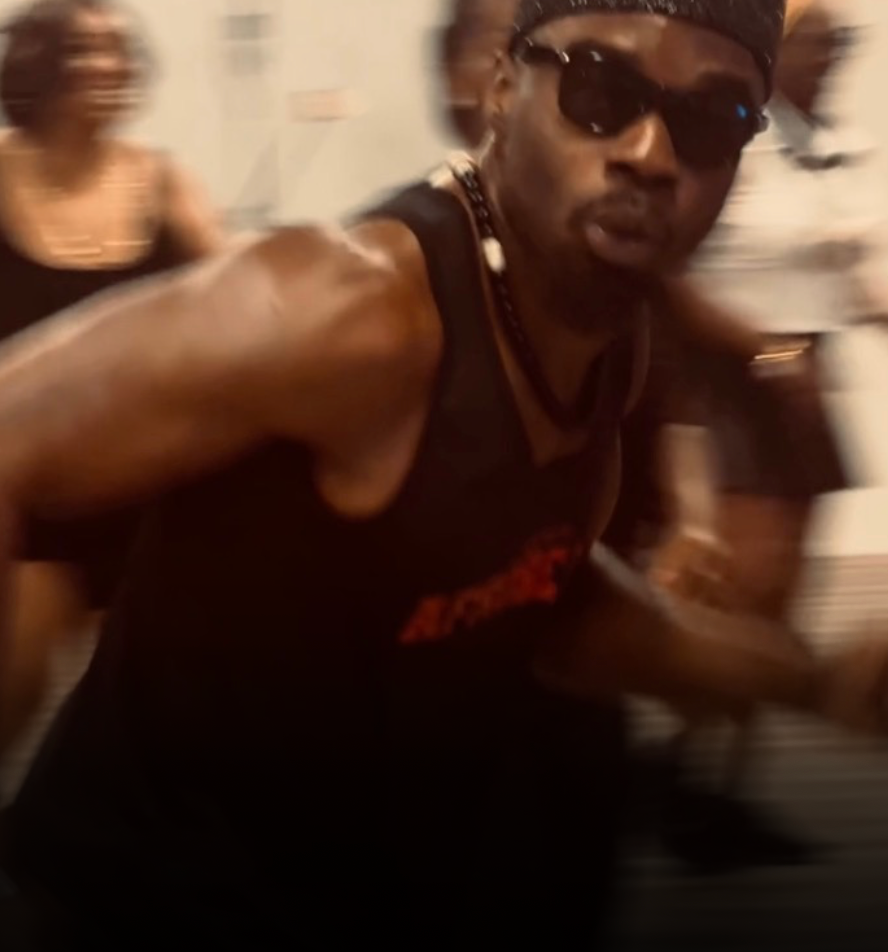
This Mother’s Day in Spring, Texas, you’re invited to do more than just sit at brunch—come dance, sweat, and celebrate at the Mother’s Day AfroFun Praise Party: Gospel Dance, Fitness & Feel‑Good Stats in 60 Minutes. This one‑hour Afrobeat gospel dance class is for men and women, bringing live worship, high‑energy choreography, and real fitness benefits together in one unforgettable experience.

Live gospel + Afrobeat energy
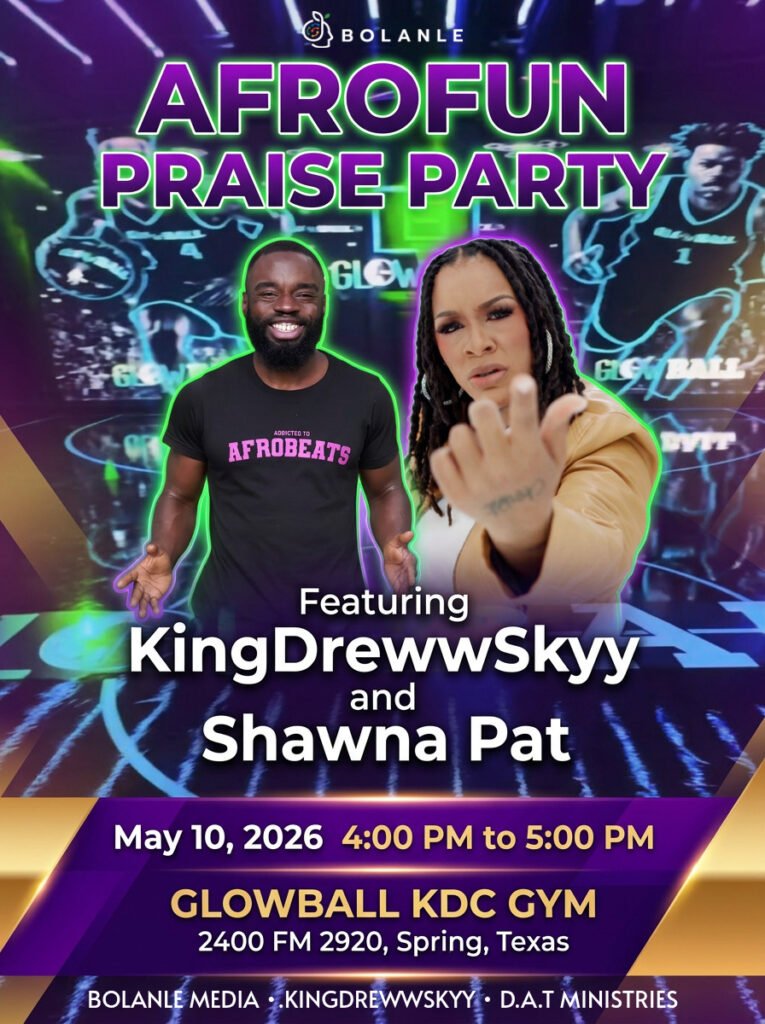
On the mic is powerhouse gospel singer Shawna Pat, known for her heartfelt worship, energetic praise songs, and ministry that makes every room feel like church and concert at the same time. She’ll be leading live vocals all class long, turning each track into a moment to sing along, shout, or just soak in the presence while you move.
On the floor, Andrew from WoWo Boyz and the Kingdrewwskyy crew bring the Afrobeat power. Expect easy‑to‑follow, Afro‑inspired choreography that looks hype on video but still feels doable if you’re brand new to dance. Together, Shawna and Andrew create a “praise party meets fitness class” vibe you can’t get from a playlist or a regular gym session.
A co‑ed Mother’s Day celebration that counts
This event is built for men and women—moms, dads, sons, daughters, couples, and friends who want to honor the mothers in their lives while doing something healthy and fun. The format is simple: warm‑up, dance‑cardio, a short ministry moment focused on mothers and families, and a cool‑down to breathe and stretch it out.
All levels are welcome. If you can walk and two‑step, you can do this class. You choose your intensity: go all‑in with every jump or keep it low‑impact and still stay in the groove. The music is clean and faith‑filled, so you never have to worry about lyrics or the vibe if you’re inviting church friends or bringing teens.
The feel‑good fitness stats
Behind the fun, this one hour delivers real health wins. Health guidelines recommend at least 150 minutes of moderate‑intensity cardio per week, but less than half of adults hit that number. AfroFun helps close that gap—by making movement feel like a celebration instead of a chore.
In just 60 minutes, many people can:
- Hit 4,000–6,000+ steps, based on what similar dance‑fitness and Mother’s Day cardio sessions log in under an hour.
- Spend solid time in their heart‑healthy zone, where cardio actually strengthens the heart and builds endurance.
- Knock out a big chunk of their weekly 150‑minute cardio goal in one fun, faith‑filled session.
You walk out with more than photos and memories—you leave with better numbers for your heart, body, and mood.
Get your tickets
AfroFun Praise Party happens Sunday, May 10, 4–5 PM at 2400 FM 2920, Spring, TX 77388, with free parking and in‑person, high‑energy vibes. Tickets are limited, and early spots always move fastest once people see Shawna Pat and WoWo Boyz are in the building.

The question Sydney Sweeney’s career forces every serious artist to ask themselves.
Most people say they want to be an actor. But wanting the life and being willing to do what the life requires are two entirely different things. Sydney Sweeney’s performance as Cassie Howard in Euphoria is one of the clearest examples in recent television of what it actually looks like when an artist refuses to protect themselves from the story they are telling.
The Performance That Started a Conversation
Cassie Howard is not a comfortable character to watch. She is messy, desperate, and heartbreakingly human in ways that most scripts would have softened or simplified. Sydney Sweeney did not soften her. She played every scene at full exposure — the breakdowns, the humiliation, the moments where Cassie is both completely wrong and completely understandable at the same time.
What made the performance remarkable was not the difficulty of the scenes. It was the consistency of her commitment to them. Night after night on set, take after take, she showed up and gave the camera something real. That is not a small thing. That is the kind of discipline that separates working actors from generational ones.
What the Industry Does Not Tell You
The entertainment industry sells you a version of success built around talent, timing, and luck. And while all three matter, none of them are the real differentiator in a room full of equally talented people. The real differentiator is willingness — the willingness to be honest, to be vulnerable, and to let the work require something personal from you.
Most actors hit a wall at some point in their career where a role demands more than they have publicly shown before. The ones who say yes to that moment, who trust the material and the director enough to go somewhere uncomfortable, are the ones audiences remember long after the credits roll.
Sydney Sweeney said yes repeatedly. And the industry took notice.

The Question Worth Asking Yourself
Before you answer, really think about it. There is a moment in every serious audition room where someone might ask you to go further than you are comfortable with — to access something real, to stop performing and start revealing. In that moment, you have to decide what your dream is actually worth to you and, more importantly, what parts of yourself you are not willing to trade for it.
That is the question Euphoria quietly raises for anyone watching with ambition in their chest. Not “could I do that,” but “should I ever feel pressured to.” There is a difference between an artist who chooses vulnerability as a creative tool and one who is pressured into exposure they never agreed to. Knowing that difference is not a weakness. It is the most important thing a young actor can understand before they walk into a room that will test it.
Because the only role that truly costs too much is the one that asks you to abandon who you are to play it.
What You Can Take From This
Whether you are an actor, a filmmaker, a content creator, or someone simply building something from scratch, the principle is the same. The work that connects with people is almost always the work that cost the creator something real. Audiences can feel the difference between performance and truth. They always could.
Sydney Sweeney did not become one of the most talked-about actresses of her generation because she got lucky. She got there because she was willing to be completely, uncomfortably human in front of a camera — and because she knew exactly who she was before she let the role take over.
That combination — full commitment and a clear sense of self — is rarer than talent. And it is the thing worth chasing.
Written for Bolanle Media | Entertainment. Culture. Conversation.

Business16 hours ago
What the Michael Biopic Means for Every Indie Filmmaker

News2 weeks ago
FIPRM Expands Into Sports, Partners With Bolanle Media to Launch New Media Platform

Entertainment2 weeks ago
Mother’s Day AfroFun Praise Party: Gospel Dance, Fitness & Feel‑Good Stats in 60 Minutes


 Entertainment4 weeks ago
Vertical Films Changed Everything. Are You Ready?
- News3 weeks ago
ON MAY 8, 2026, YOUR INSTAGRAM DMS STOP BEING TRULY PRIVATE
- Entertainment4 weeks ago
Bieber’s Coachella Set Has Everyone Arguing Again
- News4 weeks ago
She Was Supposed to Come Home: The Life, Death, and Dehumanization of Ashlee Jenae
- Advice3 weeks ago
How Far Would You Go to Book Your Dream Role?
- Entertainment2 weeks ago
Mother’s Day AfroFun Praise Party: Gospel Dance, Fitness & Feel‑Good Stats in 60 Minutes
- News2 weeks ago
FIPRM Expands Into Sports, Partners With Bolanle Media to Launch New Media Platform
- Business16 hours ago
What the Michael Biopic Means for Every Indie Filmmaker