Entertainment
Netflix’s $82.7 Billion Warner Bros Deal Signals the Rise of a New Hollywood Power

For years, Netflix was the outsider—the tech disruptor knocking on the studio gates.
With its $82.7 billion move to acquire Warner Bros, it is no longer knocking; it is taking the keys and changing the locks.
The deal transforms Netflix from pure‑play streamer into a full‑scale studio‑streamer hybrid, fusing Silicon Valley’s data obsession with a century of Hollywood storytelling muscle.

From red envelopes to studio gates
Netflix’s journey from DVD‑by‑mail upstart to owner of a legacy studio is not just a growth story; it is a generational power shift. Warner Bros once embodied the old studio system, with backlots, soundstages, and iconic franchises like DC, “Harry Potter,” and “Game of Thrones.” By absorbing that machine, Netflix is effectively buying time—decades of brand equity and infrastructure it could never build from scratch at the same speed.

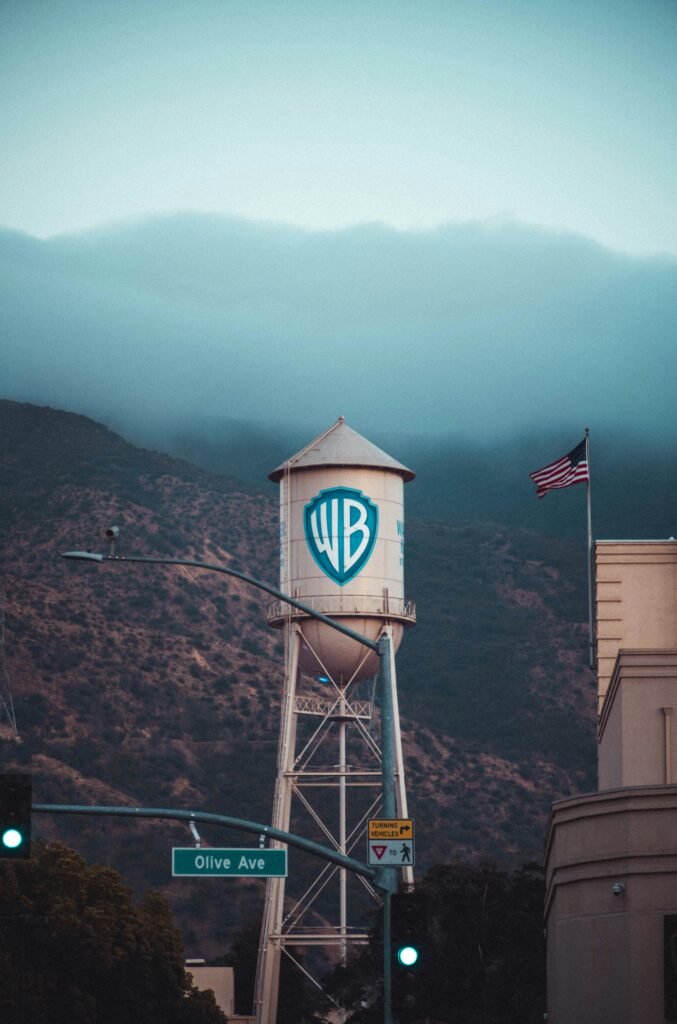
The move also closes a chaotic chapter for Warner Bros Discovery, which has wrestled with streaming strategy, debt, and identity since its last megamerger. Selling the studio and streaming assets while spinning off cable networks is a tacit admission that the future of this business is on‑demand, not in linear bundles.
What this new giant actually controls
Once the ink is dry, Netflix will not just host Warner content; it will own the pipes that create it. That means control of blockbuster IP, a deep catalog, HBO’s prestige engine, and global distribution to hundreds of millions of subscribers. In practical terms, one company will decide where and how a massive portion of premium film and TV reaches audiences worldwide.
This is where the “new Hollywood power” language earns its weight.
Disney may still be the benchmark for franchise dominance, but Netflix plus Warner tilts the axis of competition. The question is no longer whether streaming can rival studios; it is whether any traditional studio can rival a platform that has become a studio.

The upside—and the anxiety
For viewers, the upside is obvious: more of what they love in one place, fewer log‑ins, and the thrill of seeing HBO‑level shows and Warner‑scale films flowing through Netflix’s global pipeline. For creators and competitors, the mood is more complicated. Labor groups are already warning about reduced competition for scripts and talent, while regulators eye the merger as another test case in how far media consolidation can go.


The Trump administration’s stance on large media deals adds another layer of uncertainty, with analysts openly debating whether political pressure could reshape or stall the transaction. In other words, this is not just a business story; it is a power story, with cultural, economic, and political stakes colliding in one headline‑ready package.