Film Industry
Turning One Short Film into 12 Months of Content
You finished your short film. It’s beautiful. Now what?
Most filmmakers treat a short like a finished product—they premiere it, maybe submit to festivals, and then move on to the next project. But a strategically repurposed short is not one asset; it’s twelve months of content that can build your audience, generate revenue, establish your directorial voice, and create a real portfolio of work.
Here’s how to turn a single short into a year-long content machine that keeps working for you.


The Repurposing Philosophy
Every frame, every moment, every behind-the-scenes conversation from your short can live in multiple formats across multiple platforms.
Think of your short like a raw material library. You’re not creating new content; you’re slicing, dicing, and contextualizing the same material in ways that serve different audiences and platforms.
This is not just “milking it.” It’s smart portfolio building. Each clip, essay, or behind-the-scenes moment deepens the story of how you work as a filmmaker, which is what investors, collaborators, and audiences actually care about.
The 12-Month Repurposing Roadmap
Months 1–2: Short-Form Video Blitz
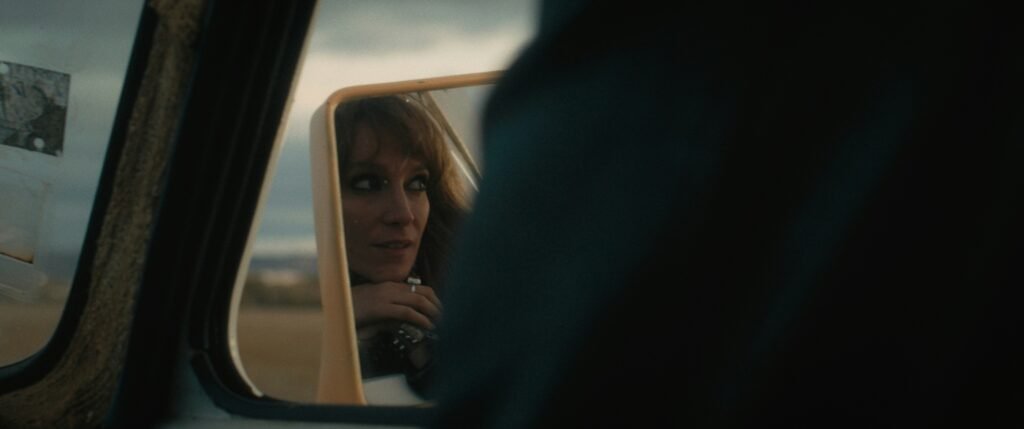
Your short is a goldmine of 15–60 second moments.
Extract:
- The hook moments: Opening shot, a key plot turn, a visual reveal, emotional peak. These are your TikTok/Reels hooks.
- Visual standouts: A color grade, a camera move, a production design detail. Add on-screen text like “This shot took 6 hours to light” or “We built this set from $200 of thrift finds.”
- Reaction moments: Actors reacting to key lines or moments; crew high-fives after a tough take.
Post 2–3 short clips per week on TikTok, Reels, and YouTube Shorts. These serve dual purposes: they generate views and engagement and funnel people back to your full short and email list.
Months 2–3: “How We Made It” Deep Dives
While momentum is high, release 4–6 medium-form (3–8 minute) videos breaking down specific craft decisions.
Examples:
- “Why we shot on film (not digital) for this short”
- “The sound design process from silence to final mix”
- “How we cast non-actors in lead roles”
- “DIY lighting tricks on a $0 budget”
These establish you as someone who knows something, not just someone who made a pretty thing. They also perform well on YouTube, where the algorithm rewards longer videos and watch time.
Months 3–4: Director’s Commentary & Essays
Release 2–3 written pieces or video essays about the why behind the short.
These live on your blog/Medium and in email newsletters:
- “Why I made this short” – The origin story. What question were you asking? What experience inspired it? Who is this film for?
- “The one scene I’d change” – Vulnerability builds connection. Discuss creative choices you’d revisit and why.
- “What this film taught me about [craft]” – Distill a lesson learned: directing actors, visual storytelling, time management, or budget constraints.
These are shareworthy because they’re personal, not just technical. Filmmakers reshare these with their own networks.

Months 4–6: Clip Compilations & Thematic Cuts
Create 2–3 themed montages from your short that exist independently.
Examples:
- “Every close-up in the film” (set to the score)
- “All the dialogue” (scriptwriting example)
- “The cinematography reel” (color grade and framing showcase)
- “Best moments with [actor name]” (if cast has a following)
These work as Instagram carousel posts, YouTube community posts, and email newsletter “bonus content.” They also serve as micro-portfolios for specific roles you’re pitching for next (cinematographer jobs, production design opportunities, etc.).
Months 6–8: Live Q&As & Community Activation
Host 2–3 live sessions around your short.
- Live Q&A on Instagram or YouTube where you answer questions from your audience about the short, the process, and your next project.
- Film club screening + discussion where a community watches the short together (virtually or in-person) and you moderate.
- Filmmaker roundtable where you and peers discuss similar shorts or a common challenge (funding micro-budgets, casting, visual effects on no money).
These deepen audience relationships and generate clips you can repurpose into future short-form content.


Months 8–10: Educational Content & Templates
Extract practical lessons and package them as educational content for aspiring filmmakers.
Examples:
- “The shot list I used for my short” (PDF or video walkthrough)
- “Our production schedule: 7-day shoot breakdown” (case study)
- “The gear we used and why” (breakdown of camera, lenses, lighting kit and budget)
- “Script breakdown: from page to screen” (show your annotated script)
These are gold for your email list and can be paywalled on Gumroad or Teachable if you want to monetize.
Months 10–12: Retrospective & Portfolio Positioning
As the year winds down, create a year-in-review piece tying it all together.
- “What one short taught me in 12 months of content”
- “Every piece of content we made from one film” (a visual catalog)
- “Here’s what’s next” (tease your next project and how to follow along)
Use this to reset your email list and social bios with a refreshed call-to-action for your next short or feature.
The Math Behind the Madness
One 15-minute short = roughly:
- 12–15 short-form clips (Reels, TikToks, YouTube Shorts)
- 4–6 medium-form essays or “making of” videos
- 3–5 written director’s essays
- 2–3 thematic compilations or educational assets
- 2–3 live events or Q&As
That’s 25–35 pieces of content from a single asset. Across a year, posted consistently, it keeps you visible, builds your mailing list, and positions you as a working filmmaker with something to say.

Why This Matters
Distributors, producers, and audiences don’t just want to see your finished film. They want to understand how you think, why you make choices, and how you connect with people.
A year of consistent, thoughtful repurposing of one short does that better than anything you could write in a bio.
You’re not milking your short. You’re showing your work. And that’s how careers are built.