Entertainment
Jill Duggar Angers Critics By Violating Jim Bob’s “Biggest” Rule: … on November 2, 2023 at 10:49 pm The Hollywood Gossip


Jill Duggar cut ties with her parents years ago and for very good reason.
As you’re probably aware, Jill’s folks, Jim Bob and Michelle Duggar, are authoritarian cult members who once ruled over their household with an iron fist.
Thankfully, Jill was able to escape her past, a journey that she documented in moving detail in her recent memoir, Counting the Cost.
These days, she’s living her best life, free from the pernicious influence of her overbearing parents.
Jill Duggar and her husband hold very little back in the Amazon documentary meant to expose the former’s parents. (Photo Credit: Amazon)
And we often see evidence of this newfound freedom on Jill’s Instagram page:
Every time she defies the infamous Duggar dress code or reveals a new bombshell about her ultra-conservative upbringing, Jill is reveling in her status as an independent woman — something that does not exist in Jim Bob’s world.
And this week, she engaged in a very commonplace activity that some commenters are calling one of her boldest actions to date.
Jill Duggar and Derick Dillard pose in their Halloween costumes. (Instagram)
Yes, as you can see from her latest Instagram photos, Jill and husband Derick Dillard dressed up for Halloween.
That might not seem like a very big deal, but such festivities were strictly forbidden during Jill’s childhood.
“Idk if our family theme was just anti-theme this year, but we had fun anyway. We had a train conductor, an astronaut, Superman, an OSU cowgirl & Cousin Eddie,” she captioned the pics of her family’s costumes.
While they’ll never speak out on the matter publicly, Jim Bob and Michelle are almost certainly not pleased with this latest update from Jill.
Jim Bob Duggar and Michelle Duggar of The Learning Channel TV show “19 Kids and Counting” speak at the Values Voter Summit on September 17, 2010 in Washington, DC. (Getty)
For starters, Jill and her family celebrated Halloween, which is a major no-no in Duggarland.
On top of that, Derick dressed as a character from National Lampoon’s Christmas Vacation, a movie that certainly would not earn Jim Bob’s seal of approval.
In fact, growing up, Jill wasn’t allowed to watch any movies or listen to any books that didn’t have Jesus and his teachings as their central focal point.
Jill Duggar’s three children wear their Halloween costumes in a photo posted to her Instagram page. (Instagram)
But surely, the part of this story that infuriated Jim Bob the most was the fact that Jill allowed her kids to dress up.
The Duggars count themselves among the surprisingly large group of fundamentalists who believe that Halloween is a satanic celebration that corrupts children for life.
And some folks who agree with that sentiment made their feelings known in the comments on Jill’s post.
Jill Duggar recently published her debut memoir. (Photo Credit: Instagram)
“Surprised as a Christian, you are celebrating the demons. You’re dancing with them!” wrote one such nutjob.
“Christians shouldn’t celebrate Halloween,” another added.
Thankfully, Jill had more supporters than detractors.
“Ignore all the hate. Absolutely love y’all’s costumes,” one fan wrote, according to UK tabloid The Sun.
Jill Duggar spoke with fans on YouTube in September of 2023. (Photo Credit: YouTube)
“Can we all appreciate that in addition to celebrating Halloween, she is watching classic Chevy chase movies? Mainstream movies and trick or treating, I am just so stupid happy for her and her family,” exclaimed a second.
“I’m glad that you are building your own family traditions and having fun with your kids,” a third chimed in.
Yes, Jim Bob might have dominated Jill’s childhood in a umber of terrifying ways.
But there’s no doubt that she’s currently winning the war of public opinion.
Jill Duggar Angers Critics By Violating Jim Bob’s “Biggest” Rule: … was originally published on The Hollywood Gossip.
Jill Duggar cut ties with her parents years ago and for very good reason. As you’re probably aware, Jill’s folks, …
Jill Duggar Angers Critics By Violating Jim Bob’s “Biggest” Rule: … was originally published on The Hollywood Gossip.
The Hollywood Gossip Read More




Every filmmaker aspires to create projects that are not only memorable but also uniquely their own. Finding your creative voice is a journey that requires self-reflection, bold choices, and an unwavering commitment to your vision. Here’s how to uncover your style, take risks, and craft original work that stands out.
1. Discovering Your Voice: Understanding Your Influences
Your unique voice begins with recognizing what inspires you.
- Step 1: Reflect on the themes, genres, or emotions that consistently draw your interest. Are you inspired by human resilience, surreal worlds, or untold histories?
- Step 2: Study the work of filmmakers you admire. Analyze what resonates with you—their use of color, pacing, or narrative techniques.
Tip: Combine what you love with your personal experiences to create a lens that only you can offer.
Example: Wes Anderson’s whimsical, symmetrical worlds stem from his love of classic storytelling and his unique visual style.

Takeaway: Start with what moves you, then add your personal touch.
2. Taking Creative Risks: Experiment and Evolve
To stand out, you must be willing to challenge conventions and explore new territory.
- Experimentation: Try unusual storytelling structures, such as non-linear timelines or silent sequences.
- Collaboration: Work with people outside your usual circle to gain fresh perspectives.
- Feedback: Screen your projects for trusted peers and be open to constructive criticism.
Example: Jordan Peele blended horror with social commentary in Get Out, creating a genre-defying film that captivated audiences.
Takeaway: Risks are an opportunity for growth, even if they don’t always succeed.
3. Telling Original Stories: Start with Authenticity
Original projects resonate when they stem from a place of truth.
- Draw from Experience: Incorporate elements of your own life, culture, or worldview into your stories.
- Explore the “Why”: Ask yourself why this story matters to you and how it connects with your audience.
- Avoid Trends: Focus on timeless narratives rather than chasing current fads.
Example: Greta Gerwig’s Lady Bird was deeply personal, based on her experiences growing up in Sacramento. The film’s authenticity made it universally relatable.

Takeaway: The more personal the story, the more it resonates.
4. Developing Your Style: Consistency Meets Creativity
Style is not just about visuals—it’s how you tell a story across all elements of filmmaking.
- Visual Language: Experiment with colors, lighting, and framing to create a distinct aesthetic.
- Narrative Voice: Develop consistent themes or motifs across your projects.
- Sound Design: Use music, sound effects, and silence to evoke specific emotions.
Example: Quentin Tarantino’s use of dialogue, pop culture references, and bold music choices makes his work instantly recognizable.
Takeaway: Your style should be intentional, evolving as you grow but always recognizable as yours.
5. Staying True to Yourself: Building Confidence in Your Vision
The filmmaking process is full of challenges, but staying true to your voice is essential.
- Stay Authentic: Trust your instincts, even if your ideas seem unconventional.
- Adapt Without Compromise: Be open to feedback but maintain your core vision.
- Celebrate Your Growth: View every project, successful or not, as a stepping stone in your creative journey.
Example: Ava DuVernay shifted from public relations to filmmaking, staying true to her voice in films like Selma and 13th, which focus on social justice.
Takeaway: Your voice evolves with every project, so embrace the process.
Conclusion: From Idea to Screen, Your Voice is Your Superpower
Finding your voice as a filmmaker takes time, courage, and commitment. By exploring your influences, taking risks, and staying true to your perspective, you’ll craft stories that not only stand out but also resonate deeply with your audience.
Bolanle Media is excited to announce our partnership with The Newbie Film Academy to offer comprehensive courses designed specifically for aspiring screenwriters. Whether you’re just starting out or looking to enhance your skills, our resources will provide you with the tools and knowledge needed to succeed in the competitive world of screenwriting. Join us today to unlock your creative potential and take your first steps toward crafting compelling stories that resonate with audiences. Let’s turn your ideas into impactful scripts together!
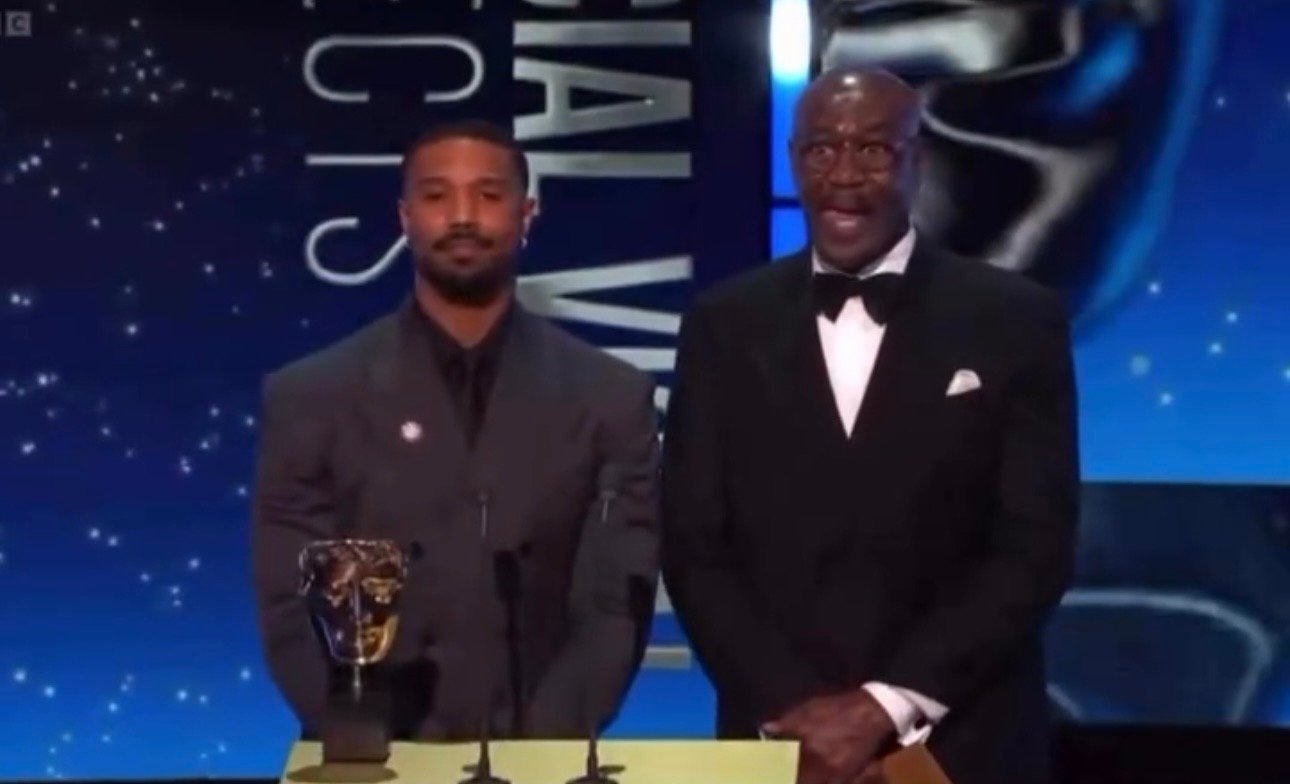
Michael B. Jordan and Delroy Lindo did not walk onto the BAFTA stage expecting to become a case study in how the industry mishandles racism in real time. They were there to present, hit their marks, and do what award shows have always asked of Black talent: bring charisma, sell the moment, keep the night moving.
Instead, while they stood under the lights, a man in the audience shouted the N‑word. The word carried across the theater and through the broadcast. The cameras kept rolling. The teleprompter kept scrolling. And the two men at the center of it did what they’ve been trained their entire careers to do: they kept going.
The incident was shocking, but the pattern around it was familiar.
The Apologies That Came After the Credits
In the days that followed, BAFTA released a public apology. The organization said it took responsibility for putting its guests “in a very difficult situation,” acknowledged that the word used carries deep trauma, and apologized to Michael B. Jordan and Delroy Lindo. It also praised them for their “dignity and professionalism” in continuing to present.
The man who shouted the slur, a Tourette syndrome campaigner, explained that his outbursts are involuntary and expressed remorse for the pain his tic caused. That context about disability matters. Any honest conversation has to hold space for the reality that not every harmful word is spoken with intent.
But context doesn’t erase impact. For people watching at home—and especially for the men on that stage—the sequence was still the same: a slur detonated in the room, the show continued as if nothing happened, and the institutional response arrived later, in carefully crafted language.
Delroy Lindo summed up the experience by saying he and Jordan “did what we had to do,” and added that he wished someone from the organization had spoken with them directly afterward. That gap between polished statements and real‑time care is exactly where trust breaks down.
Who Is “Professionalism” Really Protecting?
Strip away the PR and a hard truth emerges: almost all of the pressure fell on the people who were harmed, not the people in charge.
On stage, “professionalism” meant Jordan and Lindo were expected to stay composed so the room wouldn’t be uncomfortable. Off stage, “professionalism” meant the institution focused on managing optics after the fact instead of disrupting the show in the moment.
That raises a question the industry rarely wants to confront:
When we call for professionalism, whose comfort are we protecting?
For Black artists, professionalism has too often meant:
- Take the hit and keep your face neutral.
- Don’t make it awkward for the audience or the brand.
- Don’t risk being labeled “difficult,” no matter how blatant the disrespect.
It’s easy to admire that composure. It’s harder to admit that the system routinely demands it from the very people absorbing the harm.
If It Can Happen There, It Can Happen Anywhere
This didn’t happen in a chaotic open mic or an unsupervised live stream. It happened at one of the most carefully produced film ceremonies in the world—an event with run‑of‑show documents, stage managers, and communication channels in everyone’s ears.
If an incident like this can unfold there without a pause, it can unfold anywhere:
- At a regional festival Q&A when an audience member crosses a line.
- At a comedy show when someone heckles with a “joke” that’s really just a slur.
- At a film panel where the only Black creator on stage gets a loaded question and is expected to smile through it.
The honest question for anyone who runs events isn’t “How could BAFTA let this happen?” It’s “What would we actually do if it happened in our room?”
Would your moderator know they have explicit permission to stop everything?
Would your team know who goes to the stage, who speaks to the audience, and who stays with the person targeted?
Or would you also be scrambling to get the language right in a statement tomorrow?
Redefining Professionalism in 2026
If this moment is going to mean anything, the definition of professionalism has to change.
Professionalism cannot just be “don’t lose your cool on stage.” It has to include the courage and structure to protect the people on that stage when something goes wrong.
A better standard looks like this:
- Pause the show when serious harm happens. A clean program is not more important than a person’s dignity.
- Acknowledge it in the room. Name what happened in clear terms instead of pretending it didn’t occur and quietly editing it later.
- Center the person targeted. Check on them, give them options, and let their comfort—not the schedule—drive the next move.
- Plan the response before you need it. Build safety and harassment protocols into your festival, awards show, or live event so no one is improvising under pressure.
Sometimes the most professional thing you can do is allow a little discomfort in the room. It signals that human beings matter more than the illusion of seamlessness.
The Standard Going Forward
Michael B. Jordan and Delroy Lindo did what they have always been rewarded for doing: they protected the show. They shouldn’t have had to.
True respect for their craft and humanity would have looked like a room that moved to protect them instead—stopping the script, resetting the energy, and making it clear that the problem wasn’t their reaction, but the harm they’d just absorbed.
No performer should be asked to choose between their dignity and their career. So if you work anywhere in this industry—onstage or behind the scenes—this incident quietly handed you a new baseline:
Call it out.
Pause the show.
Back the person who was harmed.
That’s what professionalism should mean in 2026.
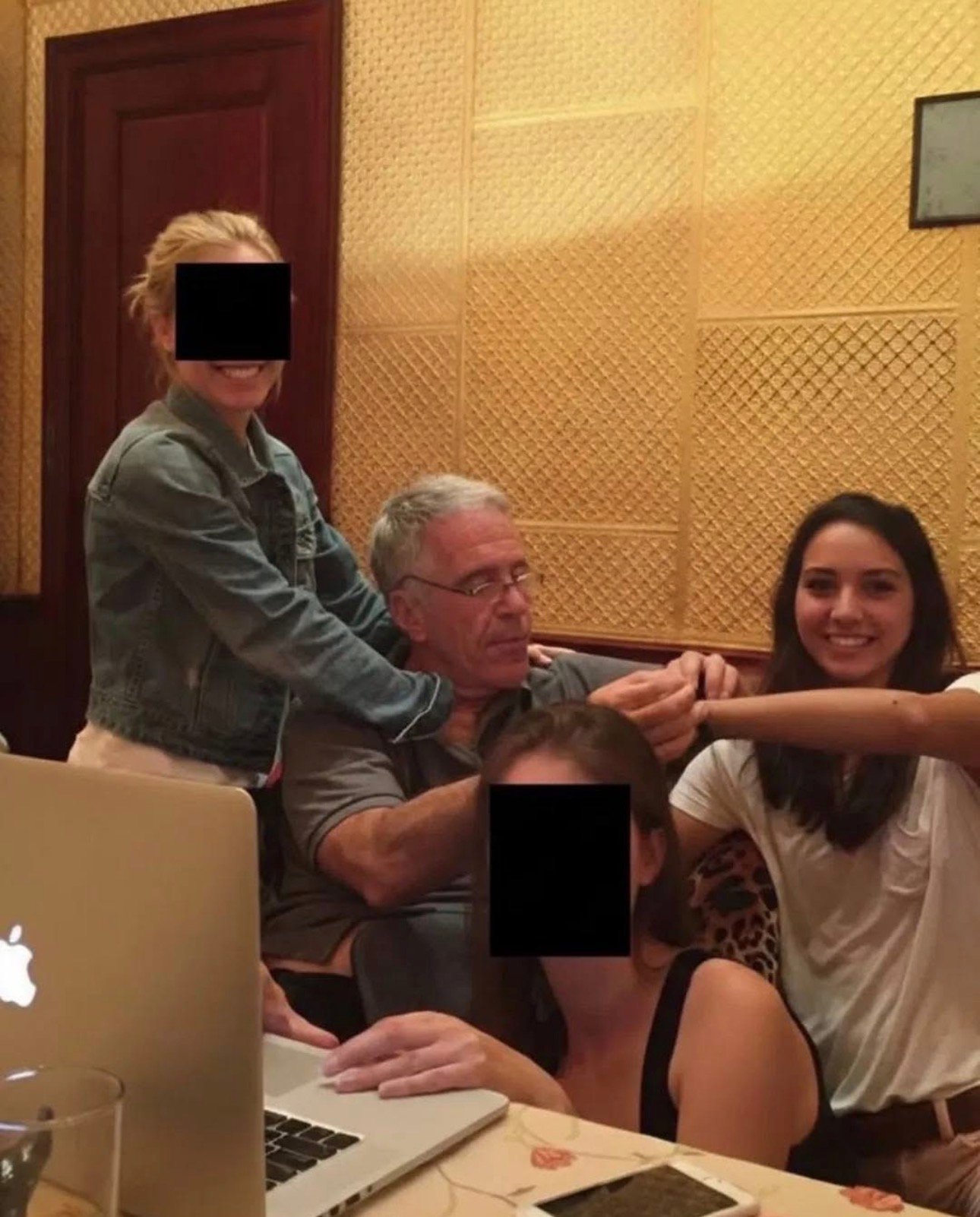
When scandals and cover‑ups dominate the timeline, it’s tempting to process them the same way we process everything else online: as content.
A headline becomes a meme, a victim becomes a character, and a years‑long story of abuse or corruption gets flattened into a 30‑second clip. In that kind of environment, it matters what we choose to watch—and how we watch it.
Some films lean into shock and spectacle. Others slow us down, asking us to sit with the systems that make these stories possible in the first place.

This article is about that second group.
Below are three films that are difficult, necessary, and deeply relevant when we’re surrounded by conversations about power, silence, and who actually gets held accountable. They’re not “true crime for fun.” They are stories about people who push back: journalists digging through archives, lawyers refusing to look away, and insiders who decide that telling the truth matters more than staying comfortable.
Why movies about accountability matter right now
There’s a difference between consuming tragedy and engaging with it.
Scroll culture trains us to treat everything as a quick hit: outrage, reaction, move on. But systemic abuse and corruption don’t work on a 24‑hour cycle. They live in sealed files, non‑disclosure agreements, money, and relationships that make it easier to protect those in power than the people they harm. Films that focus on accountability rather than spectacle can do three important things:
- Slow our attention down long enough to see how cover‑ups are built—through policies, reputations, and quiet decisions, not just villains and heroes.
- Give us a closer look at the people trying to break those systems open: reporters, lawyers, whistleblowers, survivors, and community members.
- Help us recognize the patterns so that when a new scandal breaks, we have more than vibes and rumors to work with—we see mechanisms, not just headlines.
With that frame in mind, here are three films that are worth revisiting or discovering for the first time.
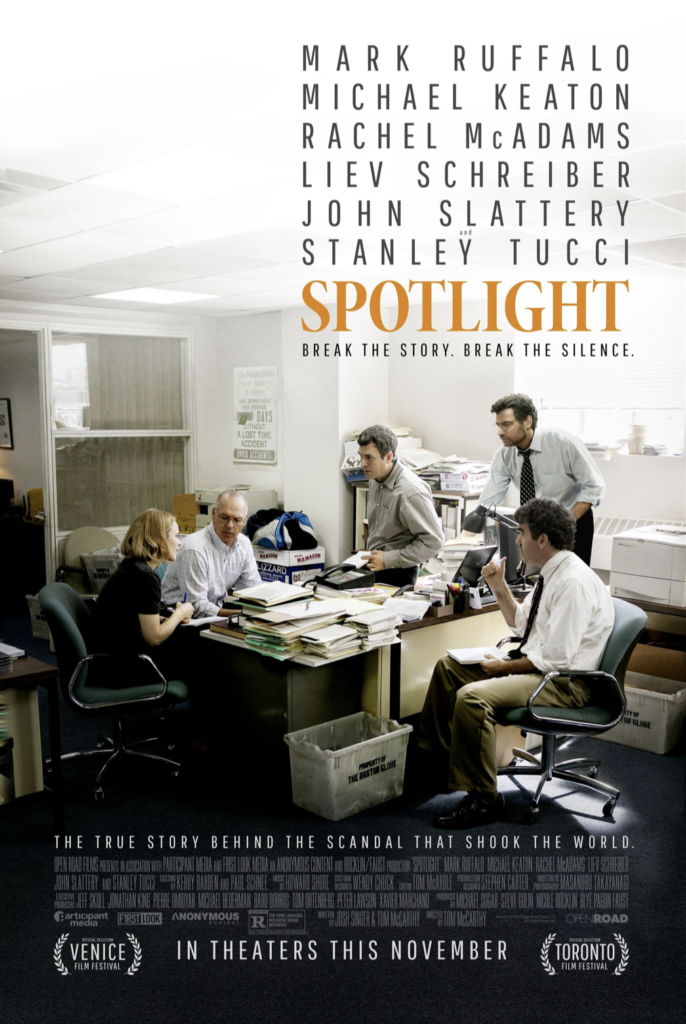
Spotlight: following the paper trail
Spotlight follows a small investigative team at a Boston newspaper as they uncover decades of child abuse inside the Catholic Church and the institutional effort to conceal it. It’s not flashy. There are no chase scenes, no “big twist.” The tension comes from phone calls that aren’t returned, doors that stay closed, and documents that may or may not exist. That’s the point.
The power of Spotlight is in its realism. The journalists don’t “win” through a single heroic act; they win through months of stubborn, often boring work—checking names, cross‑referencing records, going back to survivors who have every reason not to trust them. The film shows how systems protect themselves: not only through powerful leaders, but through a culture of looking away, minimizing harm, or deciding that “now isn’t the right time” to publish the truth.
Watching it in the context of any modern scandal is a reminder that revelations don’t come out of nowhere. Someone has to decide that the story is worth their career, their sleep, their peace. Someone has to keep calling.
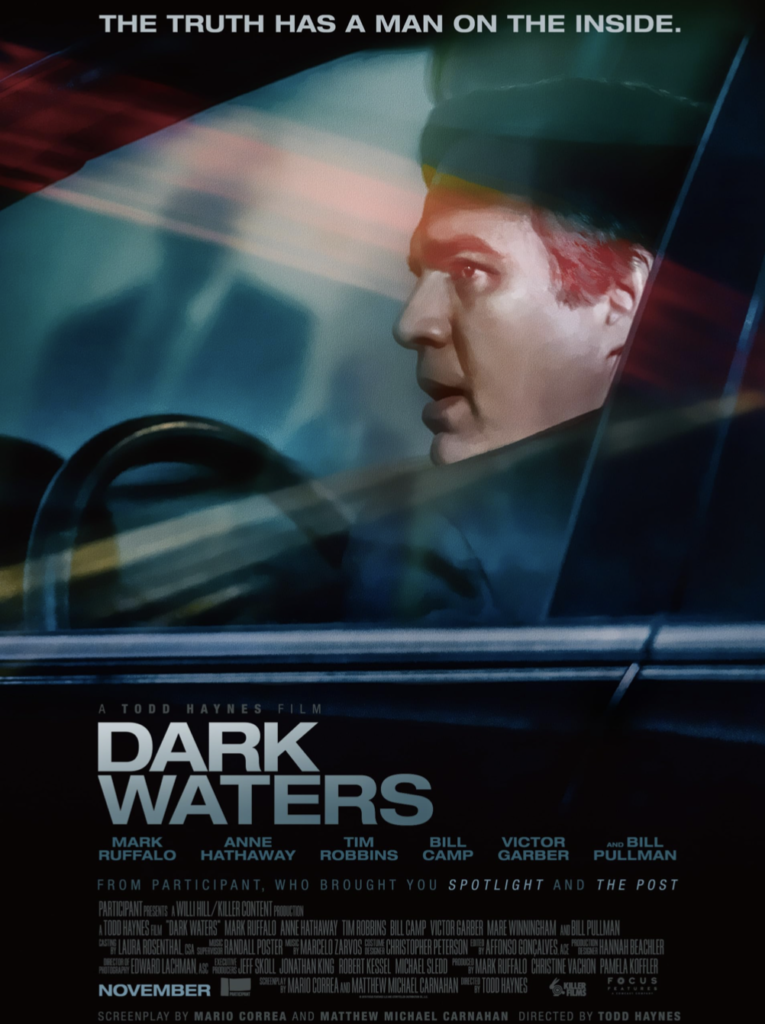
Dark Waters: the cost of not looking away
In Dark Waters, a corporate defense lawyer discovers that a chemical company has been poisoning a community for years. The more he learns, the less plausible it becomes to stay on the side he’s paid to protect. What starts as a single client and a stack of records becomes a decades‑long fight against a corporation with far more money, influence, and time than he has.
The film is heavy—not because of graphic imagery, but because of the slow realization that this could happen anywhere. It shows how corporate harm doesn’t usually look like one dramatic event; it looks like small decisions, tolerated over time, because changing course would be expensive or embarrassing. Internal memos, risk calculations, and legal strategies become characters in their own right.
What makes Dark Waters important in this moment is the way it illustrates complicity. Very few people in the film set out to be “villains.” Many are simply doing their jobs, protecting their company, or choosing the convenient version of the truth. The story forces us to ask uncomfortable questions about where we draw our own lines—and what it costs to cross them.
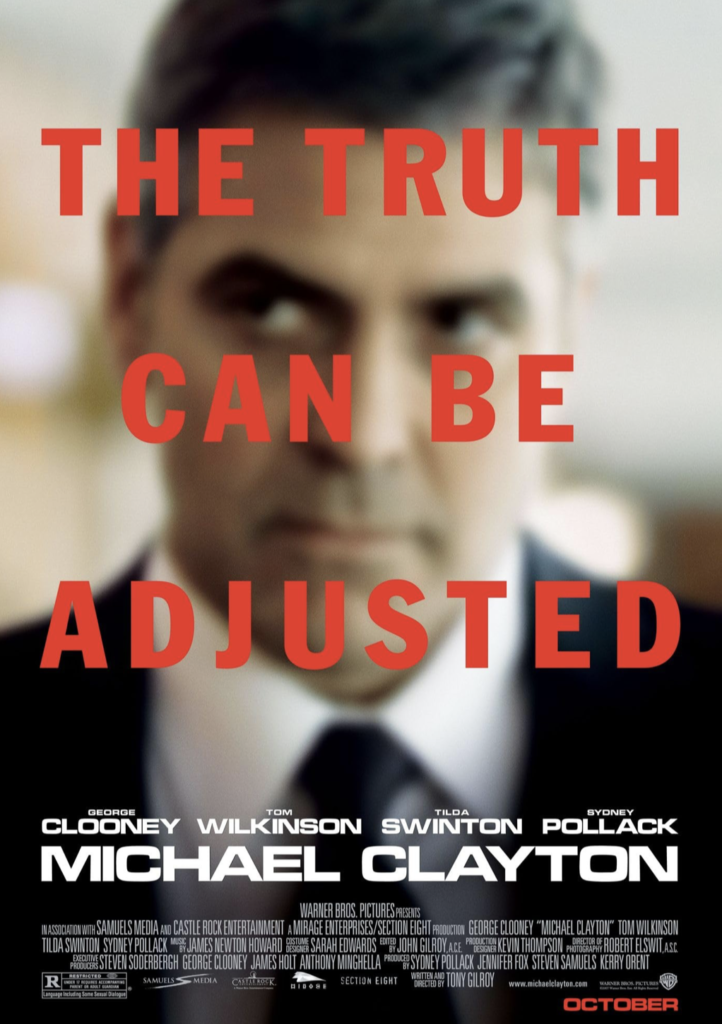
Michael Clayton: inside the clean‑up machine
If Spotlight looks at journalism and Dark Waters at corporate litigation, Michael Clayton focuses on the people whose job is to make problems disappear. The title character is a “fixer” at a prestigious law firm: he isn’t in court, and his name isn’t on the building, but he is the person they call when a client’s mess threatens to become public.
The film peels back the layers of how reputations are maintained. We see how language is used to soften reality—harm becomes “exposure,” victims become “plaintiffs,” and the goal is not necessarily to find the truth but to manage it. When Clayton begins to understand the scale of what his client has done, he faces a question at the core of a lot of modern scandals: what happens when someone inside the machine decides not to play their part anymore?
Michael Clayton is especially resonant when conversations online focus on “who knew” and “who helped.” It reminds us that entire careers and infrastructures exist to protect power and to make sure certain stories never catch fire in the first place.
How to watch these films with care
Because these movies deal with abuse, corruption, and betrayal, they can be emotionally heavy—especially for people who have personal experience with similar harms. A few ways to approach them thoughtfully:
- Check in with yourself before you press play. It’s okay to wait until you’re in a better headspace.
- Watch with someone you trust, or plan a debrief after. These aren’t background‑noise films; they merit conversation.
- Remember that survivors’ experiences are not plot devices. If a conversation about the movie starts turning into speculation or jokes about real people, you have permission to pull it back or step away.
The goal isn’t to turn real‑world pain into “content you can feel good about watching.” It’s to understand the systems around that pain more clearly and to keep our empathy intact.
Why sharing this kind of list matters
Sharing watchlists online can feel trivial, but small choices add up. When we recommend movies that take harm seriously, we’re nudging the culture in a different direction than the endless churn of sensational docuseries and clips built around shock value.
A thoughtful share says:
- I’m paying attention to the structures behind the headlines, not just the gossip.
- I’m interested in stories that center accountability, not just spectacle.
- I want our conversations to honor victims and the people fighting for the truth.
If you decide to post about these films, you don’t have to mention any specific scandal or case at all. You can simply say: “If you’re thinking a lot about power, silence, and cover‑ups right now, these are worth your time.” That alone can open up more grounded, respectful conversations than another round of speculation and rumor.
In a feed full of noise, choosing to highlight stories of persistence, investigation, and courage is its own quiet statement.

How to Find Your Voice as a Filmmaker

How Misinformation Overload Breaks Creative Focus

From Seen to Secured: How Filmmakers Are Owning Their Value


 Advice4 weeks ago
How to Make Your Indie Film Pay Off Without Losing Half to Distributors
- Advice3 days ago
How to Find Your Voice as a Filmmaker
- Business4 weeks ago
How Epstein’s Cash Shaped Artists, Agencies, and Algorithms
- Film Industry4 weeks ago
Why Burnt-Out Filmmakers Need to Unplug Right Now
- Entertainment4 weeks ago
You wanted to make movies, not decode Epstein. Too late.
- News3 weeks ago
Harlem’s Hottest Ticket: Ladawn Mechelle Taylor Live
- News3 days ago
How Misinformation Overload Breaks Creative Focus
- News2 weeks ago
From Seen to Secured: How Filmmakers Are Owning Their Value