
World News
Israel’s war on Hamas poses major test for US-led Abraham Accords on October 21, 2023 at 10:00 am


Arab nations are publicly isolating Israel as it responds to Hamas’s unprecedented terrorist attack, testing the boundaries of the U.S. led-Abraham Accords that was meant to usher in a new era of peace in the region.
But American lawmakers argue the accords — brokered during the Trump administration that established ties between Israel, the United Arab Emirates and Bahrain in 2020 — are still an important step toward Israel’s integration in the region. And they still think the ultimate goal, a breakthrough on ties between Israel and Saudi Arabia, is possible.
Democrats and Republicans are pointing to Iran — the financial and military backer of Hamas — as the overarching threat, the glue binding the countries that signed the accords, and potentially motivation for more countries to join.
“Every single country said, ‘Please don’t leave us, we are worried about the threat from Iran,’” Sen. Jacky Rosen (D-Nev.) told The Hill, about her experience leading the first-ever Abraham Accords caucus trip to Morocco, Bahrain, UAE, and Israel.
“I believe as we move on a little bit further, we will be able to work together because everyone is worried about that terrorist threat.”
Sen. Joni Ernst (R-Iowa) was in Saudi Arabia on the weekend of Oct. 7, the day Hamas launched its attack on Israel, meeting with Crown Prince Mohammed bin Salman about the future of a ground-breaking peace agreement with Israel.
“We had left the meeting the night before with such optimism, and then when we found out about the attacks on Israel, it really struck us that this has just made our task that much harder,” she told The Hill.
“Obviously we were very sad about what was happening in Israel, the dynamics in the Middle East are very difficult, very difficult … it just really was difficult for us to face that next day knowing that, where we thought we were making advances, now it’s probably going to be on hold for just a bit.”
U.S. officials have said there is no direct evidence of Iran’s involvement in the terrorist attack against Israel. But some experts and lawmakers theorize that Hamas and its patron Iran are seeking to rupture rapidly advancing agreements between Israel and its Arab neighbors.
“Literally, we have the Abraham Accords moving with Morocco, with UAE and Bahrain, continued engagement, normalization in the region, and Hamas determines this is against their self-interest, and they literally slaughter 1,400 individuals to try and deter all of that dialogue,” Sen. James Lankford (R-Okla.) said.
Hamas’s attack was months in the planning, reportedly consisting of detailed intelligence of secret Israeli army installations along the Gaza Strip and that culminated in the brutal killing of civilians at a music festival and in the communities in the area.
Hamas is holding more than 200 people it took from Israel as hostages in the Gaza Strip. And Israel estimates 1,400 were killed — with bodies still being identified, some burned or mutilated beyond identification.
Condemnations surrounding Hamas’s assault quickly came out from the U.S. and other Western and democratic countries. And in a sign that the Abraham Accords had shifted things slightly in the region, the UAE condemned Hamas publicly as launching attacks against Israel.
“To me it is actually quite remarkable,” said Ghaith al-Omari, a senior fellow with The Washington Institute for Near East Policy. “If you look at the statements of Abraham Accord countries, UAE and Bahrain specifically condemn Hamas. Morocco made a less explicit statement but a quick statement that was also quite strong, and that was a really marked difference from some of the other Arab countries.”
But al-Omari, speaking to The Hill Wednesday morning, warned that quickly changing developments on the ground often frustrate the best efforts at diplomacy.
Later that day, an explosion occurred at a hospital in Gaza, killing and wounding hundreds. Arab nations surrounding Israel quickly and unequivocally blamed the Israel for carrying out an attack.
Israel rejected blame and released intelligence assessments — which have since been supported by the U.S. — saying a misfired rocket launched from the Gaza Strip by the Palestinian Islamic Jihad landed on the hospital.
“Everybody here believes that Israel is responsible for it. The Israeli army says it is not. But to be honest, try and find anybody that’s going to believe it in this part of the world,” Jordan’s Foreign Minister Ayman Safadi said in an interview with CNN.
Protests against Israel have intensified in the Middle East and worldwide as Palestinian civilian casualties from Israeli airstrikes increase, giving fuel to the entrenched, historical view in the region of Israel as an occupier and aggressor.
After the Gaza hospital explosion, Palestinian Authority President Mahmoud Abbas, along with the leaders of Jordan and Egypt, called off a summit with President Biden the day before he was set to leave for the region, saying they could not participate in a meeting they didn’t believe would end the war.
Sen. Mark Kelly (D-Ariz.), a member of the Abraham Accords caucus, said the reaction from the Arab world was not “unexpected.” But he said the utility of the accords should not necessarily be viewed in terms of Arab support for Israel, but in Arab efforts to prevent Israel’s war against Hamas from expanding into a wider conflict, in particular with Iran.
”Everything’s relative here, right? So far, this hasn’t expanded to a bigger conflict. And one of our goals here is to make sure that it doesn’t, make sure that Iran doesn’t get involved, that Hezbollah [in Lebanon], that this doesn’t expand to a conflict in the north of Israel. And so far that’s the case.”
In his prime-time address Thursday night, Biden made the case for U.S. leadership in supporting Israel and supporting Ukraine in its defensive war against Russian President Vladimir Putin as part of limiting the spread of a bigger war.
“If we walk away and let Putin erase Ukraine’s independence, would-be aggressors around the world would be emboldened to try the same. The risk of conflict and chaos could spread in other parts of the world, in the Indo-Pacific, in the Middle East, especially in the Middle East,” he said.
“Iran is supporting Russia in Ukraine, and it’s supporting Hamas and other terrorist groups in the region. And we’ll continue to hold them accountable, I might add.”
Biden has directed two U.S. carrier strike groups to the Mediterranean as a show of force to deter Iran and its proxies in the region from instigating a larger war with Israel as it focuses on eliminating the threat from Hamas.
The Pentagon said Thursday that a U.S. navy destroyer had intercepted missiles and several drones shot by the Iranian-backed Houthis in Yemen toward Israel.
The U.S. has also thwarted drone and missile attacks on its bases in Iraq, without assigning responsibility. But there’s concern that Iranian-backed militias in Iraq are working to attack the U.S. for its support of Israel.
Sen. James Risch (R-Idaho), the ranking member of the Senate Foreign Relations Committee, said he believes that rapprochement between Israel and its Arab neighbors “struck the match” for the Hamas attack on Israel. Risch, along with other GOP lawmakers, have called out Iran as the party overall responsible for Hamas’s terrorism.
“The Iranians are using Arab allies, namely Hamas and [Palestinian Islamic Jihad] and Hezbollah as their agents to foment this, there’s no question about it,” he said.
Risch had met with Crown Prince Mohammed earlier this year and said he has plans to meet with the Saudis again to talk about establishing relations with Israel.
Saudi Arabia holds massive military, financial and spiritual influence in the region — as custodian to Islam’s most holy city, Mecca. Establishing relations with Israel would lead to a tectonic shift in attitudes in the region.
“If there is, and I think there will be eventually, normality between Israel and Saudi Arabia, this is going to put Iran on an island, and they can’t stand that,” Risch said
Arab nations are publicly isolating Israel as it responds to Hamas’s unprecedented terrorist attack, testing the boundaries of the U.S. led-Abraham Accords that was meant to usher in a new era of peace in the region. But American lawmakers argue the accords — brokered during the Trump administration that established ties between Israel, the United…




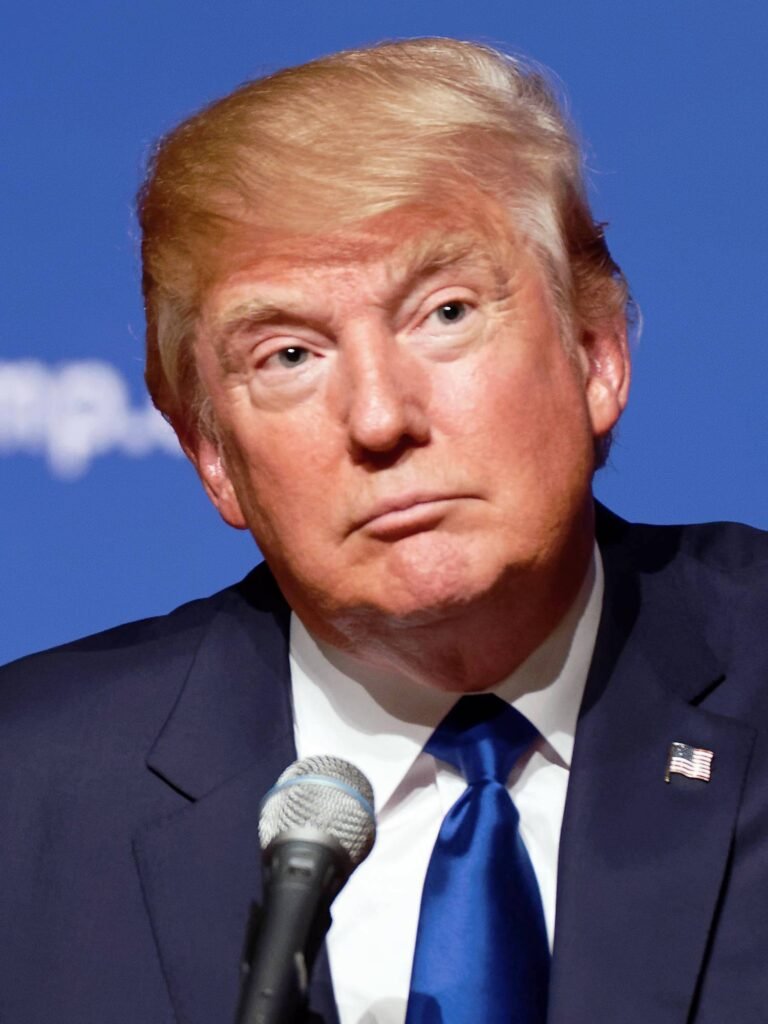
President Donald Trump says the United States might one day get rid of federal income tax because of money the government collects from tariffs on imported goods. Tariffs are extra taxes the U.S. puts on products that come from other countries.
What Trump Is Saying
Trump has said that tariff money could become so large that it might allow the government to cut income taxes “almost completely.” He has also talked about possibly phasing out income tax over the next few years if tariff money keeps going up.
How Taxes Work Now
Right now, the federal government gets much more money from income taxes than from tariffs. Income taxes bring in trillions of dollars each year, while tariffs bring in only a small part of that total. Because of this gap, experts say tariffs would need to grow by many times to replace income tax money.

Questions From Experts
Many economists and tax experts doubt that tariffs alone could pay for the whole federal budget. They warn that very high tariffs could make many imported goods more expensive for shoppers in the United States. This could hit lower- and middle‑income families hardest, because they spend a big share of their money on everyday items.
What Congress Must Do
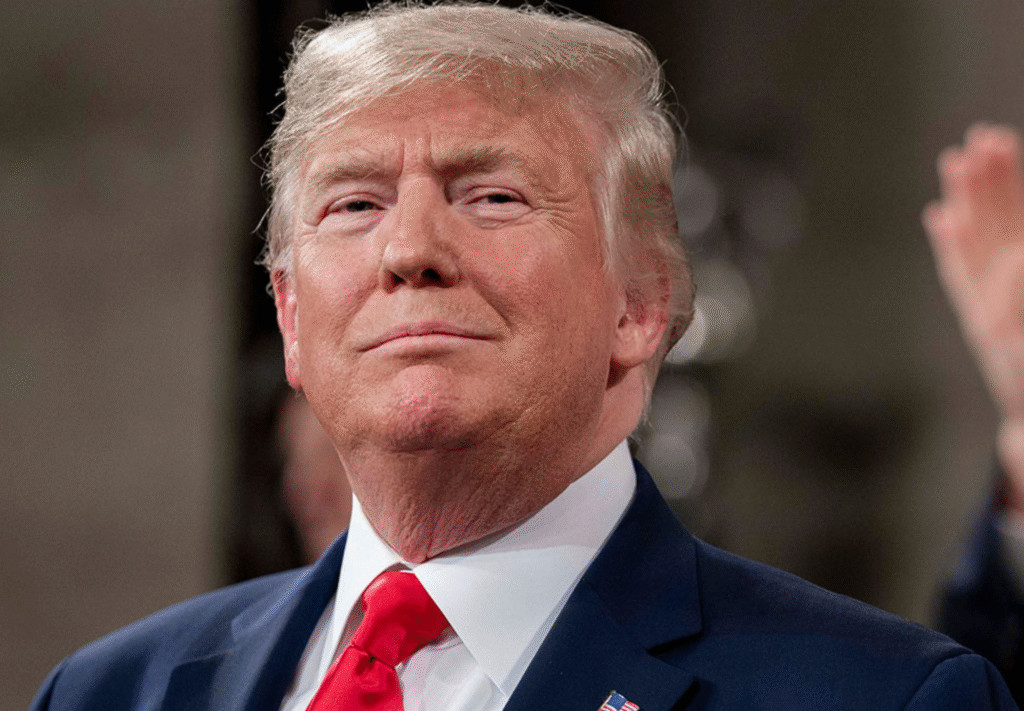
The president can change some tariffs, but only Congress can change or end the federal income tax. That means any real plan to remove income tax would need new laws passed by both the House of Representatives and the Senate. So far, there is no detailed law or full budget plan on this idea.
What It Means Right Now
For now, Trump’s comments are a proposal, not a change in the law. People and businesses still have to pay federal income tax under the current rules. The debate over using tariffs instead of income taxes is likely to continue among lawmakers, experts, and voters.
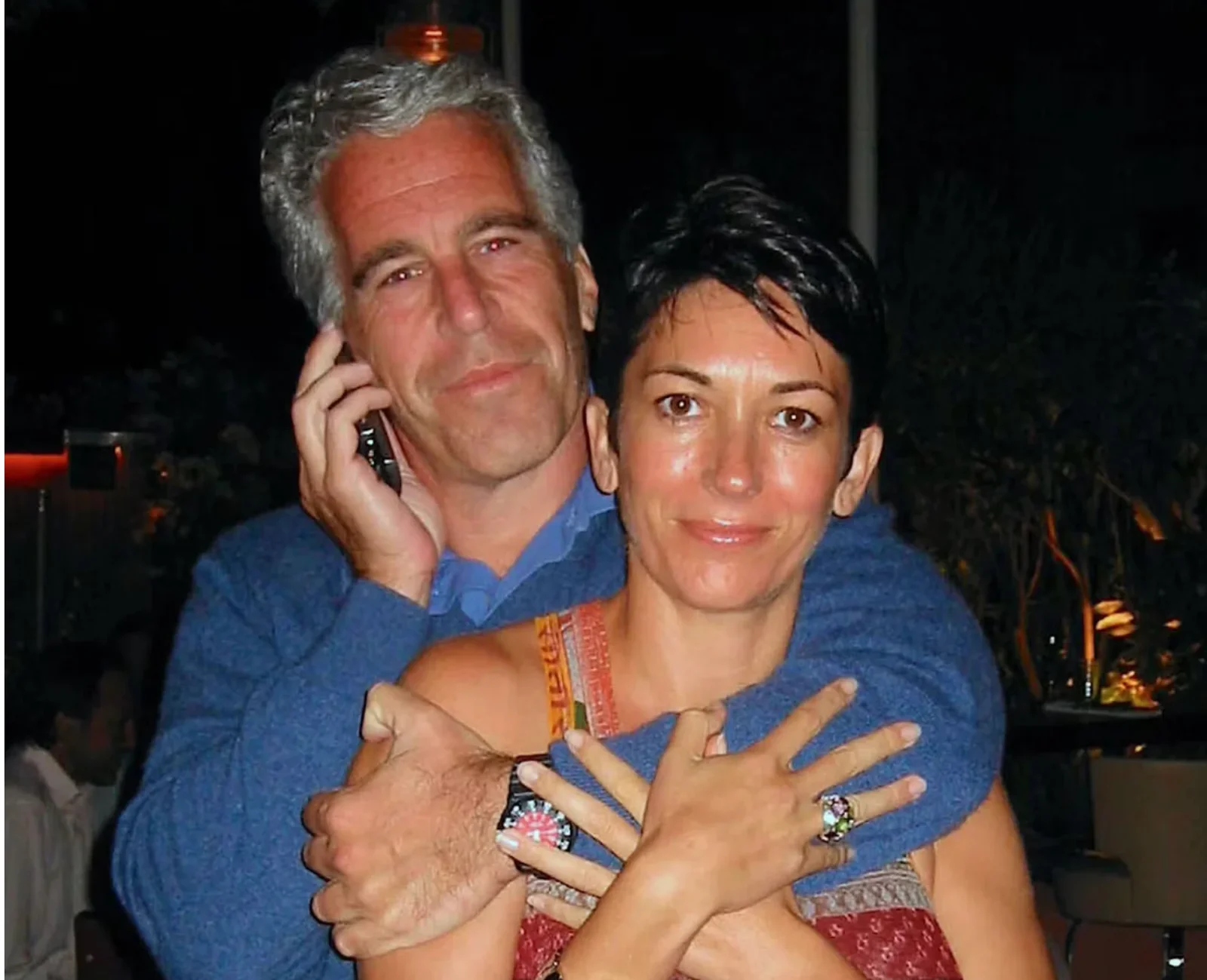
Former President Donald Trump has signed an executive order directing federal agencies to declassify all government files related to Jeffrey Epstein, the disgraced financier whose death in 2019 continues to fuel controversy and speculation.
The order, signed Wednesday at Trump’s Mar-a-Lago estate, instructs the FBI, Department of Justice, and intelligence agencies to release documents detailing Epstein’s network, finances, and alleged connections to high-profile figures. Trump described the move as “a step toward transparency and public trust,” promising that no names would be shielded from scrutiny.
“This information belongs to the American people,” Trump said in a televised statement. “For too long, powerful interests have tried to bury the truth. That ends now.”
U.S. intelligence officials confirmed that preparations for the release are already underway. According to sources familiar with the process, the first batch of documents is expected to be made public within the next 30 days, with additional releases scheduled over several months.

Reactions poured in across the political spectrum. Supporters praised the decision as a bold act of accountability, while critics alleged it was politically motivated, timed to draw attention during a volatile election season. Civil rights advocates, meanwhile, emphasized caution, warning that some records could expose private victims or ongoing legal matters.
The Epstein case, which implicated figures in politics, business, and entertainment, remains one of the most talked-about scandals of the past decade. Epstein’s connections to influential individuals—including politicians, royals, and executives—have long sparked speculation about the extent of his operations and who may have been involved.
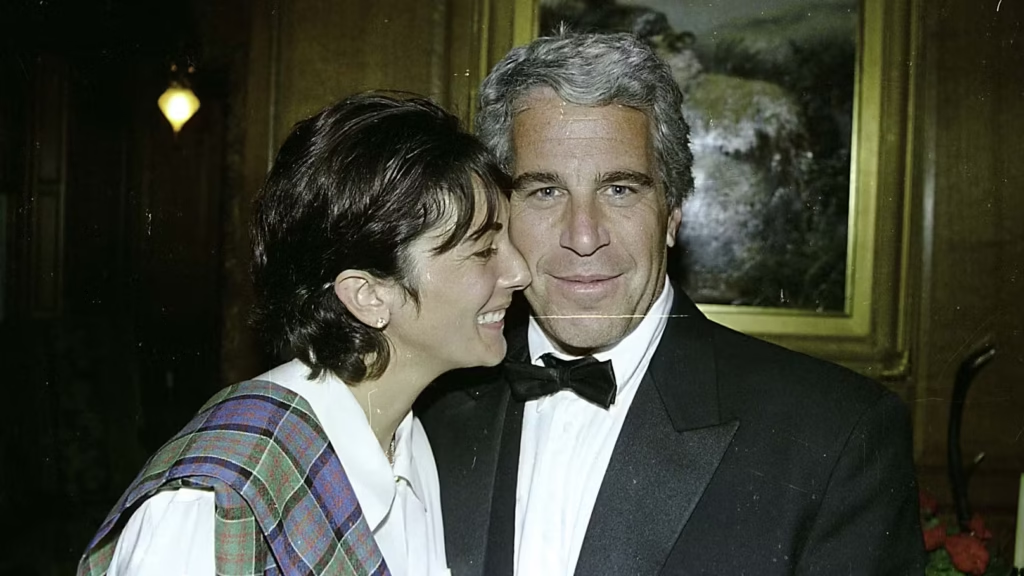
Former federal prosecutor Lauren Fields said the release could mark a turning point in public discourse surrounding government transparency. “Regardless of political stance, this declassification has the potential to reshape how Americans view power and accountability,” Fields noted.
Officials say redactions may still occur to protect sensitive intelligence or personal information, but the intent is a near-complete disclosure. For years, critics of the government’s handling of Epstein’s case have accused agencies of concealing evidence or shielding elites from exposure. Trump’s order promises to change that narrative.
As anticipation builds, journalists, legal analysts, and online commentators are preparing for what could be one of the most consequential information releases in recent history.
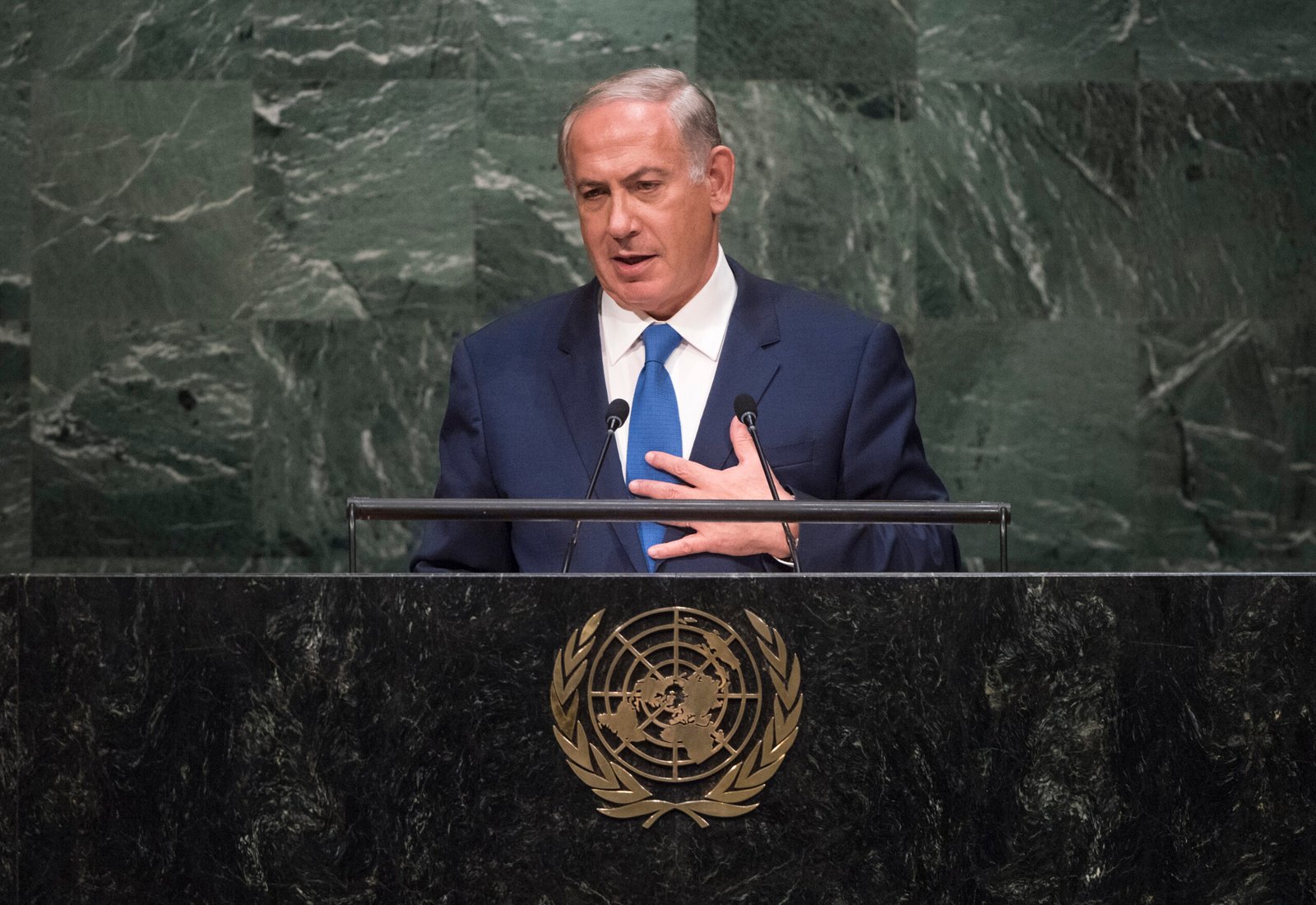
What Happened at the United Nations
On Friday, Israeli Prime Minister Benjamin Netanyahu addressed the United Nations General Assembly in New York City, defending Israel’s ongoing military operations in Gaza. As he spoke, more than 100 delegates from over 50 countries stood up and left the chamber—a rare and significant diplomatic walkout. Outside the UN, thousands of protesters gathered to voice opposition to Netanyahu’s policies and call for accountability, including some who labeled him a war criminal. The protest included activists from Palestinian and Jewish groups, along with international allies.
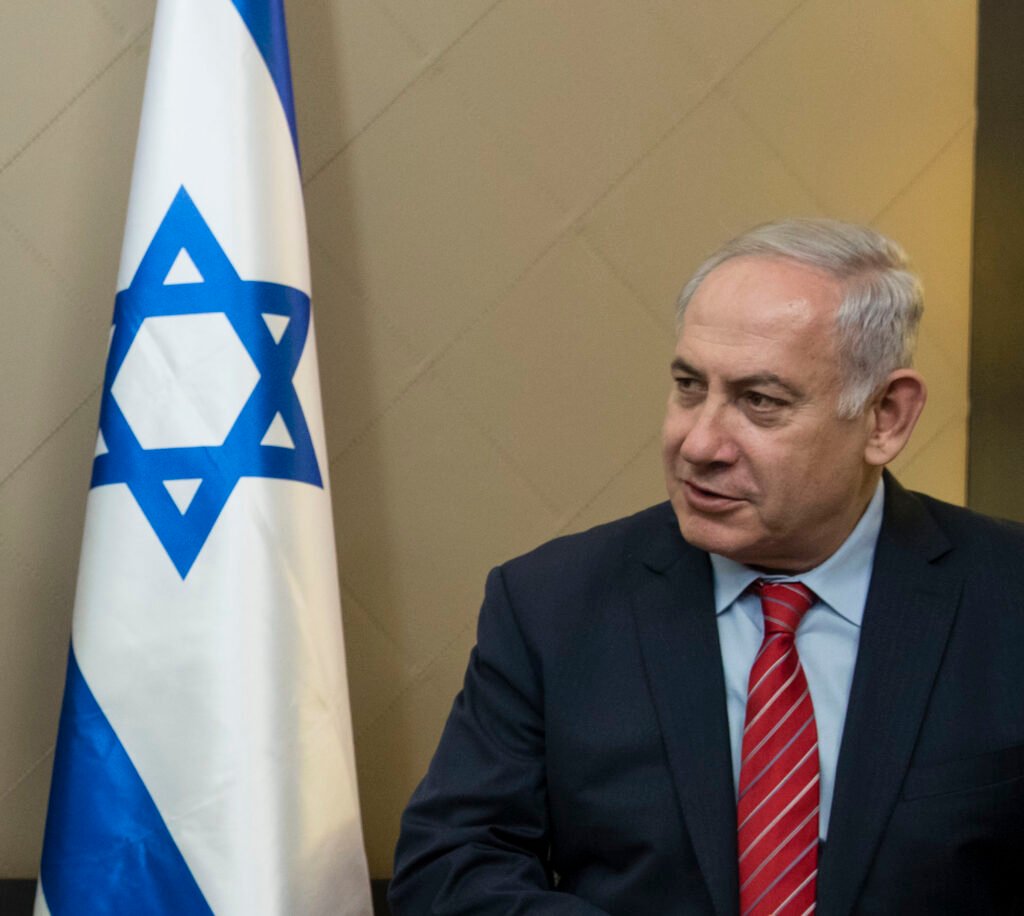
Why Did Delegates and Protesters Walk Out?
The walkouts and protests were a response to Israel’s continued offensive in Gaza, which has resulted in widespread destruction and a significant humanitarian crisis. Many countries and individuals have accused Israel of excessive use of force, and some international prosecutors have suggested Netanyahu should face investigation by the International Criminal Court for war crimes, including claims that starvation was used as a weapon against civilians. At the same time, a record number of nations—over 150—recently recognized the State of Palestine, leaving the United States as the only permanent UN Security Council member not to join them.
International Reaction and Significance
The diplomatic walkouts and street protests demonstrate increasing global concern over the situation in Gaza and growing support for Palestinian statehood. Several world leaders, including Colombia’s President Gustavo Petro, showed visible solidarity with protesters. Petro called for international intervention and, controversially, for US troops not to follow orders he viewed as supporting ongoing conflict. The US later revoked Petro’s visa over his role in the protests, which he argued was evidence of a declining respect for international law.
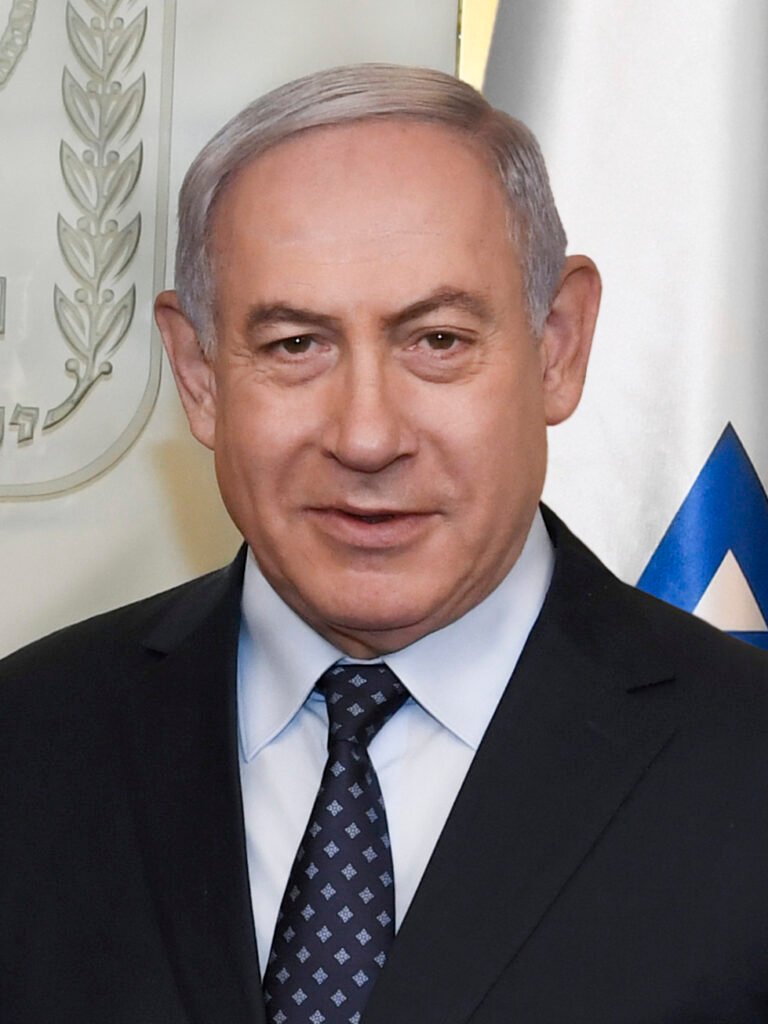
Why Is This News Important?
The Gaza conflict is one of the world’s most contentious and closely-watched issues. It has drawn strong feelings and differing opinions from governments, activists, and ordinary people worldwide. The United Nations, as an international organization focused on peace and human rights, is a key arena for these debates. The events surrounding Netanyahu’s speech show that many nations and voices are urging new action—from recognition of Palestinian rights to calls for sanctions against Israel—while discussion and disagreement over the best path forward continue.

This episode at the UN highlights how international diplomacy, public protests, and official policy are all intersecting in real time as the search for solutions to the Israeli-Palestinian conflict remains urgent and unresolved.

The Franchise Is Over. Here’s Who’s Winning Now.

What Kanye’s ‘Father’ Says About Power, Faith, and Control

The machine isn’t coming. It’s aleady the room.


 Advice3 weeks ago
How to Find Your Voice as a Filmmaker
- News3 weeks ago
How Misinformation Overload Breaks Creative Focus
- News4 weeks ago
From Seen to Secured: How Filmmakers Are Owning Their Value
- Entertainment3 weeks ago
7 Filmmaking Lessons From Michael B. Jordan’s Oscar Moment
- Entertainment3 weeks ago
This scene almost broke him. And changed his career.
- News1 week ago
The Timothée Chalamet Guide to Ruining Your Image
- Advice2 weeks ago
Stop Waiting for Permission — The Film Industry Just Rewrote the Rules
- Entertainment7 days ago
The machine isn’t coming. It’s aleady the room.