
World News
Israel-Hamas war threatens global shipping as risk of wider conflict intensifies on January 5, 2024 at 10:30 am

Shipping companies are diverting their cargo away from the Red Sea as attacks by the Houthi rebel group in Yemen intensify in response to the ongoing siege of Gaza.
The attacks by the Houthi rebels, officially known as Ansar Allah, are now sparking confrontations in other parts of the Middle East, and U.S. diplomats are moving to reassure allies and stanch a wider conflict.
“The Houthis will bear the responsibility of the consequences should they continue to threaten lives, the global economy, and free flow of commerce in the region’s critical waterways,” said the U.S., Japan, the United Kingdom, Germany and eight other countries in a joint Wednesday statement.
There have been 25 attacks since Nov. 18 against merchant ships moving through the Southern Red Sea and Gulf of Aden, Vice Admiral Brad Cooper, commander of the Bahrain-based U.S. 5th Fleet, told reporters Thursday.
In December, the U.S. launched naval operation “Prosperity Guardian” along with the United Kingdom, Bahrain, Canada, France, Italy, the Netherlands, Norway, Seychelles and Spain to protect commercial ships from attacks by the Houthis.
Pentagon officials have been keeping in nearly constant contact with merchant ships at sea using a tactical communications network, a senior defense official told The Hill Thursday.
The U.S also sunk Sunday three small Houthi boats following an attack on a merchant ship, prompting Iran to send its Alborz destroyer to the Red Sea the following day.
But the Houthis remain unbowed, vowing to continue their attacks in response to the bombardment of Gaza by Israeli forces. More than 22,000 Palestinians have died and more than 57,000 have been injured during the siege of Gaza, according to the Gaza health ministry.
The siege was prompted by an Oct. 7 attack by Palestinian militant group Hamas, which killed more than 1,000 Israelis and took hundreds more hostage.
“Yemeni naval operations are ethical and will continue until the genocide crimes in Gaza are stopped and food, medicine and fuel are allowed to enter its residents,” Ansar Allah spokesperson Mohammed al-Bukhaiti wrote on the online platform X on Wednesday.
“We advise the countries that threatened Yemen in their joint statement to seek to stop crimes in Palestine, not to protect their perpetrators, and to address the causes of the problem, not its consequences,” he wrote.
Economic fallout could have a ‘significant impact’
The economic fallout from the naval hostilities is growing as shipping giants redirect their cargoes around Africa as opposed to sending them through the Suez Canal, Red Sea and Gulf of Aden.
Shipping costs are spiking across various indexes, including the Shanghai Containerized Freight Index, one of the industry standards, which hit 1,759 points on Wednesday.
That’s up from recent levels around 1,000 but still way below the 5-year peak of more than 5,100 points reached during the supply chain crunch in January 2022 that was set off by the pandemic.
Shippers are not happy about the security situation and its effect on their businesses.
“[The] Red Sea task force [is] still proving insufficient,” Judah Levine, head of research at the logistics platform Freightos, wrote on the company blog Wednesday.
“The Houthis seem undeterred as attacks continued last week and as recently as Saturday, marking 23 commercial vessels targeted since mid-November, with the latest targeted vessels having no apparent ties to Israeli ownership or trade.”
The primary Suez Canal trade route between Europe and Asia shepherded 15 percent of global container trade in 2022, according to data from the United Nations Conference on Trade and Development, an equivalent of 24.2 million 20-foot containers.
The Red Sea route saves ships 10 days of transit, during which shippers pay additional fuel costs, seafarers’ wages, and other forms of overhead.
“This could mean higher costs for goods,” International Maritime Organization spokesperson Natasha Brown said in an email to The Hill. “If more ships divert, there could be significant impact.”
Shippers steer clear of Red Sea at steep cost
Shipping company Maersk now lists dozens of vessels diverted around the Cape of Good Hope following a December 30 incident with one of its ships, the Hangzhou.
“An investigation into the incident is ongoing and we will continue to pause all cargo movement through the area while we further assess the constantly evolving situation,” the company said in a Tuesday statement.
Shipper MSC confirmed a December 26 attack on its ship the MSC United VIII while transiting the Red Sea and said it was told to engage in evasive maneuvers by a nearby coalition warship.
About thirty ships belonging to German shipping company Hapag-Lloyd have had to be rerouted since December 18, spokesperson Nils Haupt told The Hill.
“[The total volume of affected shipments is] difficult to say – but if you take 30 ships with very different sizes, but that make an average of 12,000 [twenty-foot equivalent units] per vessel, you will see that we talk about nearly half a million – and that’s only us,” he said.
A brewing diplomatic crisis could worsen the economic fallout
Beyond the Red Sea, the conflict has repeatedly crossed the Israeli border into Lebanon. Senior Hamas leader Saleh al-Arouri was killed in a suspected Israeli strike in the country on Tuesday, prompting threats of retaliation from Hassan Nasrallah, the leader of the Iran-backed political group Hezbollah.
Israeli Interior Minister Itamar Ben-Gvir also wrote Tuesday on X about “the migration of hundreds of thousands from Gaza,” further inflaming tensions.
“This is a very dangerous moment. A region-wide war appears more likely by the day,” U.S.-Iranian relations expert and advocate Trita Parsi wrote online Wednesday. “As Israel’s attacks continue, Tehran’s long-game strategy is coming under increasing strain as more voices in Iran argue that the absence of a strong response undermines Iran’s deterrence.”
Secretary of State Antony Blinken announced travel to the Middle East on Thursday as the conflict between Israel and the Palestianians threatens to further engulf the region.
He’ll engage in shuttle diplomacy, making stops in Turkey, Greece, Jordan, Qatar, the United Arab Emirates, Saudi Arabia, Israel, the West Bank and Egypt, the State Department said in a Thursday statement.
“Throughout his trip, the Secretary will underscore the importance of protecting civilian lives in Israel and the West Bank and Gaza; securing the release of all remaining hostages; our shared commitment to facilitating the increased, sustained delivery of life-saving humanitarian assistance to civilians in Gaza and the resumption of essential services; and ensuring that Palestinians are not forcibly displaced from Gaza,” the State Department said.
Brad Dress contributed to this story.
Shipping companies are diverting their cargo away from the Red Sea as attacks by the Houthi rebel group in Yemen intensify in response to the ongoing siege of Gaza. The attacks by the Houthi rebels, officially known as Ansar Allah, are now sparking confrontations in other parts of the Middle East, and U.S. diplomats are…




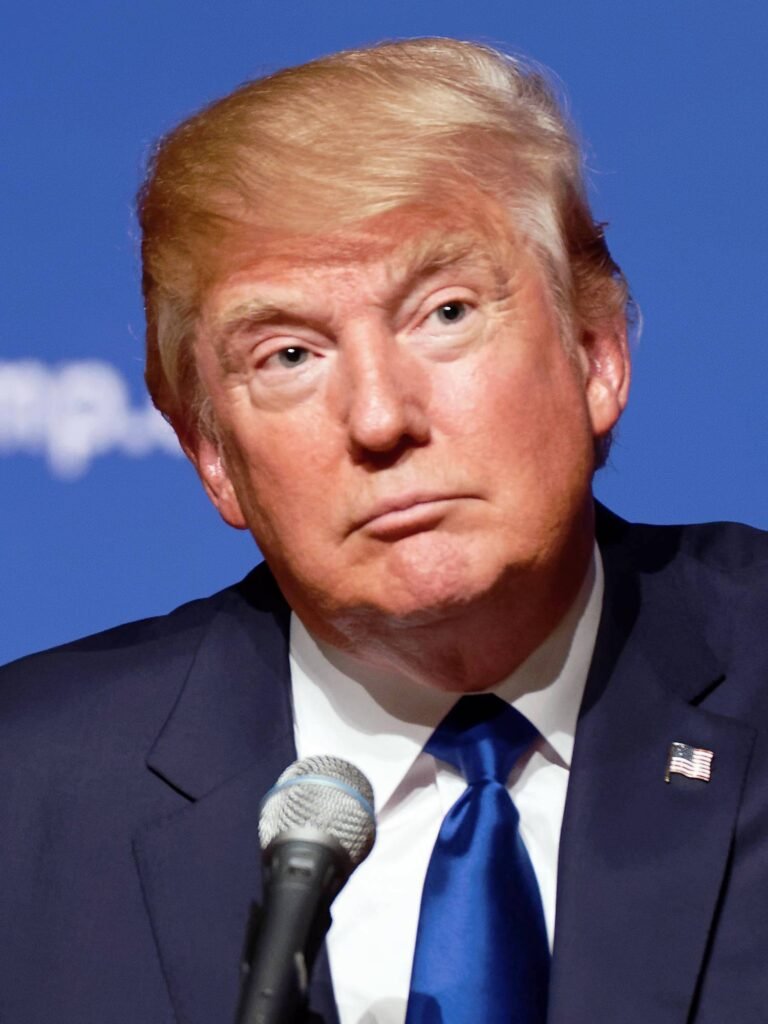
President Donald Trump says the United States might one day get rid of federal income tax because of money the government collects from tariffs on imported goods. Tariffs are extra taxes the U.S. puts on products that come from other countries.
What Trump Is Saying
Trump has said that tariff money could become so large that it might allow the government to cut income taxes “almost completely.” He has also talked about possibly phasing out income tax over the next few years if tariff money keeps going up.
How Taxes Work Now
Right now, the federal government gets much more money from income taxes than from tariffs. Income taxes bring in trillions of dollars each year, while tariffs bring in only a small part of that total. Because of this gap, experts say tariffs would need to grow by many times to replace income tax money.

Questions From Experts
Many economists and tax experts doubt that tariffs alone could pay for the whole federal budget. They warn that very high tariffs could make many imported goods more expensive for shoppers in the United States. This could hit lower- and middle‑income families hardest, because they spend a big share of their money on everyday items.
What Congress Must Do
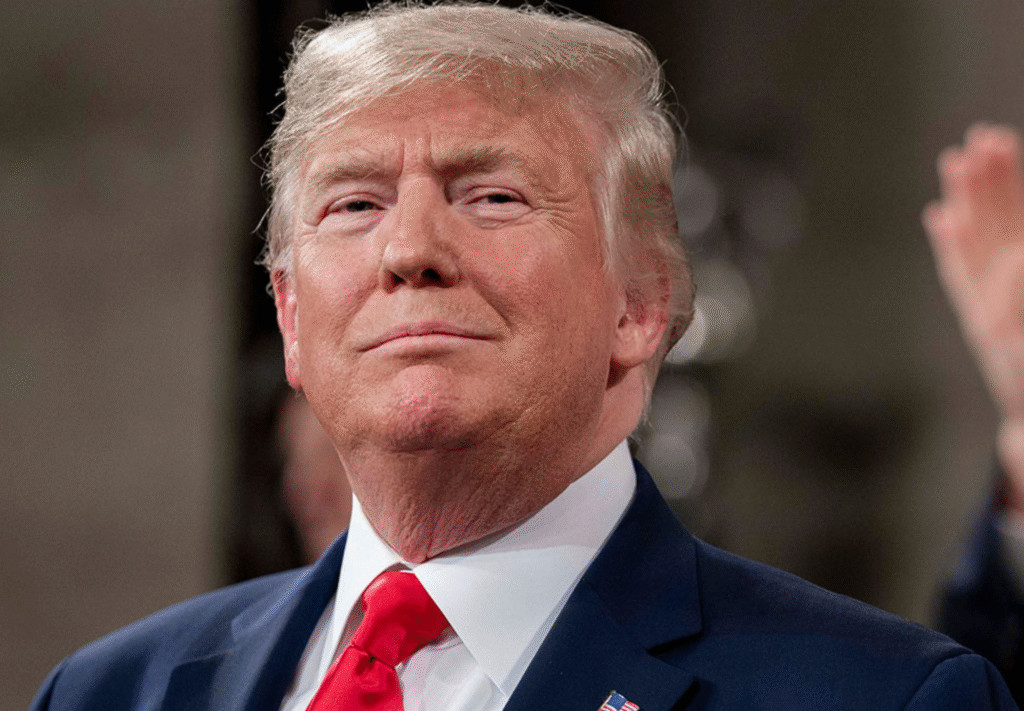
The president can change some tariffs, but only Congress can change or end the federal income tax. That means any real plan to remove income tax would need new laws passed by both the House of Representatives and the Senate. So far, there is no detailed law or full budget plan on this idea.
What It Means Right Now
For now, Trump’s comments are a proposal, not a change in the law. People and businesses still have to pay federal income tax under the current rules. The debate over using tariffs instead of income taxes is likely to continue among lawmakers, experts, and voters.
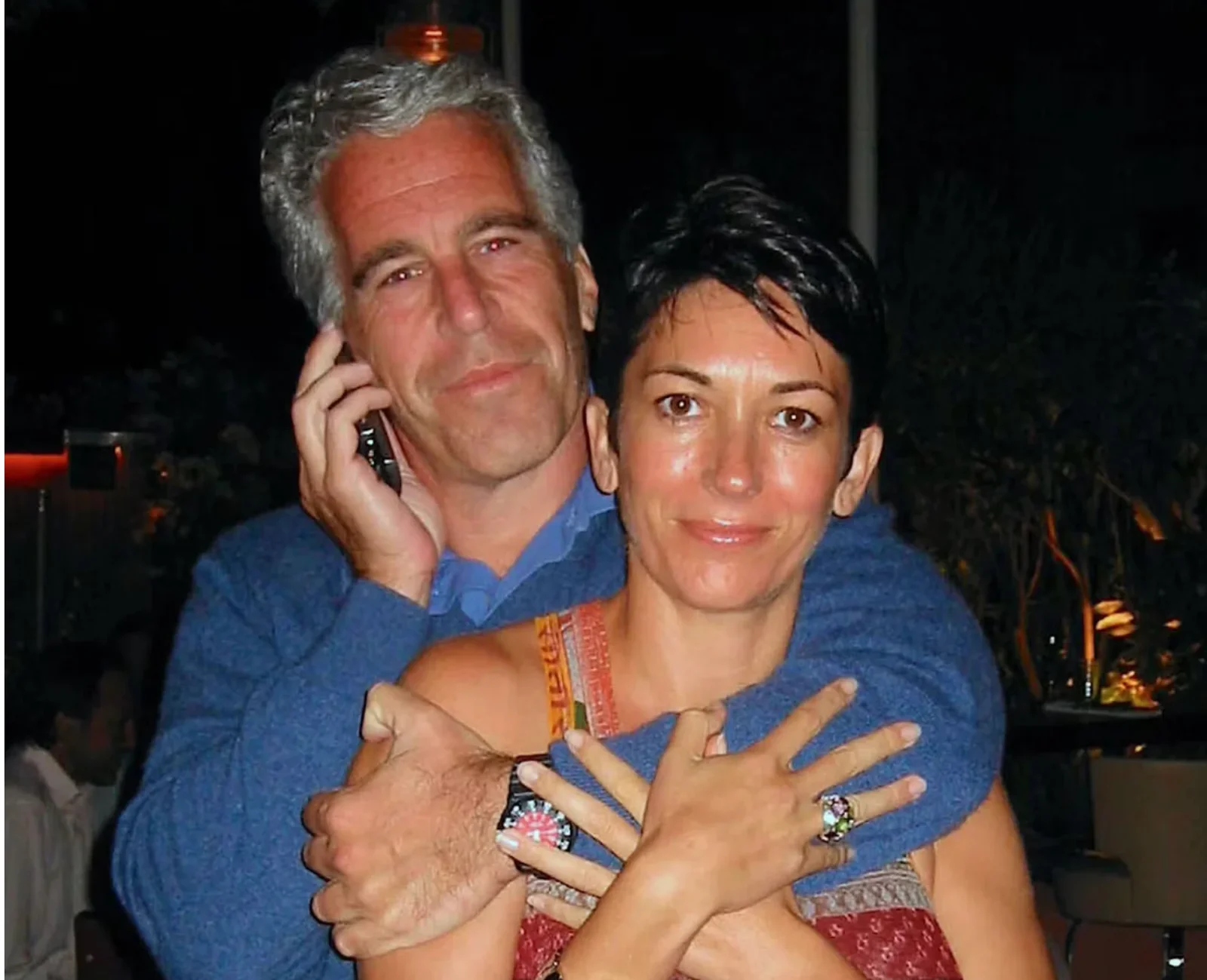
Former President Donald Trump has signed an executive order directing federal agencies to declassify all government files related to Jeffrey Epstein, the disgraced financier whose death in 2019 continues to fuel controversy and speculation.
The order, signed Wednesday at Trump’s Mar-a-Lago estate, instructs the FBI, Department of Justice, and intelligence agencies to release documents detailing Epstein’s network, finances, and alleged connections to high-profile figures. Trump described the move as “a step toward transparency and public trust,” promising that no names would be shielded from scrutiny.
“This information belongs to the American people,” Trump said in a televised statement. “For too long, powerful interests have tried to bury the truth. That ends now.”
U.S. intelligence officials confirmed that preparations for the release are already underway. According to sources familiar with the process, the first batch of documents is expected to be made public within the next 30 days, with additional releases scheduled over several months.

Reactions poured in across the political spectrum. Supporters praised the decision as a bold act of accountability, while critics alleged it was politically motivated, timed to draw attention during a volatile election season. Civil rights advocates, meanwhile, emphasized caution, warning that some records could expose private victims or ongoing legal matters.
The Epstein case, which implicated figures in politics, business, and entertainment, remains one of the most talked-about scandals of the past decade. Epstein’s connections to influential individuals—including politicians, royals, and executives—have long sparked speculation about the extent of his operations and who may have been involved.

Former federal prosecutor Lauren Fields said the release could mark a turning point in public discourse surrounding government transparency. “Regardless of political stance, this declassification has the potential to reshape how Americans view power and accountability,” Fields noted.
Officials say redactions may still occur to protect sensitive intelligence or personal information, but the intent is a near-complete disclosure. For years, critics of the government’s handling of Epstein’s case have accused agencies of concealing evidence or shielding elites from exposure. Trump’s order promises to change that narrative.
As anticipation builds, journalists, legal analysts, and online commentators are preparing for what could be one of the most consequential information releases in recent history.
What Happened at the United Nations
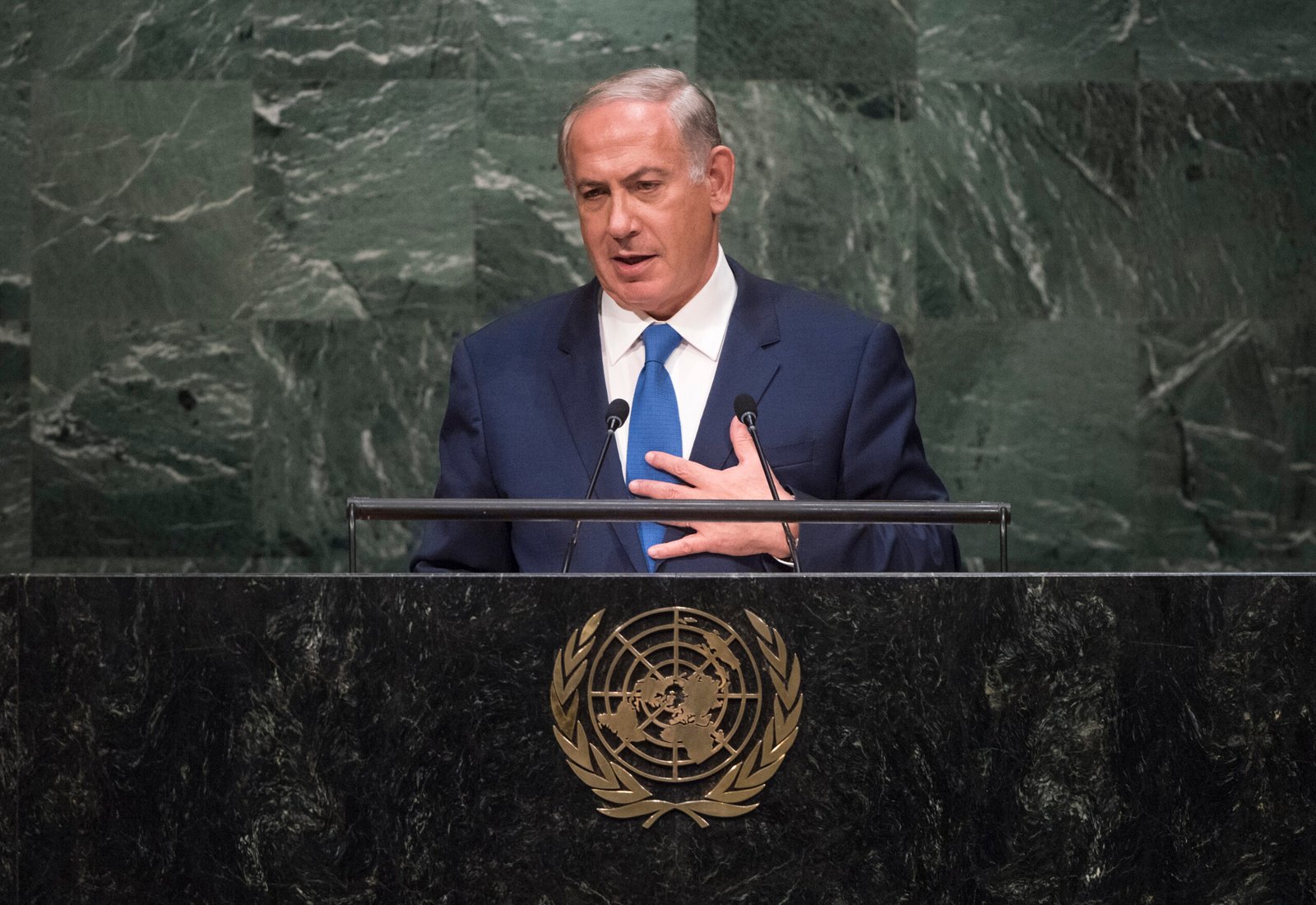
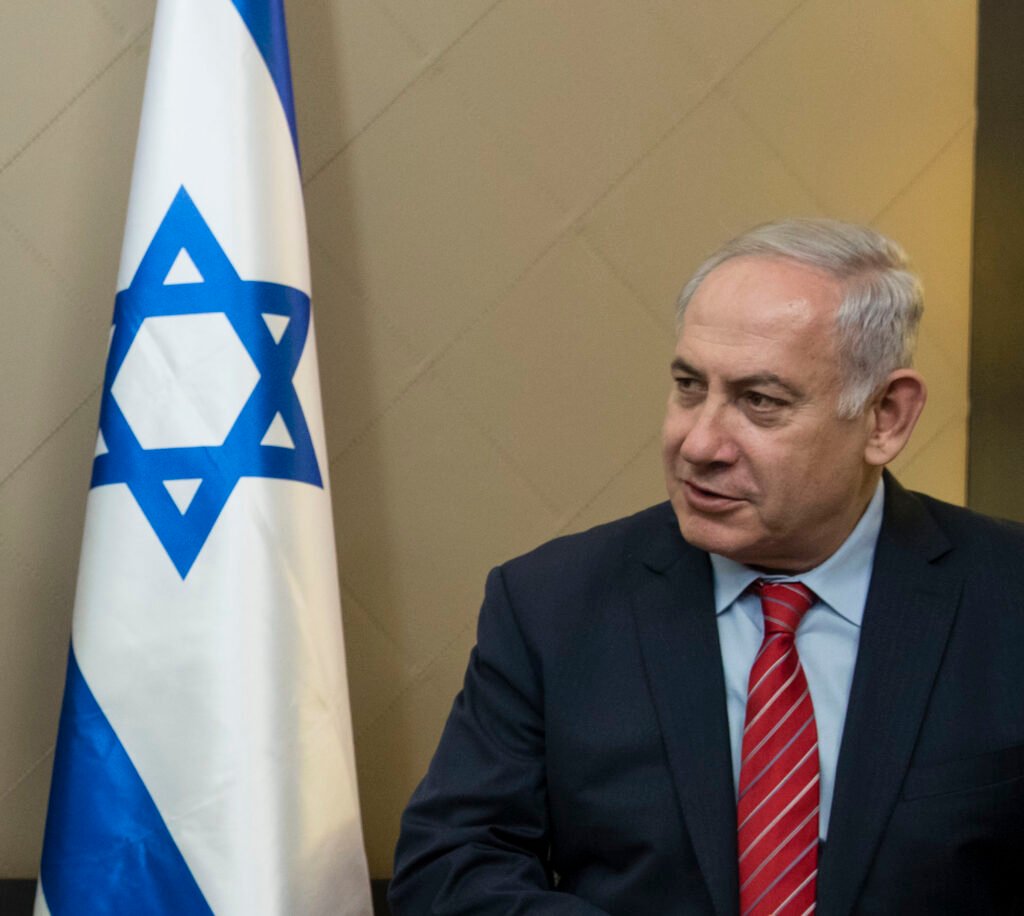
On Friday, Israeli Prime Minister Benjamin Netanyahu addressed the United Nations General Assembly in New York City, defending Israel’s ongoing military operations in Gaza. As he spoke, more than 100 delegates from over 50 countries stood up and left the chamber—a rare and significant diplomatic walkout. Outside the UN, thousands of protesters gathered to voice opposition to Netanyahu’s policies and call for accountability, including some who labeled him a war criminal. The protest included activists from Palestinian and Jewish groups, along with international allies.
Why Did Delegates and Protesters Walk Out?
The walkouts and protests were a response to Israel’s continued offensive in Gaza, which has resulted in widespread destruction and a significant humanitarian crisis. Many countries and individuals have accused Israel of excessive use of force, and some international prosecutors have suggested Netanyahu should face investigation by the International Criminal Court for war crimes, including claims that starvation was used as a weapon against civilians. At the same time, a record number of nations—over 150—recently recognized the State of Palestine, leaving the United States as the only permanent UN Security Council member not to join them.
International Reaction and Significance
The diplomatic walkouts and street protests demonstrate increasing global concern over the situation in Gaza and growing support for Palestinian statehood. Several world leaders, including Colombia’s President Gustavo Petro, showed visible solidarity with protesters. Petro called for international intervention and, controversially, for US troops not to follow orders he viewed as supporting ongoing conflict. The US later revoked Petro’s visa over his role in the protests, which he argued was evidence of a declining respect for international law.

Why Is This News Important?
The Gaza conflict is one of the world’s most contentious and closely-watched issues. It has drawn strong feelings and differing opinions from governments, activists, and ordinary people worldwide. The United Nations, as an international organization focused on peace and human rights, is a key arena for these debates. The events surrounding Netanyahu’s speech show that many nations and voices are urging new action—from recognition of Palestinian rights to calls for sanctions against Israel—while discussion and disagreement over the best path forward continue.

This episode at the UN highlights how international diplomacy, public protests, and official policy are all intersecting in real time as the search for solutions to the Israeli-Palestinian conflict remains urgent and unresolved.

How ‘Sinners’ Won The Oscars: Filmmaker Notes

This scene almost broke him. And changed his career.

7 Filmmaking Lessons From Michael B. Jordan’s Oscar Moment


 Advice4 weeks ago
How to Make Your Indie Film Pay Off Without Losing Half to Distributors
- Advice6 days ago
How to Find Your Voice as a Filmmaker
- Film Industry4 weeks ago
Why Burnt-Out Filmmakers Need to Unplug Right Now
- News4 weeks ago
Harlem’s Hottest Ticket: Ladawn Mechelle Taylor Live
- News6 days ago
How Misinformation Overload Breaks Creative Focus
- News2 weeks ago
From Seen to Secured: How Filmmakers Are Owning Their Value
- Entertainment3 weeks ago
When “Professional” Means Silent
- Film Industry3 weeks ago
Dr. Ric Mathis Turns a Film Screening Into a Lifesaving Movement With Heartbeat