
World News
How Newsom’s China trip could boost climate change research — and his political profile on November 4, 2023 at 6:00 pm

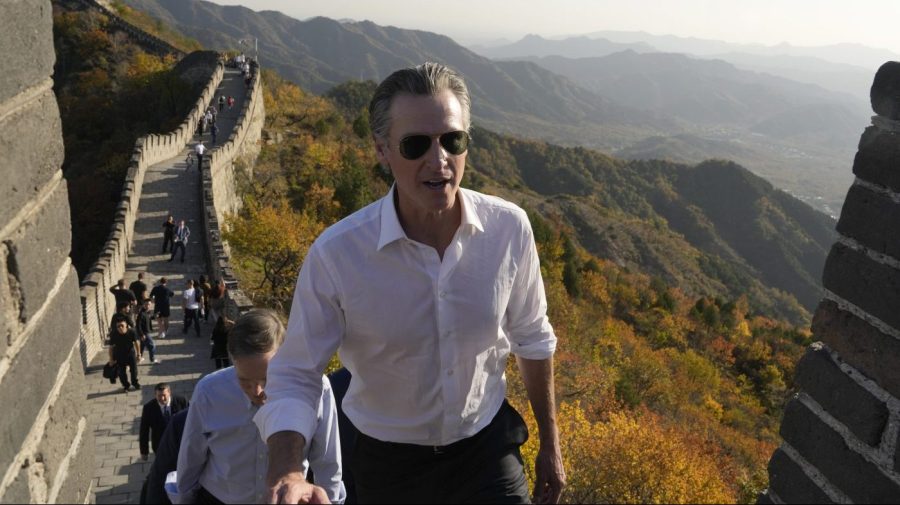
California Gov. Gavin Newsom’s (D) recent trip to China may have far-reaching implications both for the fight against climate change and his political future.
Public policy experts agreed the visit could become a catalyst for advances in critical climate change research, while also elevating the governor’s stature on the national political stage.
“It’s a very surprising move that he went so engagement-oriented, at a time when engagement is seen as a dirty word by some people,” Alex Wang, a law professor at the University of California Los Angeles, told The Hill.
Wang, who also co-directs UCLA’s Emmett Institute on Climate Change and the Environment, was referring to a global era of geopolitical tension, in which having such vocal support from leaders represents “a green light for more collaboration.”
“If you believe that we need to move as quickly as possible on climate action and climate research, then this seems like a positive,” Wang said.
“What do these types of trips do? They send the political signals and they lay the groundwork for subsequent work,” he added.
Newsom’s visit to China — which followed a brief stop in Israel — was the first such trip made by an American governor in more than four years and in part served to thaw tensions between the countries, his office stated.
The trip, according to Newsom’s team, prioritized three goals: advancing climate action, promoting economic development and tourism, and strengthening cultural bonds. It also involved meetings with high-level officials, including President Xi Jinping.
Newsom, who is widely believed to harbor presidential ambitions, refrained from addressing whether the trip has bolstered his image on the national stage — noting during the press call that these considerations were not a reason for the trip.
But from an outsider’s perspective, Thad Kousser, a political science professor at the University of California San Diego, told The Hill he believes the trip offered Newsom the opportunity “to be taken seriously as a presidential contender.”
“The image of you sitting next to the leader of the second most powerful country in the world elevates your image,” he continued.
“It comes with risks, as well as positives, but when you’re sitting next to President Xi, people can envision you as President Newsom,” Kousser added.
Building a bridge on climate action
Since his return stateside last weekend, the governor and his staff members have been touting the trip’s achievements in the geopolitical and climate change arenas.
“This is a governor who cares about climate, has been looking for a signature accomplishment on climate,” Kousser noted.
During the trip — which included meetings in Hong Kong, Guangdong, Jiangsu, Beijing and Shanghai — California and various Chinese entities signed five memoranda of understanding (MOUs) that focus on forging new climate partnerships.
The subjects of these memoranda included partnerships on the deployment of offshore wind and other renewables, climate change adaptation and mitigation, industrial decarbonization and the creation of a future green shipping corridor between Los Angeles and Shanghai.
“If these MOUs turn into concrete actions, if the conversations lead to collaboration, this could be part of the legacy that he’s trying to build,” Kousser said of the governor.
Newsom expressed confidence that these documents are not aspirational and that they are being “taken very, very seriously” by Chinese officials.
“It was mentioned in multiple big meetings,” the governor said during the Tuesday press call. “When they make commitments, they aim to keep them.”
While Wang viewed these comments as a possible attempt to persuade reporters the MOUs “aren’t just symbolic,” he said he sees them as significant nonetheless.
“If China is in the mood and has interest in getting something out of these meetings, the MOUs are very strong enablers of the people who want to do those things within the system,” he said.
Since Newsom has met with Xi, there could be no “clearer signal that it’s okay to work with California,” Wang added.
Meetings between Newsom and Chinese officials also led to the issuance of a joint declaration on subnational climate cooperation — including actions such as aggressive cuts in greenhouse gas emissions, shifts away from fossil fuels and the development of renewables.
Later this month, California officials also plan to engage with Chinese counterparts at the Asia-Pacific Economic Cooperation (APEC) forum in San Francisco and at the United Nations Climate Change Conference (COP28) in Dubai, the governor’s office stated.
Ahead of APEC — where President Biden is expected to meet with Xi — Newsom said his trip “was an opportunity to build some momentum” and reinvigorate well-established partnerships.
As far as COP28 is concerned, the governor’s office said California’s delegation would be partaking in bilateral meetings with representatives from China and other critical partners.
“For me, it’s simple. California can’t solve its climate crisis alone — it needs partners,” Newsom told reporters on a Tuesday press call.
“The United States can’t either,” he continued. “Without the partnership of China, the globe is ultimately impacted.”
Newsom noted during the press call that China’s growing electric vehicle (EV) market has “taken off” and described the country as being “at a next level, in terms of their investments in the offshore wind.”
As California grapples with how to streamline its clean energy deployment and continue its path of rapid implementation, Wang stressed the state has a lot to learn from China.
He emphasized China “is by far the world leader” when it comes to its rapid deployment of clean energy infrastructure and electric transportation.
Although Wang acknowledged China’s looser protections on property rights and its streamlined participation process, he stressed these are not the only factors that have led to success.
“What is also true is that there has been a tremendous amount of policy and fiscal support for these things,” he said.
China’s transition hasn’t been perfect, but one advantage of ongoing engagement is the willingness of each side to admit their respective problems, Wang added.
In a post-trip wrap-up from Newsom’s office, his team went so far as to declare “the fate of the world releases on climate cooperation with China.”
Noting that pollution doesn’t stop at borders, the wrap-up posed two choices: refuse to collaborate with the world’s biggest emitter or find areas of commonality. California, the report declared, could “serve as a bridge on one of the most consequential issues of our time.”
Laying the groundwork for future collaboration
While Newsom’s trip to China was primarily focused on climate collaboration, his conversations touched upon other topics in the Golden State’s interests and of international focus.
During his post-trip press call, the governor recalled discussions of human rights issues, Taiwan and democracy in Tibet during his meetings with high-level Chinese officials, including Xi. He also recounted conversations about fentanyl and the drug’s precursors, many of which are produced in China.
Recognizing the inherent uncertainties linked to engagement with China, Kousser credited Newsom for pushing Xi on certain issues and for posing “very tough questions.”
For example, Kousser continued, the governor took “a big objection to American action on climate change” — the idea the U.S. shouldn’t act if China doesn’t — and faced it “head on by grabbing China’s hand and pulling it with us.”
These broader geopolitical considerations notwithstanding, Newsom reiterated a main goal of his trip: to present California as a stable partner and change-maker in the energy sector.
“Regardless of the prevailing winds in Washington, D.C., California continues to dominate in this space,” the governor said.
Stepping back and evaluating the trip in general, Wang said he couldn’t think of anything he would have liked to see happen that didn’t.
“He wanted to change the tenor of things, shift the direction of things and to lay the groundwork for future work,” the professor added of Newsom. “I think it really was successful in that regard.”
At the same time, however, Wang said he didn’t think the visit would open doors for future federal partnerships between the two countries.
U.S.-funded research projects do already exist in China, but agency-to-agency partnerships have wavered — coming to a halt during the Trump administration, according to Wang.
“There’s a political risk for Americans to do that kind of collaboration,” he added.
For his part, Newsom stressed that he visited China neither as a secretary of State nor as a representative of the Biden administration.
“I went there as governor of California,” he said. “I went there with longstanding relationships to China that go back decades.”
California Gov. Gavin Newsom’s (D) recent trip to China may have far-reaching implications both for the fight against climate change and his political future. Public policy experts agreed the visit could become a catalyst for advances in critical climate change research, while also elevating the governor’s stature on the national political stage. “It’s a very surprising…




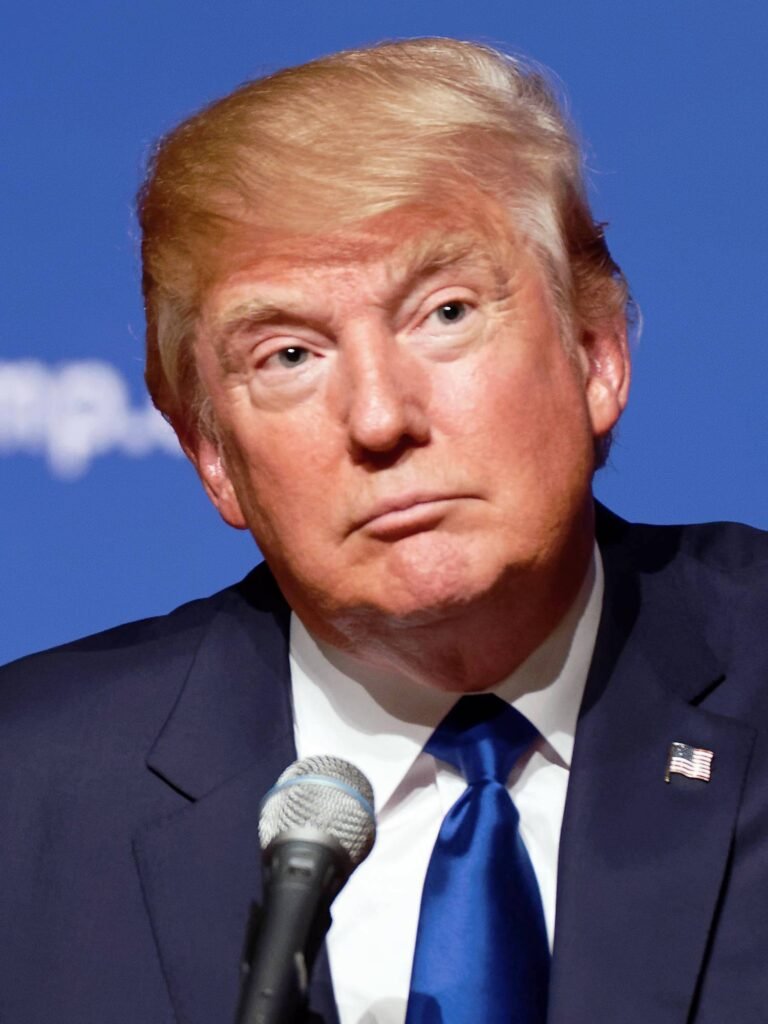
President Donald Trump says the United States might one day get rid of federal income tax because of money the government collects from tariffs on imported goods. Tariffs are extra taxes the U.S. puts on products that come from other countries.
What Trump Is Saying
Trump has said that tariff money could become so large that it might allow the government to cut income taxes “almost completely.” He has also talked about possibly phasing out income tax over the next few years if tariff money keeps going up.
How Taxes Work Now
Right now, the federal government gets much more money from income taxes than from tariffs. Income taxes bring in trillions of dollars each year, while tariffs bring in only a small part of that total. Because of this gap, experts say tariffs would need to grow by many times to replace income tax money.

Questions From Experts
Many economists and tax experts doubt that tariffs alone could pay for the whole federal budget. They warn that very high tariffs could make many imported goods more expensive for shoppers in the United States. This could hit lower- and middle‑income families hardest, because they spend a big share of their money on everyday items.
What Congress Must Do
The president can change some tariffs, but only Congress can change or end the federal income tax. That means any real plan to remove income tax would need new laws passed by both the House of Representatives and the Senate. So far, there is no detailed law or full budget plan on this idea.
What It Means Right Now
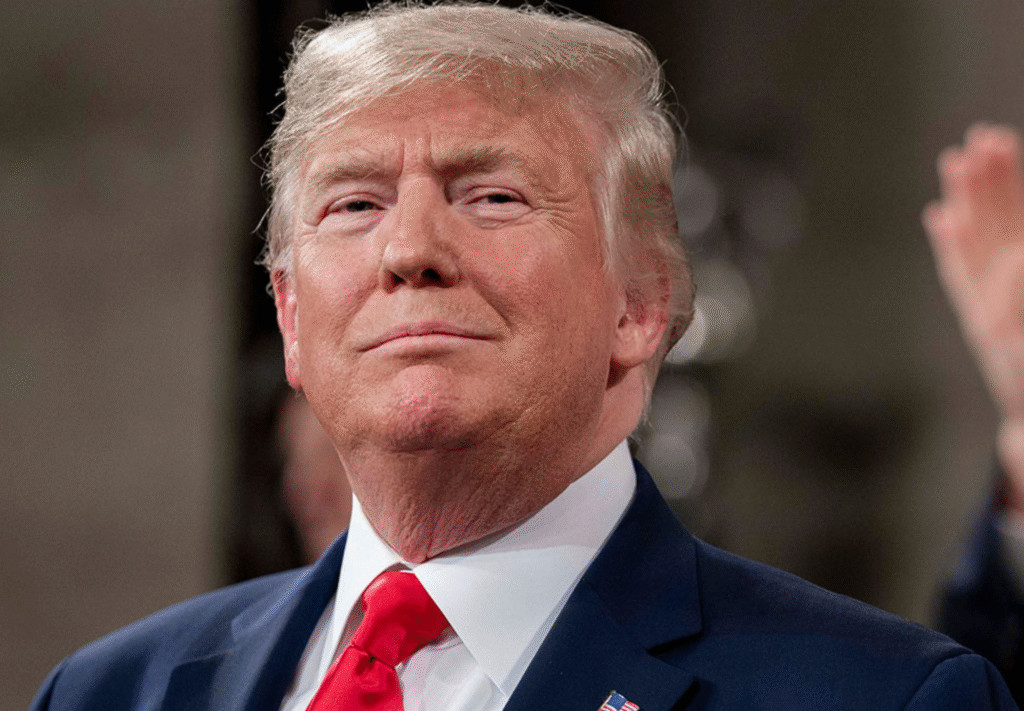
For now, Trump’s comments are a proposal, not a change in the law. People and businesses still have to pay federal income tax under the current rules. The debate over using tariffs instead of income taxes is likely to continue among lawmakers, experts, and voters.
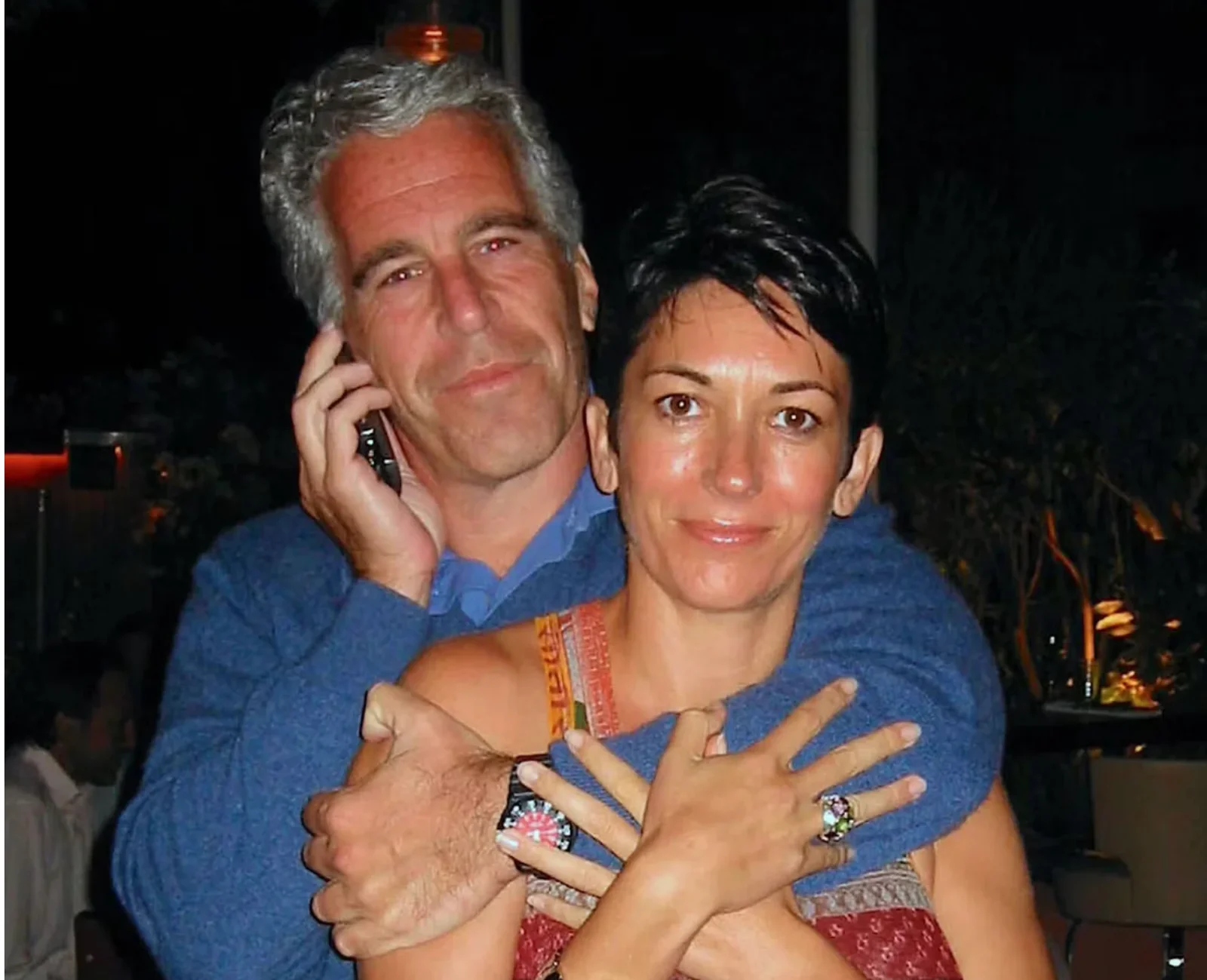
Former President Donald Trump has signed an executive order directing federal agencies to declassify all government files related to Jeffrey Epstein, the disgraced financier whose death in 2019 continues to fuel controversy and speculation.
The order, signed Wednesday at Trump’s Mar-a-Lago estate, instructs the FBI, Department of Justice, and intelligence agencies to release documents detailing Epstein’s network, finances, and alleged connections to high-profile figures. Trump described the move as “a step toward transparency and public trust,” promising that no names would be shielded from scrutiny.
“This information belongs to the American people,” Trump said in a televised statement. “For too long, powerful interests have tried to bury the truth. That ends now.”
U.S. intelligence officials confirmed that preparations for the release are already underway. According to sources familiar with the process, the first batch of documents is expected to be made public within the next 30 days, with additional releases scheduled over several months.

Reactions poured in across the political spectrum. Supporters praised the decision as a bold act of accountability, while critics alleged it was politically motivated, timed to draw attention during a volatile election season. Civil rights advocates, meanwhile, emphasized caution, warning that some records could expose private victims or ongoing legal matters.
The Epstein case, which implicated figures in politics, business, and entertainment, remains one of the most talked-about scandals of the past decade. Epstein’s connections to influential individuals—including politicians, royals, and executives—have long sparked speculation about the extent of his operations and who may have been involved.
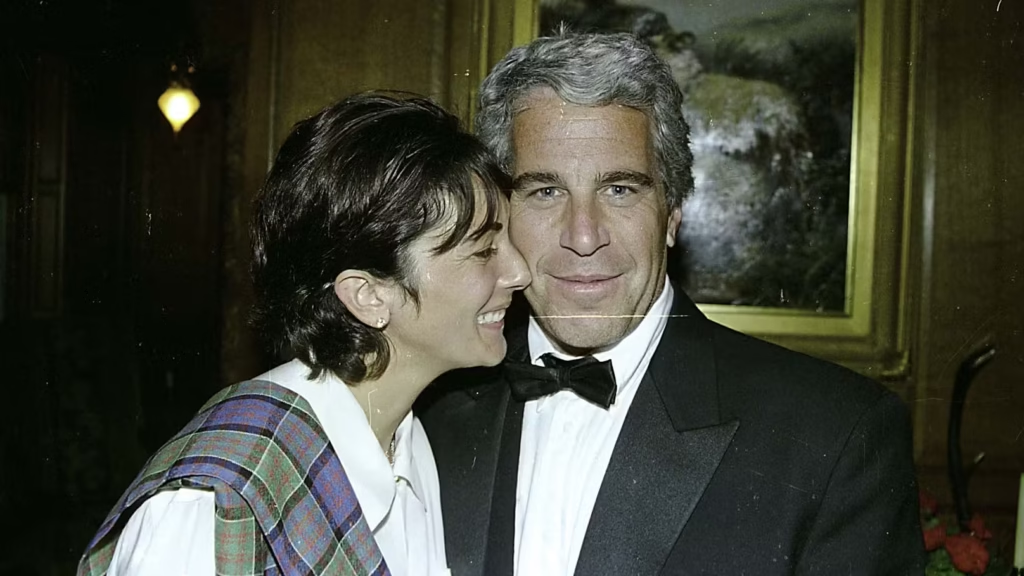
Former federal prosecutor Lauren Fields said the release could mark a turning point in public discourse surrounding government transparency. “Regardless of political stance, this declassification has the potential to reshape how Americans view power and accountability,” Fields noted.
Officials say redactions may still occur to protect sensitive intelligence or personal information, but the intent is a near-complete disclosure. For years, critics of the government’s handling of Epstein’s case have accused agencies of concealing evidence or shielding elites from exposure. Trump’s order promises to change that narrative.
As anticipation builds, journalists, legal analysts, and online commentators are preparing for what could be one of the most consequential information releases in recent history.
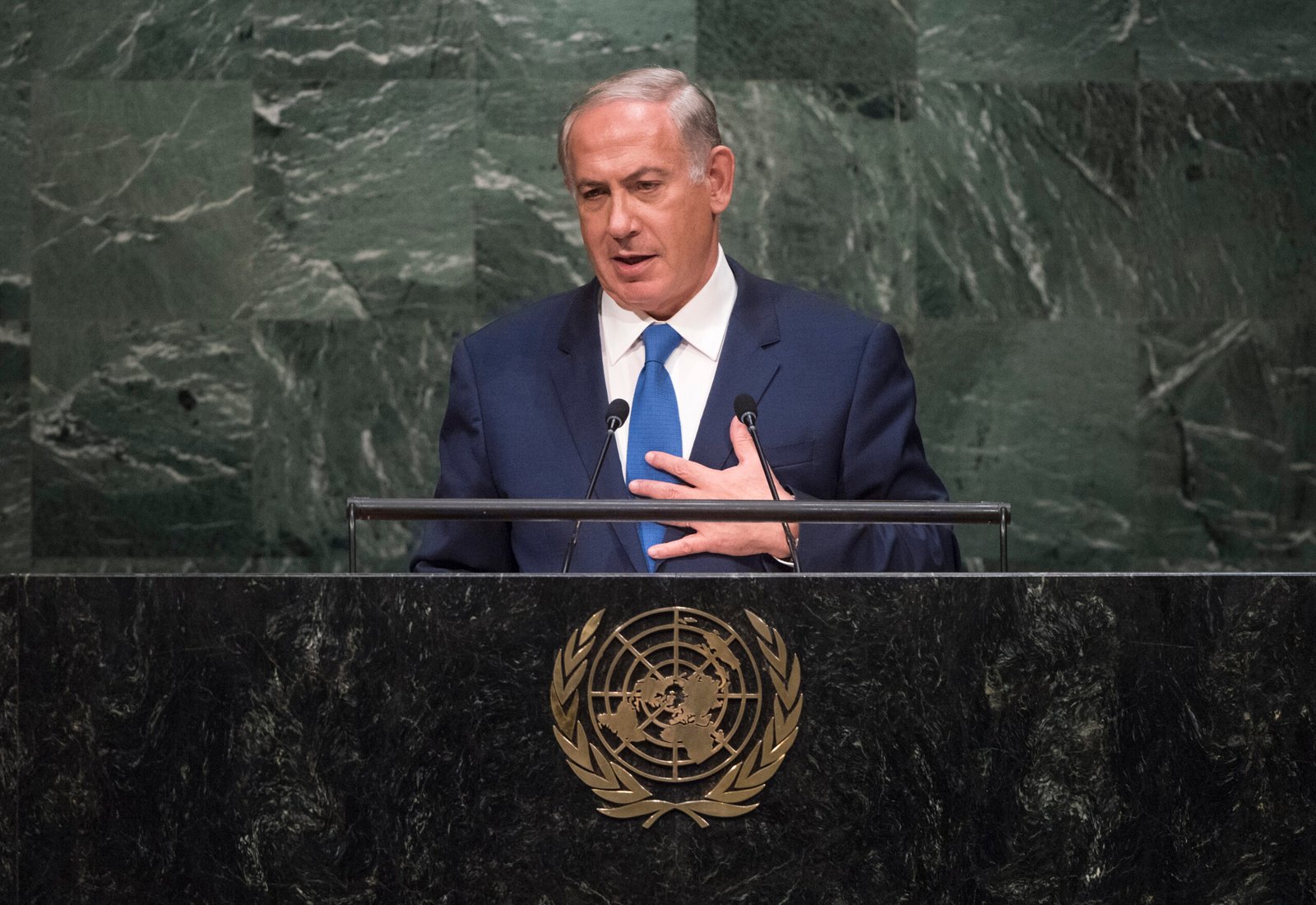
What Happened at the United Nations
On Friday, Israeli Prime Minister Benjamin Netanyahu addressed the United Nations General Assembly in New York City, defending Israel’s ongoing military operations in Gaza. As he spoke, more than 100 delegates from over 50 countries stood up and left the chamber—a rare and significant diplomatic walkout. Outside the UN, thousands of protesters gathered to voice opposition to Netanyahu’s policies and call for accountability, including some who labeled him a war criminal. The protest included activists from Palestinian and Jewish groups, along with international allies.
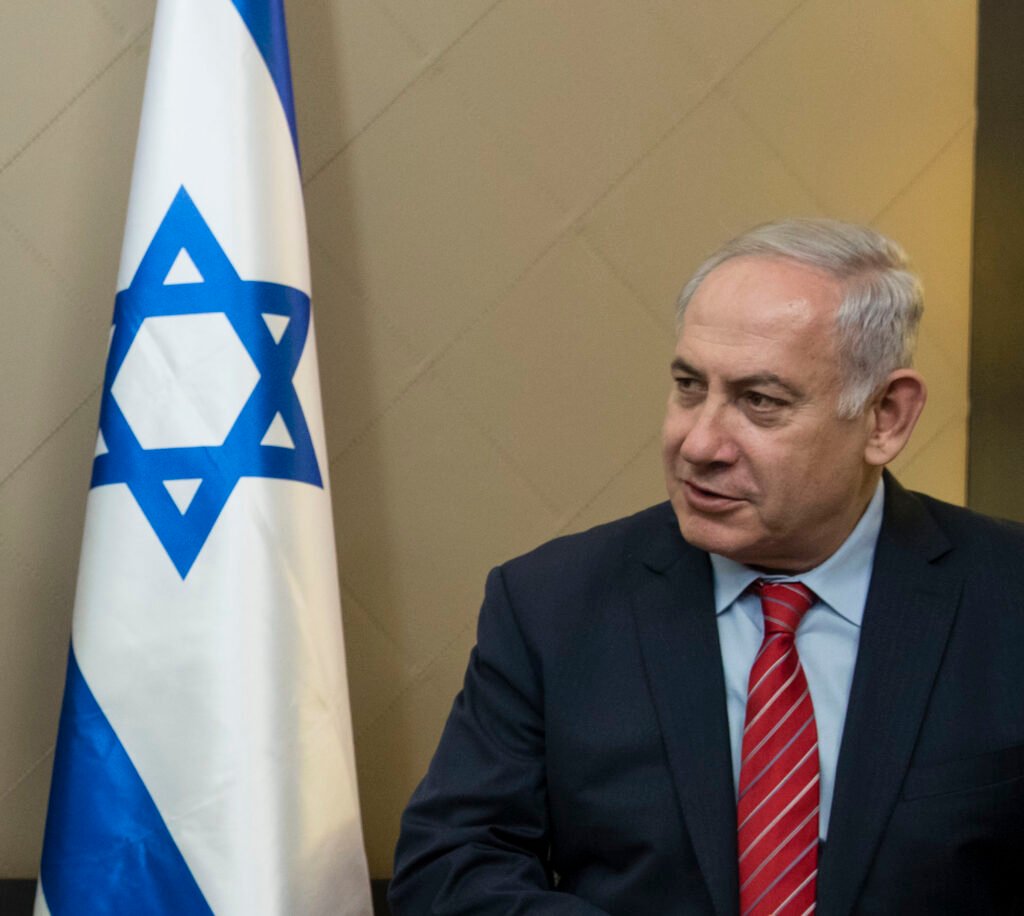
Why Did Delegates and Protesters Walk Out?
The walkouts and protests were a response to Israel’s continued offensive in Gaza, which has resulted in widespread destruction and a significant humanitarian crisis. Many countries and individuals have accused Israel of excessive use of force, and some international prosecutors have suggested Netanyahu should face investigation by the International Criminal Court for war crimes, including claims that starvation was used as a weapon against civilians. At the same time, a record number of nations—over 150—recently recognized the State of Palestine, leaving the United States as the only permanent UN Security Council member not to join them.
International Reaction and Significance
The diplomatic walkouts and street protests demonstrate increasing global concern over the situation in Gaza and growing support for Palestinian statehood. Several world leaders, including Colombia’s President Gustavo Petro, showed visible solidarity with protesters. Petro called for international intervention and, controversially, for US troops not to follow orders he viewed as supporting ongoing conflict. The US later revoked Petro’s visa over his role in the protests, which he argued was evidence of a declining respect for international law.
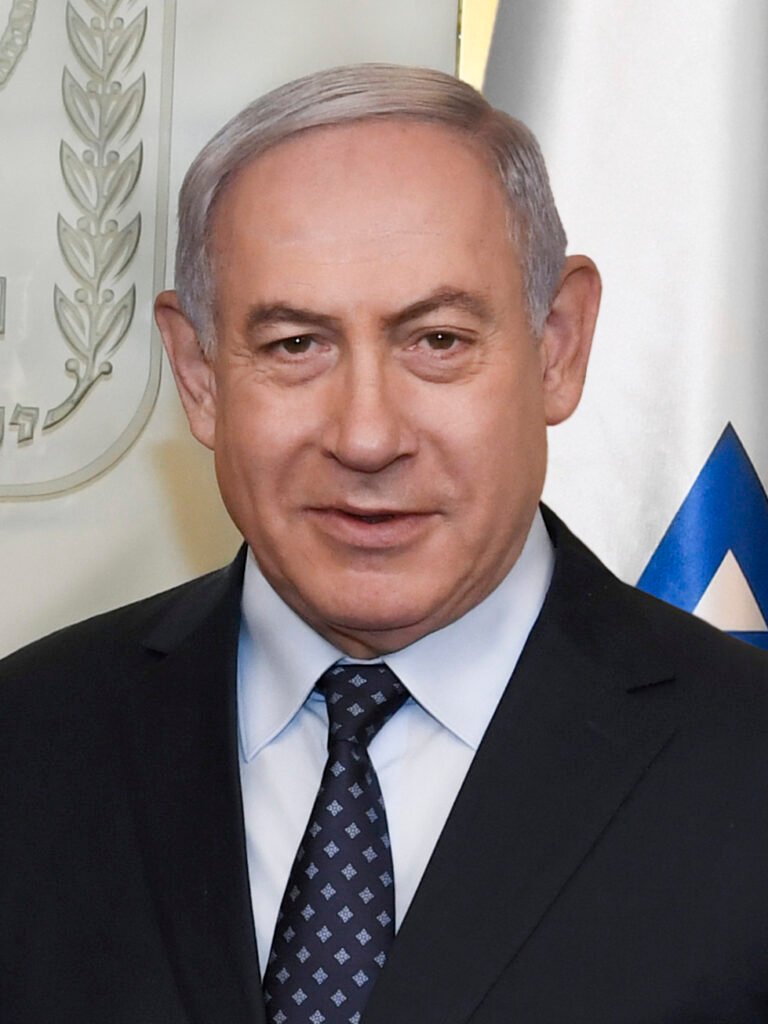
Why Is This News Important?
The Gaza conflict is one of the world’s most contentious and closely-watched issues. It has drawn strong feelings and differing opinions from governments, activists, and ordinary people worldwide. The United Nations, as an international organization focused on peace and human rights, is a key arena for these debates. The events surrounding Netanyahu’s speech show that many nations and voices are urging new action—from recognition of Palestinian rights to calls for sanctions against Israel—while discussion and disagreement over the best path forward continue.

This episode at the UN highlights how international diplomacy, public protests, and official policy are all intersecting in real time as the search for solutions to the Israeli-Palestinian conflict remains urgent and unresolved.

The Franchise Is Over. Here’s Who’s Winning Now.

What Kanye’s ‘Father’ Says About Power, Faith, and Control

The machine isn’t coming. It’s aleady the room.


 Advice3 weeks ago
How to Find Your Voice as a Filmmaker
- News3 weeks ago
How Misinformation Overload Breaks Creative Focus
- News4 weeks ago
From Seen to Secured: How Filmmakers Are Owning Their Value
- Entertainment3 weeks ago
7 Filmmaking Lessons From Michael B. Jordan’s Oscar Moment
- Entertainment3 weeks ago
This scene almost broke him. And changed his career.
- News1 week ago
The Timothée Chalamet Guide to Ruining Your Image
- Advice2 weeks ago
Stop Waiting for Permission — The Film Industry Just Rewrote the Rules
- Entertainment7 days ago
The machine isn’t coming. It’s aleady the room.