
World News
Hispanics warn of dangerous trap in Ukraine-for-border talks on November 18, 2023 at 11:00 am


Hispanics in Congress are snubbing discussions of tying Ukraine funding to GOP-backed asylum changes, but immigration advocacy groups, furious at the very suggestion, are worried that Latinos are unrepresented at the negotiating table.
The Congressional Hispanic Caucus (CHC) is steering clear of the ongoing Senate talks, which are premised on asylum reform proposals that obliterate every red line in the immigration advocacy agenda.
But outside advocates say Latino voices are necessary whenever Congress discusses issues that disproportionately affect Hispanics.
“We are alarmed and deeply concerned that key talks in Congress about border policies and the treatment of humanitarian migrants are happening without a single Hispanic lawmaker or ally in the room,” said Janet Murguía, president and CEO of UnidosUS.
“The stakes are too high and the impact on our community too great for our community’s perspective to be ignored. Latinos, like most Americans, want effective and humane solutions to strengthen our borders and to protect those seeking safety and opportunity in our country.”
Negotiations led by Sens. James Lankford (R-Okla.), Lindsey Graham (R-S.C.), Tom Cotton (R-Ark.), Chris Murphy (D-Conn.), Michael Bennet (D-Colo.) and Kyrsten Sinema (I-Ariz.) are particularly troubling to advocates.
The core Republican proposal is to exchange funding aid to Ukraine for reform of U.S. asylum law beyond recognition, purportedly to “slow the flow” of migrants to the United States, as Senate Majority Leader Mitch McConnell (R-Ky.) said in a floor speech Wednesday.
While the Biden administration is asking for more than $13 billion for border security on top of the more than $60 billion for Ukraine aid, Republicans have scoffed at giving the administration more money for border security without forcing Biden to change his policies.
But their request wouldn’t just change Biden administration asylum policies — already a stringent interpretation of existing statute — it would permanently change U.S. law to reflect a deeply restrictive vision of asylum and hamstring the administration’s ability to grant parole to foreign nationals.
The CHC and outside groups are aligned about the gravity of the proposals, but the caucus’s message to negotiators considering gutting asylum is simply that they have the numbers to sink any such proposal.
“Any emergency supplemental funding bill that seeks to modify or establish new immigration and border policy or authorities will face strong opposition from members of the Congressional Hispanic Caucus,” Chairwoman Rep. Nanette Barragán (D-Calif.) said in a statement.
“We have seen the extreme proposals from Republicans that would forever alter our U.S. immigration system and create serious dangers for asylum seekers and other vulnerable immigrants.”
The CHC’s position is further bolstered by support from the Congressional Black Caucus (CBC), the Congressional Asian Pacific American Caucus (CAPAC) and the Congressional Progressive Caucus (CPC) against the GOP’s asylum vision.
But outside groups are wary about the sturdiness of that support, particularly if the White House — keen to fund Ukraine’s war efforts — comes out in favor of a deal that tightens asylum.
“Our country is facing real problems, both at home and abroad. And, we need real solutions — not gimmicks like this ‘border security’ measure, which is both one-sided and short-sighted. As leaders who advocate for empowering Latino communities and who support all immigrants, we know this is a bad deal for America,” said Katharine Pichardo-Erskine, executive director of Latino Victory Project.
“We cannot have an enforcement-only approach to immigration. We need comprehensive immigration reform, and Latino leaders at the table who can represent our communities — and American values — with the dignity they deserve. This is not the moment to let extremists dictate immigration policies. Until Republicans offer a real deal, Democrats should simply say ‘No Deal.’”
Hispanic Senate Democrats agree. Sen. Catherine Cortez Masto (D-Nev.) on Wednesday wrote on X, formerly known as Twitter, that the $13 billion border funding ask amounts to “real solutions to secure our border so we can keep communities safe from drugs and traffickers.”
“Meanwhile, Republicans are blocking the funding @POTUS needs for border security, creating more chaos to help them politically,” she wrote.
And some Democrats say their legislators could flip the script.
“This is a golden opportunity to push for what a majority of people in this country have supported for decades — protections for long-term undocumented immigrants including Dreamers, who have been a cornerstone of our economy. Giving away this chance for nothing in return on an issue that Republicans have refused to help fix would be political malpractice,” said Maria Cardona, a top Democratic political strategist.
Advocates are more concerned with the Democrats at the table than with Republican positions they view as non-starters. One who asked for anonymity to speak candidly said even talking about trading permanent changes in law for transitory funding could damage immigration talks in the future.
“Are we comfortable just moving forward enforcement and restrictions on one category of immigration eligibility in favor of foreign aid now? Because you can imagine how that becomes the future of how immigration is negotiated,” said the advocate.
“And so the caution I would say to Bennet and Murphy is, think about how you’re changing the negotiating table here.”
The Hill has reached out to Bennet and Murphy for comment.
And advocates warn that Democrats are falling into a trap, especially since there’s little evidence that asylum restrictions dissuade migrants.
An analysis of illicit border crossings by the Cato Institute’s Alex Nowrasteh found that “most of the increase” in crossings can be attributed to the U.S. labor market, rather than asylum policies.
But advocates say asylum restrictions could backfire politically, even if they did reduce migration.
“Assuming they work, it’s just interesting in the context that we’re seeing Stephen Miller be open about saying, ‘these are the policies we’re pursuing if we win,’ and the fact that what two Dems, an independent and two Republicans are talking about are similar to those plans — why would we want to move forward with something that removes one of the easiest issues for [Democrats] to contrast with Trump on?” said the advocate who requested anonymity.
That distinction, they say, will be especially important as Democrats seek to energize Latino voters in key battleground states like Nevada and Arizona, and Republicans seek to energize their own base, primed to cheer efforts to shut down asylum.
“The through line is a cruel effort to use immigration and immigrants as a boogeyman in the 2024 election cycle, demonize immigrants for political gain, and in the process undermine efforts for real policy solutions on immigration,” said Vanessa Cárdenas, executive director of America’s Voice, a progressive immigration advocacy group.
“In the process, these efforts are helping to transform the notion of a confident and inclusive American democracy into a fearful and insular country, divided along racial and partisan lines.”
Hispanics in Congress are snubbing discussions of tying Ukraine funding to GOP-backed asylum changes, but immigration advocacy groups, furious at the very suggestion, are worried that Latinos are unrepresented at the negotiating table. The Congressional Hispanic Caucus (CHC) is steering clear of the ongoing Senate talks, which are premised on asylum reform proposals that obliterate…




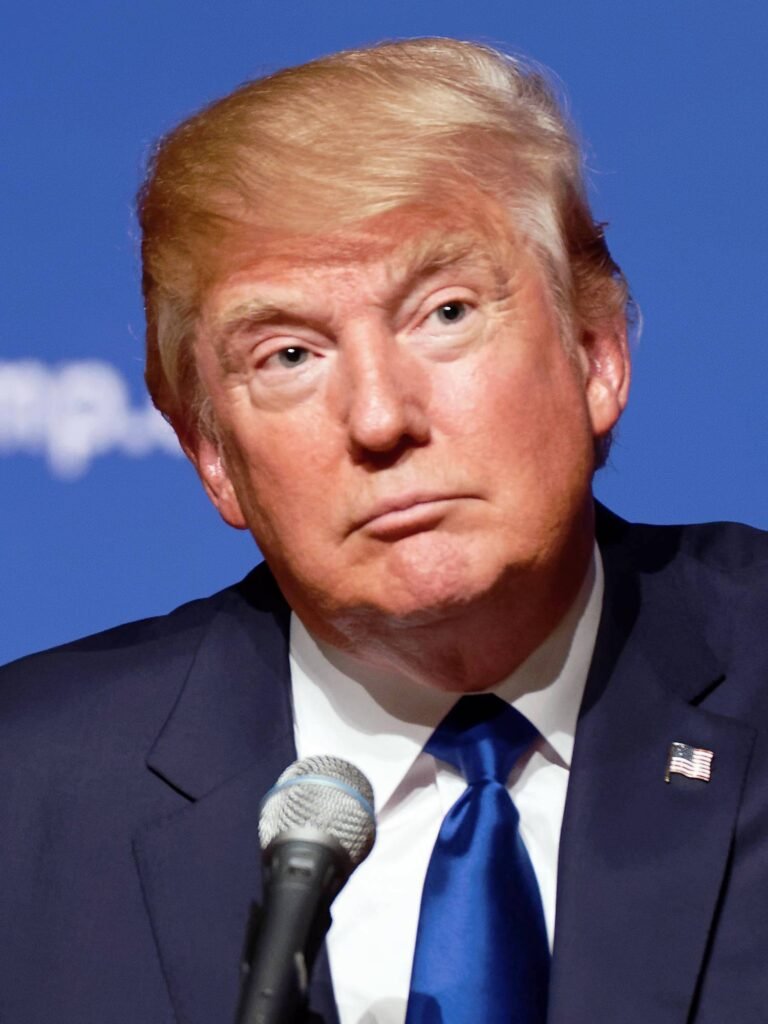
President Donald Trump says the United States might one day get rid of federal income tax because of money the government collects from tariffs on imported goods. Tariffs are extra taxes the U.S. puts on products that come from other countries.
What Trump Is Saying
Trump has said that tariff money could become so large that it might allow the government to cut income taxes “almost completely.” He has also talked about possibly phasing out income tax over the next few years if tariff money keeps going up.
How Taxes Work Now
Right now, the federal government gets much more money from income taxes than from tariffs. Income taxes bring in trillions of dollars each year, while tariffs bring in only a small part of that total. Because of this gap, experts say tariffs would need to grow by many times to replace income tax money.

Questions From Experts
Many economists and tax experts doubt that tariffs alone could pay for the whole federal budget. They warn that very high tariffs could make many imported goods more expensive for shoppers in the United States. This could hit lower- and middle‑income families hardest, because they spend a big share of their money on everyday items.
What Congress Must Do
The president can change some tariffs, but only Congress can change or end the federal income tax. That means any real plan to remove income tax would need new laws passed by both the House of Representatives and the Senate. So far, there is no detailed law or full budget plan on this idea.
What It Means Right Now
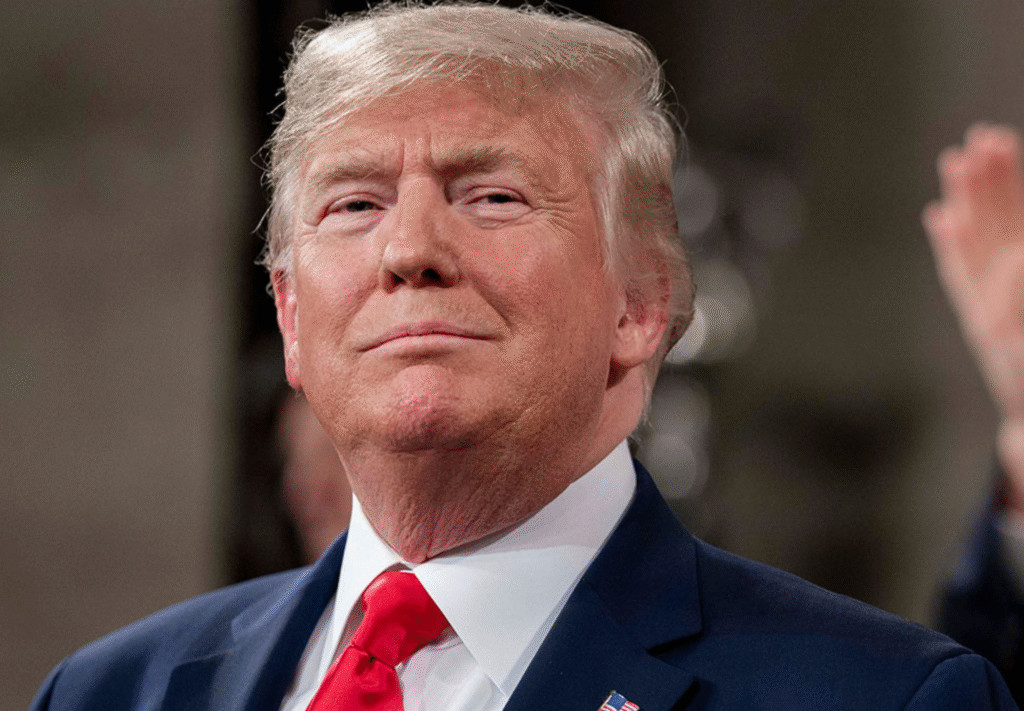
For now, Trump’s comments are a proposal, not a change in the law. People and businesses still have to pay federal income tax under the current rules. The debate over using tariffs instead of income taxes is likely to continue among lawmakers, experts, and voters.
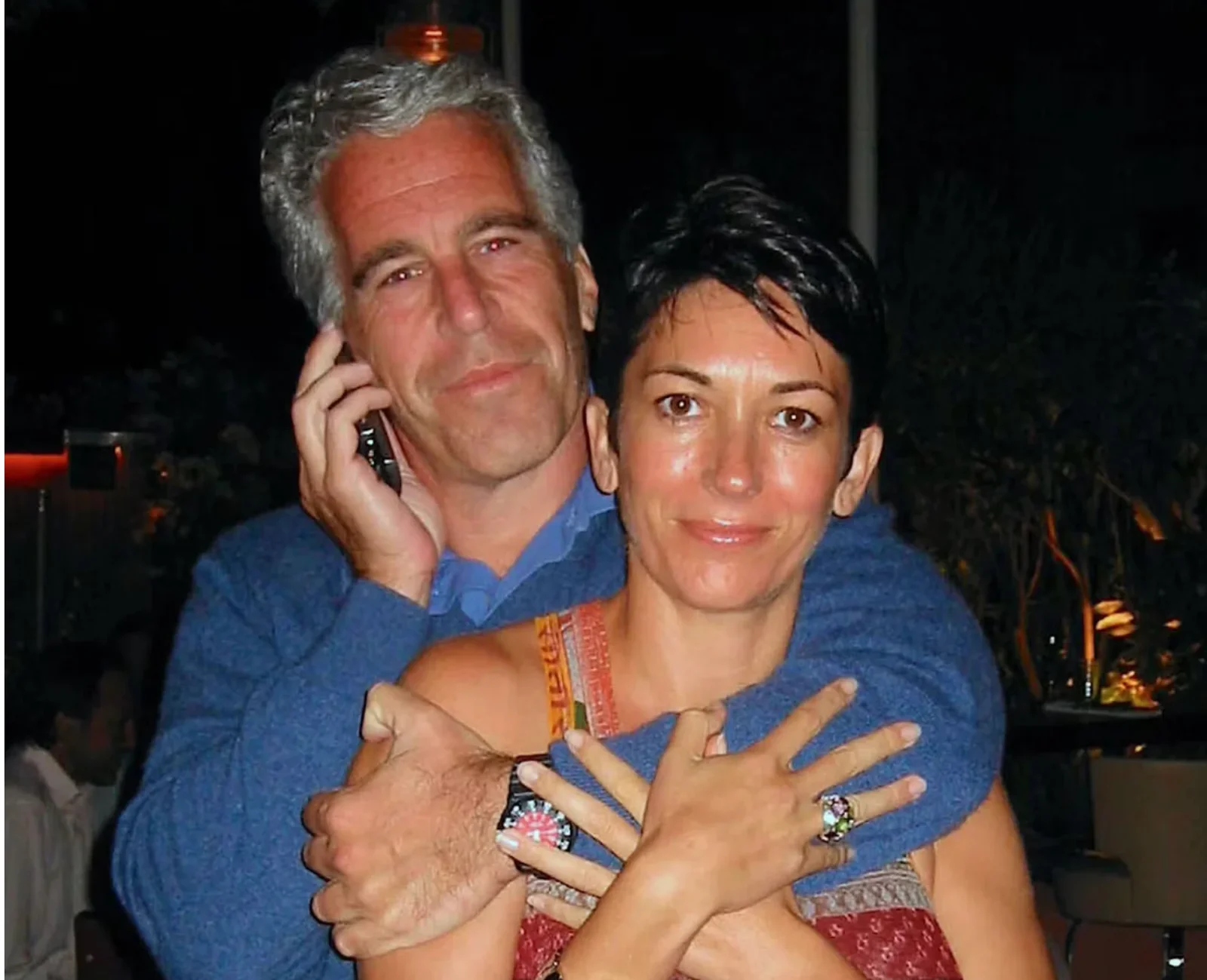
Former President Donald Trump has signed an executive order directing federal agencies to declassify all government files related to Jeffrey Epstein, the disgraced financier whose death in 2019 continues to fuel controversy and speculation.
The order, signed Wednesday at Trump’s Mar-a-Lago estate, instructs the FBI, Department of Justice, and intelligence agencies to release documents detailing Epstein’s network, finances, and alleged connections to high-profile figures. Trump described the move as “a step toward transparency and public trust,” promising that no names would be shielded from scrutiny.
“This information belongs to the American people,” Trump said in a televised statement. “For too long, powerful interests have tried to bury the truth. That ends now.”
U.S. intelligence officials confirmed that preparations for the release are already underway. According to sources familiar with the process, the first batch of documents is expected to be made public within the next 30 days, with additional releases scheduled over several months.

Reactions poured in across the political spectrum. Supporters praised the decision as a bold act of accountability, while critics alleged it was politically motivated, timed to draw attention during a volatile election season. Civil rights advocates, meanwhile, emphasized caution, warning that some records could expose private victims or ongoing legal matters.
The Epstein case, which implicated figures in politics, business, and entertainment, remains one of the most talked-about scandals of the past decade. Epstein’s connections to influential individuals—including politicians, royals, and executives—have long sparked speculation about the extent of his operations and who may have been involved.

Former federal prosecutor Lauren Fields said the release could mark a turning point in public discourse surrounding government transparency. “Regardless of political stance, this declassification has the potential to reshape how Americans view power and accountability,” Fields noted.
Officials say redactions may still occur to protect sensitive intelligence or personal information, but the intent is a near-complete disclosure. For years, critics of the government’s handling of Epstein’s case have accused agencies of concealing evidence or shielding elites from exposure. Trump’s order promises to change that narrative.
As anticipation builds, journalists, legal analysts, and online commentators are preparing for what could be one of the most consequential information releases in recent history.
What Happened at the United Nations
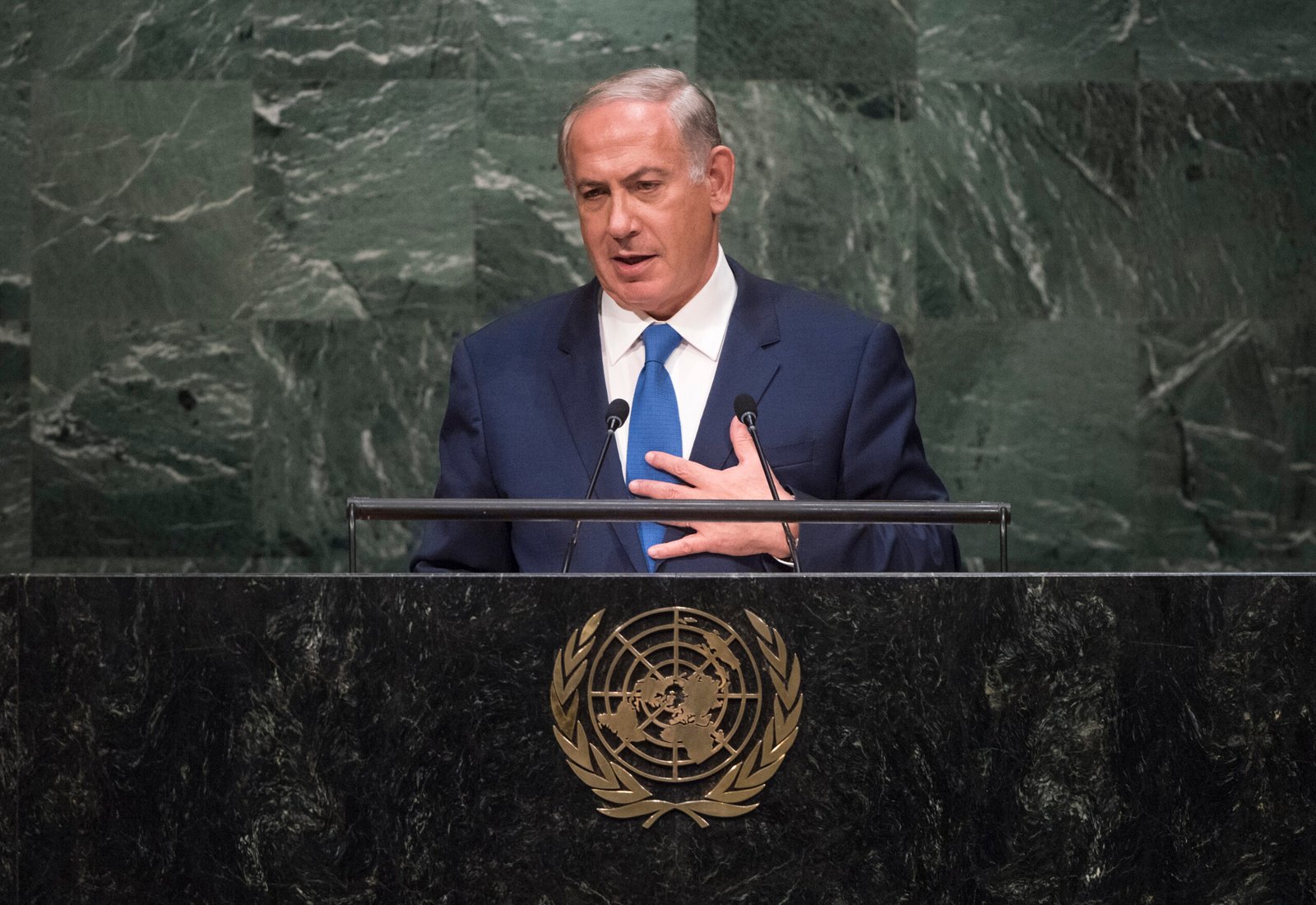
On Friday, Israeli Prime Minister Benjamin Netanyahu addressed the United Nations General Assembly in New York City, defending Israel’s ongoing military operations in Gaza. As he spoke, more than 100 delegates from over 50 countries stood up and left the chamber—a rare and significant diplomatic walkout. Outside the UN, thousands of protesters gathered to voice opposition to Netanyahu’s policies and call for accountability, including some who labeled him a war criminal. The protest included activists from Palestinian and Jewish groups, along with international allies.

Why Did Delegates and Protesters Walk Out?
The walkouts and protests were a response to Israel’s continued offensive in Gaza, which has resulted in widespread destruction and a significant humanitarian crisis. Many countries and individuals have accused Israel of excessive use of force, and some international prosecutors have suggested Netanyahu should face investigation by the International Criminal Court for war crimes, including claims that starvation was used as a weapon against civilians. At the same time, a record number of nations—over 150—recently recognized the State of Palestine, leaving the United States as the only permanent UN Security Council member not to join them.
International Reaction and Significance
The diplomatic walkouts and street protests demonstrate increasing global concern over the situation in Gaza and growing support for Palestinian statehood. Several world leaders, including Colombia’s President Gustavo Petro, showed visible solidarity with protesters. Petro called for international intervention and, controversially, for US troops not to follow orders he viewed as supporting ongoing conflict. The US later revoked Petro’s visa over his role in the protests, which he argued was evidence of a declining respect for international law.

Why Is This News Important?
The Gaza conflict is one of the world’s most contentious and closely-watched issues. It has drawn strong feelings and differing opinions from governments, activists, and ordinary people worldwide. The United Nations, as an international organization focused on peace and human rights, is a key arena for these debates. The events surrounding Netanyahu’s speech show that many nations and voices are urging new action—from recognition of Palestinian rights to calls for sanctions against Israel—while discussion and disagreement over the best path forward continue.

This episode at the UN highlights how international diplomacy, public protests, and official policy are all intersecting in real time as the search for solutions to the Israeli-Palestinian conflict remains urgent and unresolved.

How She Earns $40M+ In 2026

Stop Waiting for Permission — The Film Industry Just Rewrote the Rules

How ‘Sinners’ Won The Oscars: Filmmaker Notes


 Advice2 weeks ago
How to Find Your Voice as a Filmmaker
- News2 weeks ago
How Misinformation Overload Breaks Creative Focus
- Entertainment4 weeks ago
When “Professional” Means Silent
- Film Industry4 weeks ago
Dr. Ric Mathis Turns a Film Screening Into a Lifesaving Movement With Heartbeat
- News3 weeks ago
From Seen to Secured: How Filmmakers Are Owning Their Value
- News4 weeks ago
THE MACHINE VS. THE ARTIST
- News3 weeks ago
Idris Elba’s Multimillion-Dollar Film Studio Is Coming to Ghana
- News3 weeks ago
March 1 in NYC: Love Notes From Harlem at Don’t Tell Mama