Entertainment
Golden Bachelor Gerry Turner Admits He Fell for More Than 1 Woman on September 26, 2023 at 7:18 pm Us Weekly

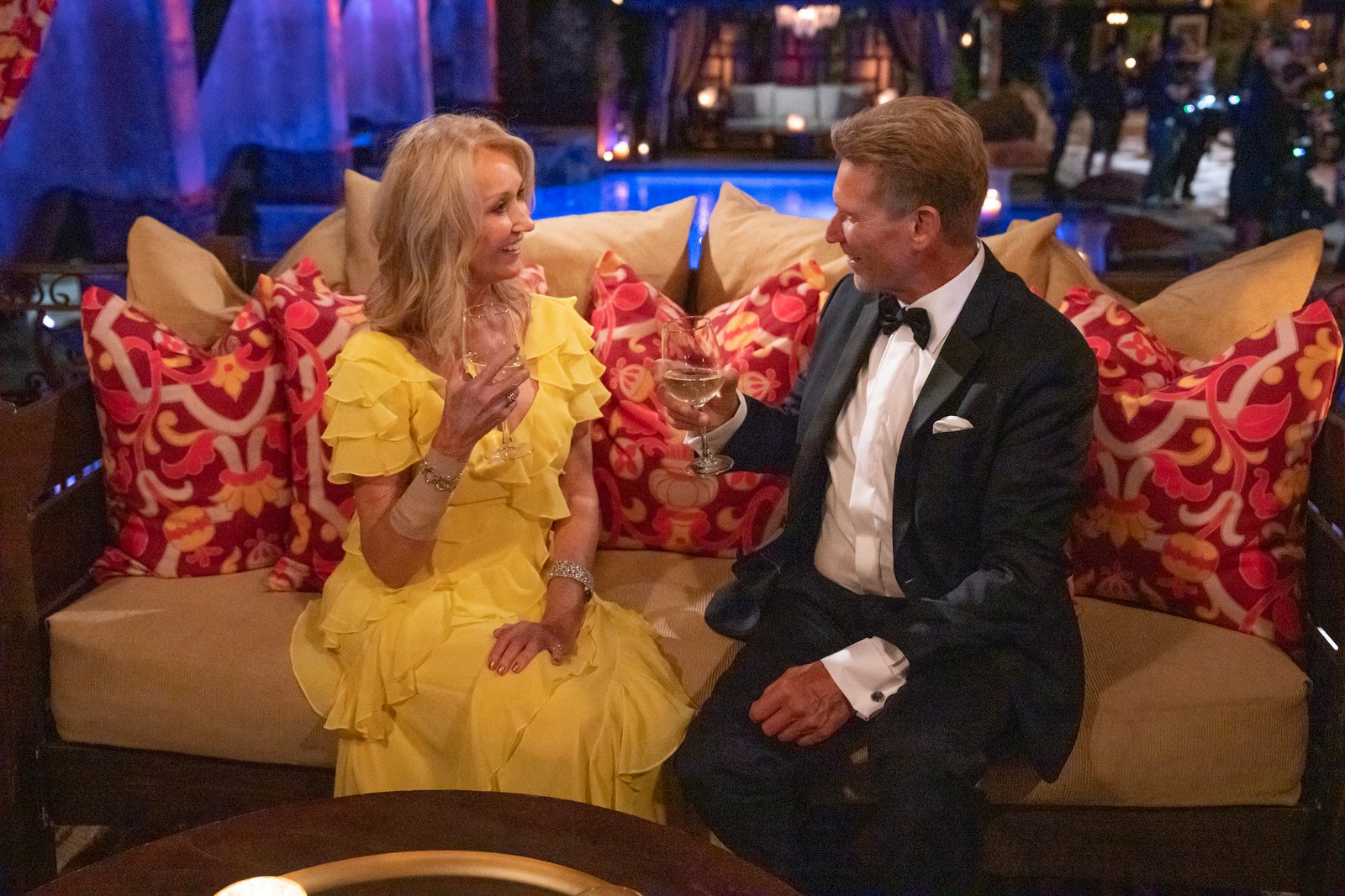
It turns out that age may not be a factor when it comes to getting swept up into The Bachelor universe.
As lead Gerry Turner prepares to watch back the inaugural season of The Golden Bachelor, the 72-year-old ABC star can admit that he was wrong to judge younger Bachelors who fell in love with multiple contestants.
“I thought, ‘No, that’s absolutely not possible. That’s silly.’ How wrong I was,” Gerry exclusively told Us Weekly ahead of the Thursday, September 28 premiere. “Because through the course of the journey, I really felt strong feelings for several of the women.”
The difference between Gerry and the traditional Bachelors before him, however, is he already knows he likely wasn’t fully “in love” with several ladies.
“In retrospect, I realized that in that particular moment, whenever it was — the setting was such that, ‘Yeah, it was easy to look at someone and tell ’em that you loved ’em.’ But once you get through it all and you look back, then you realize that there is just really one person that really meets the standard in all situations that you want it to be,” Gerry told Us.
The use of the L-word has been a debate in Bachelor Nation for years, with season 20 Bachelor Ben Higgins catching a lot of heat for telling both Lauren Bushnell and JoJo Fletcher that he loved them during the 2016 season. Despite Ben cautioning other leads not to do the same — encouraging Bachelors to save the notion for their final rose recipient, the pattern has continued.
Cast of ‘The Golden Bachelor’. ABC/Craig Sjodin
When it comes to setting rules for his journey, Gerry admitted to Us that he tried — and failed.
“I had a few rules, but I was breaking them all. That was the problem. So I decided I would stop,” he told Us with a smile. “[My daughters and granddaughters] were worried that I was going to be that guy that was kissing everybody on the first night. And I said, ‘Nope, I’m not going to kiss anyone on the first night. You’re not going to see that. Maybe not even as we get into it.’ Well, as you’ll see, I failed on the very first night, but I don’t feel bad about it at all.”
Gerry told Us that he has “no regrets” about how he handled the physical part of looking for a partner on the reality show.
“As time went on, many of those kisses were of affection. I really wanted to be supportive of all the women. I wanted them to feel good about themselves,” he said.
While Gerry’s family had similar concerns about the infamous overnight dates, he reiterated that he wouldn’t change a thing.
Christina and Gerry. ABC/Craig Sjodin
“They brought up the fantasy suites. And the reality is I kept trying to explain to them that as you get older, the priorities for a situation like that are more intellectual, more emotional rather than physical,” Gerry told Us. “And indeed, it did turn out to be exactly that. … I was happy how it turned out. Being able to have a conversation off camera was critically important.”
The Golden Bachelor premieres on ABC Thursday at 8 p.m. ET, followed by the return of Bachelor on Paradise at 9 p.m. ET.
It turns out that age may not be a factor when it comes to getting swept up into The Bachelor universe. As lead Gerry Turner prepares to watch back the inaugural season of The Golden Bachelor, the 72-year-old ABC star can admit that he was wrong to judge younger Bachelors who fell in love with
Us Weekly Read More


Continue Reading
Entertainment
What We Can Learn Inside 50 Cent’s Explosive Diddy Documentary: 5 Reasons You Should Watch

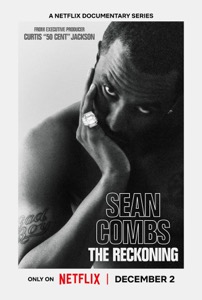
50 Cent’s new Netflix docuseries about Sean “Diddy” Combs is more than a headline-grabbing exposé; it is a meticulous breakdown of how power, celebrity, and silence can collide in the entertainment industry.
Across its episodes, the series traces Diddy’s rise, the allegations that followed him for years, and the shocking footage and testimonies now forcing a wider cultural reckoning.
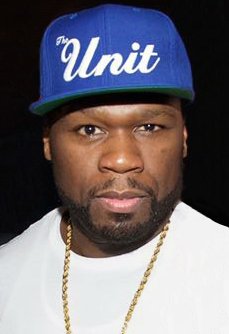
1. It Chronicles Diddy’s Rise and Fall – And How Power Warps Reality
The docuseries follows Combs from hitmaker and business icon to a figure facing serious criminal conviction and public disgrace, mapping out decades of influence, branding, and behind-the-scenes behavior. Watching that arc shows how money, fame, and industry relationships can shield someone from scrutiny and delay accountability, even as disturbing accusations accumulate.
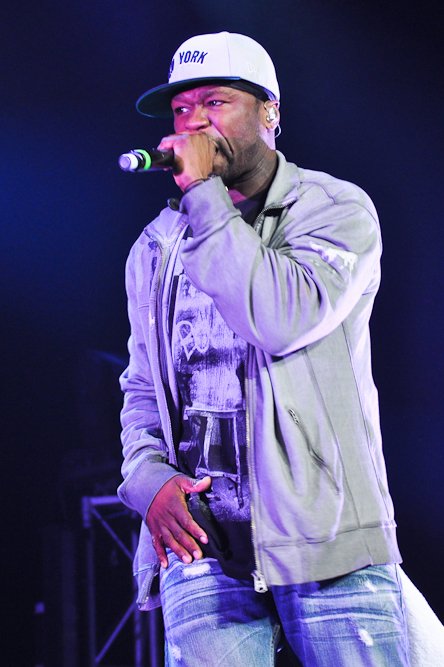
2. Never-Before-Seen Footage Shows How Narratives Are Managed
Exclusive footage of Diddy in private settings and in the tense days around his legal troubles reveals how carefully celebrity narratives are shaped, even in crisis.
Viewers can learn to question polished statements and recognize that what looks spontaneous in public is often the result of strategy, damage control, and legal calculation.

3. Survivors’ Stories Highlight Patterns of Abuse and Silence
Interviews with alleged victims, former staff, and industry insiders describe patterns of control, fear, and emotional or physical harm that were long whispered about but rarely aired in this detail. Their stories underline how difficult it is to speak out against a powerful figure, teaching viewers why many survivors delay disclosure and why consistent patterns across multiple accounts matter.
4. 50 Cent’s Approach Shows Storytelling as a Tool for Accountability
As executive producer, 50 Cent uses his reputation and platform to push a project that leans into uncomfortable truths rather than protecting industry relationships. The series demonstrates how documentary storytelling can challenge established power structures, elevate marginalized voices, and pressure institutions to respond when traditional systems have failed.

5. The Cultural Backlash Reveals How Society Handles Celebrity Accountability
Reactions to the doc—ranging from people calling it necessary and brave to others dismissing it as a vendetta or smear campaign—expose how emotionally invested audiences can be in defending or condemning a famous figure. Watching that debate unfold helps viewers see how fandom, nostalgia, and bias influence who is believed, and why conversations about “cancel culture” often mask deeper questions about justice and who is considered too powerful to fall.

A new Christmas-themed episode of South Park is scheduled to air with a central plot in which Satan is depicted as preparing for the birth of an Antichrist figure. The premise extends a season-long narrative arc that has involved Satan, Donald Trump, and apocalyptic rhetoric, positioning this holiday episode as a culmination of those storylines rather than a stand‑alone concept.
Episode premise and season context
According to published synopses and entertainment coverage, the episode frames the Antichrist as part of a fictional storyline that blends religious symbolism with commentary on politics, media, and cultural fear. This follows earlier Season 28 episodes that introduced ideas about Trump fathering an Antichrist child and tech billionaire Peter Thiel obsessing over prophecy and end‑times narratives. The Christmas setting is presented as a contrast to the darker themes, reflecting the series’ pattern of pairing holiday imagery with controversial subject matter.
Public and political reactions
Coverage notes that some figures connected to Donald Trump’s political orbit have criticized the season’s portrayal of Trump and his allies, describing the show as relying on shock tactics rather than substantive critique. Commentators highlight that these objections are directed more at the depiction of real political figures and the show’s tone than at the specific theology of the Antichrist storyline.
At the time of reporting, there have not been widely reported, detailed statements from major religious leaders focused solely on this Christmas episode, though religion-focused criticism of South Park in general has a long history.
Media and cultural commentary
Entertainment outlets such as The Hollywood Reporter, Entertainment Weekly, Forbes, Slate, and USA Today describe the Antichrist arc as part of South Park’s ongoing use of Trump-era and tech-world politics as material for satire.
Viewer guidance and content advisory
South Park is rated TV‑MA and is intended for adult audiences due to strong language, explicit themes, and frequent use of religious and political satire. Viewers who are sensitive to depictions of Satan, the Antichrist, or parodies involving real political figures may find this episode particularly objectionable, while others may view it as consistent with the show’s long‑running approach to controversial topics. As with previous episodes, individual responses are likely to vary widely, and the episode is best understood as part of an ongoing satirical series rather than a factual or theological statement.

Sydney Sweeney has decided she is finished watching strangers on the internet treat her face like a forensic project. After years of side‑by‑side screenshots, “then vs now” TikToks, and long comment threads wondering what work she has supposedly had done, the actor is now addressing the plastic surgery rumors directly—and using them to say something larger about how women are looked at in Hollywood and online.

Growing Up on Camera vs. “Before and After” Culture
Sweeney points out that people are often mistaking normal changes for procedures: she grew up on camera, her roles now come with big‑budget glam teams, and her body has shifted as she has trained, aged, and worked nonstop. Yet every new red‑carpet photo gets folded into a narrative that assumes surgeons, not time, are responsible. Rather than walking through a checklist of what is “real,” she emphasizes how bizarre it is that internet detectives comb through pores, noses, and jawlines as if they are owed an explanation for every contour of a woman’s face.
The Real Problem Isn’t Her Face
By speaking up, Sweeney is redirecting the conversation away from her features and toward the culture that obsesses over them.
She argues that the real issue isn’t whether an actress has had work done, but why audiences feel so entitled to dissect her body as public property in the first place.
For her, the constant speculation is less about curiosity and more about control—another way to tell women what they should look like and punish them when they do not fit. In calling out that dynamic, Sweeney isn’t just defending herself; she is forcing fans and followers to ask why tearing apart someone else’s appearance has become such a popular form of entertainment.

Film Industry1 day ago
Disney Brings Beloved Characters to ChatGPT After $1 Billion OpenAI Deal

Business2 days ago
Google Accused Of Favoring White, Asian Staff As It Reaches $28 Million Deal That Excludes Black Workers

Entertainment2 days ago
What We Can Learn Inside 50 Cent’s Explosive Diddy Documentary: 5 Reasons You Should Watch


 Entertainment2 weeks ago
Wicked Sequel Disappoints Fans: Audience Verdict on For Good
- News4 weeks ago
Yolanda Adams Questions Traditional Views on God’s Gender, Audience Reacts
- Entertainment2 weeks ago
Ariana & Cynthia Say They’re in a ‘Non‑Demi Curious, Semi‑Binary’ Relationship… WTF Does That Even Mean?
- News3 weeks ago
Epstein Files to Be Declassified After Trump Order
- News4 weeks ago
Trump Throws Epstein Files at Clinton’s Door
- Entertainment4 weeks ago
Ariana Grande’s Red Carpet: When Fans Forget Boundaries
- Entertainment4 weeks ago
Hollywood’s Kiss or Miss Policy: Why Saying No Got Neal McDonough Blackballed
- Entertainment3 weeks ago
Jimmy Cliff, Reggae Legend and Star of ‘The Harder They Come,’ Dies at 81