
World News
FCC fines robocaller a record $300M after blocking billions of their scam calls on August 3, 2023 at 4:23 pm

The FCC’s robocaller penalties are growing as the agency tracks down and terminates their operations — this time resulting in a record $300 million forfeiture. But whether and when that money will be paid is, as always, something of an open question.
The robocaller in this case was known by a variety of names and had been scamming people since 2018, as the FCC announcement explains:
This enterprise operated a complex scheme designed to facilitate the sale of vehicle service contracts under the false and misleading claim of selling auto warranties. Two of the central players of the operation, Roy M. Cox and Aaron Michael Jones, were under lifetime bans against making telemarketing calls following lawsuits by the Federal Trade Commission and State of Texas. The multi-national enterprise did business as Sumco Panama, Virtual Telecom, Davis Telecom, Geist Telecom, Fugle Telecom, Tech Direct, Mobi Telecom, and Posting Express.
Having identified the particulars of the long-running scheme, which used the promise of selling auto warranties to collect personal information from people. As if the fake warranty wasn’t enough, the calls also exhibited the standard robocall characteristics of failing to identify the caller, failing to respect call consent laws (like the Do Not Call list), failing to provide a call-back number, and spoofing the area code.
Chances are you received at least one of these calls — the companies placed at least five billion of them. FCC Chairwoman Jessica Rosenworcel got a few herself, she mentioned in her accompanying remarks.
“Armed with the facts [the FCC] gave phone companies permission to cut off this traffic before going one step further and directing them to block it outright. We got results. Following our action, the number of auto warranty calls fell by 99 percent,” she wrote.
This effective and quick (at least, quick once they identified the culprits) action is due to various improvements to the FCC robocall enforcement mechanisms over the years. They’ve also established agreements with nearly all the Attorneys General in the U.S. so that they can coordinate with local law enforcement. But one thing they are still lacking is the ability to effectively hammer these malicious actors with proper fines.
The FCC is limited to investigating, taking counter-actions (like asking phone companies to stop carrying certain callers), and documenting the extent of the alleged criminal activity. But their recommendation of a $300 million fine must be evaluated and prosecuted by the Justice Department.
“What happens next?” writes Rosenworcel. “Under the law we will refer this Forfeiture Order to the Department of Justice to collect payment. I hope, however, that Congress will consider giving the FCC authority to go to court and collect these fines ourselves.”
Justice, like most federal agencies, is swamped; it may be a long time before anyone attempts to collect, and by the time they do, the robocallers will likely have covered their tracks or sequestered their earnings in forfeiture-proof vehicles. A few years ago I wrote about how these fines often end up largely unpaid or drastically reduced due to loopholes and a lack of resources on the enforcers’ side. Florida is a popular refuge for scammers due, among other things, to laws that shield certain property from being seized.
Today’s operation is described as being “transnational,” which is not elaborated upon but strongly suggests even greater difficulties in tracking down and squeezing the money out of those responsible.
Though it may play out like a game of whack-a-mole, if the FCC were not doing their part it’s likely our phones would be blowing up non-stop. “We know the scam artists behind these calls are relentless,” said Rosenworcel, “but we are coming for them, and won’t stop until we get this junk off the line.”
The FCC’s robocaller penalties are growing as the agency tracks down and terminates their operations — this time resulting in a record $300 million forfeiture. But whether and when that money will be paid is, as always, something of an open question. The robocaller in this case was known by a variety of names and




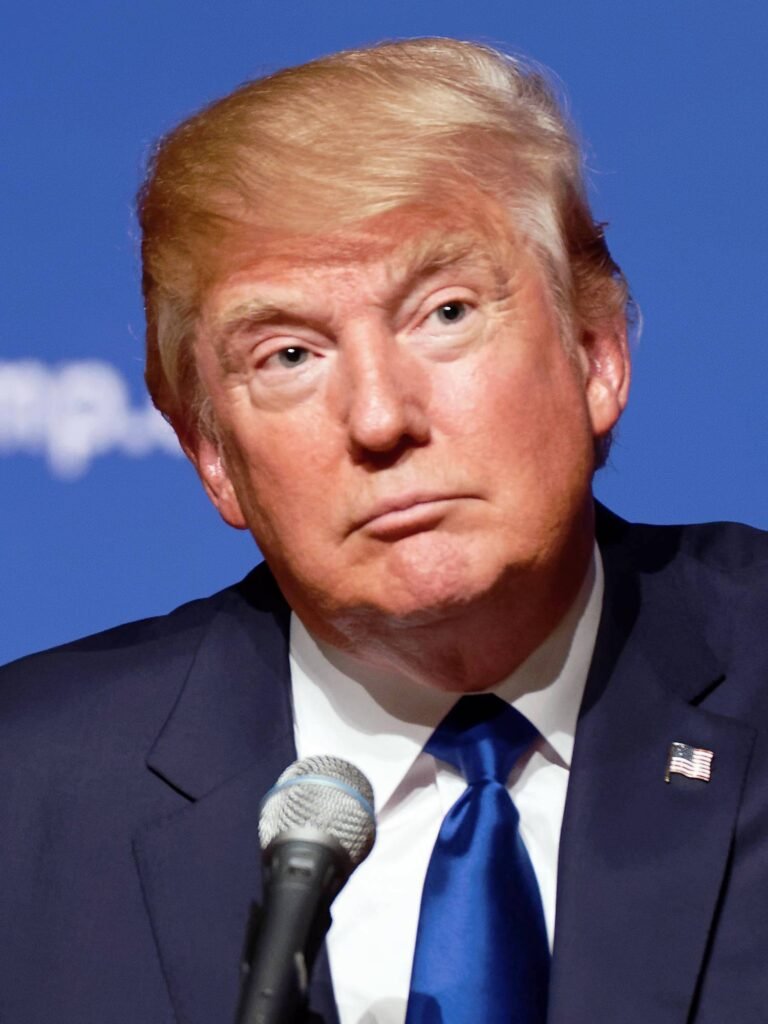
President Donald Trump says the United States might one day get rid of federal income tax because of money the government collects from tariffs on imported goods. Tariffs are extra taxes the U.S. puts on products that come from other countries.
What Trump Is Saying
Trump has said that tariff money could become so large that it might allow the government to cut income taxes “almost completely.” He has also talked about possibly phasing out income tax over the next few years if tariff money keeps going up.
How Taxes Work Now
Right now, the federal government gets much more money from income taxes than from tariffs. Income taxes bring in trillions of dollars each year, while tariffs bring in only a small part of that total. Because of this gap, experts say tariffs would need to grow by many times to replace income tax money.

Questions From Experts
Many economists and tax experts doubt that tariffs alone could pay for the whole federal budget. They warn that very high tariffs could make many imported goods more expensive for shoppers in the United States. This could hit lower- and middle‑income families hardest, because they spend a big share of their money on everyday items.
What Congress Must Do
The president can change some tariffs, but only Congress can change or end the federal income tax. That means any real plan to remove income tax would need new laws passed by both the House of Representatives and the Senate. So far, there is no detailed law or full budget plan on this idea.
What It Means Right Now
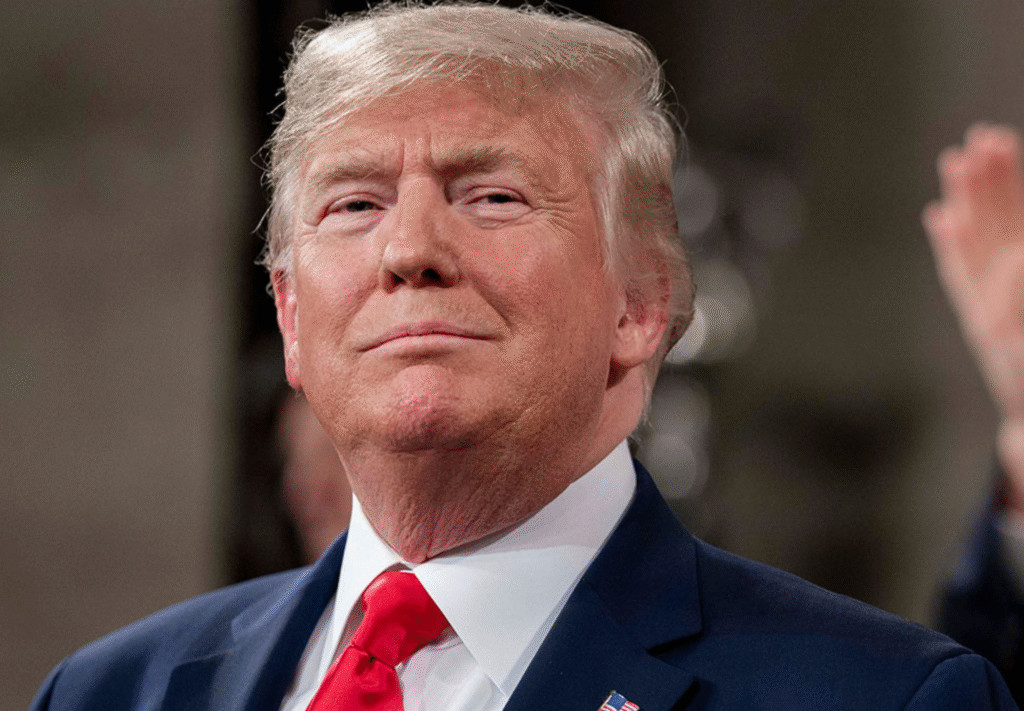
For now, Trump’s comments are a proposal, not a change in the law. People and businesses still have to pay federal income tax under the current rules. The debate over using tariffs instead of income taxes is likely to continue among lawmakers, experts, and voters.
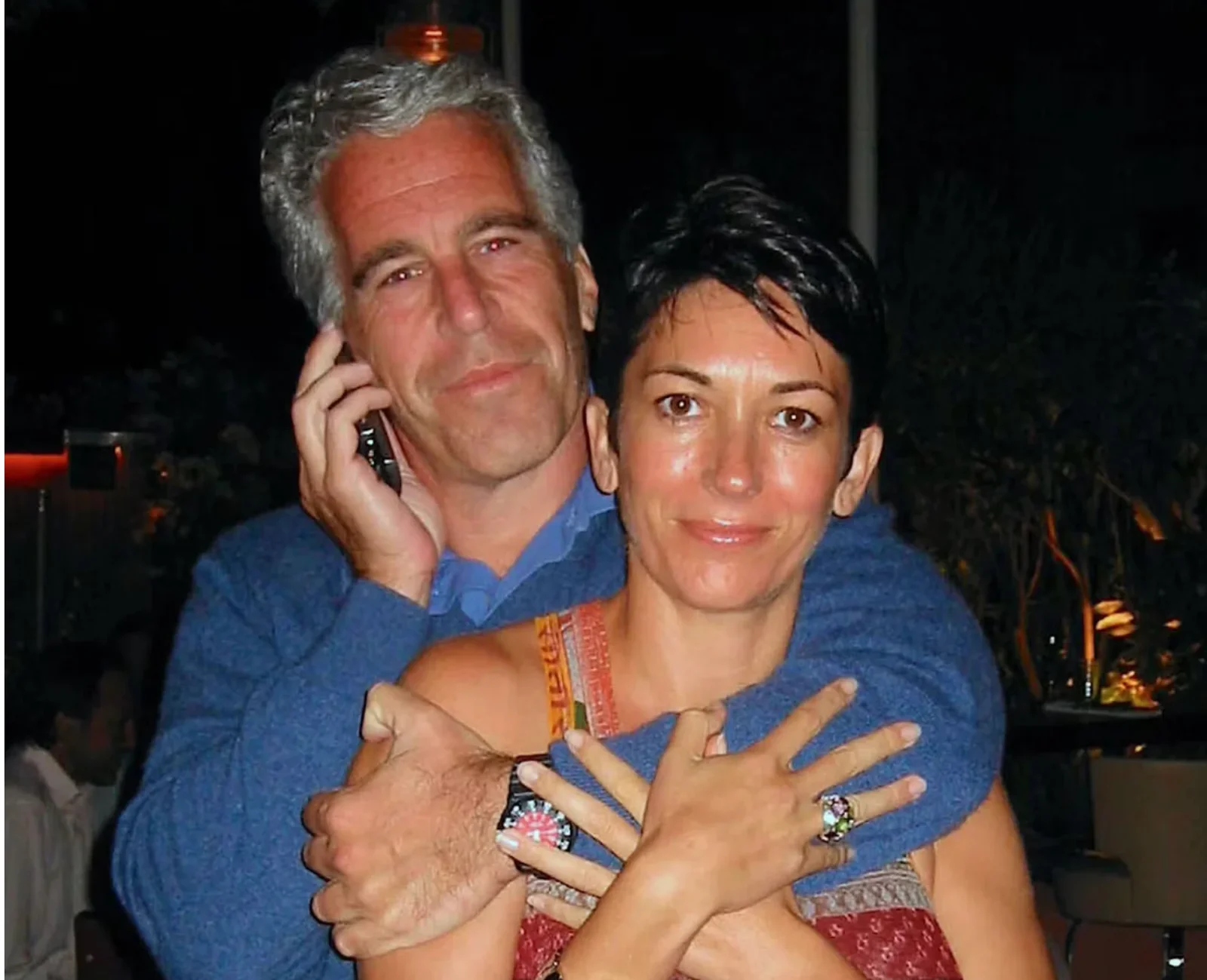
Former President Donald Trump has signed an executive order directing federal agencies to declassify all government files related to Jeffrey Epstein, the disgraced financier whose death in 2019 continues to fuel controversy and speculation.
The order, signed Wednesday at Trump’s Mar-a-Lago estate, instructs the FBI, Department of Justice, and intelligence agencies to release documents detailing Epstein’s network, finances, and alleged connections to high-profile figures. Trump described the move as “a step toward transparency and public trust,” promising that no names would be shielded from scrutiny.
“This information belongs to the American people,” Trump said in a televised statement. “For too long, powerful interests have tried to bury the truth. That ends now.”
U.S. intelligence officials confirmed that preparations for the release are already underway. According to sources familiar with the process, the first batch of documents is expected to be made public within the next 30 days, with additional releases scheduled over several months.

Reactions poured in across the political spectrum. Supporters praised the decision as a bold act of accountability, while critics alleged it was politically motivated, timed to draw attention during a volatile election season. Civil rights advocates, meanwhile, emphasized caution, warning that some records could expose private victims or ongoing legal matters.
The Epstein case, which implicated figures in politics, business, and entertainment, remains one of the most talked-about scandals of the past decade. Epstein’s connections to influential individuals—including politicians, royals, and executives—have long sparked speculation about the extent of his operations and who may have been involved.
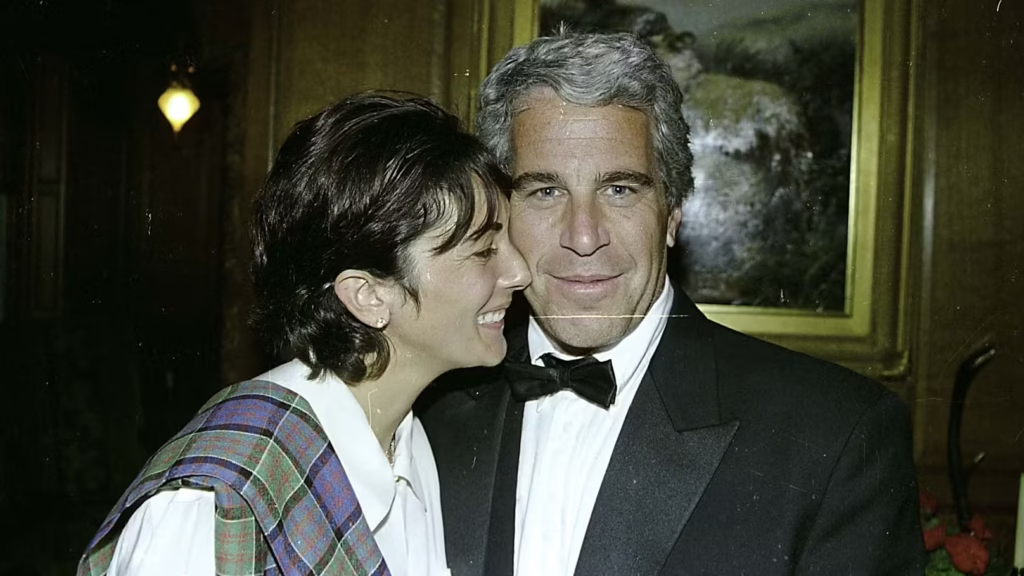
Former federal prosecutor Lauren Fields said the release could mark a turning point in public discourse surrounding government transparency. “Regardless of political stance, this declassification has the potential to reshape how Americans view power and accountability,” Fields noted.
Officials say redactions may still occur to protect sensitive intelligence or personal information, but the intent is a near-complete disclosure. For years, critics of the government’s handling of Epstein’s case have accused agencies of concealing evidence or shielding elites from exposure. Trump’s order promises to change that narrative.
As anticipation builds, journalists, legal analysts, and online commentators are preparing for what could be one of the most consequential information releases in recent history.
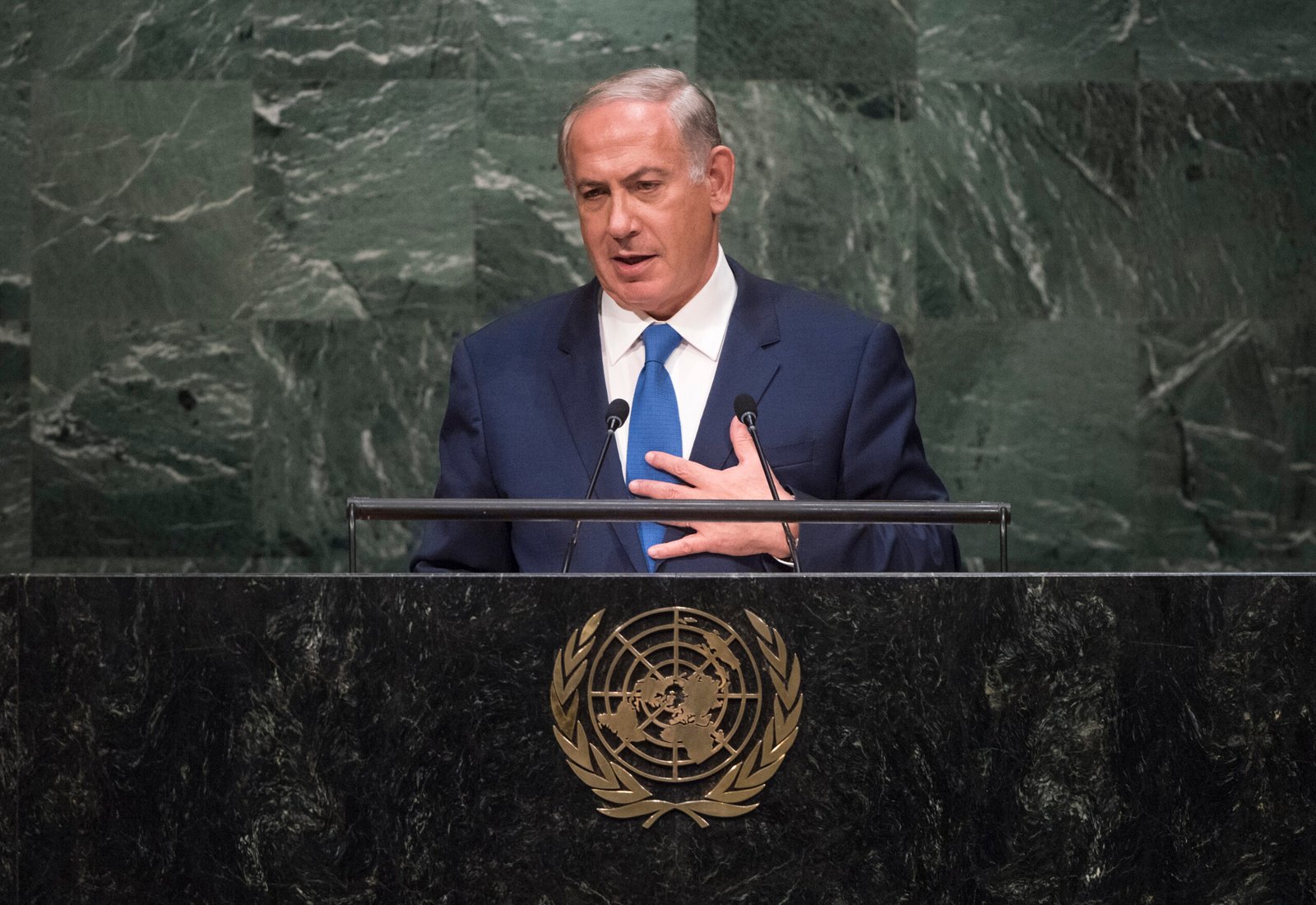
What Happened at the United Nations
On Friday, Israeli Prime Minister Benjamin Netanyahu addressed the United Nations General Assembly in New York City, defending Israel’s ongoing military operations in Gaza. As he spoke, more than 100 delegates from over 50 countries stood up and left the chamber—a rare and significant diplomatic walkout. Outside the UN, thousands of protesters gathered to voice opposition to Netanyahu’s policies and call for accountability, including some who labeled him a war criminal. The protest included activists from Palestinian and Jewish groups, along with international allies.
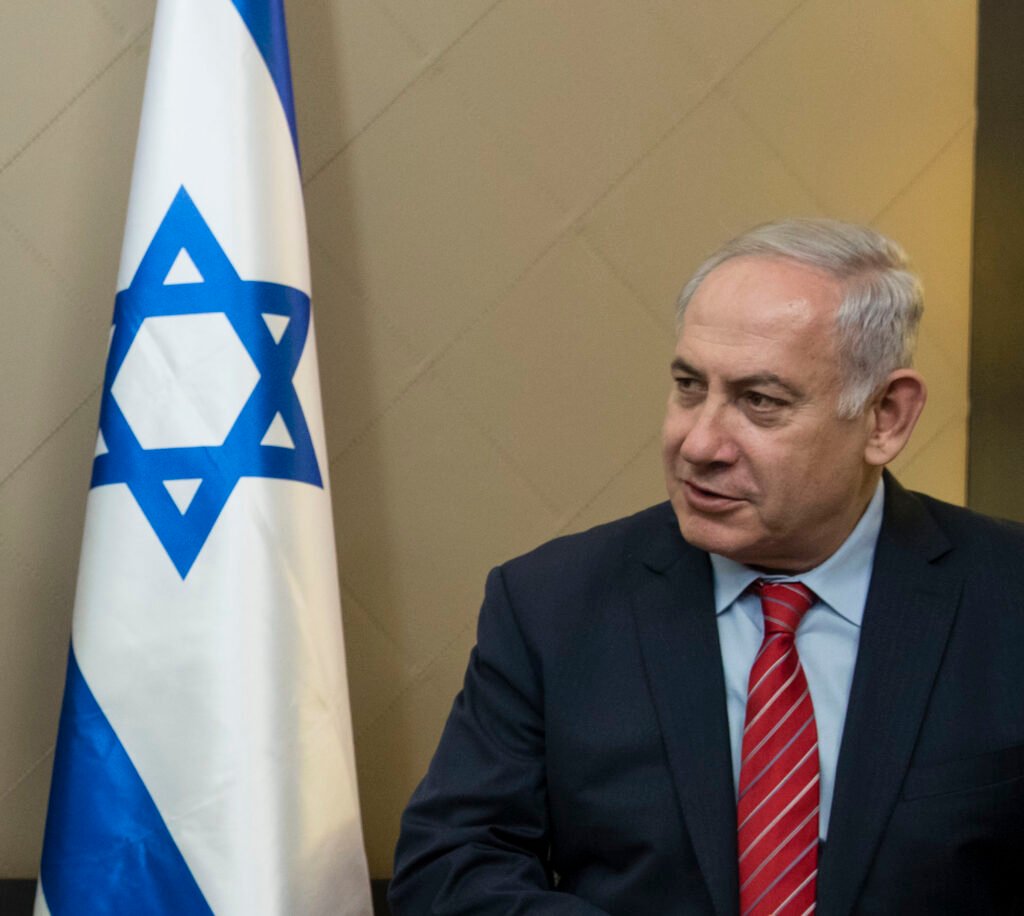
Why Did Delegates and Protesters Walk Out?
The walkouts and protests were a response to Israel’s continued offensive in Gaza, which has resulted in widespread destruction and a significant humanitarian crisis. Many countries and individuals have accused Israel of excessive use of force, and some international prosecutors have suggested Netanyahu should face investigation by the International Criminal Court for war crimes, including claims that starvation was used as a weapon against civilians. At the same time, a record number of nations—over 150—recently recognized the State of Palestine, leaving the United States as the only permanent UN Security Council member not to join them.
International Reaction and Significance
The diplomatic walkouts and street protests demonstrate increasing global concern over the situation in Gaza and growing support for Palestinian statehood. Several world leaders, including Colombia’s President Gustavo Petro, showed visible solidarity with protesters. Petro called for international intervention and, controversially, for US troops not to follow orders he viewed as supporting ongoing conflict. The US later revoked Petro’s visa over his role in the protests, which he argued was evidence of a declining respect for international law.
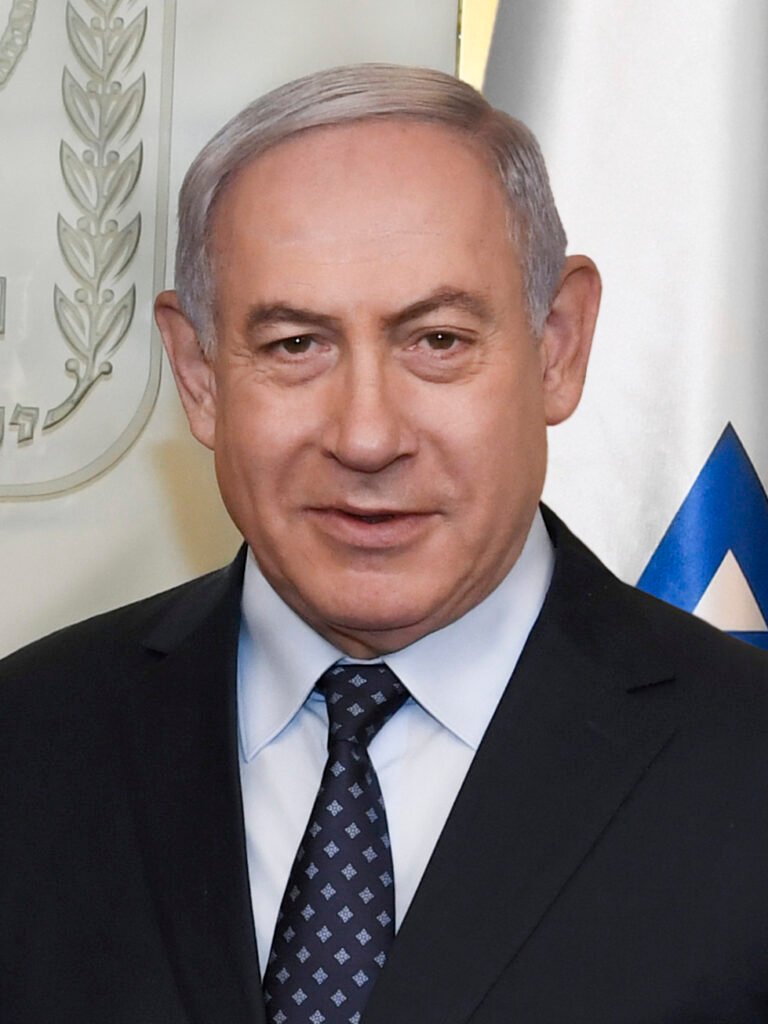
Why Is This News Important?
The Gaza conflict is one of the world’s most contentious and closely-watched issues. It has drawn strong feelings and differing opinions from governments, activists, and ordinary people worldwide. The United Nations, as an international organization focused on peace and human rights, is a key arena for these debates. The events surrounding Netanyahu’s speech show that many nations and voices are urging new action—from recognition of Palestinian rights to calls for sanctions against Israel—while discussion and disagreement over the best path forward continue.

This episode at the UN highlights how international diplomacy, public protests, and official policy are all intersecting in real time as the search for solutions to the Israeli-Palestinian conflict remains urgent and unresolved.

The Franchise Is Over. Here’s Who’s Winning Now.

What Kanye’s ‘Father’ Says About Power, Faith, and Control

The machine isn’t coming. It’s aleady the room.


 Advice3 weeks ago
How to Find Your Voice as a Filmmaker
- News3 weeks ago
How Misinformation Overload Breaks Creative Focus
- News4 weeks ago
From Seen to Secured: How Filmmakers Are Owning Their Value
- Entertainment3 weeks ago
7 Filmmaking Lessons From Michael B. Jordan’s Oscar Moment
- Entertainment3 weeks ago
This scene almost broke him. And changed his career.
- News1 week ago
The Timothée Chalamet Guide to Ruining Your Image
- Advice2 weeks ago
Stop Waiting for Permission — The Film Industry Just Rewrote the Rules
- Entertainment7 days ago
The machine isn’t coming. It’s aleady the room.