

About Us


Highly creative and authentic activations and events with
Bolanle Media
Fill out the form below and we will be in touch within 24-48 hours to discuss your event or campaign.
Let Bolanle Media do the marketing for you
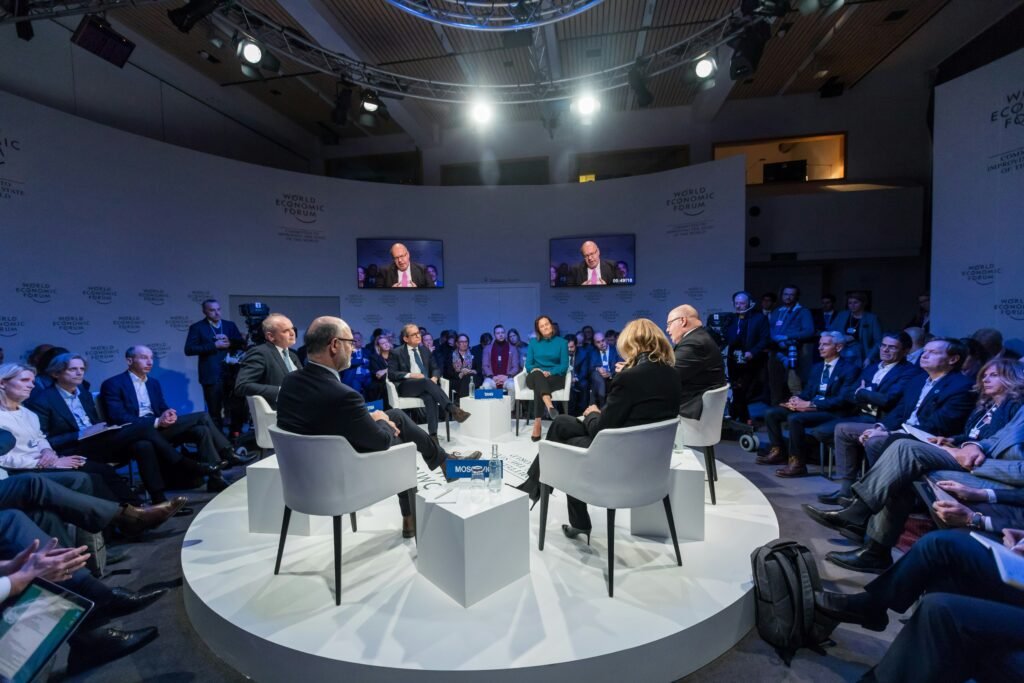
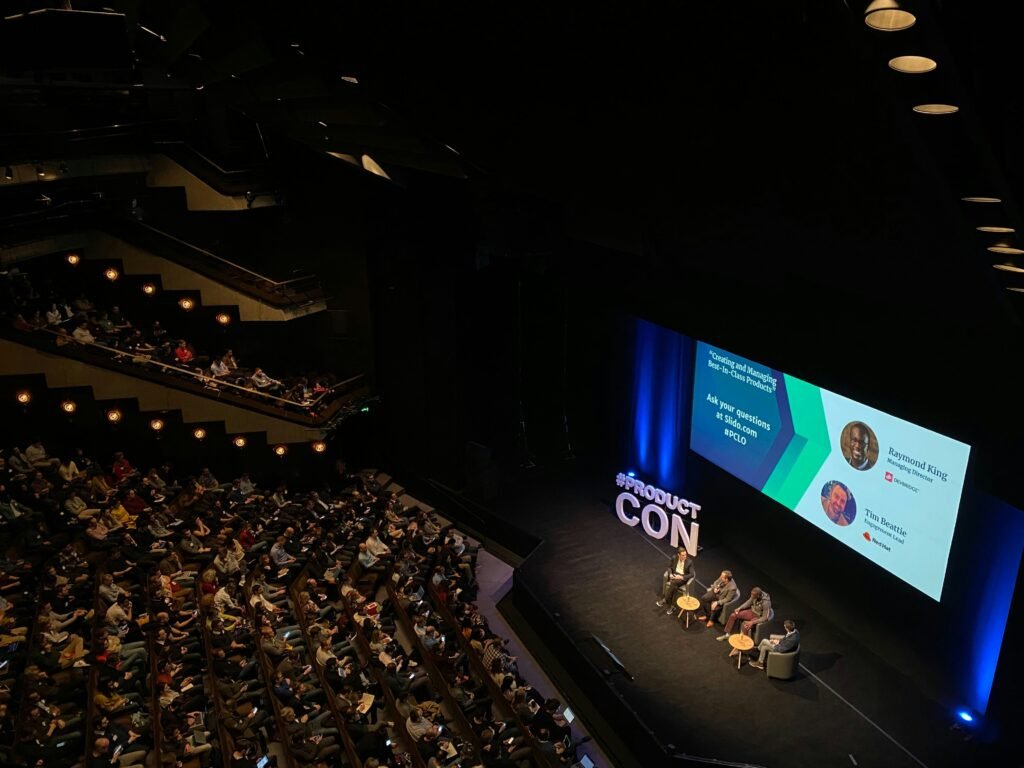
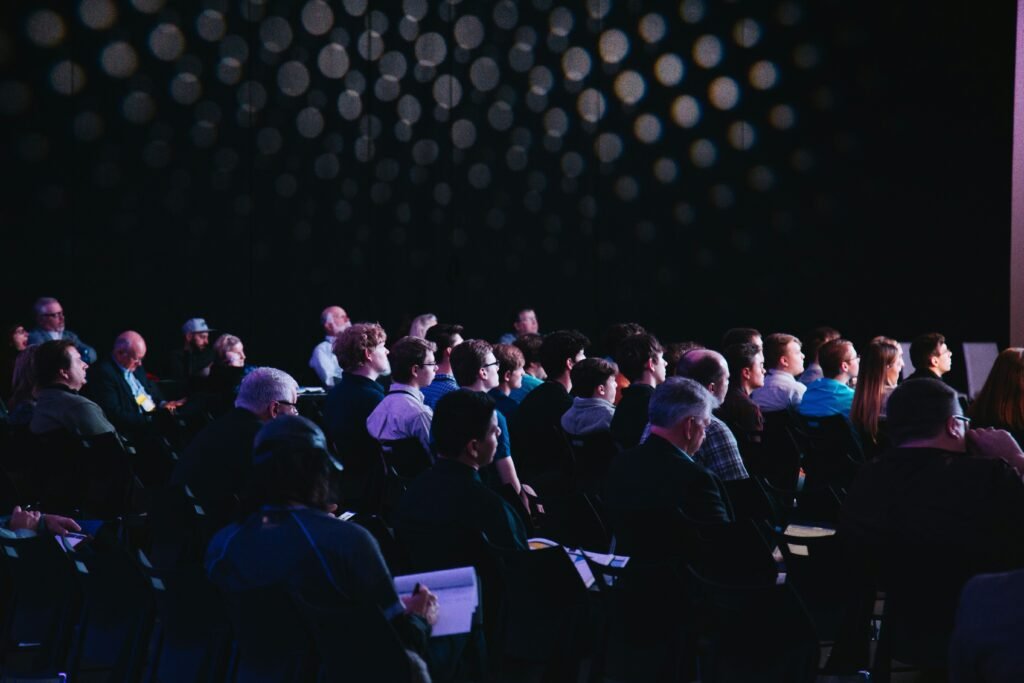
Our internationally renowned activation and event specialists build unrivalled loyalty between brands and audiences globally. From large-scale conferences and multi-territory product launches to intimate award ceremonies and creator content campaigns, every experience is highly creative and authentic to your brand.
Festivals
We bring the excitement to life with immersive experiences that leave festival-goers eager for more.
Technology
Our events showcase innovation and connectivity, driving engagement and conversion.
Healthcare
We create impactful experiences that educate, inspire, and foster meaningful connections.
Real Estate
Our events showcase properties in unforgettable ways, driving sales and brand loyalty.
Events & Activation
Bolanle Media
“Extraordinary events and activations, meticulously crafted to leave a lasting impression. Bolanle Media’s expert team brings your vision to life with precision and flair, delivering unforgettable experiences that surpass expectations. From concept to execution, our dedication to detail and passion for innovation ensure that every moment is nothing short of extraordinary. Whether it’s a product launch, conference, or brand activation, we create immersive environments that inspire, educate, and entertain. Our events are a masterful blend of creativity, technology, and hospitality, setting the standard for excellence in the industry.”
Book Now
Testimonials
“Wow, what an incredible experience! The team at Bolanle Media truly outdid themselves with our product launch event. The attention to detail, creativity, and execution were all top-notch. We’ve received so much positive feedback from our guests and it’s all thanks to their hard work and expertise.”
Private Equity Firm
“I’ve worked with many event companies before, but Bolanle Media is truly in a league of their own. Their ability to understand our brand and bring it to life through their events is unparalleled. Their team is professional, friendly, and always goes above and beyond. Can’t recommend them enough!”
Nick Broughton
“We hired Bolanle Media to plan our company’s 10-year anniversary celebration and it was an unforgettable night! The venue, food, entertainment, and overall atmosphere were all perfect. Our employees are still talking about it months later. Thank you to the entire team at Bolanle Media for making it such a special and memorable occasion!”
Aleesha Watkins
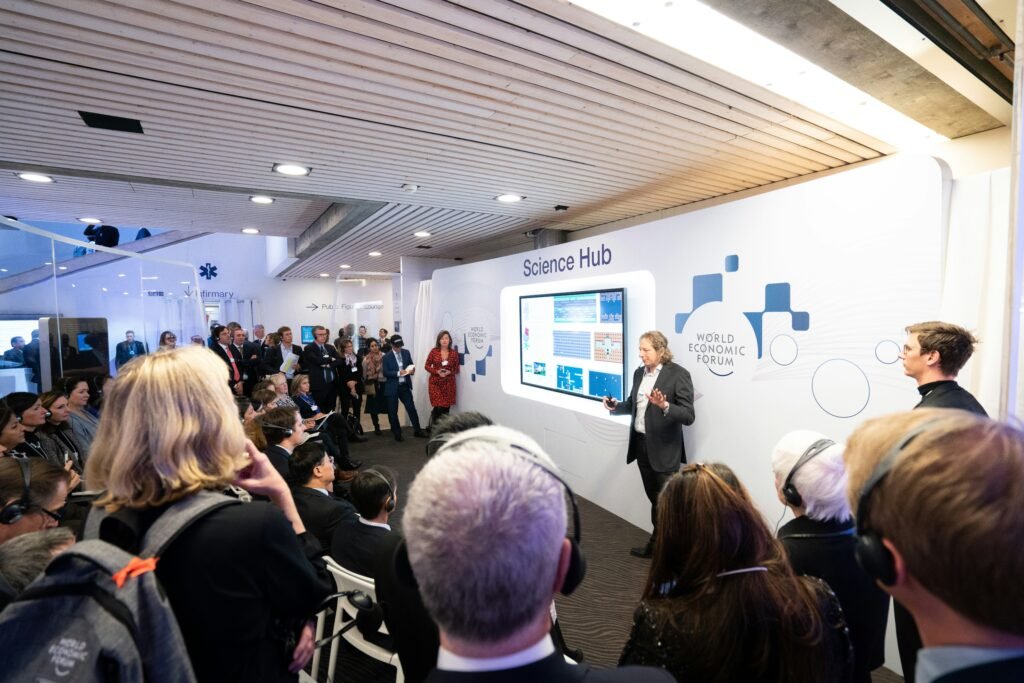

From private soirees to large-scale events, we craft immersive environments that leave a lasting impression.
Bolanle Media. All rights reserved


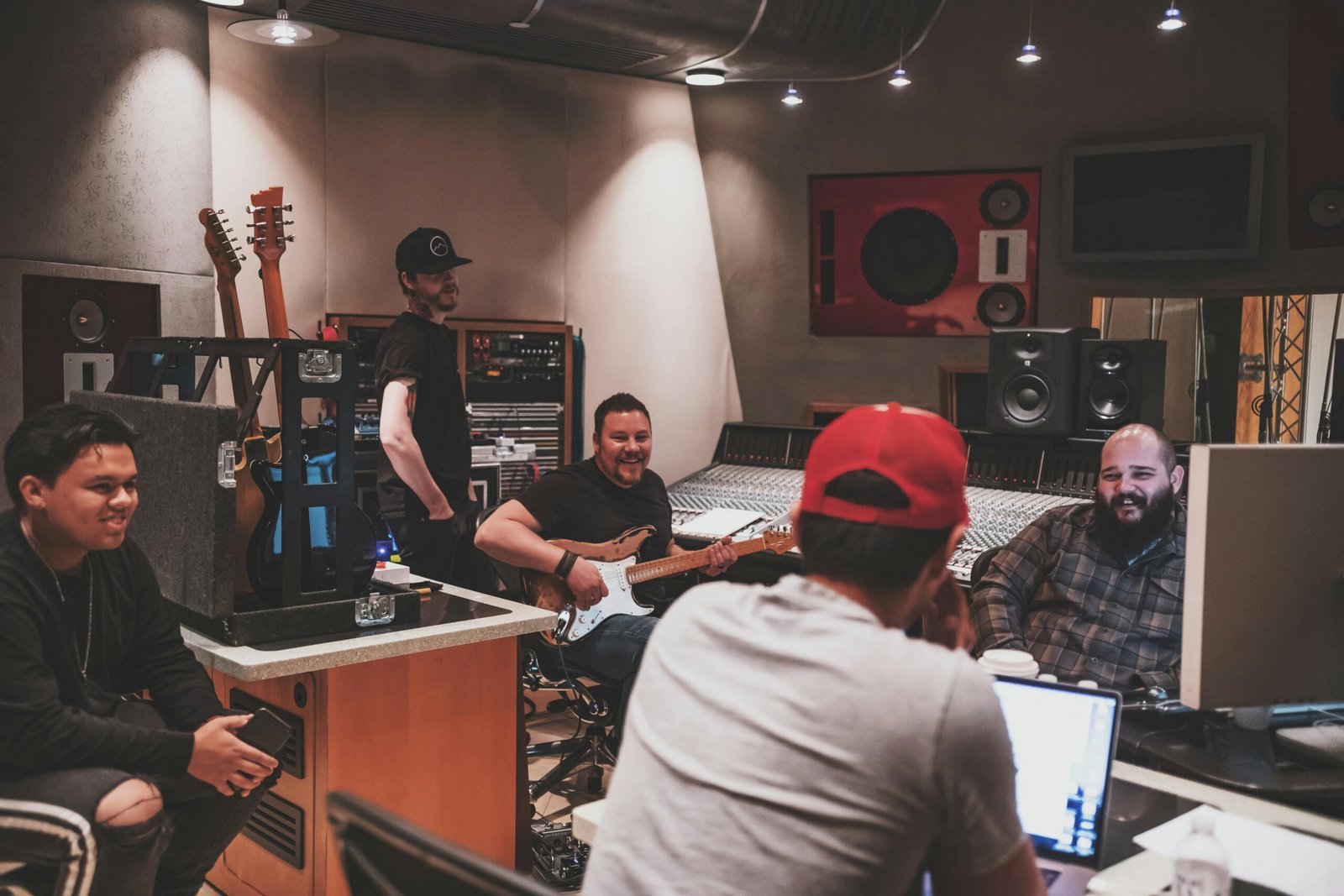
A practical guide for independent artists who want their music heard on the big screen.
Every memorable film has one thing in common: music.
Think about your favorite movie scenes. Chances are, the music made the moment unforgettable. A powerful song can transform an emotional conversation, make an action sequence more exciting, or leave audiences thinking long after the credits roll.
Behind every one of those moments is a decision. Someone chose that song because it helped tell the story.
For independent artists, that raises an important question:
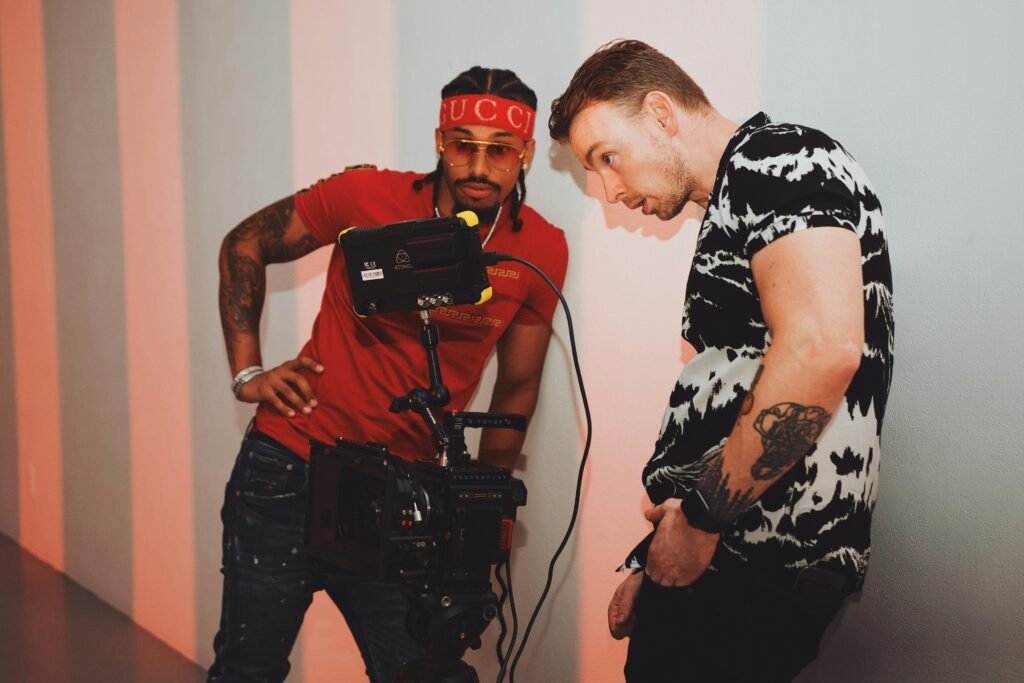
How does your music become one of those songs?
The answer isn’t simply writing better music. It’s understanding how filmmakers search for, evaluate, and license music in the first place.
Filmmakers Aren’t Always Looking for Famous Artists
One of the biggest misconceptions in the music industry is that only chart-topping artists land songs in films.
In reality, independent filmmakers often have limited music budgets and are searching for songs that fit the emotion of a scene—not necessarily the artist with the biggest following.
Sometimes an unknown artist with the perfect song is a better choice than a global superstar whose music is too expensive or unavailable to license.
The question filmmakers ask isn’t:
“Who has the most streams?”
It’s:
“Which song tells this story best?”
Think Like a Director, Not Just a Musician
Many artists write songs for listeners.
Successful sync artists often write songs that listeners can also see.
As you’re creating music, imagine where it could live on screen.
Could it play during:
- A couple falling in love?
- A championship victory?
- A heartbreaking goodbye?
- A suspenseful chase?
- A coming-of-age montage?
- The emotional final credits?
If a director can instantly picture your music inside a scene, you’ve already increased its value.
Ownership Matters More Than Most Artists Realize
A filmmaker may fall in love with your song, but if it’s difficult to determine who owns the rights, the opportunity can disappear quickly.
Every artist should know:
- Who owns the songwriting.
- Who owns the master recording.
- Whether all collaborators have agreed to licensing.
- Who should be contacted for permission.
The simpler the licensing process, the easier it becomes for filmmakers to move forward.
Organization Creates Opportunity
Professional artists don’t just organize their music—they organize their business.
Before pitching music for film or television, make sure you have:
- High-quality WAV files.
- Instrumental versions.
- Clean edits (when appropriate).
- Song lyrics.
- Accurate metadata.
- Genre and mood descriptions.
- Tempo (BPM).
- Contact information.
- A simple licensing contact or email.
These details may seem small, but they save filmmakers time—and in production, time matters.
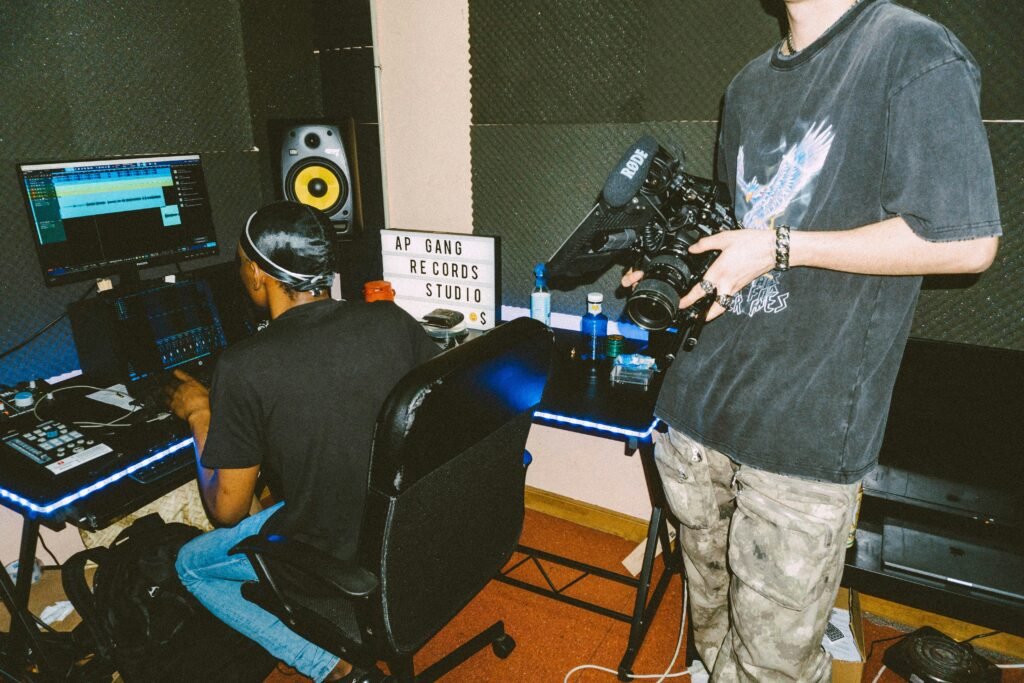
Relationships Open Doors
Many music placements begin long before a contract is signed.
They start with conversations.
Independent film festivals, networking events, filmmaker meetups, creative conferences, podcast interviews, and industry mixers all bring musicians and filmmakers into the same room.
A director who hears your music today may remember it months later when editing their next project.
Creative careers are often built one relationship at a time.
Think Beyond Hollywood
When artists imagine film placements, they often picture major Hollywood productions.
But opportunities exist far beyond traditional studios.
Music is licensed every day for:
- Independent feature films.
- Short films.
- Documentaries.
- Streaming series.
- Commercials.
- Brand campaigns.
- Podcasts.
- Video games.
- YouTube productions.
- Film festival trailers.
Many successful careers begin with smaller projects that lead to larger opportunities over time.
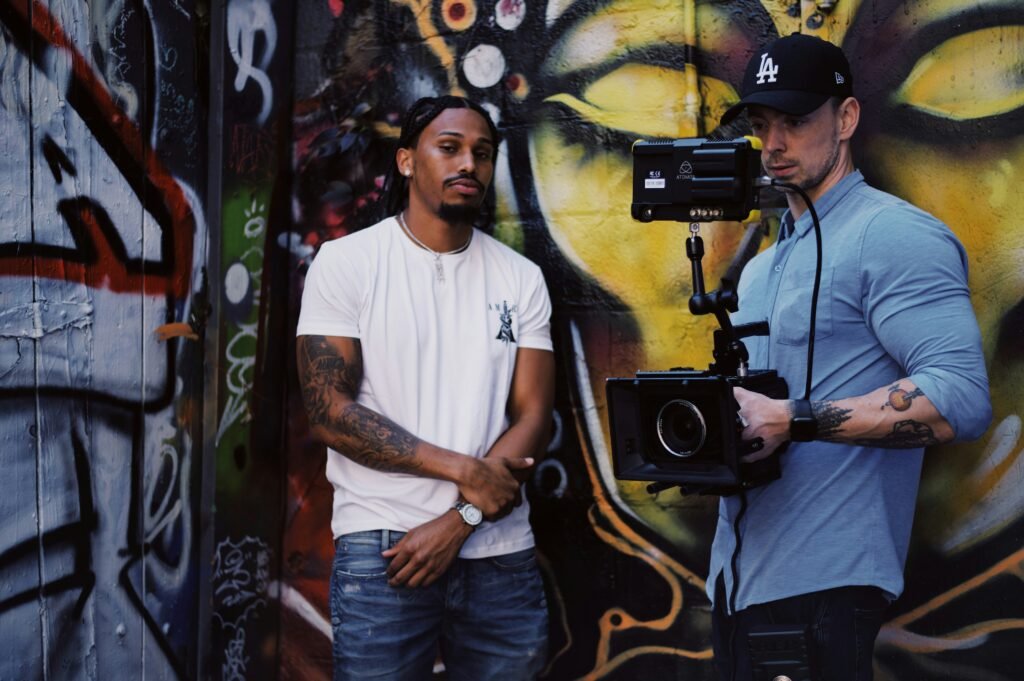
Your Music Is Part of Someone Else’s Story
Filmmakers aren’t simply searching for background music.
They’re searching for songs that make audiences laugh, cry, celebrate, hope, remember, or feel something they didn’t expect.
The best music doesn’t compete with a story.
It becomes part of it.
As an independent artist, your goal isn’t just to release another song.
It’s to create music that someone can imagine bringing a story to life.
Because somewhere, a filmmaker is editing the final scene of their next project.
The only question is:
When they reach that moment… will your music be the song they hear?
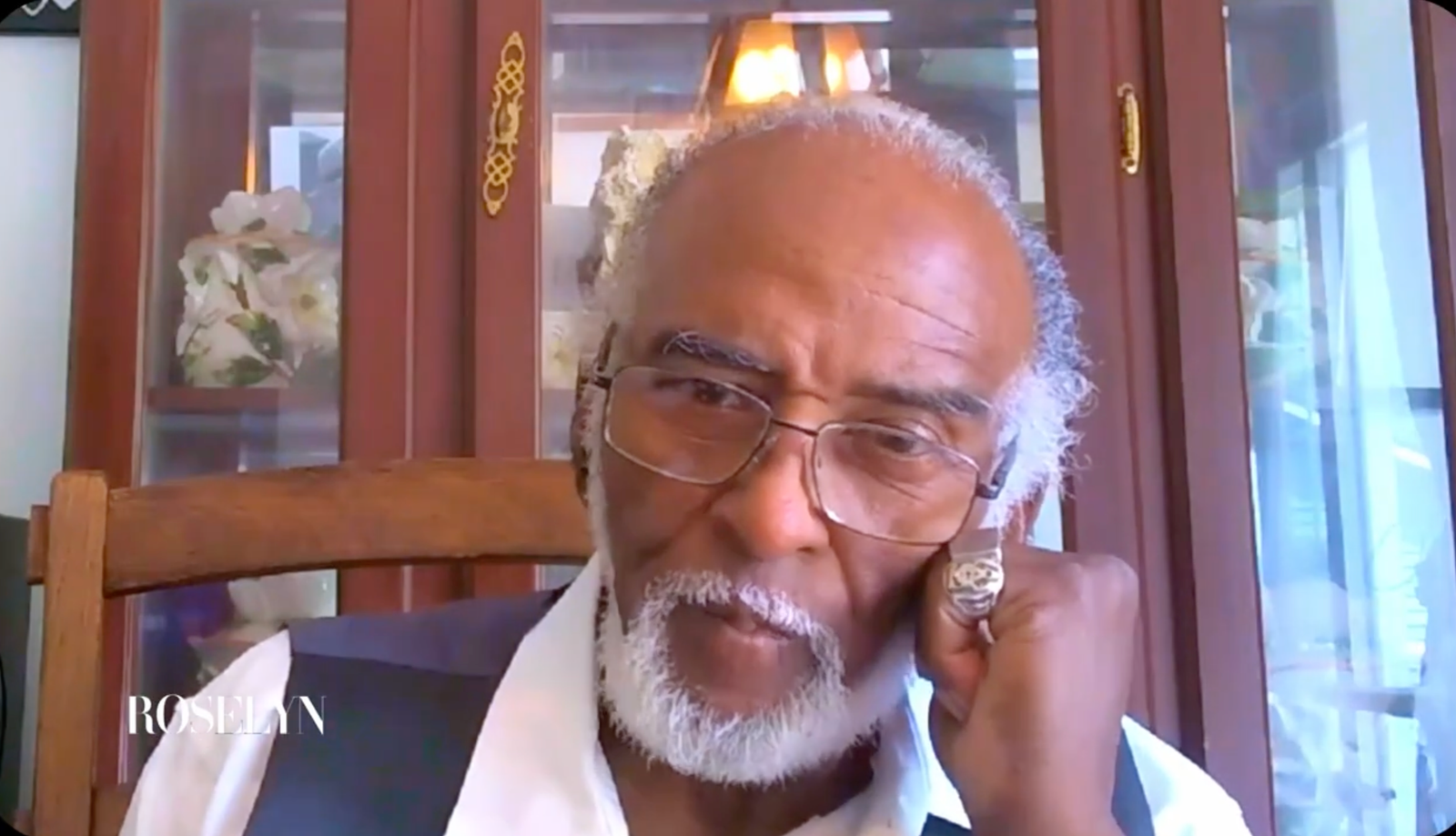
Every generation has a story that gets buried until someone brave enough decides to tell it. For Dr. John Robinson, that story starts with a lie told about him by a powerful employer, and it’s now becoming an upcoming film that promises to bring his 12-year fight for justice to the screen.
The Insult That Started It All
Robinson says he was on track for a $72,000-a-year promotion, complete with a company vehicle and credit card, when it was suddenly stripped away without warning.
The reason, according to Robinson, was chilling: his employer allegedly said a Black man was incapable of learning unless he was taught by a white man.
That single sentence became the fuse that lit a 12-year legal war, and it’s the emotional core the upcoming film is built around.
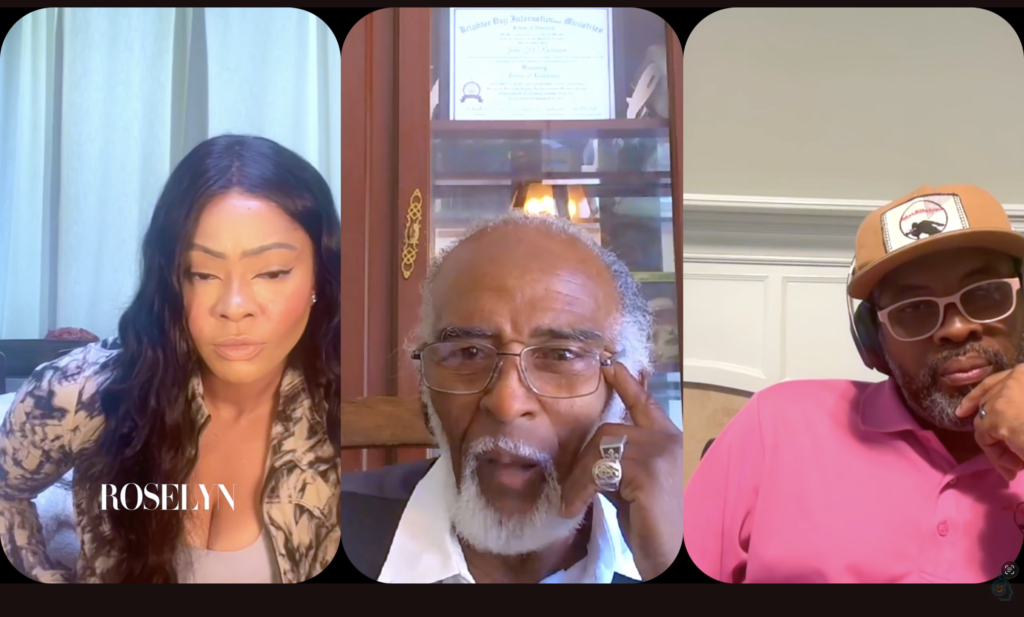
From the Farm to Federal Court
Robinson’s story starts long before the lawsuit. At six years old, he says local children beat him and packed his mouth and head with clay on the orders of adults in his rural Florida community. He grew up sharecropping, later became a trained expert who trained every employee who got promoted ahead of him, yet was passed over himself time after time. These are the formative scenes the film is expected to explore in depth.
The Real Case Behind the Story: Robinson v. Caulkins Indiantown Citrus Co.
This isn’t just a personal account — it’s backed by real federal court filings. Public records confirm John H. Robinson filed Robinson v. Caulkins Indiantown Citrus Co., a race discrimination lawsuit in the U.S. District Court for the Southern District of Florida, brought under both Title VII of the Civil Rights Act of 1964 and Section 1981 of the Civil Rights Act of 1866. Court documents show Robinson sought back pay, promotion, benefits, and both compensatory and punitive damages. The case, which began as an individual complaint in 1983, moved toward class-action status, and Robinson has said he refused a $980,000 settlement offer rather than let the case collapse back into an individual claim.
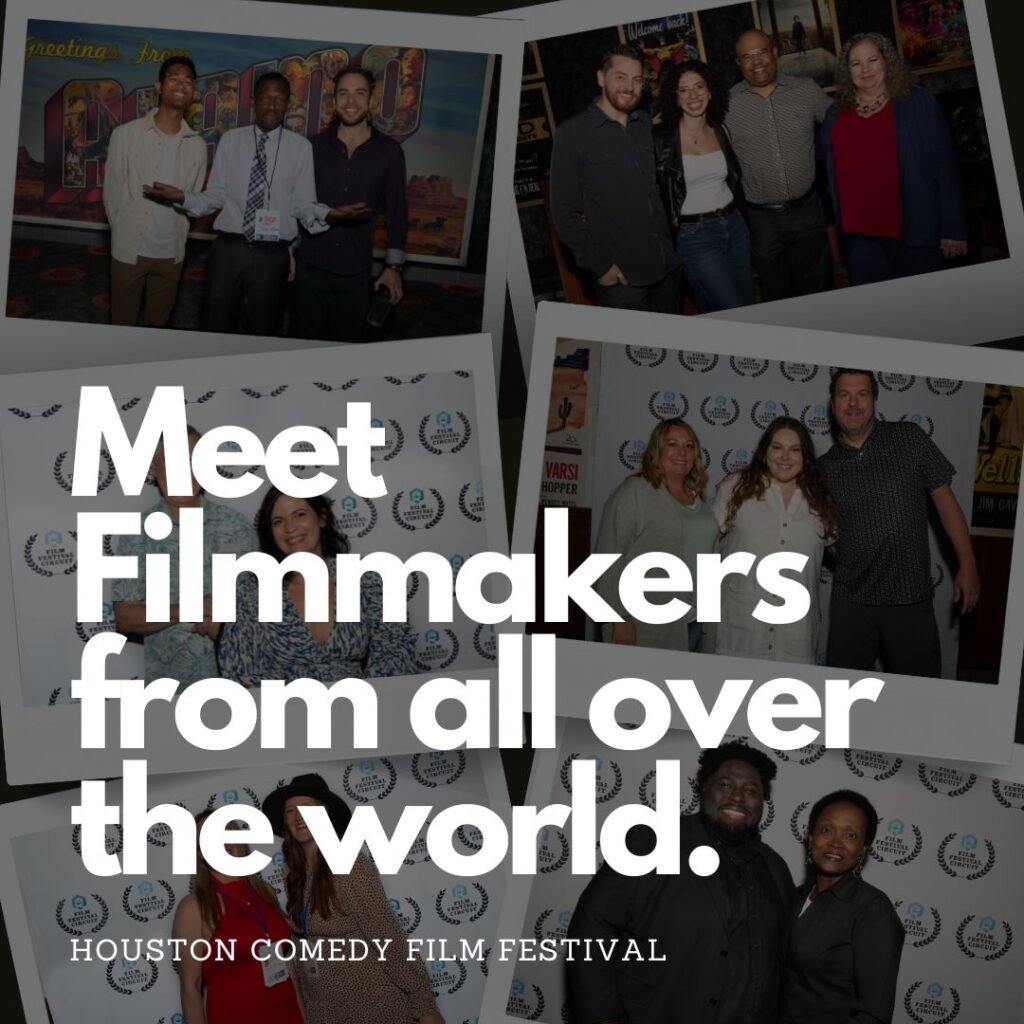
The litigation dragged through the 1980s, with a federal judge ruling on discovery and dismissal motions as late as January 1988, and the case was set for trial that spring in West Palm Beach. Robinson has said the fight put him under FBI protection for five years amid threats to his family, including an alleged pipe-bomb incident tied to a shop he leased. This is the tension the upcoming film is expected to dramatize as its central rising action.
Surviving Cancer to Tell His Story
While building a second career in waste management after the case, Robinson was diagnosed with stage-four esophageal cancer in 2008 and given two to six months to live. He survived, crediting his wife and family, though he lost his wife to illness in recent years. Now, nearly two decades later, he’s still here to see his own story reach the screen.
What’s Coming Next
Director Marcus Head, whose Reynaldo Rey documentary featuring Katt Williams earned a 46th Annual Telly Award, is now adapting Robinson’s memoir “Chicken Scratch” into this upcoming film, describing it as a blend of “Hidden Figures,” “The Pursuit of Happyness,” and “The Color Purple“. Roselyn Omaka of The Roselyn Omaka Show is serving as a consulting producer on the project. Casting remains under wraps until Head gives the green light, but he has been clear about why now is the right time: he calls Robinson’s fight “another story of justice to be told”.
Stay tuned to Bolanle Media for exclusive updates as “Chicken Scratch” moves from interview to production.
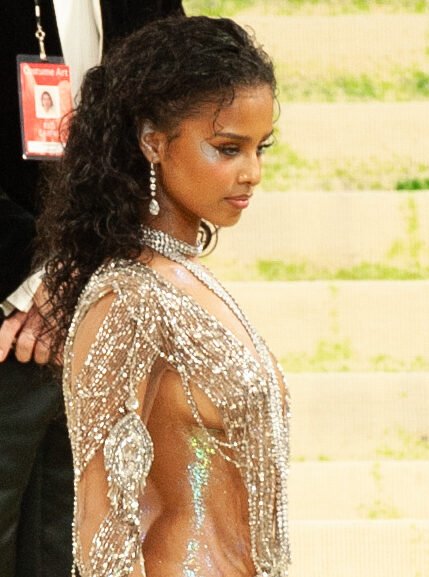
By Bolanle Media | July 2, 2026
Photo: Tyla at the 2026 Met Gala in custom Valentino — days before making the biggest business move of her career.
There are career moves, and then there are statements. Tyla just made a statement that will be studied in music business classrooms for years.
The South African superstar — born Tyla Laura Seethal, 24 years old, and already the proud owner of two Grammy Awards — has officially signed a multi-million dollar global deal with Roc Nation, Jay-Z’s powerhouse entertainment company, walking away from Epic Records to align herself with the most influential roster in the music business. The signing was confirmed across social media with a major digital announcement this week, and the reaction from industry insiders was immediate — shock, admiration, and the quiet acknowledgment that someone just changed the trajectory of African music forever.
From “Water” to a Global Phenomenon
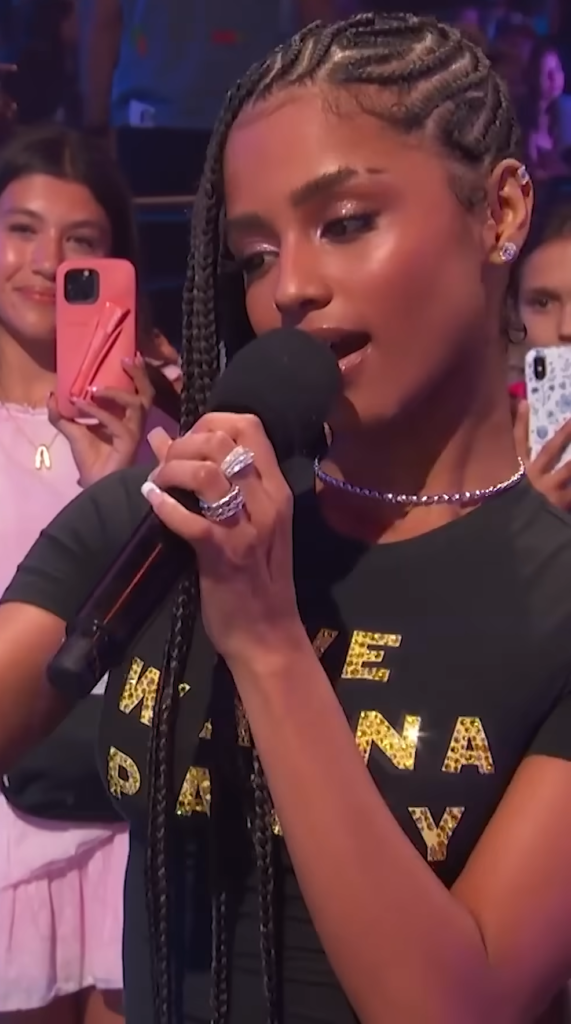
Let’s not forget where this all started. In 2023, a 21-year-old from Johannesburg released a song called “Water” that nobody could quite categorize and everybody needed to hear. Within weeks, it had sparked one of the most viral TikTok dance challenges of the decade, charted simultaneously across the United States, the United Kingdom, and Africa, and earned Tyla a Grammy Award for Best African Music Performance — the first year that category even existed.
That win wasn’t just personal. It was a signal. African music — Afrobeats, Amapiano, and now what Tyla herself calls A*Pop — was no longer knocking at the door of the global mainstream. It had walked through it. And Tyla had handed it the key.
What followed was a whirlwind two years of sold-out shows, magazine covers, red carpet domination, and a growing reputation as one of the most stylistically fearless artists on the planet. She attended the 2026 Met Gala — her third consecutive appearance — wearing a custom Valentino gown dripping in diamond chains with a sweeping teal skirt, styled by the legendary Law Roach, with beauty by Pat McGrath. The look was breathtaking. But it was also strategic. Every Met Gala appearance, every fashion moment, every carefully placed interview has been building toward exactly this: the infrastructure to match the vision.
What Roc Nation Actually Means
To understand why this deal matters, you have to understand what Roc Nation actually is — because it is not simply a record label.
Founded by Jay-Z in 2008, Roc Nation is a full-service entertainment company with divisions spanning artist management, touring, brand partnerships, film and television, sports management, and philanthropy. Its roster has included Rihanna, Alicia Keys, J. Cole, Big Sean, Lil Uzi Vert, and Megan Thee Stallion — artists who didn’t just sell records, but built multi-decade cultural empires that extended into fashion, film, business, and beyond. The through-line isn’t genre. It’s scale.
For Tyla specifically, the Roc Nation deal unlocks a completely different level of access. We’re talking about premium budgets for music videos and live production, top-tier brand partnership pipelines with luxury and lifestyle companies, film and television placement relationships that most artists spend a decade trying to build, and the kind of media weight that gets you on the cover of Vogue, Time, and Billboard in the same calendar year. Roc Nation doesn’t just manage artists — it engineers icons.
On the African music side, Tyla joins fellow Roc Nation signee Ayra Starr, the Nigerian pop star who inked her deal in 2025, deepening the label’s clear and deliberate strategic investment in African pop as the next dominant global genre. Jay-Z is not betting on a trend. He is betting on a generation.
The Album That Could Rewrite the Playbook
The timing of this signing is not accidental — it is surgical.
Tyla’s highly anticipated sophomore album, A*POP, is officially set to drop July 24, 2026, just three weeks away — a 14-track project that she has described as unapologetic, globally ambitious, and deeply rooted in her South African identity while simultaneously reaching for something universal. The lead single “She Did It Again” features Swedish pop titan Zara Larsson, a collaboration that announces in no uncertain terms that Tyla is not staying in any lane she didn’t build herself.
With Roc Nation’s full machine now behind the album rollout — promotional infrastructure, media relationships, tour routing, brand activations — A*POP arrives with a runway that Epic Records simply could not have provided at this scale. The industry is already paying attention. For music supervisors, film and TV executives, brand marketers, and entertainment investors reading this right now — put A*POP on your radar immediately. This is the kind of release that shapes culture, not just charts.
The Bigger Picture Nobody Is Talking About
Here is what gets lost in the excitement of a big announcement: the systemic significance of what Tyla just did.
The music industry’s historical relationship with African artists has been, at best, transactional — major labels slow to invest, quick to cash in on a viral moment, and consistently reluctant to build the kind of long-term infrastructure that turns an artist into a brand. Tyla has navigated that system with remarkable intelligence, refusing to be reduced to a trend, building her artistic identity on her own terms, and now — at 24 — arriving at the negotiating table with enough leverage to choose Roc Nation on her terms.
That matters. Not just for Tyla, but for every African artist watching this unfold from Lagos, Accra, Nairobi, Cape Town, and Houston. It is proof that the path from regional phenomenon to global superstar is not only possible — it is being paved right now, in real time, by a young woman from Johannesburg who refused to shrink.
For media companies, content platforms, entertainment executives, and brand strategists operating in the African diaspora space — this is your data point. African pop is not a niche. It is not a trend. It is not a moment. It is a movement, and Tyla just secured the most powerful co-sign available in the global music business to lead it.
Watch this space. Very closely.
Follow @bolanlemedia on Instagram for real-time music, film, and entertainment industry news. Read more at bolanlemedia.com

Why Some Songs End Up in Movies—While Others Never Do

They Told Him a Black Man Can’t Learn. He Sued Them and Won.


